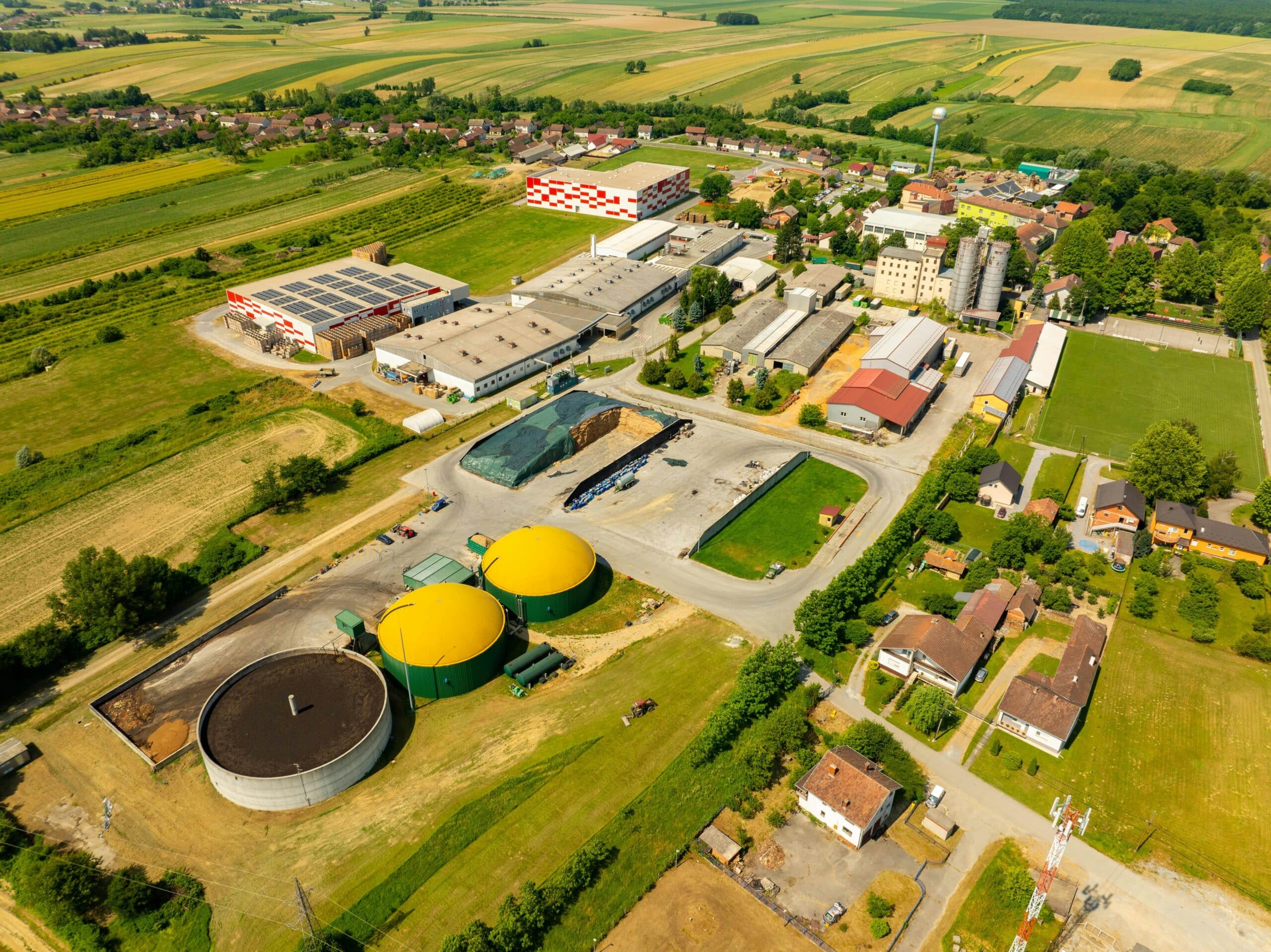
Rural communities face unique financial challenges that demand specialized debt management approaches. Building lasting prosperity requires understanding both traditional agricultural economics and modern financial tools.
🌾 Understanding the Financial Landscape of Rural America
Rural communities operate within a fundamentally different economic framework compared to their urban counterparts. The financial rhythms of agricultural life, seasonal income fluctuations, and limited access to traditional banking services create a distinctive debt management environment that requires tailored solutions.
The backbone of rural economies often relies on farming, ranching, forestry, and small businesses that serve these industries. These income sources typically follow seasonal patterns, with large expenses occurring months before revenue arrives. This cyclical nature makes conventional debt management advice less applicable and sometimes counterproductive.
Geographic isolation compounds these challenges. Rural residents may travel significant distances to reach financial institutions, limiting their access to in-person financial counseling and banking services. This distance also affects their ability to comparison shop for loans, insurance, and other financial products that urban residents take for granted.
💰 Identifying Common Debt Challenges in Agricultural Communities
Farm debt has reached historic levels in many regions, with operational loans, equipment financing, and land mortgages creating complex debt portfolios. The average farm operation carries substantial debt loads that fluctuate with commodity prices, weather patterns, and global market forces beyond any individual farmer’s control.
Equipment costs represent a particular challenge. Modern farming requires increasingly sophisticated and expensive machinery. A single combine harvester can cost upward of half a million dollars, forcing farmers into long-term financing arrangements that create vulnerability during poor crop years.
Medical debt disproportionately affects rural populations due to limited healthcare access and higher uninsured rates. Rural residents often delay medical treatment due to distance and cost, only to face emergency situations that generate catastrophic debt. This healthcare debt frequently combines with agricultural debt to create overwhelming financial pressure.
The Hidden Impact of Infrastructure Limitations
Poor broadband access limits rural residents’ ability to access online financial education resources, compare loan rates, or use digital banking tools that could help manage debt more effectively. This digital divide effectively excludes rural communities from innovations that benefit urban populations.
Transportation costs add another layer to rural debt challenges. Residents must maintain reliable vehicles to access employment, healthcare, and services. Vehicle loans and maintenance expenses consume a larger percentage of rural household budgets compared to urban families with public transportation options.
🎯 Strategic Approaches to Agricultural Debt Management
Successful rural debt management begins with understanding cash flow timing. Creating detailed projections that account for planting costs, growing seasons, harvest timing, and market conditions allows for strategic debt structuring that aligns payments with revenue generation.
Operating lines of credit designed specifically for agricultural operations provide flexibility that fixed payment loans cannot match. These credit lines allow farmers to draw funds when needed for inputs and repay when crops sell, matching debt service to income patterns.
Consolidating high-interest consumer debt into farm operating loans or home equity products can significantly reduce interest costs. However, this strategy requires careful consideration since it converts unsecured debt into secured obligations that put farm assets at risk.
Leveraging Government Programs and Rural Development Resources
The United States Department of Agriculture offers numerous programs specifically designed to support rural financial stability. Farm Service Agency loans provide financing options for those who cannot obtain commercial credit, including direct operating loans, farm ownership loans, and emergency loans for disaster recovery.
Rural Development programs extend beyond agriculture to support small business development, housing, and community facilities. These programs often feature lower interest rates and more flexible terms than commercial alternatives, making them valuable tools for managing and consolidating debt.
Conservation programs provide additional income streams that can accelerate debt repayment. The Conservation Reserve Program, Environmental Quality Incentives Program, and similar initiatives offer payments for implementing environmentally beneficial practices, creating cash flow independent of commodity production.
🏡 Housing Debt Strategies for Rural Homeowners
Rural housing debt presents unique considerations. Properties in agricultural areas may serve dual purposes as both residences and business assets. This dual nature affects refinancing options, tax treatment, and bankruptcy protections.
USDA Rural Development housing loans offer subsidized mortgages for qualified borrowers in eligible rural areas. These loans require no down payment and feature below-market interest rates, making homeownership more accessible and reducing long-term debt burdens.
Home equity represents a powerful debt management tool when used strategically. Rural properties with substantial acreage often hold significant equity that can consolidate high-interest debt. However, this approach requires careful analysis since agricultural land values fluctuate with commodity markets and economic conditions.
Property Tax Considerations in Rural Debt Planning
Agricultural property tax exemptions and valuations based on productive use rather than market value can significantly reduce property tax burdens. Understanding these exemptions and ensuring proper classification prevents unnecessary debt accumulation from property taxes.
Delinquent property taxes in rural areas can quickly spiral into tax lien sales or foreclosure. Establishing payment plans with county assessors before falling behind protects property rights and prevents adding collection costs and penalties to existing debt loads.
📊 Building Emergency Reserves Despite Irregular Income
Traditional financial advice recommends three to six months of expenses in emergency savings, but this approach doesn’t translate well to agricultural income patterns. Rural families need modified strategies that account for seasonal income while building financial buffers.
The key lies in saving aggressively during peak income periods. When harvest checks arrive or livestock sales close, immediately allocating a percentage to savings before addressing wants creates reserves that prevent new debt during lean months.
Automatic transfer systems help overcome the temptation to spend windfalls. Setting up automatic transfers from checking to savings accounts immediately following major income deposits removes the decision-making burden and builds savings consistently.
Creating Multiple Income Streams for Stability
Diversification reduces reliance on single income sources vulnerable to weather, pests, or market fluctuations. Value-added agricultural products, agritourism, hunting leases, and wind or solar leases create revenue streams that smooth income throughout the year and accelerate debt reduction.
Off-farm employment provides stable income and benefits that complement agricultural revenue. One spouse maintaining non-farm employment provides health insurance, steady cash flow for household expenses, and retirement benefits while farming income addresses debt and business investment.
🤝 Community-Based Financial Solutions
Rural communities possess social capital that urban areas often lack. This tight-knit community structure creates opportunities for collaborative financial approaches that reduce individual debt burdens while building collective prosperity.
Equipment sharing cooperatives allow farmers to access expensive machinery without individual financing. Members share purchase costs and usage, dramatically reducing equipment debt while maintaining operational capability.
Buying cooperatives aggregate purchasing power to negotiate better input prices on seed, fertilizer, fuel, and supplies. Lower input costs free cash flow for debt reduction and reduce the need for operating loans.
Peer-to-Peer Financial Education Networks
Informal financial education through farmer networks, church groups, and community organizations provides debt management training tailored to rural circumstances. These peer education models build financial literacy using examples and situations participants actually face.
Experienced farmers mentoring younger producers transfer not just agricultural knowledge but financial management wisdom. This mentorship prevents the next generation from repeating debt mistakes and accelerates their path to financial stability.
📱 Technology Tools for Rural Debt Tracking
Despite connectivity challenges, technology offers powerful debt management tools for rural communities. Mobile apps designed for agricultural financial management help track expenses, project cash flows, and monitor debt repayment progress even with limited internet access.
Farm management software integrates production records with financial data, providing comprehensive views of profitability and debt capacity. Understanding which enterprises generate positive returns allows strategic focus that accelerates debt reduction.
Simple spreadsheet systems on smartphones or computers can effectively track multiple debts, payment schedules, and interest costs. Visual progress toward debt freedom provides motivation during difficult financial periods.
⚖️ When Professional Debt Help Becomes Necessary
Recognizing when debt has become unmanageable is crucial. Warning signs include consistently paying only minimum amounts, using credit for necessities, missing payments, or experiencing constant financial stress and anxiety.
Agricultural credit counselors specialize in farm financial challenges. These professionals, often available through extension services or farm organizations, provide confidential analysis and develop realistic repayment plans that account for agricultural income patterns.
Bankruptcy, while carrying significant consequences, sometimes represents the best path forward. Chapter 12 bankruptcy was specifically designed for family farmers and fishermen, offering reorganization provisions that allow continued operation while restructuring debt.
Negotiating with Lenders Before Crisis Points
Proactive communication with lenders before missing payments opens doors to solutions that default closes. Most agricultural lenders prefer working with borrowers to restructure loans rather than forcing liquidation that rarely recovers full loan values.
Loan modifications, temporary payment reductions, interest-only periods, and term extensions can provide breathing room during difficult years without forcing asset sales or bankruptcy. However, these accommodations require approaching lenders early with honest financial information and realistic proposals.
🌱 Building Generational Wealth Through Debt Elimination
Eliminating debt creates opportunities to accumulate assets that transfer to subsequent generations. Debt-free family farms represent not just financial assets but cultural heritage and community stability.
Prioritizing debt elimination over expansion prevents the cycle of perpetual debt that traps many agricultural operations. The temptation to expand operations using borrowed funds often leads to increased risk without proportional reward.
Teaching children financial management within agricultural contexts prepares the next generation for responsible stewardship. Involving youth in farm financial decisions, explaining debt costs, and modeling disciplined financial behavior creates lasting prosperity.
🔄 Sustainable Financial Practices for Long-Term Prosperity
Transitioning from debt management to wealth building requires sustainable financial practices. Zero-based budgeting adapted for agricultural operations ensures every dollar has a purpose, whether debt reduction, savings, or strategic investment.
Regular financial reviews, ideally quarterly, allow course corrections before small problems become crises. These reviews compare actual results against projections, identify emerging issues, and celebrate progress toward debt freedom.
Maintaining perspective during difficult periods prevents despair and rash decisions. Agricultural debt cycles have existed for generations. Understanding that temporary setbacks don’t define long-term success maintains motivation through challenges.
Insurance as Debt Prevention Strategy
Adequate insurance coverage prevents catastrophic events from creating unmanageable debt. Crop insurance, livestock mortality coverage, liability insurance, and health insurance all protect against losses that would otherwise require borrowing.
Federal crop insurance programs offer subsidized protection tailored to specific crops and regions. These programs prevent single bad years from destroying decades of financial progress and provide lenders confidence that supports better loan terms.

💪 Cultivating Financial Resilience in Rural Communities
True financial stability extends beyond individual debt elimination to community economic resilience. Supporting local businesses, participating in community development initiatives, and advocating for rural infrastructure investment strengthen the economic foundation supporting individual prosperity.
Rural entrepreneurship creates employment opportunities that diversify community income beyond agriculture. Small businesses in service, retail, manufacturing, and professional services provide stable employment and economic vitality that benefits all residents.
Political advocacy for rural development funding, agricultural support programs, and infrastructure investment ensures that policy makers understand rural financial challenges. Rural communities must actively participate in policy discussions to secure resources supporting their unique needs.
Financial stability and prosperity in rural communities require recognizing their unique characteristics and developing strategies that honor agricultural rhythms, leverage community strengths, and utilize specialized resources. Success comes from combining traditional rural values of hard work and community support with modern financial management tools and strategic debt elimination approaches.
The path forward involves honest assessment of current debt situations, proactive engagement with available resources, and commitment to long-term financial discipline. Rural communities possess inherent strengths—strong work ethics, tight social networks, valuable assets, and connection to land—that provide foundations for lasting prosperity when combined with effective debt management strategies tailored to agricultural realities.

Toni Santos is a visual storyteller and archival artisan whose creative journey is steeped in the bold colors, dramatic typography, and mythic imagery of old circus posters. Through his artistic lens, Toni breathes new life into these once-lurid canvases of wonder, transforming them into tributes to a golden era of spectacle, showmanship, and cultural fantasy.
Fascinated by the visual language of vintage circuses — from roaring lions to gravity-defying acrobats, from hand-painted banners to gothic typefaces — Toni explores how these posters once captured the imagination of entire towns with nothing more than ink, illusion, and a promise of awe. Each composition he creates or studies is a dialogue with history, nostalgia, and the raw aesthetics of entertainment on the move.
With a background in handcrafted design and visual heritage, Toni blends artistic sensitivity with historical insight. His work traces the forgotten typographies, chromatic choices, and symbolic flair that defined circus marketing in the 19th and early 20th centuries — a time when posters were not just advertisements, but portable portals to dreamworlds.
As the creative force behind Vizovex, Toni curates collections, illustrations, and thoughtful narratives that reconnect modern audiences with the magic of old circus art — not just as ephemera, but as cultural memory etched in paper and pigment.
His work is a tribute to:
The flamboyant storytelling of early circus posters
The lost art of hand-lettered show promotion
The timeless charm of visual fantasy in public space
Whether you’re a vintage print enthusiast, a circus history lover, or a designer inspired by antique aesthetics, Toni invites you into a world where tigers leap through fire, strongmen pose in perfect symmetry, and every corner of the poster whispers: Step right up.