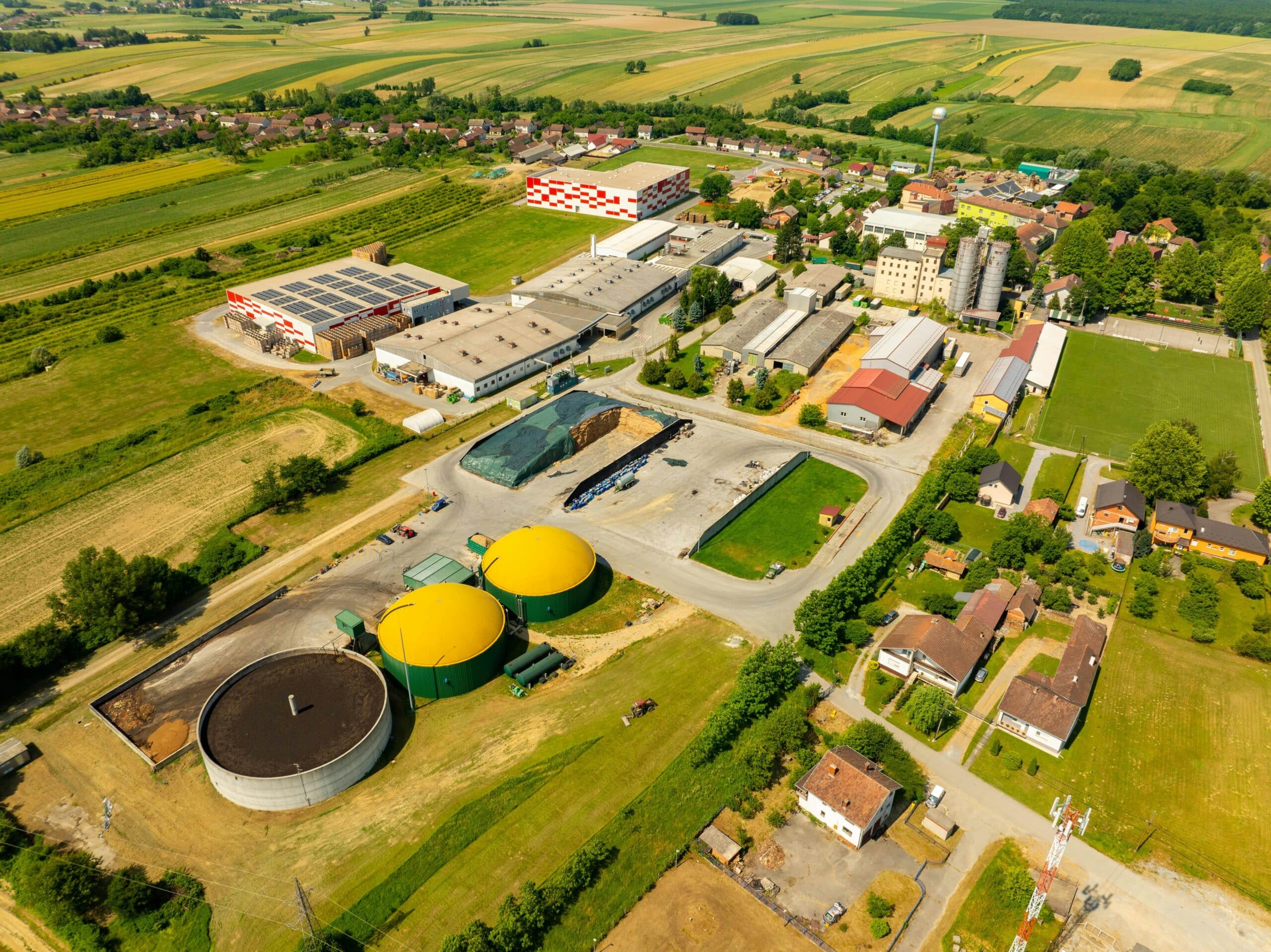
Energy access remains a cornerstone of sustainable rural development, transforming communities through enhanced opportunities, improved health outcomes, and economic prosperity that reaches the most remote populations.
🌍 The Global Energy Divide and Rural Communities
Approximately 733 million people worldwide still live without access to electricity, with the overwhelming majority residing in rural areas across sub-Saharan Africa and developing Asia. This energy poverty creates a ripple effect that touches every aspect of daily life, from education and healthcare to economic opportunities and environmental sustainability. The absence of reliable energy infrastructure perpetuates cycles of poverty, limiting communities’ ability to participate in the global economy and access essential services that urban populations take for granted.
Rural electrification rates lag significantly behind urban areas, with some regions experiencing gaps of over 50 percentage points. This disparity isn’t merely about convenience; it represents a fundamental inequality that affects human development indices, educational outcomes, and life expectancy. Women and children particularly bear the burden, spending hours collecting biomass for cooking and heating, time that could otherwise be invested in education or income-generating activities.
Breaking Barriers: Understanding Energy Access Challenges
The path to universal energy access in rural areas faces multiple interconnected obstacles. Geographic isolation makes grid extension economically unfeasible in many regions, with connection costs sometimes exceeding $2,000 per household. Traditional centralized power infrastructure requires substantial capital investment, long implementation timelines, and ongoing maintenance that struggling economies find difficult to sustain.
Beyond infrastructure, affordability remains a critical barrier. Even when energy services are available, rural households often cannot afford connection fees or ongoing electricity costs. Low population density and dispersed settlements create additional challenges for utility companies, making rural electrification projects less attractive from a commercial perspective.
Technical and Financial Constraints
Technical capacity gaps compound infrastructure challenges. Many rural areas lack skilled personnel to install, operate, and maintain energy systems. This skills shortage extends to local governments and planning authorities, limiting their ability to design and implement effective electrification strategies. Financial constraints at household, community, and national levels create a complex web that requires innovative solutions addressing multiple dimensions simultaneously.
Political will and governance structures also play crucial roles. Inconsistent policies, regulatory uncertainty, and lack of coordination between government agencies can stall progress. Without clear frameworks and sustained commitment, energy access initiatives struggle to achieve scale and permanence.
⚡ Decentralized Energy Solutions: A New Paradigm
Decentralized renewable energy systems are revolutionizing rural electrification by bypassing traditional grid limitations. Solar home systems, mini-grids, and hybrid solutions offer flexible, scalable alternatives that can be deployed rapidly and cost-effectively. These technologies have experienced dramatic cost reductions over the past decade, with solar panel prices dropping by over 80%, making renewable energy increasingly competitive with fossil fuel alternatives.
Solar home systems provide household-level solutions ranging from basic lighting to comprehensive electricity access capable of powering appliances, refrigeration, and productive equipment. These systems typically include solar panels, batteries, charge controllers, and LED lights, with more advanced configurations supporting televisions, fans, and phone charging capabilities.
Mini-Grids: Powering Community Transformation
Mini-grids represent a middle-ground solution, providing village or community-level electricity access through localized generation and distribution networks. These systems can integrate multiple energy sources—solar, wind, hydro, and biomass—creating resilient hybrid configurations that ensure reliability. Mini-grids support not only household consumption but also productive uses that drive economic development, including agricultural processing, cold storage, and small manufacturing.
The mini-grid sector has grown substantially, with thousands of systems now operational across Africa and Asia. Business models have evolved from purely grant-funded initiatives to increasingly commercial operations, demonstrating the sector’s maturation. Pay-as-you-go technologies and mobile payment integration have resolved many affordability and revenue collection challenges that previously hampered mini-grid viability.
🌱 Sustainable Development Through Energy Access
Energy access catalyzes progress across multiple Sustainable Development Goals simultaneously. Quality education improves when students can study after dark and schools can utilize digital learning tools. Healthcare facilities with reliable electricity can refrigerate vaccines, operate diagnostic equipment, and extend service hours, dramatically improving health outcomes.
Economic opportunities multiply as energy enables productive activities. Agricultural processing equipment, irrigation systems, and cold storage reduce post-harvest losses and increase farmers’ incomes. Small businesses extend operating hours, utilize electric equipment, and tap into digital economy opportunities. This economic activation creates local employment, retains youth in rural areas, and strengthens community resilience.
Gender Equality and Social Impacts
Energy access particularly benefits women and girls, who traditionally bear the burden of biomass collection and cooking with polluting fuels. Clean cooking solutions and electric lighting free time for education, income-generation, and community participation. Reduced indoor air pollution significantly decreases respiratory illnesses, which disproportionately affect women and children who spend more time near cooking fires.
Street lighting and home electrification enhance safety and security, particularly important for women and girls. Energy access enables access to information through radio, television, and internet connectivity, breaking isolation and connecting rural communities with broader opportunities and knowledge networks.
Innovative Financing Mechanisms
Traditional financing approaches have proven insufficient for achieving universal energy access at the required pace. Innovative mechanisms are emerging to bridge the investment gap and make energy solutions affordable for low-income households. Results-based financing links payments to verified connections or consumption, incentivizing performance and efficiency.
Pay-as-you-go models have transformed the sector by eliminating upfront costs that previously excluded poor households. Customers make small, frequent payments via mobile money, gradually purchasing systems that become their property. This approach has enabled millions of households to access solar systems who would never afford lump-sum purchases.
Blended Finance and Risk Mitigation
Blended finance structures combine concessional public or philanthropic capital with commercial investment, improving project economics and de-risking private sector participation. Currency guarantees, first-loss facilities, and technical assistance funds address specific barriers preventing commercial capital deployment in rural energy markets.
Microfinance institutions and community savings groups are increasingly partnering with energy providers to extend credit access. These partnerships leverage existing trust relationships and local knowledge, reducing transaction costs and default risks while building financial inclusion alongside energy access.
🔋 Technology Innovations Driving Progress
Technological advancement continues accelerating rural electrification possibilities. Battery storage improvements enable longer service hours and greater reliability from intermittent renewable sources. Lithium-ion batteries have become more affordable and longer-lasting, while emerging technologies promise even better performance and lower costs.
Smart metering and remote monitoring capabilities reduce operational costs and improve system management. Energy providers can track performance, detect faults, and manage payments remotely, dramatically reducing the cost of serving dispersed rural customers. These digital technologies enable business models that were previously impossible.
Internet of Things and Artificial Intelligence
IoT sensors and AI analytics are optimizing energy system performance and predictive maintenance. Machine learning algorithms forecast demand patterns, optimize battery charging cycles, and predict component failures before they occur. These capabilities improve reliability while reducing operational expenses, making rural energy services increasingly viable commercially.
Mobile applications are empowering customers with usage information, payment options, and customer service access. Digital platforms connect energy providers with customers, distributors, and financiers, creating ecosystems that reduce friction and transaction costs throughout the value chain.
Policy Frameworks and Enabling Environments
Effective policy frameworks are essential for scaling energy access initiatives. National electrification strategies must integrate decentralized solutions alongside grid extension, recognizing that different contexts require different approaches. Regulatory frameworks should accommodate mini-grids and standalone systems, establishing clear licensing requirements, tariff structures, and quality standards.
Subsidies and incentives can accelerate adoption when properly designed. Rather than subsidizing fuel or electricity prices—which often benefits wealthier households and distorts markets—targeted subsidies for connection costs or system purchases can expand access more equitably. Results-based subsidies tied to verified connections in underserved areas can drive private sector engagement efficiently.
Institutional Coordination and Capacity Building
Coordinated action across government agencies, development partners, private sector, and civil society maximizes impact and avoids duplication. National rural electrification agencies require adequate resources and authority to convene stakeholders and drive progress systematically. Capacity building for local governments, energy entrepreneurs, and technicians ensures sustainable implementation and maintenance.
Standards and quality assurance protect consumers and build market confidence. Certification programs for products and installers, coupled with consumer education, prevent market spoilage from substandard offerings that damage trust and willingness to pay for quality solutions.
🚜 Productive Use of Energy: Maximizing Development Impact
While household energy access provides important benefits, productive use of energy generates income that makes services affordable and stimulates broader economic development. Agricultural applications—irrigation pumps, crop processing, cold storage—increase yields and reduce losses while improving farmer incomes. This creates virtuous cycles where energy costs become manageable relative to economic benefits.
Rural enterprises utilizing energy for manufacturing, services, or trade create local employment and economic diversification. Welding shops, carpentry businesses, tailoring operations, and food processing ventures all depend on reliable energy access. As these businesses grow, they increase electricity demand, improving the financial viability of energy infrastructure serving their communities.
Integration with Value Chains
Connecting rural energy access with agricultural value chains and market systems amplifies impact. Cold storage enables farmers to time market sales advantageously rather than selling immediately post-harvest when prices are lowest. Processing equipment adds value locally rather than exporting raw commodities at minimal prices. These linkages transform energy from a consumption good into a productive investment generating returns.
Anchor loads from schools, health clinics, telecommunications towers, and government offices improve mini-grid economics by providing predictable base demand. Planning energy infrastructure around these institutional loads alongside household and productive connections optimizes system utilization and financial performance.
Environmental Sustainability and Climate Resilience
Renewable-based rural electrification supports climate mitigation by avoiding fossil fuel infrastructure and associated emissions. Distributed renewables also enhance climate adaptation and resilience by reducing dependence on fuel supply chains vulnerable to climate disruptions. Local energy production insulates communities from fuel price volatility and supply interruptions.
Clean cooking solutions address deforestation driven by firewood collection while reducing black carbon emissions that contribute to climate change. Household air pollution from traditional cooking causes over four million premature deaths annually, making clean cooking a critical health and environmental priority alongside electricity access.
Biodiversity and Ecosystem Protection
Reducing biomass collection pressure protects forests and ecosystems while preserving biodiversity. Energy-efficient appliances and behaviors maximize environmental benefits while controlling costs. Integration with sustainable land management and natural resource conservation creates synergies supporting broader environmental objectives.
Renewable energy infrastructure can be designed to minimize ecological disruption, using degraded lands rather than pristine habitats and incorporating environmental safeguards throughout project cycles. Community ownership and benefit-sharing arrangements ensure local stakeholders have incentives to protect both energy infrastructure and surrounding ecosystems.

🌟 Illuminating the Path Forward
Achieving universal energy access in rural areas by 2030 remains challenging but achievable with sustained commitment, adequate investment, and continued innovation. The tools, technologies, and business models exist; the primary constraints are financing, political will, and coordination. International cooperation and knowledge sharing can accelerate progress by avoiding repeated mistakes and scaling proven approaches.
Private sector engagement is essential, but government leadership and enabling policies create the conditions for commercial viability. Blended approaches combining public support with market mechanisms can achieve scale while building sustainable markets. Community participation and ownership ensure energy solutions meet actual needs and gain local acceptance and protection.
Energy access is not an end in itself but a means to broader development goals. Integrating energy planning with education, health, economic development, and environmental strategies maximizes impact and ensures coherent development approaches. The transformative potential of energy access can only be fully realized when connected with complementary investments in human capital, infrastructure, and institutions.
The journey toward universal energy access represents one of the most important development challenges and opportunities of our time. Success will transform hundreds of millions of lives, unlock economic potential, and support environmental sustainability. The progress achieved demonstrates that this goal is within reach—sustained effort and investment will power progress and illuminate brighter futures for rural communities worldwide.

Toni Santos is a visual storyteller and archival artisan whose creative journey is steeped in the bold colors, dramatic typography, and mythic imagery of old circus posters. Through his artistic lens, Toni breathes new life into these once-lurid canvases of wonder, transforming them into tributes to a golden era of spectacle, showmanship, and cultural fantasy.
Fascinated by the visual language of vintage circuses — from roaring lions to gravity-defying acrobats, from hand-painted banners to gothic typefaces — Toni explores how these posters once captured the imagination of entire towns with nothing more than ink, illusion, and a promise of awe. Each composition he creates or studies is a dialogue with history, nostalgia, and the raw aesthetics of entertainment on the move.
With a background in handcrafted design and visual heritage, Toni blends artistic sensitivity with historical insight. His work traces the forgotten typographies, chromatic choices, and symbolic flair that defined circus marketing in the 19th and early 20th centuries — a time when posters were not just advertisements, but portable portals to dreamworlds.
As the creative force behind Vizovex, Toni curates collections, illustrations, and thoughtful narratives that reconnect modern audiences with the magic of old circus art — not just as ephemera, but as cultural memory etched in paper and pigment.
His work is a tribute to:
The flamboyant storytelling of early circus posters
The lost art of hand-lettered show promotion
The timeless charm of visual fantasy in public space
Whether you’re a vintage print enthusiast, a circus history lover, or a designer inspired by antique aesthetics, Toni invites you into a world where tigers leap through fire, strongmen pose in perfect symmetry, and every corner of the poster whispers: Step right up.