Agricultural waste is no longer just a disposal problem—it’s becoming a goldmine for renewable energy through biogas production, transforming how farms operate sustainably.
🌾 The Hidden Power in Farm Waste
Every day, farms worldwide generate enormous quantities of organic waste—from animal manure and crop residues to food processing byproducts. Traditionally, this waste presented challenges for farmers, requiring costly disposal methods and contributing to environmental pollution. However, the agricultural landscape is experiencing a remarkable transformation as innovative farmers discover that their waste streams contain untapped energy potential.
Biogas production harnesses the natural decomposition process of organic materials to create renewable energy. Through anaerobic digestion, bacteria break down farm waste in oxygen-free environments, producing methane-rich biogas that can power farms, heat buildings, and even generate electricity for the grid. This circular economy approach is revolutionizing agriculture by turning operational costs into revenue streams while simultaneously addressing environmental concerns.
Understanding the Biogas Production Process
The science behind biogas generation is both fascinating and remarkably efficient. When organic materials decompose without oxygen, specific microorganisms consume the waste and produce biogas as a byproduct. This process occurs naturally in environments like swamps and landfills, but modern biogas digesters optimize conditions to maximize gas production.
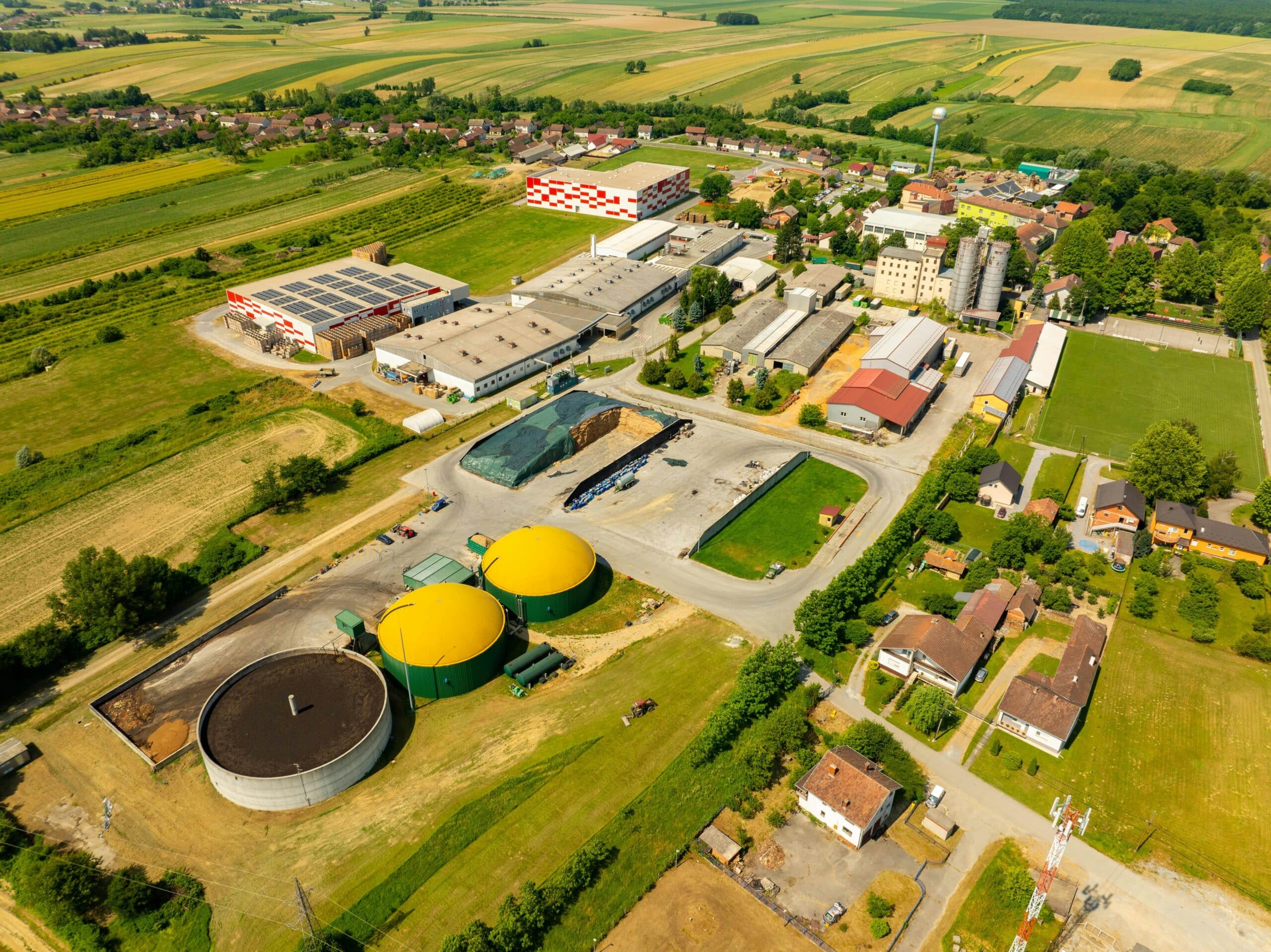
A typical biogas system consists of several key components working together seamlessly. The digester tank serves as the heart of the operation, where organic materials undergo controlled decomposition. Temperature regulation systems maintain optimal conditions for bacterial activity, while mixing equipment ensures uniform processing throughout the tank. Gas storage facilities capture the produced biogas, and purification systems remove impurities before the gas reaches end-use applications.
The Four Stages of Anaerobic Digestion
The conversion of farm waste into biogas follows a sophisticated biological pathway divided into distinct phases. During hydrolysis, complex organic compounds break down into simpler sugars, amino acids, and fatty acids. Acidogenesis follows, where bacteria convert these compounds into volatile fatty acids, alcohols, and gases. The acetogenesis phase transforms these products into acetic acid, hydrogen, and carbon dioxide. Finally, methanogenesis occurs when specialized microorganisms convert these compounds into methane and carbon dioxide—the primary components of biogas.
🚜 Agricultural Waste: The Perfect Feedstock
Farms generate diverse waste streams ideally suited for biogas production. Animal manure ranks among the most valuable feedstocks, with dairy cow manure, pig waste, and poultry droppings all containing high levels of digestible organic matter. A single dairy cow produces enough manure daily to generate approximately one kilowatt-hour of electricity through biogas conversion.
Crop residues represent another abundant resource. Corn stalks, wheat straw, rice husks, and vegetable processing waste all contribute valuable biomass for digestion. Food processing facilities connected to agricultural operations add fruit pulp, vegetable trimmings, and spoiled products to the feedstock mix. This diversity allows farmers to optimize their biogas systems by combining multiple waste streams for enhanced production.
Optimizing Feedstock Composition
Successful biogas production requires careful attention to feedstock characteristics. The carbon-to-nitrogen ratio significantly impacts digestion efficiency, with optimal ratios typically ranging between 20:1 and 30:1. Moisture content must remain within specific parameters—generally 80-90% for most systems—to support bacterial activity without diluting the process excessively.
Smart farmers monitor and adjust their feedstock mixtures continuously, combining nitrogen-rich materials like manure with carbon-heavy crop residues to achieve ideal ratios. This blending approach maximizes biogas yield while ensuring stable digester operation throughout varying seasons and waste availability cycles.
Environmental Benefits Transforming Agriculture 🌍
The environmental advantages of farm-based biogas production extend far beyond simple waste management. Methane emissions from decomposing manure traditionally contribute significantly to agriculture’s greenhouse gas footprint. When farms capture and combust this methane for energy, they prevent its release into the atmosphere, where it would exert warming effects 25 times more potent than carbon dioxide over a century.
Biogas systems dramatically reduce water pollution risks associated with agricultural runoff. Raw manure contains high concentrations of nitrogen and phosphorus that contaminate groundwater and surface waters when applied excessively to fields. The digestion process transforms these nutrients into more stable forms, creating a superior organic fertilizer that plants absorb more efficiently with reduced environmental impact.
Soil Health and Nutrient Management
Digestate—the material remaining after biogas production—serves as an exceptional soil amendment. Unlike raw manure, digestate undergoes pathogen reduction during the heating process within digesters, eliminating harmful bacteria, parasites, and weed seeds. This sanitized product enhances soil structure, increases water retention capacity, and delivers nutrients in forms readily available to crops.
Farmers applying digestate report improved soil microbial diversity and enhanced carbon sequestration in agricultural lands. These benefits create positive feedback loops where healthier soils produce more abundant crops while requiring fewer synthetic fertilizers and pesticides.
💡 Economic Opportunities for Modern Farms
The financial case for biogas production strengthens continuously as energy costs rise and environmental regulations tighten. Farms implementing biogas systems reduce or eliminate electricity purchases from utilities, insulating operations from volatile energy markets. Excess electricity generation creates additional revenue through grid sales, with many regions offering premium rates for renewable energy through feed-in tariffs or renewable energy credits.
Heat generated during biogas combustion provides valuable thermal energy for farm operations. Dairy facilities use this heat for milk pasteurization and hot water systems. Greenhouse operations extend growing seasons and expand crop varieties by utilizing biogas-generated heating. Poultry and swine operations maintain optimal barn temperatures without fossil fuel expenses.
Investment Considerations and Returns
Initial capital requirements for biogas systems vary significantly based on scale and sophistication. Small-scale farm digesters might require investments between $50,000 and $150,000, while large commercial operations could exceed several million dollars. However, financial analysis consistently demonstrates attractive payback periods, typically ranging from 5 to 10 years depending on energy prices, waste volumes, and available incentives.
Government programs worldwide recognize biogas production’s environmental and economic benefits, offering grants, low-interest loans, and tax incentives that substantially improve project economics. Carbon credit markets provide additional revenue streams as farms document and verify their emission reductions.
Technology Innovations Advancing the Industry
Recent technological developments are making biogas production more accessible and efficient for farms of all sizes. Modular digester designs allow farmers to start small and expand capacity incrementally as waste volumes and energy demands grow. These scalable systems reduce initial investment barriers while providing operational experience before major capital commitments.
Advanced monitoring systems employ sensors and automation to optimize digestion conditions continuously. Temperature probes, pH meters, and gas composition analyzers provide real-time data that control systems use to adjust feeding rates, mixing intensity, and heating automatically. This technology reduces labor requirements while maximizing biogas yields and system reliability.
Integration with Smart Farming Practices
Modern biogas operations integrate seamlessly with precision agriculture technologies. Data analytics platforms combine biogas production metrics with crop performance, weather patterns, and market prices to optimize whole-farm management. Farmers make informed decisions about planting schedules, fertilizer applications, and energy usage based on comprehensive operational insights.
Mobile applications enable remote monitoring and control of biogas systems, allowing farmers to check performance metrics, receive maintenance alerts, and adjust parameters from anywhere. This connectivity ensures optimal operation even during periods away from the farm.
🌱 Case Studies: Success Stories from the Field
Real-world implementations demonstrate biogas technology’s transformative potential across diverse agricultural contexts. A Wisconsin dairy operation with 2,000 cows installed a biogas system that now generates 100% of the farm’s electricity needs while producing enough excess power to supply 300 homes. The operation eliminated $150,000 in annual energy costs while creating new revenue from electricity sales and carbon credits.
In California’s Central Valley, a cooperative of organic vegetable growers built a centralized biogas facility processing waste from multiple farms. This shared infrastructure model distributed costs among participants while achieving economies of scale impossible for individual operations. The cooperative now produces both renewable energy and certified organic fertilizer, creating dual revenue streams while strengthening local agricultural sustainability.
International Perspectives
European farms lead globally in biogas adoption, with Germany alone operating over 9,000 agricultural biogas plants. These facilities process everything from energy crops grown specifically for digestion to traditional waste streams, demonstrating biogas production’s versatility. Danish pig farms pioneered centralized biogas processing decades ago, establishing models now replicated worldwide.
Developing regions increasingly recognize biogas technology’s potential for rural development. Indian farms use simple biogas digesters to provide cooking fuel and lighting for farming families while managing waste effectively. African agricultural communities implement biogas systems to reduce deforestation from fuelwood harvesting while improving sanitation and health outcomes.
Overcoming Implementation Challenges
Despite compelling benefits, farms face various obstacles when adopting biogas technology. Technical complexity intimidates operators unfamiliar with managing biological and mechanical systems simultaneously. Successful implementations require understanding microbiology, mechanical maintenance, and electrical systems—skills not traditionally part of agricultural training.
Educational programs and technical assistance services address these knowledge gaps effectively. Universities, extension services, and industry associations offer training workshops, operational guides, and ongoing support that build farmer confidence and competence. Peer learning networks connect experienced biogas operators with newcomers, facilitating knowledge transfer and problem-solving.
Regulatory Navigation
Permitting processes and regulatory compliance create additional implementation hurdles. Biogas facilities must satisfy environmental regulations governing air emissions, waste handling, and water quality protection. Electrical interconnection requirements for grid-connected systems involve complex technical standards and utility coordination.
Industry organizations work continuously to streamline regulatory frameworks and standardize approval processes. Many regions have developed expedited permitting pathways specifically for agricultural biogas projects, recognizing their environmental benefits and reducing bureaucratic barriers.
🔮 Future Horizons for Agricultural Biogas
The agricultural biogas sector stands poised for explosive growth as technology advances and environmental pressures intensify. Emerging innovations promise to enhance efficiency, reduce costs, and expand applications beyond current capabilities. Researchers are developing specialized bacterial strains optimized for specific feedstocks, potentially increasing biogas yields by 30-50% compared to natural microbial communities.
Biogas upgrading technologies that remove carbon dioxide and impurities are becoming more affordable and efficient. These systems produce renewable natural gas identical to fossil natural gas, enabling direct injection into existing pipeline infrastructure. This capability opens vast markets for agricultural biogas, allowing farms to sell renewable fuel for vehicle transportation and industrial applications.
Integration with Circular Economy Models
Forward-thinking agricultural systems are positioning biogas production as a cornerstone of comprehensive circular economy approaches. These integrated systems eliminate waste concepts entirely, viewing every byproduct as a resource for subsequent processes. Digestate feeds crop production, which generates food and new waste streams for digestion, creating closed-loop sustainability.
Vertical integration opportunities allow farms to capture value at multiple points along agricultural supply chains. Processing facilities convert crops into food products, generating waste for biogas production. The resulting energy powers processing operations, while digestate fertilizes fields growing the next crop cycle.
Taking Action: Steps Toward Implementation
Farmers interested in biogas production should begin with comprehensive feasibility assessments evaluating waste availability, energy consumption patterns, and financial projections. Professional consultants specializing in agricultural biogas can provide detailed analyses identifying optimal system configurations and realistic economic expectations.
Site visits to operational biogas facilities offer invaluable learning opportunities. Observing functioning systems and discussing experiences with operating farmers provides practical insights that complement technical studies. Many biogas operators welcome visitors and openly share lessons learned during implementation and operation.
Starting small with pilot projects allows farmers to gain experience while minimizing financial risks. Modest initial investments in small-scale digesters demonstrate biogas principles and build operational confidence before expanding to commercial-scale systems. This incremental approach has proven successful for countless farms worldwide.
🌟 The Revolutionary Path Forward
Biogas production represents far more than an energy technology—it embodies a fundamental reimagining of agriculture’s relationship with resources and the environment. By transforming waste into valuable energy and fertilizer, farms transition from linear consumption models to regenerative systems that enhance rather than degrade natural environments.
The revolution is already underway as thousands of farms globally demonstrate biogas technology’s viability and benefits. Each successful implementation inspires neighbors and builds momentum toward widespread adoption. As equipment costs decline, performance improves, and supportive policies expand, biogas production will increasingly become standard practice rather than innovative exception.
Agriculture stands at a pivotal moment where environmental imperatives align with economic opportunities. Biogas production exemplifies solutions that address climate change, enhance farm profitability, and strengthen rural communities simultaneously. Farmers embracing this technology lead the transformation toward truly sustainable food production systems that nourish both people and planet for generations to come.
The journey from waste to energy revolutionizes more than farming operations—it transforms our understanding of resource value and sustainability potential. As agriculture continues evolving, biogas production will undoubtedly play an increasingly central role in powering the farms that feed our world while protecting the environment we all share.

Toni Santos is a visual storyteller and archival artisan whose creative journey is steeped in the bold colors, dramatic typography, and mythic imagery of old circus posters. Through his artistic lens, Toni breathes new life into these once-lurid canvases of wonder, transforming them into tributes to a golden era of spectacle, showmanship, and cultural fantasy.
Fascinated by the visual language of vintage circuses — from roaring lions to gravity-defying acrobats, from hand-painted banners to gothic typefaces — Toni explores how these posters once captured the imagination of entire towns with nothing more than ink, illusion, and a promise of awe. Each composition he creates or studies is a dialogue with history, nostalgia, and the raw aesthetics of entertainment on the move.
With a background in handcrafted design and visual heritage, Toni blends artistic sensitivity with historical insight. His work traces the forgotten typographies, chromatic choices, and symbolic flair that defined circus marketing in the 19th and early 20th centuries — a time when posters were not just advertisements, but portable portals to dreamworlds.
As the creative force behind Vizovex, Toni curates collections, illustrations, and thoughtful narratives that reconnect modern audiences with the magic of old circus art — not just as ephemera, but as cultural memory etched in paper and pigment.
His work is a tribute to:
The flamboyant storytelling of early circus posters
The lost art of hand-lettered show promotion
The timeless charm of visual fantasy in public space
Whether you’re a vintage print enthusiast, a circus history lover, or a designer inspired by antique aesthetics, Toni invites you into a world where tigers leap through fire, strongmen pose in perfect symmetry, and every corner of the poster whispers: Step right up.