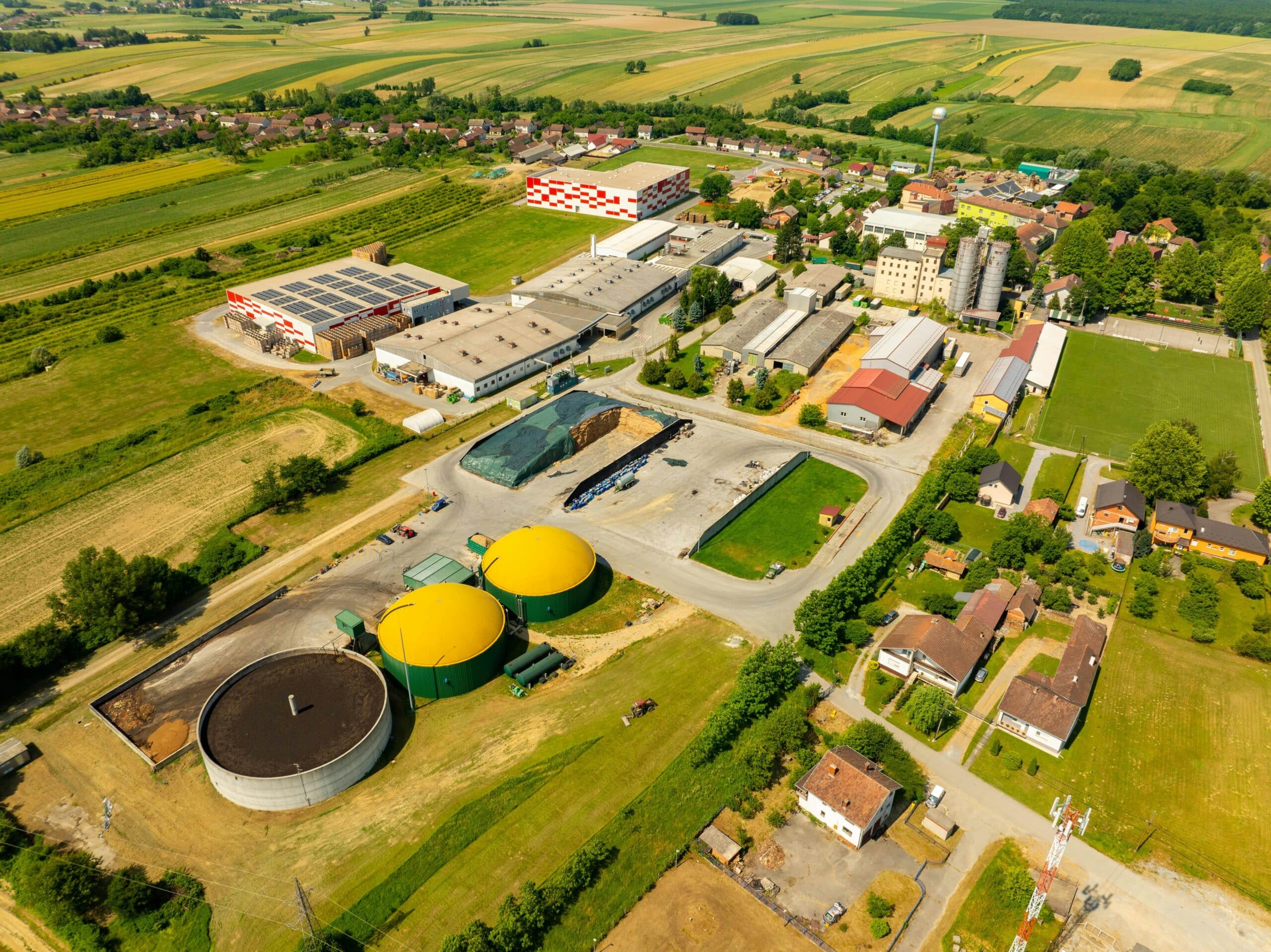
Sustainable business practices are no longer optional—they’re essential for long-term success, competitive advantage, and meaningful impact on our planet and communities.
Today’s business landscape demands a fundamental shift in how organizations operate, grow, and contribute to society. Companies worldwide are discovering that sustainability isn’t just about environmental responsibility—it’s about creating resilient business models that drive innovation, reduce costs, and build stronger connections with customers, employees, and communities. As climate change accelerates and resource scarcity becomes more pressing, businesses that embrace sustainable practices position themselves at the forefront of a transformative economic revolution.
The integration of sustainability into core business operations represents one of the most significant opportunities of our generation. Organizations that successfully scale sustainable practices unlock new revenue streams, attract top talent, enhance brand reputation, and contribute to solving some of humanity’s most pressing challenges. This comprehensive exploration examines how businesses and communities can harness sustainable practices to fuel growth, spark innovation, and build a greener future for all stakeholders.
🌱 The Business Case for Sustainable Scaling
The financial argument for sustainability has never been stronger. Research consistently demonstrates that companies with robust environmental, social, and governance (ESG) practices outperform their peers across multiple metrics. Sustainable businesses experience lower operational costs through energy efficiency, waste reduction, and optimized resource utilization. They also command premium pricing, as consumers increasingly prefer brands that align with their values.
Investor sentiment has shifted dramatically toward sustainable enterprises. ESG-focused investment funds have grown exponentially, with trillions of dollars now allocated to companies demonstrating genuine commitment to sustainability. This capital flow creates competitive advantages for businesses that can credibly showcase their environmental and social impact alongside financial performance.
Beyond financial returns, sustainable practices mitigate risk. Climate-related disruptions, regulatory changes, and shifting consumer preferences pose significant threats to traditional business models. Companies that proactively adapt to these realities build resilience against future shocks while positioning themselves as industry leaders rather than followers.
Building Foundations: Where Sustainable Growth Begins
Scaling sustainable practices starts with honest assessment and strategic planning. Organizations must conduct comprehensive sustainability audits to understand their current environmental footprint, social impact, and governance structures. This baseline assessment identifies opportunities for improvement and establishes metrics for measuring progress over time.
Leadership commitment forms the cornerstone of successful sustainability initiatives. When executives champion sustainability as a core business priority rather than a peripheral concern, organizations can mobilize resources, align incentives, and create cultural shifts necessary for meaningful transformation. This top-down commitment must be matched with bottom-up engagement, empowering employees at all levels to contribute ideas and take ownership of sustainability goals.
Stakeholder engagement represents another critical foundation. Businesses don’t operate in isolation—they exist within ecosystems of suppliers, customers, communities, and regulators. Collaborative approaches that involve stakeholders in sustainability planning generate better outcomes, build trust, and create shared value that extends beyond individual organizations.
Establishing Measurable Sustainability Metrics
What gets measured gets managed. Effective sustainability scaling requires clear, quantifiable metrics that track progress toward specific goals. These metrics should encompass environmental indicators like carbon emissions, water usage, and waste generation, alongside social metrics such as employee wellbeing, community impact, and supply chain ethics.
Organizations should adopt standardized reporting frameworks like the Global Reporting Initiative (GRI) or Sustainability Accounting Standards Board (SASB) to ensure transparency and comparability. These frameworks help businesses communicate their sustainability performance to investors, customers, and other stakeholders in credible, consistent ways.
💡 Innovation as the Engine of Sustainable Transformation
Innovation and sustainability are inseparable partners in building resilient businesses. Sustainable challenges stimulate creative problem-solving, driving breakthrough innovations that create competitive advantages. Companies that view sustainability through an innovation lens discover new products, services, and business models that deliver environmental benefits while generating profitable growth.
Circular economy principles exemplify this innovation potential. Rather than the traditional linear “take-make-dispose” model, circular approaches design out waste and keep materials in productive use. Companies embracing circularity are developing product-as-a-service models, implementing take-back programs, and creating products designed for disassembly and recycling. These innovations reduce environmental impact while creating new revenue opportunities and strengthening customer relationships.
Technology plays a pivotal role in scaling sustainable practices. Artificial intelligence optimizes energy consumption in real-time. Blockchain enables transparent supply chain tracking. Internet of Things sensors monitor environmental conditions and resource usage. Digital platforms connect stakeholders and facilitate collaborative sustainability initiatives. Organizations that leverage these technologies accelerate their sustainability journeys while improving operational efficiency.
Green Product Development and Design Thinking
Sustainable innovation begins at the design stage. Life cycle thinking considers environmental and social impacts throughout a product’s entire journey—from raw material extraction through manufacturing, distribution, use, and end-of-life disposal. This holistic approach identifies opportunities to reduce impacts at every stage while creating products that better serve customer needs.
Biomimicry offers another powerful innovation framework, drawing inspiration from nature’s time-tested strategies. Companies applying biomimicry principles have developed adhesives inspired by gecko feet, ventilation systems modeled on termite mounds, and water collection technologies based on desert beetles. These nature-inspired innovations often deliver superior performance alongside reduced environmental footprints.
🚀 Scaling Strategies: From Pilot Projects to Enterprise-Wide Implementation
Successful sustainability scaling follows a deliberate progression from small-scale pilots to comprehensive transformation. Organizations typically begin with focused initiatives in specific departments or facilities, testing approaches and building proof of concept before expanding across the enterprise.
Quick wins generate momentum and demonstrate value to skeptics. Energy efficiency upgrades, waste reduction programs, and sustainable procurement policies often deliver rapid returns that fund more ambitious initiatives. These early successes create positive feedback loops, building organizational confidence and commitment to broader sustainability goals.
Cross-functional teams accelerate scaling by breaking down silos and fostering collaboration. Sustainability challenges rarely respect organizational boundaries—they require integrated solutions drawing on expertise from operations, finance, marketing, human resources, and other functions. Teams that bring diverse perspectives to sustainability challenges develop more innovative, implementable solutions.
Overcoming Barriers to Sustainable Growth
Scaling sustainable practices inevitably encounters obstacles. Financial constraints, particularly for capital-intensive sustainability investments, challenge many organizations. Creative financing mechanisms like green bonds, sustainability-linked loans, and energy performance contracts help overcome these barriers by aligning financial structures with sustainability goals.
Cultural resistance presents another common challenge. Employees comfortable with established practices may resist changes required for sustainability transformation. Change management strategies that emphasize communication, training, and inclusive decision-making help organizations navigate these human dimensions of sustainability scaling.
Supply chain complexity creates additional challenges, particularly for organizations dependent on global networks of suppliers. Implementing sustainability standards across extensive supply chains requires patience, collaboration, and sometimes difficult decisions about supplier relationships. Progressive organizations work with suppliers as partners, providing support and resources to help them meet sustainability expectations rather than simply imposing requirements.
🤝 Community Partnerships: Extending Impact Beyond Organizational Boundaries
Businesses don’t exist separate from communities—they’re integral parts of social and economic ecosystems. Sustainable scaling that empowers communities creates multiplier effects, amplifying positive impacts while building social license to operate. Companies that invest in community wellbeing, environmental stewardship, and inclusive economic development strengthen their own sustainability while contributing to broader societal goals.
Local partnerships generate tangible benefits for businesses and communities alike. Collaborations with educational institutions develop workforce skills aligned with sustainable economy needs. Partnerships with nonprofits and community organizations address social and environmental challenges while building organizational capacity. Joint initiatives with local governments align business sustainability efforts with community development priorities.
Inclusive business models that incorporate underserved communities into value chains represent powerful approaches to sustainable scaling. By sourcing from smallholder farmers, distributing products through community networks, or designing services for low-income consumers, companies expand market reach while creating economic opportunities and addressing social inequities.
Cultivating Sustainability Culture in Communities
Businesses can catalyze broader sustainability adoption by supporting community-level initiatives. Sponsoring local environmental projects, providing sustainability education programs, and sharing best practices help communities build capacity for sustainable development. These investments generate goodwill while creating conditions for long-term business success.
Employee volunteerism connects business sustainability commitments to community action. Programs that encourage and support employees to contribute time and skills to environmental and social causes strengthen organizational culture while delivering meaningful community benefits. These experiences often inspire employees to champion sustainability within their own organizations.
📊 Measuring Impact: Accountability and Continuous Improvement
Credible sustainability requires rigorous measurement, transparent reporting, and accountability. Organizations must move beyond aspirational statements to demonstrate concrete progress through data and evidence. This accountability builds trust with stakeholders while providing the feedback necessary for continuous improvement.
Integrated reporting that connects financial and non-financial performance offers a comprehensive view of organizational value creation. These reports demonstrate how sustainability initiatives contribute to business strategy and results, making the business case tangible for investors, customers, and employees.
Third-party verification adds credibility to sustainability claims. Independent audits, certifications, and ratings help stakeholders assess organizational performance against recognized standards. While these processes require investment, they distinguish genuine sustainability leaders from those engaged in greenwashing.
Learning from Data: Adaptive Sustainability Management
Sustainability metrics provide more than accountability—they generate insights that drive improvement. Organizations that analyze sustainability data systematically identify patterns, uncover opportunities, and detect emerging risks. This data-driven approach transforms sustainability from a compliance exercise into a source of strategic intelligence.
Digital dashboards and real-time monitoring enable responsive sustainability management. Rather than relying solely on annual reports, organizations can track key indicators continuously, allowing them to adjust strategies quickly based on performance and changing conditions. This agility proves particularly valuable in dynamic environments where sustainability challenges evolve rapidly.
🌍 The Competitive Advantage of Going Green
Sustainable businesses increasingly outcompete traditional counterparts across multiple dimensions. Brand differentiation in crowded markets becomes easier when companies can authentically communicate environmental and social commitments. Consumers, particularly younger generations, actively seek brands aligned with their values, creating market share opportunities for sustainability leaders.
Talent attraction and retention represent another competitive advantage. Top professionals increasingly prioritize working for organizations with meaningful missions and genuine sustainability commitments. Companies known for environmental and social responsibility attract larger, higher-quality applicant pools while experiencing lower turnover rates.
Regulatory advantage emerges as governments worldwide implement stronger environmental standards and carbon pricing mechanisms. Organizations that proactively exceed current requirements position themselves ahead of regulatory curves, avoiding costly last-minute adaptations while influencing policy development in their industries.
Future-Proofing Through Sustainable Innovation
The transition to a sustainable economy is inevitable—the only question is how quickly it occurs and which organizations lead. Businesses that scale sustainable practices now build capabilities, relationships, and reputations that position them as winners in this emerging landscape. Those that delay face increasing costs, mounting risks, and diminishing competitive positions.
Emerging technologies will accelerate sustainable transformation in coming years. Renewable energy costs continue declining, making clean power economically superior to fossil fuels. Advanced materials enable products with dramatically reduced environmental footprints. Precision agriculture and vertical farming promise food production that uses less land and water while reducing emissions. Organizations that embrace these technologies early capture first-mover advantages.
Business model innovation will prove as important as technological advancement. Subscription services, sharing platforms, and product-as-a-service models align business incentives with resource efficiency and longevity. These models shift focus from volume to value, creating profitable growth decoupled from resource consumption.

💚 Creating Legacy: Sustainability as Purpose-Driven Leadership
Ultimately, scaling sustainable practices transcends business strategy—it reflects organizational purpose and leadership values. Companies that embrace sustainability as core to their identity create legacies extending beyond quarterly earnings. They contribute to solving humanity’s greatest challenges while building enterprises that endure across generations.
This purpose-driven approach attracts stakeholders seeking meaning alongside returns. Customers become advocates. Employees become ambassadors. Investors become partners. Communities become allies. These deep relationships create resilience and competitive advantages that purely transactional approaches cannot match.
The journey toward sustainability is continuous rather than finite. New challenges emerge as old ones are addressed. Technologies evolve. Scientific understanding deepens. Societal expectations rise. Organizations committed to sustainability embrace this evolution as opportunity rather than burden, continuously learning, adapting, and leading.
Scaling sustainable practices empowers growth by opening new markets, driving innovation, and building resilience. It empowers innovation by stimulating creative problem-solving and breakthrough thinking. It empowers a greener future by demonstrating that environmental stewardship and economic prosperity are not opposing forces but complementary objectives. Businesses and communities that embrace this reality don’t just survive—they thrive while creating positive impact that extends far beyond their immediate interests. The sustainable economy is not a distant possibility but an emerging reality, and the organizations scaling sustainable practices today are building the foundations for enduring success in the decades ahead.

Toni Santos is a visual storyteller and archival artisan whose creative journey is steeped in the bold colors, dramatic typography, and mythic imagery of old circus posters. Through his artistic lens, Toni breathes new life into these once-lurid canvases of wonder, transforming them into tributes to a golden era of spectacle, showmanship, and cultural fantasy.
Fascinated by the visual language of vintage circuses — from roaring lions to gravity-defying acrobats, from hand-painted banners to gothic typefaces — Toni explores how these posters once captured the imagination of entire towns with nothing more than ink, illusion, and a promise of awe. Each composition he creates or studies is a dialogue with history, nostalgia, and the raw aesthetics of entertainment on the move.
With a background in handcrafted design and visual heritage, Toni blends artistic sensitivity with historical insight. His work traces the forgotten typographies, chromatic choices, and symbolic flair that defined circus marketing in the 19th and early 20th centuries — a time when posters were not just advertisements, but portable portals to dreamworlds.
As the creative force behind Vizovex, Toni curates collections, illustrations, and thoughtful narratives that reconnect modern audiences with the magic of old circus art — not just as ephemera, but as cultural memory etched in paper and pigment.
His work is a tribute to:
The flamboyant storytelling of early circus posters
The lost art of hand-lettered show promotion
The timeless charm of visual fantasy in public space
Whether you’re a vintage print enthusiast, a circus history lover, or a designer inspired by antique aesthetics, Toni invites you into a world where tigers leap through fire, strongmen pose in perfect symmetry, and every corner of the poster whispers: Step right up.