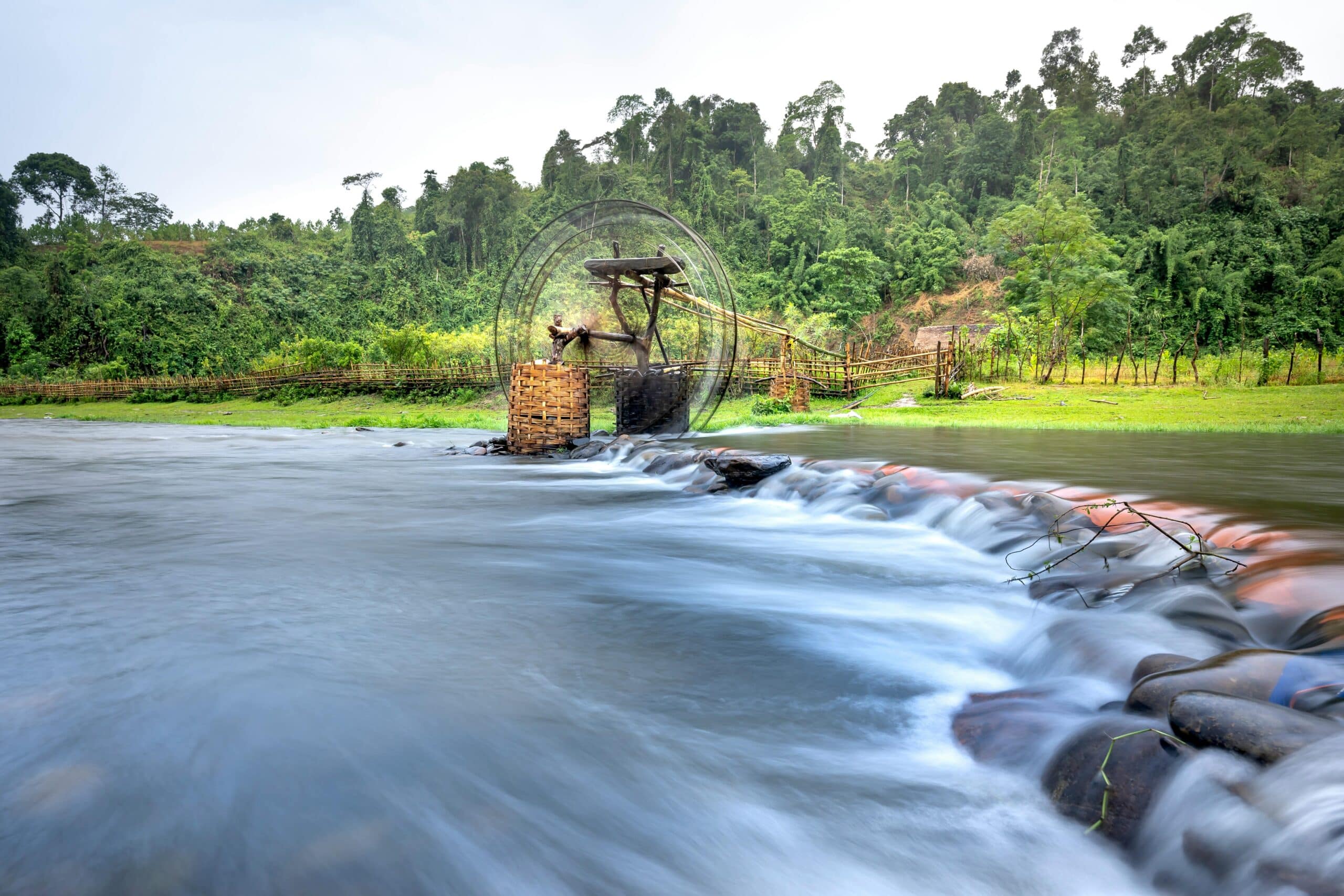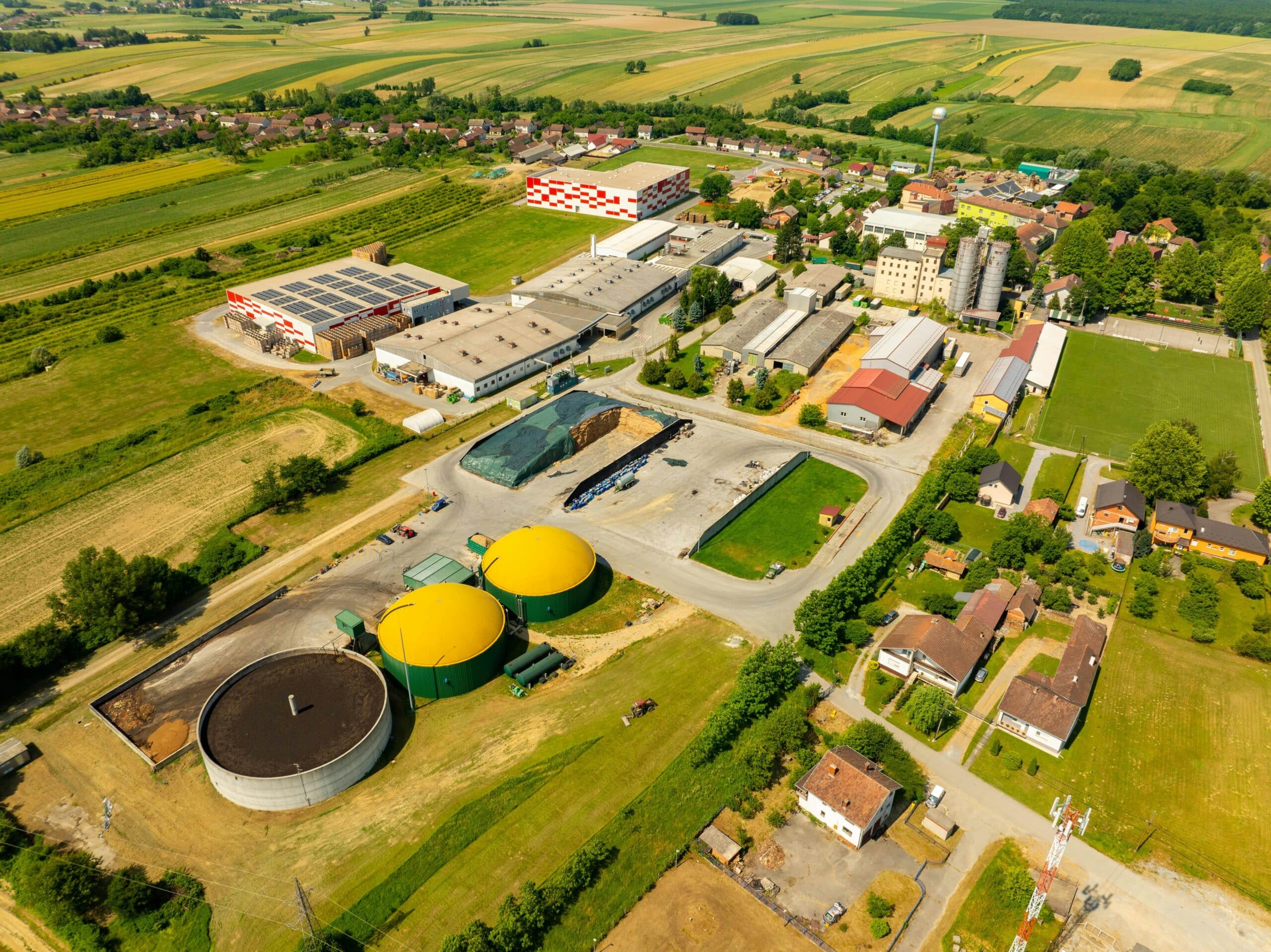
Permaculture offers a revolutionary approach to living sustainably, transforming how we interact with our environment and fostering deep connections with natural ecosystems worldwide.
🌱 Understanding the Essence of Permaculture Design
Permaculture represents far more than simple gardening or farming techniques. It embodies a comprehensive design philosophy that mimics natural patterns and relationships found in thriving ecosystems. The term itself combines “permanent” and “agriculture,” coined by Bill Mollison and David Holmgren in the 1970s, though its principles have evolved to encompass permanent culture in all its dimensions.
At its core, permaculture recognizes that nature operates through intricate webs of relationships where every element serves multiple functions and receives support from various sources. This interconnectedness creates resilient systems that sustain themselves with minimal external input, producing abundance rather than scarcity.
The beauty of permaculture lies in its universal applicability. Whether you’re designing a small urban balcony garden, managing a rural homestead, or planning community spaces, these principles provide frameworks for creating regenerative systems that heal rather than harm our planet.
The Three Ethics: Foundation Stones of Permaculture Philosophy
Before diving into specific techniques, understanding permaculture’s ethical foundation proves essential. These three core ethics guide every decision and design choice within permaculture practice:
Earth Care recognizes our planet as a living system deserving respect and protection. This ethic demands that our actions regenerate rather than degrade natural systems, building soil health, supporting biodiversity, and protecting water resources for future generations.
People Care acknowledges that sustainable systems must meet human needs while fostering community connections. Permaculture designs should provide for physical necessities while nurturing mental, emotional, and spiritual wellbeing, creating spaces where people thrive alongside nature.
Fair Share (or Return of Surplus) emphasizes equitable resource distribution and consumption limits. This ethic challenges endless growth paradigms, encouraging us to take only what we need and redistribute excess resources to support both human communities and natural ecosystems.
🌿 Twelve Principles That Transform Landscapes and Lives
David Holmgren articulated twelve design principles that translate permaculture ethics into practical action. These principles serve as thinking tools, helping designers create systems that work with rather than against natural processes.
Observe and Interact: The Gateway to Understanding
Successful permaculture design begins with patient observation. Before implementing changes, spend time watching how water moves across your land, where sun and shade fall throughout seasons, which plants naturally thrive, and how wildlife uses the space. This observation period, ideally spanning at least one full year, prevents costly mistakes and reveals opportunities invisible to hurried planning.
Interaction means engaging directly with your system through small experiments and adjustments. Keep journals documenting what works and what doesn’t. Photography proves invaluable for tracking changes over time and recognizing patterns that emerge across seasons.
Catch and Store Energy: Creating Abundance Through Harvesting
Natural systems excel at capturing and storing energy in various forms. Solar energy becomes plant biomass. Rainfall accumulates in soil, ponds, and aquifers. Your permaculture designs should similarly capture resources when they’re abundant for use during scarcity.
Water harvesting systems—from simple rain barrels to complex swale networks—store precipitation for dry periods. Preserving food during harvest abundance feeds you through winter. Planting fruit and nut trees stores solar energy as calories for future years. Even capturing and storing knowledge through documentation creates lasting value.
Obtain a Yield: Ensuring Practical Productivity
While creating beautiful, ecologically sound systems matters, they must also provide tangible benefits. Yields extend beyond food production to include clean water, building materials, medicine, beauty, recreation, wildlife habitat, and carbon sequestration. Design systems that deliver multiple yields, ensuring your efforts produce meaningful returns that sustain motivation and meet real needs.
Apply Self-Regulation and Accept Feedback
Sustainable systems incorporate feedback mechanisms that prevent overconsumption and degradation. In nature, predator populations decline when prey becomes scarce, preventing ecosystem collapse. Your designs should similarly include checks and balances.
Pay attention to what your system tells you. Yellowing plants signal nutrient deficiencies or water stress. Pest outbreaks indicate ecosystem imbalances. Rather than fighting these symptoms, investigate root causes and adjust your approach accordingly.
🌾 Designing Systems That Support Biological Processes
Use and Value Renewable Resources and Services
Nature provides countless free services if we design systems to receive them. Solar energy powers photosynthesis. Wind aids pollination and disperses seeds. Beneficial insects control pests. Fungi transport nutrients to plant roots. Permaculture designs maximize these renewable biological and physical resources while minimizing dependence on non-renewable external inputs.
This principle extends to human resources too. Skills, knowledge, and labor represent renewable resources within communities. Designing systems that value and utilize these human capacities builds resilience and social capital.
Produce No Waste: Closing Nutrient Cycles
In natural ecosystems, waste doesn’t exist. One organism’s outputs become another’s inputs, creating closed-loop cycles where nutrients continuously circulate. Permaculture designs similarly treat “waste” as misplaced resources, finding productive uses for every output.
Composting transforms kitchen scraps and garden debris into soil amendments. Greywater systems repurpose household wastewater for irrigation. Chickens convert food scraps into eggs and fertilizer while controlling pests. Broken tools become trellis materials or art installations. This mindset shift from disposal to circulation dramatically reduces environmental impact while increasing system productivity.
Design from Patterns to Details
Nature repeats patterns across scales—branching structures appear in trees, rivers, lungs, and lightning. Spirals manifest in galaxies, hurricanes, snail shells, and seed heads. Recognizing and working with these universal patterns creates efficient, aesthetically pleasing designs.
Start with broad patterns: water flow across landscapes, sun paths through seasons, wind patterns, and natural plant communities. Once these large-scale patterns inform your layout, refine details like specific plant selections, hardscape materials, and micro-climate modifications.
🌻 Integrating Rather Than Segregating: Building Beneficial Relationships
One of permaculture’s most powerful principles involves creating beneficial relationships between elements. In nature, species evolve mutually beneficial partnerships—flowers provide nectar to pollinators who distribute pollen in return. Permaculture designs should similarly integrate elements so their interactions produce emergent benefits.
Companion planting exemplifies this principle beautifully. Tall corn provides support for climbing beans, which fix nitrogen benefiting corn and squash growing below. The squash’s broad leaves shade soil, retaining moisture and suppressing weeds. This “Three Sisters” guild, practiced by indigenous peoples for millennia, demonstrates how integration creates productivity exceeding individual contributions.
Integrating animals into plant systems multiplies benefits. Chickens beneath fruit trees eat fallen fruit (reducing pest habitat), control insects, fertilize soil, and produce eggs. Ducks patrol gardens eating slugs and snails while avoiding most vegetables. Proper integration transforms potential problems into solutions while creating additional yields.
Embracing Diversity: Nature’s Insurance Policy
Monocultures appear efficient but prove incredibly vulnerable to pests, diseases, and environmental fluctuations. Diverse systems, conversely, exhibit remarkable resilience. When one element fails, others compensate, maintaining overall system function.
Cultivate diversity across multiple dimensions. Plant diverse species providing yields throughout seasons. Include various structural layers—canopy trees, understory shrubs, herbaceous plants, ground covers, and root crops. Incorporate diverse functions—food production, nitrogen fixation, pest control, pollinator support, and soil building. This polyculture approach mirrors natural ecosystems’ stability and productivity.
Diversity extends beyond biological elements. Diverse water sources, energy systems, income streams, and skill sets within communities all contribute to resilience, ensuring continued function when individual components fail.
🌳 Utilizing Edges and Valuing the Marginal
The most productive and diverse areas in nature occur at edges where different ecosystems meet—forest meets meadow, land meets water, or different soil types transition. These ecotones support species from both adjacent ecosystems plus unique edge-specialist organisms, creating exceptional biodiversity and productivity.
Permaculture designs maximize productive edges through various strategies. Curved garden beds create more edge per area than straight rows. Keyhole designs provide maximum planting space with minimal path requirements. Ponds with irregular shorelines support more diverse aquatic and terrestrial species than simple circles or rectangles.
Valuing the marginal means recognizing potential in overlooked spaces and resources. That shady north side could support shade-loving medicinal herbs. Weeds like dandelion and nettle provide nutritious food and medicinal properties. Marginal lands unsuited to conventional agriculture often excel with permaculture’s adaptive, diverse approaches.
Responding Creatively to Change: Adaptability as Strength
Change remains the only constant. Climate shifts, personal circumstances evolve, communities transform, and ecosystems respond to countless variables. Rather than resisting change, permaculture embraces it as opportunity for innovation and evolution.
Design flexible systems capable of adapting to changing conditions. Annual gardens allow experimentation with different crops and layouts each season. Perennial systems provide stability but should include diverse species adapted to various conditions. Modular infrastructure permits easy reconfiguration as needs change.
Small, slow solutions prove more sustainable than dramatic interventions. Gradual changes allow time to observe results, learn from mistakes, and adjust approaches. This iterative process builds knowledge while minimizing risks associated with large-scale projects.
🏡 Practical Applications: Bringing Permaculture Home
Translating principles into practice begins wherever you are, regardless of space constraints or experience level. Urban dwellers can implement permaculture on balconies, in community gardens, or through advocating for green infrastructure. Suburban homeowners might transform lawns into productive food forests. Rural landholders can develop comprehensive permaculture homesteads integrating diverse enterprises.
Starting Your Permaculture Journey: First Steps
Begin with observation and education. Walk your space during different times of day and seasons. Note sun exposure, water flow patterns, wind directions, existing vegetation, and wildlife activity. Simultaneously, deepen your permaculture knowledge through books, online courses, workshops, and connecting with local practitioners.
Start small with manageable projects. A simple compost system turns waste into resources. A rain barrel captures free water. A small herb garden provides fresh flavors while attracting beneficial insects. These initial successes build skills and confidence for larger undertakings.
Expand gradually, adding layers of complexity as you gain experience. Perhaps add berry bushes, then fruit trees, then integrate chickens, then develop water harvesting systems. This incremental approach allows each addition to stabilize before introducing new elements, preventing overwhelm while building resilient, productive systems.
Zones and Sectors: Organizing Space Efficiently
Permaculture employs zone planning to organize elements according to how frequently they require attention. Zone 0 represents your home—the system’s heart requiring daily interaction. Zone 1 includes intensively managed areas like kitchen gardens near doorways. Zone 2 contains elements needing regular but not daily attention—orchards, chicken coops, and composting areas.
Zone 3 encompasses larger-scale crops and animals requiring occasional management. Zone 4 includes semi-wild areas for foraging and selective harvest. Zone 5 remains wild, preserved for observation, inspiration, and supporting native ecosystems. This organization minimizes wasted effort while ensuring appropriate attention for each element.
Sector planning complements zones by mapping external energies affecting your site—sun angles, wind patterns, fire risks, water flows, and views. Designing with sectors allows you to block unwanted energies (cold winds, noise) while channeling beneficial ones (solar gain, cooling breezes).
💧 Water: The Lifeblood of Permaculture Systems
Water management proves central to permaculture success. The principle “slow, spread, and sink” guides water handling, maximizing beneficial use while preventing erosion and pollution. Rather than rushing water off-site through pipes and ditches, permaculture systems slow water movement, spread it across landscapes, and allow infiltration into soil.
Swales—level ditches on contour—accomplish this beautifully. Water flowing downslope encounters swales, accumulates temporarily, then infiltrates soil, recharging groundwater and supporting vegetation along their length. This simple earthwork transforms dry slopes into productive areas while preventing erosion.
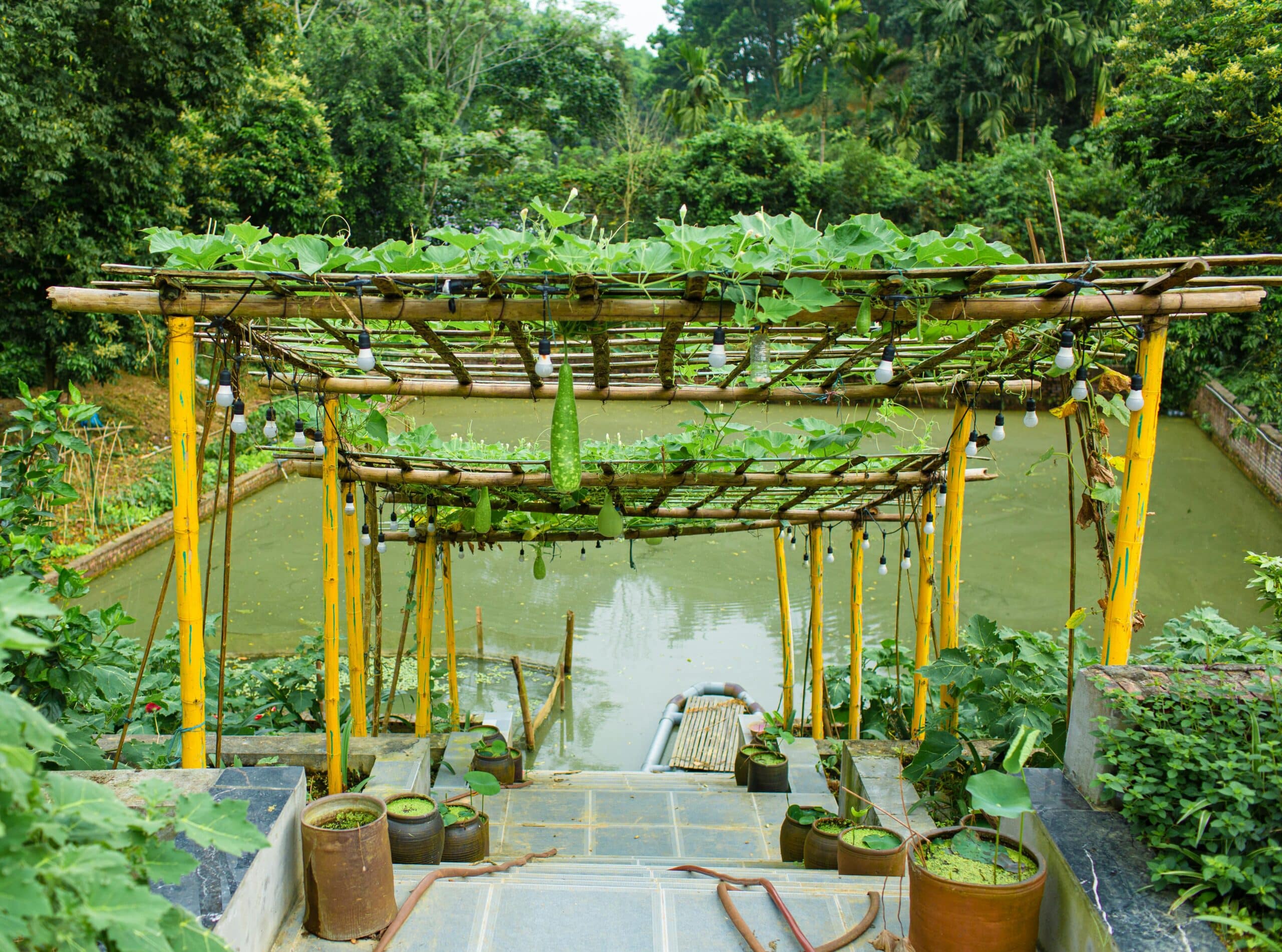
Ponds serve multiple functions: storing water, creating aquatic habitat, moderating microclimates, providing irrigation sources, supporting aquaculture, and offering recreation. Strategically placed ponds become system keystones, enabling diverse opportunities while addressing water security.
Building Living Soil: Foundation of Abundance
Healthy soil teems with billions of organisms creating complex food webs that support plant growth. Rather than viewing soil as inert medium requiring chemical inputs, permaculture recognizes soil as living ecosystem deserving care and feeding.
Building soil mimics natural processes. In forests, fallen leaves decompose, slowly creating rich topsoil. Permaculture accelerates this through composting, mulching, cover cropping, and minimizing disturbance. Sheet mulching—layering cardboard, compost, and organic materials—transforms compacted earth or lawns into productive gardens within months.
No-till approaches protect soil structure and organisms. Rather than plowing, add organic matter atop existing soil, allowing earthworms and other organisms to incorporate it naturally. This preserves fungal networks, prevents erosion, sequesters carbon, and dramatically reduces labor while increasing productivity.
🦋 Cultivating Community: The Human Element
Permaculture extends beyond individual sites to embrace social permaculture—applying these principles to human organizations and relationships. Sustainable human cultures require the same attention to diversity, integration, and feedback loops as ecological systems.
Community gardens create shared spaces where people cultivate food, relationships, and knowledge. Skill-sharing networks allow neighbors to exchange abilities—plumbing for carpentry, preserving lessons for childcare. Time banking systems formalize these exchanges, building social capital and resilience.
Transition towns implement permaculture principles at community scale, addressing energy descent, climate change, and economic challenges through local action. These initiatives demonstrate how permaculture thinking scales from garden beds to neighborhoods to regions, offering pathways toward sustainable futures.
Regenerating Our World, One System at a Time
The transformative power of permaculture extends far beyond improved gardening techniques. It offers frameworks for rethinking our relationship with nature, shifting from domination and extraction toward partnership and regeneration. Every thoughtfully designed system demonstrates alternatives to destructive conventional practices while healing damaged landscapes.
As climate change, biodiversity loss, and resource depletion intensify, permaculture provides practical hope. Rather than requiring massive technological breakthroughs or political transformations, it empowers individuals and communities to create positive change immediately, where they are, with what they have. Each successful permaculture system inspires others, creating ripples of regeneration spreading across landscapes and cultures.
Beginning your permaculture journey requires only curiosity, observation, and willingness to work with natural processes. Start small, learn continuously, share generously, and watch as these principles transform not just your landscape but your entire perspective on possibility. The harmony we seek with nature already exists in thriving ecosystems everywhere—permaculture simply helps us participate in that ancient dance, cultivating abundance while healing our world. 🌍

Toni Santos is a visual storyteller and archival artisan whose creative journey is steeped in the bold colors, dramatic typography, and mythic imagery of old circus posters. Through his artistic lens, Toni breathes new life into these once-lurid canvases of wonder, transforming them into tributes to a golden era of spectacle, showmanship, and cultural fantasy.
Fascinated by the visual language of vintage circuses — from roaring lions to gravity-defying acrobats, from hand-painted banners to gothic typefaces — Toni explores how these posters once captured the imagination of entire towns with nothing more than ink, illusion, and a promise of awe. Each composition he creates or studies is a dialogue with history, nostalgia, and the raw aesthetics of entertainment on the move.
With a background in handcrafted design and visual heritage, Toni blends artistic sensitivity with historical insight. His work traces the forgotten typographies, chromatic choices, and symbolic flair that defined circus marketing in the 19th and early 20th centuries — a time when posters were not just advertisements, but portable portals to dreamworlds.
As the creative force behind Vizovex, Toni curates collections, illustrations, and thoughtful narratives that reconnect modern audiences with the magic of old circus art — not just as ephemera, but as cultural memory etched in paper and pigment.
His work is a tribute to:
The flamboyant storytelling of early circus posters
The lost art of hand-lettered show promotion
The timeless charm of visual fantasy in public space
Whether you’re a vintage print enthusiast, a circus history lover, or a designer inspired by antique aesthetics, Toni invites you into a world where tigers leap through fire, strongmen pose in perfect symmetry, and every corner of the poster whispers: Step right up.