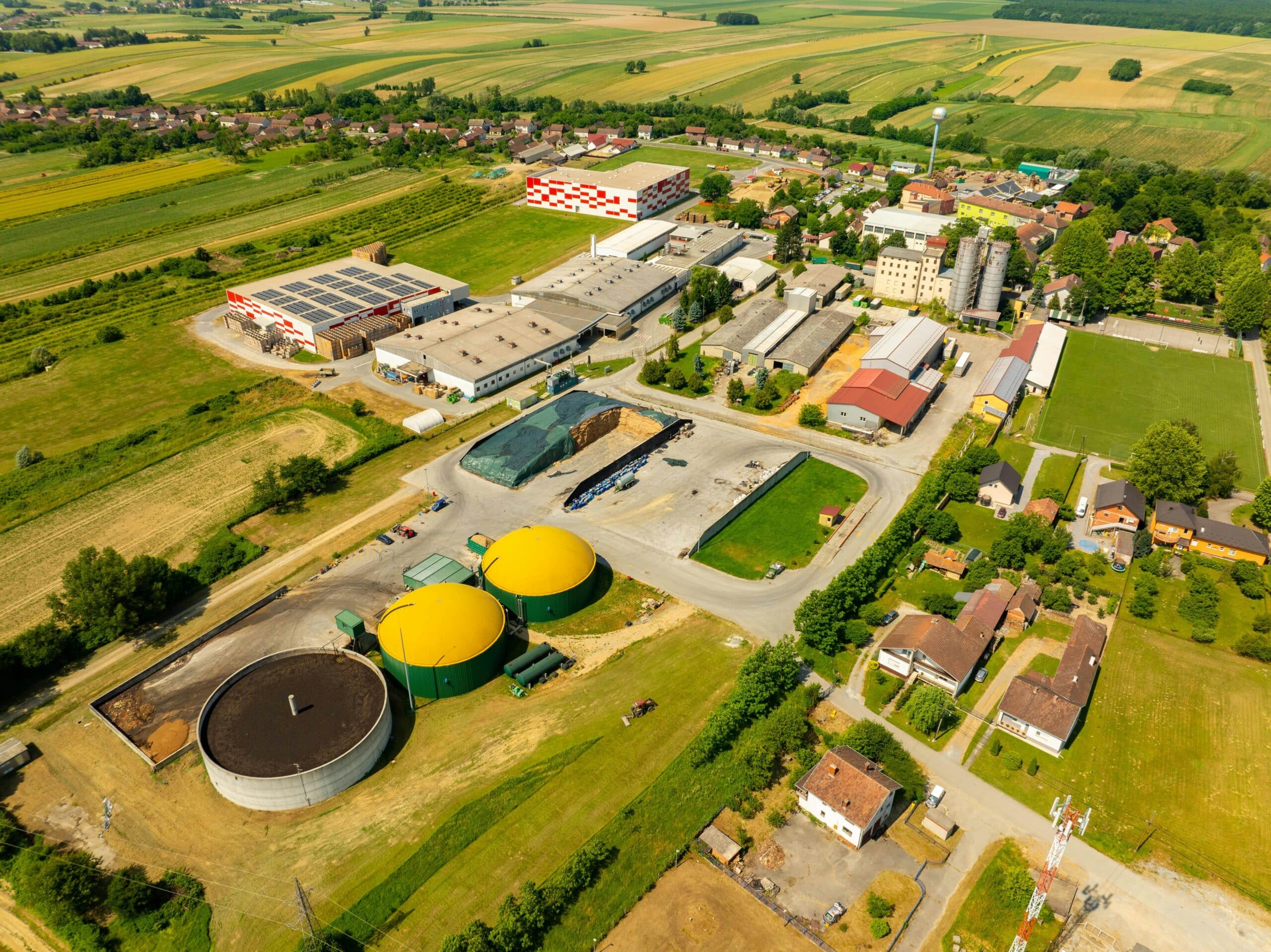
Agroecology represents a transformative approach to agriculture that merges ecological principles with traditional farming knowledge, creating pathways toward food sovereignty and community resilience.
🌱 Understanding Agroecology as a Holistic Movement
Agroecology transcends conventional farming methods by integrating science, practice, and social movements into a comprehensive framework. Unlike industrial agriculture that relies heavily on chemical inputs and monocultures, agroecology embraces biodiversity, ecological processes, and local knowledge systems. This approach recognizes that sustainable food production cannot be separated from social justice, cultural preservation, and environmental stewardship.
The practice operates on multiple levels simultaneously, from individual farm plots to entire landscapes and food systems. Farmers applying agroecological principles work with nature rather than against it, creating synergies between crops, livestock, soil organisms, and wild biodiversity. This integration reduces dependency on external inputs while building resilient ecosystems capable of adapting to climate variability and other environmental stresses.
Communities practicing agroecology develop deeper connections to their land and food systems. These relationships foster knowledge exchange between generations, preserve indigenous agricultural practices, and create economic opportunities rooted in local contexts. The movement challenges the corporate-dominated food system by demonstrating viable alternatives that prioritize people and planet over profit maximization.
Breaking Free from Industrial Agriculture’s Constraints
The dominant industrial agricultural model has created profound vulnerabilities in global food systems. Monoculture farming depletes soil health, reduces genetic diversity, and makes crops susceptible to pests and diseases. Heavy reliance on synthetic fertilizers and pesticides contaminates water sources, harms beneficial organisms, and creates health risks for farmers and consumers alike.
This extractive approach treats soil as an inert medium rather than a living ecosystem, leading to massive erosion and degradation worldwide. The United Nations Food and Agriculture Organization estimates that one-third of global soils are already degraded, threatening long-term food production capacity. Industrial agriculture also contributes significantly to greenhouse gas emissions through fossil fuel-dependent machinery, synthetic inputs, and extensive transportation networks.
Agroecology offers concrete alternatives to these destructive patterns. By building soil organic matter through composting, cover cropping, and minimal tillage, farmers enhance water retention, nutrient cycling, and carbon sequestration. Diversified crop rotations and polycultures break pest cycles naturally, reducing the need for chemical interventions while supporting beneficial insects and soil microorganisms.
🌍 Empowering Communities Through Food Sovereignty
Food sovereignty represents the right of peoples to healthy, culturally appropriate food produced through ecologically sound methods, and their right to define their own food and agriculture systems. Agroecology serves as the practical foundation for achieving food sovereignty, enabling communities to control their food production, distribution, and consumption.
When communities embrace agroecological practices, they reclaim decision-making power over their food systems. Local seed saving and exchange networks preserve genetic diversity while reducing dependence on corporate seed suppliers. Farmers can adapt varieties to local conditions, maintaining crops that reflect cultural preferences and nutritional needs specific to their communities.
This empowerment extends beyond production to encompass entire food value chains. Community-supported agriculture programs, farmers’ markets, and cooperative distribution networks create direct connections between producers and consumers. These relationships keep financial resources circulating within local economies while ensuring farmers receive fair compensation for their labor and ecological stewardship.
Building Knowledge Networks and Social Capital
Agroecology thrives on horizontal knowledge exchange rather than top-down technology transfer. Farmer-to-farmer networks enable practitioners to share innovations, troubleshoot challenges, and adapt practices to diverse contexts. These exchanges honor traditional ecological knowledge while incorporating scientific insights, creating hybrid knowledge systems that are both locally appropriate and globally connected.
Women play central roles in agroecological movements worldwide, often serving as primary food producers, seed keepers, and knowledge holders. Supporting women’s leadership in agroecology strengthens food security, improves household nutrition, and advances gender equity. Programs that recognize and enhance women’s contributions create multiplier effects throughout communities.
Ecological Principles Driving Sustainable Production
Agroecological systems operate according to fundamental ecological principles that enhance rather than degrade natural resources. Biodiversity forms the cornerstone of this approach, with diversified farms supporting numerous plant species, livestock breeds, and wild organisms. This diversity creates functional redundancy, ensuring that if one component fails, others can maintain ecosystem services.
Nutrient cycling represents another critical principle, with agroecological farms designed to minimize external inputs by recycling organic matter and fixing nitrogen through legumes. Integration of livestock provides manure for fertility while animals benefit from crop residues and pasture. These closed-loop systems reduce waste, lower costs, and minimize environmental pollution.
Natural pest regulation occurs when farms maintain habitat for beneficial predators, parasitoids, and pollinators. Flowering strips, hedgerows, and diverse crop arrangements provide food and shelter for these organisms, creating biological control that reduces pest populations without chemicals. This approach protects human health, preserves beneficial insects, and prevents pest resistance development.
Water Management and Climate Resilience
Agroecological practices significantly enhance water conservation and climate adaptation. Increasing soil organic matter improves water infiltration and retention, reducing both drought vulnerability and flood risks. Mulching, cover crops, and agroforestry systems further moderate soil temperature and moisture, creating stable growing conditions.
Diversified agroecosystems demonstrate greater resilience to climate extremes than monocultures. When droughts, floods, or temperature anomalies affect some crops, others may thrive, ensuring harvests even under challenging conditions. This risk distribution provides food security cushions that industrial agriculture cannot match.
🌾 Scaling Agroecology for Global Impact
Transitioning global agriculture toward agroecological principles requires coordinated action across multiple scales. Individual farm conversions provide essential building blocks, demonstrating practical viability and generating local impacts. However, achieving food sovereignty and environmental sustainability demands systemic changes in policies, markets, research priorities, and public consciousness.
Regional and national governments can accelerate agroecological transitions through supportive policies. Redirecting agricultural subsidies from industrial inputs toward ecosystem services rewards farmers for environmental stewardship. Public procurement programs that prioritize agroecological products create stable markets while improving institutional food quality. Land reform policies ensuring secure tenure enable long-term investments in soil health and ecological infrastructure.
Research institutions must reorient priorities toward participatory, farmer-centered approaches that address real-world challenges in diverse contexts. Instead of developing one-size-fits-all technologies, scientists can partner with farming communities to co-create locally adapted solutions. This collaboration respects farmers’ expertise while leveraging scientific tools for measurement, analysis, and innovation.
Economic Viability and Market Development
Critics often question whether agroecology can compete economically with industrial agriculture. However, comprehensive analyses reveal that agroecological farms frequently achieve comparable or superior profitability when all costs and benefits are considered. Lower input costs, premium prices for quality products, and reduced environmental externalities contribute to positive economic outcomes.
Developing robust markets for agroecological products requires infrastructure investments and consumer education. Certification systems that verify agroecological practices without imposing prohibitive costs help farmers access value-added markets. Public awareness campaigns highlighting nutritional quality, environmental benefits, and social justice dimensions of agroecological foods build consumer demand.
Fair trade and solidarity economy networks create alternative market channels that prioritize relationships over transactions. These systems ensure producers receive equitable compensation while consumers access authentic, traceable products. Digital platforms can facilitate these connections, though care must be taken to ensure technology enhances rather than replaces human relationships.
Nourishing People and Planet Simultaneously 🥗
Agroecological systems produce nutrient-dense foods that support human health in ways industrial agriculture cannot replicate. Diverse cropping patterns yield varied diets rich in vitamins, minerals, and beneficial plant compounds. Traditional varieties often contain higher nutrient levels than modern cultivars bred primarily for yield and shelf life.
The absence of synthetic pesticides in agroecological production protects consumer health from harmful chemical residues. Farmworkers particularly benefit from reduced exposure to toxic substances that cause acute poisoning and chronic health conditions. Communities near industrial farms also experience improved air and water quality when neighbors transition to agroecological methods.
Agroecology addresses malnutrition through both increased dietary diversity and improved access to fresh foods. Home gardens and urban agriculture initiatives bring production closer to consumers, enhancing food security for vulnerable populations. These systems can provide year-round nutrition even in challenging environments where industrial supply chains prove unreliable.
Cultural Preservation and Indigenous Leadership
Indigenous peoples and traditional communities have practiced agroecology for millennia, developing sophisticated agricultural systems adapted to local ecosystems. Recognizing and supporting indigenous leadership in agroecological movements honors this accumulated wisdom while advancing global sustainability goals. Indigenous food systems often demonstrate remarkable biodiversity, resilience, and nutritional adequacy.
Language, ceremony, and cultural practices intertwine with indigenous agriculture, creating inseparable bundles of knowledge and identity. Supporting indigenous food sovereignty therefore becomes an act of cultural preservation and decolonization. When indigenous communities control their food systems, they maintain autonomy, health, and cultural continuity.
Non-indigenous practitioners of agroecology must approach these knowledge systems with respect and reciprocity. Learning from indigenous agricultural practices requires acknowledging historical injustices, supporting land rights, and ensuring benefit-sharing arrangements. This ethical framework prevents appropriation while fostering genuine cross-cultural collaboration.
🌳 Agroforestry and Perennial Systems
Integrating trees into agricultural landscapes represents a powerful agroecological strategy with multiple benefits. Agroforestry systems combine food production with timber, fuel, fodder, and ecosystem services. Trees provide shade for crops and livestock, fix nitrogen, improve soil structure, and create wildlife habitat. These multi-story systems maximize productivity per unit area while building long-term ecological stability.
Perennial crops offer particular advantages for sustainability, establishing deep root systems that prevent erosion, access deep water and nutrients, and sequester substantial carbon. Shifting from annual grains to perennial alternatives could transform agriculture’s environmental footprint, though developing high-yielding perennial varieties for staple crops remains an ongoing challenge.
Silvopastoral systems that combine trees, forage, and livestock demonstrate exceptional climate resilience and animal welfare outcomes. Cattle grazing in shaded pastures experience less heat stress, improving productivity and health. Tree roots enhance water infiltration, reducing drought impacts while preventing nutrient runoff into waterways.
Overcoming Barriers to Widespread Adoption
Despite clear benefits, agroecology faces significant obstacles to mainstream adoption. Knowledge-intensive practices require learning curves that can intimidate farmers accustomed to industrial methods. Extension services oriented toward chemical-dependent agriculture often lack expertise in agroecological approaches, leaving farmers without adequate technical support during transitions.
Economic pressures pose serious challenges, particularly for farmers with debt obligations tied to industrial input purchases. Transition periods may involve temporary yield reductions before ecological functions fully develop, creating financial stress. Access to credit specifically designed for agroecological conversions could ease these difficulties by providing patient capital that recognizes longer-term returns.
Political economy barriers may prove most formidable, as powerful agribusiness interests oppose changes threatening their market positions. Seed monopolies, agrochemical corporations, and industrial meat producers actively lobby against policies supporting agroecology. Building social movements strong enough to counter this influence requires coalition-building across farmers, consumers, environmentalists, and public health advocates.
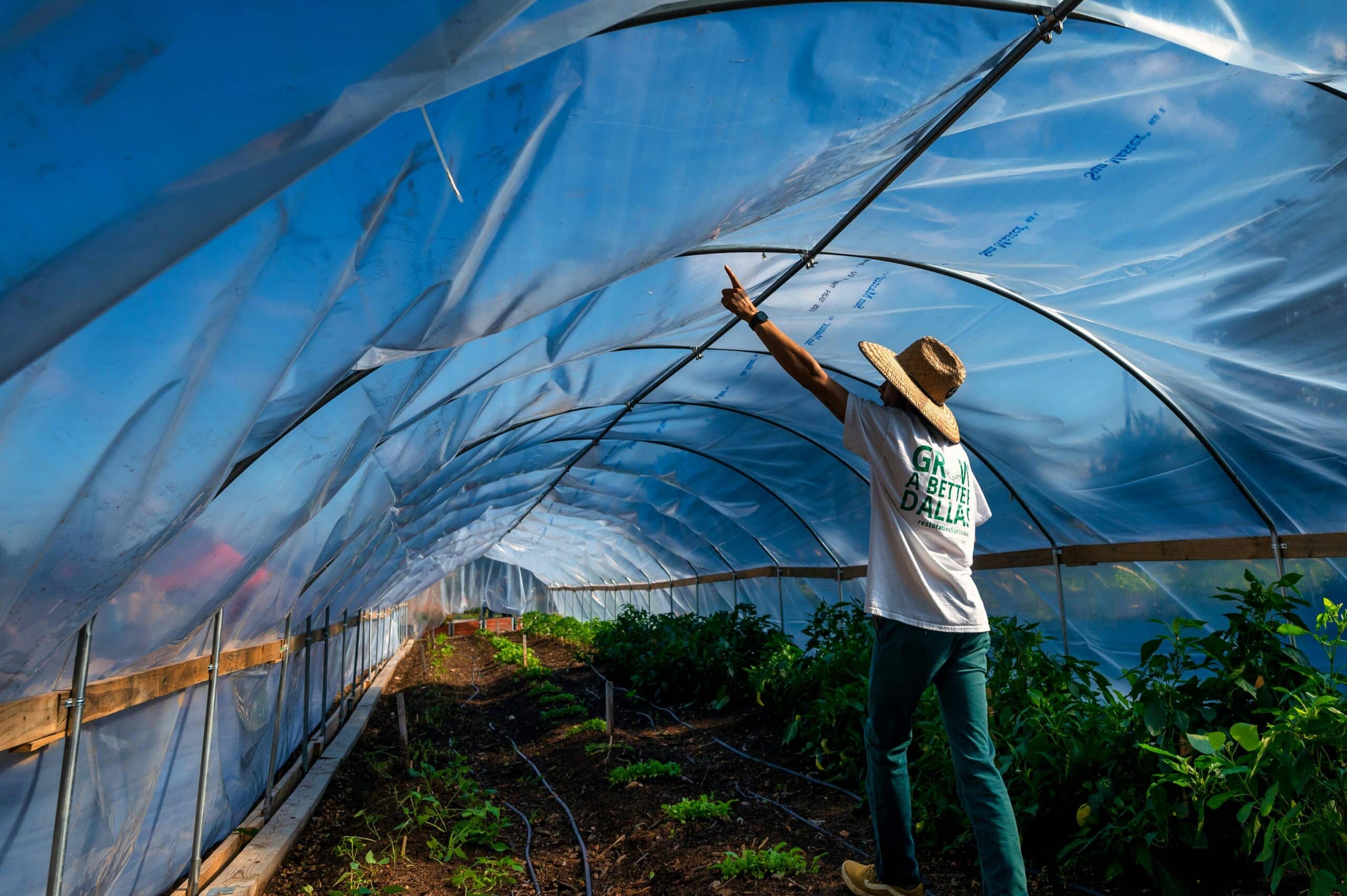
🌟 Envisioning Truly Sustainable Food Futures
Achieving global food sovereignty through agroecology demands imagination alongside action. We must envision food systems where every community can feed itself with dignity, where farmers earn living wages while regenerating ecosystems, and where food production enhances rather than degrades the natural world. These visions guide practical work while inspiring continued commitment through inevitable challenges.
Young people represent critical stakeholders in agricultural transformation, yet many rural youth currently see no future in farming given the economic and social marginalization of agricultural communities. Making agroecology attractive to new generations requires addressing land access, ensuring profitability, and celebrating farming as meaningful, creative work. Educational programs connecting urban youth with food production can inspire career pathways while building broader support for agricultural transformation.
Technology can support agroecology when designed appropriately and deployed with intention. Mobile applications connecting farmers with ecological knowledge, market information, and peer networks enhance decision-making without imposing external control. Precision tools that optimize resource use while minimizing environmental impacts align with agroecological principles, though care must be taken to ensure technologies remain accessible and farmer-controlled.
The convergence of multiple global crises—climate change, biodiversity loss, public health threats, and social inequality—creates both urgency and opportunity for agroecological transformation. Business-as-usual clearly leads toward catastrophic outcomes, opening political space for fundamental alternatives. Agroecology offers proven solutions that address these interconnected challenges simultaneously, making it not simply desirable but essential for collective survival and flourishing.
Cultivating sustainable futures through agroecology requires all of us—farmers and eaters, researchers and policymakers, urban dwellers and rural communities—to reimagine our relationships with land, food, and each other. By embracing ecological wisdom, social justice, and collective action, we can build food systems that nourish both people and planet for generations to come. The seeds of transformation are already planted; our task is to tend them carefully as they grow into forests of possibility.

Toni Santos is a visual storyteller and archival artisan whose creative journey is steeped in the bold colors, dramatic typography, and mythic imagery of old circus posters. Through his artistic lens, Toni breathes new life into these once-lurid canvases of wonder, transforming them into tributes to a golden era of spectacle, showmanship, and cultural fantasy.
Fascinated by the visual language of vintage circuses — from roaring lions to gravity-defying acrobats, from hand-painted banners to gothic typefaces — Toni explores how these posters once captured the imagination of entire towns with nothing more than ink, illusion, and a promise of awe. Each composition he creates or studies is a dialogue with history, nostalgia, and the raw aesthetics of entertainment on the move.
With a background in handcrafted design and visual heritage, Toni blends artistic sensitivity with historical insight. His work traces the forgotten typographies, chromatic choices, and symbolic flair that defined circus marketing in the 19th and early 20th centuries — a time when posters were not just advertisements, but portable portals to dreamworlds.
As the creative force behind Vizovex, Toni curates collections, illustrations, and thoughtful narratives that reconnect modern audiences with the magic of old circus art — not just as ephemera, but as cultural memory etched in paper and pigment.
His work is a tribute to:
The flamboyant storytelling of early circus posters
The lost art of hand-lettered show promotion
The timeless charm of visual fantasy in public space
Whether you’re a vintage print enthusiast, a circus history lover, or a designer inspired by antique aesthetics, Toni invites you into a world where tigers leap through fire, strongmen pose in perfect symmetry, and every corner of the poster whispers: Step right up.