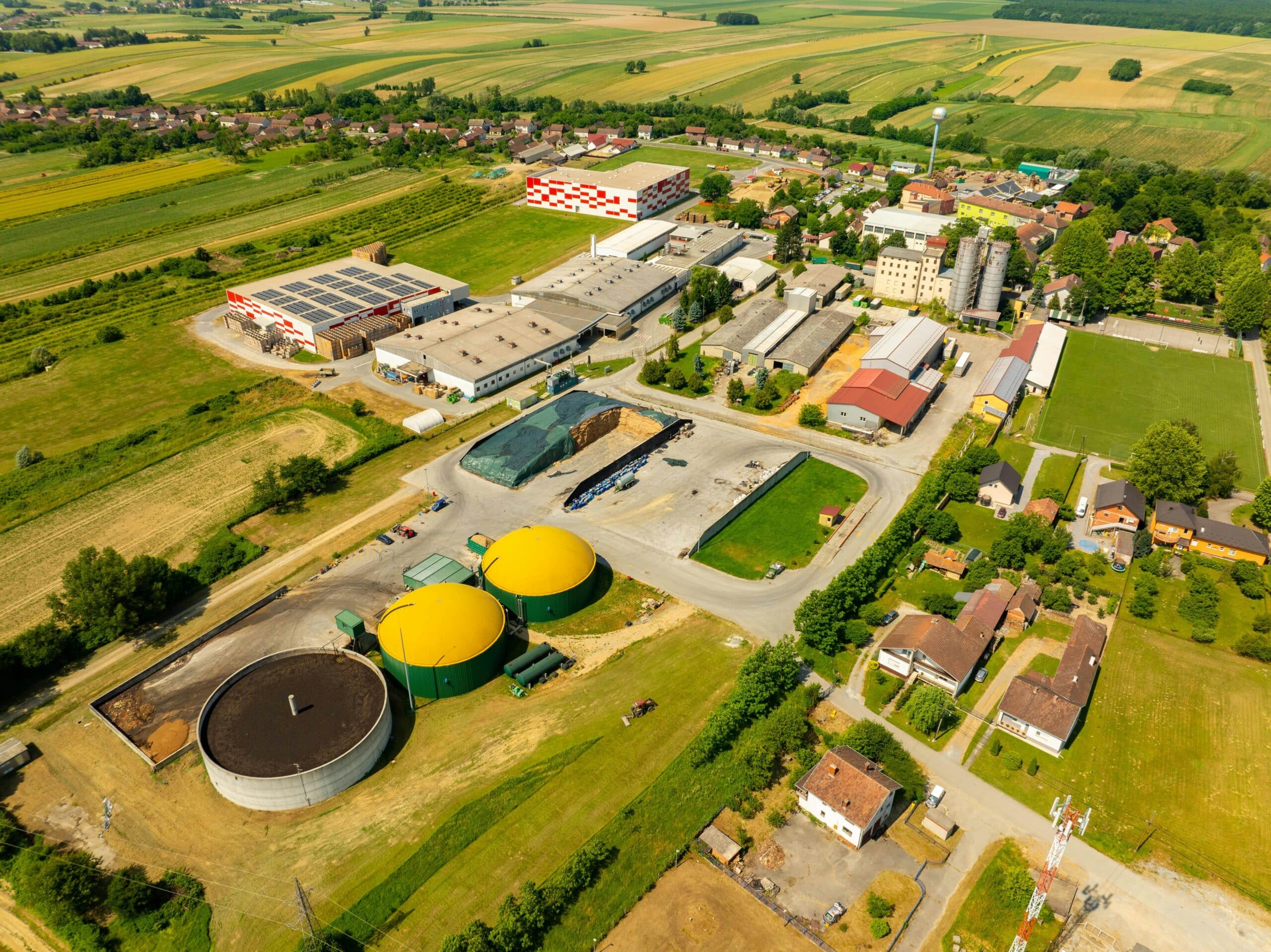
Across fields worldwide, farmers are breaking traditional boundaries by conducting their own experiments, transforming agriculture from the ground up with innovation rooted in local knowledge and practical experience.
🌾 The Dawn of a New Agricultural Revolution
For centuries, agricultural innovation followed a top-down model where research institutions and agricultural extension services developed technologies in controlled environments, then disseminated them to farmers for implementation. This paradigm is shifting dramatically. Today, farmers themselves are becoming the primary agents of change, designing and conducting experiments that address their unique challenges while contributing to global agricultural knowledge.
Farmer-led experimentation represents more than just a methodological shift—it embodies a fundamental reimagining of who creates agricultural knowledge and how that knowledge spreads. This grassroots approach recognizes that farmers possess invaluable insights about their land, climate, markets, and communities that no external expert can fully replicate.
The movement has gained remarkable momentum in recent years, driven by climate change urgency, technological accessibility, and growing recognition that sustainable agriculture requires locally adapted solutions rather than one-size-fits-all approaches.
Understanding Farmer-Led Experimentation: More Than Trial and Error
Farmer-led experimentation differs fundamentally from conventional agricultural research. While traditional research seeks statistically significant results under controlled conditions, farmer experimentation embraces real-world complexity, testing innovations under actual farming conditions with all their unpredictable variables.
This approach typically involves farmers identifying specific problems they face—whether pest pressure, soil degradation, water scarcity, or market access—then designing practical experiments to test potential solutions. These experiments might compare different crop varieties, planting densities, organic amendments, or integrated farming techniques.
Core Principles Driving Success
Several principles underpin effective farmer-led experimentation. First, ownership matters tremendously. When farmers design their own experiments, they invest intellectually and emotionally in the outcomes, leading to deeper learning and more sustained practice change.
Second, relevance ensures that research addresses genuine priorities rather than academic curiosities. Farmers experiment with questions that directly impact their livelihoods, making findings immediately actionable.
Third, peer learning amplifies impact exponentially. Farmers share results within their networks through field days, farmer groups, and increasingly through digital platforms, creating cascading waves of innovation adoption.
🚜 Real-World Impact: Stories from the Field
In East Africa, smallholder farmers have pioneered push-pull technology through farmer-led trials, intercropping maize with insect-repelling plants while planting trap crops at field borders. These experiments, initiated by farmers themselves with scientific support, have reduced pesticide use by up to 80% while improving yields significantly.
Across South Asia, farmer experimentation with System of Rice Intensification (SRI) has revolutionized paddy cultivation. Rather than accepting conventional wisdom about continuous flooding, farmers tested alternate wetting and drying cycles, discovering they could reduce water use by 30-40% while maintaining or increasing yields.
In Latin America, coffee farmers facing climate change are conducting sophisticated experiments with shade trees, testing different species combinations to optimize microclimate regulation, biodiversity, and additional income streams. These trials generate hyper-local data that no centralized research station could provide.
Quantifying the Benefits
Research documenting farmer-led experimentation reveals impressive outcomes across multiple dimensions:
- Innovation adoption rates increase 3-5 times compared to conventional extension approaches
- Practice adaptation occurs more rapidly, with farmers modifying techniques to suit local conditions
- Knowledge retention improves dramatically when farmers learn through doing rather than passive instruction
- Cost-effectiveness exceeds traditional research by factors of 10 or more per innovation adopted
- Environmental outcomes often surpass prescribed methods through farmer ingenuity and contextual refinement
Technology as an Enabler: Digital Tools Transforming Farmer Science
The smartphone revolution has fundamentally changed what farmer-led experimentation can achieve. Digital tools now enable farmers to document observations systematically, analyze data, access global knowledge bases, and share findings with unprecedented reach.
Mobile applications designed for agricultural experimentation help farmers design trials using simple protocols, record observations with photos and geo-tags, and compare results across seasons and locations. These platforms democratize scientific methodology, making rigorous experimentation accessible without formal research training.
Weather monitoring apps provide farmers with micro-climate data essential for interpreting experimental results. Soil testing applications using smartphone cameras offer instant analysis of nutrient levels, helping farmers make informed decisions about amendments and treatments.
Connectivity Building Communities
Beyond individual tools, digital connectivity enables farmer learning networks that span continents. WhatsApp groups, Facebook communities, and specialized agricultural platforms create virtual spaces where farmers share experiments, troubleshoot challenges, and collectively build knowledge.
Video documentation has become particularly powerful, allowing farmers to show rather than simply tell about their innovations. A farmer in Kenya can share a detailed walkthrough of their composting technique with peers in Ghana, India, or Peru, transcending language barriers through visual demonstration.
💡 The Science Behind the Success: Why Farmer Experimentation Works
Cognitive science explains much of farmer-led experimentation’s effectiveness. Experiential learning creates stronger neural pathways than passive information reception, embedding knowledge more durably. When farmers design experiments, they engage in higher-order thinking—analysis, synthesis, and evaluation—rather than mere memorization.
The principle of situated cognition suggests that learning in authentic contexts produces knowledge better transferred to real-world application. Farmers experimenting in their own fields under actual conditions create understanding precisely calibrated to their operational reality.
Social learning theory illuminates why peer-to-peer knowledge sharing proves so powerful. Farmers observe fellow farmers—people they perceive as similar to themselves—successfully implementing innovations, which builds self-efficacy and motivation far more effectively than expert prescriptions.
Ecological Advantages of Decentralized Research
From an ecological perspective, farmer-led experimentation generates location-specific knowledge crucial for sustainable agriculture. Industrial agriculture attempted to standardize environments to suit uniform practices, often with devastating ecological consequences. Farmer experimentation inverts this logic, adapting practices to diverse environments.
This approach naturally favors agro-ecological principles because farmers experience directly the interconnections between soil health, biodiversity, water cycles, and productivity. Their experiments often discover synergies—like integrated pest management or polyculture systems—that reductionist research might miss.
Overcoming Barriers: Challenges and Solutions
Despite its promise, farmer-led experimentation faces significant obstacles. Many farmers lack confidence in their capacity to conduct valid experiments, having internalized messages that agricultural science belongs exclusively to credentialed experts.
Resource constraints pose practical challenges. Experimenting requires dedicating land, time, and sometimes materials to trials that might fail, representing real risk for resource-poor farmers operating on narrow margins.
Documentation and data management can overwhelm farmers without technical support. Systematic record-keeping requires discipline and tools that many lack, limiting their ability to draw reliable conclusions or share findings effectively.
Building Supportive Ecosystems
Addressing these barriers requires multi-stakeholder collaboration. Agricultural extension services are evolving from knowledge delivery systems to facilitation networks that support farmer experimentation rather than replacing it.
Research institutions increasingly partner with farmers as co-investigators, providing methodological guidance while respecting farmer expertise about local conditions. This collaborative model produces more robust, relevant research than either approach alone.
Policy frameworks matter enormously. Governments can support farmer experimentation through participatory guarantee systems, innovation funds, and regulatory flexibility that allows farmers to test new approaches within reasonable safety parameters.
🌍 Scaling Impact: From Individual Experiments to Movement
The true power of farmer-led experimentation emerges when individual trials connect into broader movements. Farmer research networks create infrastructure for systematic experimentation across diverse agro-ecological zones, generating datasets that reveal which innovations work where and why.
Regional platforms enable farmers to access experimental protocols tested by peers, adapt them to local conditions, and contribute their results back to collective knowledge pools. This distributed research model achieves geographic breadth impossible for centralized institutions.
International organizations now recognize farmer-led innovation as central to achieving sustainable development goals. The FAO, IFAD, and CGIAR centers increasingly structure programs around farmer experimentation, allocating resources to support grassroots innovation rather than solely top-down technology transfer.
Market Integration and Economic Sustainability
For farmer experimentation to achieve lasting impact, it must connect to market opportunities. Farmers experimenting with organic methods, specialty crops, or value-added processing need access to consumers willing to pay for differentiated products.
Certification schemes that recognize farmer experimentation—like Participatory Guarantee Systems—create market access for innovations that fall outside conventional certification pathways. These approaches validate farmer knowledge while opening premium market segments.
Digital marketplaces increasingly feature farmer stories, allowing consumers to connect with the people and practices behind their food. This transparency rewards farmer innovation directly, creating economic incentives for continued experimentation.
Climate Adaptation Through Grassroots Innovation
Climate change represents agriculture’s defining challenge, and farmer-led experimentation offers one of our most promising adaptation strategies. Climate impacts manifest hyper-locally—one valley experiences different rainfall patterns than the next—requiring correspondingly local solutions.
Farmers worldwide are experimenting with climate-smart practices: drought-resistant varieties, water harvesting techniques, adjusted planting calendars, and diversified cropping systems. These experiments generate actionable knowledge faster than traditional research cycles can match.
Indigenous knowledge systems, often dismissed by conventional agriculture, are being revitalized through farmer experimentation. Traditional practices like intercropping, agroforestry, and seed saving are being tested rigorously, validated scientifically, and adapted for contemporary contexts.
Resilience Through Diversity
Farmer experimentation naturally promotes agricultural diversity—of crops, techniques, and knowledge systems. This diversity constitutes resilience, ensuring that when one approach fails under changing conditions, alternatives exist.
Seed saving and farmer breeding represent particularly important experimentation domains. Farmers selecting and sharing seeds adapted to local conditions create genetic diversity that commercial breeding cannot replicate, building living libraries of climate-adapted germplasm.
🔬 The Future of Agricultural Research: Citizen Science and Beyond
Farmer-led experimentation sits at the leading edge of citizen science, demonstrating how non-professionals can contribute meaningfully to scientific knowledge. This model challenges institutional monopolies on expertise while democratizing innovation.
Emerging technologies will amplify farmer research capabilities dramatically. Affordable sensors for soil moisture, nutrient levels, and plant health will enable precise data collection. Machine learning algorithms will help farmers analyze complex datasets and identify patterns.
Blockchain technology may create verifiable records of farmer innovations, establishing intellectual property rights while maintaining open-source sharing principles. This could enable farmers to benefit economically from their discoveries while keeping knowledge accessible.
Reshaping Agricultural Education
The success of farmer-led experimentation challenges agricultural education systems to evolve. Rather than training farmers to implement expert recommendations, education should cultivate critical thinking, experimental design skills, and collaborative learning capabilities.
Agricultural universities are beginning to integrate farmer knowledge into curricula, bringing experienced farmer-experimenters into classrooms and conducting joint research projects. This two-way knowledge exchange enriches both academic and practical understanding.
Building Bridges: Policy Recommendations for Supporting Farmer Innovation
Realizing farmer-led experimentation’s full potential requires supportive policy environments. Governments should allocate research funding directly to farmer organizations, not merely through institutional intermediaries.
Intellectual property frameworks need reform to protect farmer innovations without imposing corporate patent models. Sui generis systems recognizing collective innovation and traditional knowledge offer promising alternatives.
Extension services require reorientation from top-down advisory services to facilitation networks supporting farmer-to-farmer learning and experimentation. This means retraining extension agents as facilitators rather than instructors.
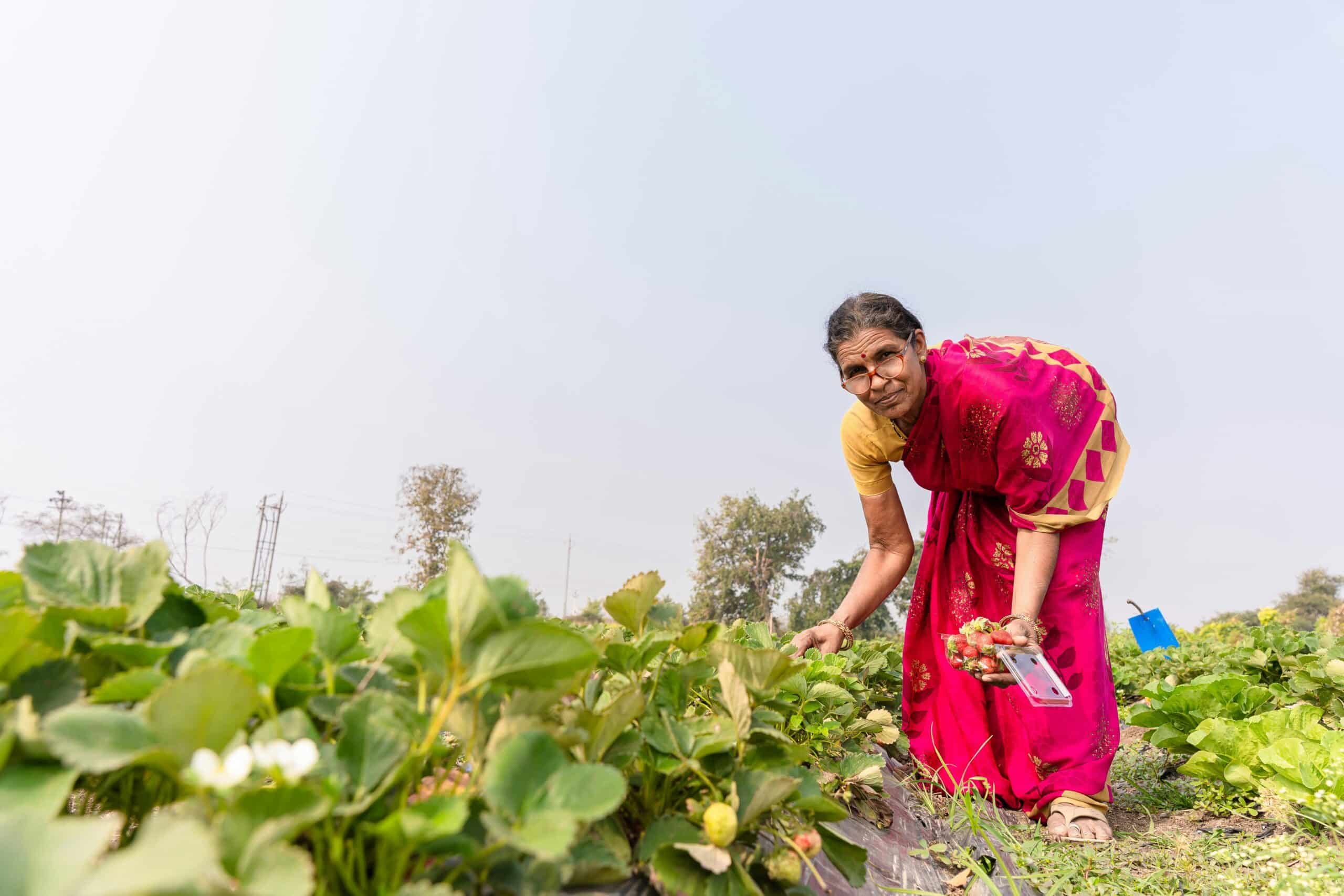
Cultivating Tomorrow: The Transformative Power of Farmer Agency
The profound impact of farmer-led experimentation extends beyond improved techniques or higher yields. At its core, this movement represents a fundamental shift in agency—farmers reclaiming their role as knowledge creators rather than merely knowledge recipients.
This empowerment ripples through communities, strengthening food sovereignty, cultural identity, and democratic participation. When farmers control their agricultural knowledge systems, they resist dependencies that undermine resilience and autonomy.
The path forward requires sustained commitment from all agricultural stakeholders. Researchers must embrace humility, recognizing farmers as partners rather than subjects. Policymakers must create enabling environments that support grassroots innovation. Market actors must value and reward farmer experimentation.
Most importantly, farmers themselves must be supported to trust their observations, document their innovations, and share their discoveries. The collective intelligence of millions of farmers experimenting across diverse conditions represents humanity’s greatest resource for navigating agricultural challenges ahead.
As climate uncertainty intensifies, industrial agriculture’s limitations become increasingly apparent, and the need for locally adapted solutions grows more urgent, farmer-led experimentation offers not just incremental improvements but transformative potential. It represents agriculture reimagined—not as industrial production imposed on nature, but as collaborative learning between human ingenuity and ecological wisdom.
The revolution is already underway in fields across the planet, led not by distant experts but by the women and men who work the soil daily. Their experiments are writing the future of food, one trial, one observation, one shared discovery at a time. Supporting and scaling this movement may prove essential not just for agricultural sustainability, but for human flourishing on a changing planet.

Toni Santos is a visual storyteller and archival artisan whose creative journey is steeped in the bold colors, dramatic typography, and mythic imagery of old circus posters. Through his artistic lens, Toni breathes new life into these once-lurid canvases of wonder, transforming them into tributes to a golden era of spectacle, showmanship, and cultural fantasy.
Fascinated by the visual language of vintage circuses — from roaring lions to gravity-defying acrobats, from hand-painted banners to gothic typefaces — Toni explores how these posters once captured the imagination of entire towns with nothing more than ink, illusion, and a promise of awe. Each composition he creates or studies is a dialogue with history, nostalgia, and the raw aesthetics of entertainment on the move.
With a background in handcrafted design and visual heritage, Toni blends artistic sensitivity with historical insight. His work traces the forgotten typographies, chromatic choices, and symbolic flair that defined circus marketing in the 19th and early 20th centuries — a time when posters were not just advertisements, but portable portals to dreamworlds.
As the creative force behind Vizovex, Toni curates collections, illustrations, and thoughtful narratives that reconnect modern audiences with the magic of old circus art — not just as ephemera, but as cultural memory etched in paper and pigment.
His work is a tribute to:
The flamboyant storytelling of early circus posters
The lost art of hand-lettered show promotion
The timeless charm of visual fantasy in public space
Whether you’re a vintage print enthusiast, a circus history lover, or a designer inspired by antique aesthetics, Toni invites you into a world where tigers leap through fire, strongmen pose in perfect symmetry, and every corner of the poster whispers: Step right up.