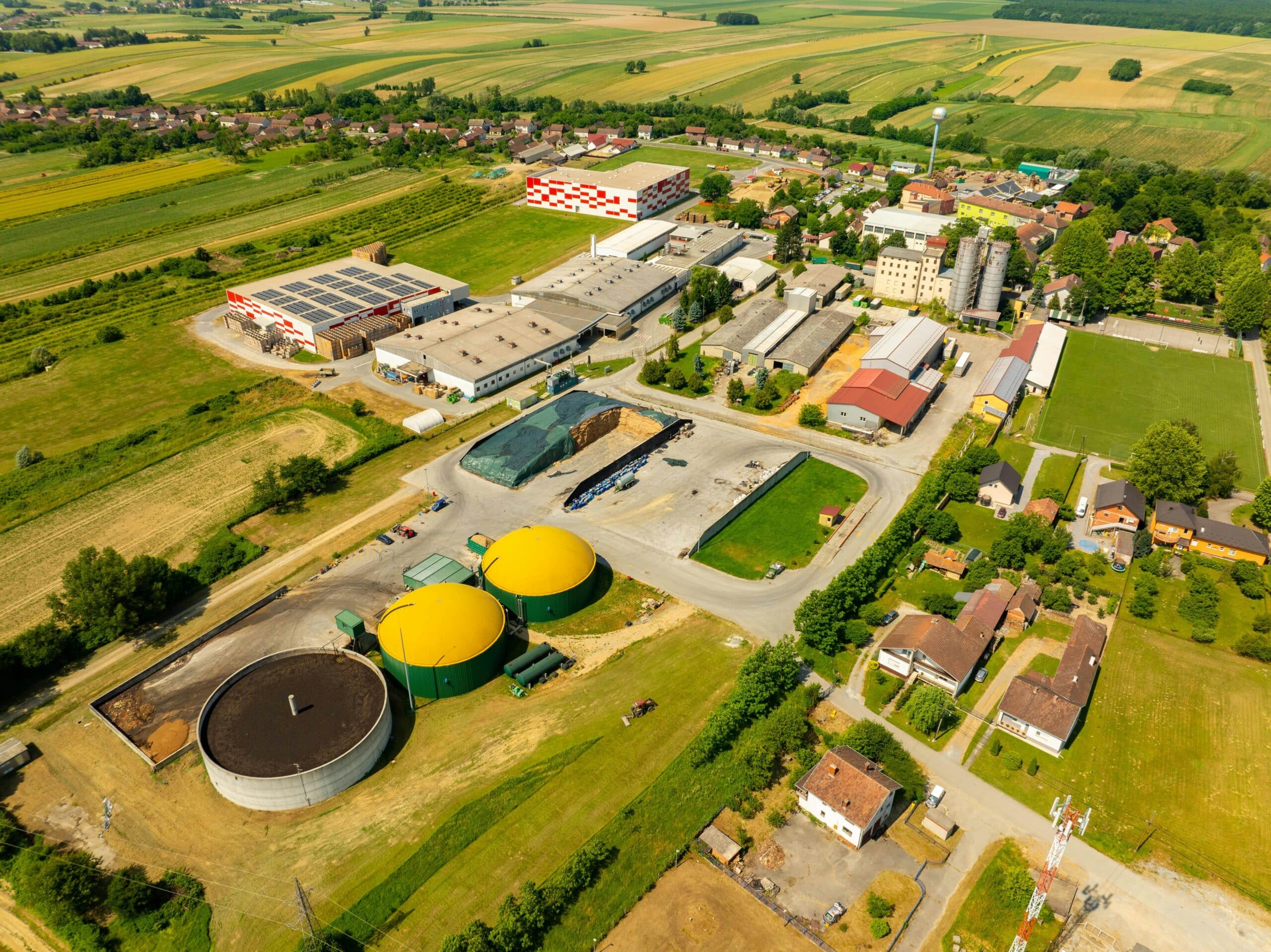
The future of agriculture lies not in vast fields of a single crop, but in the harmonious diversity of polyculture systems that mirror nature’s own design.
🌱 Understanding the Fundamental Difference Between Growing Systems
Modern agriculture has long been dominated by monoculture—the practice of growing a single crop species over a large area year after year. This approach became widespread during the Green Revolution, promising efficiency, simplified management, and economies of scale. However, this simplification of agricultural ecosystems has come at a significant environmental and economic cost that we’re only now beginning to fully comprehend.
Polyculture, in contrast, involves growing multiple crop species together in the same space, either simultaneously or in carefully planned rotations. This approach draws inspiration from natural ecosystems where diversity creates resilience, productivity, and sustainability. Indigenous communities worldwide have practiced various forms of polyculture for thousands of years, recognizing the inherent wisdom in working with nature rather than against it.
The distinction between these two systems extends far beyond simple crop variety. Monoculture represents a fundamentally reductionist approach to agriculture, treating farmland as a factory floor where a single product is manufactured with industrial precision. Polyculture embraces complexity, recognizing that agricultural land is a living ecosystem capable of producing multiple yields while maintaining its own health and fertility.
The Hidden Costs of Monoculture Agriculture 💰
While monoculture may appear efficient on the surface, its true costs reveal a deeply unsustainable system. Large-scale single-crop farming depletes soil nutrients at alarming rates, as the same crop extracts the same minerals year after year. This nutrient depletion necessitates increasing applications of synthetic fertilizers, creating a dependency cycle that damages soil structure and beneficial microbial communities.
Pest and disease pressure intensifies dramatically in monoculture systems. When acres of identical plants grow together, they create a paradise for specialized pests and pathogens. A single disease outbreak can devastate an entire crop, as witnessed repeatedly in agricultural history. The Irish Potato Famine of the 1840s stands as a tragic example of monoculture vulnerability, where reliance on a single potato variety led to catastrophic consequences when blight struck.
The environmental externalities of monoculture extend beyond individual farms. Massive pesticide applications contaminate waterways, harm beneficial insects including pollinators, and disrupt entire food chains. Soil erosion accelerates when continuous cropping leaves fields bare between seasons. Biodiversity loss occurs both on farms and in surrounding ecosystems as habitat complexity disappears.
Economic Vulnerability in Single-Crop Systems
Farmers practicing monoculture face significant economic risks. Price volatility for a single commodity can determine whether a farm survives or fails. When market prices drop, monoculture farmers have no alternative products to cushion the blow. This economic precariousness has contributed to the ongoing crisis in rural farming communities worldwide, where farmers struggle with debt and uncertainty despite working longer hours with increasingly sophisticated technology.
🌿 How Polyculture Creates Thriving Agricultural Ecosystems
Polyculture systems generate benefits that extend across ecological, economic, and social dimensions. By growing multiple crops together, farmers create synergistic relationships where different plants support each other’s growth, much as they do in natural ecosystems. These complementary interactions reduce the need for external inputs while increasing overall productivity.
Companion planting represents one of the most accessible forms of polyculture. The traditional “Three Sisters” method practiced by Indigenous peoples across the Americas demonstrates this beautifully. Corn provides a structure for beans to climb, beans fix nitrogen in the soil that corn requires, and squash spreads along the ground, shading out weeds and retaining soil moisture. Together, these three crops produce more food per acre than they would separately, while improving soil health.
Root systems of different depths allow polyculture crops to access nutrients from various soil layers, reducing competition and maximizing resource use. Deep-rooted plants bring nutrients from lower soil horizons to the surface, where they become available to shallow-rooted crops. This natural nutrient cycling reduces fertilizer requirements significantly.
Building Natural Pest and Disease Resistance 🐛
Biodiversity in polyculture systems provides powerful natural pest control. Diverse plantings support populations of beneficial insects that prey on crop pests. The varied scents and visual patterns of multiple crop species confuse pest insects that locate their host plants through specific chemical or visual cues. This “associational resistance” has been documented across countless crop combinations and geographic regions.
Disease pressure decreases in polyculture because pathogens cannot spread as easily when host plants are interspersed with non-host species. Physical barriers between susceptible plants interrupt disease transmission, while increased air circulation in diverse plantings reduces moisture accumulation that favors many fungal diseases.
Soil Health: The Foundation of Sustainable Agriculture 🌍
Healthy soil is agriculture’s most valuable asset, yet monoculture systematically degrades this critical resource. Polyculture, by contrast, actively builds soil health through multiple mechanisms. Different crops contribute varied organic matter to the soil, creating diverse food sources for soil microorganisms. This microbial diversity enhances nutrient cycling, disease suppression, and soil structure formation.
Continuous soil cover in polyculture systems protects against erosion from wind and water. Living roots feed soil organisms year-round, maintaining the biological activity that creates stable soil aggregates. These aggregates improve water infiltration and storage capacity, making farms more resilient to both drought and heavy rainfall.
Carbon sequestration increases substantially in polyculture systems, particularly those that include perennial crops or agroforestry elements. As atmospheric carbon dioxide levels continue rising, agriculture’s potential to capture and store carbon in healthy soils becomes increasingly important for climate change mitigation.
Water Management Through Diversity 💧
Polyculture systems manage water more effectively than monocultures. Diverse root systems create channels that improve water infiltration, reducing runoff and increasing groundwater recharge. The varied water requirements of different crops mean that some plants thrive even when others struggle during dry periods, maintaining productive vegetation cover that protects soil.
Reduced irrigation requirements emerge as different crops create beneficial microclimates. Taller plants shade shorter ones, reducing evaporation. Ground covers maintain soil moisture. This efficient water use becomes increasingly critical as freshwater resources face mounting pressure from climate change and competing demands.
📊 Productivity and Profitability: Challenging the Monoculture Myth
The assumption that monoculture produces more food per acre has been thoroughly challenged by research. When properly managed, polyculture systems frequently achieve higher total yields than monocultures. The Land Equivalent Ratio (LER), which compares the land area needed in monoculture to produce the same total yield as polyculture, often exceeds 1.5, meaning polyculture produces 50% more total output from the same land area.
This productivity advantage stems from more complete resource use. Different crops capture sunlight at different heights, use nutrients from different soil depths, and photosynthesize at different times of day or season. The result is more efficient conversion of available resources into food, fiber, or other products.
Economic returns in polyculture can surpass monoculture even when yields of individual crops are lower. Diversified income streams reduce financial risk, and premium prices for sustainably grown products often exceed commodity prices for monoculture crops. Reduced input costs for pesticides, fertilizers, and irrigation further improve profitability.
Labor Efficiency and Knowledge Requirements
Critics argue that polyculture requires more labor and knowledge than monoculture. While polyculture certainly demands different skills and more ecological understanding, the labor intensity varies widely depending on crop selection and system design. Many polyculture systems actually require less labor than monoculture once established, particularly when comparing total hours including pest and weed management.
The knowledge required for successful polyculture farming represents both a challenge and an opportunity. As farmers develop expertise in managing complex systems, they become true agricultural professionals rather than equipment operators following standardized protocols. This knowledge-intensive approach creates meaningful employment and revitalizes rural communities.
🌾 Practical Polyculture Approaches for Different Scales
Implementing polyculture doesn’t require abandoning modern agriculture entirely. Numerous approaches allow farmers to capture polyculture benefits while maintaining operational efficiency. Intercropping involves growing two or more crops simultaneously in the same field, either in alternating rows or mixed plantings. This approach works well for annual vegetables, grains, and legumes.
Agroforestry integrates trees with crops or livestock, creating productive systems that provide multiple yields over different timeframes. Alley cropping places annual crops between rows of trees or shrubs, combining short-term food production with long-term timber, fruit, or nut harvests. These systems excel at carbon sequestration and biodiversity support while generating diverse income streams.
Crop rotation represents the simplest form of temporal polyculture, where different crops succeed each other on the same land. While less diverse than simultaneous polyculture, well-planned rotations break pest cycles, improve soil fertility, and reduce disease pressure. Rotations become more effective as they incorporate greater variety of crop families and growth habits.
Small-Scale Intensive Systems 🏡
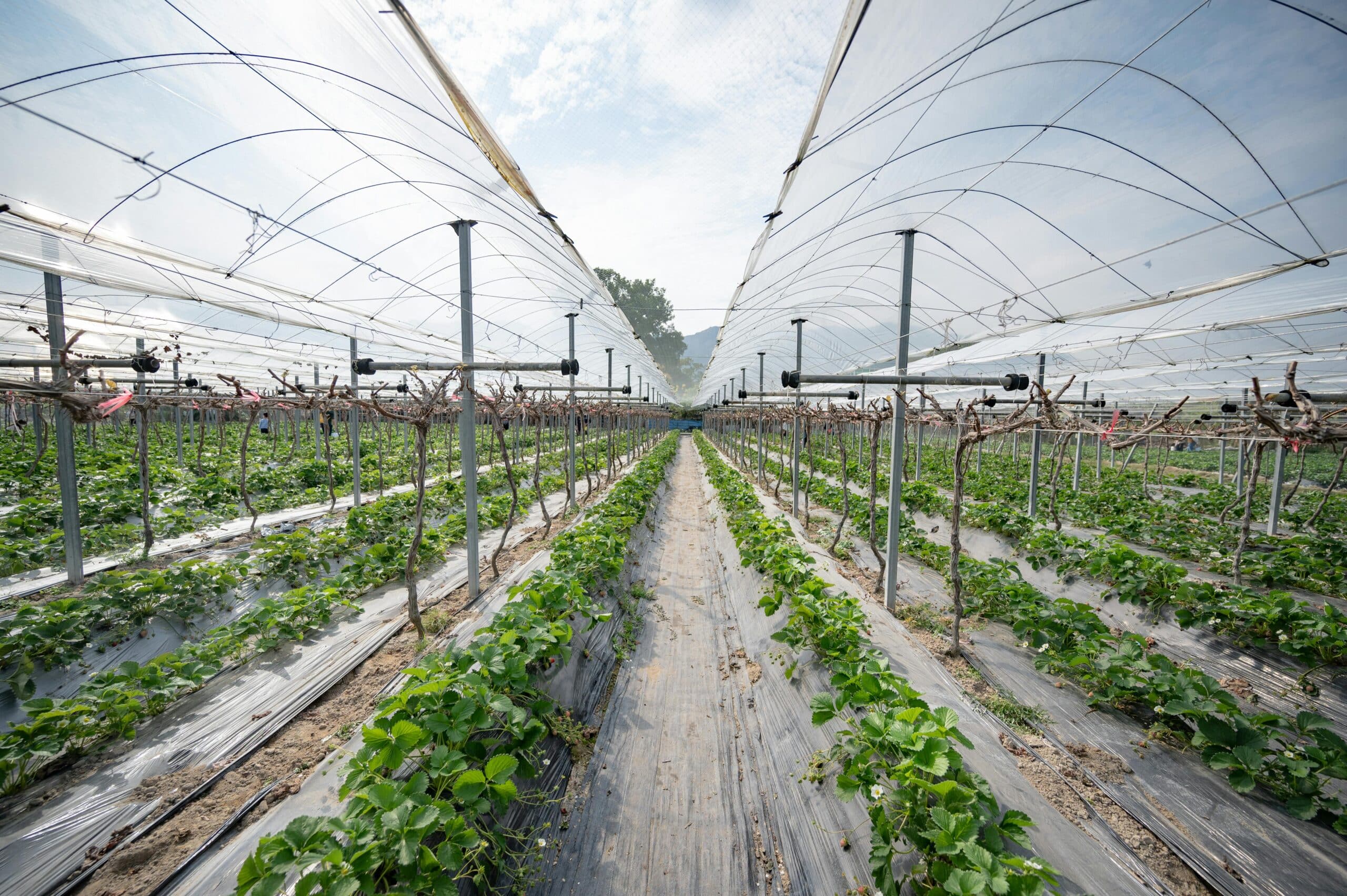
Market gardens and small farms often find polyculture ideally suited to their operations. Intensive planting schemes maximize production from limited land while creating beautiful, ecologically rich growing spaces. Vertical layering uses plants of different heights—from ground covers to climbing vines to trellised crops—making full use of three-dimensional space.
Permaculture design principles guide the creation of permanent polyculture systems that mimic natural ecosystems. These designs strategically place plants according to their relationships and functions, creating self-maintaining systems that require minimal external inputs once established. Though permaculture has been sometimes dismissed as suitable only for hobbyists, numerous commercial operations demonstrate its viability for serious food production.
Climate Resilience Through Agricultural Diversity 🌤️
As climate change intensifies, agricultural resilience becomes paramount. Polyculture systems demonstrate superior ability to withstand climate variability and extreme weather events. When drought, flood, unseasonable temperatures, or pest outbreaks affect one crop, others often survive and maintain productivity. This built-in insurance becomes increasingly valuable as weather patterns grow more unpredictable.
Genetic diversity within polyculture systems provides raw material for adaptation. Different varieties and species respond differently to environmental stresses, and farmers can gradually shift their crop mix toward better-adapted combinations as conditions change. This adaptive capacity contrasts sharply with monoculture’s vulnerability to any conditions outside narrow optimal ranges.
Carbon footprint reduction represents another climate benefit of polyculture. Lower fertilizer and pesticide requirements mean less energy consumption and fewer emissions from agrochemical production. Enhanced carbon sequestration in healthy soils further offsets agricultural emissions, potentially making well-managed polyculture systems carbon negative.
🌻 Cultural and Social Dimensions of Diverse Agriculture
Polyculture connects to deep cultural traditions in farming communities worldwide. Traditional agricultural knowledge, developed over generations, contains invaluable insights into creating productive, sustainable polyculture systems. Reviving and adapting these practices honors cultural heritage while addressing contemporary challenges.
Food sovereignty strengthens when communities grow diverse crops suited to local conditions and preferences. Rather than depending on global commodity markets and standardized diets, polyculture enables regions to produce culturally appropriate foods that reflect local tastes and traditions. This dietary diversity supports better nutrition and cultural identity.
Rural employment opportunities expand in polyculture systems. The knowledge-intensive nature of managing diverse crops creates meaningful work that engages minds as well as hands. Rather than consolidating into ever-larger monoculture operations with minimal employment, polyculture farming can support thriving rural communities with distributed prosperity.
Making the Transition: Pathways Forward 🚀
Transitioning from monoculture to polyculture requires planning, patience, and support. Farmers cannot simply abandon proven practices overnight without risking their livelihoods. Successful transitions typically proceed incrementally, with farmers experimenting on portions of their land while maintaining established crops elsewhere.
Research and education infrastructure must expand to support polyculture adoption. Most agricultural research has focused on monoculture optimization for decades, leaving knowledge gaps around polyculture management. Extension services, agricultural colleges, and farmer networks need resources to develop and share polyculture expertise.
Policy changes can accelerate the shift toward diverse agriculture. Subsidy programs currently favor monoculture commodity production, creating economic incentives that work against sustainability. Redirecting support toward ecological farming practices, particularly during transition periods when farmers face highest risk, would remove major barriers to adoption.
Market development for diverse crops helps farmers profit from polyculture. Local food systems, community supported agriculture, and direct marketing channels often provide better returns for diverse production than commodity markets designed for bulk monoculture crops. Strengthening these alternative markets creates economic viability for polyculture farming.
🌈 Embracing Complexity for Long-Term Abundance
The choice between monoculture and polyculture represents more than a technical decision about farming methods. It reflects fundamental values about our relationship with nature, our vision for rural communities, and our commitment to future generations. Monoculture’s apparent simplicity masks devastating long-term costs, while polyculture’s complexity generates compounding benefits over time.
Evidence continues accumulating that polyculture offers superior sustainability, resilience, and productivity when evaluated holistically. The ecological services provided by diverse agricultural systems—pest control, pollination, soil building, water management—have immense economic value that monoculture destroys while polyculture enhances.
Moving forward requires courage to embrace complexity and wisdom to work with natural systems rather than against them. The agricultural knowledge needed for successful polyculture may seem daunting, but it represents a return to farming as a skilled profession requiring deep understanding of ecological relationships. This knowledge-intensive approach creates more resilient farms, healthier ecosystems, and more vibrant rural communities.
As we face mounting challenges from climate change, biodiversity loss, and resource depletion, the regenerative potential of polyculture agriculture becomes increasingly vital. Every farm that transitions from monoculture to diverse cropping systems contributes to a more sustainable food future. Together, through embracing agricultural diversity, we can create abundance that endures for generations while healing the damage inflicted by decades of simplified, extractive farming. The path forward lies not in fighting nature’s complexity, but in learning to thrive alongside it.

Toni Santos is a visual storyteller and archival artisan whose creative journey is steeped in the bold colors, dramatic typography, and mythic imagery of old circus posters. Through his artistic lens, Toni breathes new life into these once-lurid canvases of wonder, transforming them into tributes to a golden era of spectacle, showmanship, and cultural fantasy.
Fascinated by the visual language of vintage circuses — from roaring lions to gravity-defying acrobats, from hand-painted banners to gothic typefaces — Toni explores how these posters once captured the imagination of entire towns with nothing more than ink, illusion, and a promise of awe. Each composition he creates or studies is a dialogue with history, nostalgia, and the raw aesthetics of entertainment on the move.
With a background in handcrafted design and visual heritage, Toni blends artistic sensitivity with historical insight. His work traces the forgotten typographies, chromatic choices, and symbolic flair that defined circus marketing in the 19th and early 20th centuries — a time when posters were not just advertisements, but portable portals to dreamworlds.
As the creative force behind Vizovex, Toni curates collections, illustrations, and thoughtful narratives that reconnect modern audiences with the magic of old circus art — not just as ephemera, but as cultural memory etched in paper and pigment.
His work is a tribute to:
The flamboyant storytelling of early circus posters
The lost art of hand-lettered show promotion
The timeless charm of visual fantasy in public space
Whether you’re a vintage print enthusiast, a circus history lover, or a designer inspired by antique aesthetics, Toni invites you into a world where tigers leap through fire, strongmen pose in perfect symmetry, and every corner of the poster whispers: Step right up.