
Protecting your home and garden from pests doesn’t mean you need to resort to harsh chemicals that harm the environment and your family’s health.
Modern homeowners are increasingly turning toward eco-friendly pest solutions that work effectively without compromising safety. Natural pest control methods have evolved significantly, offering practical alternatives that respect our ecosystem while keeping unwanted visitors at bay. Whether you’re dealing with garden invaders or household nuisances, sustainable approaches can deliver impressive results without the toxic aftermath of conventional pesticides.
The shift toward environmentally conscious pest management isn’t just a trend—it’s a necessary evolution in how we interact with our living spaces. Chemical pesticides can contaminate soil, water sources, and even the air we breathe, creating long-term consequences that extend far beyond the immediate problem. By embracing natural methods, you’re not only protecting your immediate environment but also contributing to a healthier planet for future generations.
🌿 Understanding the Environmental Impact of Traditional Pesticides
Conventional pest control products contain synthetic chemicals designed to kill insects, rodents, and other unwanted creatures quickly. However, these substances rarely discriminate between harmful pests and beneficial organisms. Bees, butterflies, earthworms, and other essential creatures often fall victim to broad-spectrum pesticides, disrupting the delicate balance of local ecosystems.
Research has consistently shown that chemical pesticides can accumulate in soil over time, affecting plant growth and contaminating groundwater. Children and pets are particularly vulnerable to pesticide exposure, as their developing systems are more susceptible to toxins. Many synthetic pesticides have been linked to respiratory issues, skin irritations, and more serious health conditions when exposure occurs repeatedly.
Beyond immediate health concerns, chemical runoff from residential areas contributes to larger environmental problems. When it rains, these substances wash into storm drains, eventually reaching rivers, lakes, and oceans where they harm aquatic life and disrupt marine ecosystems. The cumulative effect of millions of households using chemical pesticides creates a significant environmental burden that affects biodiversity on a global scale.
Natural Pest Deterrents for Your Garden 🪴
Your garden can thrive without synthetic interventions by leveraging nature’s own defense mechanisms. Companion planting represents one of the most effective natural pest control strategies available to gardeners. Certain plant combinations naturally repel pests while attracting beneficial insects that prey on problematic species.
Companion Planting Combinations That Work
Marigolds are renowned for their ability to deter aphids, mosquitoes, and even rabbits when planted near vegetables. Their distinctive scent confuses and repels many common garden pests. Planting basil alongside tomatoes not only enhances flavor but also keeps tomato hornworms and flies away from your precious plants.
Nasturtiums serve as excellent trap crops, attracting aphids away from more valuable plants. Meanwhile, garlic and onions planted near roses and vegetables release sulfur compounds that repel many insects. Lavender attracts pollinators while deterring moths, fleas, and mosquitoes, making it a beautiful and functional addition to any garden border.
Essential Oil Sprays and Natural Repellents
Creating your own pest-deterrent sprays using essential oils offers an effective, non-toxic alternative to commercial products. Peppermint oil mixed with water and a small amount of dish soap creates a powerful spray against ants, spiders, and aphids. The strong scent disrupts their ability to navigate and communicate, encouraging them to relocate.
Neem oil, derived from the neem tree, acts as both a repellent and an insecticide without harming beneficial insects when used correctly. It interferes with the life cycle of many pests, preventing them from reproducing effectively. Mix two tablespoons of neem oil with a gallon of water and a teaspoon of mild liquid soap for an all-purpose garden spray.
Eucalyptus, tea tree, and citronella oils also provide excellent pest-fighting properties. These can be combined in various concentrations depending on the specific pest problem you’re addressing. Always test natural sprays on a small area first to ensure they don’t adversely affect sensitive plants.
🏡 Indoor Pest Control Without Harmful Chemicals
Maintaining a pest-free home interior requires a different approach than outdoor spaces, but natural solutions remain equally effective. The key lies in prevention, elimination of attractants, and strategic use of natural deterrents that disrupt pest behavior without introducing toxins into your living environment.
Diatomaceous Earth: A Natural Powder Solution
Food-grade diatomaceous earth represents one of the most versatile natural pest control products available. This fine powder consists of fossilized remains of tiny aquatic organisms called diatoms. On a microscopic level, it features sharp edges that damage the exoskeletons of insects, causing them to dehydrate and die.
Apply diatomaceous earth along baseboards, behind appliances, in cracks and crevices, and anywhere you’ve noticed pest activity. It’s particularly effective against ants, cockroaches, bed bugs, and fleas. The substance remains effective as long as it stays dry, and it’s completely safe for humans and pets when using the food-grade variety.
Vinegar and Baking Soda Solutions
White vinegar serves multiple purposes in natural pest management. Its acidic nature disrupts ant trails and can be sprayed directly on surfaces to deter various insects. A solution of equal parts vinegar and water works well for cleaning surfaces and eliminating the pheromone trails that ants use to navigate.
Baking soda mixed with powdered sugar creates an effective bait for ants and cockroaches. The pests are attracted to the sugar but cannot process the baking soda, which proves fatal to them. Place small amounts of this mixture in shallow containers near areas of pest activity, replacing it every few days until the problem resolves.
Beneficial Insects: Nature’s Pest Control Team 🐞
Introducing beneficial insects to your garden creates a sustainable, self-regulating pest management system. These helpful creatures prey on harmful pests, keeping populations in check naturally without any intervention required once established. Understanding which beneficial insects to attract and how to support them transforms your garden into a balanced ecosystem.
Ladybugs and Lacewings
Ladybugs are voracious predators of aphids, consuming up to 5,000 aphids during their lifetime. They also feed on scale insects, mealybugs, and spider mites. You can purchase ladybugs for release in your garden, though attracting them naturally by planting pollen and nectar-rich flowers proves more sustainable long-term.
Green lacewings, particularly in their larval stage, devour aphids, caterpillars, mealybugs, and thrips. Adult lacewings feed primarily on nectar and pollen, so planting flowers like yarrow, angelica, and coriander encourages them to take up residence in your garden and reproduce.
Creating Habitat for Beneficial Species
Beneficial insects require more than just food sources—they need shelter, water, and appropriate breeding grounds. Leave some areas of your garden slightly wild, with leaf litter and small brush piles that provide overwintering sites. Install a shallow water source with stones for insects to land on safely while drinking.
Avoid using any pesticides, even organic ones, when trying to establish beneficial insect populations, as many natural pesticides still harm helpful species. Practice patience as these populations establish themselves; it may take a full growing season to see significant results from this approach.
🌾 Physical Barriers and Mechanical Solutions
Sometimes the simplest solutions prove most effective. Physical barriers prevent pests from accessing plants and structures without requiring any chemical intervention whatsoever. These methods work continuously once installed and often provide the most reliable long-term protection available.
Row Covers and Netting
Lightweight floating row covers allow sunlight and rain to reach plants while excluding flying insects and larger pests. These breathable fabrics can remain in place throughout the growing season for crops that don’t require pollination, or they can be removed during flowering periods for plants that need insect pollination.
Bird netting protects fruit trees and berry bushes from feathered thieves without harming the birds. Copper mesh around the base of plants deters slugs and snails through a mild electrical reaction with their slime. Hardware cloth buried around garden beds prevents burrowing rodents from accessing root vegetables and bulbs.
Traps and Manual Removal
Yellow sticky traps attract and capture flying insects like whiteflies, fungus gnats, and aphids. These work particularly well in greenhouses and indoor growing situations. Beer traps buried at soil level attract and drown slugs and snails, providing a simple solution to these persistent garden pests.
For larger pests, hand-picking remains surprisingly effective when done consistently. Check plants early in the morning when caterpillars and beetles are less active. Drop collected pests into soapy water to dispose of them humanely and effectively.
Soil Health: The Foundation of Natural Pest Resistance 🌱
Healthy soil produces strong, vigorous plants that naturally resist pest problems. When plants receive optimal nutrition and grow in well-balanced soil ecosystems, they develop robust immune systems and physical defenses that make them less attractive and vulnerable to pests.
Compost enriches soil with beneficial microorganisms, improves structure, and provides slow-release nutrients that support steady plant growth. Unlike synthetic fertilizers that create rapid, weak growth attractive to pests, compost-fed plants develop strong cell walls and balanced chemistry that makes them less palatable to insects.
Mulching around plants suppresses weeds, retains moisture, and creates habitat for ground beetles and other beneficial predators. Organic mulches like wood chips, straw, or shredded leaves gradually decompose, continuously adding organic matter to the soil and supporting the microbiome that keeps plants healthy.
Crop rotation in vegetable gardens prevents pest populations from establishing permanent residence. Many insects and diseases are host-specific, so moving crop families to different areas each season disrupts their life cycles and reduces buildup of problematic species.
🦟 Natural Mosquito and Flying Insect Control
Flying pests present unique challenges, but natural solutions can dramatically reduce their populations without fogging your yard with chemicals. Mosquitoes, in particular, concern many homeowners due to their disease-carrying potential, making effective natural control especially valuable.
Eliminate standing water wherever possible, as mosquitoes require water for breeding. Check gutters, flowerpot saucers, birdbaths, and any containers that might collect rainwater. Change water in birdbaths every three days and ensure proper drainage throughout your property.
Mosquito dunks containing Bacillus thuringiensis israelensis (BTI) provide organic control in water features that cannot be drained. This naturally occurring bacteria specifically targets mosquito larvae without harming fish, birds, pets, or beneficial insects. Each dunk lasts approximately 30 days and remains effective in ponds, rain barrels, and decorative water features.
Plant mosquito-repelling herbs and flowers around outdoor living spaces. Citronella grass, lemon balm, catnip, and rosemary all release compounds that mosquitoes find unpleasant. Creating outdoor seating areas surrounded by these plants provides a natural protective barrier during summer evenings.
Rodent Control Through Natural Methods 🐭
Mice and rats pose serious problems when they invade homes, but toxic rodenticides create secondary poisoning risks for pets, wildlife, and children. Natural rodent control focuses on exclusion, deterrence, and non-toxic trapping methods that effectively manage populations without dangerous chemicals.
Seal all entry points larger than a quarter-inch, as mice can squeeze through surprisingly small openings. Use steel wool and caulk around pipes, gaps in foundations, and areas where utilities enter the home. Keep vegetation trimmed away from structures to eliminate sheltered pathways that rodents use to approach buildings.
Peppermint oil acts as a powerful rodent deterrent when applied to cotton balls and placed in areas of activity. The strong scent overwhelms their sensitive noses and discourages them from remaining in treated areas. Reapply every few days to maintain effectiveness, especially after cleaning.
Snap traps remain the most humane and effective non-toxic option for eliminating rodents already inside your home. Place them perpendicular to walls where you’ve noticed droppings or activity. Peanut butter, bacon, or dried fruit work well as bait. Check traps daily and dispose of captured rodents promptly.
🌸 Preventive Maintenance for Long-Term Success
Natural pest control works best as part of an integrated approach emphasizing prevention rather than reaction. Regular maintenance and monitoring allow you to address small problems before they become overwhelming infestations requiring more intensive intervention.
Inspect plants weekly for early signs of pest activity. Look at leaf undersides, check stems for eggs or insects, and notice any unusual damage patterns. Early detection allows you to remove affected leaves, introduce beneficial insects, or apply natural sprays before populations explode.
Maintain cleanliness both indoors and out to eliminate pest attractants. Store food in sealed containers, clean up spills promptly, and take out garbage regularly. In the garden, remove diseased plant material, fallen fruit, and excessive debris that might harbor pests.
Keep detailed records of pest problems, what solutions you tried, and their effectiveness. This information becomes invaluable over time, allowing you to predict seasonal issues and implement preventive measures before problems arise. Photography helps document damage patterns and track progress.
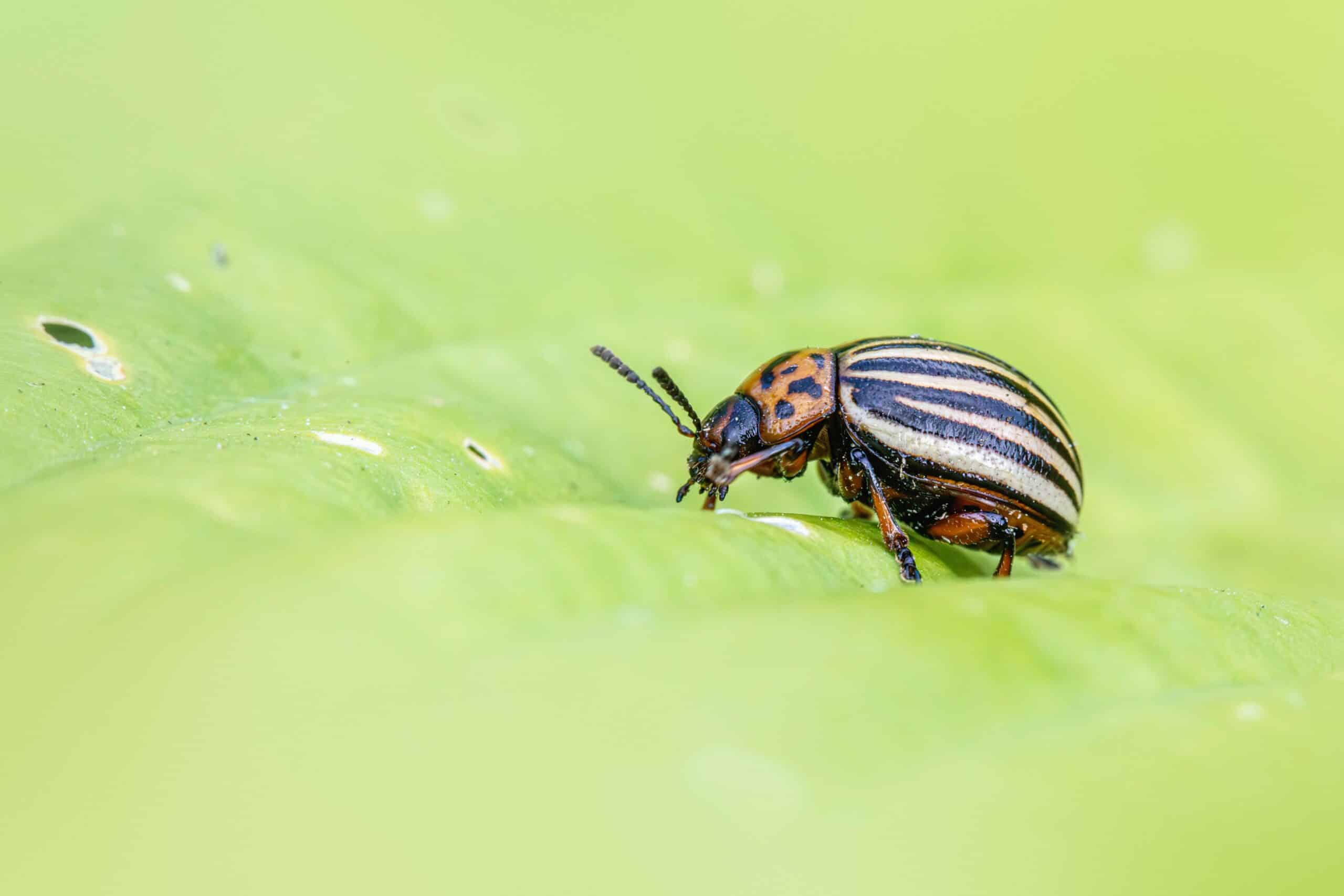
Making the Transition to Eco-Friendly Pest Management 🌍
Switching from conventional pesticides to natural methods doesn’t happen overnight, but the transition proves worthwhile for your health, your wallet, and the environment. Start by addressing one pest problem at a time with natural solutions rather than attempting to overhaul your entire approach simultaneously.
Expect a learning curve as you discover which methods work best in your specific situation. What succeeds in one climate or garden might need adjustment in another. Be patient with yourself and the process, understanding that establishing balanced ecosystems takes time but delivers lasting results.
Connect with local gardening groups, online communities, and extension services to learn from others using natural pest control in your area. Sharing experiences and solutions accelerates your learning and helps you avoid common mistakes that discourage beginners.
Remember that some pest presence is normal and even beneficial in a balanced ecosystem. Not every insect requires elimination—focus your efforts on protecting plants and preventing damage rather than achieving total pest eradication. A few chewed leaves represent a healthy, functioning garden ecosystem where diverse species coexist.
The journey toward eco-friendly pest solutions represents an investment in sustainability that pays dividends for years to come. Your home and garden become healthier, safer spaces where children and pets can play without exposure to toxic residues. Wildlife benefits from reduced chemical loads in the environment, and beneficial species thrive when given the opportunity. By choosing natural methods, you’re making a powerful statement about the kind of world you want to create—one where effective pest management and environmental stewardship work hand in hand rather than in opposition.

Toni Santos is a visual storyteller and archival artisan whose creative journey is steeped in the bold colors, dramatic typography, and mythic imagery of old circus posters. Through his artistic lens, Toni breathes new life into these once-lurid canvases of wonder, transforming them into tributes to a golden era of spectacle, showmanship, and cultural fantasy.
Fascinated by the visual language of vintage circuses — from roaring lions to gravity-defying acrobats, from hand-painted banners to gothic typefaces — Toni explores how these posters once captured the imagination of entire towns with nothing more than ink, illusion, and a promise of awe. Each composition he creates or studies is a dialogue with history, nostalgia, and the raw aesthetics of entertainment on the move.
With a background in handcrafted design and visual heritage, Toni blends artistic sensitivity with historical insight. His work traces the forgotten typographies, chromatic choices, and symbolic flair that defined circus marketing in the 19th and early 20th centuries — a time when posters were not just advertisements, but portable portals to dreamworlds.
As the creative force behind Vizovex, Toni curates collections, illustrations, and thoughtful narratives that reconnect modern audiences with the magic of old circus art — not just as ephemera, but as cultural memory etched in paper and pigment.
His work is a tribute to:
The flamboyant storytelling of early circus posters
The lost art of hand-lettered show promotion
The timeless charm of visual fantasy in public space
Whether you’re a vintage print enthusiast, a circus history lover, or a designer inspired by antique aesthetics, Toni invites you into a world where tigers leap through fire, strongmen pose in perfect symmetry, and every corner of the poster whispers: Step right up.