Transform your kitchen scraps and yard waste into nutrient-rich compost that feeds your garden naturally while reducing landfill contributions and creating a sustainable ecosystem.
🌱 Why Composting is Your Garden’s Secret Weapon
Every day, households across the globe throw away valuable organic materials that could be feeding their gardens instead of filling landfills. Composting isn’t just an environmental trend—it’s a practical, cost-effective solution that transforms what you’d normally discard into “green gold” for your plants. This natural recycling process creates a soil amendment so rich in nutrients and beneficial microorganisms that gardeners often call it black gold.
When organic waste decomposes in landfills, it produces methane, a greenhouse gas significantly more potent than carbon dioxide. By composting at home, you’re not only creating free fertilizer but also actively reducing your carbon footprint. The average household generates over 200 pounds of kitchen waste annually—imagine converting all of that into premium soil conditioner rather than contributing to environmental problems.
The benefits extend far beyond environmental consciousness. Compost improves soil structure, increases water retention, introduces beneficial organisms, suppresses plant diseases, and reduces the need for chemical fertilizers. Your plants will grow stronger, produce more abundantly, and develop better resistance to pests and diseases when nourished with compost-enriched soil.
🍂 Understanding the Composting Process: Nature’s Perfect Recycling System
Composting works through the natural decomposition of organic materials by microorganisms, fungi, and invertebrates. These tiny workers break down complex organic compounds into simpler nutrients that plants can readily absorb. The process requires four essential elements: carbon-rich “brown” materials, nitrogen-rich “green” materials, oxygen, and moisture.
Brown materials include dried leaves, shredded paper, cardboard, wood chips, and straw. These carbon sources provide energy for the microorganisms doing the decomposition work. Green materials—fresh grass clippings, vegetable scraps, coffee grounds, and fresh plant trimmings—supply nitrogen and protein that help microorganisms multiply and thrive.
The ideal carbon-to-nitrogen ratio for efficient composting is approximately 30:1, though this doesn’t need to be precise for home composting. A general rule is to layer roughly three parts brown materials to one part green materials. This balance ensures proper decomposition without creating odor problems or attracting pests.
The Three Temperature Stages of Composting
Understanding the thermal phases helps you manage your compost pile effectively. The mesophilic phase occurs first, as moderate-temperature microorganisms begin breaking down easily digestible compounds. The pile temperature rises to around 104°F (40°C) during this initial stage.
Next comes the thermophilic phase, where heat-loving bacteria take over, and temperatures can reach 130-160°F (54-71°C). This heat kills weed seeds, harmful pathogens, and fly larvae. Maintaining temperatures in this range for several days ensures sanitized compost. Finally, the cooling and maturation phase allows the pile to return to ambient temperature as fungi and other organisms finish the decomposition process.
♻️ Setting Up Your Composting System: From Bins to Open Piles
You don’t need expensive equipment to start composting. A simple pile in a corner of your yard works perfectly well, though contained systems offer advantages like better moisture retention, neater appearance, and protection from animals. Your choice depends on available space, budget, and aesthetic preferences.
Tumbler composters are enclosed drums that rotate, making turning effortless and producing finished compost in as little as 4-6 weeks. They’re ideal for small yards and keep rodents out completely. Stationary bin composters made from wood, plastic, or wire mesh are economical and allow for larger volumes. Many gardeners maintain a three-bin system: one for fresh materials, one actively composting, and one with finished compost ready to use.
For apartment dwellers or those with limited outdoor space, vermicomposting (worm composting) provides an indoor-friendly alternative. Red wiggler worms consume kitchen scraps in a special bin, producing nutrient-dense castings and liquid fertilizer. These systems are odorless when properly maintained and can fit under kitchen sinks or on balconies.
Location Matters: Where to Place Your Compost
Choose a level, well-drained spot with partial shade. Full sun can dry out your pile too quickly, while deep shade may keep it too cool and wet. Position it reasonably close to your kitchen for convenience but not so close that potential odors (from mismanagement) become problematic. Easy access to a water source helps you maintain proper moisture levels.
Keep your compost at least 10 feet from wooden structures to prevent moisture damage and discourage termites. Ensure adequate air circulation around the bin, and if possible, place it directly on soil rather than concrete to allow beneficial organisms to migrate upward into your pile.
🥬 What to Compost and What to Avoid: The Complete Guide
Knowing what belongs in your compost pile prevents problems and ensures quality results. Most plant-based kitchen and yard waste composts beautifully, but certain materials cause issues or attract unwanted visitors.
Excellent Compost Materials
- Fruit and vegetable scraps (including peels, cores, and rinds)
- Coffee grounds and filters
- Tea bags (remove staples if present)
- Crushed eggshells (rinse first to avoid odors)
- Grass clippings (in thin layers to prevent matting)
- Dried leaves and plant trimmings
- Shredded newspaper and cardboard (avoid glossy paper)
- Wood chips and sawdust from untreated wood
- Hair and pet fur
- Stale bread, pasta, and rice (in moderation)
Materials to Avoid
- Meat, fish, bones, and dairy products (attract pests and create odors)
- Oils, fats, and grease (slow decomposition and smell unpleasant)
- Pet waste from carnivorous animals (contains harmful pathogens)
- Diseased plants or weeds with seeds (may survive composting)
- Treated wood products or glossy paper (contain toxic chemicals)
- Coal or charcoal ash (contains harmful substances)
- Synthetic materials and plastics
🔧 Maintaining Your Compost: The Keys to Success
Successful composting requires occasional attention but isn’t labor-intensive. The three critical factors are moisture, aeration, and balance. Your compost should feel like a wrung-out sponge—moist but not dripping. If it’s too dry, decomposition slows dramatically. If it’s too wet, it becomes anaerobic, producing foul odors.
Turning or mixing your pile introduces oxygen, which aerobic decomposers need to function efficiently. Turn your compost every 1-2 weeks with a pitchfork or garden fork, moving material from the edges to the center where decomposition is most active. This also helps distribute moisture and heat evenly throughout the pile.
Monitor your pile’s progress by observing temperature, smell, and appearance. A properly functioning compost pile has an earthy smell, generates warmth, and gradually shrinks as materials break down. If you notice ammonia odors, you have too much nitrogen—add brown materials. If decomposition seems stalled, add green materials or water, and turn the pile to introduce oxygen.
Troubleshooting Common Composting Problems
When your pile smells like rotten eggs or sewage, it’s likely too wet and compacted. Turn it thoroughly and mix in dry brown materials like shredded leaves or cardboard. Create air channels by inserting perforated PVC pipes vertically into the pile.
Pest problems usually indicate improper materials or burial techniques. Always bury fresh kitchen scraps under several inches of existing compost or brown materials. Avoid adding meat, dairy, or oily foods that attract rodents. A secure bin with a bottom barrier prevents burrowing animals from accessing your compost.
🌿 Organic Fertilizers: Complementing Your Composting Efforts
While compost provides comprehensive soil improvement, specific organic fertilizers can address particular nutrient needs in your garden. Understanding nitrogen (N), phosphorus (P), and potassium (K)—the primary plant nutrients—helps you choose appropriate amendments.
Nitrogen promotes leafy green growth, making it essential for vegetables like lettuce, spinach, and cabbage. Blood meal, fish emulsion, and alfalfa meal are nitrogen-rich organic options. Phosphorus supports root development and flowering, crucial for fruiting plants and blooms. Bone meal and rock phosphate supply this nutrient naturally.
Potassium strengthens overall plant health, disease resistance, and fruit quality. Kelp meal, greensand, and wood ash provide potassium along with trace minerals. Unlike synthetic fertilizers that provide immediate but short-lived nutrient boosts, organic fertilizers release nutrients gradually as soil organisms break them down, feeding plants steadily over time.
Creating Custom Organic Fertilizer Blends
Mix your own fertilizers to match your plants’ specific needs. For general vegetable gardens, combine 4 parts seed meal, 1 part bone meal, 1 part kelp meal, and 1 part lime or wood ash. This balanced blend supports vigorous growth, strong roots, and abundant harvests.
For flowering plants and fruiting vegetables like tomatoes and peppers, increase the phosphorus ratio with 3 parts seed meal, 2 parts bone meal, 1 part kelp meal, and 1/2 part greensand. Acid-loving plants like blueberries and azaleas benefit from cottonseed meal, sulfur, and composted pine needles.
💚 Using Finished Compost in Your Garden
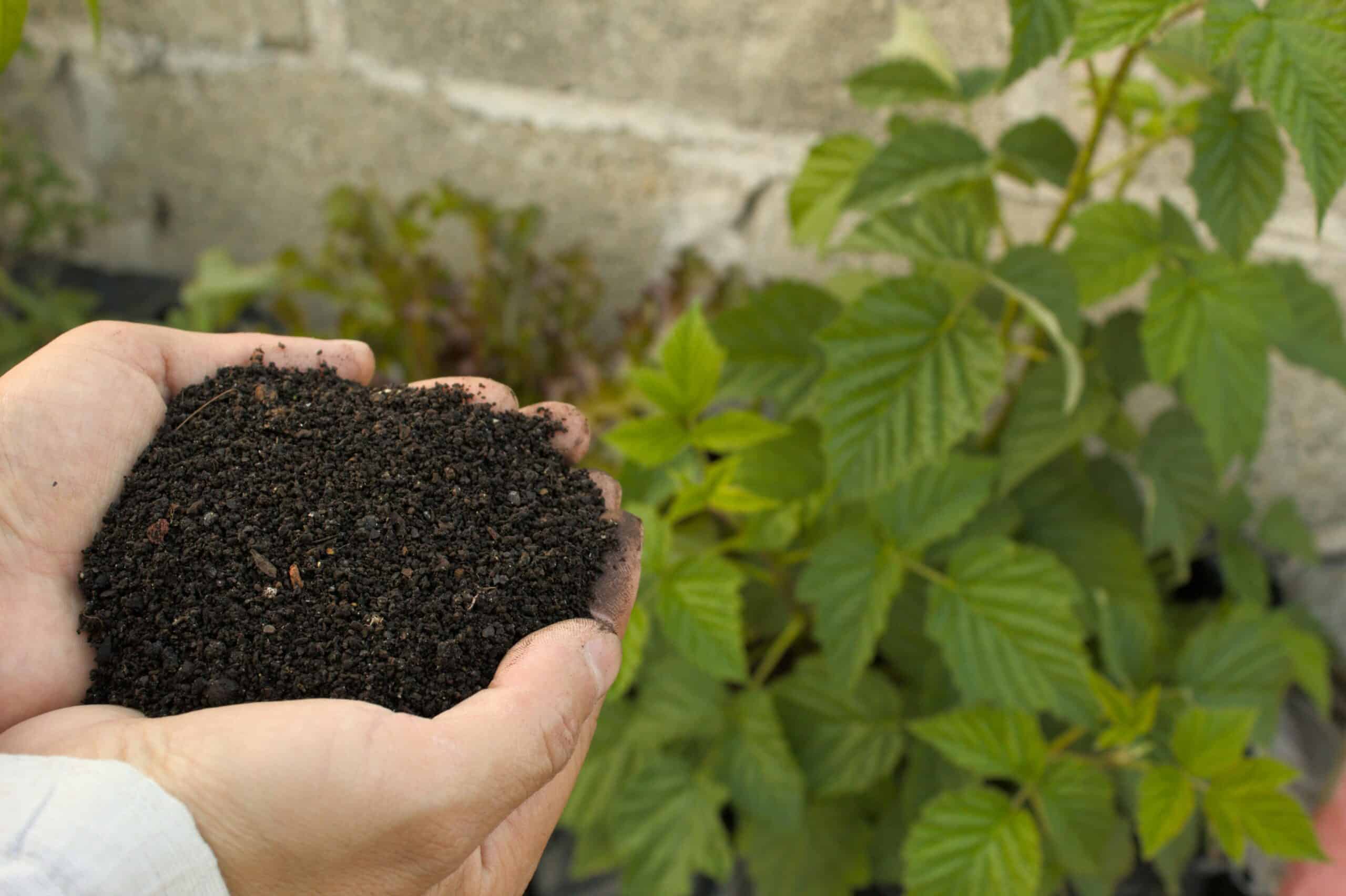
Knowing when your compost is ready ensures maximum benefits. Finished compost appears dark and crumbly with an earthy smell, and original materials are no longer recognizable. This typically takes 2-6 months depending on conditions, materials, and management. Some coarser materials like wood chips may remain—simply screen these out and return them to the active pile.
Apply compost generously—you virtually can’t overdo it. Mix 2-4 inches into vegetable garden beds before planting, or topdress around established plants. For new lawns, spread 1/2 inch of screened compost over the area before seeding. Existing lawns benefit from a 1/4-inch topdressing annually, which improves soil without smothering grass.
Container gardens thrive on compost-enriched potting mixes. Blend one part finished compost with two parts commercial potting soil for nutrient-dense growing medium. Pure compost is generally too dense for containers, but this mixture provides excellent drainage and nutrition. Refresh container soil annually by mixing in fresh compost.
Compost Tea: Liquid Gold for Your Plants
Brewing compost tea creates a liquid fertilizer rich in soluble nutrients and beneficial microorganisms. Fill a burlap sack or mesh bag with finished compost and suspend it in a bucket of water for 24-48 hours, agitating occasionally. Dilute the resulting tea until it resembles weak iced tea, then apply as a soil drench or foliar spray.
Actively aerated compost tea (AACT) produces even more beneficial microbes. Use an aquarium pump to bubble air through the mixture continuously during brewing. This oxygenation encourages aerobic bacteria growth, creating a probiotic boost for your garden. Apply AACT within hours of brewing for maximum microbial benefits.
🌍 Environmental and Economic Benefits of Going Green
Composting and organic fertilization create positive ripple effects beyond your garden fence. Americans discard 30-40% of their food supply, with organic waste representing the largest landfill component. Home composting significantly reduces municipal waste management costs and methane emissions from decomposing organics.
The economic advantages accumulate quickly. A single cubic yard of commercial compost costs $25-50, while homemade compost is essentially free. Eliminating chemical fertilizer purchases saves $50-200 annually for average gardeners. Improved soil health reduces water consumption by 20-30% through enhanced moisture retention, lowering utility bills in irrigated landscapes.
Healthier plants require fewer pest controls and disease treatments, further reducing expenses. Gardens fed with compost produce more abundantly, and homegrown vegetables typically cost 50-70% less than grocery equivalents. Over a growing season, a composting gardener can save hundreds of dollars while producing superior, chemical-free food.
🌾 Creating a Sustainable Garden Ecosystem
Composting and organic fertilization form the foundation of regenerative gardening that improves rather than depletes soil. Each composting cycle increases soil organic matter, which stores carbon removed from the atmosphere. Healthy, compost-enriched soil supports diverse microbial communities that suppress pathogens, fix nitrogen, and make nutrients available to plants.
This biological activity creates soil structure with ideal air and water holding capacity. Plants develop extensive, healthy root systems that access nutrients efficiently and withstand stress better. Reduced fertilizer runoff protects waterways from nutrient pollution that causes algae blooms and dead zones.
By closing the nutrient loop in your garden—returning organic matter to soil rather than importing synthetic inputs—you participate in nature’s sustainable cycles. This approach builds soil fertility indefinitely rather than mining it, creating a garden that becomes more productive and resilient each season.
🚀 Getting Started Today: Your Composting Action Plan
Begin your composting journey with simple steps that build momentum. Designate a kitchen container for collecting scraps—anything from a small bucket to a specialized countertop composter works. Start gathering brown materials like shredded junk mail, cardboard, and fall leaves to balance your kitchen greens.
Choose a composting method suited to your situation. Even apartment dwellers can participate through vermicomposting or participating in community composting programs. Many municipalities now offer compost collection services or provide discounted composting bins to residents.
Set realistic expectations—your first batch may not be perfect, and that’s completely fine. Composting is forgiving, and experience quickly teaches you what works in your specific conditions. Start small, perhaps with a single bin or pile, and expand as you gain confidence and see results.
Track your waste reduction and observe improvements in your garden over the season. Photograph plants at regular intervals to document enhanced growth and productivity. Share your success with neighbors and friends, spreading the composting movement one garden at a time.
🌟 Embracing the Green Gold Mindset
Transforming waste into garden wealth represents more than an environmental practice—it’s a mindset shift that recognizes value in what society discards. This perspective extends beyond composting to encompass overall sustainability, resource conservation, and mindful consumption.
Your compost pile becomes a visible reminder that nature wastes nothing, operating in efficient cycles where one organism’s waste becomes another’s resource. Applying this principle in your garden connects you to fundamental ecological truths and demonstrates practical solutions to global challenges.
The act of turning scraps into soil, then soil into food, then food scraps back into soil creates a satisfying, tangible cycle. This hands-on engagement with natural processes provides perspective on our role within larger environmental systems. Each spadeful of finished compost represents renewal, fertility, and possibility.
As climate concerns intensify and people seek meaningful ways to make a difference, composting offers immediate, measurable impact. Your individual efforts multiply across communities, reducing waste streams, sequestering carbon, and building resilient local food systems. The compost pile in your backyard participates in global solutions while producing the most local benefits imaginable—healthy soil right where you live.
Start your composting adventure today, and watch as your waste transforms into the green gold that nourishes abundant harvests, vibrant flowers, and a healthier planet for generations to come. The journey from trash to treasure begins with a single scrap, a handful of leaves, and the decision to work with nature’s perfect recycling system. 🌱

Toni Santos is a visual storyteller and archival artisan whose creative journey is steeped in the bold colors, dramatic typography, and mythic imagery of old circus posters. Through his artistic lens, Toni breathes new life into these once-lurid canvases of wonder, transforming them into tributes to a golden era of spectacle, showmanship, and cultural fantasy.
Fascinated by the visual language of vintage circuses — from roaring lions to gravity-defying acrobats, from hand-painted banners to gothic typefaces — Toni explores how these posters once captured the imagination of entire towns with nothing more than ink, illusion, and a promise of awe. Each composition he creates or studies is a dialogue with history, nostalgia, and the raw aesthetics of entertainment on the move.
With a background in handcrafted design and visual heritage, Toni blends artistic sensitivity with historical insight. His work traces the forgotten typographies, chromatic choices, and symbolic flair that defined circus marketing in the 19th and early 20th centuries — a time when posters were not just advertisements, but portable portals to dreamworlds.
As the creative force behind Vizovex, Toni curates collections, illustrations, and thoughtful narratives that reconnect modern audiences with the magic of old circus art — not just as ephemera, but as cultural memory etched in paper and pigment.
His work is a tribute to:
The flamboyant storytelling of early circus posters
The lost art of hand-lettered show promotion
The timeless charm of visual fantasy in public space
Whether you’re a vintage print enthusiast, a circus history lover, or a designer inspired by antique aesthetics, Toni invites you into a world where tigers leap through fire, strongmen pose in perfect symmetry, and every corner of the poster whispers: Step right up.