Modern agriculture is experiencing a technological renaissance, with remote monitoring systems transforming how farmers care for their livestock, making operations more efficient and profitable. 📱
The agricultural sector has long been the backbone of human civilization, but traditional livestock management methods are rapidly giving way to innovative digital solutions. Farmers worldwide are discovering that remote monitoring technology isn’t just a luxury—it’s becoming essential for maintaining competitive, sustainable, and humane farming operations in the 21st century.
Remote monitoring systems for livestock represent a fundamental shift in agricultural practices, allowing farmers to track animal health, behavior, location, and environmental conditions in real-time from virtually anywhere. This technological evolution addresses some of the most pressing challenges in modern farming: labor shortages, rising operational costs, animal welfare concerns, and the need for data-driven decision making.
The Digital Transformation of Livestock Management 🚜
The integration of Internet of Things (IoT) devices, artificial intelligence, and cloud computing has created unprecedented opportunities for livestock farmers. These technologies work together to provide comprehensive insights that were previously impossible to obtain without constant manual observation.
Smart sensors can now be attached to individual animals or placed throughout farm facilities to collect valuable data continuously. These devices monitor everything from body temperature and heart rate to movement patterns and feeding behavior. The collected information is transmitted wirelessly to centralized platforms where sophisticated algorithms analyze the data and alert farmers to potential issues before they become serious problems.
This proactive approach to livestock care represents a significant departure from traditional reactive management, where problems were often identified only after visible symptoms appeared. Early detection capabilities mean farmers can intervene quickly, reducing animal suffering, preventing disease spread, and minimizing economic losses.
Real-Time Health Monitoring: A Game-Changer for Animal Welfare
One of the most impactful applications of remote monitoring technology is in health surveillance. Wearable devices for livestock function similarly to fitness trackers for humans, continuously monitoring vital signs and activity levels that indicate overall wellness.
These systems can detect subtle changes in behavior or physiology that might signal illness, injury, or stress long before a human observer would notice anything amiss. For example, a slight decrease in activity combined with elevated body temperature could indicate the early stages of infection, allowing farmers to isolate and treat affected animals immediately.
The benefits extend beyond individual animal care. By tracking health metrics across entire herds, farmers can identify environmental factors or management practices that affect animal welfare. This data-driven approach enables continuous improvement in farming operations, leading to healthier animals and better outcomes for both farmers and livestock.
Precision Feeding and Nutrition Management 🌾
Remote monitoring systems have revolutionized how farmers approach nutrition management. Smart feeding stations equipped with sensors can identify individual animals and dispense precise amounts of feed based on each animal’s specific nutritional requirements, age, weight, and production status.
This precision approach eliminates both underfeeding and overfeeding, optimizing growth rates and production efficiency while reducing feed waste. Automated systems can also track consumption patterns, alerting farmers when animals show decreased appetite—often one of the earliest indicators of health issues.
The economic implications are substantial. Feed typically represents the largest variable cost in livestock production, often accounting for 60-70% of total expenses. Even small improvements in feed efficiency can translate into significant cost savings across large operations.
Environmental Control and Climate Management 🌡️
Livestock performance and welfare are heavily influenced by environmental conditions. Remote monitoring systems provide comprehensive oversight of barn temperatures, humidity levels, air quality, and ventilation—all critical factors affecting animal comfort and productivity.
Automated climate control systems respond to sensor data in real-time, adjusting heating, cooling, and ventilation to maintain optimal conditions. This automation ensures consistent environmental quality regardless of external weather conditions or time of day, reducing stress on animals and improving performance outcomes.
During extreme weather events, these systems become particularly valuable. Alerts notify farmers immediately if conditions drift outside acceptable parameters, enabling rapid intervention that can prevent heat stress, cold exposure, or air quality problems that might otherwise cause significant losses.
Location Tracking and Grazing Management
For operations utilizing pasture or range grazing, GPS-enabled tracking collars provide invaluable insights into animal movement and grazing patterns. Farmers can monitor herd locations remotely, ensuring animals remain in designated areas and quickly locating individuals that may have strayed or become separated.
This technology also supports rotational grazing management, helping farmers optimize pasture utilization and recovery. By understanding exactly where animals spend their time and how they interact with different pasture areas, farmers can make informed decisions about when to move herds and how to manage vegetation for sustainable long-term productivity.
Security benefits shouldn’t be overlooked either. Location monitoring systems can alert farmers to unusual movement patterns that might indicate theft, predator activity, or fence breaches, enabling rapid response to protect valuable livestock assets.
Reproductive Management and Breeding Efficiency 📊
Remote monitoring technology has transformed reproductive management in livestock operations. Sensors can detect behavioral changes and physiological indicators associated with estrus cycles, providing precise timing for artificial insemination that dramatically improves conception rates.
Similarly, these systems can monitor pregnant animals for signs of impending parturition, alerting farmers when births are imminent. This capability is especially valuable for high-value animals or first-time mothers where complications are more likely, ensuring assistance is available when needed.
The data collected over time also supports genetic selection programs. By correlating reproductive performance with other tracked metrics like growth rates, health records, and production output, farmers can make more informed breeding decisions that improve overall herd genetics and productivity.
Labor Optimization and Operational Efficiency
Labor represents one of the most significant challenges in modern agriculture, with many regions experiencing severe shortages of skilled agricultural workers. Remote monitoring systems help address this challenge by maximizing the efficiency of available labor resources.
Rather than spending hours walking pens or pastures checking on animals, farmers can review comprehensive status reports from their mobile devices or computers. This allows them to focus human attention where it’s most needed, responding to alerts and addressing specific issues rather than conducting routine observations.
The ability to monitor operations remotely also provides farmers with greater flexibility and improved quality of life. Critical information is accessible from anywhere with internet connectivity, reducing the need for constant physical presence at farm facilities and allowing for better work-life balance.
Data Analytics: Turning Information into Actionable Insights 💡
The true power of remote monitoring extends beyond simple data collection to sophisticated analysis that reveals patterns and trends invisible to human observation. Advanced analytics platforms process vast amounts of information to identify correlations, predict outcomes, and recommend optimal management strategies.
Machine learning algorithms continuously improve their predictive capabilities as they process more data, becoming increasingly accurate at forecasting health issues, production outcomes, and optimal intervention timing. This predictive capability represents a fundamental shift from reactive to proactive management.
Farmers can also benchmark their operations against industry standards and similar operations, identifying areas for improvement and validating successful practices. This data-driven approach to continuous improvement helps operations remain competitive in increasingly challenging markets.
Integration with Farm Management Systems
Modern remote monitoring solutions don’t operate in isolation—they integrate seamlessly with comprehensive farm management software platforms. This integration creates unified systems where health data, production records, financial information, and operational metrics combine to provide holistic business intelligence.
Such integration enables sophisticated analysis of how different factors influence farm profitability. Farmers can evaluate the return on investment for various management practices, identify cost-saving opportunities, and optimize resource allocation based on comprehensive data rather than intuition alone.
Many platforms also facilitate compliance with regulatory requirements and certification programs by automatically documenting animal care practices, medication administration, and environmental management—creating audit trails that simplify verification processes.
Economic Benefits and Return on Investment 💰
While remote monitoring systems require upfront investment, the economic benefits typically justify costs through multiple mechanisms. Improved animal health reduces veterinary expenses and mortality losses. Enhanced feed efficiency lowers the largest variable cost in most operations. Better reproductive performance accelerates genetic improvement and increases production.
Labor savings alone can offset technology costs in many operations, particularly where skilled agricultural labor commands premium wages or is difficult to obtain. The ability to manage more animals with the same labor force effectively increases operational capacity without proportional cost increases.
Risk mitigation represents another significant economic benefit. Early disease detection can prevent outbreaks that might otherwise devastate entire herds. Environmental monitoring prevents losses from heat stress or other climate-related problems. These protective capabilities provide insurance-like value that’s difficult to quantify but enormously valuable when disasters are averted.
Sustainability and Environmental Stewardship 🌱
Remote monitoring technology supports more sustainable livestock production by optimizing resource utilization and minimizing environmental impacts. Precision feeding reduces nutrient waste that can contribute to water pollution. Better health management decreases antibiotic usage, addressing antimicrobial resistance concerns.
By maximizing productivity per animal, these systems reduce the overall environmental footprint of livestock production. Producing more meat, milk, or eggs from fewer animals means less land use, lower greenhouse gas emissions per unit of product, and reduced pressure on natural resources.
This sustainability dimension increasingly influences consumer preferences and market access. Farmers who can document environmentally responsible practices through comprehensive monitoring data may command premium prices or access markets that require sustainability verification.
Overcoming Implementation Challenges
Despite compelling benefits, adopting remote monitoring technology presents challenges that farmers must address. Initial costs can be substantial, particularly for comprehensive systems covering large operations. Technology learning curves may seem daunting to farmers comfortable with traditional methods.
Connectivity represents a practical challenge in many agricultural areas where internet infrastructure remains limited. However, this situation is improving as telecommunications companies expand rural coverage and satellite-based systems become more affordable and capable.
Data security and privacy concerns require attention as well. Farmers must ensure that sensitive business information remains protected while still leveraging cloud-based platforms and connectivity that make remote monitoring possible. Choosing reputable technology providers with robust security measures is essential.
Selecting the Right Technology Solutions
The marketplace offers numerous remote monitoring options ranging from simple single-purpose devices to comprehensive integrated platforms. Farmers should evaluate solutions based on their specific needs, operation size, livestock species, and management priorities.
Scalability matters—systems should accommodate business growth without requiring complete replacement. Compatibility with existing equipment and software prevents technology silos and maximizes value. User-friendliness ensures that farmers and staff can fully utilize system capabilities without excessive training.
Support services deserve careful consideration as well. Reliable technical support, training resources, and regular system updates ensure that technology investments continue delivering value over time. Many farmers benefit from starting with targeted applications that address their most pressing challenges before expanding to more comprehensive systems.
The Future of Smart Livestock Management 🔮
Remote monitoring technology continues evolving rapidly, with emerging capabilities promising even greater benefits. Artificial intelligence is becoming more sophisticated, offering increasingly accurate predictions and recommendations. Computer vision systems can assess body condition, lameness, and other physical characteristics automatically.
Blockchain technology may soon enable transparent tracking of livestock from birth through processing, providing consumers with verified information about animal welfare, antibiotic use, and environmental practices. This transparency could create new market opportunities for farmers who embrace comprehensive monitoring.
As technology costs continue declining and capabilities expand, remote monitoring will become increasingly accessible to operations of all sizes. The competitive advantages currently enjoyed by early adopters will become baseline expectations as smart farming practices become industry standards.
Taking Action: Your Path to Smarter Farming
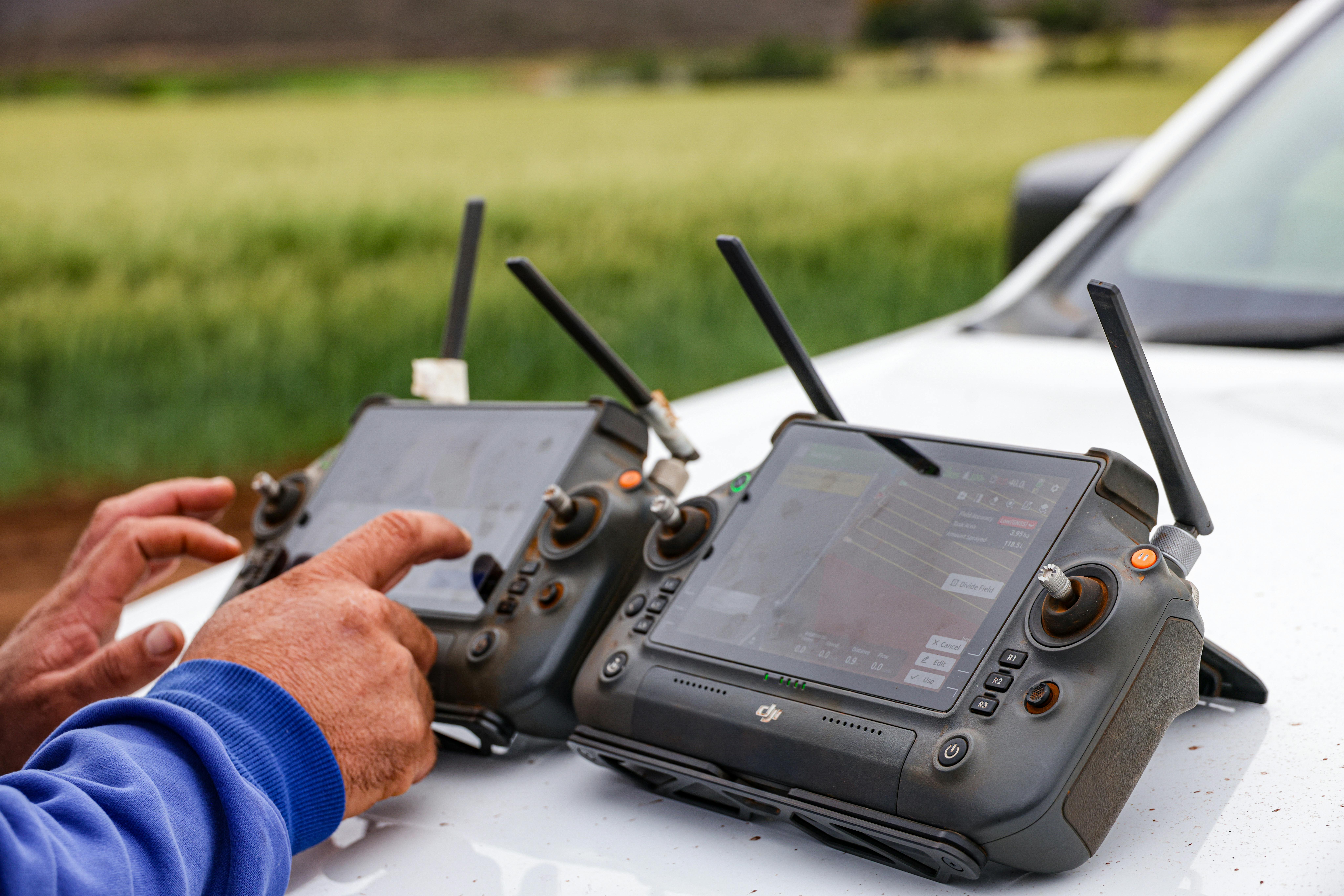
For farmers considering remote monitoring implementation, starting with clear objectives is essential. Identify specific challenges or opportunities that technology can address—whether improving health outcomes, reducing labor requirements, or enhancing productivity. This focused approach ensures investment delivers measurable returns.
Connecting with other farmers who’ve implemented similar systems provides valuable real-world insights beyond what vendors and consultants offer. Agricultural organizations, university extension services, and online communities facilitate these peer-to-peer learning opportunities.
Many technology providers offer pilot programs or starter packages that allow farmers to test systems on a limited scale before committing to full implementation. This approach reduces risk while providing hands-on experience that informs larger investment decisions.
The transformation of livestock care through remote monitoring represents more than technological advancement—it’s a fundamental reimagining of agricultural practice. By harnessing these powerful tools, farmers can improve animal welfare, enhance operational efficiency, reduce environmental impacts, and build more resilient, profitable businesses. The future of livestock farming is undeniably digital, and the time to embrace these innovations is now. Success in modern agriculture increasingly depends on the intelligent application of technology to age-old challenges, creating harmony between tradition and innovation that benefits animals, farmers, and society alike. 🌟

Toni Santos is a visual storyteller and archival artisan whose creative journey is steeped in the bold colors, dramatic typography, and mythic imagery of old circus posters. Through his artistic lens, Toni breathes new life into these once-lurid canvases of wonder, transforming them into tributes to a golden era of spectacle, showmanship, and cultural fantasy.
Fascinated by the visual language of vintage circuses — from roaring lions to gravity-defying acrobats, from hand-painted banners to gothic typefaces — Toni explores how these posters once captured the imagination of entire towns with nothing more than ink, illusion, and a promise of awe. Each composition he creates or studies is a dialogue with history, nostalgia, and the raw aesthetics of entertainment on the move.
With a background in handcrafted design and visual heritage, Toni blends artistic sensitivity with historical insight. His work traces the forgotten typographies, chromatic choices, and symbolic flair that defined circus marketing in the 19th and early 20th centuries — a time when posters were not just advertisements, but portable portals to dreamworlds.
As the creative force behind Vizovex, Toni curates collections, illustrations, and thoughtful narratives that reconnect modern audiences with the magic of old circus art — not just as ephemera, but as cultural memory etched in paper and pigment.
His work is a tribute to:
The flamboyant storytelling of early circus posters
The lost art of hand-lettered show promotion
The timeless charm of visual fantasy in public space
Whether you’re a vintage print enthusiast, a circus history lover, or a designer inspired by antique aesthetics, Toni invites you into a world where tigers leap through fire, strongmen pose in perfect symmetry, and every corner of the poster whispers: Step right up.