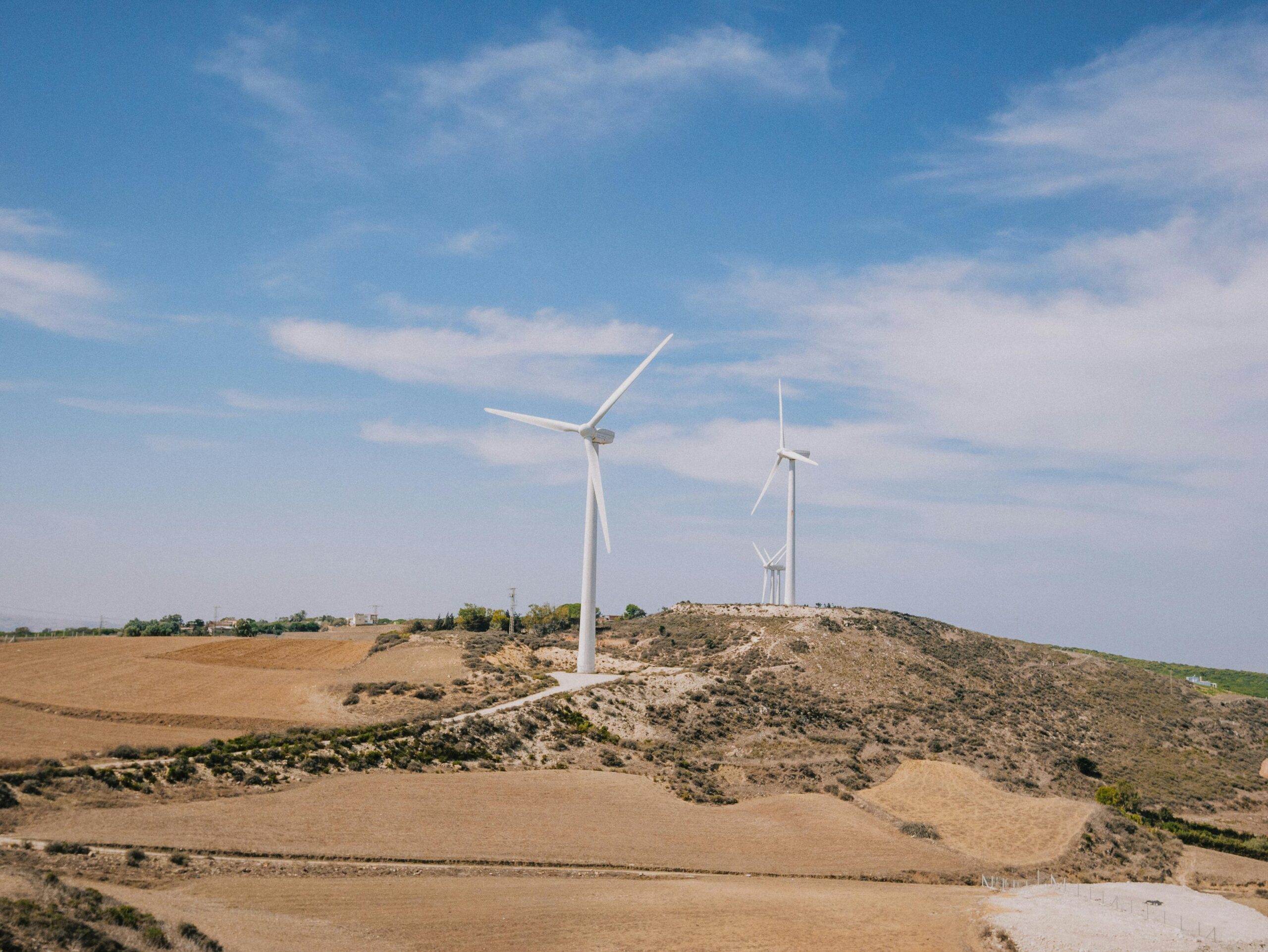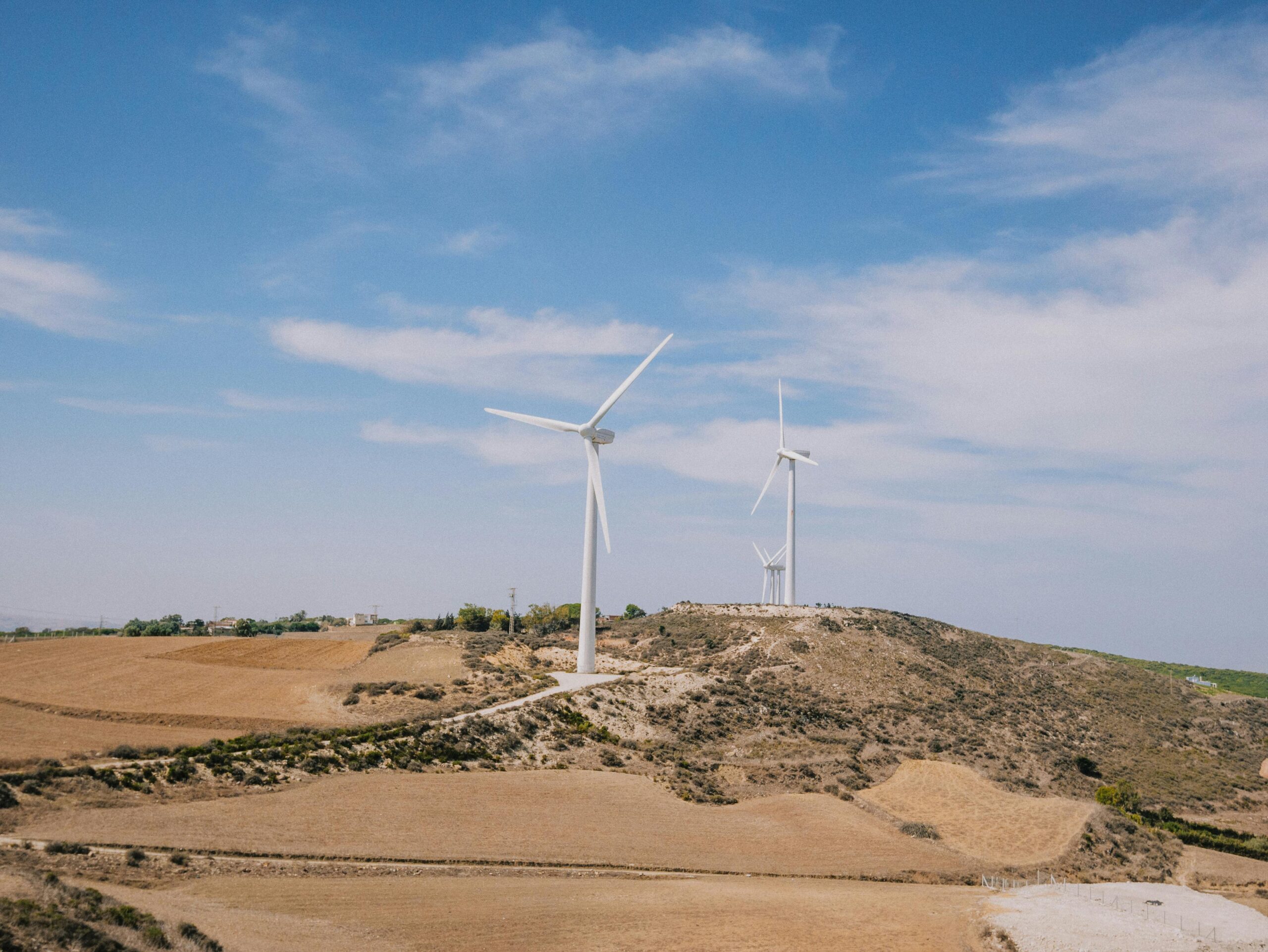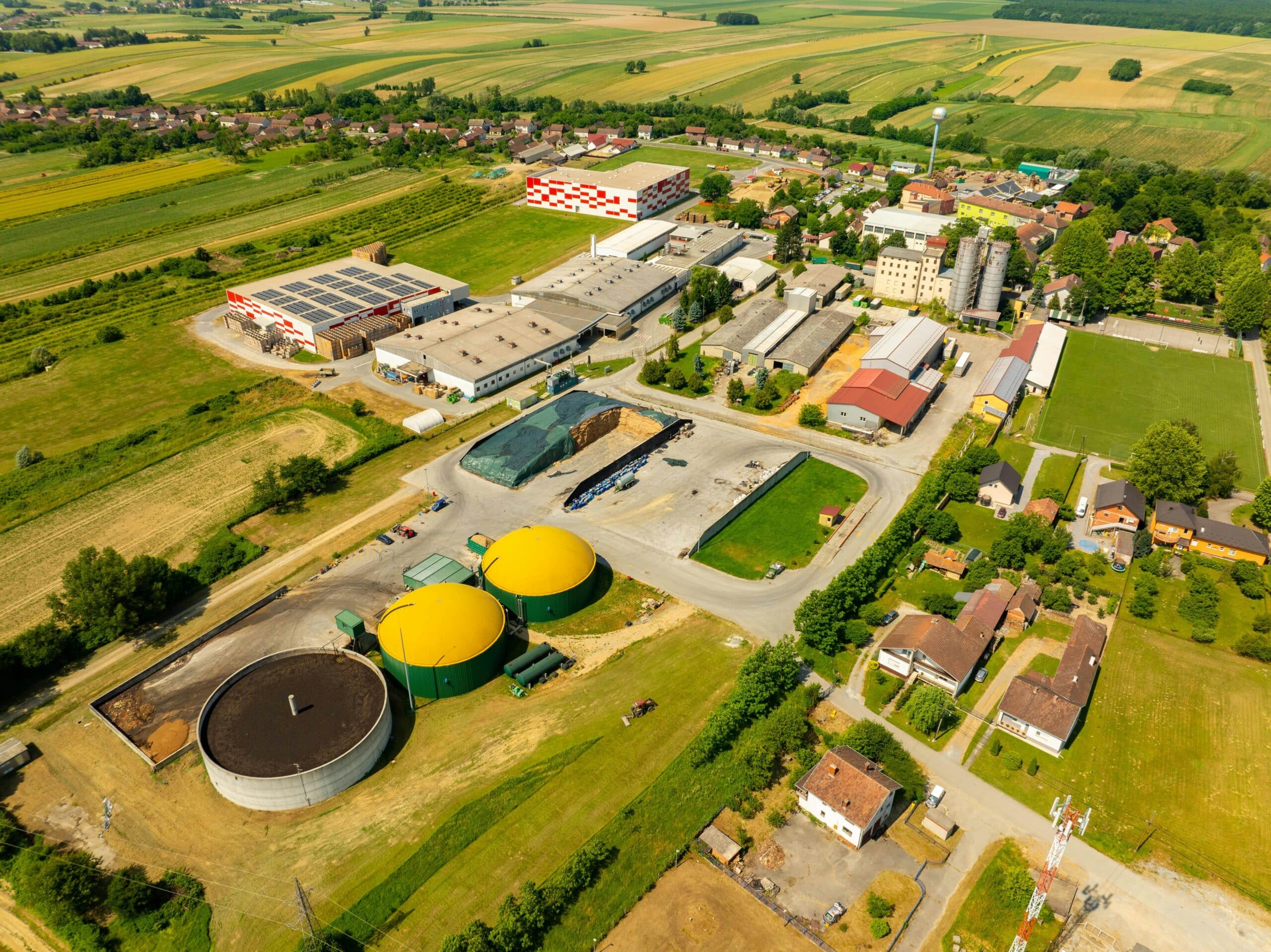
Technology is reshaping how we grow food, offering innovative solutions that promise a more sustainable and environmentally friendly agricultural future for our planet.
🌱 The Urgent Need for Agricultural Transformation
Agriculture stands at a critical crossroads. With the global population projected to reach 9.7 billion by 2050, food production must increase by approximately 70% while simultaneously reducing its environmental footprint. Traditional farming methods, though effective for centuries, now contribute significantly to greenhouse gas emissions, water depletion, and soil degradation. The agricultural sector accounts for roughly 24% of global greenhouse gas emissions and uses about 70% of accessible freshwater resources worldwide.
Climate change compounds these challenges, creating unpredictable weather patterns, prolonged droughts, and devastating floods that threaten crop yields and food security. Farmers face mounting pressure to produce more with less—less water, less land, and fewer chemical inputs—while maintaining profitability and feeding an increasingly urbanized world population.
The silver lining? Technology offers unprecedented opportunities to revolutionize agriculture. From precision farming tools to artificial intelligence-powered crop monitoring systems, innovative solutions are emerging that can help farmers optimize resources, reduce waste, and minimize environmental impact while maximizing yields and profitability.
🚜 Precision Agriculture: Farming with Surgical Accuracy
Precision agriculture represents a paradigm shift in how farmers manage their fields. By leveraging GPS technology, sensors, drones, and data analytics, farmers can now treat each square meter of their land according to its specific needs rather than applying uniform treatments across entire fields.
Variable rate technology (VRT) allows farmers to adjust seed density, fertilizer application, and irrigation based on real-time soil conditions and crop health data. This targeted approach reduces input costs by 15-20% while decreasing environmental contamination from excess chemicals and nutrients running off into waterways.
Soil sensors buried throughout fields continuously monitor moisture levels, nutrient content, and temperature, transmitting data to farmers’ smartphones or computers. This real-time information enables precise irrigation scheduling, ensuring crops receive exactly the water they need when they need it—eliminating both water waste and crop stress from over or under-watering.
Drone Technology Taking Flight in Agriculture
Agricultural drones have evolved from novelty items to indispensable farming tools. Equipped with multispectral cameras and thermal imaging sensors, drones can survey hundreds of acres in minutes, identifying crop stress, pest infestations, and irrigation problems invisible to the naked eye.
These aerial assistants create detailed vegetation index maps that reveal which areas of a field are thriving and which need attention. Early detection of problems allows farmers to intervene quickly with targeted treatments, preventing minor issues from becoming major crop losses. Some advanced drones even perform tasks like precision spraying and crop pollination, reducing chemical use and labor costs.
🤖 Artificial Intelligence and Machine Learning: The Smart Farm Revolution
Artificial intelligence is transforming agriculture from an experience-based practice into a data-driven science. Machine learning algorithms analyze vast datasets—weather patterns, soil conditions, crop performance, market prices—to provide farmers with actionable insights and predictive recommendations.
AI-powered platforms can predict optimal planting times, forecast yields with remarkable accuracy, and recommend precise fertilizer formulations based on specific field conditions. These systems learn continuously, becoming more accurate and valuable as they process additional data from each growing season.
Computer vision technology enables automated crop monitoring at scale. AI algorithms trained on millions of images can identify specific plant diseases, pest infestations, and nutrient deficiencies with accuracy exceeding human experts. Early disease detection systems alert farmers to emerging problems days or weeks before visible symptoms appear, allowing preventive action that saves entire harvests.
Robotic Labor: Addressing Agricultural Workforce Challenges
Agricultural robots are addressing labor shortages while improving efficiency and sustainability. Autonomous harvesters use computer vision and delicate gripper technology to pick fruits and vegetables at optimal ripeness without bruising, working continuously without fatigue.
Weeding robots equipped with precision sprayers or mechanical removal systems target individual weeds, reducing herbicide use by up to 90% compared to broadcast spraying. These machines differentiate between crops and weeds with impressive accuracy, preserving beneficial plants while eliminating competition for nutrients and water.
Autonomous tractors and field equipment operate 24/7, maximizing productivity during critical planting and harvesting windows. These machines follow optimized routes that minimize soil compaction and fuel consumption while ensuring uniform field coverage.
💧 Smart Irrigation: Every Drop Counts
Water scarcity represents one of agriculture’s most pressing challenges. Smart irrigation systems use sensor networks, weather forecasts, and evapotranspiration models to deliver precise water quantities exactly when crops need them.
Drip irrigation systems controlled by AI algorithms reduce water consumption by 40-60% compared to traditional flood irrigation while often improving crop yields. These systems deliver water directly to plant roots, minimizing evaporation losses and preventing fungal diseases associated with wet foliage.
Soil moisture sensors communicate with irrigation controllers, automatically adjusting watering schedules based on actual field conditions rather than preset timers. This responsive approach prevents over-irrigation, which wastes water and leaches nutrients from soil, while ensuring crops never experience water stress that reduces yields.
Rainwater Harvesting and Recycling Technologies
Advanced water management extends beyond irrigation efficiency. Modern farms increasingly incorporate rainwater collection systems, storing precipitation in ponds or underground cisterns for use during dry periods. Smart monitoring systems track water quality and quantity, optimizing storage and distribution.
Agricultural water recycling technologies treat and reuse runoff, reducing both water consumption and nutrient pollution. Constructed wetlands and bioreactors filter agricultural drainage water, capturing excess fertilizers for reuse while protecting downstream ecosystems from contamination.
🌾 Vertical Farming and Controlled Environment Agriculture
Vertical farms represent perhaps the most radical reimagining of agriculture. These facilities stack crops in climate-controlled indoor environments, using LED lighting, hydroponic or aeroponic growing systems, and automated environmental controls to produce food year-round regardless of external weather conditions.
By growing crops indoors near urban consumption centers, vertical farms eliminate transportation emissions and deliver ultra-fresh produce to consumers within hours of harvest. These facilities use 95% less water than conventional farming, require no pesticides, and produce yields per square foot that are 10-20 times higher than field agriculture.
LED technology customized to emit optimal light spectrums for plant growth maximizes photosynthesis while minimizing energy consumption. Some vertical farms now operate carbon-neutral or even carbon-negative by powering operations with renewable energy and capturing CO2 for enhanced plant growth.
Greenhouse Technology Advancements
Modern greenhouses blend the benefits of controlled environment agriculture with lower infrastructure costs than fully indoor vertical farms. Smart greenhouses use sensor networks and automated climate control to optimize temperature, humidity, and CO2 levels for maximum crop productivity.
Diffused glass and specialized coatings maximize beneficial light wavelengths while reducing heat buildup, decreasing cooling costs. Integrated pest management systems using beneficial insects and precise environmental controls eliminate pesticide needs while maintaining crop health.
📱 Farm Management Software: The Digital Nervous System
Comprehensive farm management platforms integrate data from multiple sources—weather stations, soil sensors, equipment telematics, satellite imagery—into unified dashboards that give farmers complete operational visibility.
These platforms enable evidence-based decision making, tracking input costs, labor hours, yield data, and market prices to identify profit-optimization opportunities. Predictive analytics forecast equipment maintenance needs, preventing costly breakdowns during critical farming operations.
Cloud-based systems facilitate collaboration, allowing farmers to share data with agronomists, crop consultants, and agricultural lenders. Blockchain integration provides transparent supply chain tracking, verifying sustainable farming practices and enabling premium pricing for environmentally responsible producers.
🔬 Biotechnology and Gene Editing for Sustainable Crops
Modern biotechnology develops crop varieties with built-in resilience to climate stresses, pests, and diseases. CRISPR and other gene-editing technologies enable precise modifications that would take decades to achieve through traditional breeding.
Drought-tolerant crop varieties maintain productivity with significantly less irrigation, crucial for water-scarce regions. Disease-resistant varieties reduce or eliminate pesticide requirements, lowering costs and environmental impact while improving food safety.
Nitrogen-fixing cereal crops under development could revolutionize agriculture by reducing or eliminating synthetic fertilizer needs. These crops would produce their own nitrogen through symbiotic relationships with bacteria, slashing both costs and the massive greenhouse gas emissions associated with fertilizer production.
Biological Alternatives to Chemical Inputs
Microbial inoculants and biostimulants harness beneficial bacteria and fungi to enhance crop nutrient uptake, improve soil structure, and provide natural disease protection. These biological solutions work synergistically with plants, building long-term soil health rather than depleting it like some chemical inputs.
Precision biofertilizers deliver beneficial microorganisms directly to seed or root zones, establishing protective relationships that persist throughout the growing season. Research demonstrates these products can reduce synthetic fertilizer requirements by 30-50% while maintaining or improving yields.
♻️ Regenerative Agriculture Meets Technology
Regenerative agriculture practices rebuild soil organic matter and restore degraded biodiversity, sequestering carbon and reversing climate change impacts. Technology amplifies these benefits through precise implementation and measurement.
Cover crop management systems use AI to recommend optimal species mixtures for specific fields and rotation schedules, maximizing soil health benefits. Satellite monitoring verifies cover crop establishment and biomass production, enabling participation in carbon credit markets that reward climate-positive farming.
No-till farming equipment and precision seeding technology minimize soil disturbance, preserving soil structure, moisture retention, and microbial communities. GPS-guided implements place seeds with incredible accuracy, ensuring uniform emergence and optimal plant populations without excessive tillage.
🌍 Blockchain and Transparency in Sustainable Agriculture
Blockchain technology creates immutable records of agricultural practices, enabling complete supply chain transparency from farm to consumer. This verification builds trust in sustainability claims and allows conscious consumers to support environmentally responsible producers.
Smart contracts automatically trigger payments when farmers meet verified sustainability standards, creating financial incentives for adopting greener practices. This technology connects farmers directly with consumers and retailers willing to pay premiums for proven sustainable production methods.
Carbon credit trading platforms use blockchain to verify and monetize carbon sequestration on farmland, creating additional revenue streams that make regenerative practices economically attractive alongside conventional profit metrics.
🚀 Overcoming Adoption Barriers and Looking Forward
Despite tremendous potential, technology adoption in agriculture faces significant barriers. High upfront costs challenge small-scale farmers with limited capital. Rural connectivity gaps prevent access to cloud-based platforms and real-time data transmission essential for precision agriculture tools.
Educational initiatives and technical training programs are crucial for helping farmers understand and effectively implement new technologies. Agricultural extension services worldwide are evolving to provide digital literacy alongside traditional agronomic advice.
Government incentives, subsidized technology access programs, and innovative financing models help bridge the affordability gap. Equipment-as-a-service models allow farmers to access expensive technology through subscription fees rather than prohibitive upfront purchases.
The Path Forward: Integration and Collaboration
The future of sustainable agriculture lies not in individual technologies but in integrated systems where multiple innovations work synergistically. Platforms that seamlessly connect precision equipment, AI analytics, biological inputs, and market data will deliver compound benefits exceeding the sum of individual components.
Collaboration between technology companies, agricultural researchers, farmers, and policymakers will accelerate development and deployment of solutions addressing real-world challenges. Open-source platforms and shared data standards prevent vendor lock-in while fostering innovation through broad participation.
Climate change urgency demands rapid agricultural transformation, but this transition must work for farmers economically while delivering environmental benefits. Technology offers tools to achieve this balance, but success requires thoughtful implementation that respects agricultural communities’ knowledge and needs.
🌟 Cultivating Hope Through Innovation
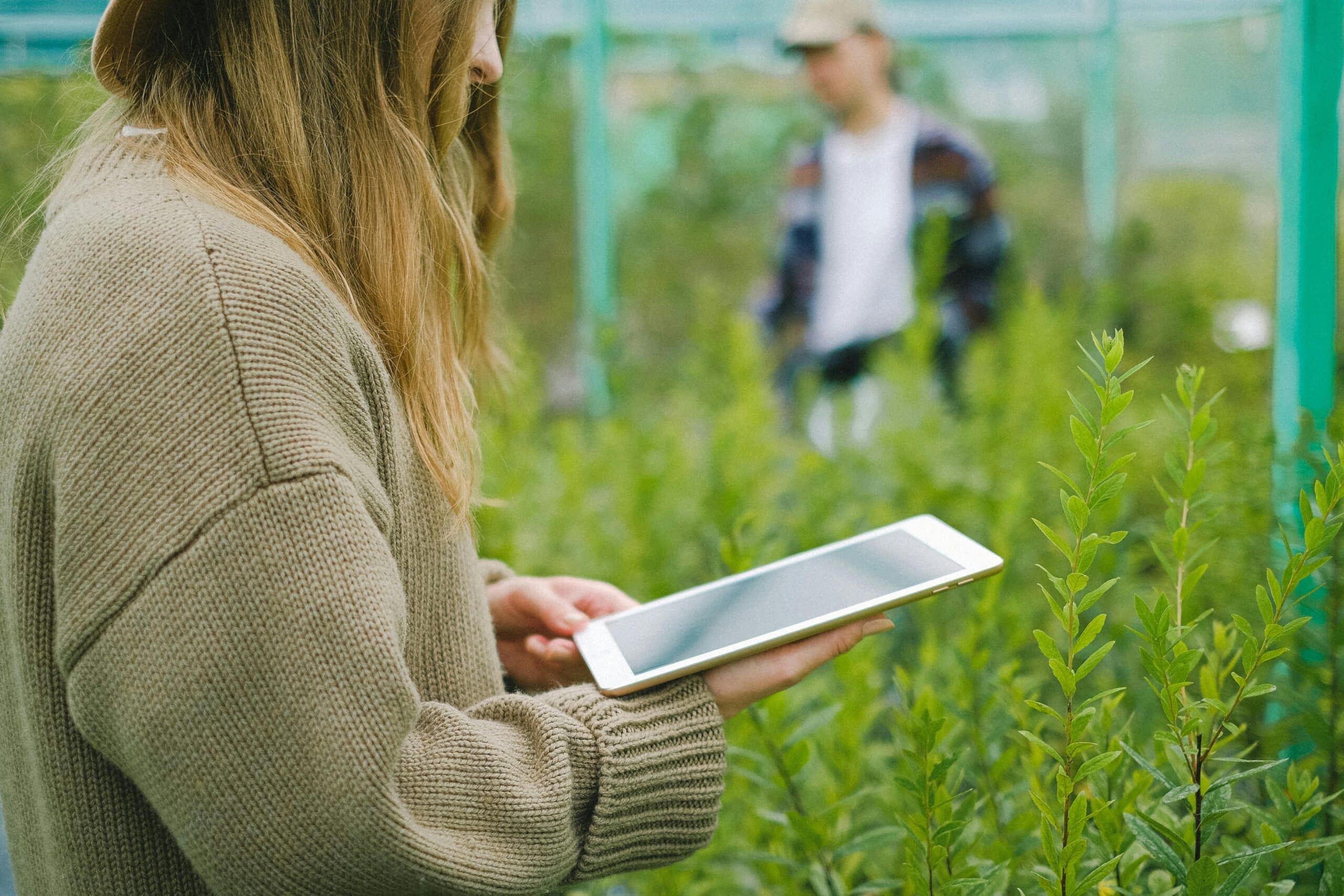
The agricultural revolution underway offers genuine hope for feeding our growing population while healing rather than harming our planet. Technology empowers farmers to be environmental stewards and profitable business operators simultaneously—a combination once considered impossible.
From precision tools that optimize every input to AI systems that predict and prevent problems before they occur, innovation is making sustainable agriculture not just possible but practical and profitable. Vertical farms, regenerative practices enhanced by technology, and biological alternatives to chemicals demonstrate that productivity and sustainability are complementary rather than competing goals.
Success requires continued innovation, thoughtful policy support, farmer education, and consumer awareness about the value of sustainably produced food. The technologies exist today to transform agriculture; the challenge is scaling and deploying them effectively across diverse farming systems worldwide.
As these solutions become more accessible and affordable, agriculture can transition from a major contributor to environmental problems into a powerful solution—sequestering carbon, protecting watersheds, preserving biodiversity, and producing abundant nutritious food for all. This vision is not distant science fiction but an emerging reality being built by innovative farmers, technology developers, and sustainability advocates working together today.
The fields of tomorrow will look radically different from those of the past, but they will fulfill agriculture’s timeless purpose: nourishing humanity while respecting the natural systems that sustain all life on Earth. Technology is the key unlocking this sustainable, productive, and genuinely green agricultural future.

Toni Santos is a visual storyteller and archival artisan whose creative journey is steeped in the bold colors, dramatic typography, and mythic imagery of old circus posters. Through his artistic lens, Toni breathes new life into these once-lurid canvases of wonder, transforming them into tributes to a golden era of spectacle, showmanship, and cultural fantasy.
Fascinated by the visual language of vintage circuses — from roaring lions to gravity-defying acrobats, from hand-painted banners to gothic typefaces — Toni explores how these posters once captured the imagination of entire towns with nothing more than ink, illusion, and a promise of awe. Each composition he creates or studies is a dialogue with history, nostalgia, and the raw aesthetics of entertainment on the move.
With a background in handcrafted design and visual heritage, Toni blends artistic sensitivity with historical insight. His work traces the forgotten typographies, chromatic choices, and symbolic flair that defined circus marketing in the 19th and early 20th centuries — a time when posters were not just advertisements, but portable portals to dreamworlds.
As the creative force behind Vizovex, Toni curates collections, illustrations, and thoughtful narratives that reconnect modern audiences with the magic of old circus art — not just as ephemera, but as cultural memory etched in paper and pigment.
His work is a tribute to:
The flamboyant storytelling of early circus posters
The lost art of hand-lettered show promotion
The timeless charm of visual fantasy in public space
Whether you’re a vintage print enthusiast, a circus history lover, or a designer inspired by antique aesthetics, Toni invites you into a world where tigers leap through fire, strongmen pose in perfect symmetry, and every corner of the poster whispers: Step right up.