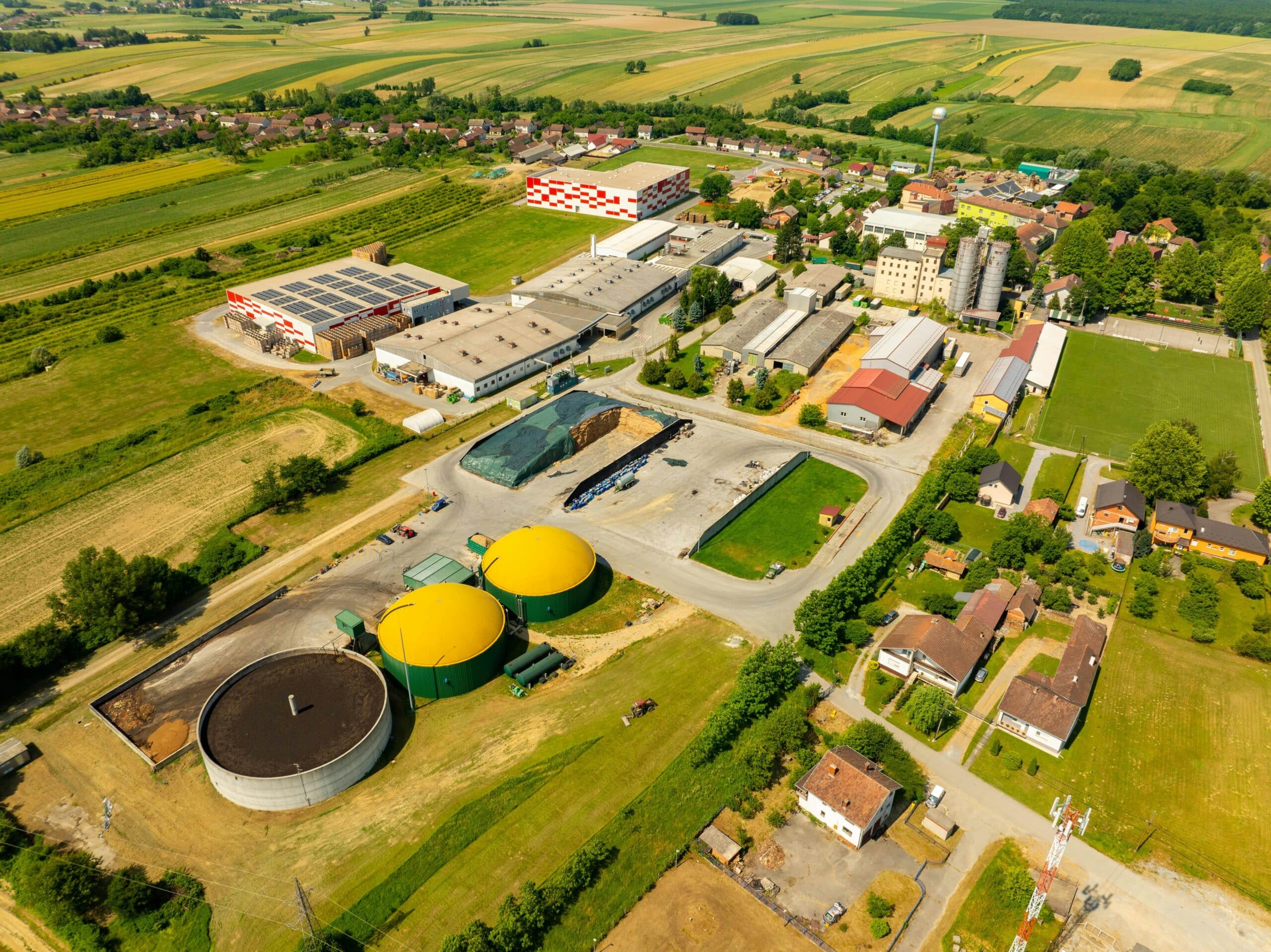
Rural entrepreneurship is experiencing a digital transformation that’s reshaping how communities create wealth, access markets, and build sustainable businesses in previously isolated regions.
🌾 The Digital Revolution Reaches Rural Landscapes
For decades, rural communities have faced significant barriers to entrepreneurial success. Limited access to capital, sparse infrastructure, and geographic isolation have traditionally hindered business development in agricultural and remote areas. However, the proliferation of cutting-edge technology is fundamentally altering this landscape, creating unprecedented opportunities for rural entrepreneurs to compete on global stages.
The transformation isn’t merely theoretical. Real-world examples demonstrate how farmers in developing nations use smartphone applications to access market pricing, weather forecasts, and agricultural best practices. Small-scale producers connect directly with consumers through e-commerce platforms, eliminating intermediaries who previously captured most of the value chain. These technological interventions are creating economic ripples that extend far beyond individual businesses, revitalizing entire communities.
The convergence of mobile connectivity, cloud computing, artificial intelligence, and the Internet of Things (IoT) has created a perfect storm of opportunity. Rural entrepreneurs who embrace these tools are discovering competitive advantages that urban counterparts often overlook, including lower operational costs, access to natural resources, and authentic connection to traditional production methods that increasingly resonate with conscious consumers.
Breaking Down Barriers: How Technology Addresses Rural Challenges
Traditional obstacles to rural entrepreneurship are being systematically dismantled through technological innovation. Connectivity, once the Achilles heel of remote business operations, has improved dramatically with expanded cellular networks and satellite internet services reaching previously unserved areas.
Financial inclusion represents another breakthrough area. Digital banking and mobile payment systems enable rural entrepreneurs to conduct transactions, access microloans, and manage finances without physical bank branches. Blockchain-based systems are creating transparent supply chains that allow small producers to prove product authenticity and fair-trade practices directly to end consumers.
Access to Knowledge and Training
Perhaps the most transformative aspect of technology in rural entrepreneurship is democratized access to education and expertise. Online learning platforms, webinars, and virtual mentorship programs connect rural business owners with world-class instruction regardless of physical location. Agricultural extension services delivered through mobile apps provide real-time guidance on crop management, pest control, and sustainable farming practices.
YouTube channels dedicated to specific agricultural techniques, business management, and marketing strategies have become informal universities for rural entrepreneurs worldwide. This knowledge transfer happens in local languages and addresses region-specific challenges, making information actionable rather than theoretical.
🚀 Emerging Technologies Reshaping Rural Business Models
Artificial intelligence is no longer confined to Silicon Valley laboratories. AI-powered applications help rural farmers diagnose plant diseases through photo recognition, optimize irrigation based on weather predictions and soil moisture sensors, and forecast yields with remarkable accuracy. These tools transform farming from experience-based guesswork into data-driven precision agriculture.
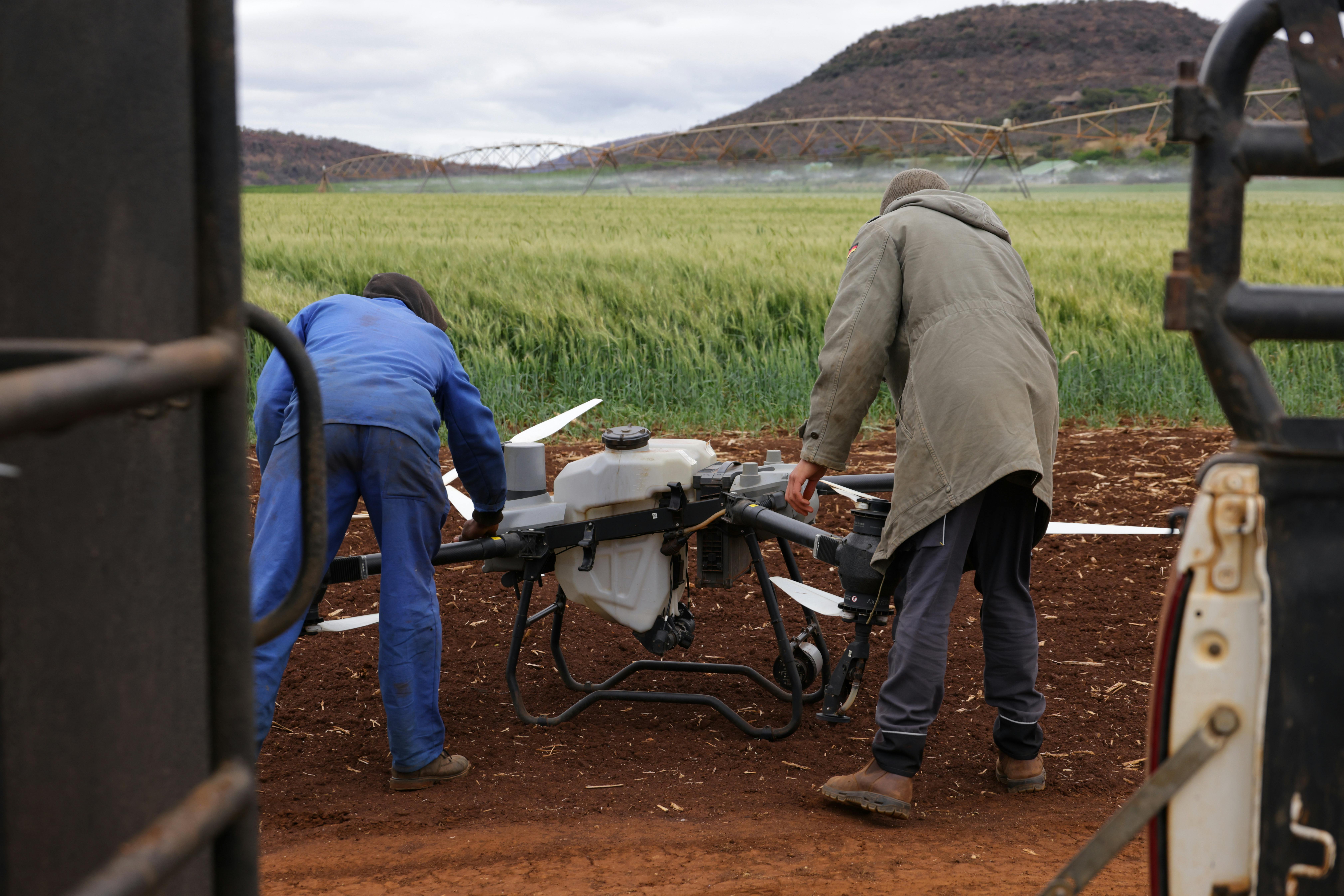
Drone technology has become surprisingly accessible, enabling entrepreneurs to monitor large agricultural areas, apply pesticides with precision, and assess crop health through multispectral imaging. What once required expensive consultants or cooperative equipment now fits within reach of individual operators through rental programs and cooperative ownership models.
IoT Sensors Creating Smart Farms
Internet of Things sensors deployed across fields, greenhouses, and livestock facilities generate continuous data streams about environmental conditions, animal health, and resource usage. This information enables entrepreneurs to make informed decisions, reduce waste, and optimize production schedules. Smart irrigation systems conserve water while improving crop yields. Temperature and humidity monitors in storage facilities prevent spoilage and extend product shelf life.
The affordability of these sensors continues to improve, with some basic systems costing less than traditional farming equipment. Solar-powered options eliminate electrical infrastructure requirements, making deployment feasible even in completely off-grid locations.
E-Commerce Platforms: Connecting Rural Producers to Global Markets
Digital marketplaces have eliminated geographical disadvantages for rural entrepreneurs. Artisans selling handcrafted goods, farmers offering organic produce, and specialty food producers can now reach customers worldwide without leaving their communities. Platforms specifically designed for agricultural products connect farmers directly with restaurants, retailers, and consumers seeking fresh, locally-sourced items.
Social media marketing has leveled the playing field between rural micro-businesses and established urban brands. Instagram and Facebook enable compelling storytelling about production methods, farm life, and product origins—narratives that resonate powerfully with consumers increasingly concerned about sustainability and authenticity. The visual nature of these platforms particularly suits agricultural and artisan products, where the production process itself becomes a marketing asset.
Logistics Technology Overcoming Distance
Advanced logistics platforms now coordinate complex rural pickup and delivery networks, solving the “last mile” challenge that previously made rural commerce prohibitively expensive. Route optimization algorithms, real-time tracking, and collaborative shipping models reduce costs and improve reliability. Cold chain monitoring technology ensures perishable products maintain quality during extended transport from remote production sites to distant consumers.
Aggregation platforms allow multiple small producers to combine shipments, achieving economies of scale previously available only to large commercial operations. This cooperative approach, facilitated by digital coordination tools, strengthens entire rural business ecosystems rather than just individual enterprises.
💡 Community Empowerment Through Collaborative Technologies
Technology’s greatest impact on rural entrepreneurship may be its ability to foster collaboration rather than just individual business success. Digital platforms enable cooperative business models where community members pool resources, share equipment, and collectively market products. These arrangements distribute risk, lower individual capital requirements, and create social safety nets within business structures.
Cooperative ownership of expensive equipment—like specialized harvesting machinery, processing facilities, or transportation vehicles—becomes feasible when coordinated through scheduling apps and shared financial management platforms. What individual entrepreneurs couldn’t afford alone becomes accessible through digital coordination of collective resources.
Knowledge-Sharing Networks
Online communities of rural entrepreneurs share practical insights, troubleshoot challenges, and provide mutual support across geographic distances. WhatsApp groups, Telegram channels, and specialized forums create peer-to-peer learning networks where experienced producers mentor newcomers and collective problem-solving addresses shared challenges.
These digital communities often prove more valuable than formal training programs because they provide context-specific advice, real-time responses, and emotional support from people facing similar circumstances. The social capital generated through these networks extends beyond business transactions into community resilience and mutual aid.
Financial Technology Unlocking Rural Capital
Access to capital has traditionally constrained rural entrepreneurship more than any other single factor. Fintech innovations are addressing this barrier through multiple approaches. Microfinance platforms use alternative data—like mobile phone usage patterns and digital transaction histories—to assess creditworthiness for entrepreneurs without traditional banking relationships or credit histories.
Crowdfunding platforms enable rural businesses to pitch directly to consumers who become investors in exchange for products, equity, or simply the satisfaction of supporting sustainable rural development. This model works particularly well for projects with compelling sustainability stories or community impact narratives that resonate with socially conscious investors.
Mobile payment systems like M-Pesa have demonstrated how digital financial infrastructure can leapfrog traditional banking in rural areas. These systems enable entrepreneurs to receive payments, pay suppliers, and access savings and credit products entirely through mobile devices, eliminating dependence on distant bank branches with limited hours.
Blockchain for Transparent Supply Chains
Blockchain technology creates immutable records of product provenance, enabling rural producers to certify organic practices, fair labor conditions, and authentic traditional production methods. Consumers increasingly willing to pay premiums for verified ethical products can trust blockchain-verified claims, creating value-capture opportunities for conscientious rural entrepreneurs.
Smart contracts automate payment upon delivery confirmation, reducing payment delays that strain rural business cash flow. Escrow arrangements protect both buyers and sellers in transactions between parties without prior relationships, expanding market access beyond personal networks.
🌍 Sustainable Development Through Tech-Enabled Rural Business
Technology-empowered rural entrepreneurship contributes significantly to sustainable development goals. By creating economic opportunities in rural areas, these innovations reduce urban migration pressures that strain city infrastructure and hollow out rural communities. Young people who might otherwise seek urban employment find viable career paths in technology-enhanced rural businesses, maintaining community vitality and intergenerational knowledge transfer.
Environmental sustainability benefits when precision agriculture reduces chemical inputs, optimizes water usage, and improves soil health through data-driven management. Local production and direct-to-consumer sales models reduce transportation emissions compared to industrialized food systems with extensive supply chains.
Economic diversification strengthens community resilience. When rural areas depend solely on single commodities or industries, market fluctuations create devastating instability. Technology enables rural entrepreneurs to develop diverse income streams—agritourism, value-added processing, artisan production, and digital services—that insulate communities from sector-specific downturns.
Overcoming Implementation Challenges
Despite tremendous potential, technology adoption in rural entrepreneurship faces real obstacles. Digital literacy remains a significant barrier, particularly among older entrepreneurs and in communities with limited educational infrastructure. Effective technology deployment requires training programs designed specifically for rural contexts, delivered in accessible formats and local languages.
Infrastructure gaps persist in many rural areas. Inconsistent electricity supply challenges devices requiring regular charging. Internet connectivity, while improving, remains unreliable or prohibitively expensive in some regions. Solutions often involve hybrid approaches—offline-capable applications that sync when connectivity allows, solar charging systems, and community access points sharing connectivity costs.
Cultural and Social Considerations
Technology implementation succeeds when designed with cultural sensitivity and community input. Top-down technology deployment often fails because it doesn’t address actual needs or integrate with existing social structures. Participatory design approaches that involve rural entrepreneurs in technology development create tools better suited to real-world conditions and more likely to achieve adoption.
Gender considerations particularly matter in rural entrepreneurship. Technology programs must address different access patterns, literacy levels, and business activities between male and female entrepreneurs. Women-focused initiatives that provide devices, training, and business development support specifically for female rural entrepreneurs have demonstrated remarkable impact on household income and community wellbeing.
📱 Mobile Applications Driving Rural Innovation
Smartphone applications specifically designed for rural entrepreneurs have proliferated, addressing diverse needs from agricultural extension to market access. Weather applications provide hyperlocal forecasts crucial for planting and harvesting decisions. Market price applications eliminate information asymmetries that previously allowed middlemen to exploit farmer ignorance about prevailing prices.
Input sourcing applications connect farmers with suppliers of seeds, fertilizers, and equipment, often at lower prices through collective purchasing. Advisory applications provide personalized recommendations based on location, crop type, and seasonal conditions. Financial management applications help entrepreneurs track expenses, manage inventory, and plan cash flow—capabilities that separate sustainable businesses from struggling ventures.
The most successful rural entrepreneurship applications share common characteristics: offline functionality, minimal data requirements, simple interfaces suitable for varying literacy levels, and local language support. They solve specific, immediate problems rather than offering generalized features irrelevant to rural business contexts.
🎯 Future Horizons: Emerging Technologies and Rural Opportunity
Looking forward, several emerging technologies promise to further transform rural entrepreneurship. Advanced AI applications will provide increasingly sophisticated decision support, from optimizing complex crop rotations to predicting market demand fluctuations. Virtual and augmented reality technologies may enable remote technical support where experts guide repairs or procedures through visual overlays, reducing dependence on scarce local expertise.
5G connectivity will enable real-time applications currently impractical with slower mobile networks, from autonomous farm equipment to live-streamed farm experiences for agritourism. Edge computing will process data locally rather than requiring cloud connectivity, improving functionality in areas with limited bandwidth.
Biotechnology advances accessible through mobile platforms may help rural entrepreneurs select crop varieties optimized for specific microclimates, develop natural pest management strategies, and improve livestock genetics through data-driven breeding decisions. The democratization of previously specialized knowledge through user-friendly applications will continue accelerating.
Building Inclusive Digital Ecosystems
Sustainable technology-enabled rural entrepreneurship requires comprehensive ecosystem development beyond just providing devices or internet access. Digital literacy programs must extend beyond basic usage to strategic business applications. Incubators and accelerators specifically focused on rural ventures can provide mentorship, funding connections, and peer networks. Policy frameworks should incentivize private sector investment in rural digital infrastructure while protecting rural entrepreneurs from exploitative practices.
Partnerships between governments, NGOs, private technology companies, and rural communities themselves create the most robust ecosystems. Each stakeholder contributes unique capabilities—policy levers, funding, technical expertise, and contextual knowledge—that combine into comprehensive support systems enabling rural entrepreneurial success.
The transformation of rural entrepreneurship through cutting-edge technology represents more than economic development. It embodies a fundamental reimagining of rural communities’ place in modern economies—not as backward areas awaiting urban-style industrialization, but as innovation frontiers where technology enhances rather than replaces traditional knowledge, sustainable practices, and community-centered values. This vision positions rural areas as competitive participants in digital economies while preserving the environmental and social assets that make them distinctive and valuable.
As technology continues evolving and rural adoption deepens, the entrepreneurial landscape will shift in ways we’re only beginning to understand. The communities and individuals who embrace these tools while maintaining cultural identity and environmental stewardship will not merely survive but thrive, demonstrating that rural and cutting-edge are no longer contradictory concepts but powerful complements in building sustainable, prosperous futures.

Toni Santos is a visual storyteller and archival artisan whose creative journey is steeped in the bold colors, dramatic typography, and mythic imagery of old circus posters. Through his artistic lens, Toni breathes new life into these once-lurid canvases of wonder, transforming them into tributes to a golden era of spectacle, showmanship, and cultural fantasy.
Fascinated by the visual language of vintage circuses — from roaring lions to gravity-defying acrobats, from hand-painted banners to gothic typefaces — Toni explores how these posters once captured the imagination of entire towns with nothing more than ink, illusion, and a promise of awe. Each composition he creates or studies is a dialogue with history, nostalgia, and the raw aesthetics of entertainment on the move.
With a background in handcrafted design and visual heritage, Toni blends artistic sensitivity with historical insight. His work traces the forgotten typographies, chromatic choices, and symbolic flair that defined circus marketing in the 19th and early 20th centuries — a time when posters were not just advertisements, but portable portals to dreamworlds.
As the creative force behind Vizovex, Toni curates collections, illustrations, and thoughtful narratives that reconnect modern audiences with the magic of old circus art — not just as ephemera, but as cultural memory etched in paper and pigment.
His work is a tribute to:
The flamboyant storytelling of early circus posters
The lost art of hand-lettered show promotion
The timeless charm of visual fantasy in public space
Whether you’re a vintage print enthusiast, a circus history lover, or a designer inspired by antique aesthetics, Toni invites you into a world where tigers leap through fire, strongmen pose in perfect symmetry, and every corner of the poster whispers: Step right up.