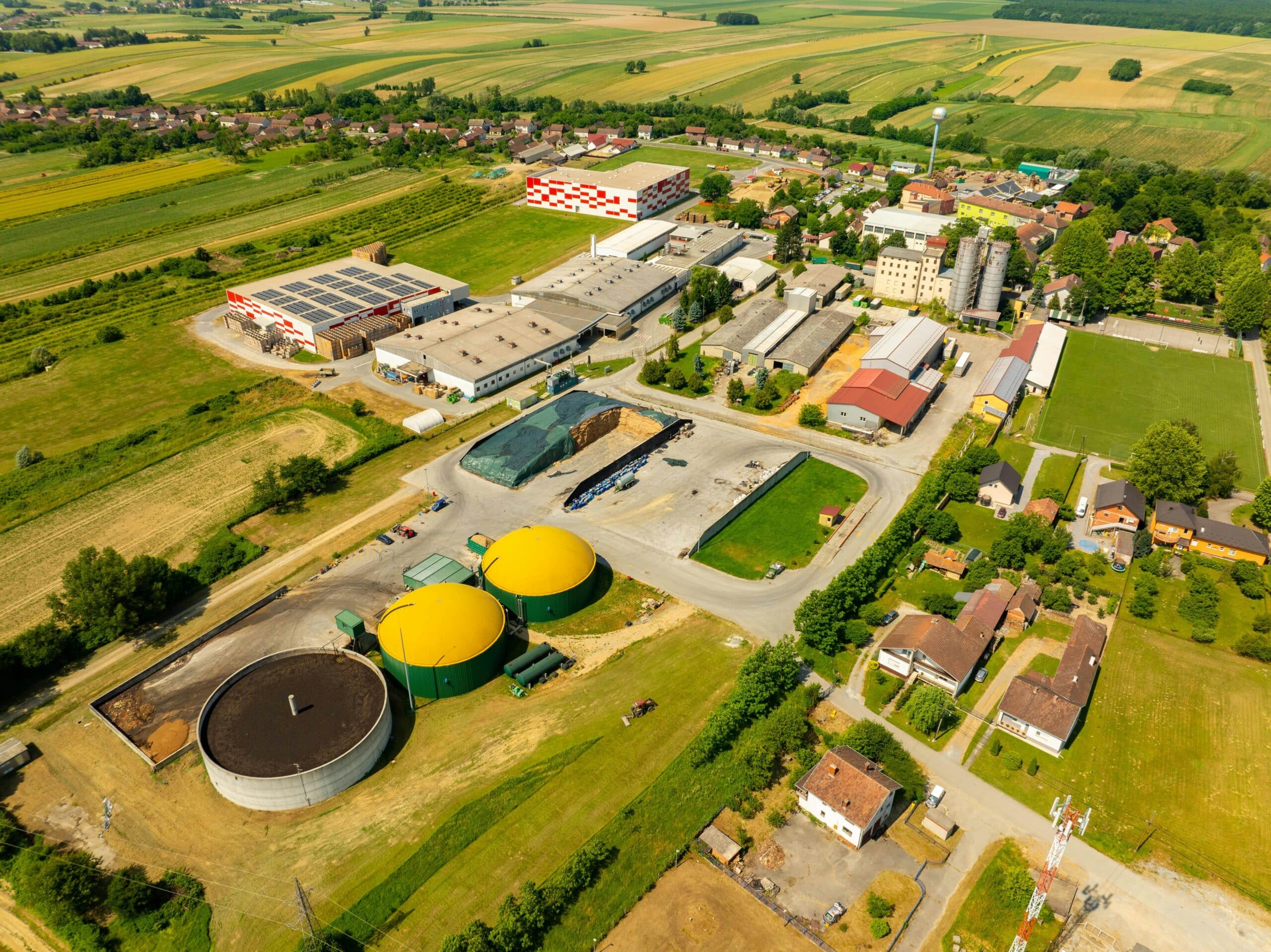
Digital marketplaces are revolutionizing how rural producers connect with consumers, creating unprecedented opportunities for growth, sustainability, and economic empowerment in agricultural communities worldwide.
🌾 The Digital Revolution Reaching Rural Communities
For decades, rural producers have faced significant challenges in accessing markets, obtaining fair prices for their products, and competing with larger agricultural operations. Geographic isolation, limited infrastructure, and lack of direct consumer access have historically constrained their potential. However, the emergence of digital marketplaces is fundamentally transforming this landscape, offering farmers and rural entrepreneurs tools that were previously available only to urban businesses and large corporations.
The digital transformation in agriculture isn’t merely about technology adoption; it represents a fundamental shift in how rural economies function. With smartphone penetration increasing even in remote areas and internet connectivity gradually improving, rural producers now have unprecedented opportunities to showcase their products, connect with buyers, and build sustainable businesses that can compete in the global marketplace.
Breaking Down Traditional Barriers to Market Access
Traditional agricultural supply chains have long been characterized by multiple intermediaries, each taking a portion of the final selling price. Rural producers often receive only a fraction of what consumers ultimately pay, with middlemen, distributors, and retailers capturing the majority of value. This system has perpetuated cycles of poverty and limited investment capacity for small-scale producers.
Digital marketplaces disrupt this traditional model by enabling direct connections between producers and consumers. Farmers can now list their products online, set their own prices, and communicate directly with buyers who value quality, sustainability, and supporting local agriculture. This disintermediation doesn’t just increase profit margins; it also provides producers with valuable market intelligence and direct feedback that helps them improve their offerings.
The Economics of Direct-to-Consumer Models
When rural producers sell directly through digital platforms, they typically capture 60-80% of the retail price, compared to just 20-40% in traditional supply chains. This dramatic difference can transform household incomes and enable reinvestment in farm improvements, equipment, and sustainable practices. Moreover, consumers often benefit from fresher products and lower prices, creating a win-win scenario that strengthens the entire food system.
📱 Technology as an Equalizer for Small-Scale Producers
The democratizing power of digital marketplaces extends beyond simple buy-sell transactions. These platforms provide rural producers with access to tools and resources that were once exclusive to large agricultural enterprises. From inventory management and logistics coordination to customer relationship management and data analytics, digital marketplaces empower small farmers with sophisticated business capabilities.
Mobile applications specifically designed for agricultural commerce have become game-changers in developing regions. These apps often feature user-friendly interfaces that accommodate varying levels of digital literacy, multilingual support for diverse populations, and offline functionality for areas with intermittent connectivity. The result is inclusive access to digital commerce that doesn’t leave behind those with limited technical skills or infrastructure.
Building Digital Literacy in Rural Communities
Successful digital marketplace initiatives recognize that technology adoption requires more than just platform availability. Training programs, community workshops, and peer-to-peer learning networks help rural producers develop the skills necessary to thrive in digital commerce. These educational efforts cover practical topics like product photography, pricing strategies, customer communication, and digital payment systems.
Organizations and cooperatives increasingly play crucial roles in facilitating this knowledge transfer. By pooling resources and sharing expertise, rural communities can accelerate their digital transformation while maintaining the collaborative spirit that has long characterized agricultural societies.
🌍 Expanding Geographic Reach and Market Opportunities
One of the most transformative aspects of digital marketplaces is their ability to collapse geographic boundaries. A small-scale coffee farmer in a remote mountain region can now sell directly to specialty roasters in major cities or even international markets. Artisan food producers can reach consumers who specifically seek authentic, traditional products that reflect regional heritage and craftsmanship.
This expanded reach creates diversification opportunities that reduce risk and increase resilience. Rather than depending on a single local buyer or commodity market, rural producers can cultivate multiple revenue streams, experiment with niche products, and build direct relationships with customers who value their unique offerings.
Niche Markets and Premium Positioning
Digital marketplaces enable rural producers to position themselves in premium market segments that value qualities like organic certification, heritage varieties, sustainable practices, and artisanal production methods. Urban consumers increasingly seek products with authentic stories and transparent supply chains—exactly what small-scale rural producers can offer.
This trend toward conscious consumption creates opportunities for rural producers to differentiate themselves based on values rather than competing solely on price. By highlighting their sustainable practices, traditional methods, and community impact, producers can command premium prices that reflect the true value of their products.
Overcoming Infrastructure and Logistics Challenges
While digital marketplaces solve many access problems, the physical movement of goods from rural areas to consumers remains a significant challenge. Successful platforms address this through innovative logistics solutions that aggregate shipments, coordinate with local transportation providers, and optimize delivery routes to reduce costs and ensure product freshness.
Some digital marketplaces have pioneered hybrid models that combine online ordering with strategically located collection points, reducing last-mile delivery challenges while maintaining the convenience that consumers expect. Others partner with existing logistics networks or even establish dedicated rural logistics operations that serve multiple producers simultaneously.
Cold Chain and Quality Preservation
For perishable agricultural products, maintaining quality from farm to consumer is critical. Progressive digital marketplaces invest in cold chain infrastructure, quality control systems, and rapid fulfillment processes that preserve product integrity. These investments not only reduce waste but also enable rural producers to access markets that demand consistent quality and food safety standards.
💰 Financial Inclusion and Payment Innovation
Digital marketplaces often integrate with mobile payment systems and digital financial services that extend banking capabilities to underserved rural populations. This financial inclusion enables producers to receive payments quickly and securely, build transaction histories that can support credit applications, and access financial tools for business planning and investment.
The transparency and traceability inherent in digital transactions also create opportunities for innovative financing models. Some platforms offer advance payments, inventory financing, or revenue-based lending that helps producers manage cash flow challenges and invest in growth without requiring traditional collateral.
Building Creditworthiness Through Digital Records
Every transaction on a digital marketplace creates a verifiable record of business activity. Over time, these records establish creditworthiness that rural producers can leverage to access formal financial services. This data-driven approach to credit assessment opens doors that traditional banking systems have historically kept closed to small-scale agricultural producers.
🤝 Community Building and Knowledge Sharing
Beyond transactional functions, digital marketplaces often foster community among rural producers. Forums, chat features, and social networking elements enable farmers to share best practices, troubleshoot challenges, and coordinate collective action. This peer-to-peer knowledge exchange accelerates learning and innovation across entire agricultural regions.
Producer cooperatives and associations use these digital platforms to coordinate production, negotiate collectively for inputs, and present unified brands to consumers. The combination of individual entrepreneurship and collective strength creates resilient agricultural communities that can weather market fluctuations and adapt to changing conditions.
Sustainability and Environmental Impact
Digital marketplaces can advance environmental sustainability by connecting consumers directly with producers who employ regenerative agriculture, minimize chemical inputs, and preserve biodiversity. The transparency enabled by digital platforms allows producers to communicate their sustainability practices and enables consumers to make informed choices that align with their values.
Reduced food miles, minimized packaging, and optimized logistics also contribute to lower environmental impacts compared to conventional supply chains. When consumers purchase directly from local or regional producers through digital marketplaces, they participate in food systems that are both environmentally sustainable and economically viable for rural communities.
Climate Resilience Through Diversification
Access to diverse markets through digital platforms enables rural producers to adapt to climate change by experimenting with new crops, diversifying income sources, and building flexibility into their operations. This adaptive capacity is crucial as agricultural communities worldwide face increasing climate variability and extreme weather events.
📊 Data-Driven Decision Making for Rural Producers
Digital marketplaces generate valuable data about consumer preferences, pricing trends, seasonal demand patterns, and product performance. When this information is shared with producers—often through dashboard tools and analytics features—it empowers evidence-based decision making about what to grow, when to harvest, and how to price products competitively.
This market intelligence was previously available only to large agricultural businesses with dedicated research teams. By democratizing access to data, digital marketplaces level the playing field and enable small producers to make strategic decisions that optimize profitability and market fit.
Policy and Regulatory Considerations
Governments and regulatory bodies play important roles in enabling digital marketplace success for rural producers. Supportive policies might include investments in rural broadband infrastructure, digital literacy programs, food safety frameworks appropriate for small-scale producers, and regulatory sandboxes that allow marketplace innovations to develop while ensuring consumer protection.
Some regions have implemented specific programs to subsidize rural producers’ access to digital marketplaces, recognizing the broader economic and social benefits of strengthening rural economies. Public-private partnerships can leverage government resources and private sector innovation to create sustainable marketplace ecosystems.
🚀 The Future of Rural Digital Commerce
As technology continues evolving, emerging innovations promise even greater opportunities for rural producers. Artificial intelligence can provide personalized farming advice, optimize pricing strategies, and match producers with ideal customers. Blockchain technology offers enhanced traceability and authentication for premium products. Internet of Things sensors enable precision agriculture that maximizes yields while minimizing resource use.
The integration of these technologies into user-friendly digital marketplaces will further empower rural producers, enabling them to compete effectively in increasingly sophisticated markets while maintaining the authentic, sustainable practices that distinguish their products.
Youth Engagement and Generational Renewal
Digital marketplaces are making agriculture more attractive to younger generations who have grown up with technology and seek entrepreneurial opportunities. By demonstrating that rural production can be innovative, profitable, and globally connected, these platforms help reverse rural-to-urban migration trends and ensure the continuity of agricultural knowledge and practice.
Measuring Impact and Success
The success of digital marketplaces in empowering rural producers can be measured across multiple dimensions: increased incomes for farming families, expanded market access, improved product quality, enhanced sustainability practices, and strengthened rural communities. Long-term success requires ongoing attention to producer needs, continuous platform improvement, and commitment to inclusive growth that benefits entire agricultural ecosystems.
Case studies from around the world demonstrate tangible impacts. Producers report income increases of 30-100% after joining digital marketplaces, along with improved quality of life, increased investment capacity, and greater optimism about agriculture as a viable livelihood. These outcomes justify continued investment in digital marketplace infrastructure and support services.
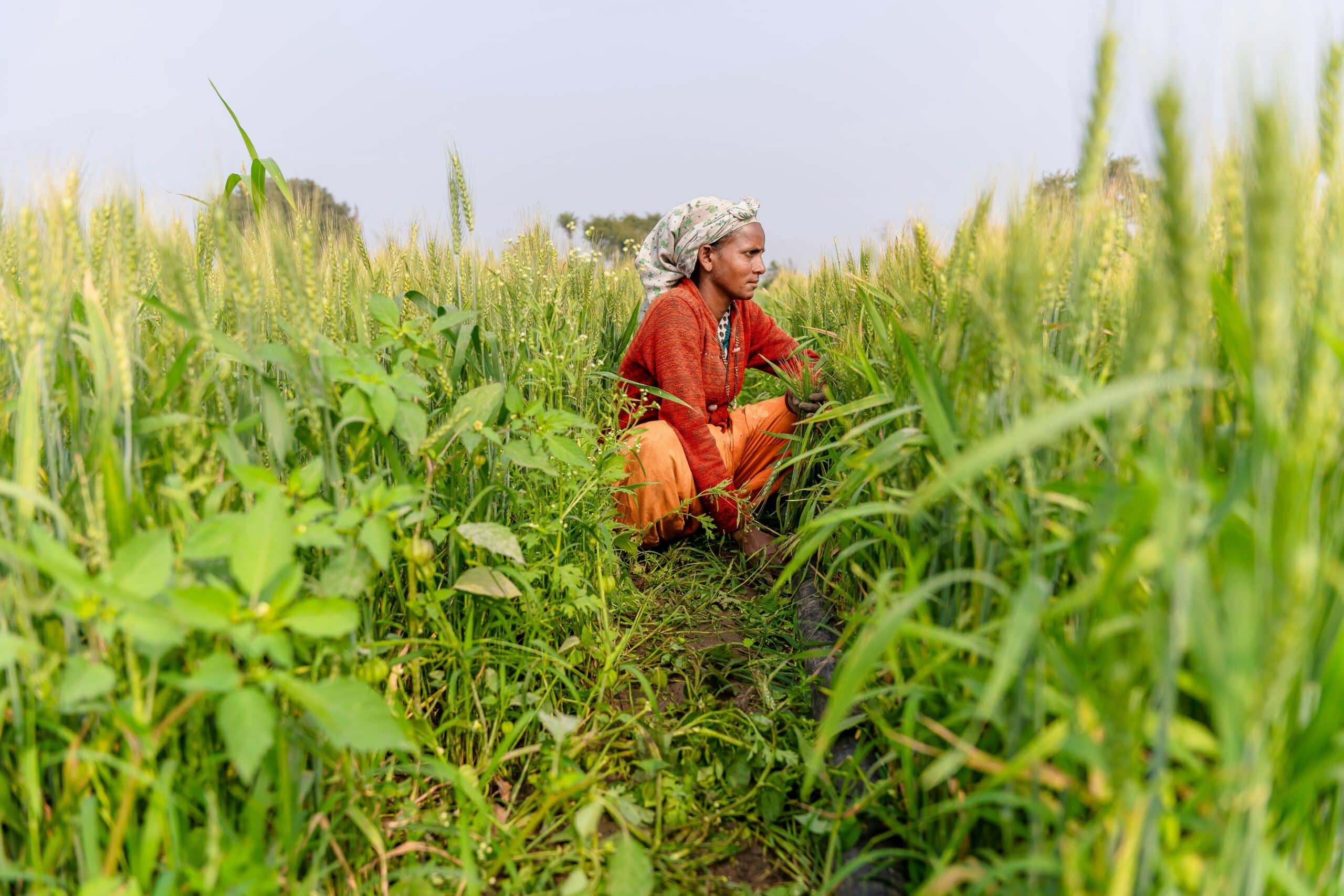
Creating Lasting Change in Agricultural Systems
Digital marketplaces represent more than technological innovation—they embody a reimagining of agricultural value chains that places producers at the center rather than the periphery. By enabling direct relationships between those who grow food and those who consume it, these platforms create more equitable, transparent, and sustainable food systems.
The empowerment of rural producers through digital marketplaces generates ripple effects throughout entire communities: improved education opportunities as household incomes rise, better healthcare access, enhanced food security, and preservation of rural landscapes and cultural heritage. These broader impacts underscore the transformative potential of connecting rural producers with digital opportunities.
As digital infrastructure continues expanding into rural areas and platforms become increasingly sophisticated and accessible, the opportunities for rural producers will only grow. The challenge for stakeholders—including technology providers, governments, development organizations, and consumers—is ensuring that this growth remains inclusive, sustainable, and genuinely empowering for the agricultural communities that feed the world.
The digital marketplace revolution in rural agriculture is still in its early stages, but the trajectory is clear: technology that was once seen as primarily urban is now unlocking unprecedented growth and opportunities for rural producers worldwide. By embracing these tools while maintaining the values of sustainability, community, and quality that have long defined rural production, farmers and agricultural entrepreneurs are building prosperous futures for themselves and nourishing communities near and far. 🌱

Toni Santos is a visual storyteller and archival artisan whose creative journey is steeped in the bold colors, dramatic typography, and mythic imagery of old circus posters. Through his artistic lens, Toni breathes new life into these once-lurid canvases of wonder, transforming them into tributes to a golden era of spectacle, showmanship, and cultural fantasy.
Fascinated by the visual language of vintage circuses — from roaring lions to gravity-defying acrobats, from hand-painted banners to gothic typefaces — Toni explores how these posters once captured the imagination of entire towns with nothing more than ink, illusion, and a promise of awe. Each composition he creates or studies is a dialogue with history, nostalgia, and the raw aesthetics of entertainment on the move.
With a background in handcrafted design and visual heritage, Toni blends artistic sensitivity with historical insight. His work traces the forgotten typographies, chromatic choices, and symbolic flair that defined circus marketing in the 19th and early 20th centuries — a time when posters were not just advertisements, but portable portals to dreamworlds.
As the creative force behind Vizovex, Toni curates collections, illustrations, and thoughtful narratives that reconnect modern audiences with the magic of old circus art — not just as ephemera, but as cultural memory etched in paper and pigment.
His work is a tribute to:
The flamboyant storytelling of early circus posters
The lost art of hand-lettered show promotion
The timeless charm of visual fantasy in public space
Whether you’re a vintage print enthusiast, a circus history lover, or a designer inspired by antique aesthetics, Toni invites you into a world where tigers leap through fire, strongmen pose in perfect symmetry, and every corner of the poster whispers: Step right up.