Small-scale farmers worldwide are experiencing a technological revolution that’s making modern agriculture accessible, affordable, and sustainable like never before.
The agricultural landscape is transforming rapidly, driven by innovations specifically designed to meet the unique needs of smallholder farmers. These farmers, who produce approximately 70% of the world’s food supply, have historically faced significant barriers to accessing advanced farming technologies. However, the emergence of affordable tech solutions is democratizing agriculture, enabling small farmers to compete more effectively while preserving environmental sustainability.
From smartphone applications providing real-time weather forecasts to low-cost soil sensors and solar-powered irrigation systems, technology is no longer exclusively available to large commercial operations. This shift represents a fundamental change in how we approach food security and rural development globally.
📱 The Mobile Revolution in Agriculture
Smartphones have become powerful farming tools, transforming how small farmers access information, manage crops, and connect with markets. With mobile penetration reaching even remote rural areas, farmers can now access agricultural expertise at their fingertips.
Agricultural advisory apps provide localized weather forecasts, pest identification, crop management tips, and market price information. These applications eliminate the need for expensive consultants and reduce the risk of crop failure through timely interventions. Farmers can photograph plant diseases and receive instant diagnoses, connect with extension workers virtually, and learn best practices through video tutorials in their local languages.
Mobile money platforms have revolutionized financial inclusion for small farmers, enabling them to access credit, insurance, and digital payment systems without requiring traditional bank accounts. This financial accessibility empowers farmers to invest in quality inputs, mechanization, and infrastructure improvements that directly boost productivity.
🌾 Precision Agriculture on a Budget
Precision agriculture, once reserved for large industrial farms with substantial capital, is becoming increasingly affordable for smallholders. Low-cost sensors, drones, and satellite imagery are enabling data-driven decision-making that optimizes resource use and maximizes yields.
Affordable soil moisture sensors help farmers irrigate more efficiently, reducing water waste by up to 40% while maintaining or improving crop yields. These battery-operated devices provide real-time data on soil conditions, allowing farmers to water only when necessary and in optimal quantities.
Drone technology has become remarkably accessible, with basic agricultural drones now available at prices small farmers can afford through cooperatives or rental systems. These aerial tools assist with crop monitoring, pest surveillance, and even precision spraying, dramatically reducing chemical inputs while improving coverage and effectiveness.
💧 Smart Irrigation Solutions for Water Conservation
Water scarcity represents one of agriculture’s most pressing challenges, particularly for small farmers in drought-prone regions. Innovative irrigation technologies are addressing this crisis through affordability and efficiency.
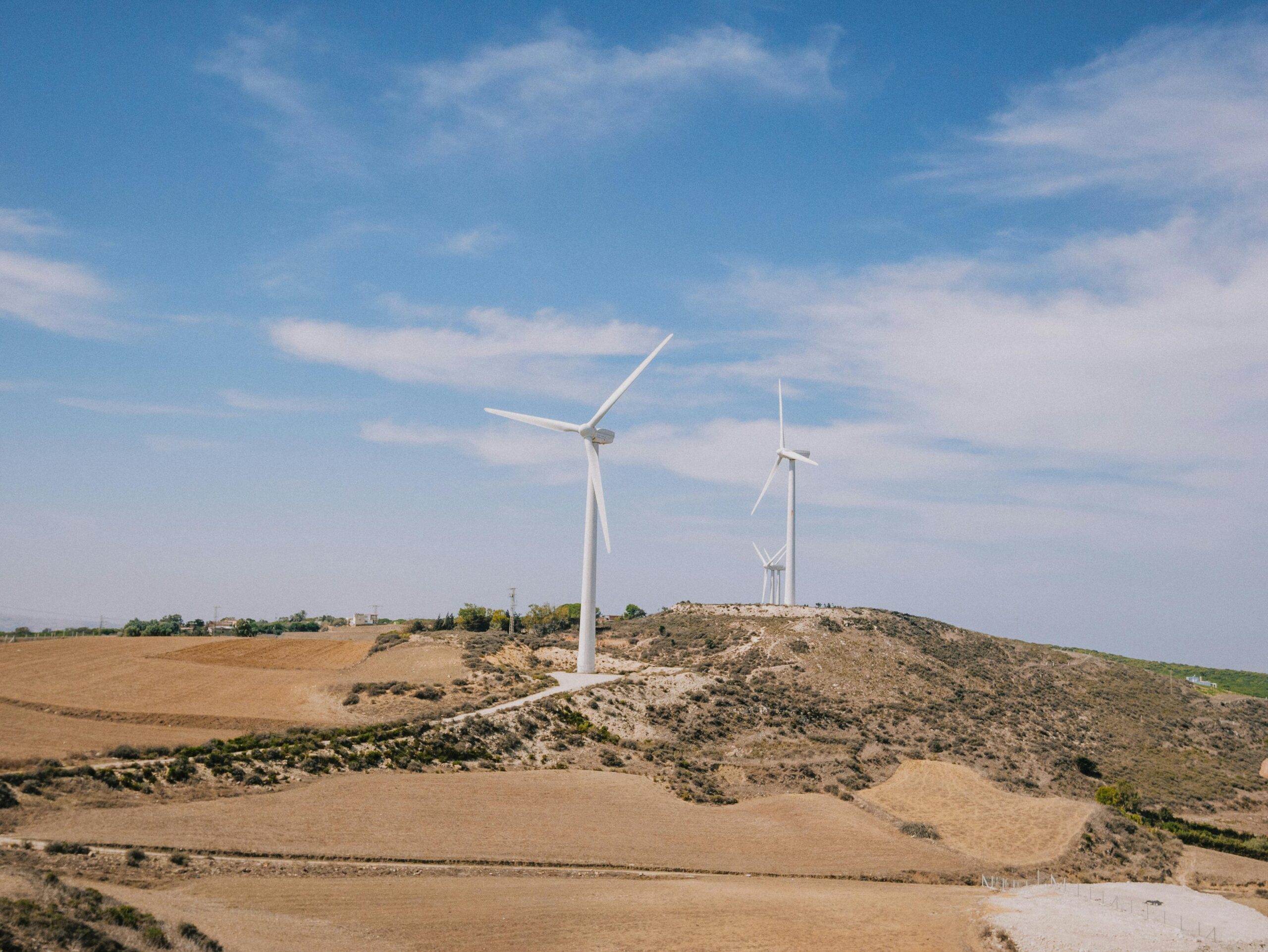
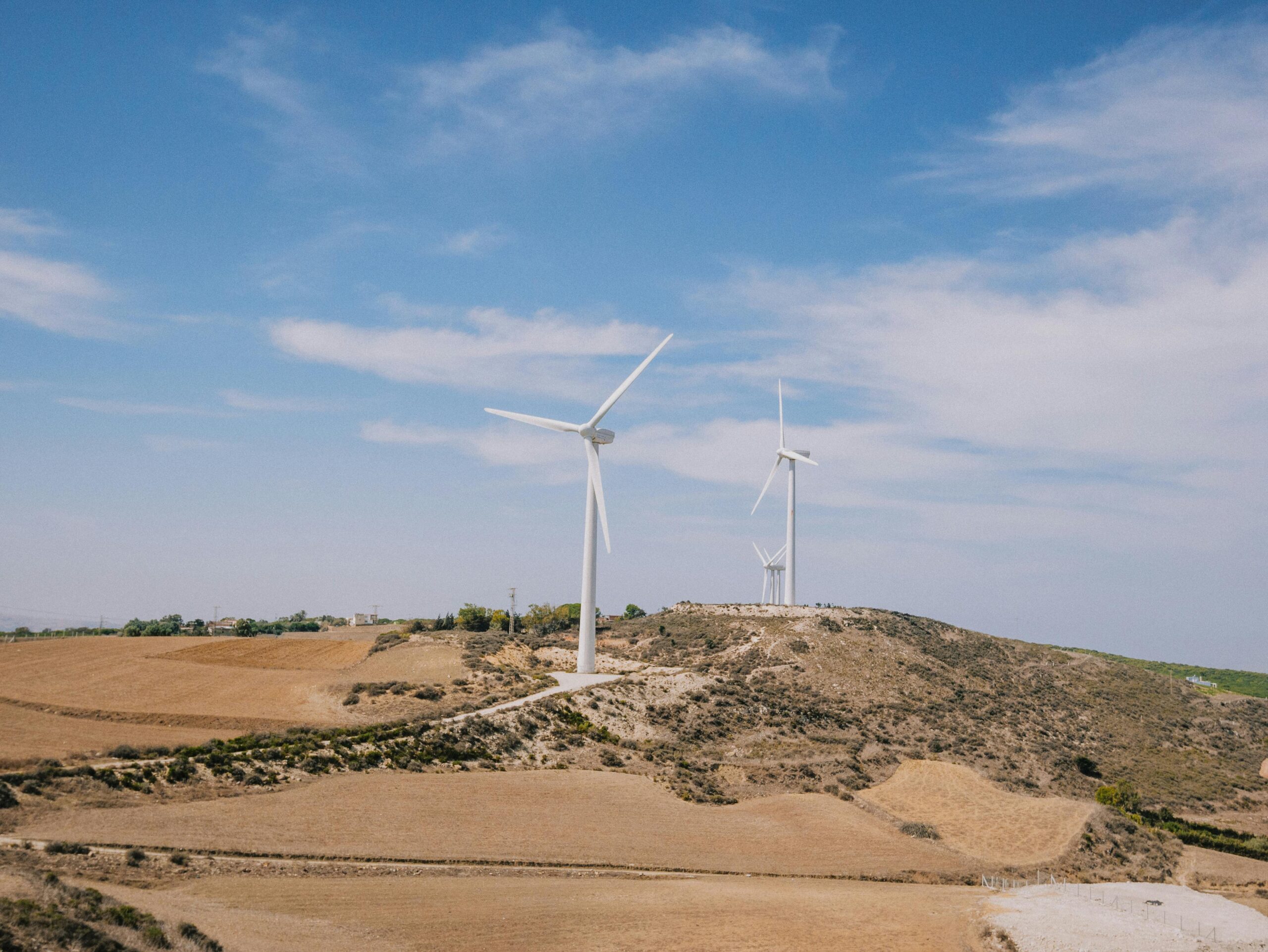
Solar-powered drip irrigation systems eliminate the need for expensive electrical infrastructure or fuel-dependent pumps. These systems deliver water directly to plant roots, reducing evaporation and ensuring every drop counts. Initial investment costs continue to decline, and many governments and NGOs offer subsidies that make these systems accessible to resource-constrained farmers.
Smart irrigation controllers use weather data, soil moisture readings, and plant water requirements to automate irrigation schedules. These affordable devices connect to simple drip systems or existing infrastructure, optimizing water use without requiring constant manual oversight. Farmers report water savings of 30-50% alongside improved crop quality and yields.
🌡️ Climate-Smart Technologies
Climate change disproportionately affects small farmers, making climate adaptation technologies essential for survival and prosperity. Fortunately, affordable innovations are helping farmers build resilience against increasingly unpredictable weather patterns.
Low-cost weather stations and hyper-local forecasting services enable farmers to plan planting, harvesting, and input application with greater precision. These tools help avoid crop losses from unexpected frost, heavy rainfall, or drought conditions by providing advance warning and actionable recommendations.
Shade net technology and affordable greenhouse structures create controlled microclimates that protect crops from extreme temperatures, excessive rainfall, and pest pressure. Simple polytunnel designs using locally available materials extend growing seasons and enable year-round production of high-value crops.
🔬 Soil Health and Fertility Management
Healthy soil forms the foundation of productive agriculture, yet many small farmers lack access to soil testing and customized fertility recommendations. Affordable technologies are bridging this gap with remarkable results.
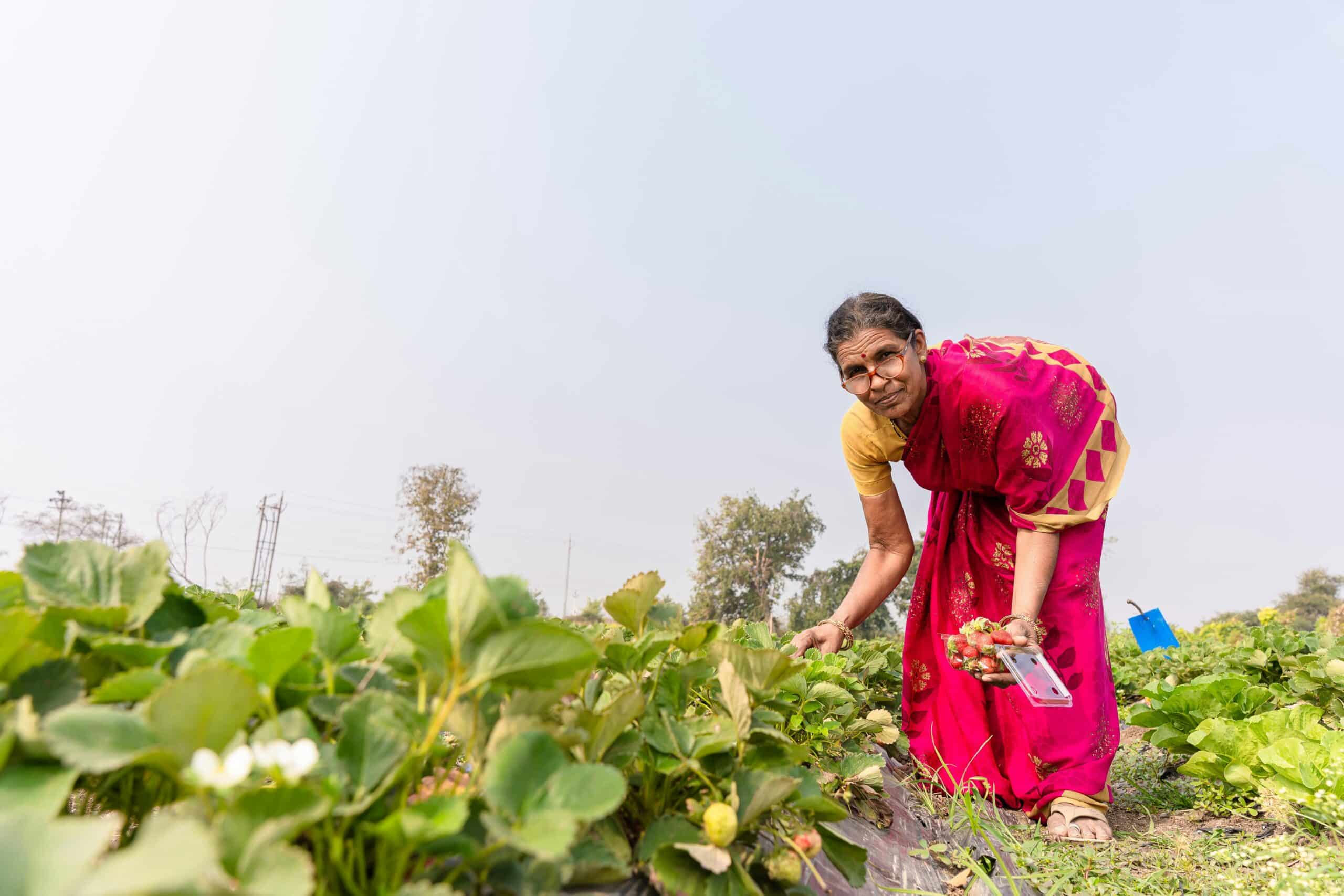
Portable soil testing kits provide quick, affordable nutrient analysis without requiring laboratory facilities. Farmers can test nitrogen, phosphorus, potassium, and pH levels directly in their fields, enabling targeted fertilizer application that reduces costs while improving yields. These kits typically cost a fraction of traditional laboratory testing and deliver results within minutes.
Smartphone-based soil scanning apps use image recognition and spectral analysis to assess soil health indicators. While not replacing comprehensive laboratory analysis, these tools provide valuable insights that guide fertility management decisions and help farmers optimize their fertilizer investments.
♻️ Organic Waste Valorization Technologies
Converting organic waste into valuable farm inputs represents both an economic opportunity and environmental imperative for small farmers. Affordable technologies are making this circular economy approach increasingly practical.
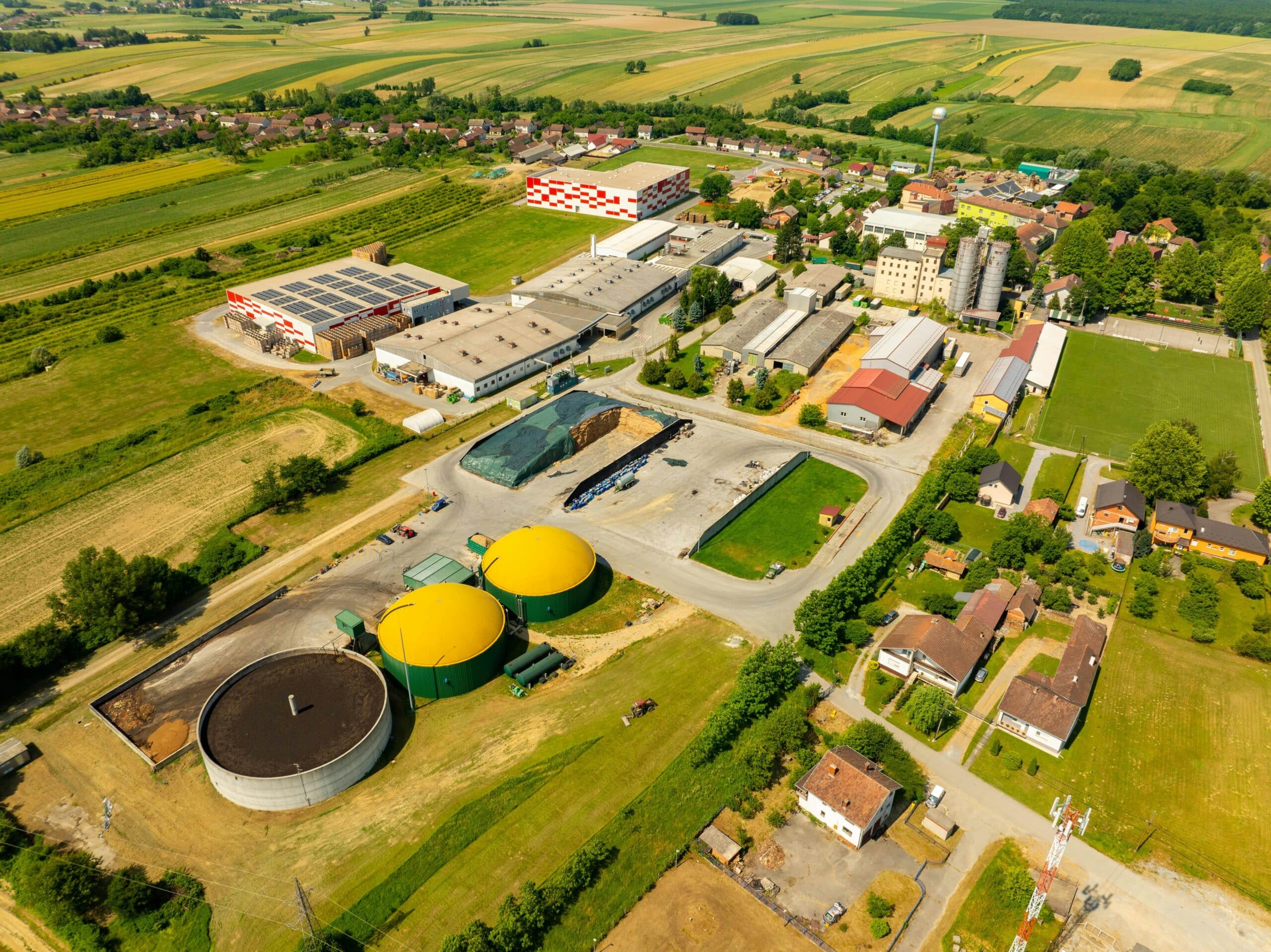
Simple biogas digesters transform animal manure and crop residues into cooking fuel and high-quality organic fertilizer. These systems reduce dependence on expensive chemical fertilizers and firewood while improving farm sanitation and household health. Basic models suitable for small farms require minimal investment and can be constructed using local materials.
Composting accelerators and vermiculture (worm farming) systems enable rapid conversion of organic waste into nutrient-rich soil amendments. These low-tech, high-impact solutions improve soil structure, water retention, and biological activity while reducing chemical fertilizer requirements by up to 50%.
🤖 Mechanization for Small-Scale Operations
Mechanization has traditionally been associated with large farms and heavy machinery beyond the reach of smallholders. However, right-sized, affordable equipment is changing this narrative and addressing labor shortages in rural areas.
Two-wheel tractors and power tillers designed specifically for small plots offer mechanized land preparation, planting, and harvesting at accessible price points. These versatile machines significantly reduce drudgery, increase efficiency, and enable farmers to manage larger areas or diversify their operations.
Equipment-sharing cooperatives and machinery-as-a-service models allow farmers to access mechanization benefits without bearing full ownership costs. Mobile apps connect farmers with equipment owners, facilitating rentals and creating entrepreneurial opportunities within farming communities.
🌱 Seed and Crop Management Innovations
Quality seeds determine potential yields, yet many small farmers struggle to access improved varieties suited to their specific conditions. Technology is democratizing access to better genetics and crop management knowledge.
Digital seed marketplaces connect farmers directly with certified seed producers, ensuring quality while reducing intermediary costs. These platforms provide detailed variety information, user reviews, and agronomic guidance that help farmers select optimal seeds for their conditions and market opportunities.
Crop monitoring applications use satellite imagery and artificial intelligence to track crop development, identify stress conditions, and predict yields. These early warning systems enable timely interventions that prevent minor issues from becoming major losses, protecting farmer investments and improving food security.
📊 Market Access and Value Chain Integration
Production improvements mean little if farmers cannot access fair markets for their produce. Digital platforms are revolutionizing market linkages and empowering farmers to capture more value from their labor.
Farm-to-market apps connect producers directly with buyers, eliminating exploitative middlemen and ensuring farmers receive fair prices. These platforms provide real-time market information, facilitate negotiations, and arrange logistics, making market participation more transparent and profitable for smallholders.
Blockchain-based traceability systems are becoming accessible to small farmers through cooperative models, enabling them to verify product origins and access premium markets demanding sustainability certifications. This transparency builds consumer trust and rewards farmers who adopt environmentally responsible practices.
💰 Financial Technology Empowering Agriculture
Access to finance remains a critical constraint for small farmers seeking to adopt new technologies or expand operations. FinTech innovations are addressing this challenge through creative, data-driven approaches.
Digital credit scoring uses alternative data sources like mobile phone usage, input purchase patterns, and satellite-derived crop assessments to evaluate creditworthiness. This approach enables farmers without traditional collateral or credit histories to access loans for productivity-enhancing investments.
Micro-insurance products delivered through mobile platforms protect farmers against weather risks, pest outbreaks, and price volatility at affordable premiums. These safety nets encourage farmers to invest in improved practices and higher-value crops without fear of catastrophic losses.
🎓 Knowledge Sharing and Extension Services
Agricultural knowledge transfer has historically been limited by insufficient extension workers and communication barriers. Digital technologies are dramatically expanding learning opportunities for small farmers worldwide.
Video-based learning platforms deliver agronomic training in local languages, demonstrating best practices through visual instruction that transcends literacy barriers. Farmers can access this content on-demand, reviewing techniques as needed during actual field operations.
Farmer-to-farmer knowledge networks facilitated through social media and messaging apps create communities of practice where smallholders share experiences, troubleshoot challenges, and celebrate successes. These peer learning environments often prove more effective than top-down extension approaches, building confidence and fostering innovation adoption.
🌍 Sustainability Monitoring and Certification
Consumers increasingly demand sustainably produced food, creating market opportunities for environmentally conscious farmers. Affordable technologies are making sustainability verification accessible to smallholders.
Digital farm record-keeping applications help farmers document their practices, track input use, and demonstrate compliance with sustainability standards. This documentation supports certification processes that unlock premium markets while providing valuable data for continuous improvement.
Remote sensing technologies monitor environmental indicators like forest cover, water quality, and biodiversity, providing objective evidence of sustainable land management. Small farmers can access this data through cooperative arrangements, demonstrating their environmental stewardship to buyers and certification bodies.
🔋 Renewable Energy Powering Agricultural Transformation
Energy access fundamentally constrains agricultural productivity in many rural areas. Affordable renewable energy technologies are removing this barrier while supporting environmental sustainability.
Solar-powered solutions extend beyond irrigation to include crop processing, cold storage, and value addition activities. Declining solar panel costs make these systems increasingly viable for small farms, reducing post-harvest losses and enabling farmers to process products for higher-value markets.
Portable solar charging stations ensure farmers can keep mobile devices powered even without grid electricity, maintaining connectivity to information services, market platforms, and digital financial tools that drive productivity improvements.
🚜 Looking Ahead: The Future of Smallholder Agriculture
The technological transformation of small-scale agriculture is accelerating, driven by continued innovation, declining costs, and growing recognition of smallholder importance to global food security and sustainability.
Artificial intelligence and machine learning are being integrated into farmer-facing applications, providing increasingly sophisticated recommendations tailored to specific farm conditions and objectives. These tools will continue becoming more accurate and accessible, further closing the knowledge gap between large and small operations.
Internet of Things (IoT) devices will proliferate in rural areas as connectivity expands and device costs decline, creating comprehensive farm management systems that automate routine tasks and optimize resource use. Small farmers will benefit from these developments through cooperative ownership models and service-based arrangements.
The convergence of these technologies creates synergies that amplify individual impacts. A farmer using a weather app can make better irrigation decisions with a soil moisture sensor, document practices through a farm management app, and access credit based on satellite-verified crop performance. This integrated approach maximizes productivity gains while building resilience and sustainability.
Governments, development organizations, and private sector actors increasingly recognize that investing in smallholder-appropriate technologies delivers impressive returns in food security, poverty reduction, and environmental conservation. This growing support will accelerate innovation adoption and ensure technologies reach the farmers who need them most.
The empowerment of small farmers through affordable technology represents one of agriculture’s most promising developments. By combining traditional knowledge with modern tools, smallholders are proving that sustainable intensification is achievable at any scale. These innovations aren’t just boosting productivity—they’re transforming livelihoods, strengthening communities, and building food systems that can nourish a growing global population while respecting planetary boundaries. The agricultural revolution is indeed being democratized, one small farm at a time. 🌾

Toni Santos is a visual storyteller and archival artisan whose creative journey is steeped in the bold colors, dramatic typography, and mythic imagery of old circus posters. Through his artistic lens, Toni breathes new life into these once-lurid canvases of wonder, transforming them into tributes to a golden era of spectacle, showmanship, and cultural fantasy.
Fascinated by the visual language of vintage circuses — from roaring lions to gravity-defying acrobats, from hand-painted banners to gothic typefaces — Toni explores how these posters once captured the imagination of entire towns with nothing more than ink, illusion, and a promise of awe. Each composition he creates or studies is a dialogue with history, nostalgia, and the raw aesthetics of entertainment on the move.
With a background in handcrafted design and visual heritage, Toni blends artistic sensitivity with historical insight. His work traces the forgotten typographies, chromatic choices, and symbolic flair that defined circus marketing in the 19th and early 20th centuries — a time when posters were not just advertisements, but portable portals to dreamworlds.
As the creative force behind Vizovex, Toni curates collections, illustrations, and thoughtful narratives that reconnect modern audiences with the magic of old circus art — not just as ephemera, but as cultural memory etched in paper and pigment.
His work is a tribute to:
The flamboyant storytelling of early circus posters
The lost art of hand-lettered show promotion
The timeless charm of visual fantasy in public space
Whether you’re a vintage print enthusiast, a circus history lover, or a designer inspired by antique aesthetics, Toni invites you into a world where tigers leap through fire, strongmen pose in perfect symmetry, and every corner of the poster whispers: Step right up.