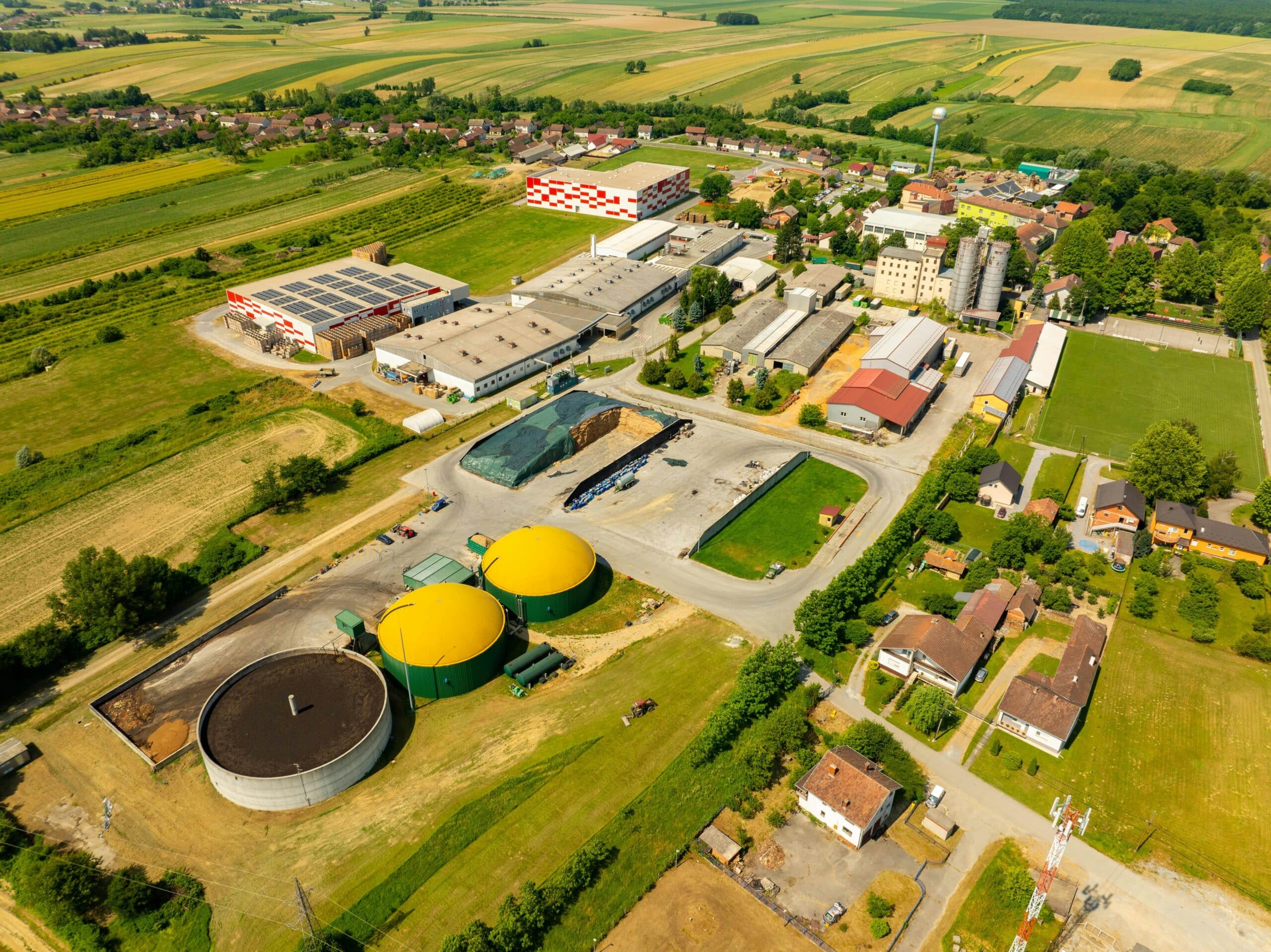
Rural connectivity remains one of the most critical barriers preventing millions from accessing essential digital services, education, healthcare, and economic opportunities in today’s interconnected world.
🌍 The Digital Divide: Understanding Rural Connectivity Challenges
The gap between urban and rural internet access continues to widen despite technological advances. While metropolitan areas enjoy high-speed broadband and 5G networks, rural communities often struggle with basic connectivity. This disparity creates significant obstacles for agricultural development, remote education, telemedicine, and economic growth in underserved regions.
According to recent studies, approximately 3.7 billion people worldwide remain unconnected to the internet, with the majority residing in rural and remote areas. This digital exclusion perpetuates cycles of poverty and limits opportunities for social mobility, making connectivity infrastructure a fundamental requirement for sustainable development.
🚧 Infrastructure Barriers Facing Remote Regions
The primary challenge in bringing connectivity to rural areas lies in the substantial infrastructure investments required. Telecommunications companies often find it economically unviable to extend fiber optic cables or build cell towers in sparsely populated regions where the return on investment takes decades to materialize.
Geographic obstacles compound these challenges. Mountainous terrain, dense forests, deserts, and vast distances between settlements make traditional infrastructure deployment extremely costly and technically complex. Weather conditions in remote areas can also damage equipment more frequently, increasing maintenance costs and service interruptions.
Economic Viability and Market Failures
The business case for rural connectivity often doesn’t align with commercial interests. Low population density means fewer potential customers per square kilometer, while the cost per connection remains disproportionately high. This market failure necessitates alternative approaches involving government intervention, public-private partnerships, and innovative financing models.
Additionally, rural populations typically have lower average incomes, making expensive data plans and devices unaffordable. Even when infrastructure exists, affordability remains a critical barrier preventing widespread adoption and usage of digital services.
💡 Innovative Technologies Transforming Rural Connectivity
Fortunately, emerging technologies are creating new possibilities for bridging the digital divide. These solutions offer more cost-effective and practical alternatives to traditional infrastructure deployment in challenging environments.
Satellite Internet Solutions
Low Earth Orbit (LEO) satellite constellations represent a revolutionary approach to rural connectivity. Companies deploying thousands of satellites in lower orbits can provide high-speed internet access to virtually any location on Earth, bypassing the need for terrestrial infrastructure entirely.
These satellite networks offer latency comparable to traditional broadband, making them suitable for applications requiring real-time communication. While initial equipment costs remain relatively high, increasing competition and technological improvements are steadily reducing prices, making satellite internet increasingly accessible to rural communities.
Wireless Technologies and TV White Spaces
Innovative wireless solutions utilizing unused television broadcast frequencies—known as TV White Spaces (TVWS)—provide another promising avenue for rural connectivity. These frequencies travel longer distances and penetrate obstacles better than traditional WiFi, making them ideal for covering large rural areas with minimal infrastructure.
Long-range WiFi technologies and mesh networks also enable communities to establish their own connectivity solutions with relatively modest investments. Community-owned networks empower local populations to take control of their digital infrastructure while fostering digital literacy and technical skills development.
Mobile Network Expansion Strategies
Mobile networks continue evolving with technologies specifically designed for rural deployment. Lightweight, solar-powered base stations can be deployed rapidly in remote areas without reliable electricity grids. These solutions significantly reduce both capital and operational expenses, improving the business case for rural mobile coverage.
Network sharing agreements between competing operators also help reduce infrastructure costs by allowing multiple service providers to utilize the same physical infrastructure, spreading expenses across larger customer bases.
📚 Educational Transformation Through Connectivity
Internet access fundamentally transforms educational opportunities in rural communities. Digital connectivity enables distance learning, providing students in remote areas access to quality educational resources, expert teachers, and diverse curricula previously unavailable to them.
Online educational platforms, video conferencing tools, and digital libraries democratize knowledge access, helping rural students compete on equal footing with urban counterparts. During the COVID-19 pandemic, the importance of digital connectivity for education became starkly apparent as schools worldwide shifted to remote learning.
Bridging the Homework Gap
The “homework gap” refers to the disadvantage students without home internet access face when completing assignments requiring online research or submission. Rural students disproportionately experience this challenge, affecting their academic performance and future opportunities.
Community WiFi initiatives, mobile hotspot lending programs, and partnerships with local libraries help address this gap by providing students with connectivity options outside school hours. These programs recognize that educational equity requires not just classroom technology but comprehensive connectivity solutions.
🏥 Healthcare Accessibility and Telemedicine Opportunities
Reliable internet connectivity dramatically improves healthcare access in rural communities where medical facilities and specialists are often scarce. Telemedicine enables remote consultations, reducing the need for patients to travel long distances for routine appointments or specialist care.
Remote monitoring devices connected to the internet allow healthcare providers to track patients with chronic conditions, enabling early intervention and preventing emergencies. This technology is particularly valuable for elderly rural populations who may have limited mobility or transportation options.
Emergency Response and Health Information
Connectivity plays a critical role in emergency medical situations. Fast, reliable communication enables rapid coordination between rural clinics and urban hospitals, facilitating timely transfers and specialist guidance during critical procedures.
Digital health information systems help rural healthcare providers access patient records, medical research, and treatment protocols, improving care quality even in resource-constrained settings. Continuing medical education through online platforms also helps rural healthcare workers maintain current knowledge and skills.
🌾 Agricultural Innovation and Economic Development
Modern agriculture increasingly relies on digital technologies that require internet connectivity. Precision agriculture uses sensors, drones, and data analytics to optimize crop yields, reduce resource waste, and minimize environmental impact.
Farmers with internet access can monitor weather patterns, access market price information, receive expert agricultural advice, and participate in online marketplaces that connect them directly with buyers. These capabilities significantly improve agricultural productivity and farmer incomes.
Financial Inclusion Through Digital Banking
Connectivity enables rural populations to access digital financial services, reducing dependence on cash and informal lending systems. Mobile banking applications allow farmers to receive payments, access credit, save money, and make purchases without traveling to distant bank branches.
Digital payment systems reduce transaction costs, increase transparency, and create financial records that help rural entrepreneurs establish credit histories and access formal financing. This financial inclusion is essential for economic development and poverty reduction in rural areas.
🤝 Successful Models and Case Studies
Examining successful rural connectivity initiatives provides valuable insights into effective approaches and replicable models. Different contexts require tailored solutions, but certain principles consistently emerge across successful programs.
Community-Led Initiatives
Community ownership and participation significantly increase the sustainability and relevance of connectivity projects. When local populations are involved in planning, implementing, and maintaining infrastructure, projects better address actual needs and benefit from local knowledge and commitment.
Cooperative models where communities collectively invest in and manage their connectivity infrastructure have demonstrated remarkable success in various countries. These initiatives often combine infrastructure provision with digital literacy training, ensuring communities can fully utilize available connectivity.
Public-Private Partnerships
Effective collaboration between governments, telecommunications companies, and civil society organizations leverages the strengths of each sector. Governments can provide policy support, regulatory frameworks, and subsidies; private companies contribute technical expertise and operational efficiency; civil society ensures community needs are prioritized.
Universal service funds—funded through telecommunications taxes and dedicated to expanding connectivity in underserved areas—have successfully financed rural infrastructure projects in numerous countries. These mechanisms ensure that profits from profitable urban markets help subsidize essential rural connectivity.
📱 Digital Literacy and Meaningful Connectivity
Infrastructure alone doesn’t guarantee meaningful connectivity. Digital literacy programs are essential to ensure rural populations can effectively use internet access for education, healthcare, business, and civic participation.
Training programs should address diverse needs, from basic device operation to advanced digital skills like online business management or digital content creation. Culturally appropriate, locally relevant content in native languages increases engagement and adoption rates.
Addressing Gender and Age Disparities
Within rural communities, women, elderly individuals, and other marginalized groups often face additional barriers to digital access. Targeted programs addressing these disparities ensure that connectivity benefits reach all community members equitably.
Women-specific digital literacy programs, for example, can overcome cultural barriers and provide safe learning environments while addressing practical applications relevant to women’s roles in rural economies and families.
🌱 Environmental Sustainability Considerations
Rural connectivity solutions must consider environmental sustainability, both in infrastructure deployment and energy consumption. Solar-powered equipment, energy-efficient technologies, and minimal environmental disruption during installation are increasingly important considerations.
Connectivity itself can support environmental conservation through remote monitoring of forests, wildlife, and water resources. Digital tools enable sustainable resource management practices that balance economic development with environmental protection.
🚀 Policy Frameworks and Regulatory Support
Effective government policies are crucial for accelerating rural connectivity. Regulatory frameworks that encourage competition, reduce bureaucratic barriers to infrastructure deployment, and provide appropriate incentives can significantly accelerate progress.
Spectrum allocation policies specifically designed for rural connectivity, streamlined licensing procedures for rural operators, and tax incentives for infrastructure investment in underserved areas all contribute to improved outcomes.
International Cooperation and Knowledge Sharing
Rural connectivity challenges transcend national borders, making international cooperation valuable for sharing best practices, coordinating technical standards, and mobilizing resources. Global initiatives focused on universal connectivity facilitate knowledge exchange and provide technical assistance to developing countries.
International development organizations, multilateral banks, and technology companies increasingly recognize rural connectivity as a development priority, leading to growing financial and technical support for national connectivity programs.
🔮 Future Prospects and Emerging Trends
The future of rural connectivity looks increasingly promising as technologies continue advancing and costs decline. Artificial intelligence and machine learning are being applied to optimize network performance and predict maintenance needs, reducing operational costs.
Edge computing brings data processing capabilities closer to rural users, reducing latency and bandwidth requirements. This technological evolution makes sophisticated applications viable even in areas with limited connectivity infrastructure.
The integration of connectivity with other sustainable development initiatives—renewable energy, water management, climate adaptation—creates synergies that multiply the impact of infrastructure investments and improve overall community resilience.
🎯 Measuring Impact and Ensuring Accountability
Robust monitoring and evaluation frameworks are essential for understanding the actual impact of connectivity initiatives and ensuring accountability. Metrics should extend beyond simple coverage statistics to measure meaningful use, economic outcomes, educational improvements, and health indicators.
Participatory evaluation approaches that include community voices ensure that success is measured not just in technical terms but in genuine improvements to people’s lives. Regular feedback loops allow programs to adapt and improve based on actual user experiences.
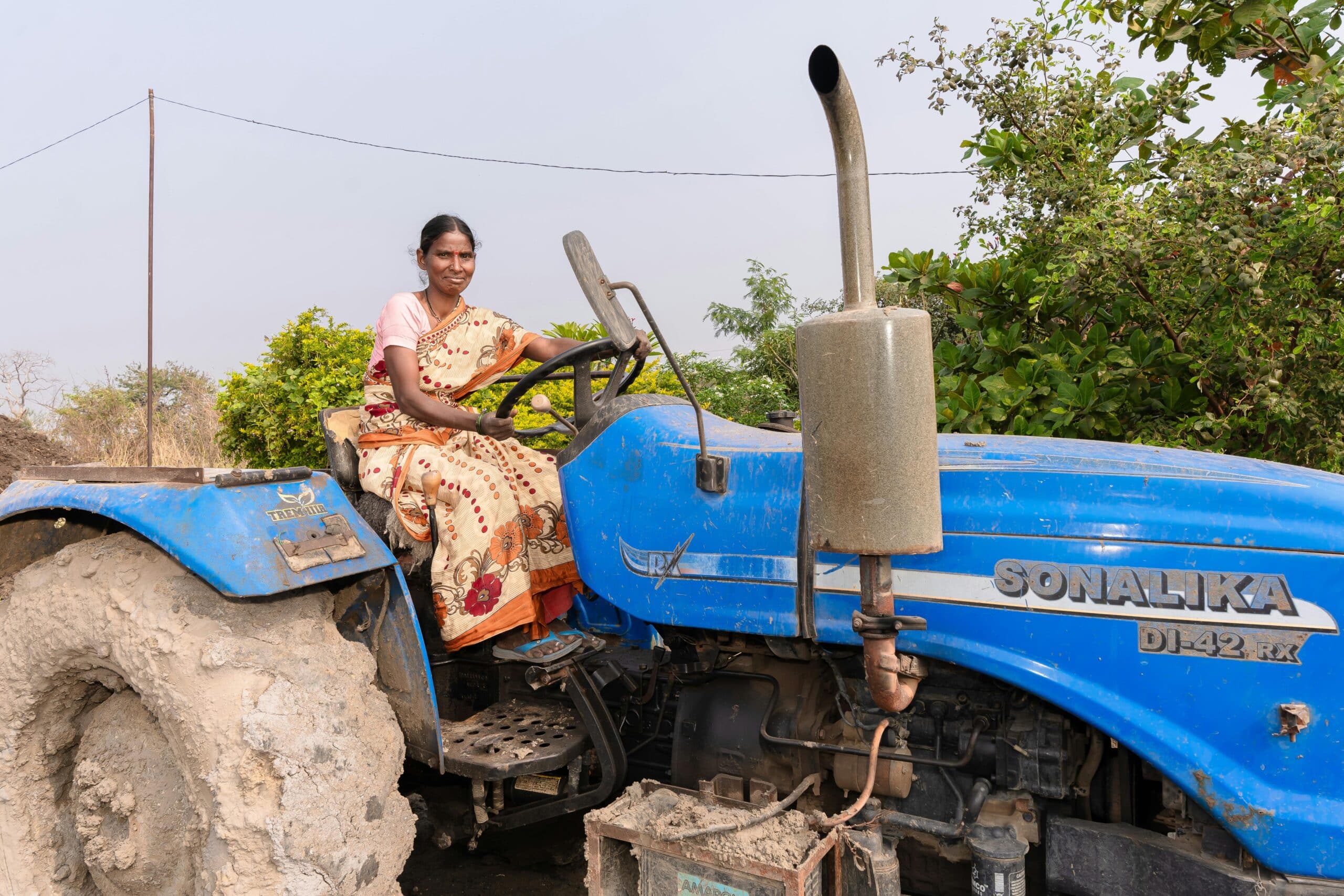
✨ Building Connected, Empowered Rural Futures
Overcoming rural connectivity challenges requires sustained commitment, innovative thinking, and collaborative action across sectors and borders. The digital divide is not inevitable—it results from policy choices, investment priorities, and technological deployment strategies that can be changed.
Success stories from around the world demonstrate that rural connectivity is achievable when appropriate technologies are matched with supportive policies, adequate financing, and genuine community engagement. Each connected rural community represents thousands of individuals gaining access to opportunities previously beyond their reach.
The pathway forward demands continued innovation in both technology and implementation models. It requires recognizing connectivity not as a luxury but as essential infrastructure comparable to roads, electricity, and water. It necessitates viewing rural populations not as recipients of charity but as active participants in and beneficiaries of the digital economy.
As we advance toward increasingly connected futures, ensuring that rural communities are included is both a moral imperative and an economic opportunity. The talents, knowledge, and potential residing in rural areas worldwide represent vast untapped resources that connectivity can help unlock.
The bridging of the digital divide will not happen overnight, but with sustained effort, smart investments, and inclusive approaches, universal connectivity is within reach. When rural communities gain reliable, affordable internet access, they gain the tools to shape their own destinies, preserve their cultures, develop their economies, and participate fully in global digital society.
The question is no longer whether rural connectivity is possible, but how quickly we can make it universal. The technologies exist, the benefits are clear, and the need is urgent. What remains is the collective will to prioritize this fundamental enabler of human potential and sustainable development for all, regardless of geography.

Toni Santos is a visual storyteller and archival artisan whose creative journey is steeped in the bold colors, dramatic typography, and mythic imagery of old circus posters. Through his artistic lens, Toni breathes new life into these once-lurid canvases of wonder, transforming them into tributes to a golden era of spectacle, showmanship, and cultural fantasy.
Fascinated by the visual language of vintage circuses — from roaring lions to gravity-defying acrobats, from hand-painted banners to gothic typefaces — Toni explores how these posters once captured the imagination of entire towns with nothing more than ink, illusion, and a promise of awe. Each composition he creates or studies is a dialogue with history, nostalgia, and the raw aesthetics of entertainment on the move.
With a background in handcrafted design and visual heritage, Toni blends artistic sensitivity with historical insight. His work traces the forgotten typographies, chromatic choices, and symbolic flair that defined circus marketing in the 19th and early 20th centuries — a time when posters were not just advertisements, but portable portals to dreamworlds.
As the creative force behind Vizovex, Toni curates collections, illustrations, and thoughtful narratives that reconnect modern audiences with the magic of old circus art — not just as ephemera, but as cultural memory etched in paper and pigment.
His work is a tribute to:
The flamboyant storytelling of early circus posters
The lost art of hand-lettered show promotion
The timeless charm of visual fantasy in public space
Whether you’re a vintage print enthusiast, a circus history lover, or a designer inspired by antique aesthetics, Toni invites you into a world where tigers leap through fire, strongmen pose in perfect symmetry, and every corner of the poster whispers: Step right up.