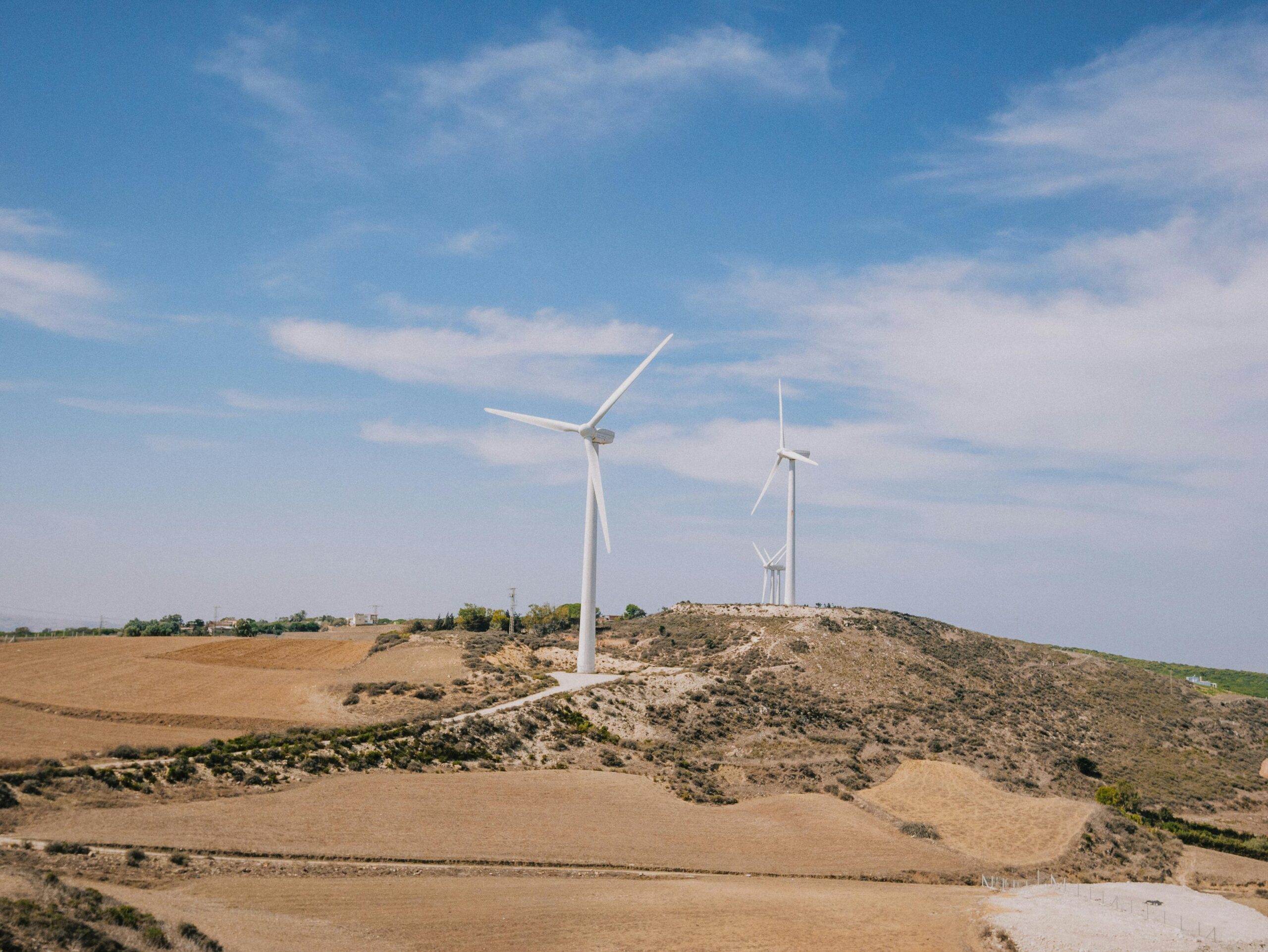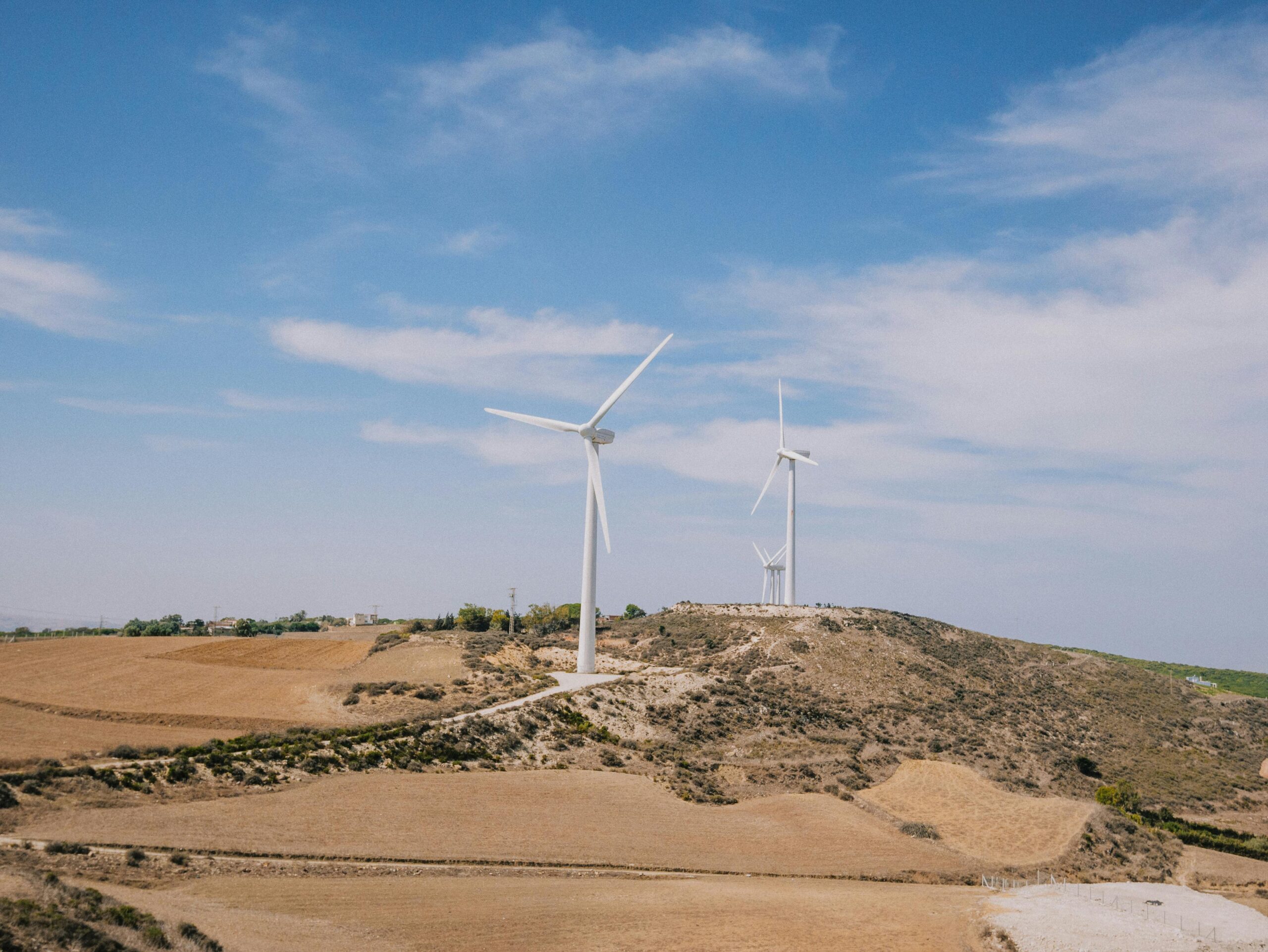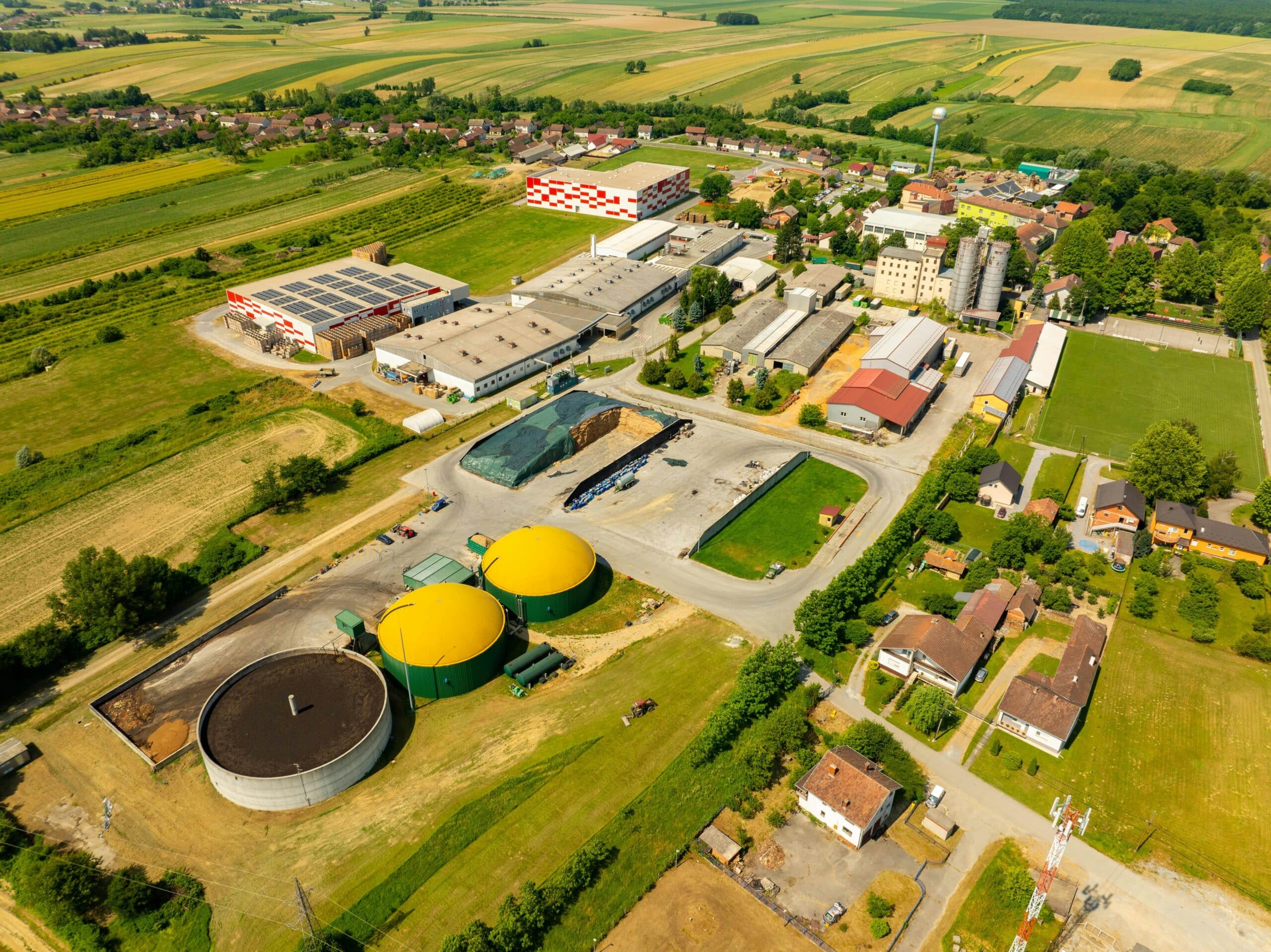
Smart greenhouses are transforming modern agriculture by merging cutting-edge technology with traditional farming practices, creating sustainable and highly efficient food production systems for tomorrow.
🌱 The Dawn of a New Agricultural Era
Agriculture stands at a pivotal crossroads. With global population projections reaching nearly 10 billion by 2050, traditional farming methods face unprecedented challenges. Climate change, water scarcity, diminishing arable land, and increasing demand for organic produce have created an urgent need for innovation. Smart greenhouses emerge as the revolutionary solution, combining Internet of Things (IoT) sensors, artificial intelligence, and automated systems to optimize every aspect of crop production.
These advanced structures represent far more than simple glass enclosures. They function as sophisticated ecosystems where temperature, humidity, light intensity, CO2 levels, and nutrient delivery are meticulously controlled and adjusted in real-time. The result? Higher yields, reduced resource consumption, and crops grown with minimal environmental impact regardless of external weather conditions or geographical limitations.
Understanding Smart Greenhouse Technology
At their core, smart greenhouses leverage interconnected sensors and automated systems to create optimal growing conditions. Environmental sensors continuously monitor critical parameters including temperature fluctuations, soil moisture levels, light spectrum distribution, and atmospheric composition. This data streams to central control systems powered by sophisticated algorithms that make split-second adjustments to maintain perfect growing conditions.
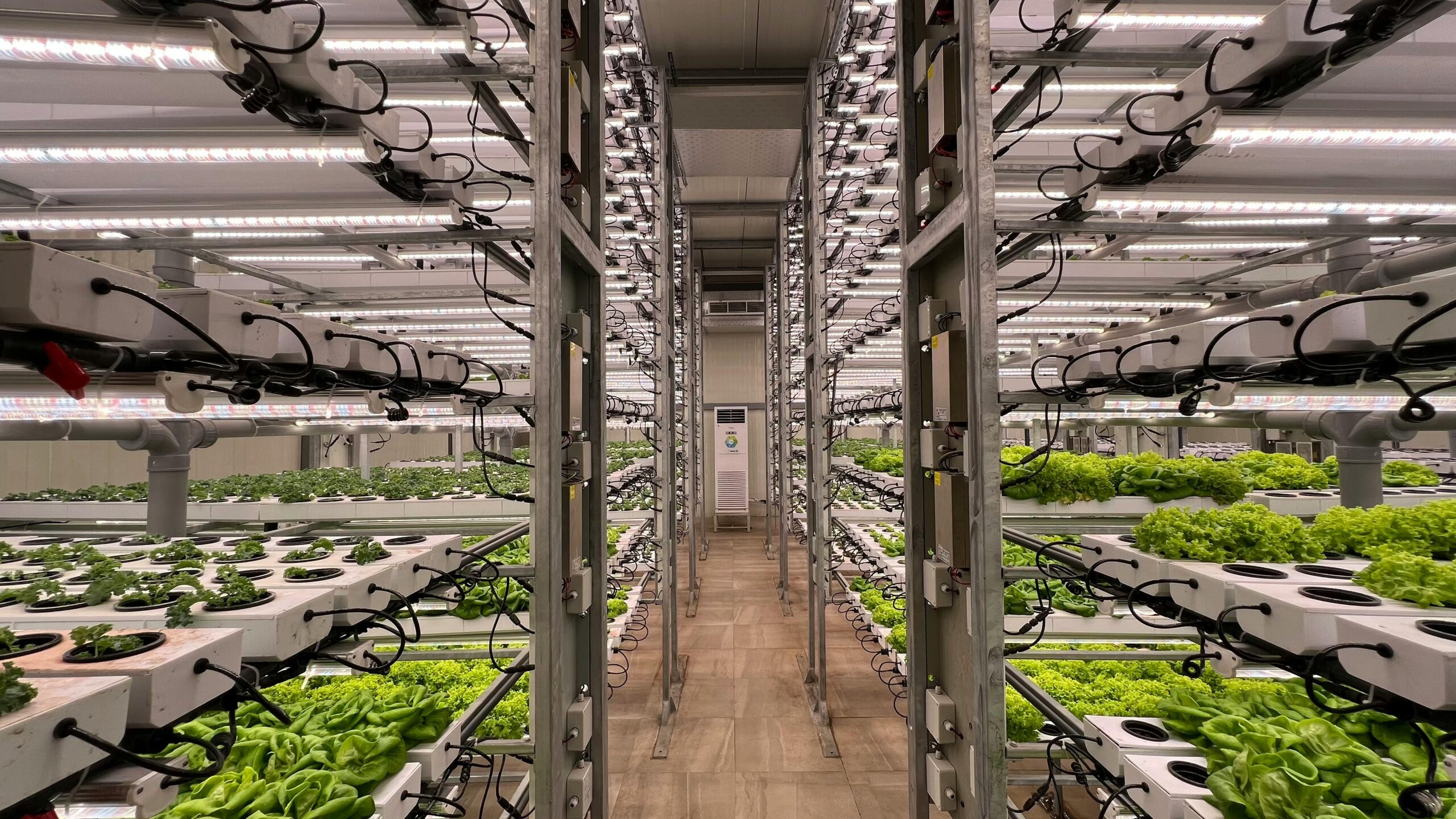
Climate control systems automatically regulate heating, cooling, and ventilation. When temperatures rise beyond preset thresholds, automated vents open while evaporative cooling systems activate. During colder periods, intelligent heating systems maintain warmth with remarkable energy efficiency. LED grow lights with customizable spectral outputs provide precisely calibrated illumination, compensating for insufficient natural sunlight and even manipulating plant growth phases.
🤖 Artificial Intelligence and Machine Learning Integration
The true game-changer lies in artificial intelligence integration. Machine learning algorithms analyze historical data patterns, weather forecasts, and plant growth stages to predict optimal environmental adjustments before problems arise. These systems learn from each growing cycle, continuously refining their strategies to maximize yields while minimizing resource consumption.
Predictive analytics identify potential disease outbreaks by detecting subtle changes in plant appearance through computer vision systems. Early intervention prevents crop losses that would devastate traditional farming operations. AI-powered systems also optimize harvest timing, ensuring crops reach peak nutritional value and flavor profiles.
Revolutionary Benefits Reshaping Food Production
Smart greenhouses deliver transformative advantages that address multiple agricultural challenges simultaneously. Water conservation stands among the most impressive achievements. Advanced irrigation systems use up to 90% less water than conventional farming through precision drip irrigation and closed-loop hydroponic systems that recirculate nutrient solutions.
Year-round production eliminates seasonal limitations. Farmers in harsh climates can grow tropical fruits during winter months, while desert regions produce water-intensive crops with minimal waste. This geographic flexibility reduces transportation needs, cutting carbon emissions while delivering fresher produce to local markets.
📊 Productivity and Efficiency Metrics
The productivity gains are staggering. Smart greenhouses typically achieve 10-20 times higher yields per square meter compared to traditional field farming. Vertical growing systems maximize space utilization, stacking growing layers to increase production density. LED lighting enables 24-hour growth cycles for certain crops, dramatically accelerating time-to-harvest.
Resource efficiency extends beyond water conservation. Precision fertilization systems deliver exact nutrient quantities at optimal times, eliminating runoff pollution while reducing fertilizer costs by 30-50%. Energy management systems integrate renewable sources like solar panels and use thermal mass storage to minimize heating and cooling expenses.
Core Components of Modern Smart Greenhouses
Building an effective smart greenhouse requires carefully integrated components working in harmony. Understanding these elements helps farmers and investors make informed decisions about implementation strategies.
- Environmental Sensors: Temperature, humidity, CO2, and light sensors provide real-time data
- Automated Climate Control: HVAC systems, shade curtains, and ventilation managed by central controllers
- Irrigation Systems: Drip lines, hydroponic setups, or aeroponic systems with automated nutrient delivery
- LED Grow Lights: Customizable spectrum lighting optimized for different growth phases
- Control Software: User-friendly dashboards providing remote monitoring and adjustment capabilities
- Power Management: Integration with renewable energy sources and battery backup systems
- Security Systems: Cameras, access controls, and pest detection mechanisms
💡 Lighting Technology Innovations
Lighting represents one of the most rapidly evolving smart greenhouse technologies. Modern LED systems offer tunable wavelengths that can be adjusted throughout plant life cycles. Blue spectrum wavelengths promote vegetative growth and compact plant structures, while red wavelengths encourage flowering and fruiting.
Far-red light manipulation controls plant morphology and accelerates flowering in photoperiod-sensitive crops. UV light exposure can enhance beneficial compound production in medicinal herbs and improve pest resistance. Dynamic lighting recipes programmed into control systems automatically adjust spectral outputs as plants mature, optimizing photosynthesis efficiency.
Implementation Strategies for Different Scales
Smart greenhouse technology scales remarkably well, serving everyone from hobby gardeners to commercial agricultural operations. Understanding appropriate implementation strategies for different scales ensures successful adoption.
Small-scale enthusiasts and urban farmers can begin with compact smart growing systems featuring basic automation. Simple sensor kits connect to smartphone apps, providing monitoring capabilities and automated watering. These entry-level systems typically cost between $500-$5,000 and fit in backyards or rooftops.
🏢 Commercial-Scale Operations
Medium to large commercial greenhouses require substantial investment but deliver impressive returns. These facilities span thousands to millions of square feet, incorporating sophisticated automation, robotic harvesting systems, and comprehensive data analytics platforms. Initial investments range from $100,000 for smaller commercial operations to tens of millions for cutting-edge mega-facilities.
Financing options include agricultural loans, government grants promoting sustainable farming, and venture capital for technology-forward operations. Many regions offer tax incentives and subsidies for adopting water-conserving and energy-efficient agricultural technologies.
| Scale | Size Range | Investment Range | Best For |
|---|---|---|---|
| Hobby/Small | 50-500 sq ft | $500-$5,000 | Personal use, urban gardening |
| Small Commercial | 500-5,000 sq ft | $10,000-$100,000 | Local markets, restaurants |
| Medium Commercial | 5,000-50,000 sq ft | $100,000-$2 million | Regional distribution |
| Large Commercial | 50,000+ sq ft | $2 million+ | National/international supply |
Crop Selection and Optimization Techniques
Not all crops benefit equally from smart greenhouse cultivation. High-value produce with consistent market demand offers the best return on investment. Leafy greens like lettuce, spinach, and kale thrive in controlled environments with rapid growth cycles enabling multiple harvests annually.
Tomatoes, peppers, and cucumbers command premium prices when grown hydroponically with perfect environmental control. Strawberries produce exceptional yields in vertical systems with optimized lighting. Herbs, microgreens, and specialty vegetables for high-end restaurants represent lucrative niche markets.
🌿 Specialized Crop Applications
Cannabis cultivation has driven significant smart greenhouse innovation due to stringent quality requirements and high product values. Precise environmental control ensures consistent cannabinoid profiles while maximizing yields. Technologies developed for this industry now benefit mainstream agriculture.
Pharmaceutical crops and plants producing specialized compounds require exacting growing conditions that smart greenhouses deliver reliably. Research facilities use controlled environments to study plant responses to specific stimuli, advancing agricultural science.
Overcoming Implementation Challenges
Despite tremendous benefits, smart greenhouse adoption faces obstacles. High initial capital requirements deter many farmers, particularly in developing regions. Technical complexity intimidates growers accustomed to traditional methods, while ongoing maintenance demands new skill sets.
Energy costs for lighting and climate control can be substantial without renewable integration. Grid electricity expenses in some regions make operations economically unfeasible without solar panels or wind turbines. Battery storage systems add costs but provide energy security and reduce peak demand charges.
🔧 Training and Support Systems
Educational programs addressing knowledge gaps are expanding globally. Agricultural universities offer courses in controlled environment agriculture, while equipment manufacturers provide training programs. Online communities and forums enable growers to share experiences and troubleshoot problems collaboratively.
Managed service providers now offer “Greenhouse-as-a-Service” models where experienced operators manage technology systems while farmers focus on cultivation expertise. This approach reduces technical barriers while ensuring optimal system performance.
Environmental Impact and Sustainability Considerations
Smart greenhouses dramatically reduce agriculture’s environmental footprint when properly designed. Water recycling systems capture and reuse up to 95% of irrigation water, critical in drought-prone regions. Eliminating agricultural runoff prevents nutrient pollution in waterways that creates dead zones and harms aquatic ecosystems.
Pesticide use drops dramatically or disappears entirely in sealed environments with integrated pest management. Beneficial insects control pest populations naturally, while environmental monitoring detects problems before infestations establish. This produces cleaner food while protecting farmworker health.
Carbon footprint calculations must account for construction materials, energy sources, and transportation distances. Locally-operated smart greenhouses using renewable energy can achieve carbon-negative status by eliminating long-distance food transportation and sequestering carbon in growing media.
The Economic Equation: Costs Versus Returns
Financial viability depends on numerous factors including location, crop selection, market access, and operational efficiency. Well-managed commercial operations typically achieve profitability within 3-7 years, with some high-value crop operations recovering investments faster.
Revenue potential varies dramatically by crop and market positioning. Premium organic produce can command prices 2-3 times higher than conventional alternatives. Direct-to-consumer sales through farmer’s markets, subscription boxes, or restaurant partnerships maximize profit margins by eliminating middlemen.
Operating costs include energy, labor, seeds, growing media, nutrients, and maintenance. Automation reduces labor requirements significantly, though skilled technicians command higher wages. Energy represents the largest variable cost, making renewable integration crucial for long-term profitability.
🚀 Future Innovations on the Horizon
Emerging technologies promise even more dramatic improvements. Robotics will handle increasingly complex tasks from transplanting seedlings to selective harvesting of ripe produce. Computer vision systems will grade and sort crops automatically while detecting quality issues invisible to human eyes.
Blockchain integration will provide complete traceability from seed to consumer, verifying organic practices and supply chain integrity. Consumers increasingly demand transparency about food origins, creating competitive advantages for technologically sophisticated producers.
Genetic optimization through CRISPR and other breeding technologies will develop varieties specifically designed for controlled environment cultivation. These plants will maximize resource efficiency while delivering superior nutrition, flavor, and shelf life.
🌍 Global Food Security Implications
Smart greenhouses offer hope for regions facing agricultural challenges. Desert nations are investing billions in controlled environment agriculture to achieve food independence. Vertical farms in urban centers reduce transportation needs while providing fresh produce in food deserts.
Climate change adaptation becomes more manageable when production occurs in controlled environments immune to extreme weather. As traditional farming regions face increasing uncertainty from droughts, floods, and temperature extremes, smart greenhouses provide stability and reliability.
Taking the First Steps Toward Smart Farming
Prospective smart greenhouse operators should begin with thorough research and planning. Visiting existing facilities provides invaluable insights into daily operations and potential challenges. Connecting with equipment suppliers and agricultural extension services helps identify appropriate technologies for specific goals and budgets.
Starting small allows learning without catastrophic financial risk. Many successful commercial operators began with hobby-scale systems, gradually expanding as they developed expertise. Pilot projects test crop varieties, refine growing protocols, and establish market relationships before major capital commitments.
Business planning must account for all costs including permits, insurance, utilities, and marketing. Developing customer relationships before major production begins ensures revenue streams upon harvest. Restaurants, grocery stores, and food cooperatives often commit to purchasing locally-grown produce when approached with professional proposals.
Cultivating Tomorrow’s Food Systems Today
Smart greenhouses represent far more than technological novelty—they embody essential evolution in how humanity produces food. As populations grow, climates shift, and resources become scarcer, controlled environment agriculture transitions from luxury to necessity. The farmers and entrepreneurs embracing these technologies today position themselves as leaders in tomorrow’s food systems.
Success requires balancing technological sophistication with practical farming wisdom. The most effective operations integrate cutting-edge automation with deep understanding of plant biology and market dynamics. Technology serves cultivation expertise rather than replacing it.
The revolution is already underway across continents and cultures. From rooftop gardens in Singapore to massive greenhouse complexes in the Netherlands, innovative growers demonstrate sustainable intensification’s potential. Each successful operation proves that producing abundant, nutritious food while protecting environmental resources isn’t just possible—it’s profitable.
Whether you’re a traditional farmer seeking modernization, an entrepreneur identifying opportunities, or a consumer interested in food system evolution, smart greenhouses merit serious attention. They unlock possibilities for feeding billions while healing the planet, one perfectly controlled growing environment at a time. The future of farming has arrived, and it’s remarkably bright, sustainable, and delicious. 🌾

Toni Santos is a visual storyteller and archival artisan whose creative journey is steeped in the bold colors, dramatic typography, and mythic imagery of old circus posters. Through his artistic lens, Toni breathes new life into these once-lurid canvases of wonder, transforming them into tributes to a golden era of spectacle, showmanship, and cultural fantasy.
Fascinated by the visual language of vintage circuses — from roaring lions to gravity-defying acrobats, from hand-painted banners to gothic typefaces — Toni explores how these posters once captured the imagination of entire towns with nothing more than ink, illusion, and a promise of awe. Each composition he creates or studies is a dialogue with history, nostalgia, and the raw aesthetics of entertainment on the move.
With a background in handcrafted design and visual heritage, Toni blends artistic sensitivity with historical insight. His work traces the forgotten typographies, chromatic choices, and symbolic flair that defined circus marketing in the 19th and early 20th centuries — a time when posters were not just advertisements, but portable portals to dreamworlds.
As the creative force behind Vizovex, Toni curates collections, illustrations, and thoughtful narratives that reconnect modern audiences with the magic of old circus art — not just as ephemera, but as cultural memory etched in paper and pigment.
His work is a tribute to:
The flamboyant storytelling of early circus posters
The lost art of hand-lettered show promotion
The timeless charm of visual fantasy in public space
Whether you’re a vintage print enthusiast, a circus history lover, or a designer inspired by antique aesthetics, Toni invites you into a world where tigers leap through fire, strongmen pose in perfect symmetry, and every corner of the poster whispers: Step right up.