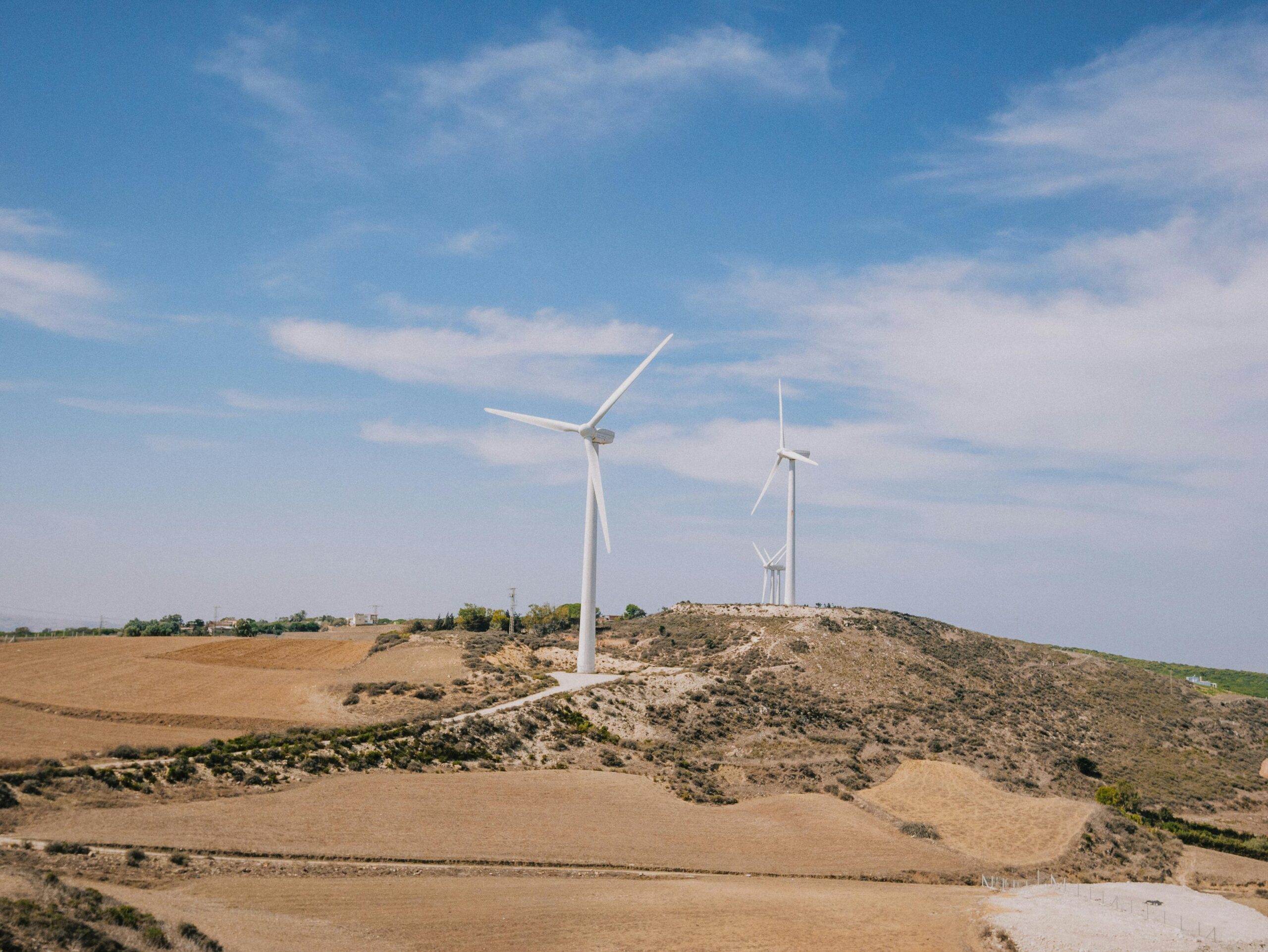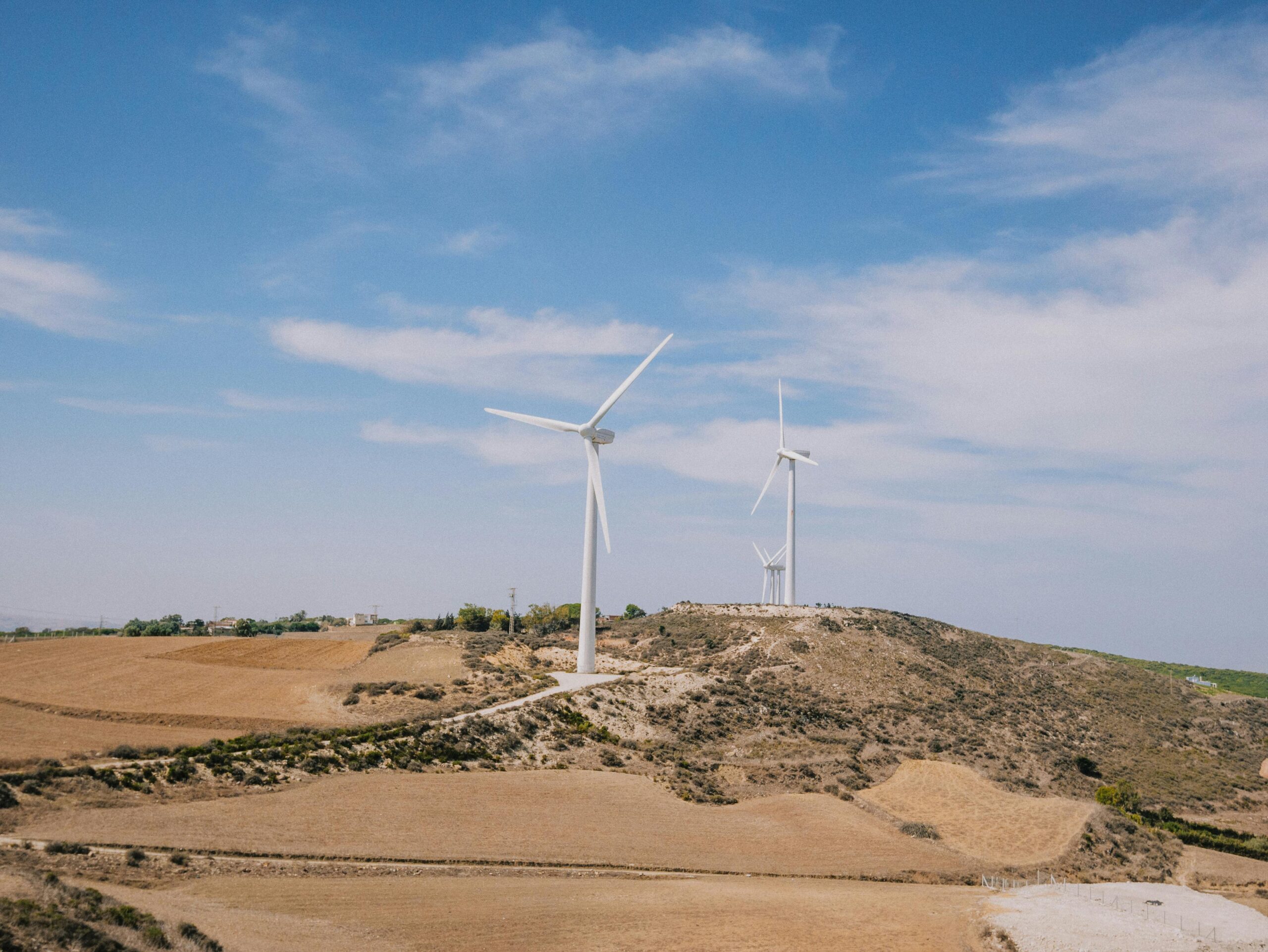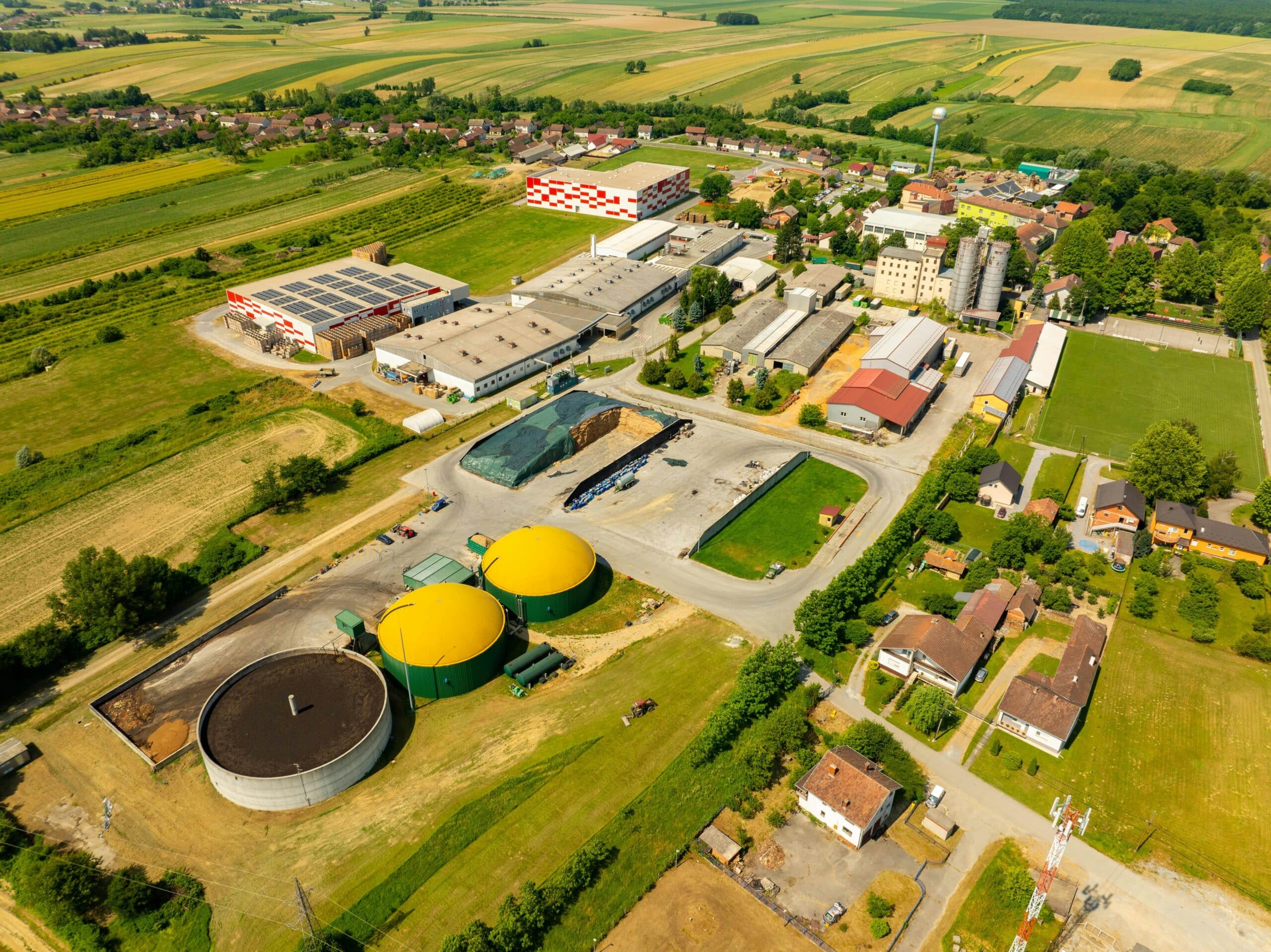
Precision agriculture is transforming how farmers grow crops, manage resources, and increase yields—all while protecting the planet for future generations. 🌾
The agricultural sector stands at a pivotal crossroads. With global population projections reaching nearly 10 billion by 2050, the demand for food production continues to escalate dramatically. Simultaneously, farmers face mounting challenges including climate change, resource scarcity, labor shortages, and the pressing need for environmental sustainability. Traditional farming methods, while time-tested, often struggle to meet these modern demands efficiently.
Enter precision agriculture—a revolutionary approach that leverages cutting-edge technologies to optimize farming operations at unprecedented levels. By combining data analytics, satellite imagery, GPS technology, sensors, and automation, precision agriculture enables farmers to make informed decisions that maximize productivity while minimizing waste and environmental impact. This technological transformation isn’t just about growing more food; it’s about growing it smarter, more sustainably, and more profitably.
Understanding the Core Principles of Precision Agriculture 🎯
Precision agriculture represents a paradigm shift from traditional blanket farming approaches to targeted, data-driven interventions. The fundamental premise is simple yet powerful: recognize that not all areas within a field are identical, and therefore shouldn’t be treated uniformly.
This farming methodology relies on three essential pillars: observation, measurement, and response. Farmers collect detailed information about soil conditions, moisture levels, nutrient content, pest presence, and crop health across different zones within their fields. This granular data collection allows for precise interventions—applying water, fertilizers, or pesticides only where needed, in exactly the right quantities.
The economic benefits are compelling. Studies consistently demonstrate that precision agriculture techniques can reduce input costs by 15-20% while simultaneously increasing yields by 10-15%. These improvements directly translate to enhanced profitability, making farms more economically resilient in an increasingly competitive global marketplace.
Game-Changing Technologies Driving Agricultural Innovation
GPS and Satellite Guidance Systems 🛰️
Global Positioning System technology has become the backbone of modern precision farming. GPS-guided tractors and machinery can navigate fields with centimeter-level accuracy, ensuring perfect row spacing, eliminating overlaps, and reducing wasted inputs. This precision becomes particularly valuable during planting, spraying, and harvesting operations.
Auto-steering systems reduce operator fatigue during long working days while maintaining consistent accuracy that human operators simply cannot match over extended periods. Farmers can now work efficiently during dawn, dusk, or even nighttime conditions, maximizing productivity during critical planting or harvesting windows.
Advanced Sensor Technologies and IoT Integration
The Internet of Things (IoT) has found fertile ground in agriculture. Soil moisture sensors, weather stations, and crop health monitors continuously collect real-time data, creating a comprehensive picture of field conditions. These devices communicate wirelessly, sending information to centralized platforms where algorithms analyze patterns and generate actionable recommendations.
Modern sensors can detect subtle variations in soil electrical conductivity, organic matter content, compaction levels, and pH values. This information helps farmers create detailed soil maps that guide variable-rate application of amendments, ensuring each zone receives exactly what it needs for optimal productivity.
Drone Technology and Aerial Imaging 🚁
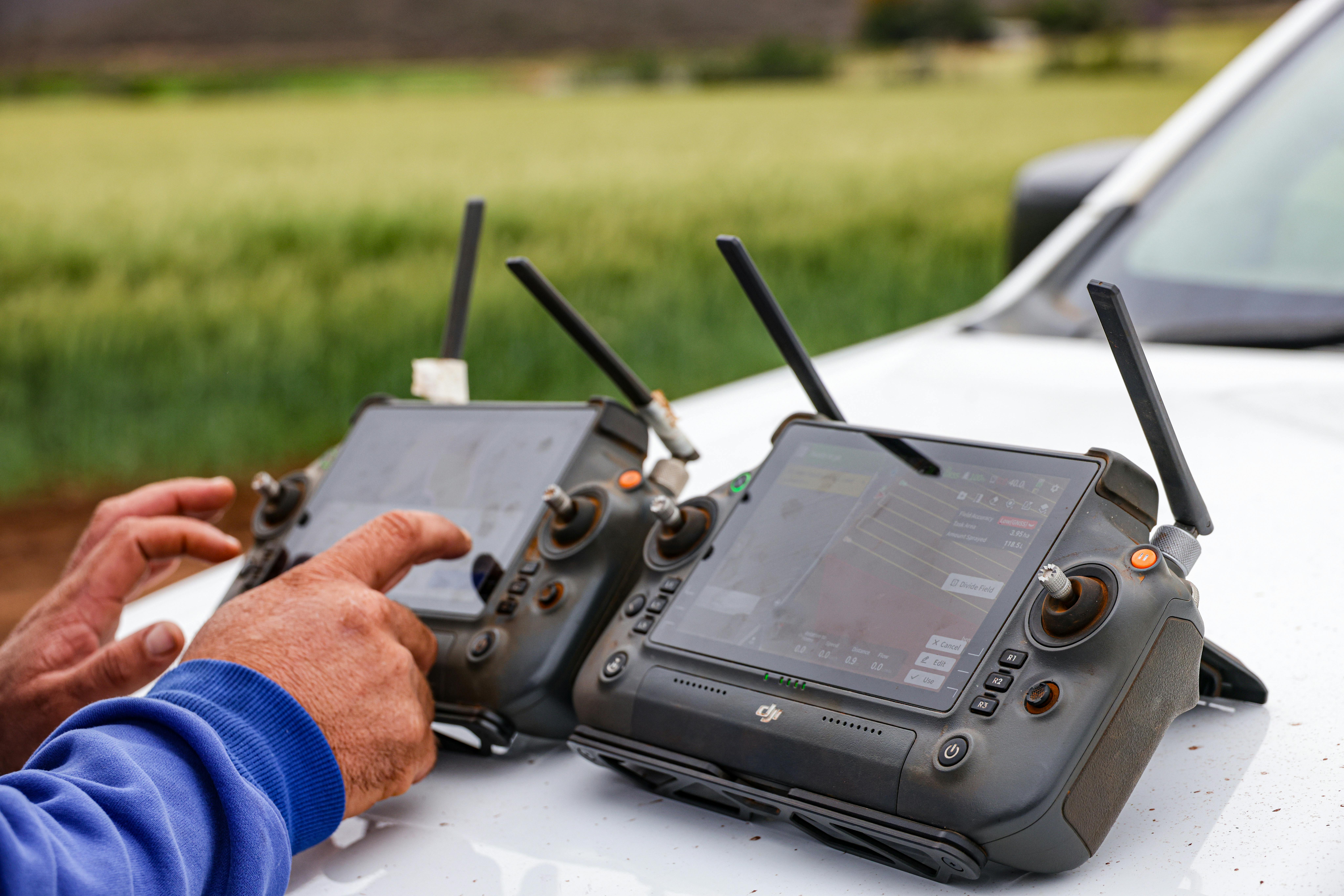
Unmanned aerial vehicles have revolutionized crop monitoring and field assessment. Equipped with multispectral and thermal cameras, drones capture high-resolution imagery that reveals crop stress, irrigation problems, pest infestations, and disease outbreaks long before they become visible to the naked eye.
The normalized difference vegetation index (NDVI) and other vegetation indices derived from drone imagery allow farmers to assess crop health across entire fields in minutes. This rapid assessment capability enables quick responses to emerging problems, potentially saving entire sections of crops that might otherwise be lost.
Variable Rate Technology (VRT)
Variable rate technology represents one of precision agriculture’s most impactful applications. VRT-equipped machinery automatically adjusts the application rates of seeds, fertilizers, pesticides, and water based on prescription maps created from field data analysis.
For example, a VRT planter might increase seeding density in highly productive zones while reducing it in marginal areas, optimizing population for the specific soil conditions. Similarly, VRT sprayers apply herbicides only where weeds are present, dramatically reducing chemical usage and environmental contamination.
Data Analytics and Artificial Intelligence in Modern Farming 📊
The massive volumes of data generated by precision agriculture technologies would overwhelm traditional analysis methods. This is where artificial intelligence and machine learning algorithms prove invaluable, processing complex datasets to identify patterns, predict outcomes, and recommend optimal management strategies.
Predictive analytics help farmers anticipate pest outbreaks, disease pressure, and optimal harvest timing. Machine learning models trained on years of historical data can forecast yields with remarkable accuracy, enabling better planning for storage, transportation, and marketing decisions.
Cloud-based farm management platforms integrate data from multiple sources—equipment sensors, weather stations, satellite imagery, and soil tests—into unified dashboards. These platforms provide farmers with comprehensive insights accessible from smartphones or tablets, bringing farm intelligence directly to their fingertips regardless of location.
Sustainability Benefits That Extend Beyond the Farm Gate 🌍
Precision agriculture delivers environmental benefits that ripple far beyond individual farms. By optimizing input usage, these technologies significantly reduce agriculture’s ecological footprint while maintaining or increasing productivity.
Water Conservation and Irrigation Efficiency
Water scarcity represents one of agriculture’s most critical challenges. Precision irrigation systems equipped with soil moisture sensors and weather data integration apply water only when and where crops need it. This targeted approach can reduce water consumption by 20-40% compared to traditional irrigation methods.
Deficit irrigation strategies, guided by precise crop water stress monitoring, maintain yields while using substantially less water. In drought-prone regions, these water savings can mean the difference between viable farming operations and agricultural collapse.
Reducing Chemical Runoff and Environmental Contamination
Over-application of fertilizers and pesticides has long plagued conventional agriculture, leading to groundwater contamination, algal blooms, and ecosystem degradation. Precision agriculture’s targeted application approach dramatically reduces excess chemical usage.
Farmers using precision techniques typically reduce nitrogen fertilizer applications by 10-30% while maintaining yields, preventing tons of excess nitrogen from leaching into waterways. Similarly, spot-spraying weeds rather than broadcasting herbicides across entire fields minimizes chemical exposure for beneficial insects and reduces residue concerns.
Carbon Footprint Reduction
Precision agriculture contributes to climate change mitigation through multiple mechanisms. Optimized machinery routes reduce fuel consumption and associated emissions. Enhanced nutrient management decreases nitrous oxide emissions from soils. Improved soil health practices increase carbon sequestration, turning agricultural lands into carbon sinks rather than sources.
Economic Advantages Creating Profitable Farm Businesses 💰
While environmental benefits attract considerable attention, economic viability ultimately determines technology adoption rates. Precision agriculture delivers compelling financial returns that justify initial investment costs.
Input Cost Reduction
Seeds, fertilizers, pesticides, fuel, and water represent major operational expenses. Precision technologies optimize usage of each input category, directly improving bottom-line profitability. The savings compound over time, with many farmers reporting complete return on technology investments within 3-5 years.
Yield Optimization and Quality Improvement
Beyond reducing costs, precision agriculture enhances revenue through increased yields and improved crop quality. Precise nutrient management and irrigation timing produce healthier plants with better stress tolerance, resulting in higher yields and superior product quality that commands premium prices.
Labor Efficiency and Workforce Optimization
Agricultural labor shortages challenge farmers worldwide. Automated guidance systems, robotic weeders, and autonomous equipment reduce labor requirements while increasing operational efficiency. Fewer workers can manage larger areas more effectively, addressing demographic shifts that have reduced available agricultural labor forces.
Overcoming Implementation Challenges and Barriers
Despite clear benefits, precision agriculture adoption faces legitimate obstacles that must be addressed for widespread implementation.
Initial Investment Requirements
Advanced technologies require substantial upfront capital. GPS guidance systems, drones, sensors, and software subscriptions represent significant investments that may challenge smaller operations. However, government incentive programs, cooperative purchasing arrangements, and equipment-sharing models increasingly make these technologies accessible to farms of all sizes.
Technical Knowledge and Training Needs
Effective utilization of precision agriculture requires new skill sets. Farmers must understand data interpretation, equipment calibration, and software operation. Extension services, equipment dealers, and online educational resources have expanded training opportunities, though the learning curve remains a consideration during transition periods.
Data Management and Connectivity Issues
Rural broadband limitations can hamper data transfer and cloud platform access in some agricultural regions. Additionally, data ownership questions and privacy concerns require clear agreements between farmers and technology providers to protect sensitive farm information.
Emerging Technologies Shaping Agriculture’s Tomorrow 🚀
The precision agriculture revolution continues accelerating, with emerging technologies promising even more dramatic transformations.
Robotics and Autonomous Equipment
Fully autonomous tractors, robotic harvesters, and AI-powered weeding robots are transitioning from research facilities to commercial operations. These machines work tirelessly, executing tasks with superhuman precision while freeing farmers for strategic decision-making rather than repetitive manual labor.
Blockchain for Supply Chain Transparency
Blockchain technology enables unprecedented traceability throughout agricultural supply chains. Consumers increasingly demand transparency regarding food production methods, and blockchain creates verifiable records documenting sustainable practices, building consumer trust and potentially commanding price premiums.
Gene Editing and Precision Breeding
CRISPR and other gene-editing technologies allow development of crop varieties precisely tailored to specific environmental conditions. Combined with precision agriculture’s detailed field characterization, farmers can select varieties optimally matched to each field’s unique characteristics.
Practical Steps for Farmers Beginning the Precision Journey 🌱
Transitioning to precision agriculture need not be overwhelming. A phased approach allows gradual adoption while managing costs and learning curves.
Start with basic soil mapping and variable-rate fertilization, technologies offering quick returns with moderate investment. As experience and confidence grow, expand into yield monitoring, drone imagery, and advanced analytics. Many successful precision farmers began with single-technology implementations, adding capabilities incrementally as they documented benefits and justified additional investments.
Partnering with agronomists experienced in precision agriculture accelerates learning and helps avoid costly mistakes. These professionals provide guidance on technology selection, data interpretation, and management strategy development tailored to specific farm conditions and goals.
Participating in farmer networks and discussion groups creates valuable knowledge-sharing opportunities. Learning from peers who’ve navigated similar transitions provides practical insights that complement formal training programs.
Building Resilient Food Systems for Future Generations
Precision agriculture represents far more than technological advancement—it embodies a fundamental rethinking of humanity’s relationship with food production. By harmonizing productivity with sustainability, these technologies chart a path toward food security that doesn’t sacrifice environmental health or economic viability.
The transformation extends beyond individual farms to entire food systems. As precision agriculture adoption expands, cumulative environmental benefits become substantial—cleaner waterways, healthier soils, reduced greenhouse gas emissions, and preserved biodiversity. Economically, more profitable farms sustain rural communities, maintain agricultural landscapes, and ensure stable food supplies.
The convergence of agronomic knowledge, cutting-edge technology, and data science creates unprecedented opportunities for agricultural innovation. Farmers equipped with these tools become true stewards of the land, capable of feeding growing populations while regenerating natural resources rather than depleting them.
The revolution in precision agriculture isn’t just changing how we farm—it’s redefining what’s possible when human ingenuity combines with technological capability and environmental consciousness. For farmers willing to embrace these innovations, the future offers a smarter, more sustainable, and undeniably more profitable path forward. The fields of tomorrow are being shaped today, one data point, one precise application, and one informed decision at a time. 🌾✨

Toni Santos is a visual storyteller and archival artisan whose creative journey is steeped in the bold colors, dramatic typography, and mythic imagery of old circus posters. Through his artistic lens, Toni breathes new life into these once-lurid canvases of wonder, transforming them into tributes to a golden era of spectacle, showmanship, and cultural fantasy.
Fascinated by the visual language of vintage circuses — from roaring lions to gravity-defying acrobats, from hand-painted banners to gothic typefaces — Toni explores how these posters once captured the imagination of entire towns with nothing more than ink, illusion, and a promise of awe. Each composition he creates or studies is a dialogue with history, nostalgia, and the raw aesthetics of entertainment on the move.
With a background in handcrafted design and visual heritage, Toni blends artistic sensitivity with historical insight. His work traces the forgotten typographies, chromatic choices, and symbolic flair that defined circus marketing in the 19th and early 20th centuries — a time when posters were not just advertisements, but portable portals to dreamworlds.
As the creative force behind Vizovex, Toni curates collections, illustrations, and thoughtful narratives that reconnect modern audiences with the magic of old circus art — not just as ephemera, but as cultural memory etched in paper and pigment.
His work is a tribute to:
The flamboyant storytelling of early circus posters
The lost art of hand-lettered show promotion
The timeless charm of visual fantasy in public space
Whether you’re a vintage print enthusiast, a circus history lover, or a designer inspired by antique aesthetics, Toni invites you into a world where tigers leap through fire, strongmen pose in perfect symmetry, and every corner of the poster whispers: Step right up.