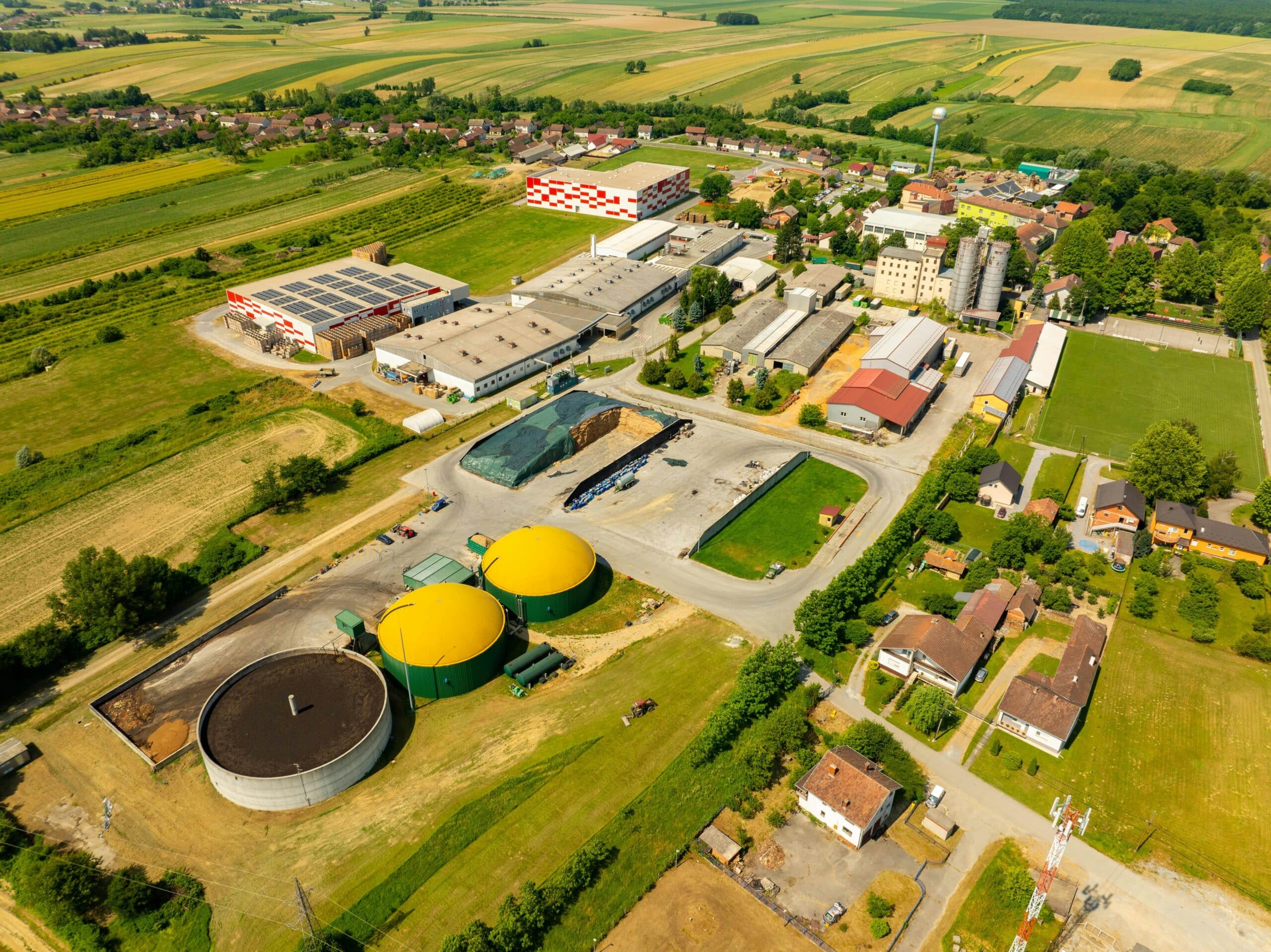
Rural communities worldwide are embracing innovative approaches to energy management and sustainable living, transforming traditional practices through modern education and training programs that promise a brighter, greener future.
🌾 The Energy Challenge Facing Rural Areas Today
Rural communities face unique energy challenges that differ significantly from their urban counterparts. Limited access to reliable electricity grids, higher energy costs due to infrastructure limitations, and dependence on traditional fossil fuels create a perfect storm of sustainability issues. These challenges are compounded by geographic isolation, limited financial resources, and often outdated infrastructure that makes energy efficiency improvements difficult to implement.
The gap between rural and urban energy access remains substantial in many regions. While cities benefit from centralized power systems and continuous technological upgrades, rural areas frequently experience power outages, voltage fluctuations, and lack of access to renewable energy alternatives. This disparity not only affects quality of life but also limits economic opportunities, educational advancement, and healthcare delivery in these communities.
However, this challenge presents an extraordinary opportunity. Rural areas often possess abundant natural resources—sunlight, wind, biomass, and water—that can be harnessed for sustainable energy production. The key lies in empowering local communities with the knowledge, skills, and tools necessary to transform these resources into practical, affordable energy solutions.
💡 Education as the Foundation for Energy Transformation
Education serves as the cornerstone of sustainable energy adoption in rural communities. Without proper understanding of energy systems, efficiency principles, and available technologies, even the most sophisticated renewable energy installations will fail to reach their potential. Comprehensive training programs must address multiple levels of learning, from basic energy literacy to advanced technical skills.
Effective energy education programs in rural settings begin with awareness-building. Many community members may not fully understand their energy consumption patterns, the environmental impact of different energy sources, or the economic benefits of energy efficiency. Training initiatives must start by making these concepts accessible and relevant to daily life, using local examples and culturally appropriate teaching methods.
Building Technical Capacity Through Hands-On Training
Theoretical knowledge alone cannot drive change. Rural communities need practical, hands-on training that equips residents with tangible skills. This includes learning to install and maintain solar panels, construct energy-efficient buildings, repair renewable energy systems, and implement smart energy management practices. Vocational training programs specifically designed for rural contexts create local expertise, reducing dependence on external technicians and fostering community self-reliance.
Successful training programs often employ a train-the-trainer model, where selected community members receive intensive education and then return to teach others. This approach ensures cultural relevance, builds local leadership capacity, and creates sustainable knowledge transfer mechanisms that continue long after initial training programs conclude.
🔋 Innovative Technologies Revolutionizing Rural Energy Access
The technological landscape for rural energy has evolved dramatically in recent years. Affordable solar panels, efficient battery storage systems, micro-hydroelectric generators, and smart energy management tools have become increasingly accessible. These technologies, when combined with proper training, enable rural communities to leapfrog traditional energy infrastructure and adopt cleaner, more sustainable solutions.
Solar energy stands at the forefront of rural electrification efforts globally. Photovoltaic systems have decreased in cost by over 80% in the past decade, making them viable for even modest household budgets. When community members learn to install, maintain, and optimize these systems, solar energy becomes not just an alternative but a practical, long-term solution.
Smart Energy Monitoring and Management Systems
Digital tools and mobile applications have transformed how rural communities can monitor and manage energy consumption. Smart meters, energy tracking apps, and remote monitoring systems provide real-time data that helps users understand their consumption patterns and identify opportunities for savings. Education programs that incorporate these technologies teach data literacy alongside energy management skills.
Mobile technology plays a particularly crucial role in rural energy education. Smartphones have penetrated even remote areas, creating opportunities for distance learning, technical support, and community knowledge sharing. Applications that calculate solar panel requirements, track energy savings, or provide troubleshooting guides make technical expertise accessible to anyone with basic digital literacy.
🏡 Sustainable Living Practices Beyond Energy
Energy efficiency represents just one component of sustainable rural living. Comprehensive training programs address interconnected aspects of sustainability, including water conservation, sustainable agriculture, waste management, and eco-friendly construction techniques. This holistic approach recognizes that true sustainability requires systems thinking and integrated solutions.
Water and energy systems are intimately connected in rural contexts. Pumping water for irrigation, household use, and livestock requires significant energy inputs. Training programs that address both water conservation and energy-efficient water management create synergistic benefits, reducing both resource consumption and costs simultaneously.
Sustainable Agriculture and Energy Integration
Agriculture remains the economic backbone of most rural communities, and integrating energy efficiency into farming practices yields multiple benefits. Solar-powered irrigation systems, energy-efficient grain drying technologies, and biogas generation from agricultural waste transform farms into energy-efficient or even energy-positive operations. Education programs that help farmers understand and implement these technologies directly improve livelihoods while reducing environmental impact.
- Solar-powered water pumps reducing irrigation costs by 60-80%
- Biogas digesters converting animal waste into cooking fuel and fertilizer
- Energy-efficient storage facilities reducing post-harvest losses
- Solar dryers preserving crops without fossil fuel dependence
- Electric farm equipment powered by renewable energy sources
🎓 Innovative Training Models That Actually Work
Traditional classroom-based education often fails to resonate in rural contexts. Innovative training models that have proven successful include peer-to-peer learning networks, demonstration farms or homes, mobile training units, and community-based participatory workshops. These approaches meet communities where they are, both geographically and educationally, increasing engagement and knowledge retention.
Demonstration projects serve as powerful educational tools. When community members can visit a neighbor’s solar-powered home or energy-efficient farm, abstract concepts become concrete and achievable. These living laboratories provide ongoing learning opportunities and build confidence that sustainable energy solutions actually work in local conditions.
Leveraging Digital Platforms for Remote Education
Distance learning platforms have become invaluable for rural energy education, especially following global shifts toward digital communication. Online courses, video tutorials, webinars, and virtual mentoring programs overcome geographic barriers and allow learners to progress at their own pace. However, successful digital education requires addressing connectivity challenges and ensuring content is designed for low-bandwidth environments.
Blended learning approaches combining online resources with in-person practice sessions optimize learning outcomes. Participants can access theoretical content remotely, then gather periodically for hands-on workshops that reinforce concepts and develop practical skills. This model maximizes instructor efficiency while providing flexible learning pathways.
💰 Financing Education and Energy Transitions
Financial barriers often prevent both participation in training programs and subsequent investment in energy-efficient technologies. Innovative financing mechanisms are essential components of successful rural energy transformation initiatives. These include microfinance programs, community savings groups, pay-as-you-go renewable energy systems, and government subsidies specifically designed for rural energy access.
Education programs must include financial literacy components that help community members understand the economic case for energy efficiency investments. When households can calculate payback periods, understand total cost of ownership, and access appropriate financing, they make more informed decisions about energy investments. Training that combines technical and financial knowledge creates more sustainable outcomes.
Creating Local Green Economy Opportunities
Energy education programs that emphasize entrepreneurship create local economic opportunities while advancing sustainability goals. Training community members to become solar installers, energy auditors, or renewable energy system maintenance technicians generates income while building essential infrastructure. These green jobs keep money within communities and create positive feedback loops where economic development and sustainability reinforce each other.
| Training Area | Job Opportunities Created | Average Income Impact |
|---|---|---|
| Solar Installation & Maintenance | System installers, repair technicians | 40-60% income increase |
| Energy Auditing | Home assessors, efficiency consultants | 30-50% income increase |
| Biogas System Management | System builders, maintenance workers | 25-40% income increase |
| Energy-Efficient Construction | Green builders, material specialists | 35-55% income increase |
🌍 Community-Led Initiatives Driving Change
The most successful rural energy transformations are community-led rather than externally imposed. When local leaders champion sustainable energy initiatives, cultural acceptance increases and programs align better with community priorities and values. Training programs should identify and empower these local champions, providing them with resources and connections to amplify their impact.
Community energy cooperatives represent one powerful model for collective action. These member-owned organizations pool resources to invest in renewable energy infrastructure, negotiate better prices for equipment and services, and share knowledge and expertise. Education programs that help communities establish and manage cooperatives create lasting institutional structures for sustainable energy development.
Women as Leaders in Sustainable Energy
Empowering women in rural energy education yields exceptional results. Women often manage household energy use, making them natural champions for efficiency improvements. Moreover, training programs that specifically target women create broader social benefits, including increased gender equality, improved family health outcomes, and enhanced community resilience. Successful initiatives like the Barefoot College solar engineer program have demonstrated that training rural women as solar technicians transforms entire communities.
Gender-sensitive training design ensures programs accommodate women’s schedules, address literacy barriers, and create supportive learning environments. When women gain technical skills and economic opportunities through energy training, they become powerful agents of change within their communities.
📊 Measuring Impact and Ensuring Accountability
Effective training programs require robust monitoring and evaluation systems to track outcomes, identify challenges, and demonstrate impact. Metrics should assess both immediate outputs—such as number of people trained or systems installed—and longer-term outcomes including energy savings, income changes, and environmental benefits. This data informs program improvements and helps secure continued funding and support.
Community-based monitoring approaches engage participants in data collection and analysis, building local capacity while ensuring accountability. When community members track their own progress and share results, they take ownership of sustainability initiatives and become more invested in long-term success.
🚀 Scaling Success: From Pilot Projects to Widespread Adoption
Many rural energy education initiatives begin as small pilot projects but face challenges when attempting to scale. Successful scaling requires systematic documentation of approaches, development of replicable training materials, establishment of quality standards, and creation of support networks that help new communities learn from early adopters.
Partnerships between governments, NGOs, private sector companies, and community organizations accelerate scaling efforts. Each sector brings unique resources and expertise—governments provide policy support and funding, NGOs offer implementation experience, companies contribute technology and technical expertise, and communities provide local knowledge and legitimacy. Coordinated multi-stakeholder approaches achieve greater impact than any single organization could accomplish alone.
🔮 The Future of Rural Energy Education
Emerging technologies and pedagogical approaches promise to further revolutionize rural energy education. Artificial intelligence-powered personalized learning systems, virtual reality training simulations, and advanced energy management systems will become increasingly accessible. However, technology must always serve human needs rather than driving programs toward unnecessarily complex solutions.
Climate change adds urgency to rural energy transformation efforts. Communities developing sustainable energy skills today position themselves to adapt more successfully to future environmental challenges. Education programs that emphasize resilience, flexibility, and continuous learning prepare rural residents not just for today’s energy challenges but for an uncertain future.

✨ Creating Lasting Change Through Empowerment
Empowering rural communities through energy education represents far more than a technical intervention. It embodies a fundamental belief in human potential and community capacity. When rural residents gain knowledge, skills, and confidence in sustainable energy practices, they transform not only their energy systems but their entire relationship with the environment and their role in creating a sustainable future.
The path forward requires continued investment in education, commitment to community-led development, and recognition that sustainable energy transformation is ultimately about people rather than technology. Every person trained, every system installed, and every community empowered represents progress toward a more equitable, sustainable world where geography no longer determines access to clean, affordable energy.
Rural communities possess tremendous potential to lead global sustainability efforts. With appropriate training, resources, and support, they can model energy systems that are not only environmentally sustainable but also economically viable and socially just. The innovations emerging from rural energy education programs today will shape energy systems everywhere tomorrow, demonstrating that empowerment and education truly are the most powerful renewable resources of all.

Toni Santos is a visual storyteller and archival artisan whose creative journey is steeped in the bold colors, dramatic typography, and mythic imagery of old circus posters. Through his artistic lens, Toni breathes new life into these once-lurid canvases of wonder, transforming them into tributes to a golden era of spectacle, showmanship, and cultural fantasy.
Fascinated by the visual language of vintage circuses — from roaring lions to gravity-defying acrobats, from hand-painted banners to gothic typefaces — Toni explores how these posters once captured the imagination of entire towns with nothing more than ink, illusion, and a promise of awe. Each composition he creates or studies is a dialogue with history, nostalgia, and the raw aesthetics of entertainment on the move.
With a background in handcrafted design and visual heritage, Toni blends artistic sensitivity with historical insight. His work traces the forgotten typographies, chromatic choices, and symbolic flair that defined circus marketing in the 19th and early 20th centuries — a time when posters were not just advertisements, but portable portals to dreamworlds.
As the creative force behind Vizovex, Toni curates collections, illustrations, and thoughtful narratives that reconnect modern audiences with the magic of old circus art — not just as ephemera, but as cultural memory etched in paper and pigment.
His work is a tribute to:
The flamboyant storytelling of early circus posters
The lost art of hand-lettered show promotion
The timeless charm of visual fantasy in public space
Whether you’re a vintage print enthusiast, a circus history lover, or a designer inspired by antique aesthetics, Toni invites you into a world where tigers leap through fire, strongmen pose in perfect symmetry, and every corner of the poster whispers: Step right up.