The energy landscape is undergoing a radical transformation as decentralized systems reshape how we generate, distribute, and consume power in our increasingly connected world.
Traditional centralized power grids, once the backbone of modern civilization, are gradually giving way to innovative distributed energy resources that promise greater efficiency, sustainability, and resilience. This paradigm shift represents more than just a technological evolution—it embodies a fundamental reimagining of our relationship with energy itself.
As climate change accelerates and environmental concerns intensify, the urgency to transition toward cleaner, more sustainable energy solutions has never been more apparent. Decentralized energy systems offer a compelling pathway forward, combining renewable resources with cutting-edge technology to create a smarter, greener future for generations to come.
🌍 The Rise of Distributed Energy Resources
Distributed energy resources (DERs) represent a revolutionary departure from conventional energy infrastructure. Unlike massive power plants that serve entire regions, DERs consist of smaller-scale generation units located closer to end-users. This proximity dramatically reduces transmission losses and enhances overall system efficiency.
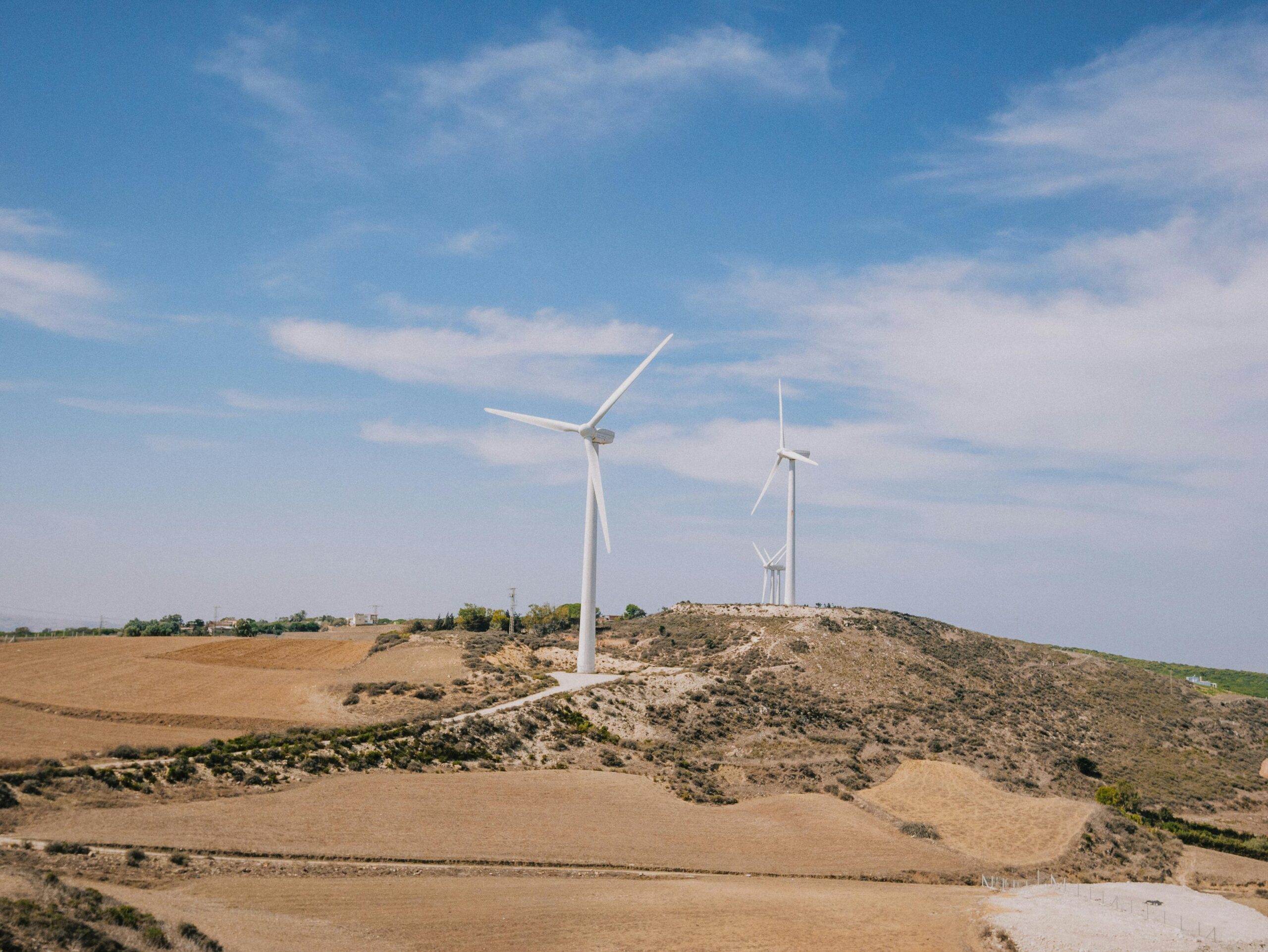
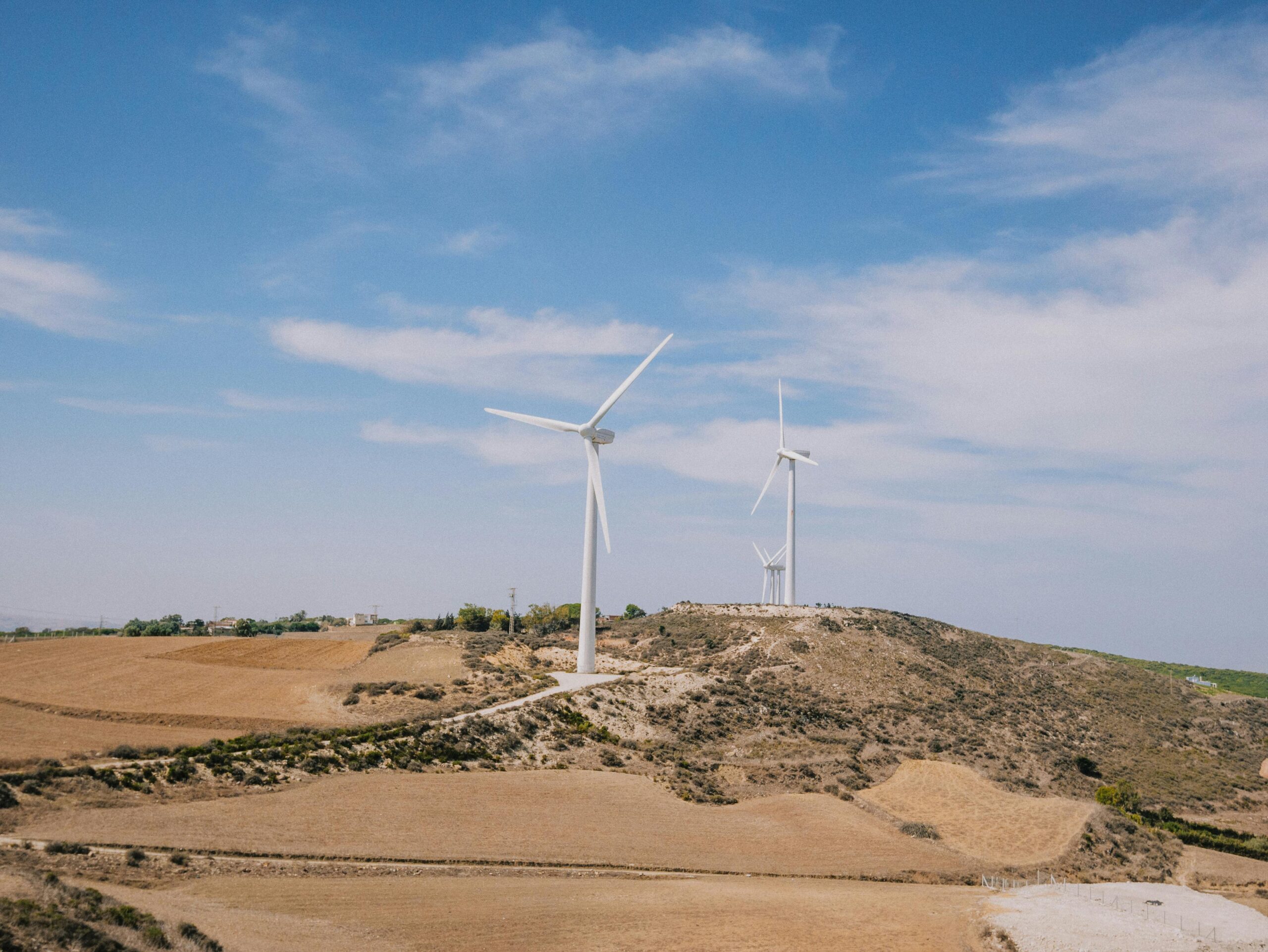
Solar panels adorning residential rooftops, community wind turbines, battery storage systems, and micro-combined heat and power units exemplify this decentralized approach. These technologies empower consumers to become “prosumers”—simultaneously producing and consuming energy, fundamentally altering traditional utility-customer dynamics.
The economic advantages of DERs extend beyond reduced electricity bills. By generating power locally, communities decrease their dependence on distant fossil fuel sources and vulnerable transmission infrastructure. This energy independence proves particularly valuable during natural disasters or grid disruptions, when centralized systems often fail spectacularly.
Microgrids: Islands of Energy Independence
Microgrids represent sophisticated networks that can operate autonomously or in conjunction with the main grid. These self-contained systems integrate various DERs with advanced control technologies, creating resilient energy ecosystems capable of maintaining power during broader outages.
Universities, military bases, hospitals, and entire neighborhoods increasingly adopt microgrid solutions to ensure uninterrupted operations. During Hurricane Sandy in 2012, Princeton University’s microgrid kept campus facilities operational while surrounding areas remained dark for days—a powerful demonstration of decentralized energy’s resilience advantages.
⚡ Smart Grid Technology: The Digital Energy Revolution
Smart grids form the technological foundation enabling decentralized energy systems to function seamlessly. These intelligent networks employ digital communications, sensors, and sophisticated software to optimize electricity flow, predict demand patterns, and respond dynamically to changing conditions.
Traditional grids operate as one-way streets, pushing power from generators to consumers. Smart grids, conversely, function as interactive highways where information and electricity flow bidirectionally. This two-way communication enables real-time monitoring, automated fault detection, and rapid response to system anomalies.
Advanced metering infrastructure (AMI) constitutes a critical smart grid component. Smart meters provide granular consumption data, empowering consumers with unprecedented insights into their energy usage patterns. This transparency encourages conservation and enables time-of-use pricing strategies that incentivize consumption during off-peak periods.
Artificial Intelligence and Machine Learning Integration
Artificial intelligence and machine learning algorithms are transforming energy management from reactive to predictive. These technologies analyze vast datasets to forecast demand fluctuations, optimize renewable energy integration, and identify maintenance needs before equipment failures occur.
Predictive analytics help grid operators balance supply and demand more effectively, particularly crucial when integrating intermittent renewable sources like solar and wind. Machine learning models can predict cloud cover patterns, wind speeds, and seasonal consumption trends with remarkable accuracy, enabling proactive grid management strategies.
🔋 Energy Storage: Solving Renewables’ Intermittency Challenge
Energy storage technology represents the missing link that makes widespread renewable adoption feasible. Solar panels generate electricity only during daylight hours, while wind turbines depend on favorable weather conditions. Storage systems bridge these temporal gaps, capturing excess generation for later use.
Lithium-ion batteries currently dominate the energy storage market, thanks to dramatic cost reductions and performance improvements driven by electric vehicle development. However, emerging technologies promise even greater capabilities and sustainability benefits.
Flow batteries, compressed air energy storage, thermal storage systems, and even gravity-based solutions offer unique advantages for different applications. This technological diversity ensures that appropriate storage solutions exist for residential, commercial, and utility-scale implementations.
Vehicle-to-Grid Technology: Mobile Energy Banks
Electric vehicles (EVs) represent more than zero-emission transportation—they’re potential mobile energy storage units. Vehicle-to-grid (V2G) technology enables EVs to return stored electricity to the grid during peak demand periods, effectively transforming millions of parked vehicles into a distributed battery network.
This bidirectional charging capability creates new revenue streams for EV owners while enhancing grid stability. Imagine entire parking lots functioning as energy reservoirs, absorbing excess renewable generation during sunny afternoons and discharging power during evening demand peaks.
🌱 Renewable Energy Integration: Beyond Solar and Wind
While solar photovoltaics and wind turbines receive considerable attention, the renewable energy portfolio extends far beyond these established technologies. Geothermal systems, biomass generators, hydroelectric installations, and emerging wave/tidal energy converters all contribute to the decentralized energy ecosystem.
Geothermal energy provides reliable baseload power with minimal environmental impact, tapping into Earth’s internal heat. Unlike intermittent renewables, geothermal facilities operate continuously, making them valuable grid stability assets. Enhanced geothermal systems (EGS) now enable energy extraction from previously unsuitable geological formations.
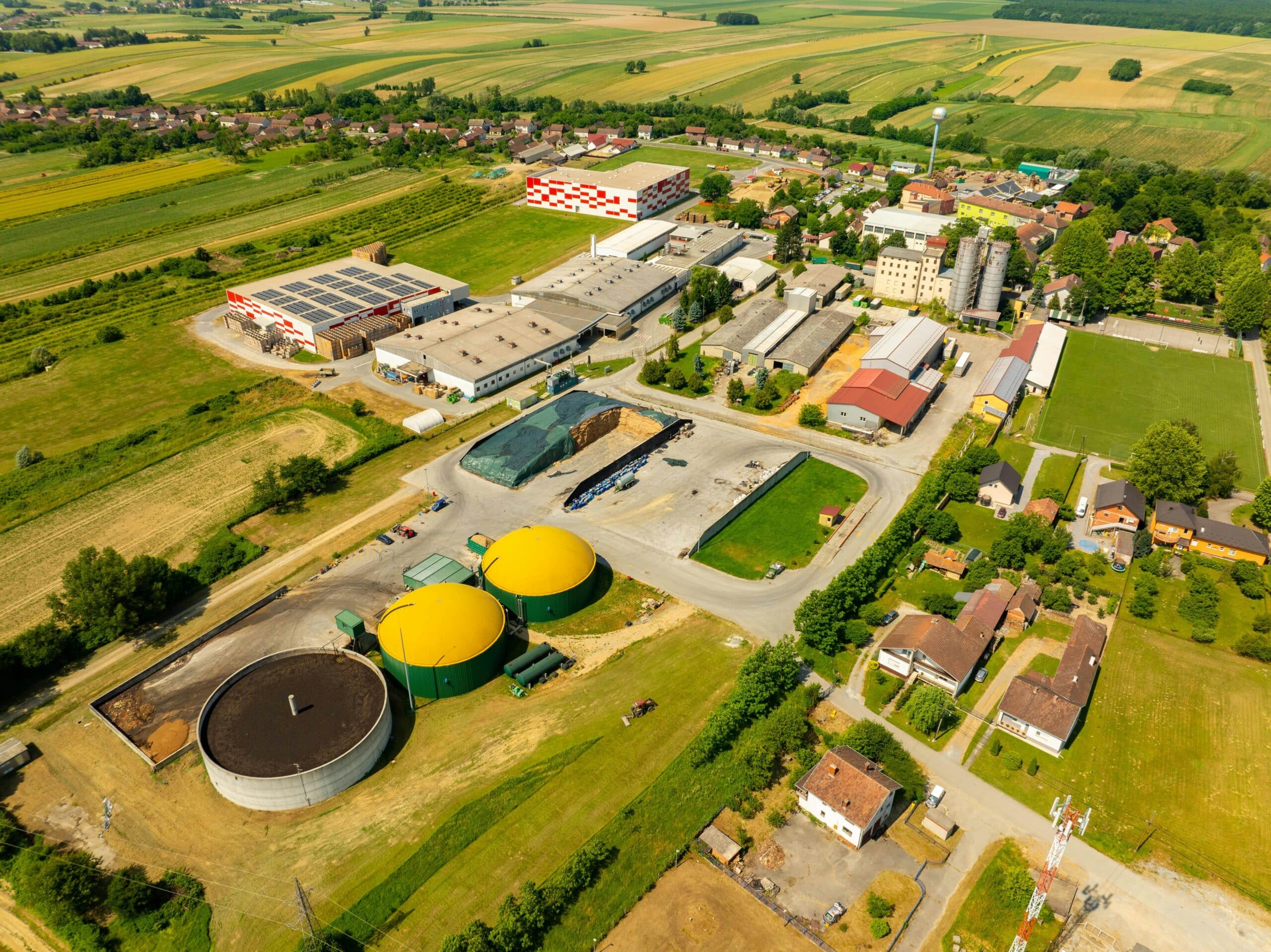
Biomass and biogas facilities convert organic waste into valuable energy resources, simultaneously addressing waste management challenges and generating clean electricity. Anaerobic digestion systems at farms, wastewater treatment plants, and food processing facilities exemplify this circular economy approach.
Hybrid Renewable Systems: Maximizing Resource Complementarity
Combining multiple renewable sources creates synergistic systems that deliver more consistent power than single-source installations. Wind generation often peaks during evening hours when solar production declines, while hydroelectric facilities can ramp output up or down quickly to compensate for renewable fluctuations.
These hybrid configurations optimize resource utilization and minimize storage requirements. A community microgrid might integrate rooftop solar, a small wind turbine, battery storage, and backup generators into a resilient, multi-layered energy system.
💡 Blockchain and Peer-to-Peer Energy Trading
Blockchain technology introduces revolutionary possibilities for energy transactions, enabling secure, transparent peer-to-peer electricity trading without traditional utility intermediaries. Prosumers can sell excess solar generation directly to neighbors through automated smart contracts.
This democratization of energy markets empowers individuals while fostering community-level sustainability initiatives. Local energy trading reduces transmission losses, supports renewable adoption, and keeps energy expenditures circulating within communities rather than flowing to distant utilities.
Several pilot projects worldwide demonstrate blockchain energy trading’s potential. Brooklyn Microgrid in New York enables residents to buy and sell locally-generated solar power, while Power Ledger in Australia facilitates similar transactions across multiple communities.
🏘️ Community Energy Projects: Collective Power
Community-owned renewable energy projects represent grassroots movements toward energy democracy. These initiatives enable groups of citizens to collectively invest in and benefit from local renewable installations, overcoming individual financial or technical barriers.
Community solar gardens allow apartment dwellers and those with unsuitable rooftops to access solar energy benefits. Participants purchase or lease portions of larger solar arrays, receiving credits on electricity bills proportional to their share of system production.
Cooperative ownership models ensure that renewable energy benefits remain within communities. Rather than enriching distant corporations, locally-owned projects generate revenue that supports community development, creating virtuous cycles of sustainability and economic resilience.
🔧 Demand Response: Consumers as Grid Resources
Demand response programs transform electricity consumers into active grid management participants. Rather than solely increasing generation during peak periods, utilities can incentivize consumption reductions or shifts to off-peak hours.
Smart thermostats, water heaters, and appliances enable automated demand response participation. These devices receive grid signals indicating high-demand periods and temporarily reduce consumption without significantly impacting comfort or convenience.
Industrial and commercial facilities offer substantial demand response potential. Manufacturing processes, refrigeration systems, and HVAC equipment can often shift operation timing or temporarily reduce loads, providing valuable grid flexibility in exchange for financial incentives.
🌐 Internet of Things and Smart Home Integration
The Internet of Things (IoT) ecosystem seamlessly integrates decentralized energy systems with everyday life. Connected devices communicate constantly, optimizing energy consumption based on real-time pricing, grid conditions, and user preferences.
Smart home energy management systems orchestrate various devices to minimize costs and environmental impact. They might charge electric vehicles during low-price overnight hours, pre-cool homes before peak pricing periods, or automatically adjust lighting based on occupancy and natural sunlight availability.
Voice-activated assistants now offer energy management capabilities, allowing users to monitor consumption, control devices, and receive efficiency recommendations through simple conversational commands. This accessibility makes sophisticated energy optimization available to non-technical users.
📊 Regulatory Evolution and Policy Support
Regulatory frameworks struggle to keep pace with rapid technological advancement. Traditional utility regulations were designed for centralized monopolies, not distributed, interactive energy systems. Policymakers worldwide grapple with updating rules to enable innovation while protecting consumer interests.
Net metering policies, which credit solar owners for excess generation fed into the grid, have proven crucial for residential renewable adoption. However, debates continue regarding fair compensation rates and cost allocation between prosumers and traditional consumers.
Feed-in tariffs, renewable portfolio standards, tax incentives, and carbon pricing mechanisms all influence decentralized energy deployment. Supportive policies accelerate transition timelines, while regulatory uncertainty or hostility can significantly impede progress.
🚀 Emerging Technologies Shaping Tomorrow’s Energy Landscape
Hydrogen fuel cells represent a promising energy storage and transportation solution, particularly for applications where battery weight or charging times prove problematic. Green hydrogen produced via renewable-powered electrolysis offers carbon-free energy storage at scale.
Perovskite solar cells demonstrate remarkable efficiency improvements in laboratory settings, potentially revolutionizing photovoltaic technology. These next-generation materials promise higher conversion efficiencies at lower manufacturing costs than current silicon-based panels.
Wireless power transmission technology, though still nascent, could eventually eliminate charging cables and enable dynamic vehicle charging on roadways. Such innovations would further integrate energy systems into urban infrastructure seamlessly.
🌟 The Path Forward: Challenges and Opportunities
Despite tremendous promise, decentralized energy systems face significant hurdles. Cybersecurity concerns escalate as energy infrastructure becomes increasingly digitized and interconnected. Protecting critical systems from malicious actors requires constant vigilance and sophisticated defense mechanisms.
Interoperability challenges arise when diverse technologies from multiple manufacturers must communicate effectively. Standardization efforts continue, but ensuring seamless integration across platforms, protocols, and generations of equipment remains complex.
Workforce development needs attention as energy sector jobs shift from traditional utilities toward distributed systems, requiring new skills in digital technologies, renewable installation, and smart grid management. Educational institutions and training programs must adapt accordingly.
Equity considerations demand attention to ensure that decentralized energy benefits reach all communities, not just affluent early adopters. Targeted programs, innovative financing mechanisms, and inclusive planning processes can help bridge the clean energy access gap.

🎯 Building a Resilient, Sustainable Energy Future
The convergence of renewable energy, digital technology, and decentralized infrastructure creates unprecedented opportunities to reimagine civilization’s power systems. This transformation promises not merely incremental improvements but fundamental shifts toward sustainability, resilience, and energy democracy.
Individual actions matter immensely in this transition. Adopting rooftop solar, participating in community energy projects, investing in energy-efficient appliances, and supporting forward-thinking policies all contribute to momentum toward a cleaner energy future.
Businesses increasingly recognize that sustainability drives competitive advantage. Corporate renewable energy commitments, green building certifications, and supply chain decarbonization initiatives demonstrate that environmental responsibility and economic success can align harmoniously.
The decentralized energy revolution isn’t approaching—it’s already underway. Every solar panel installed, every smart meter deployed, and every microgrid activated represents another step toward the smarter, greener world our planet desperately needs. The technologies exist; the economics increasingly favor adoption; only collective will determines how quickly we’ll complete this essential transformation.
As we stand at this pivotal moment in energy history, the choices we make today will reverberate through generations. By embracing decentralized, renewable, and intelligent energy systems, we’re not just powering tomorrow—we’re ensuring there will be a tomorrow worth powering.

Toni Santos is a visual storyteller and archival artisan whose creative journey is steeped in the bold colors, dramatic typography, and mythic imagery of old circus posters. Through his artistic lens, Toni breathes new life into these once-lurid canvases of wonder, transforming them into tributes to a golden era of spectacle, showmanship, and cultural fantasy.
Fascinated by the visual language of vintage circuses — from roaring lions to gravity-defying acrobats, from hand-painted banners to gothic typefaces — Toni explores how these posters once captured the imagination of entire towns with nothing more than ink, illusion, and a promise of awe. Each composition he creates or studies is a dialogue with history, nostalgia, and the raw aesthetics of entertainment on the move.
With a background in handcrafted design and visual heritage, Toni blends artistic sensitivity with historical insight. His work traces the forgotten typographies, chromatic choices, and symbolic flair that defined circus marketing in the 19th and early 20th centuries — a time when posters were not just advertisements, but portable portals to dreamworlds.
As the creative force behind Vizovex, Toni curates collections, illustrations, and thoughtful narratives that reconnect modern audiences with the magic of old circus art — not just as ephemera, but as cultural memory etched in paper and pigment.
His work is a tribute to:
The flamboyant storytelling of early circus posters
The lost art of hand-lettered show promotion
The timeless charm of visual fantasy in public space
Whether you’re a vintage print enthusiast, a circus history lover, or a designer inspired by antique aesthetics, Toni invites you into a world where tigers leap through fire, strongmen pose in perfect symmetry, and every corner of the poster whispers: Step right up.