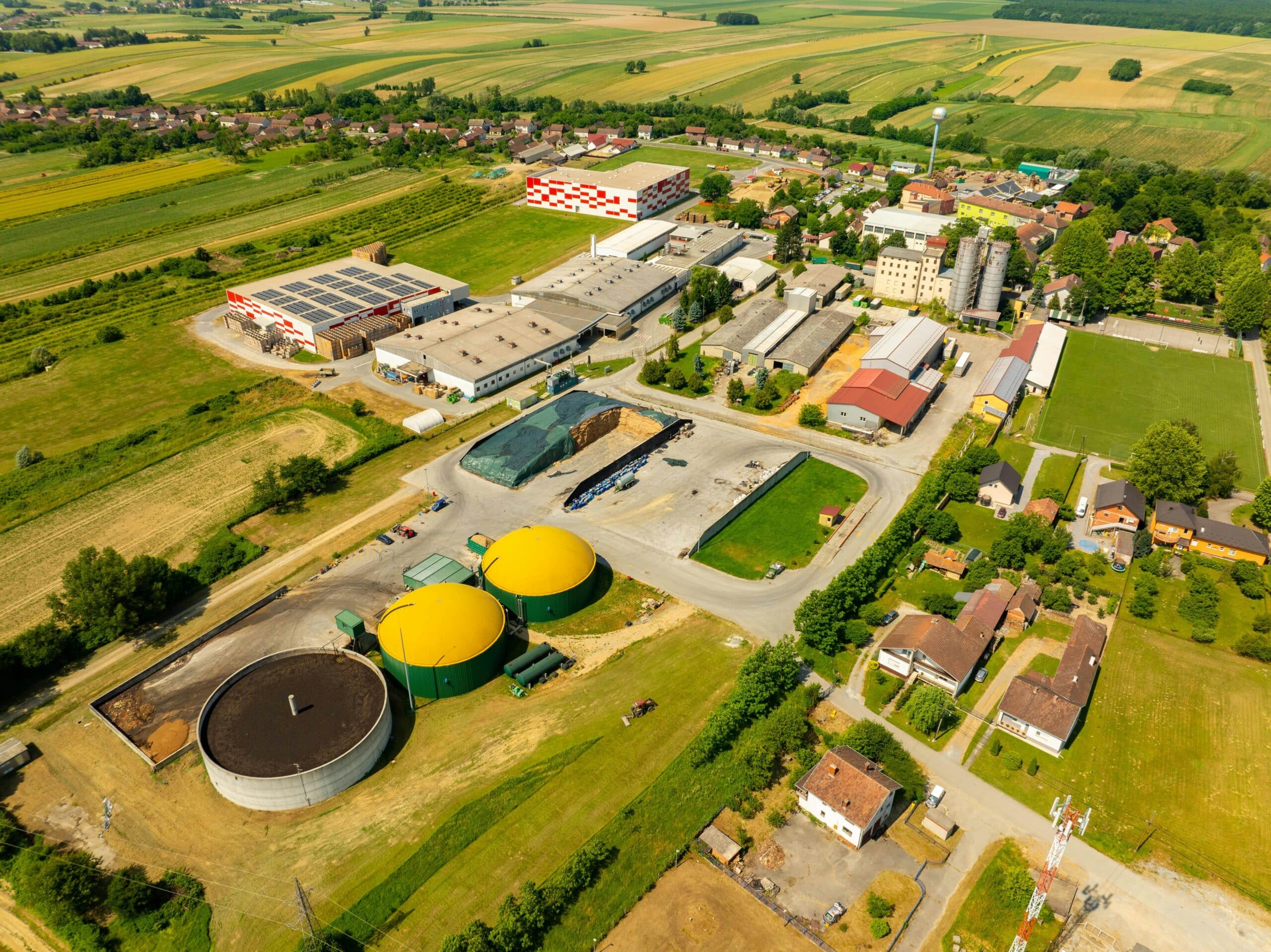
The global energy landscape is undergoing a profound transformation as nations, industries, and individuals seek sustainable alternatives to fossil fuels, particularly diesel.
🌍 The Urgent Need to Reduce Diesel Dependency
Diesel fuel has powered our world for over a century, driving transportation networks, industrial operations, agricultural machinery, and backup generators. However, the environmental and health costs of diesel combustion have become impossible to ignore. Diesel engines emit nitrogen oxides, particulate matter, carbon dioxide, and other pollutants that contribute significantly to air quality degradation, respiratory diseases, and climate change.
The transportation sector alone accounts for nearly a quarter of global energy-related greenhouse gas emissions, with diesel-powered vehicles representing a substantial portion. In urban environments, diesel emissions contribute to smog formation and are linked to thousands of premature deaths annually. The World Health Organization has classified diesel exhaust as carcinogenic, adding urgency to the transition toward cleaner alternatives.
Beyond health concerns, diesel dependency creates economic vulnerabilities. Price volatility in global oil markets can destabilize economies, particularly in developing nations that import significant quantities of petroleum products. Energy security has become a national priority for countries seeking to reduce reliance on imported fossil fuels and develop domestic renewable energy resources.
⚡ Electrification: Leading the Charge Toward Clean Transportation
Electric vehicles represent one of the most promising solutions for reducing diesel consumption in the transportation sector. Battery electric vehicles (BEVs) have experienced remarkable technological advancement in recent years, with improvements in battery energy density, charging infrastructure, and vehicle range addressing many early adoption barriers.
Major automotive manufacturers have committed billions of dollars to electric vehicle development, with several announcing plans to phase out internal combustion engines entirely within the next two decades. Electric buses are transforming public transportation in cities worldwide, from Shenzhen, China, which has electrified its entire fleet of over 16,000 buses, to European cities implementing zero-emission transport zones.
The commercial trucking industry, traditionally dominated by diesel engines, is beginning its electrification journey. Companies like Tesla, Volvo, Daimler, and numerous startups are developing electric semi-trucks with ranges exceeding 500 kilometers on a single charge. While challenges remain regarding charging infrastructure for long-haul applications, short and medium-distance freight operations are increasingly viable for electrification.
Battery Technology Breakthroughs
The heart of the electric revolution lies in battery technology. Lithium-ion batteries have become more affordable, with costs declining by nearly 90% over the past decade. This cost reduction has brought electric vehicles closer to price parity with conventional diesel-powered vehicles, a critical threshold for mass market adoption.
Research into next-generation battery technologies promises even greater improvements. Solid-state batteries offer higher energy density, faster charging times, and improved safety compared to current lithium-ion technology. Sodium-ion batteries present a potentially more abundant and cost-effective alternative for stationary storage and certain vehicle applications. Meanwhile, advances in lithium-sulfur and lithium-air batteries could eventually deliver energy densities approaching those of diesel fuel.
🌱 Biofuels: Bridging the Transition
While electrification dominates headlines, biofuels represent an important transitional technology, particularly for applications where electrification faces technical or economic challenges. Advanced biofuels derived from non-food feedstocks offer the possibility of significantly lower carbon emissions compared to conventional diesel while utilizing existing engine technology and distribution infrastructure.
Biodiesel produced from waste cooking oils, animal fats, and purpose-grown energy crops can be used in existing diesel engines with minimal or no modifications. Renewable diesel, produced through hydrotreatment processes, offers even better performance characteristics and cold-weather properties. These fuels can reduce lifecycle greenhouse gas emissions by 50-80% compared to petroleum diesel, depending on feedstock and production methods.
Second and third-generation biofuels show particular promise. Cellulosic ethanol produced from agricultural residues, woody biomass, and dedicated energy crops avoids the food-versus-fuel debate that plagued first-generation biofuels. Algae-based fuels represent another frontier, with certain algae species producing oil yields per hectare far exceeding traditional oilseed crops while potentially growing on non-arable land using wastewater.
Sustainable Aviation Fuels
The aviation industry presents unique challenges for decarbonization due to the high energy density requirements of flight. Sustainable aviation fuels (SAFs) derived from biological sources or synthesized from captured carbon offer the most practical near-term solution for reducing aviation’s carbon footprint. Airlines and fuel producers have invested heavily in SAF development, with several commercial flights operating on blends containing up to 50% sustainable fuels.
💨 Hydrogen: The Versatile Energy Carrier
Hydrogen has emerged as a promising energy carrier for applications where batteries may prove impractical. Fuel cell electric vehicles convert hydrogen into electricity through an electrochemical process, emitting only water vapor. This technology offers refueling times comparable to conventional vehicles and potentially greater range than battery electric vehicles, making it attractive for heavy-duty trucking, maritime shipping, and rail transport.
Several countries have developed national hydrogen strategies, investing in production facilities, distribution infrastructure, and end-use applications. Japan, South Korea, Germany, and others are building networks of hydrogen refueling stations while supporting the development of fuel cell vehicles and stationary power systems.
The environmental credentials of hydrogen depend critically on production methods. “Green hydrogen” produced through electrolysis powered by renewable electricity offers true zero-emission potential. “Blue hydrogen” derived from natural gas with carbon capture and storage can provide a lower-carbon bridge during the transition. Current hydrogen production remains dominated by “gray hydrogen” from fossil fuels without carbon capture, emphasizing the importance of scaling green hydrogen production.
Hydrogen in Heavy Industry
Beyond transportation, hydrogen offers decarbonization pathways for industrial processes currently dependent on fossil fuels. Steel production, chemical manufacturing, and high-temperature industrial heating represent sectors where hydrogen could replace coal and natural gas, significantly reducing industrial carbon emissions. Pilot projects are already demonstrating the technical feasibility of hydrogen-based steel production.
🔋 Energy Storage: Enabling Renewable Integration
The intermittent nature of renewable energy sources like wind and solar power creates challenges for grid stability and reliability. Energy storage technologies are essential for managing this variability, reducing the need for diesel backup generators, and maximizing the utilization of clean energy.
Battery energy storage systems have experienced explosive growth, with installations increasing exponentially worldwide. These systems can respond to grid demands in milliseconds, providing frequency regulation, peak shaving, and backup power services previously reliant on diesel generators. Large-scale battery installations are replacing peaker plants in several markets, offering cleaner and more economical alternatives.
Pumped hydro storage remains the largest form of grid-scale energy storage globally, using excess electricity to pump water uphill for later generation. Compressed air energy storage, flywheel systems, and thermal energy storage represent additional technologies suited to specific applications and geographical contexts.
☀️ Renewable Energy Expansion: Displacing Diesel Generators
Diesel generators have long served as the default solution for off-grid power generation, remote communities, backup power, and temporary electricity needs. However, the declining costs of solar panels and wind turbines, combined with battery storage, have made renewable alternatives increasingly competitive and attractive.
Solar-plus-storage systems can now provide reliable electricity to remote communities at lower lifecycle costs than diesel generation, eliminating fuel transportation expenses, reducing maintenance requirements, and providing price stability. Island nations and remote mining operations are increasingly adopting hybrid renewable systems that dramatically reduce or eliminate diesel consumption.
Microgrids combining renewable generation, energy storage, and intelligent control systems offer resilient electricity supply for critical facilities, military installations, and communities seeking energy independence. These systems can operate connected to the main grid or island independently during outages, providing superior reliability compared to diesel backup generators alone.
🚜 Agricultural Innovation: Electrifying Farm Equipment
Agriculture remains heavily dependent on diesel-powered tractors, harvesters, and irrigation pumps. However, electric alternatives are beginning to emerge, particularly for smaller equipment and specific applications. Electric tractors suitable for vineyard work, orchard management, and small-scale farming operations are commercially available, offering reduced noise, zero local emissions, and lower operating costs.
Solar-powered irrigation systems are transforming water management in developing countries, replacing diesel pumps with clean energy solutions that reduce operating costs and improve agricultural productivity. These systems can pay for themselves within a few years through fuel savings while providing reliable water supply for crop production.
Precision agriculture technologies, often powered by renewable electricity, optimize resource use and reduce the energy intensity of food production. GPS-guided equipment, sensor networks, and data analytics enable farmers to minimize fuel consumption while maximizing yields and sustainability.
🏗️ Policy Frameworks Driving the Transition
Government policies play a crucial role in accelerating the shift away from diesel dependency. Regulatory measures, financial incentives, and strategic investments create market conditions favorable to clean energy adoption.
Emissions standards for vehicles and equipment drive manufacturers to develop cleaner technologies. The European Union’s progressively stricter CO2 standards for cars and trucks have catalyzed electric vehicle development. Several countries have announced phase-out dates for internal combustion engine vehicle sales, creating clear market signals for automotive manufacturers.
Financial incentives including tax credits, purchase rebates, and preferential financing reduce the upfront cost premium for clean energy technologies. Norway’s generous incentives for electric vehicles have made it the global leader in EV adoption, with battery electric vehicles representing the majority of new car sales.
Carbon pricing mechanisms create economic incentives to reduce fossil fuel consumption by making pollution costly. Cap-and-trade systems and carbon taxes internalize the environmental costs of diesel use, improving the competitiveness of clean alternatives. Revenue from carbon pricing can fund renewable energy development, energy efficiency programs, and just transition support for affected workers and communities.
💡 Smart Technologies Optimizing Energy Use
Digital technologies and artificial intelligence are enabling more efficient energy systems that reduce overall energy demand and facilitate renewable integration. Smart building systems optimize heating, cooling, and lighting based on occupancy and weather conditions, reducing electricity consumption and backup power requirements.
Fleet management systems use telematics, route optimization, and predictive maintenance to minimize fuel consumption and emissions from commercial vehicles. These technologies deliver immediate operational savings while supporting the transition to electric fleets by identifying routes and applications best suited for electrification.
Grid management platforms employing machine learning algorithms forecast renewable energy production, optimize storage dispatch, and balance supply and demand in real-time. These systems maximize the utilization of clean energy while maintaining grid stability, reducing reliance on diesel peaker plants and backup generators.
🌊 Emerging Technologies on the Horizon
Beyond currently deployed solutions, several emerging technologies could further accelerate the transition away from diesel dependency. Synthetic fuels produced from renewable electricity, water, and captured carbon dioxide offer the possibility of carbon-neutral liquid fuels compatible with existing engines and infrastructure. While currently expensive, costs may decline with scale and technological improvement.
Advanced nuclear reactor designs including small modular reactors could provide carbon-free baseload power and process heat for industrial applications. These systems might complement intermittent renewables in providing reliable clean energy for heavy industry and transportation.
Wireless power transmission technologies could eventually enable dynamic charging for electric vehicles, reducing battery size requirements and extending range. Research continues into various approaches for efficient wireless energy transfer over meaningful distances.
🤝 The Path Forward: Collaborative Action
Achieving a future powered by clean, sustainable energy requires coordinated action across multiple sectors and stakeholders. Governments must establish supportive policy frameworks, invest in enabling infrastructure, and provide just transition support for workers and communities economically dependent on fossil fuel industries.
Private sector innovation and investment are essential for developing, scaling, and deploying clean energy technologies. Businesses must integrate sustainability into core strategies, setting ambitious emissions reduction targets and investing in operational decarbonization.
Financial institutions play a critical role in directing capital toward sustainable energy projects while divesting from fossil fuel assets. Green bonds, sustainability-linked loans, and impact investing vehicles channel resources toward the energy transition.
Individual choices matter as well. Consumer preferences for electric vehicles, renewable energy, and sustainable products create market demand that drives business behavior. Energy conservation, efficiency improvements, and lifestyle adjustments reduce overall energy demand.

🎯 Realizing the Clean Energy Future
The transition away from diesel dependency is not merely an environmental imperative but an economic opportunity. The clean energy sector is creating millions of jobs globally in manufacturing, installation, maintenance, and innovation. Renewable energy costs have fallen below fossil fuels in many markets, making sustainability and affordability compatible goals.
Technical solutions for cutting diesel dependency exist across virtually all applications. Electric vehicles are ready for mass adoption. Renewable energy is cost-competitive. Energy storage is rapidly improving. Biofuels and hydrogen offer pathways for hard-to-electrify sectors. The primary barriers to faster progress are policy, investment, and infrastructure rather than technology.
The coming decades will determine whether humanity successfully transitions to a sustainable energy system or faces increasingly severe climate impacts and resource constraints. The solutions are available. The economics are increasingly favorable. The health and environmental benefits are clear. What remains is the collective will to implement these solutions at the pace and scale required.
Success in powering the future with cleaner, greener energy alternatives will yield a world with cleaner air, more stable climate, greater energy security, and sustainable economic prosperity. The transition from diesel dependency represents not a sacrifice but an upgrade to superior technologies that better serve human needs while respecting planetary boundaries. The future is electric, renewable, and sustainable—and it is arriving faster than many anticipated.

Toni Santos is a visual storyteller and archival artisan whose creative journey is steeped in the bold colors, dramatic typography, and mythic imagery of old circus posters. Through his artistic lens, Toni breathes new life into these once-lurid canvases of wonder, transforming them into tributes to a golden era of spectacle, showmanship, and cultural fantasy.
Fascinated by the visual language of vintage circuses — from roaring lions to gravity-defying acrobats, from hand-painted banners to gothic typefaces — Toni explores how these posters once captured the imagination of entire towns with nothing more than ink, illusion, and a promise of awe. Each composition he creates or studies is a dialogue with history, nostalgia, and the raw aesthetics of entertainment on the move.
With a background in handcrafted design and visual heritage, Toni blends artistic sensitivity with historical insight. His work traces the forgotten typographies, chromatic choices, and symbolic flair that defined circus marketing in the 19th and early 20th centuries — a time when posters were not just advertisements, but portable portals to dreamworlds.
As the creative force behind Vizovex, Toni curates collections, illustrations, and thoughtful narratives that reconnect modern audiences with the magic of old circus art — not just as ephemera, but as cultural memory etched in paper and pigment.
His work is a tribute to:
The flamboyant storytelling of early circus posters
The lost art of hand-lettered show promotion
The timeless charm of visual fantasy in public space
Whether you’re a vintage print enthusiast, a circus history lover, or a designer inspired by antique aesthetics, Toni invites you into a world where tigers leap through fire, strongmen pose in perfect symmetry, and every corner of the poster whispers: Step right up.