Community-based energy cooperatives are revolutionizing how neighborhoods generate, distribute, and consume power, creating sustainable futures while strengthening local economies and social bonds.
🌱 The Rise of Community-Powered Energy Solutions
In an era where climate change demands urgent action and energy costs continue to burden households, communities worldwide are discovering a powerful alternative: energy cooperatives. These democratic organizations place power generation and distribution directly into the hands of local residents, transforming passive consumers into active stakeholders in their energy future.
Energy cooperatives represent more than just an alternative business model—they embody a fundamental shift in how communities relate to their power supply. Unlike traditional utility companies driven by shareholder profits, these cooperatives prioritize member benefits, environmental sustainability, and community resilience. From rural villages installing shared solar arrays to urban neighborhoods launching wind energy projects, the cooperative model is proving that local action can drive meaningful change.
The momentum behind community energy cooperatives has accelerated dramatically over the past decade. In Germany alone, over 900 energy cooperatives serve more than 180,000 members, generating significant renewable capacity. Denmark’s wind cooperatives have transformed the nation into a global renewable energy leader, while similar movements gain traction across North America, Australia, and developing nations seeking energy independence.
Understanding the Cooperative Energy Model
At its core, an energy cooperative operates on principles of democratic governance and shared ownership. Members invest capital to develop renewable energy infrastructure—whether solar panels, wind turbines, or micro-hydro systems—and collectively benefit from the clean power generated and any financial returns.
This structure creates multiple advantages. Members typically receive electricity at stable, predictable rates, insulated from volatile energy markets. Financial surpluses return to the community rather than distant shareholders. Decision-making power rests with local residents who understand their region’s unique needs and opportunities.
Key Characteristics of Successful Energy Cooperatives
The most effective community energy cooperatives share several defining features that set them apart from conventional energy providers:
- Democratic member control: One member, one vote ensures equal representation regardless of investment size
- Local ownership: Community members hold equity stakes and decision-making authority
- Transparency: Open financial records and regular member meetings maintain accountability
- Community benefit priority: Profits reinvest locally or distribute equitably among members
- Renewable focus: Most cooperatives emphasize clean energy sources aligned with sustainability goals
- Educational mission: Members learn about energy systems, conservation, and environmental stewardship
💡 Transformative Benefits for Local Communities
The impact of community-based energy cooperatives extends far beyond electricity generation, touching virtually every aspect of local life and creating ripple effects that strengthen communities holistically.
Economic Empowerment and Job Creation
Energy cooperatives keep financial resources circulating within local economies. Installation, maintenance, and operation of renewable energy systems create jobs for community members. Rather than sending monthly utility payments to distant corporations, residents invest in local infrastructure that appreciates in value over time.
Studies consistently demonstrate that renewable energy investments generate more local employment per dollar than fossil fuel alternatives. A solar cooperative might employ local electricians, engineers, and administrative staff while contracting with regional suppliers for equipment and services. These employment opportunities often provide training and skill development in growing green economy sectors.
Beyond direct employment, energy cooperatives stimulate broader economic activity. Reduced energy costs free household budgets for other local spending. Community-owned generation facilities contribute to tax bases. Some cooperatives establish revolving loan funds that finance additional renewable projects or energy efficiency improvements for member homes.
Energy Security and Price Stability
Dependence on external energy suppliers leaves communities vulnerable to price volatility and supply disruptions. Local energy generation through cooperatives builds resilience against these threats. Communities with substantial renewable capacity can weather energy market fluctuations with minimal impact on member costs.
This stability proves especially valuable for low-income households and fixed-income seniors, who spend disproportionate shares of their budgets on utilities. Cooperative membership can lock in affordable rates while providing dividend returns that further offset energy expenses.
Environmental Stewardship and Climate Action
Community energy cooperatives accelerate renewable energy adoption at scales that individual action cannot match. A neighborhood solar cooperative can negotiate better equipment prices, navigate permitting processes more efficiently, and achieve economies of scale impossible for individual homeowners.
The environmental benefits multiply quickly. A medium-sized community wind cooperative might offset thousands of tons of carbon emissions annually while demonstrating clean energy viability to neighboring communities. Many cooperatives track and publicize their environmental impact, creating community pride and inspiring broader climate action.
🏘️ Building Social Capital and Community Cohesion
Perhaps less obvious but equally significant are the social transformations energy cooperatives catalyze. The process of establishing and operating a cooperative requires collaboration, trust-building, and shared purpose—activities that strengthen community bonds often weakened in modern society.
Regular member meetings become forums for community connection. Working groups organized around specific cooperative functions—communications, finance, technical operations—create opportunities for skill-sharing and relationship-building across demographic divides. Members report increased civic engagement, neighborhood pride, and social capital.
Energy cooperatives also serve educational functions, improving community-wide energy literacy. Members gain understanding of how electricity systems work, the true costs of different energy sources, and practical conservation strategies. This knowledge empowers more informed decision-making about energy policy at all levels of government.
Practical Steps to Launch a Community Energy Cooperative
Starting an energy cooperative requires careful planning, but countless communities have successfully navigated the process. The journey typically unfolds in distinct phases, each building toward a functioning, member-owned energy organization.
Phase One: Organizing and Feasibility
The initial stage focuses on gathering interested community members and assessing whether cooperative energy makes sense for your specific location. This involves forming a steering committee, conducting preliminary resource assessments, and gauging community interest.
Successful organizers typically begin with community meetings to explain the cooperative concept and identify potential members. Simultaneously, they research local renewable energy potential—solar irradiance levels, wind speeds, micro-hydro opportunities—and investigate regulatory frameworks governing energy cooperatives in their jurisdiction.
Feasibility studies examine technical, financial, and legal viability. Can the community access suitable sites for energy generation? What equipment and infrastructure investments are required? What regulatory approvals are necessary? What financial models could support member investment and fair electricity pricing?
Phase Two: Legal Structure and Capitalization
Once feasibility is established, the cooperative must formalize its legal structure and raise capital. This typically involves incorporating as a cooperative under relevant laws, drafting bylaws that reflect cooperative principles, and designing membership and investment structures.
Capitalization strategies vary based on project scale and community resources. Some cooperatives require substantial initial investments from founding members. Others utilize tiered membership options accommodating different financial capacities. Many pursue grants from environmental foundations, government renewable energy programs, or community development funds to supplement member capital.
Creative financing models have emerged to address equity concerns. Some cooperatives allow members to contribute labor instead of cash. Others partner with community development financial institutions offering affordable loans. The goal is creating accessible membership that doesn’t exclude lower-income residents from participation and benefits.
Phase Three: Development and Implementation
With legal structure and financing secured, cooperatives move to actual project development. This phase involves site acquisition or agreements, equipment procurement, permitting, construction, and grid interconnection.
Technical expertise becomes essential here. Many cooperatives hire renewable energy consultants or partner with experienced developers for design and construction. Member working groups can handle specific tasks—community outreach, permit applications, volunteer labor where appropriate—reducing costs while building ownership.
Grid interconnection often presents regulatory hurdles requiring persistence and advocacy. Utilities may resist distributed generation that competes with their business model. Cooperatives frequently must educate regulators about cooperative benefits and negotiate fair interconnection terms.
⚡ Overcoming Common Challenges
Despite their promise, community energy cooperatives face obstacles that require strategic navigation. Understanding these challenges allows communities to prepare effectively and increase success probability.
Regulatory and Policy Barriers
Energy markets remain heavily regulated, with rules often favoring incumbent utilities over new cooperative entrants. Net metering policies, interconnection standards, and utility territorial rights significantly impact cooperative viability. Some jurisdictions impose burdensome requirements specifically on cooperatives that don’t apply to private companies.
Addressing these barriers requires policy advocacy alongside project development. Successful cooperatives often join state or national cooperative networks to amplify their voice in regulatory proceedings. They educate policymakers about cooperative benefits and push for regulatory frameworks supporting community energy.
Technical and Financial Expertise Gaps
Community members passionate about renewable energy may lack technical knowledge or financial sophistication to develop complex energy projects. Bridging this gap requires accessing external expertise while building internal capacity.
Partnerships with universities, technical colleges, and renewable energy organizations can provide knowledge transfer. Some cooperatives create educational programs training members in relevant skills. Others hire professional staff for specialized functions while maintaining member governance and oversight.
Maintaining Member Engagement
Initial enthusiasm can wane once systems are operational and routines established. Sustaining active member participation requires intentional effort—regular communications, meaningful engagement opportunities, and visible demonstration of member impact on cooperative direction.
Successful cooperatives treat member engagement as ongoing work, not one-time achievement. They create communications strategies using newsletters, social media, and community events to maintain connection. They establish working groups allowing members to contribute according to their interests and availability. They celebrate milestones and transparently address challenges.
🌍 Global Examples Lighting the Way Forward
Around the world, pioneering communities demonstrate what’s possible when neighbors unite around shared energy goals. Their experiences offer inspiration and practical lessons for emerging cooperatives.
Denmark’s Wind Power Revolution
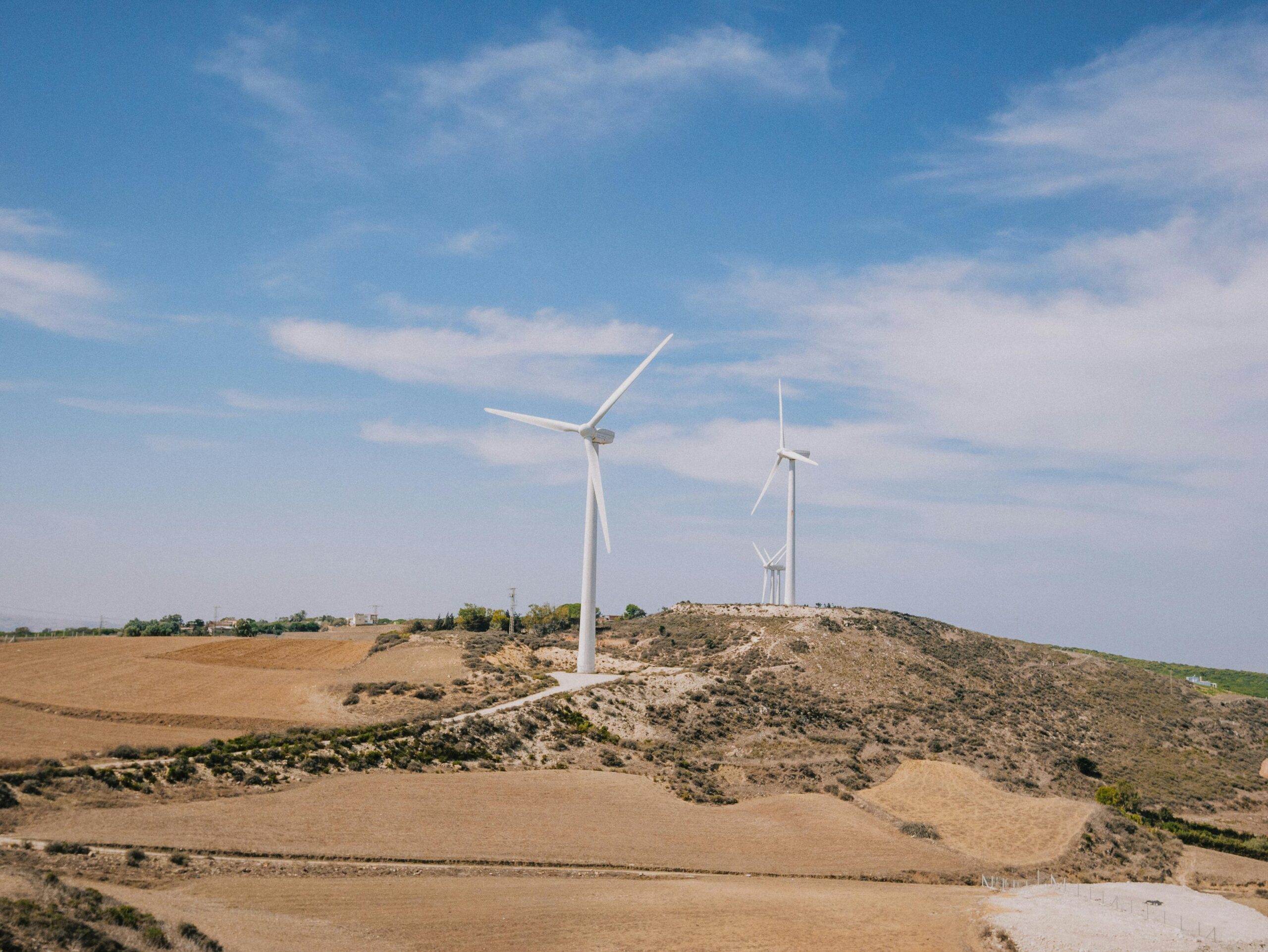
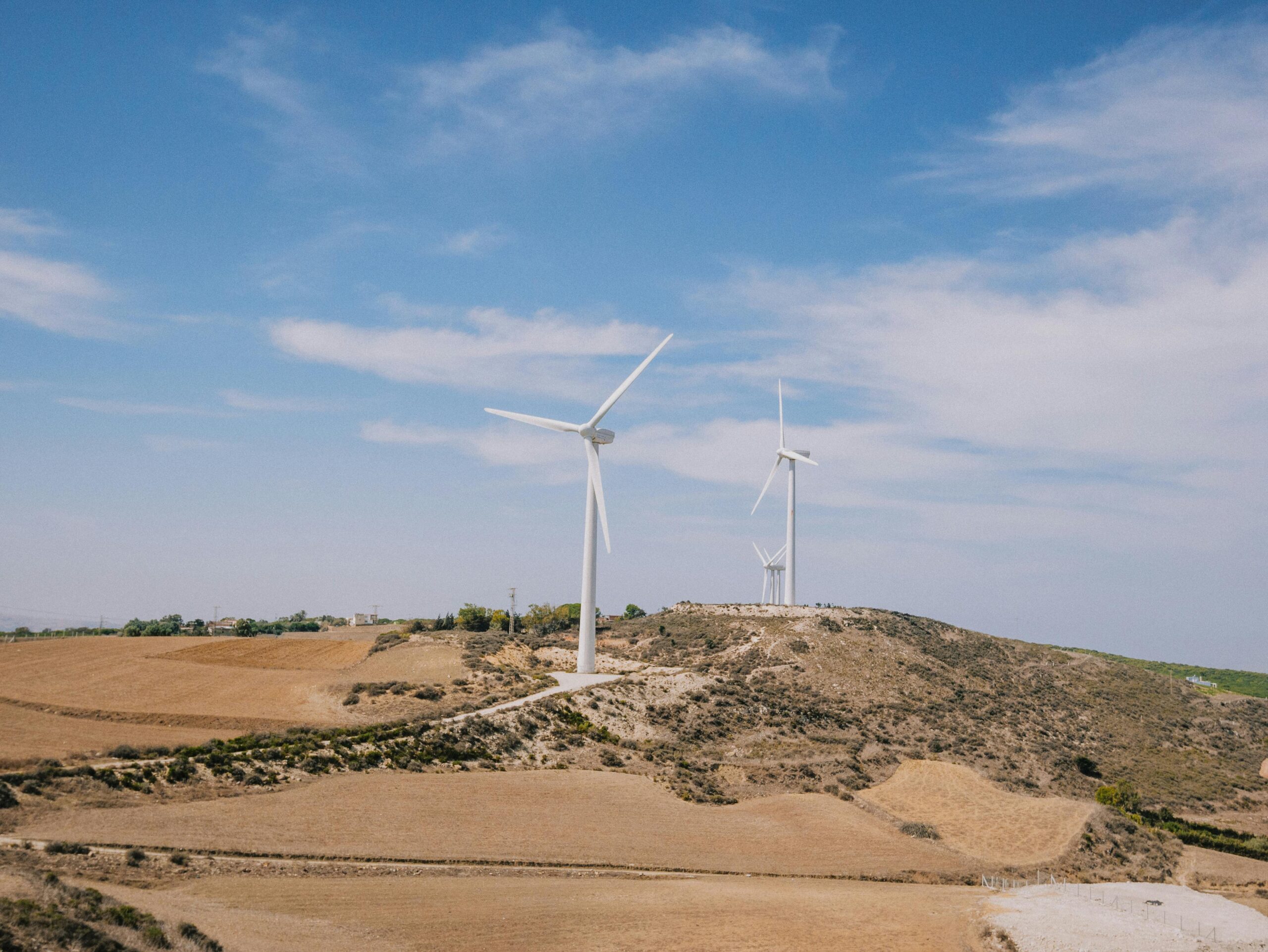
Denmark’s transformation into a wind energy powerhouse relied heavily on community cooperatives. In the 1980s and 1990s, local cooperatives developed much of the nation’s wind capacity, with members owning turbines and benefiting directly from power sales. This distributed ownership model built public support for wind development while ensuring benefits flowed to ordinary citizens rather than only large corporations.
Germany’s Energiewende and Cooperative Leadership
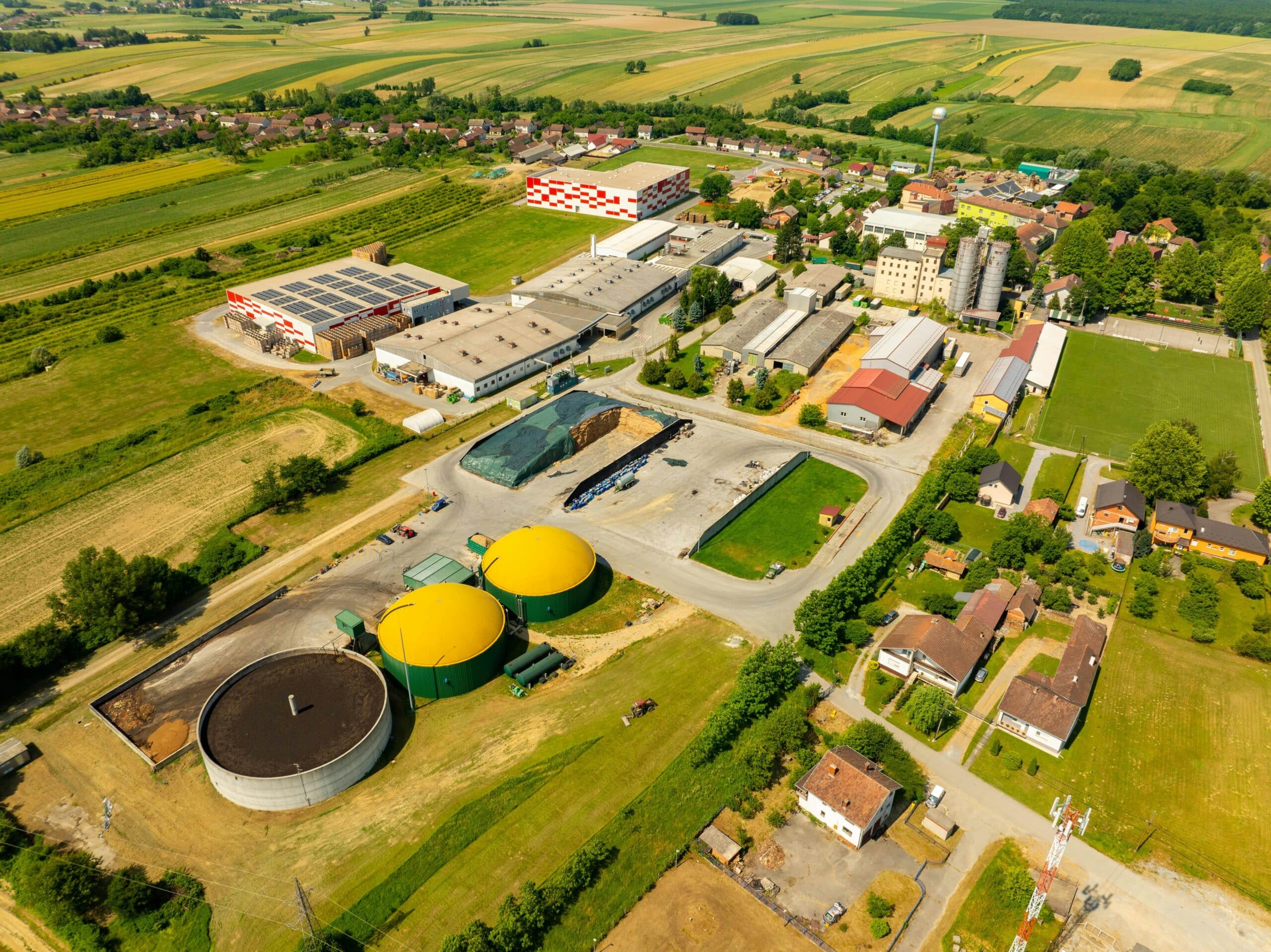
Germany’s energy transition features cooperatives as central actors. These organizations develop solar, wind, and biomass projects while operating local distribution networks. Their success has influenced national renewable energy policy and demonstrated that citizen-led energy systems can function at scale alongside traditional utilities.
North American Cooperative Growth
Though less developed than European counterparts, North American energy cooperatives are expanding rapidly. Rural electric cooperatives, which have served remote communities for decades, increasingly invest in renewable generation. New urban cooperatives develop community solar gardens allowing apartment dwellers to access solar power benefits impossible with individual rooftop systems.
Technology Enabling Community Energy Innovation
Technological advances are expanding possibilities for community energy cooperatives, making them more accessible, efficient, and impactful than ever before.
Declining renewable energy costs have democratized power generation. Solar panel prices have dropped over 90% in the past decade, while wind turbine efficiency has improved dramatically. These trends enable communities to develop economically viable projects with smaller capital requirements and shorter payback periods.
Battery storage technology addresses renewable energy’s intermittency challenge. Community cooperatives can now pair generation with storage, providing reliable power regardless of weather conditions and capturing maximum value from their renewable assets by storing excess generation for peak-demand periods.
Smart grid technologies and energy management software allow sophisticated monitoring and optimization of community energy systems. Members can track real-time generation and consumption, identify efficiency opportunities, and participate in demand-response programs that balance grid loads and generate additional revenue.
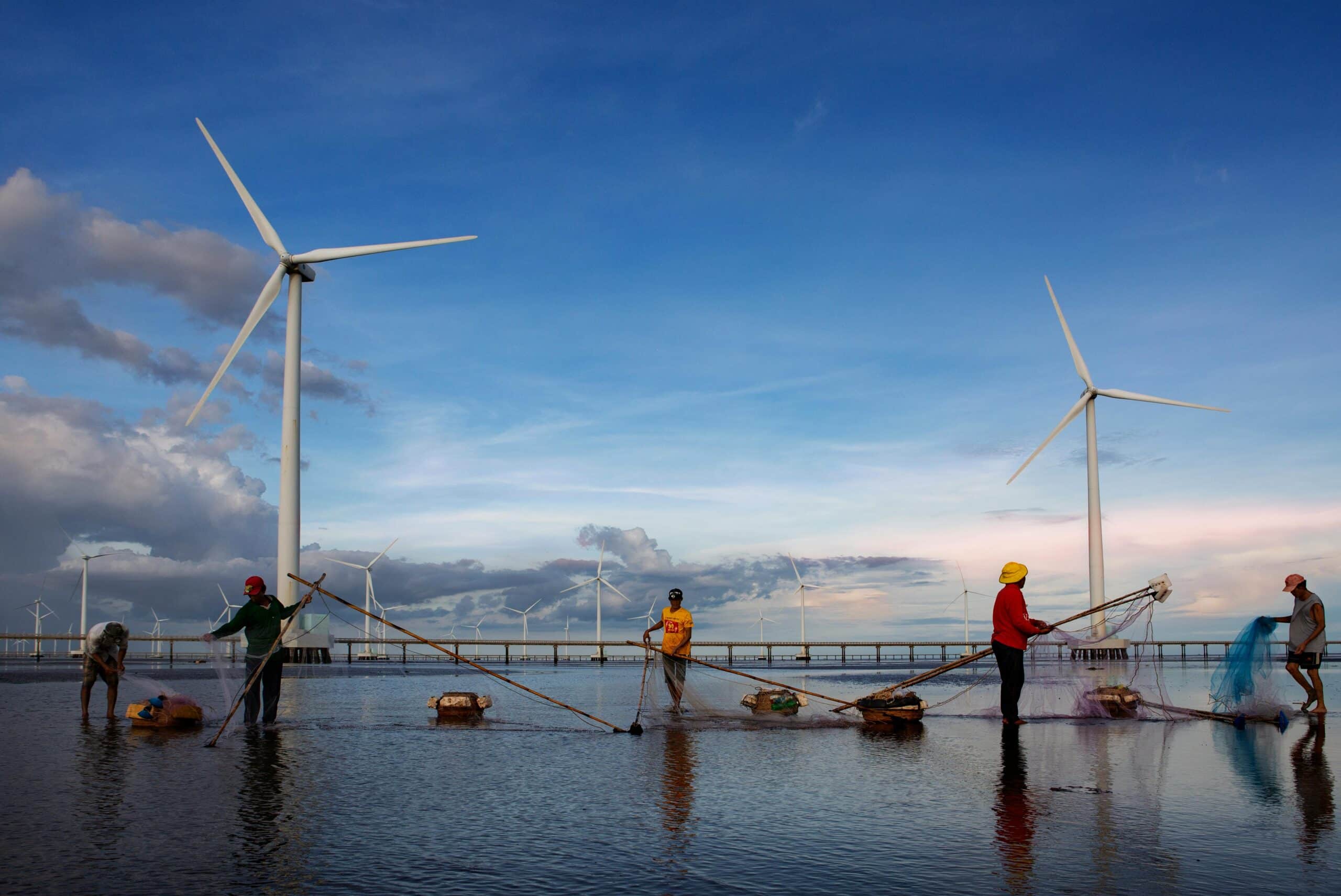
🔋 The Path Forward: Scaling Community Energy Solutions
As climate urgency intensifies and communities seek greater control over their energy futures, cooperatives stand poised for dramatic expansion. Realizing this potential requires supportive policies, innovative financing, and continued grassroots organizing.
Policy reforms can accelerate cooperative growth. Streamlined permitting processes, fair interconnection standards, and supportive net metering rules reduce barriers to entry. Public financing programs and tax incentives can improve project economics, particularly for lower-income communities. Some advocates propose “right to organize” protections allowing communities to form energy cooperatives without utility interference.
Knowledge sharing between cooperatives multiplies impact. Established organizations can mentor emerging ones, sharing lessons learned and avoiding repeated mistakes. National and international cooperative networks facilitate this exchange while providing collective advocacy platforms.
Ultimately, community energy cooperatives represent more than alternative electricity sources—they embody a vision of democratic participation, environmental responsibility, and local empowerment. As communities worldwide embrace this model, they’re not just transforming energy systems but reimagining how neighbors work together to solve shared challenges and build sustainable, resilient futures.
The transition to renewable energy is inevitable; the question is who will own and control these new energy systems. Community cooperatives ensure that power—both electrical and political—remains where it belongs: in the hands of the people it serves. By powering together, communities are discovering they can accomplish far more than any individual acting alone, creating models of cooperation and sustainability that extend well beyond the energy sector.

Toni Santos is a visual storyteller and archival artisan whose creative journey is steeped in the bold colors, dramatic typography, and mythic imagery of old circus posters. Through his artistic lens, Toni breathes new life into these once-lurid canvases of wonder, transforming them into tributes to a golden era of spectacle, showmanship, and cultural fantasy.
Fascinated by the visual language of vintage circuses — from roaring lions to gravity-defying acrobats, from hand-painted banners to gothic typefaces — Toni explores how these posters once captured the imagination of entire towns with nothing more than ink, illusion, and a promise of awe. Each composition he creates or studies is a dialogue with history, nostalgia, and the raw aesthetics of entertainment on the move.
With a background in handcrafted design and visual heritage, Toni blends artistic sensitivity with historical insight. His work traces the forgotten typographies, chromatic choices, and symbolic flair that defined circus marketing in the 19th and early 20th centuries — a time when posters were not just advertisements, but portable portals to dreamworlds.
As the creative force behind Vizovex, Toni curates collections, illustrations, and thoughtful narratives that reconnect modern audiences with the magic of old circus art — not just as ephemera, but as cultural memory etched in paper and pigment.
His work is a tribute to:
The flamboyant storytelling of early circus posters
The lost art of hand-lettered show promotion
The timeless charm of visual fantasy in public space
Whether you’re a vintage print enthusiast, a circus history lover, or a designer inspired by antique aesthetics, Toni invites you into a world where tigers leap through fire, strongmen pose in perfect symmetry, and every corner of the poster whispers: Step right up.