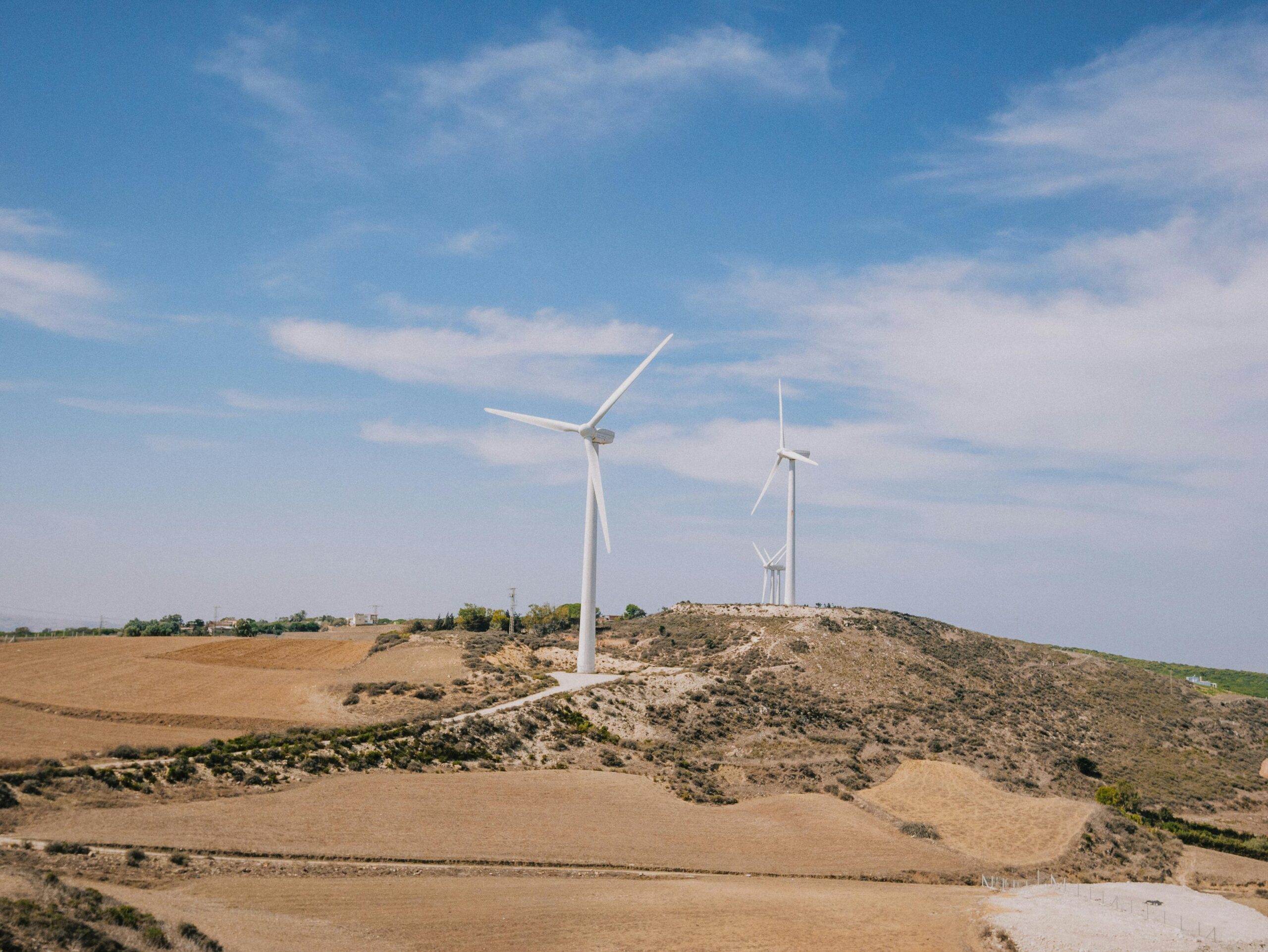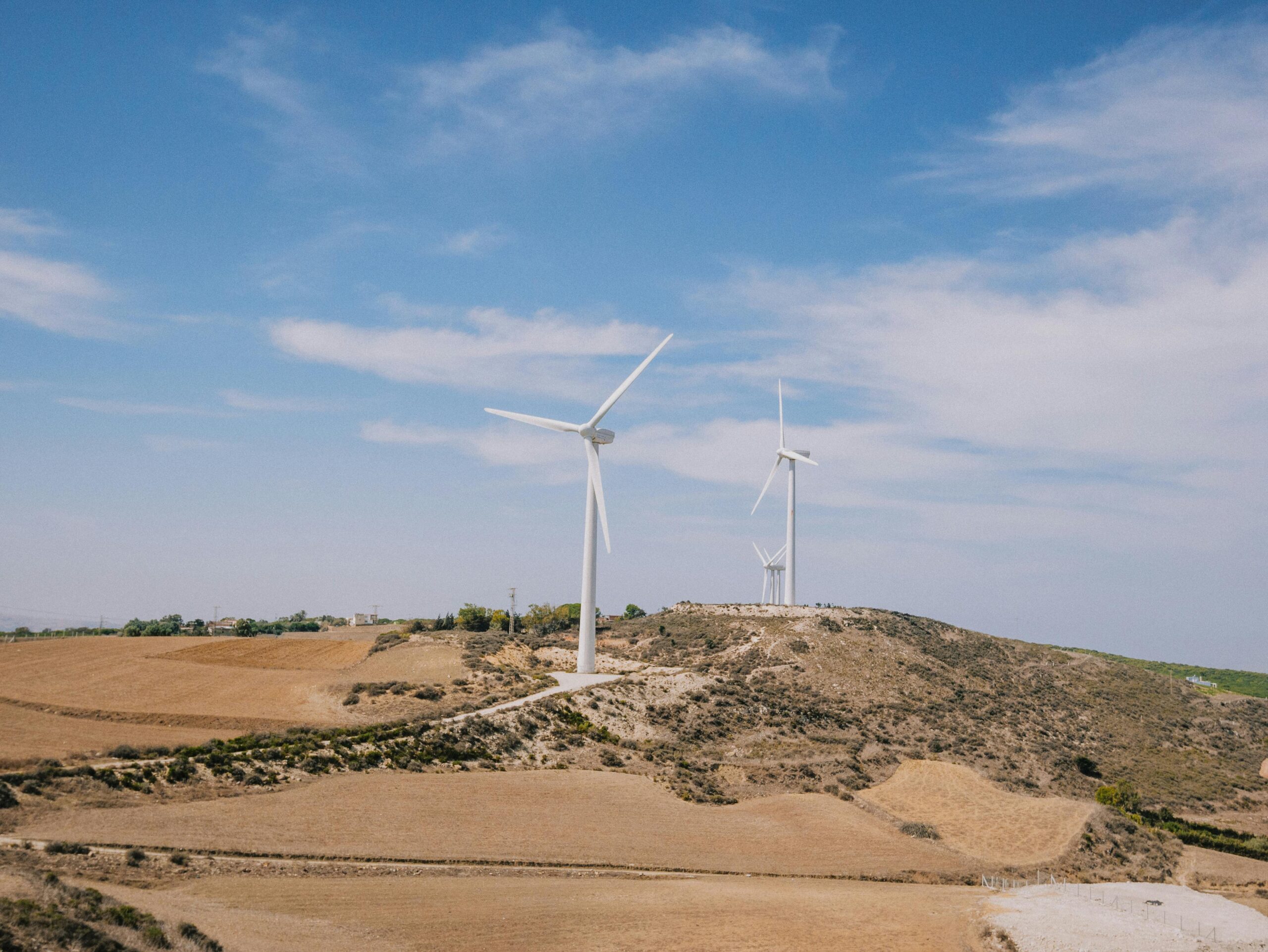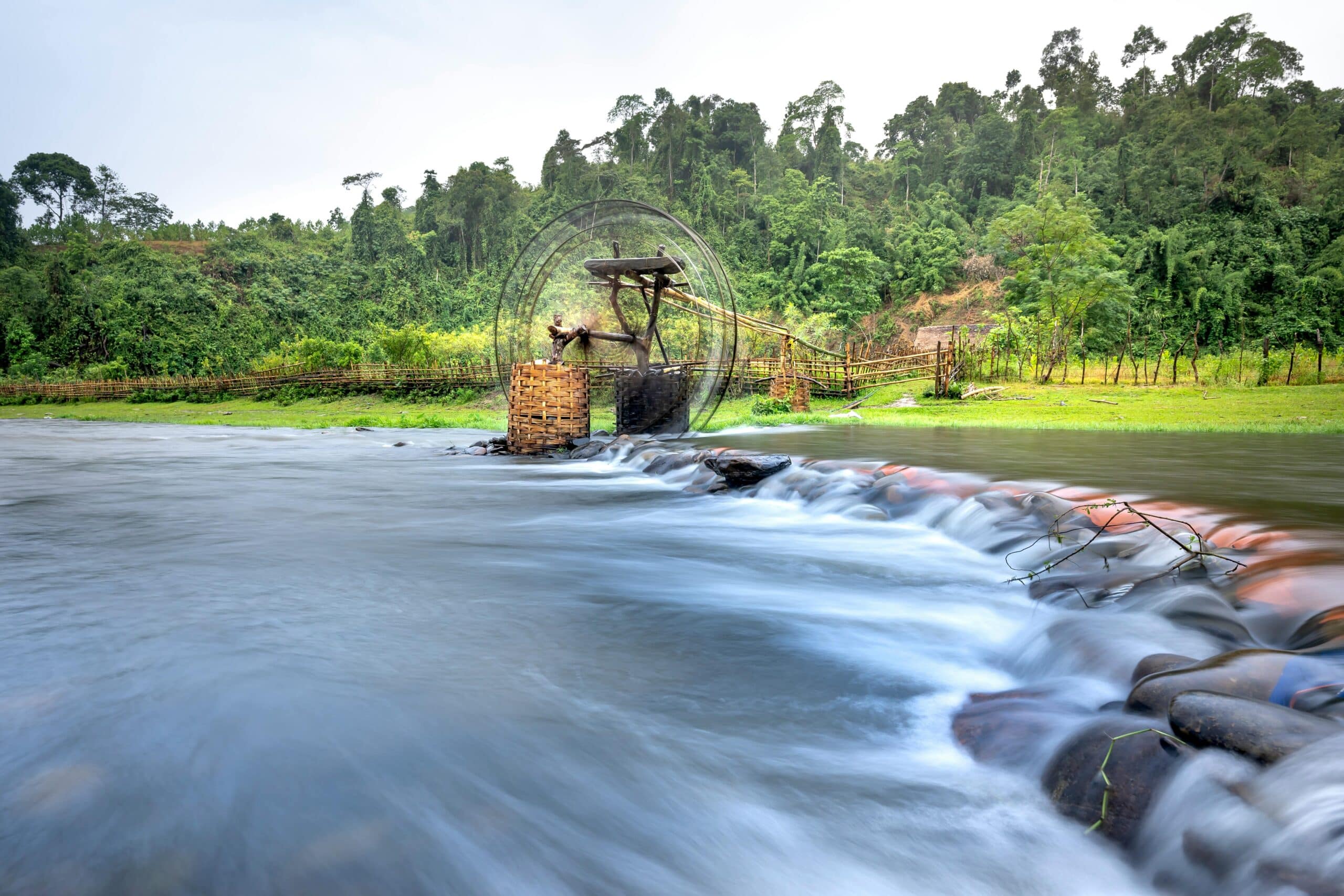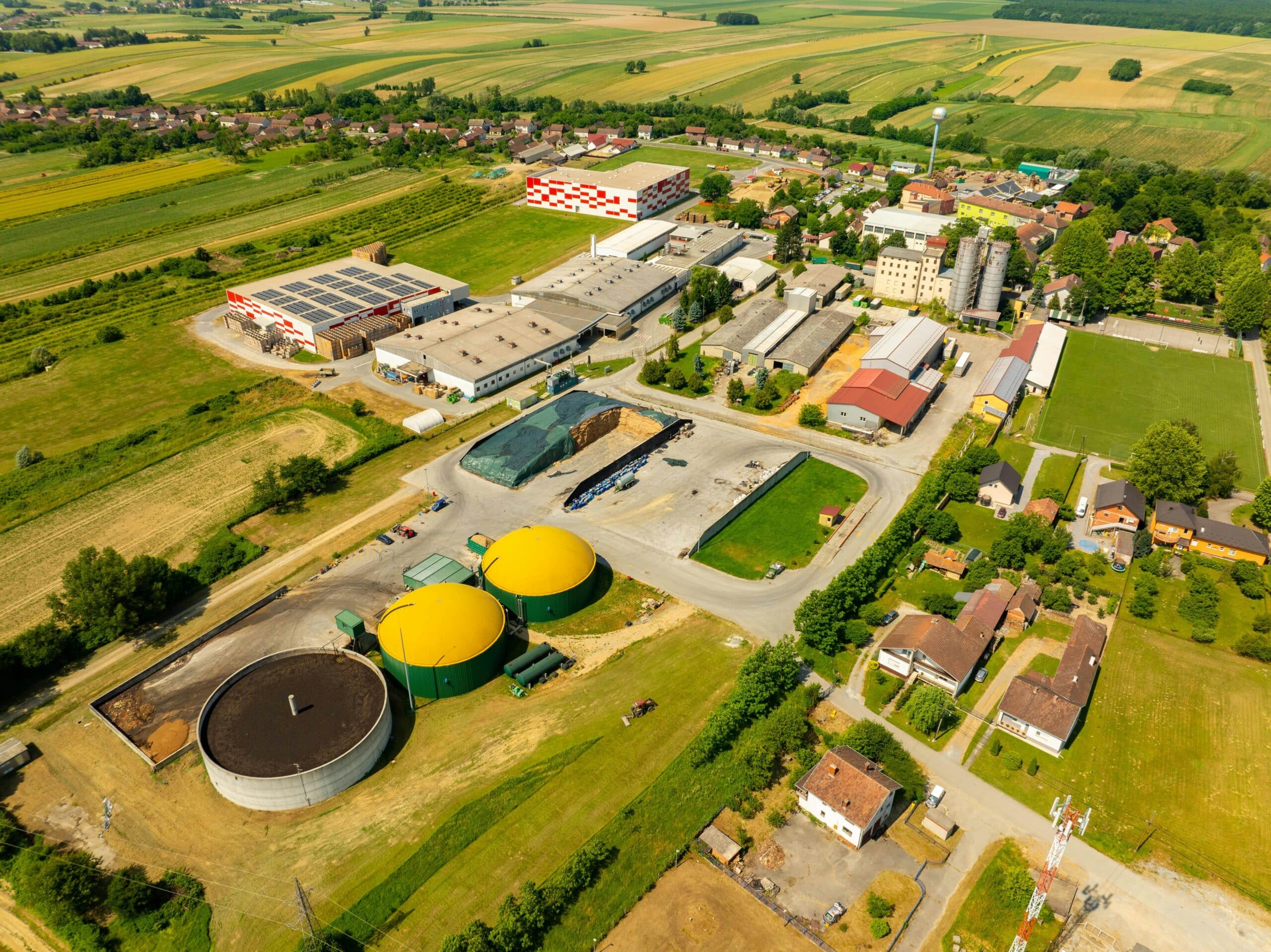
Wind energy offers rural property owners an incredible opportunity to achieve energy independence while reducing costs and environmental impact through sustainable turbine technology.
🌬️ Why Wind Energy Makes Perfect Sense for Rural Properties
Rural landowners possess a distinct advantage when it comes to renewable energy adoption: space. Unlike urban environments where space constraints limit sustainable energy options, rural properties typically have the expansive acreage necessary for wind turbine installation. The consistent wind patterns found in open countryside make these locations ideal candidates for harnessing wind power effectively.
The financial benefits extend beyond simple electricity generation. Many rural property owners discover that wind turbines create additional revenue streams through net metering programs, where excess electricity gets sold back to the grid. This transforms your property from merely an energy consumer into an energy producer, potentially generating passive income for decades.
Environmental stewardship has become increasingly important to modern landowners. Wind turbines produce zero emissions during operation, significantly reducing your carbon footprint while demonstrating commitment to sustainable land management. This eco-friendly approach often increases property value and appeals to environmentally conscious buyers should you decide to sell.
Understanding Wind Turbine Technology for Your Land
Modern wind turbines have evolved considerably from the simple windmills of previous generations. Today’s systems incorporate sophisticated technology that maximizes energy capture while minimizing maintenance requirements. Understanding the basic components helps property owners make informed decisions about their renewable energy investments.
Core Components of Residential Wind Systems
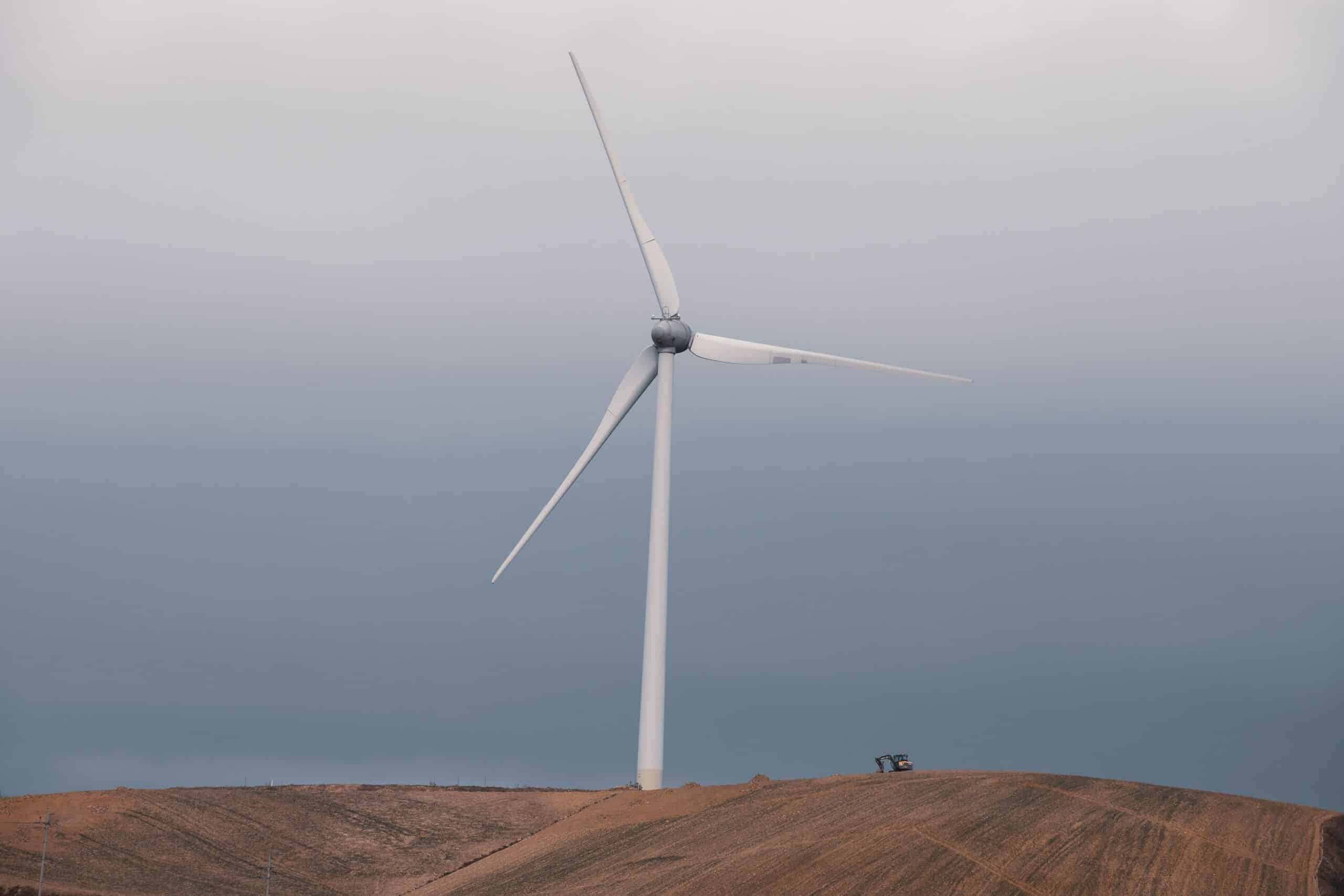
The rotor blades represent the most visible component, designed using aerodynamic principles to capture maximum wind energy. Most residential turbines feature three blades, balancing efficiency with structural stability. The nacelle houses the generator, gearbox, and control systems that convert rotational energy into usable electricity.
The tower elevates the turbine above ground-level turbulence, accessing stronger, more consistent winds. Tower heights typically range from 80 to 120 feet for residential applications, though specific requirements depend on local wind resources and terrain features. Foundation systems anchor these structures securely, engineered to withstand extreme weather conditions over multi-decade lifespans.
Inverters convert the direct current electricity produced by turbines into alternating current compatible with household appliances and grid connections. Battery storage systems, while optional, provide energy security during calm periods and enable complete off-grid independence when properly sized.
Assessing Your Property’s Wind Energy Potential
Not every rural property generates equal wind energy potential. Successful wind turbine implementation begins with thorough site assessment, evaluating multiple factors that influence system performance and economic viability.
Wind Speed and Consistency Measurements
Average wind speeds represent the single most critical factor determining turbine productivity. Most residential systems require minimum average wind speeds of 10-12 miles per hour to operate economically. Professional wind assessments typically involve installing anemometers that collect data over 12-month periods, capturing seasonal variations.
Wind resource maps provide preliminary insights, but on-site measurements prove essential because local topography creates microclimates that significantly affect wind patterns. Hills, valleys, tree lines, and buildings all influence wind behavior in ways that generalized maps cannot capture accurately.
Terrain and Obstacle Considerations
Open, elevated terrain provides optimal conditions for wind energy generation. Properties located on hilltops or ridges typically experience enhanced wind speeds compared to valley locations. However, even relatively flat rural areas can support productive wind systems when properly sited.
Obstacle assessment identifies potential wind flow disruptions. Trees, buildings, and terrain features create turbulence that reduces turbine efficiency. General guidelines recommend positioning turbines at least 30 feet above any obstacle within 300 feet, though specific requirements vary based on turbine size and local conditions.
⚡ Choosing the Right Wind Turbine System
The wind turbine market offers diverse options spanning various sizes, capacities, and price points. Selecting the appropriate system requires balancing your energy needs, budget constraints, and site-specific conditions.
Small-Scale Turbines for Homesteads
Small wind turbines, typically rated between 400 watts and 10 kilowatts, suit individual residences and small farm operations. These systems can offset significant portions of household electricity consumption while maintaining reasonable installation costs. Many homeowners begin with smaller systems, expanding capacity as budgets allow and energy needs grow.
Vertical-axis wind turbines present an alternative to traditional horizontal-axis designs, offering advantages in turbulent wind conditions and lower noise profiles. While generally less efficient than horizontal-axis models, they function better in variable wind directions and require less maintenance in some applications.
Medium and Large-Scale Options
Properties with substantial energy requirements or commercial operations benefit from larger turbines rated between 10 and 100 kilowatts. These systems generate considerably more electricity but require greater upfront investment and more extensive site preparation. The economies of scale often make larger turbines more cost-effective per kilowatt-hour produced.
Farm operations, guest ranches, and rural businesses frequently find that medium-scale turbines provide excellent returns on investment. The substantial electricity demands of irrigation systems, livestock facilities, and processing operations align well with higher-capacity wind generation.
Financial Planning and Investment Analysis
Wind turbine installation represents significant capital investment requiring careful financial analysis. Understanding all costs, available incentives, and realistic payback periods enables informed decision-making that aligns with your long-term property management goals.
Initial Investment and Installation Costs
Complete wind system costs vary tremendously based on turbine size, tower height, site preparation requirements, and installation complexity. Small residential systems typically range from $15,000 to $50,000 installed, while larger systems can exceed $100,000. These figures include turbines, towers, electrical equipment, installation labor, and permitting fees.
Site-specific factors significantly impact installation costs. Properties requiring extensive electrical infrastructure upgrades, difficult terrain access, or complex foundation engineering face higher expenses. Obtaining multiple quotes from reputable installers helps ensure competitive pricing and identifies potential cost-saving opportunities.
Government Incentives and Tax Benefits
Federal, state, and local incentive programs dramatically improve wind energy economics for rural property owners. The federal Investment Tax Credit historically provided substantial tax reductions for renewable energy installations. Many states offer additional rebates, grants, or tax incentives specifically targeting rural renewable energy adoption.
USDA Rural Energy for America Program (REAP) grants and loan guarantees assist agricultural producers and rural small businesses with renewable energy projects. These programs can cover up to 25% of project costs, significantly reducing financial barriers to wind energy adoption.
Long-Term Economic Returns
Properly sited and maintained wind turbines typically achieve payback periods between 6 and 15 years, depending on system costs, energy production, electricity rates, and available incentives. After reaching payback, turbines generate essentially free electricity for their remaining operational lives, often exceeding 20 years.
Rising electricity costs accelerate payback timelines and increase lifetime savings. Energy price inflation historically outpaces general inflation, making fixed-cost renewable energy investments increasingly valuable over time. This hedge against energy price volatility provides financial security alongside environmental benefits.
🔧 Installation Process and Technical Requirements
Successful wind turbine installation demands professional expertise, proper permitting, and attention to technical details. Understanding the implementation process helps property owners prepare adequately and avoid common pitfalls.
Permitting and Regulatory Compliance
Local zoning regulations, building codes, and homeowner association rules may restrict or regulate wind turbine installations. Research these requirements early in your planning process to avoid expensive surprises. Some jurisdictions impose height restrictions, setback requirements, or noise limitations that affect system design.
Many areas require building permits for wind turbine installations, involving structural engineering reviews and electrical inspections. Grid-connected systems need utility company approval and appropriate interconnection agreements. Working with experienced installers familiar with local regulations streamlines this process considerably.
Professional Installation Versus DIY Approaches
While some mechanically inclined property owners attempt DIY wind turbine installations, professional installation typically proves worthwhile. Certified installers possess specialized equipment, technical expertise, and insurance coverage that ensure safe, code-compliant installations. Manufacturer warranties often require professional installation to remain valid.
Foundation construction, tower erection, and electrical integration present significant safety hazards requiring proper equipment and training. Professional installers complete projects more quickly and efficiently than most DIY attempts, minimizing installation risks and ensuring optimal system performance.
Maintenance and Long-Term System Care
Wind turbines require relatively minimal maintenance compared to many power generation systems, but regular attention ensures maximum longevity and performance. Developing comprehensive maintenance schedules protects your investment and maintains optimal energy production.
Routine Inspection and Service
Annual professional inspections identify potential issues before they become serious problems. Technicians examine blade condition, check bolt torque, inspect electrical connections, and verify proper controller operation. These preventive measures extend system life and maintain safety standards.
Property owners should perform visual inspections monthly, watching for unusual vibrations, strange noises, or visible damage. Monitoring energy production helps identify performance degradation that might indicate developing problems requiring professional attention.
Component Replacement and Upgrades
Certain components require periodic replacement during turbine operational lifetimes. Gearboxes, generators, and controllers may need replacement or rebuilding after 10-15 years depending on usage and environmental conditions. Planning for these eventual expenses prevents financial surprises and maintains uninterrupted energy production.
Technology improvements create upgrade opportunities that enhance system performance. Controller upgrades may improve energy capture, while blade replacements using advanced materials can increase efficiency. Evaluating these options periodically ensures your system remains competitive with newer technologies.
🌍 Environmental Impact and Sustainability Considerations
Beyond personal energy independence and financial benefits, wind turbines contribute meaningfully to environmental conservation and climate change mitigation. Understanding these broader impacts contextualizes your renewable energy investment within larger sustainability movements.
Carbon Footprint Reduction
Wind turbines generate electricity without combustion, producing zero operational emissions. A typical residential wind turbine offsets several tons of carbon dioxide annually compared to fossil fuel electricity generation. Over 20-year operational lifespans, cumulative emissions reductions become substantial, equivalent to removing multiple vehicles from roads permanently.
Manufacturing, transportation, and installation create embodied carbon in wind systems, but energy payback periods typically occur within 6-12 months of operation. Following this brief period, turbines generate net-positive environmental benefits throughout their remaining service lives.
Wildlife and Ecosystem Considerations
Responsible wind energy development considers potential wildlife impacts, particularly concerning birds and bats. Proper siting away from migration corridors and nesting areas minimizes these risks significantly. Modern turbine designs with slower rotational speeds reduce collision risks compared to earlier high-speed models.
Comprehensive environmental assessments identify sensitive habitats and species requiring protection. Working with wildlife professionals during planning phases ensures wind installations coexist harmoniously with local ecosystems while delivering sustainable energy benefits.
Integrating Wind Power with Other Renewable Systems
Wind energy works exceptionally well alongside complementary renewable technologies, creating robust, diversified energy systems that maximize self-sufficiency and reliability.
Solar and Wind Hybrid Systems
Combining wind turbines with solar panels leverages seasonal complementarity. Wind resources often peak during winter months and overnight hours when solar production drops. This natural balance creates more consistent year-round energy generation than either technology alone provides.
Hybrid systems optimize battery storage investments by reducing capacity requirements. When wind and solar both contribute to energy production, storage systems need to bridge shorter gaps between generation and consumption, reducing overall system costs.
Battery Storage Integration
Energy storage transforms intermittent wind generation into dispatchable power available whenever needed. Modern lithium battery systems offer excellent performance, declining costs, and long service lives that complement wind turbine investments effectively.
Properly sized battery banks enable complete off-grid independence, eliminating monthly utility bills entirely. Grid-connected properties use storage to maximize self-consumption, storing excess wind generation for use during peak-rate periods when grid electricity costs most.
💡 Real-World Success Stories from Rural Wind Adopters
Across agricultural regions and rural communities, property owners have successfully implemented wind energy systems that transform their energy economics and demonstrate renewable technology viability.
Family farms throughout the Great Plains have installed mid-size turbines that power entire operations while generating surplus income through renewable energy credits. These installations often pay for themselves within a decade while providing energy security for generations.
Remote properties beyond economical grid extension distances have achieved complete energy independence through wind-solar hybrid systems with battery storage. These off-grid installations eliminate the substantial costs of extending utility infrastructure while providing modern electrical conveniences.
Rural businesses including vineyards, guest ranches, and small manufacturers have discovered that visible wind turbines enhance brand identity, demonstrating environmental commitment that resonates with increasingly eco-conscious consumers. This marketing value supplements direct energy savings and revenue generation.
Maximizing Your Wind Energy Investment
Strategic planning and informed decision-making ensure wind turbine installations deliver maximum value throughout their operational lifetimes. Taking time to thoroughly research options, properly assess your property, and work with qualified professionals pays substantial dividends.
Begin with comprehensive wind resource assessment using professional-grade equipment and analysis. This foundational data informs all subsequent decisions regarding system sizing, turbine selection, and financial projections. Investing in quality assessment prevents expensive mistakes and ensures realistic performance expectations.
Select equipment from established manufacturers with proven track records and reliable warranty support. While budget considerations matter, purchasing quality components from reputable suppliers protects your investment and ensures access to replacement parts and technical support throughout system life.
Engage certified installers with specific wind energy experience rather than general contractors or electricians. Specialized knowledge ensures proper siting, installation, and system integration that maximizes performance while maintaining safety and code compliance.
Wind energy represents more than just electricity generation for rural property owners. It embodies energy independence, environmental stewardship, and financial prudence. As technology continues improving and costs decline, wind turbines become increasingly accessible to landowners seeking sustainable solutions that align economic and environmental objectives. Your rural property’s wind resources represent untapped potential waiting to transform how you power your life while contributing to a cleaner energy future.

Toni Santos is a visual storyteller and archival artisan whose creative journey is steeped in the bold colors, dramatic typography, and mythic imagery of old circus posters. Through his artistic lens, Toni breathes new life into these once-lurid canvases of wonder, transforming them into tributes to a golden era of spectacle, showmanship, and cultural fantasy.
Fascinated by the visual language of vintage circuses — from roaring lions to gravity-defying acrobats, from hand-painted banners to gothic typefaces — Toni explores how these posters once captured the imagination of entire towns with nothing more than ink, illusion, and a promise of awe. Each composition he creates or studies is a dialogue with history, nostalgia, and the raw aesthetics of entertainment on the move.
With a background in handcrafted design and visual heritage, Toni blends artistic sensitivity with historical insight. His work traces the forgotten typographies, chromatic choices, and symbolic flair that defined circus marketing in the 19th and early 20th centuries — a time when posters were not just advertisements, but portable portals to dreamworlds.
As the creative force behind Vizovex, Toni curates collections, illustrations, and thoughtful narratives that reconnect modern audiences with the magic of old circus art — not just as ephemera, but as cultural memory etched in paper and pigment.
His work is a tribute to:
The flamboyant storytelling of early circus posters
The lost art of hand-lettered show promotion
The timeless charm of visual fantasy in public space
Whether you’re a vintage print enthusiast, a circus history lover, or a designer inspired by antique aesthetics, Toni invites you into a world where tigers leap through fire, strongmen pose in perfect symmetry, and every corner of the poster whispers: Step right up.