Off-grid energy solutions are revolutionizing how we think about power independence, sustainability, and resilience in an increasingly interconnected yet vulnerable world.
🌍 The Rising Demand for Energy Independence
The modern world faces an unprecedented energy crisis. Climate change, geopolitical tensions, and infrastructure vulnerabilities have exposed the fragility of centralized power grids. More people are seeking alternatives that offer reliability, sustainability, and autonomy. Off-grid energy systems provide exactly that—a pathway to freedom from traditional utility companies while reducing environmental impact.
Energy independence isn’t just about survival or preparedness anymore. It represents a conscious choice to take control of one’s environmental footprint and financial future. The off-grid movement has evolved from a niche lifestyle choice into a mainstream solution embraced by homeowners, businesses, and entire communities worldwide.
According to recent statistics, the global off-grid solar market alone is expected to reach billions in value over the next decade. This growth reflects not only technological advancement but also changing attitudes toward energy consumption and production. People are no longer passive consumers—they’re becoming active energy producers.
⚡ Understanding Off-Grid Energy Systems
Off-grid energy systems operate independently from the main electrical grid. These systems generate, store, and manage electricity without relying on utility companies. The core components typically include energy generation sources, storage solutions, and power management systems that work together seamlessly.
The beauty of off-grid solutions lies in their modularity and scalability. Whether you’re powering a small cabin in the woods or an entire residential property, these systems can be customized to meet specific energy needs. The key is understanding your consumption patterns and choosing the right combination of technologies.
Primary Components of Off-Grid Systems
Every effective off-grid setup requires careful planning and integration of several essential elements. Solar panels or wind turbines generate electricity from renewable sources. Battery banks store excess energy for use during periods without sun or wind. Charge controllers regulate the flow of electricity to prevent overcharging. Inverters convert DC power from batteries into AC power for household appliances.
Backup generators, though not always necessary, provide additional security during extended periods of low renewable energy production. Monitoring systems help track energy production, consumption, and storage levels, enabling users to optimize their systems for maximum efficiency.
☀️ Solar Power: The Cornerstone of Modern Off-Grid Living
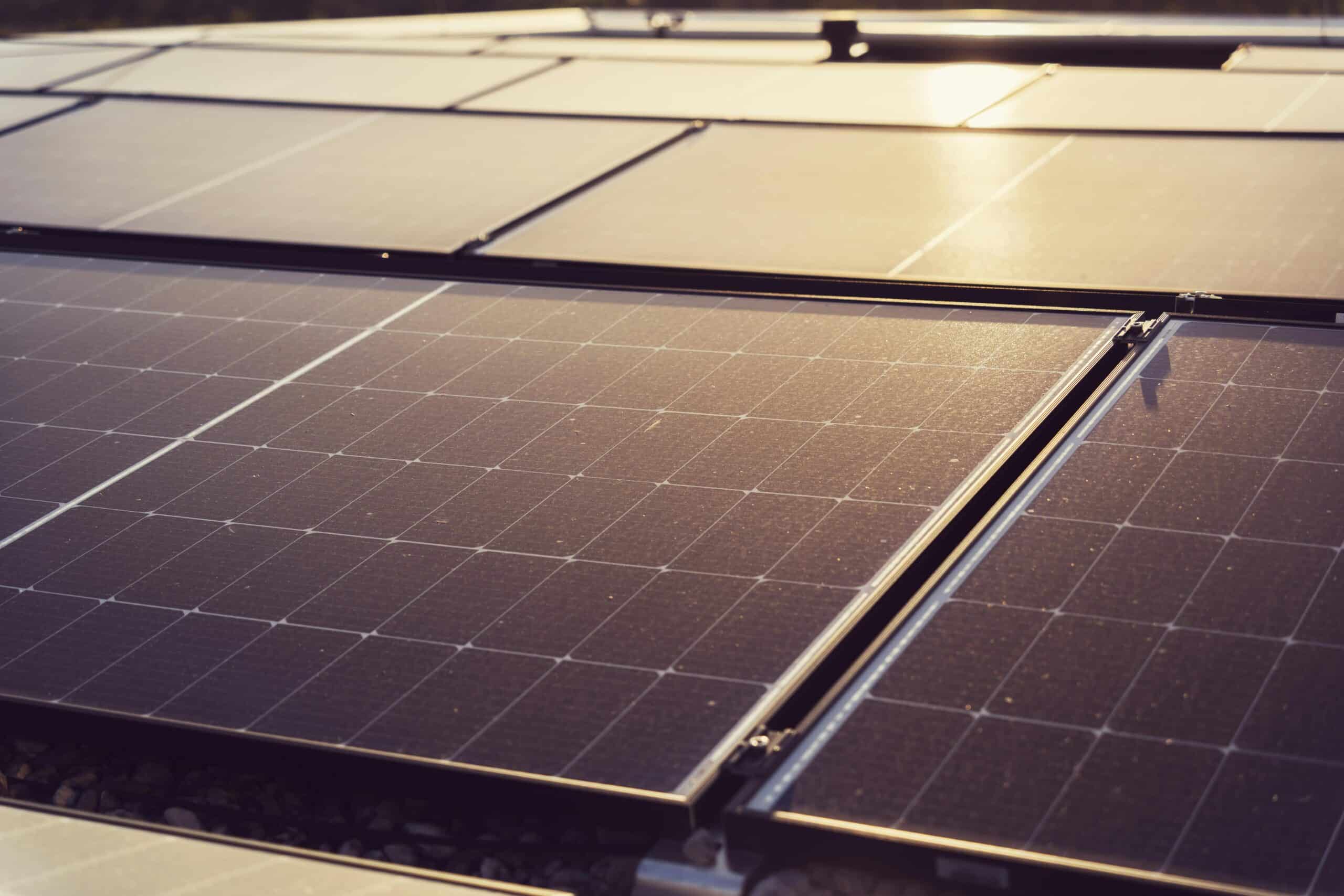
Solar energy has become synonymous with off-grid living, and for good reason. Photovoltaic technology has advanced dramatically while costs have plummeted. Today’s solar panels are more efficient, durable, and affordable than ever before, making them accessible to a broader range of users.
The versatility of solar power makes it ideal for various applications. Rooftop installations maximize existing space without additional land requirements. Ground-mounted arrays offer flexibility in positioning for optimal sun exposure. Portable solar panels provide power for recreational vehicles, boats, and remote work sites.
Modern solar panels can generate electricity even on cloudy days, though at reduced efficiency. This reliability, combined with minimal maintenance requirements, makes solar the preferred choice for most off-grid applications. The technology continues to improve, with innovations like bifacial panels and solar shingles expanding possibilities.
Maximizing Solar Efficiency
Location and positioning significantly impact solar panel performance. Panels should face the equator (south in the Northern Hemisphere, north in the Southern Hemisphere) at an angle matching local latitude for year-round optimization. Regular cleaning removes dust and debris that reduce efficiency. Monitoring systems help identify underperforming panels or components.
Seasonal adjustments can boost energy capture. Some systems use tracking mounts that follow the sun’s movement throughout the day, increasing production by up to thirty percent compared to fixed installations. However, these add complexity and cost that may not justify the gains for all users.
🔋 Energy Storage Solutions: The Heart of Reliability
Generating power is only half the equation—storing it effectively determines system reliability. Battery technology has experienced revolutionary advances, transforming off-grid living from a compromise into a comfortable, reliable lifestyle choice.
Lithium-ion batteries dominate the modern market due to their high energy density, long lifespan, and decreasing costs. These batteries charge faster, discharge more deeply, and require less maintenance than traditional lead-acid alternatives. Their compact size makes them ideal for residential applications where space is limited.
Lead-acid batteries, while older technology, still serve certain applications well. They’re less expensive upfront and readily available. Flooded lead-acid batteries require regular maintenance but offer good value. Sealed AGM and gel variants eliminate maintenance but cost more and have shorter lifespans than lithium alternatives.
Emerging Storage Technologies
Flow batteries present an interesting alternative for large-scale storage. These systems store energy in liquid electrolytes, offering virtually unlimited cycling and long lifespans. Though currently expensive, they’re becoming more viable for community-scale projects and commercial applications.
Saltwater batteries represent another emerging technology, offering non-toxic, fully recyclable energy storage. While less energy-dense than lithium-ion, their environmental credentials and safety profile make them attractive for certain applications. Innovation continues across the storage landscape, promising even better solutions ahead.
💨 Wind Power: Harnessing Nature’s Kinetic Energy
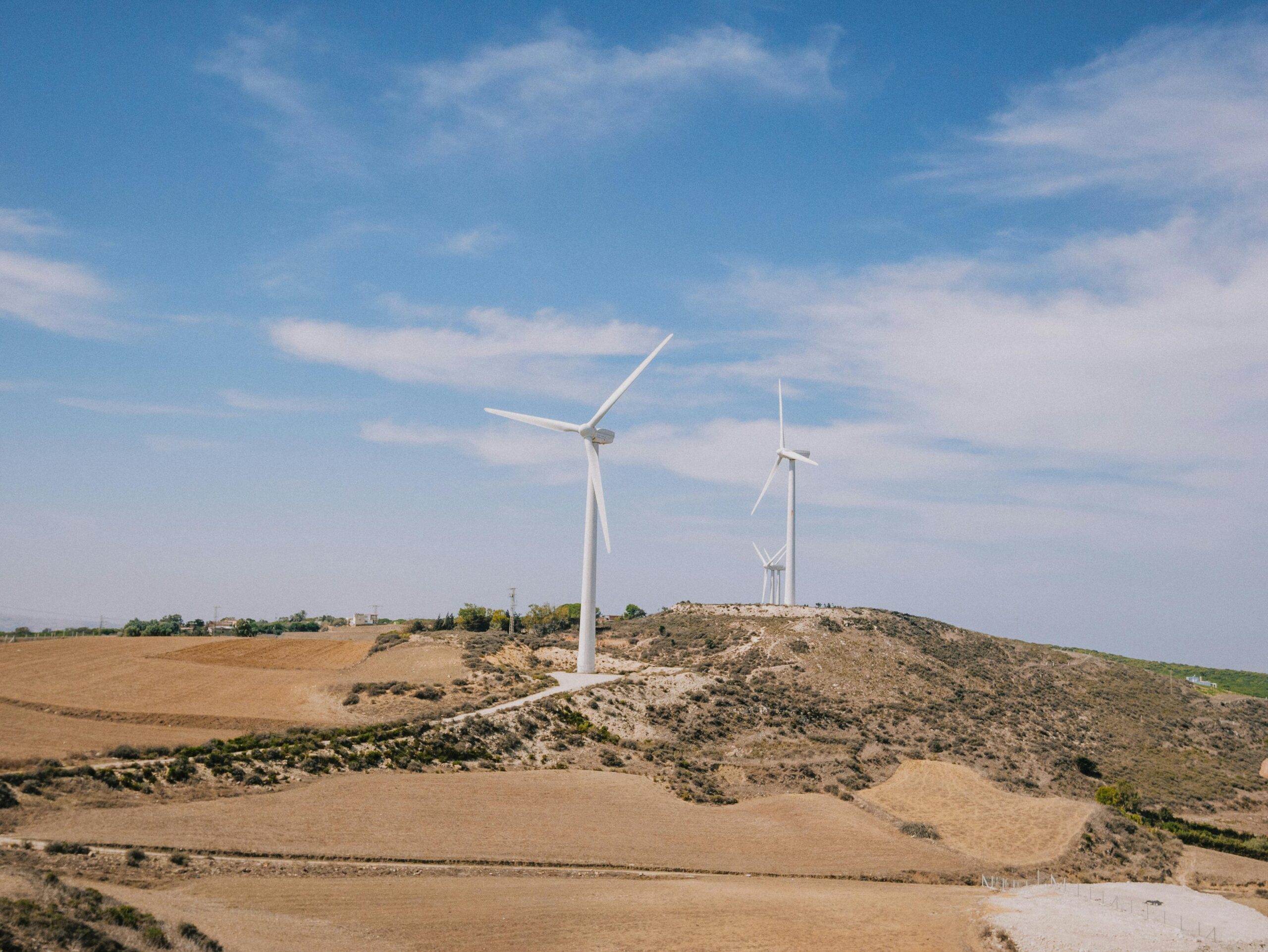
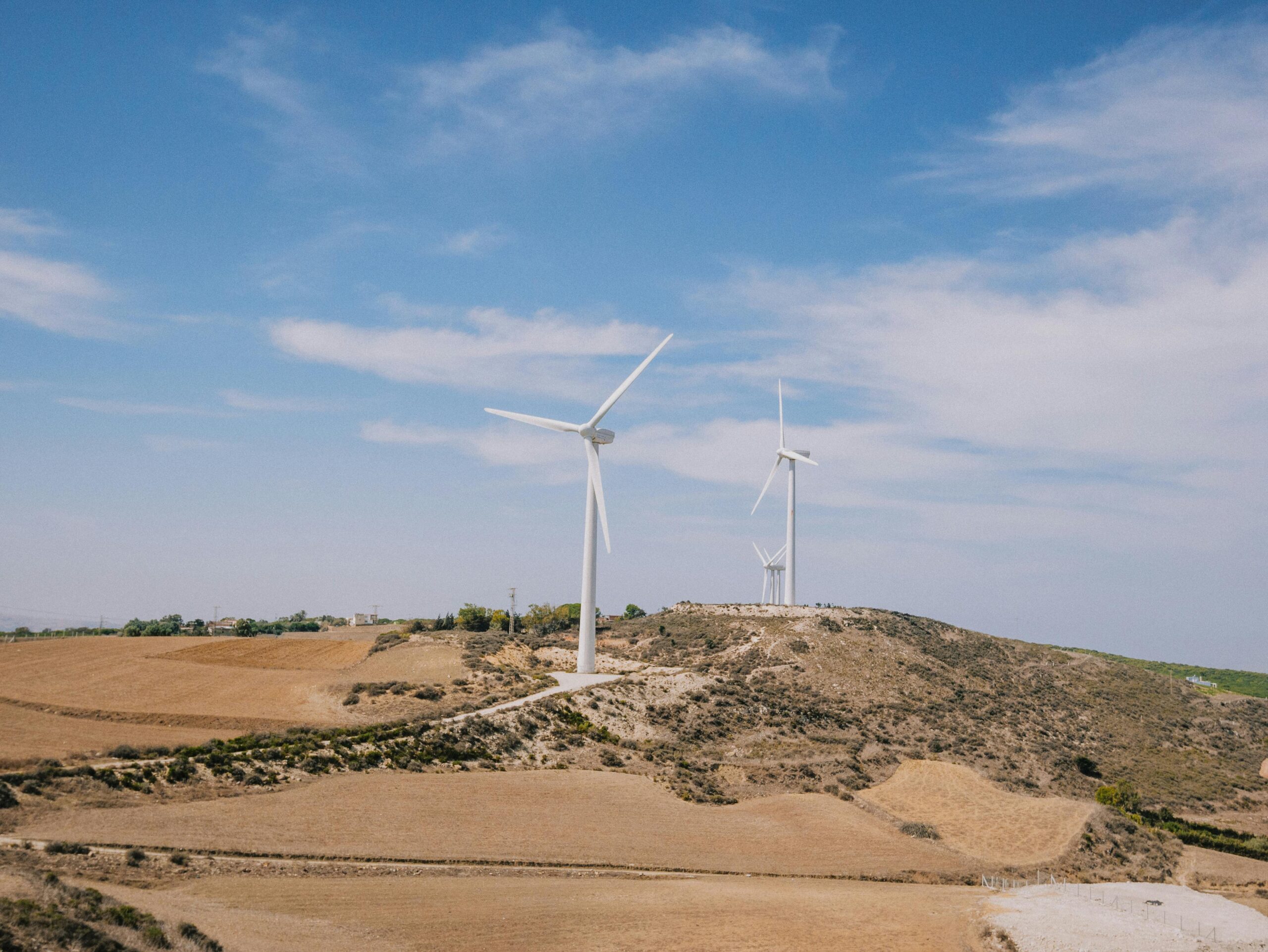
Wind turbines complement solar installations beautifully, often generating power when solar production is low. Wind patterns typically increase during winter months and nighttime hours, exactly when solar production decreases. This natural complementarity creates more consistent year-round energy availability.
Small-scale wind turbines designed for residential use have become quieter, more efficient, and more reliable. Modern designs feature automatic shut-off mechanisms during dangerous wind speeds, protecting the equipment from damage. Vertical-axis turbines work in turbulent wind conditions better than traditional horizontal-axis designs, making them suitable for urban and suburban environments.
Site assessment is critical for wind power success. Wind resources vary dramatically based on topography, vegetation, and structures. Professional wind resource assessments identify optimal turbine placement and expected energy production. Even small differences in tower height can significantly impact generation capacity.
💧 Micro-Hydro: Continuous Power from Flowing Water
For properties with streams or rivers, micro-hydro systems offer unparalleled reliability. Water flows continuously, providing consistent power generation twenty-four hours daily, regardless of weather conditions. This makes micro-hydro the most reliable renewable energy source when geography permits.
Micro-hydro systems require relatively modest water flow if sufficient elevation drop exists. The combination of flow rate and vertical drop (head) determines power generation potential. Even small streams can produce significant electricity with adequate head, making this viable for mountain properties and hillside locations.
Environmental considerations are paramount when implementing micro-hydro. Proper system design maintains ecological balance, ensuring fish passage and downstream water availability. Many jurisdictions require permits and environmental impact assessments before installation. Responsible implementation allows sustainable power generation without harming aquatic ecosystems.
🏠 Designing Your Off-Grid Energy System
Successful off-grid living begins with accurate energy auditing. Calculate your daily power consumption by listing all electrical devices, their wattage, and usage hours. This baseline determines system sizing requirements. Most people discover opportunities to reduce consumption through efficiency improvements before investing in generation capacity.
Energy efficiency measures provide the best return on investment. LED lighting uses eighty percent less electricity than incandescent bulbs. Energy-efficient appliances dramatically reduce power demands. Proper insulation minimizes heating and cooling needs. These improvements reduce required system size, saving thousands in equipment costs.
System Sizing Considerations
Oversizing provides comfort and resilience but increases costs. Undersizing leads to frustration and potential system damage from over-discharging batteries. A balanced approach accounts for daily consumption, seasonal variations, and future growth. Professional system designers use sophisticated software to model various scenarios and optimize configurations.
Geographic location significantly impacts system requirements. Northern latitudes experience greater seasonal solar variation, requiring larger battery banks or supplementary generation sources. Coastal areas may have excellent wind resources. Mountain properties might leverage micro-hydro potential. Climate considerations affect everything from panel mounting to battery temperature management.
📱 Smart Technology Integration
Modern off-grid systems incorporate smart technology for optimal performance. Monitoring apps provide real-time data on energy production, consumption, and storage levels. These insights enable informed decisions about energy usage, helping maximize system efficiency and battery lifespan.
Automated load management systems prioritize essential loads during low-production periods. Smart inverters optimize power conversion efficiency. Weather forecasting integration helps anticipate production changes, allowing proactive energy management. These technologies transform off-grid living from constant vigilance to automated convenience.
Remote monitoring capabilities offer peace of mind for vacation properties or installations at distance. Receive alerts about system issues before they become problems. Adjust settings remotely based on changing conditions or needs. Technology makes off-grid systems more accessible and user-friendly than ever before.
💰 Economic Considerations and Return on Investment
Initial investment in off-grid systems represents a significant financial commitment. However, total cost of ownership often compares favorably to grid connection over system lifespan. Rural properties requiring grid extension face substantial connection fees—often tens of thousands of dollars—making off-grid solutions economically competitive immediately.
Ongoing utility costs accumulate relentlessly. Off-grid systems eliminate monthly electric bills permanently. With typical solar panel warranties spanning twenty-five years and inverters lasting ten to fifteen years, long-term savings can be substantial. Battery replacement represents the primary ongoing expense, though improving technology extends replacement intervals.
Government incentives, tax credits, and rebates significantly reduce net system costs in many jurisdictions. These programs recognize renewable energy’s environmental and grid-resilience benefits. Research available incentives during planning stages to maximize financial benefits. Some utilities even offer programs for off-grid system components despite serving grid-connected customers.
🌱 Environmental Impact and Sustainability
Off-grid renewable energy systems eliminate greenhouse gas emissions associated with fossil fuel electricity generation. The environmental benefits extend beyond carbon reduction. No air pollution from power plants. No water consumption for cooling towers. No transmission line infrastructure disrupting ecosystems and landscapes.
Manufacturing solar panels and batteries does involve environmental impacts, including mining and processing materials. However, lifecycle analyses consistently show renewable energy systems offset their manufacturing footprint within a few years of operation. Decades of clean energy production follow, creating overwhelmingly positive environmental outcomes.
Responsible end-of-life management ensures sustainability throughout the product lifecycle. Solar panels are highly recyclable, with glass, aluminum, and silicon recovered for new products. Battery recycling programs recover valuable materials including lithium, cobalt, and nickel. Industry initiatives continue improving recycling infrastructure and processes.
🔧 Maintenance and Longevity
Off-grid systems require regular maintenance to ensure optimal performance and longevity. Solar panels need occasional cleaning—more frequently in dusty environments. Battery terminals require inspection and cleaning. Inverters need adequate ventilation and periodic filter cleaning. Wind turbines benefit from annual professional inspections.
Preventive maintenance prevents costly repairs and extends equipment lifespan. Monitoring system performance helps identify issues early when they’re easier and cheaper to address. Most maintenance tasks are straightforward enough for owners to perform, though professional support remains available when needed.
Component lifespan varies significantly. Solar panels typically last twenty-five to thirty years with minimal degradation. Inverters average ten to fifteen years. Battery lifespan depends heavily on usage patterns and maintenance, ranging from five to twenty years. Planning for eventual replacement ensures uninterrupted operation and budgetary preparedness.
🚀 The Future of Off-Grid Energy
Technological advancement continues accelerating, promising even better off-grid solutions. Perovskite solar cells may dramatically increase panel efficiency while reducing costs. Solid-state batteries could revolutionize energy storage with higher capacity and improved safety. Hydrogen fuel cells might provide long-duration storage for seasonal energy shifting.
Artificial intelligence and machine learning are optimizing system performance in real-time. Predictive algorithms anticipate energy production and consumption patterns, automatically adjusting system operation for maximum efficiency. These technologies make off-grid living increasingly seamless and reliable.
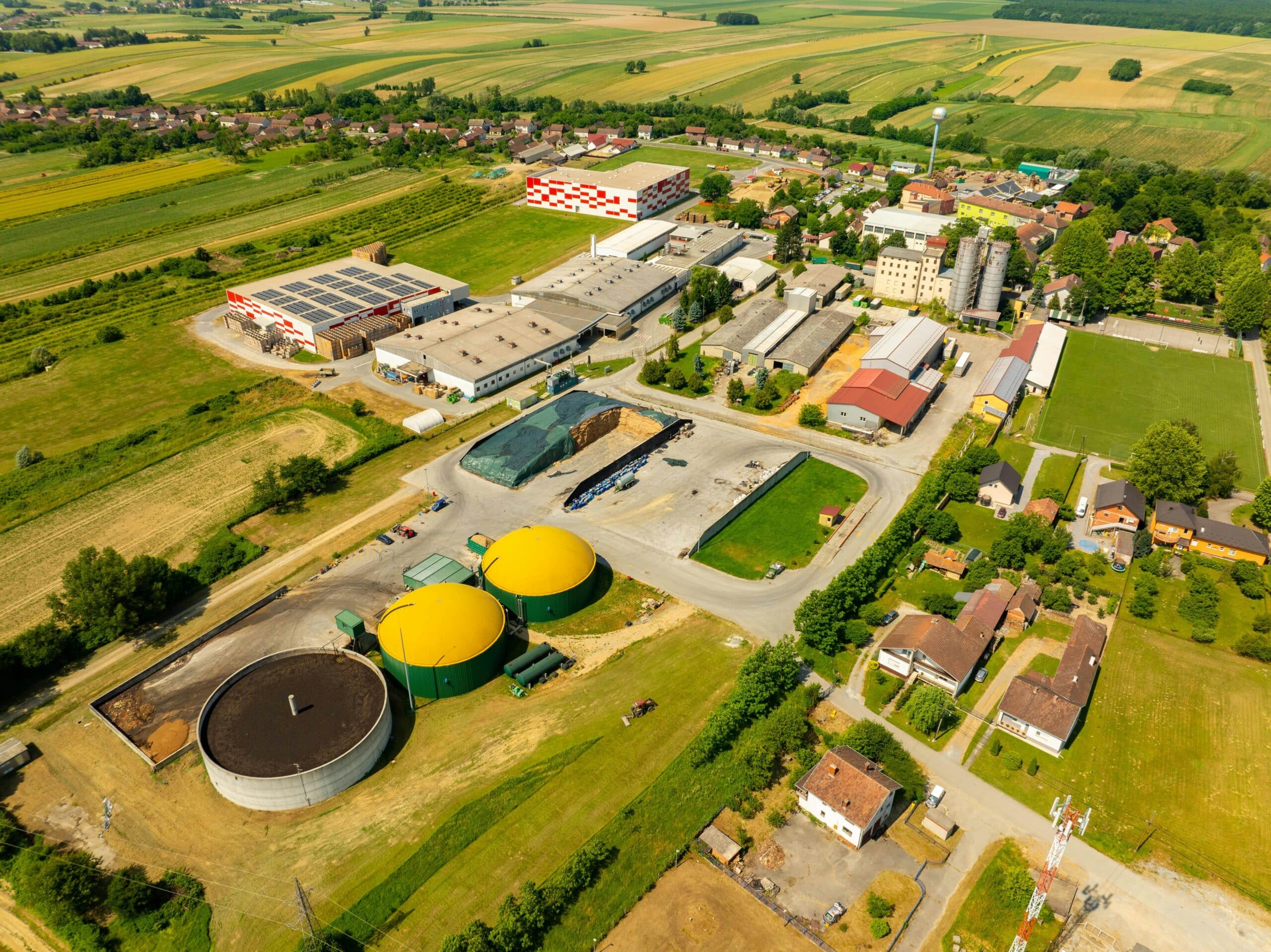
Community-scale off-grid systems represent an emerging trend. Neighborhoods and villages collaborate on shared renewable energy infrastructure, combining independence from centralized utilities with economies of scale. These microgrids demonstrate that energy independence and community interdependence can coexist beautifully.
🎯 Taking the First Steps Toward Energy Freedom
Transitioning to off-grid energy doesn’t require an all-or-nothing approach. Many people start with small systems—perhaps solar panels charging a battery bank for emergency backup power. This provides valuable experience while offering immediate benefits. Gradually expanding the system makes financial and practical sense for many situations.
Education is essential before investing thousands in equipment. Numerous online resources, workshops, and courses teach off-grid system design and installation. Connecting with experienced off-gridders provides invaluable real-world insights. Professional consultations help avoid costly mistakes and ensure systems meet specific needs effectively.
The journey toward energy independence is deeply personal and uniquely rewarding. Beyond financial savings and environmental benefits, there’s profound satisfaction in generating your own power. Weather events that leave grid-tied neighbors without electricity become non-events. Energy independence provides tangible security and peace of mind increasingly valuable in uncertain times.
Off-grid energy solutions empower individuals and communities to take control of their energy future. As technology improves and costs decline, these systems become accessible to more people worldwide. Whether motivated by sustainability, independence, or resilience, off-grid energy offers a practical pathway to a more self-reliant and environmentally responsible future. The tools and knowledge exist today to power freedom and unlock truly sustainable living.

Toni Santos is a visual storyteller and archival artisan whose creative journey is steeped in the bold colors, dramatic typography, and mythic imagery of old circus posters. Through his artistic lens, Toni breathes new life into these once-lurid canvases of wonder, transforming them into tributes to a golden era of spectacle, showmanship, and cultural fantasy.
Fascinated by the visual language of vintage circuses — from roaring lions to gravity-defying acrobats, from hand-painted banners to gothic typefaces — Toni explores how these posters once captured the imagination of entire towns with nothing more than ink, illusion, and a promise of awe. Each composition he creates or studies is a dialogue with history, nostalgia, and the raw aesthetics of entertainment on the move.
With a background in handcrafted design and visual heritage, Toni blends artistic sensitivity with historical insight. His work traces the forgotten typographies, chromatic choices, and symbolic flair that defined circus marketing in the 19th and early 20th centuries — a time when posters were not just advertisements, but portable portals to dreamworlds.
As the creative force behind Vizovex, Toni curates collections, illustrations, and thoughtful narratives that reconnect modern audiences with the magic of old circus art — not just as ephemera, but as cultural memory etched in paper and pigment.
His work is a tribute to:
The flamboyant storytelling of early circus posters
The lost art of hand-lettered show promotion
The timeless charm of visual fantasy in public space
Whether you’re a vintage print enthusiast, a circus history lover, or a designer inspired by antique aesthetics, Toni invites you into a world where tigers leap through fire, strongmen pose in perfect symmetry, and every corner of the poster whispers: Step right up.