The fusion of renewable energy and modern farming is transforming how we cultivate our lands, offering sustainable solutions that promise food security while protecting our planet. 🌍
The Dawn of a New Agricultural Era
Agriculture stands at a critical crossroads. With global populations projected to reach 9.7 billion by 2050, the pressure on our farming systems has never been greater. Traditional irrigation methods, heavily dependent on fossil fuels and grid electricity, are becoming increasingly unsustainable both economically and environmentally. This challenge has catalyzed an innovative response: solar-powered irrigation systems that harness the sun’s abundant energy to water our crops.
Solar-powered irrigation represents more than just a technological advancement; it’s a paradigm shift in how we approach agricultural sustainability. By converting sunlight directly into the energy needed to pump water, farmers can reduce their carbon footprint, lower operational costs, and gain independence from unreliable power grids. This revolution is particularly transformative in developing regions where access to consistent electricity remains a persistent challenge.
Understanding Solar Irrigation Technology ☀️
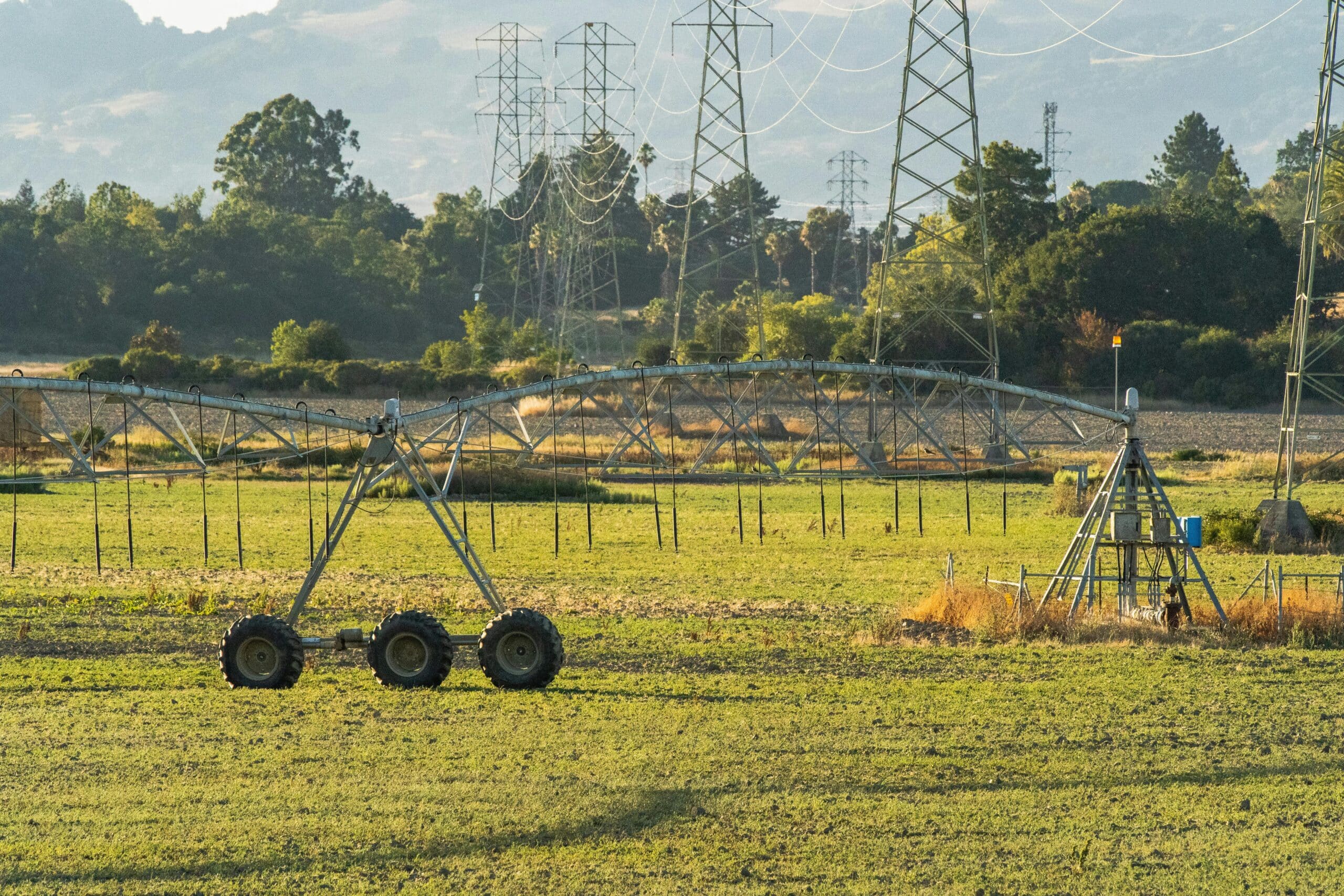
At its core, solar irrigation systems convert solar radiation into electrical energy using photovoltaic panels. This electricity powers water pumps that draw from wells, rivers, or reservoirs, distributing water across agricultural fields through drip, sprinkler, or surface irrigation methods. The elegance of this system lies in its simplicity and alignment with natural cycles—the brightest sunshine, which increases crop water demand, also provides maximum pumping capacity.
Modern solar irrigation systems typically consist of several key components: photovoltaic panels, mounting structures, charge controllers, batteries (optional), pump controllers, and the water pump itself. Advanced systems incorporate sensors and smart controllers that optimize water distribution based on soil moisture levels, weather forecasts, and crop requirements, ensuring every drop counts.
Types of Solar Irrigation Systems
Solar-powered irrigation solutions come in various configurations, each suited to different farming contexts and water requirements. Direct-coupled systems operate the pump only when the sun shines, making them ideal for situations where water storage is available. Battery-coupled systems store excess energy for use during cloudy periods or nighttime irrigation, offering greater flexibility but at increased cost.
Hybrid systems combine solar panels with grid electricity or diesel generators, providing backup power when solar energy is insufficient. This redundancy ensures continuous operation while still significantly reducing fossil fuel dependency and operational expenses.
Environmental Benefits That Matter 🌱
The environmental advantages of solar irrigation extend far beyond simple carbon reduction. By eliminating the need for diesel pumps, these systems prevent harmful emissions that contribute to climate change and local air pollution. A single solar irrigation pump can offset approximately 3-5 tons of carbon dioxide annually, equivalent to planting hundreds of trees.
Water conservation represents another critical benefit. Solar irrigation systems, particularly when integrated with drip irrigation and precision agriculture technologies, optimize water usage with unprecedented efficiency. Studies indicate that solar-powered drip irrigation can reduce water consumption by 30-50% compared to conventional flood irrigation methods, a crucial advantage in water-scarce regions.
These systems also minimize soil degradation and nutrient runoff. The precise water application reduces erosion and prevents over-irrigation, which can leach valuable nutrients from soil and contaminate groundwater sources. This protection of soil health ensures long-term agricultural productivity while safeguarding surrounding ecosystems.
Economic Transformation for Farmers 💰
While the initial investment in solar irrigation infrastructure may seem substantial, the long-term economic benefits are compelling. Farmers typically recover their investment within 3-7 years through eliminated fuel costs and reduced maintenance expenses. Diesel pumps require constant fuel purchases, regular servicing, and frequent part replacements, whereas solar panels have minimal moving parts and can function efficiently for 25 years or more.
The financial predictability solar systems provide is equally valuable. Fuel prices fluctuate unpredictably, making budgeting difficult for farmers. Solar energy costs are essentially fixed after installation, allowing for accurate financial planning and protection against volatile energy markets. This stability enables farmers to invest confidently in crop expansion and quality improvements.
Increased Productivity and Income
Access to reliable irrigation fundamentally transforms agricultural productivity. Farmers can cultivate higher-value crops, extend growing seasons, and achieve multiple harvests annually. Research from various agricultural regions demonstrates that solar irrigation adoption correlates with 20-40% increases in crop yields and significant diversification of cultivated varieties.
This productivity boost translates directly into improved livelihoods. Farmers can meet market demands more consistently, negotiate better prices, and reduce vulnerability to drought conditions. Many solar irrigation adopters report substantial income increases within the first few years of implementation.
Overcoming Implementation Challenges
Despite their numerous advantages, solar irrigation systems face several adoption barriers. The upfront capital requirement remains the most significant obstacle, particularly for smallholder farmers in developing economies. A complete solar irrigation setup can cost anywhere from $2,000 to $20,000 depending on capacity, area coverage, and system sophistication.
Innovative financing mechanisms are emerging to address this challenge. Microfinance institutions, government subsidies, pay-as-you-go models, and agricultural cooperatives are making solar irrigation accessible to farmers who couldn’t afford the initial investment. Some programs allow farmers to lease equipment or pay in installments aligned with harvest cycles, significantly lowering the entry barrier.
Technical knowledge and maintenance capacity represent additional challenges. Many farming communities lack familiarity with photovoltaic technology and electrical systems. Comprehensive training programs, local technician networks, and robust after-sales support are essential for sustainable adoption. Manufacturers and development organizations increasingly recognize this need and are building capacity-building components into their deployment strategies.
Technology Integration and Smart Farming 📱
The convergence of solar irrigation with digital agriculture technologies is creating powerful synergies. Internet of Things (IoT) sensors monitor soil moisture, weather conditions, and crop health in real-time, feeding data to intelligent controllers that optimize irrigation schedules automatically. This precision agriculture approach maximizes resource efficiency while minimizing labor requirements.
Mobile applications now enable farmers to monitor and control their irrigation systems remotely, receiving alerts about system performance, water levels, and optimal irrigation timing. These digital tools democratize access to agricultural expertise, providing smallholders with insights previously available only to large commercial operations.
Machine learning algorithms are increasingly being integrated into solar irrigation management platforms. These systems learn from historical data, weather patterns, and crop performance to make increasingly accurate predictions about water requirements, helping farmers optimize both water usage and energy consumption throughout the growing season.
Global Success Stories and Case Studies 🌍
India has emerged as a global leader in solar irrigation adoption, with government initiatives supporting the installation of millions of solar pumps across rural areas. The Pradhan Mantri Kisan Urja Suraksha evam Utthaan Mahabhiyan (PM-KUSUM) scheme aims to add 30.8 GW of solar capacity through agricultural applications, transforming the lives of millions of farmers while contributing significantly to national renewable energy targets.
In Sub-Saharan Africa, solar irrigation is enabling farmers to escape poverty cycles and achieve food security. Kenya, Ethiopia, and Rwanda have seen remarkable adoption rates, with farmers reporting doubled and tripled incomes after transitioning to solar-powered systems. Development organizations have documented cases where entire communities have transformed economically following solar irrigation implementation.
Latin American countries are also embracing this technology. Chile’s Atacama Desert region, one of the world’s driest areas, has successfully implemented large-scale solar irrigation projects for agriculture, demonstrating that even extreme environments can support sustainable farming with appropriate technology.
Policy Frameworks and Government Support
Effective government policies are accelerating solar irrigation adoption worldwide. Subsidy programs that offset 40-90% of installation costs have proven particularly effective in promoting uptake among smallholder farmers. These financial incentives, combined with simplified approval processes and technical assistance programs, create enabling environments for technology transition.
Net metering policies allow farmers with grid-connected systems to sell excess electricity back to the power grid, creating an additional revenue stream. This arrangement transforms solar panels from simple irrigation tools into productive assets that generate income year-round, further improving the economic case for adoption.
Regulatory frameworks that streamline permitting, ensure quality standards, and protect consumer rights are equally important. Countries with clear, supportive policies consistently demonstrate higher adoption rates and greater farmer satisfaction with solar irrigation investments.
The Path Forward: Innovation and Expansion
Emerging technologies promise to make solar irrigation even more accessible and effective. Floating solar panels on irrigation reservoirs maximize land use efficiency while reducing water evaporation. Bifacial panels that capture sunlight from both sides increase energy generation without requiring additional space. Battery technology improvements are enhancing storage capacity while reducing costs, making 24-hour irrigation increasingly viable.
Modular, scalable system designs allow farmers to start small and expand as their needs and resources grow. This flexibility makes solar irrigation accessible to farmers across the economic spectrum, from small subsistence operations to large commercial enterprises.
Research continues into specialized crops and irrigation methods optimized for solar-powered systems. Universities and agricultural research institutions are developing best practices, crop calendars, and system designs tailored to specific regional conditions, climates, and agricultural traditions.
Building Sustainable Agricultural Communities 🤝
Solar irrigation adoption often catalyzes broader community development. The technical skills farmers develop transfer to other renewable energy applications, creating opportunities for rural electrification and economic diversification. Communities with reliable irrigation infrastructure attract agricultural processing facilities, creating employment and adding value to local production.
Farmer cooperatives are pooling resources to install shared solar irrigation infrastructure, reducing individual costs while building social capital and cooperative management skills. These collective approaches demonstrate how technology adoption can strengthen community bonds and create resilient local economies.
Women farmers, who comprise a significant portion of agricultural labor in many regions, benefit particularly from solar irrigation. The reduced physical labor required compared to manual irrigation, combined with increased productivity and income, empowers women economically and socially, contributing to broader gender equality objectives.
Maximizing Solar Irrigation Investment Returns
Strategic planning maximizes the benefits of solar irrigation systems. Proper sizing ensures the system meets irrigation needs without unnecessary expense. Professional site assessments evaluate solar resource availability, water requirements, topography, and crop plans to design optimal configurations.
Combining solar irrigation with complementary sustainable practices amplifies benefits. Mulching, crop rotation, conservation agriculture, and agroforestry work synergistically with efficient irrigation to enhance soil health, increase yields, and build climate resilience. This integrated approach creates regenerative agricultural systems that improve rather than deplete natural resources.
Regular maintenance, though minimal compared to diesel systems, remains important for longevity and performance. Simple practices like panel cleaning, connection checks, and pump inspections ensure systems operate at peak efficiency throughout their lifespan, protecting the investment and ensuring reliable service.
Cultivating a Greener Agricultural Future 🌾
Solar-powered irrigation represents far more than a technological substitution; it embodies a fundamental reimagining of agriculture’s relationship with energy and the environment. As climate change intensifies weather variability and threatens traditional farming practices, renewable-powered irrigation offers resilience and sustainability that fossil fuel-dependent systems cannot match.
The convergence of declining solar technology costs, increasing fossil fuel prices, and growing environmental awareness creates unprecedented momentum for adoption. Farmers worldwide are recognizing that solar irrigation isn’t merely an environmental choice—it’s an economic imperative that enhances profitability while protecting the planet for future generations.
The transformation extends beyond individual farms to reshape entire agricultural landscapes. Regions adopting solar irrigation at scale demonstrate improved food security, enhanced rural incomes, reduced carbon emissions, and more sustainable water resource management. These outcomes validate solar irrigation as a cornerstone technology for achieving global sustainable development goals.
As we face the dual challenges of feeding a growing population and addressing climate change, solar-powered irrigation stands as a proven, scalable solution. Its continued expansion, supported by appropriate policies, financing mechanisms, and technical capacity building, will be essential to creating the sustainable, productive, and equitable agricultural systems our future demands. The revolution has begun, and every farm that transitions to solar irrigation writes another chapter in humanity’s journey toward a greener, more sustainable future.

Toni Santos is a visual storyteller and archival artisan whose creative journey is steeped in the bold colors, dramatic typography, and mythic imagery of old circus posters. Through his artistic lens, Toni breathes new life into these once-lurid canvases of wonder, transforming them into tributes to a golden era of spectacle, showmanship, and cultural fantasy.
Fascinated by the visual language of vintage circuses — from roaring lions to gravity-defying acrobats, from hand-painted banners to gothic typefaces — Toni explores how these posters once captured the imagination of entire towns with nothing more than ink, illusion, and a promise of awe. Each composition he creates or studies is a dialogue with history, nostalgia, and the raw aesthetics of entertainment on the move.
With a background in handcrafted design and visual heritage, Toni blends artistic sensitivity with historical insight. His work traces the forgotten typographies, chromatic choices, and symbolic flair that defined circus marketing in the 19th and early 20th centuries — a time when posters were not just advertisements, but portable portals to dreamworlds.
As the creative force behind Vizovex, Toni curates collections, illustrations, and thoughtful narratives that reconnect modern audiences with the magic of old circus art — not just as ephemera, but as cultural memory etched in paper and pigment.
His work is a tribute to:
The flamboyant storytelling of early circus posters
The lost art of hand-lettered show promotion
The timeless charm of visual fantasy in public space
Whether you’re a vintage print enthusiast, a circus history lover, or a designer inspired by antique aesthetics, Toni invites you into a world where tigers leap through fire, strongmen pose in perfect symmetry, and every corner of the poster whispers: Step right up.