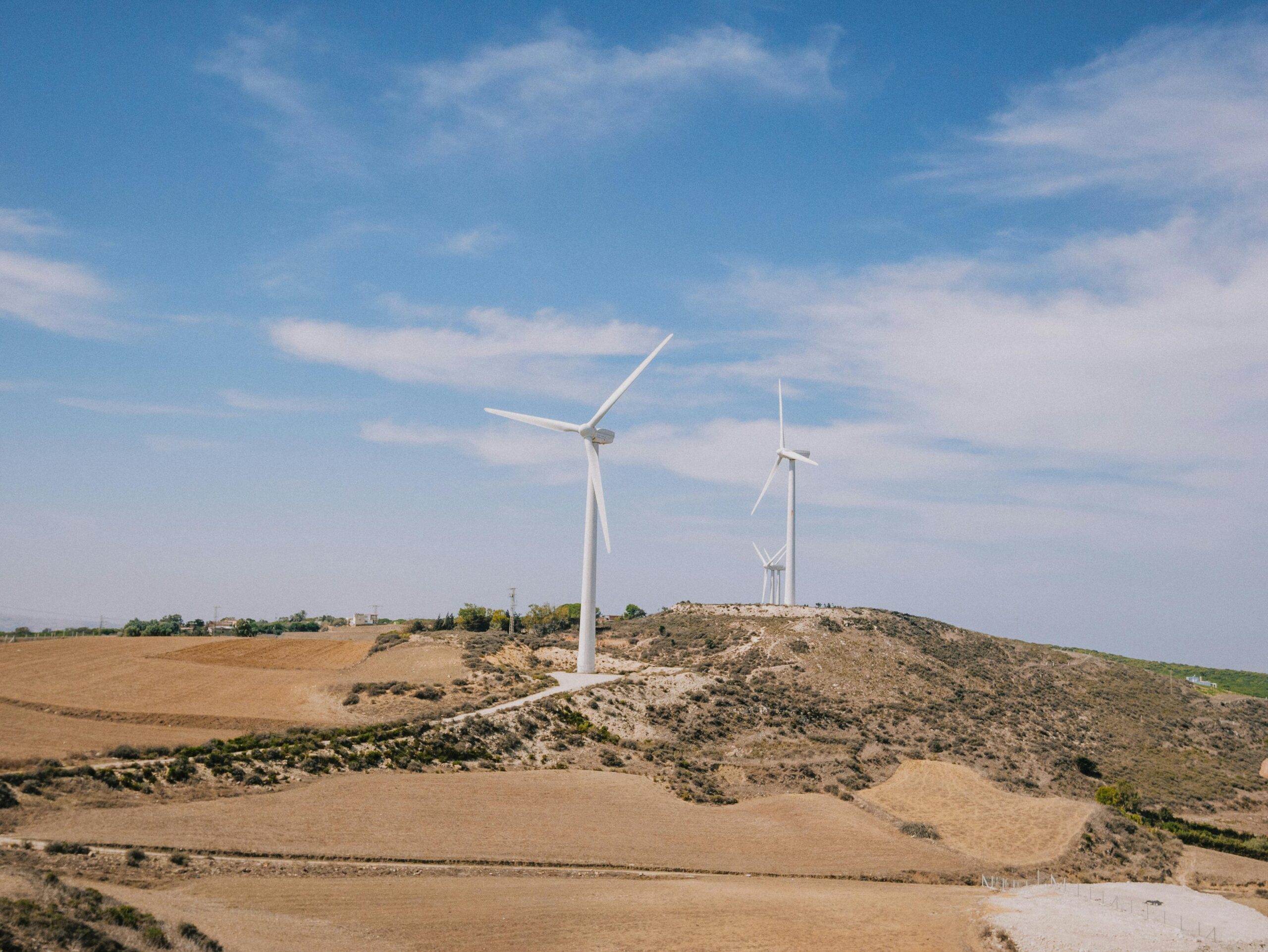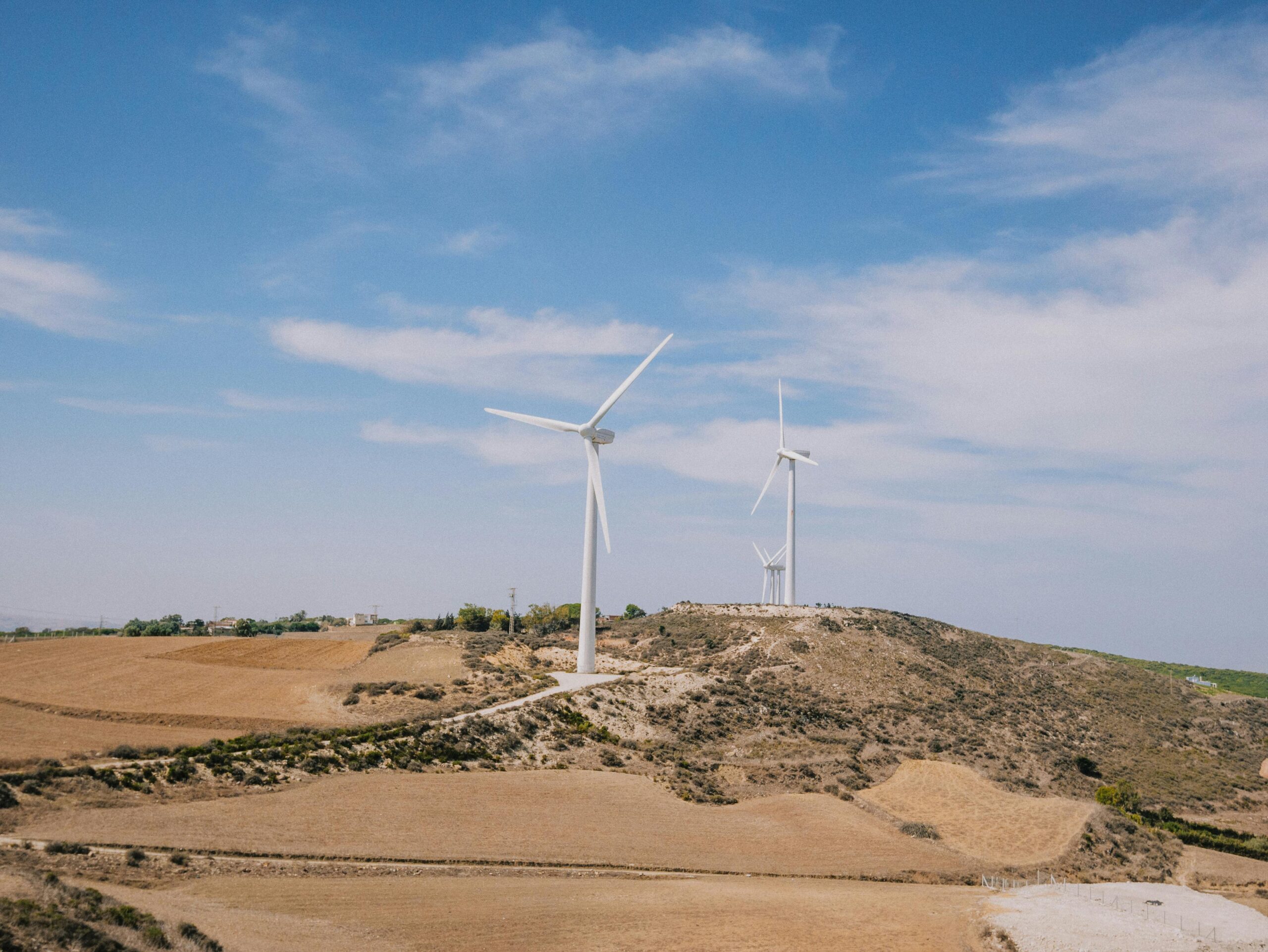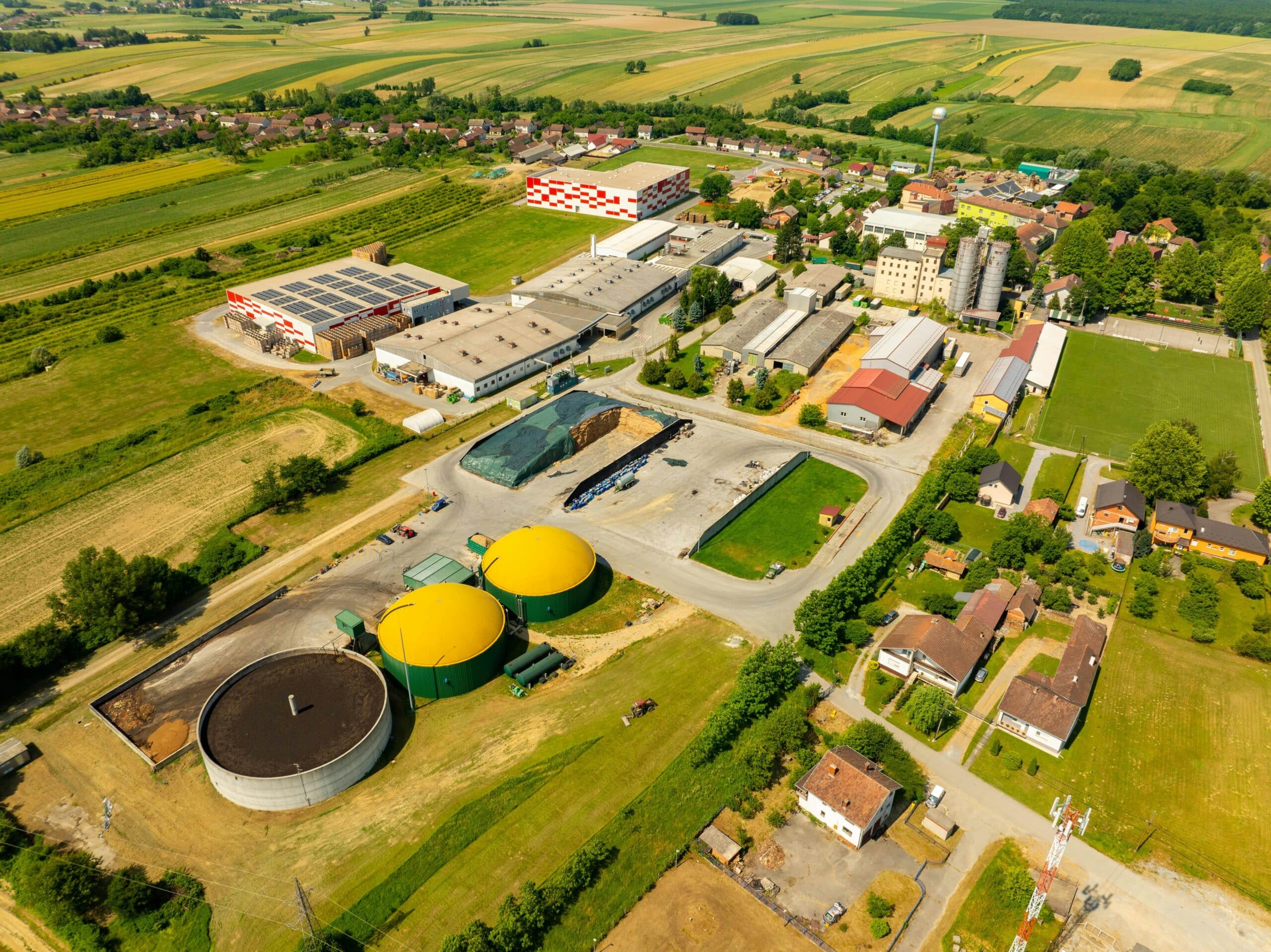
The global energy landscape is undergoing a revolutionary transformation, driven by innovative storage technologies that promise to reshape how we generate, distribute, and consume power sustainably.
⚡ The Energy Storage Revolution: Why It Matters Now
Energy storage has emerged as the cornerstone of modern power infrastructure, bridging the gap between renewable energy generation and reliable electricity supply. As solar panels and wind turbines proliferate across continents, the challenge isn’t just producing clean energy—it’s storing it efficiently for when the sun doesn’t shine and the wind doesn’t blow.
The intermittent nature of renewable sources has long been their Achilles’ heel. Traditional power grids were designed for predictable, continuous generation from coal and natural gas plants. Today’s sustainable energy systems require sophisticated storage solutions that can absorb excess production during peak generation hours and release it during periods of high demand or low production.
Global investment in energy storage technologies has skyrocketed, with projections suggesting the market will exceed $500 billion by 2030. This exponential growth reflects not just environmental consciousness but economic pragmatism—stored renewable energy is increasingly cheaper than fossil fuel alternatives, even when accounting for infrastructure costs.
🔋 Lithium-Ion Batteries: The Current Champion
Lithium-ion technology currently dominates the energy storage landscape, accounting for approximately 90% of grid-scale battery installations worldwide. These electrochemical powerhouses have revolutionized everything from smartphones to electric vehicles, and now they’re transforming utility-scale energy management.
The advantages of lithium-ion systems are compelling. They offer high energy density, meaning significant power storage in relatively compact spaces. Their efficiency rates typically exceed 90%, minimizing energy loss during charge-discharge cycles. Response times are measured in milliseconds, making them ideal for grid stabilization and frequency regulation.
However, lithium-ion technology faces legitimate challenges. Raw material extraction—particularly lithium and cobalt—raises environmental and ethical concerns. Supply chain vulnerabilities became painfully apparent during recent global disruptions. Fire safety remains a consideration, though modern battery management systems have dramatically improved safety profiles. Cost, while declining rapidly, still represents a barrier for widespread adoption in developing economies.
Next-Generation Lithium Technologies
Researchers aren’t resting on current achievements. Solid-state lithium batteries promise even greater energy density and safety by replacing liquid electrolytes with solid materials. These next-generation systems could double the range of electric vehicles and significantly enhance grid storage capabilities.
Lithium-sulfur and lithium-air batteries represent frontier technologies that could theoretically store five to ten times more energy than conventional lithium-ion cells. While commercial viability remains years away, laboratory results demonstrate the tremendous potential of advancing beyond current lithium-ion chemistry.
🌊 Flow Batteries: The Marathon Runners of Energy Storage
While lithium-ion excels at short-duration, high-intensity applications, flow batteries shine in long-duration energy storage scenarios. These systems store energy in liquid electrolytes contained in external tanks, with power capacity and energy capacity independently scalable—a unique architectural advantage.
Vanadium redox flow batteries have garnered particular attention for utility-scale deployments. Their ability to maintain performance through thousands of charge-discharge cycles without degradation makes them economically attractive for applications requiring daily cycling over decades. Unlike lithium-ion systems, flow batteries can be completely discharged without damage, and their fire risk is negligible.
The primary limitation has been energy density—flow battery installations require substantially more physical space than equivalent lithium-ion systems. However, for stationary grid applications where space isn’t constrained, this disadvantage diminishes. Recent innovations in electrolyte chemistry and membrane technology are steadily improving performance metrics while reducing costs.
🏔️ Mechanical Storage: Harnessing Physics for Power
Sometimes the most effective solutions are elegantly simple. Mechanical energy storage systems leverage fundamental physics principles—gravity, momentum, and pressure—to store electrical energy in physical forms.
Pumped Hydro Storage: The Established Giant
Pumped hydroelectric storage accounts for over 95% of global utility-scale energy storage capacity. The concept is straightforward: excess electricity pumps water uphill to a reservoir; when power is needed, water flows downhill through turbines, generating electricity.
With round-trip efficiencies of 70-85% and operational lifespans exceeding 50 years, pumped hydro represents proven, reliable technology. Facilities can scale to gigawatt capacities, providing grid-stabilizing power for entire regions. The technology requires specific geographical features—elevation differences and water availability—but where conditions permit, pumped hydro delivers unmatched long-duration storage.
Compressed Air Energy Storage
Compressed air energy storage (CAES) systems use excess electricity to compress air into underground caverns or tanks. When electricity is needed, the compressed air is released through turbines. Modern adiabatic CAES systems capture and reuse the heat generated during compression, significantly improving efficiency.
CAES offers substantial capacity potential with lower environmental impact than many alternatives. Like pumped hydro, it requires specific geological formations, but suitable sites are more widely distributed than ideal pumped hydro locations.
Flywheel Energy Storage
Flywheels store energy as rotational kinetic energy in spinning masses. Modern carbon-fiber flywheels rotating in near-vacuum environments can achieve extraordinary speeds with minimal friction losses. While energy capacity is limited compared to chemical batteries, flywheels excel at rapid response applications—stabilizing grid frequency and providing backup power during momentary interruptions.
The technology offers exceptional cycle life—millions of charge-discharge cycles without degradation—and operates effectively across extreme temperature ranges. Flywheel systems are increasingly deployed in data centers, hospitals, and industrial facilities requiring ultra-reliable power quality.
🔥 Thermal Energy Storage: Capturing Heat and Cold
Thermal energy storage systems capture heat or cold for later use, addressing both electricity storage and direct heating-cooling applications. This dual functionality makes thermal storage particularly valuable for comprehensive energy system optimization.
Molten salt systems, pioneered in concentrated solar power plants, store heat at temperatures exceeding 500°C. This stored thermal energy can generate electricity hours after sunset, effectively transforming intermittent solar energy into dispatchable baseload power. Facilities in Spain, Morocco, and the United States demonstrate the commercial viability of this approach.
Phase-change materials absorb and release substantial energy during melting and freezing, providing compact thermal storage. Applications range from building climate control to industrial process heat management. Ice storage systems, for instance, freeze water during off-peak electricity hours and use the ice for cooling during expensive peak periods, reducing both costs and grid stress.
💡 Emerging Technologies: The Future Taking Shape
The energy storage frontier extends far beyond established technologies. Innovative approaches are emerging from laboratories worldwide, some poised to transform the industry within the next decade.
Hydrogen Energy Storage
Hydrogen represents a compelling energy carrier for long-duration, seasonal storage. Excess renewable electricity produces hydrogen through electrolysis; the hydrogen can later generate electricity via fuel cells or combustion turbines. While round-trip efficiency is lower than batteries—typically 30-40%—hydrogen’s advantage lies in essentially unlimited storage duration and capacity.
Green hydrogen production could revolutionize not just electricity storage but transportation and industrial processes. Aviation, shipping, and heavy manufacturing—sectors difficult to electrify directly—could decarbonize through hydrogen fuel. Infrastructure development is accelerating, with major projects announced across Europe, Asia, and Australia.
Gravity-Based Systems
Innovative companies are developing modern gravity storage systems that don’t require specific topography. These systems stack heavy blocks or lift weighted platforms during excess electricity availability, then lower them to generate power when needed. The approach combines the longevity and simplicity of pumped hydro with greater geographical flexibility.
Iron-Air Batteries
Iron-air battery technology exploits the rusting process—iron oxidation—to store energy. Iron is abundant, inexpensive, and environmentally benign. While energy density and response time lag lithium-ion systems, iron-air batteries could provide cost-effective multi-day storage for grid applications where space isn’t constrained.
🌍 Integration Challenges and Smart Grid Solutions
Deploying diverse storage technologies requires sophisticated integration into existing power infrastructure. Smart grid technologies—advanced sensors, communication networks, and artificial intelligence-driven management systems—are essential for orchestrating complex energy ecosystems.
Modern grid management systems optimize when to charge and discharge various storage assets based on electricity prices, weather forecasts, demand predictions, and grid conditions. Machine learning algorithms continuously improve performance, learning patterns that maximize economic and environmental benefits.
Distributed energy resources—rooftop solar, home batteries, electric vehicles—are transforming consumers into “prosumers” who both produce and consume electricity. Virtual power plants aggregate thousands of small storage systems into coordinated networks that function like centralized power stations, providing grid services while rewarding participants.
💰 Economics: The Declining Cost Curve
Economic viability ultimately determines technology adoption rates. Energy storage costs have plummeted dramatically over the past decade, with lithium-ion battery prices falling approximately 90% since 2010. This cost reduction has accelerated deployment far beyond expert predictions.
Levelized cost of storage—the total cost of storing and delivering energy over a system’s lifetime—continues declining across technologies. In many markets, battery storage plus renewable generation now competes directly with natural gas peaking plants on pure economics, without considering environmental benefits.
Financing mechanisms are evolving to support storage deployment. Energy-storage-as-a-service models allow customers to benefit from storage without capital investment. Governments worldwide offer incentives, recognizing storage’s critical role in decarbonization. As scale increases and manufacturing matures, costs will continue falling, creating a virtuous cycle of adoption and innovation.
🌱 Environmental Considerations and Lifecycle Management
While energy storage enables renewable energy, storage systems themselves have environmental footprints requiring careful management. Responsible development demands attention to raw material sourcing, manufacturing processes, operational impacts, and end-of-life disposal or recycling.
Battery recycling is transitioning from niche activity to industrial-scale operations. Companies are developing processes to recover lithium, cobalt, nickel, and other valuable materials from spent batteries, reducing mining demand and waste. Regulatory frameworks increasingly mandate recycling, creating economic incentives for circular economy approaches.
Life-cycle assessments compare total environmental impacts across technologies. These analyses consistently show that despite manufacturing footprints, energy storage systems enabling renewable energy deliver net environmental benefits within months to a few years of operation—then continue providing clean energy benefits for decades.
🚀 The Path Forward: Building Tomorrow’s Energy Infrastructure
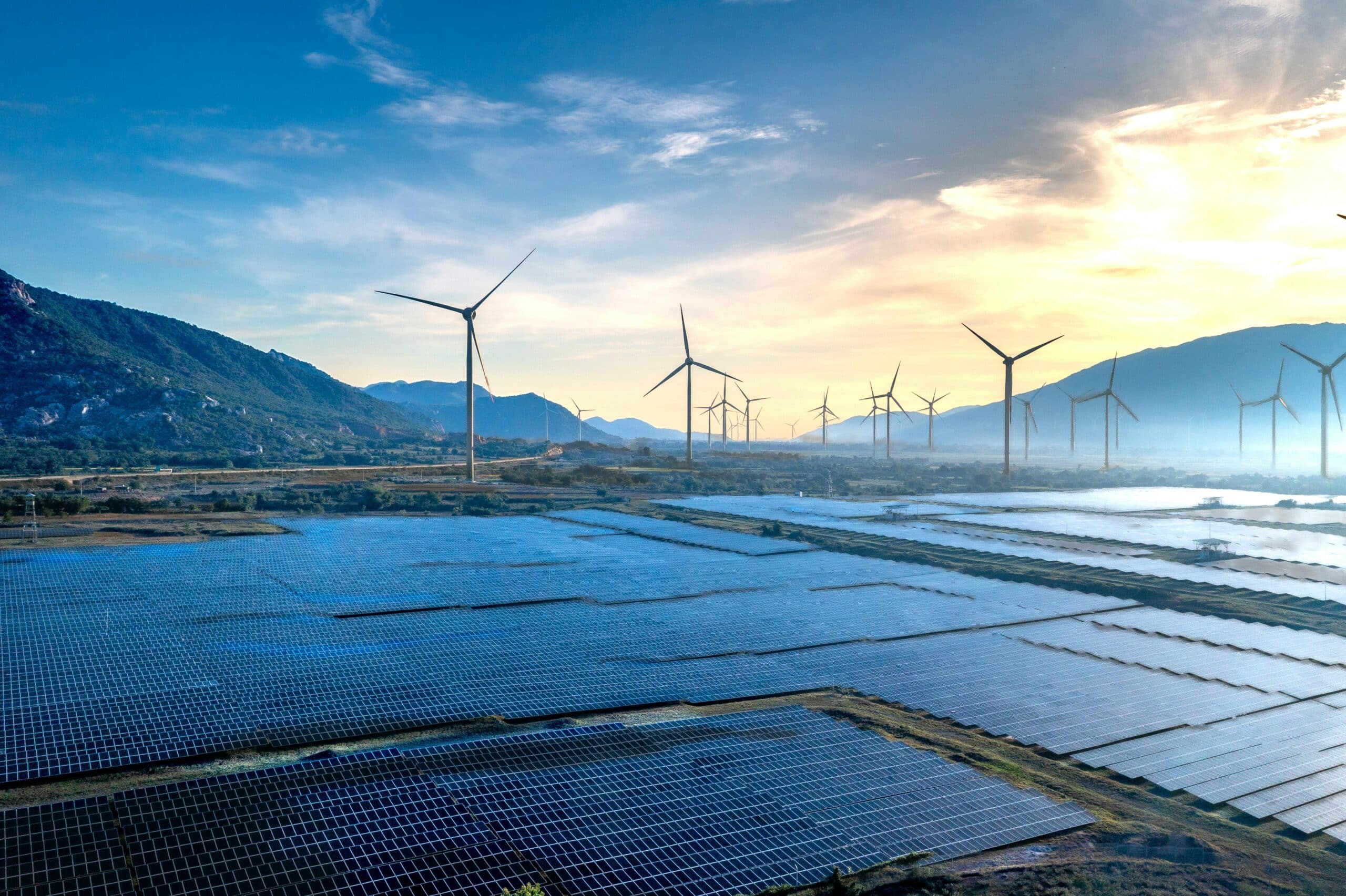
The transition to sustainable energy systems powered by advanced storage isn’t a distant dream—it’s happening now, accelerating faster than most projections anticipated. Countries like California regularly operate on 100% renewable electricity for hours at a time, demonstrating feasibility. Small island nations are proving that complete energy independence through renewables and storage is technically and economically viable.
The coming decade will witness unprecedented storage deployment. Analysts project global storage capacity increasing ten to twenty-fold by 2030. This expansion will enable higher renewable energy penetration, improve grid reliability, reduce electricity costs, and dramatically decrease carbon emissions.
Success requires coordinated action across multiple dimensions. Continued research and development will improve technologies and discover new solutions. Streamlined permitting and supportive policies will accelerate deployment. Workforce development will ensure skilled professionals can design, build, and maintain storage systems. Public-private partnerships will mobilize necessary investment.
Energy storage represents more than infrastructure—it’s the foundation for energy democracy, enabling communities to control their power supply. It’s economic development, creating manufacturing jobs and new industries. It’s climate action, making fossil fuel reliance obsolete. It’s resilience, protecting against outages and disasters.
The potential of cutting-edge energy storage solutions isn’t merely unlocking—it’s flooding forth, transforming our relationship with energy. As technologies mature, costs decline, and deployment scales, the vision of a sustainable energy future transitions from aspiration to expectation. The power to create tomorrow’s clean, reliable, affordable energy systems exists today in the batteries, tanks, turbines, and innovative technologies being deployed around the world.
Our collective challenge and opportunity is maximizing this potential—investing wisely, innovating continuously, and implementing thoughtfully. The storage revolution is powering the future, one megawatt-hour at a time, building the foundation for generations of sustainable prosperity. The question isn’t whether energy storage will transform our world, but how quickly we’ll embrace the possibilities it offers.

Toni Santos is a visual storyteller and archival artisan whose creative journey is steeped in the bold colors, dramatic typography, and mythic imagery of old circus posters. Through his artistic lens, Toni breathes new life into these once-lurid canvases of wonder, transforming them into tributes to a golden era of spectacle, showmanship, and cultural fantasy.
Fascinated by the visual language of vintage circuses — from roaring lions to gravity-defying acrobats, from hand-painted banners to gothic typefaces — Toni explores how these posters once captured the imagination of entire towns with nothing more than ink, illusion, and a promise of awe. Each composition he creates or studies is a dialogue with history, nostalgia, and the raw aesthetics of entertainment on the move.
With a background in handcrafted design and visual heritage, Toni blends artistic sensitivity with historical insight. His work traces the forgotten typographies, chromatic choices, and symbolic flair that defined circus marketing in the 19th and early 20th centuries — a time when posters were not just advertisements, but portable portals to dreamworlds.
As the creative force behind Vizovex, Toni curates collections, illustrations, and thoughtful narratives that reconnect modern audiences with the magic of old circus art — not just as ephemera, but as cultural memory etched in paper and pigment.
His work is a tribute to:
The flamboyant storytelling of early circus posters
The lost art of hand-lettered show promotion
The timeless charm of visual fantasy in public space
Whether you’re a vintage print enthusiast, a circus history lover, or a designer inspired by antique aesthetics, Toni invites you into a world where tigers leap through fire, strongmen pose in perfect symmetry, and every corner of the poster whispers: Step right up.