Renewable energy in rural areas is reshaping how communities save money while protecting the environment, offering a powerful combination of financial and ecological benefits. 🌱
The Rural Energy Challenge: Why Traditional Solutions Fall Short
Rural communities worldwide face unique energy challenges that urban centers rarely encounter. Distance from centralized power grids means higher transmission costs, frequent power outages, and infrastructure that struggles to reach remote homesteads. For decades, rural residents have paid premium prices for less reliable electricity service, creating an economic burden that impacts everything from agricultural operations to quality of life.
Traditional fossil fuel-dependent energy systems compound these challenges. Diesel generators, propane heating, and gasoline-powered equipment not only generate substantial ongoing costs but also expose rural households to volatile fuel price fluctuations. When you factor in transportation expenses for fuel delivery to remote locations, the true cost of conventional energy becomes staggering.
This economic reality has created a perfect opportunity for renewable energy solutions to demonstrate their cost-benefit superiority. Solar panels, wind turbines, and biomass systems are no longer experimental technologies—they’re proven investments that deliver measurable returns while reducing environmental impact.
Breaking Down the Cost-Benefit Analysis 💰
Understanding the financial advantages of rural renewable energy requires examining both immediate and long-term economic factors. The initial capital investment, while significant, represents only one piece of a much larger financial picture.
Initial Investment Versus Lifetime Savings
Solar photovoltaic systems for rural homes typically require an upfront investment ranging from $15,000 to $30,000 for complete installations. However, these systems generate electricity for 25-30 years with minimal maintenance costs. When compared against two to three decades of utility bills—which average $150-200 monthly in rural areas—the savings become undeniable.
Wind energy systems present similar economics. A small-scale wind turbine suitable for a rural property costs between $10,000 and $50,000 depending on capacity. In areas with consistent wind resources, these installations can generate enough electricity to eliminate utility bills entirely while potentially creating revenue through net metering programs.
Hidden Financial Benefits Often Overlooked
Beyond direct energy cost savings, renewable installations deliver financial advantages that traditional cost analyses often miss:
- Property value increases averaging 4-6% for homes with solar installations
- Protection against future utility rate increases, which historically rise 2-3% annually
- Reduced maintenance costs compared to fossil fuel equipment requiring regular servicing
- Tax incentives, rebates, and grant programs specifically targeting rural renewable projects
- Energy independence that eliminates delivery fees and fuel transportation costs
- Potential income from selling excess power back to the grid
Solar Solutions: The Rural Renewable Frontrunner ☀️
Solar energy has emerged as the most accessible renewable option for rural communities. Technological advances have dramatically improved panel efficiency while reducing costs by over 80% in the past decade. This price revolution has transformed solar from a luxury into a practical investment for rural homeowners and agricultural operations.
Rural properties typically offer abundant roof space and open land—perfect for solar installations. Unlike urban environments where shading from neighboring buildings limits potential, rural locations often provide unobstructed southern exposure maximizing energy capture throughout the day.
Agricultural Applications Multiply Benefits
Farms and ranches represent particularly strong candidates for solar investment. Agricultural operations consume significant electricity for irrigation pumps, grain dryers, livestock facilities, and processing equipment. Solar installations can directly power these operations while qualifying for agricultural tax exemptions and specialized financing programs.
Agrivoltaics—the practice of combining solar panels with crop production—creates dual land use that generates electricity while maintaining agricultural productivity. Studies show certain crops actually thrive in the partial shade created by elevated solar panels, improving yields while producing clean energy.
Wind Energy: Harnessing Nature’s Power
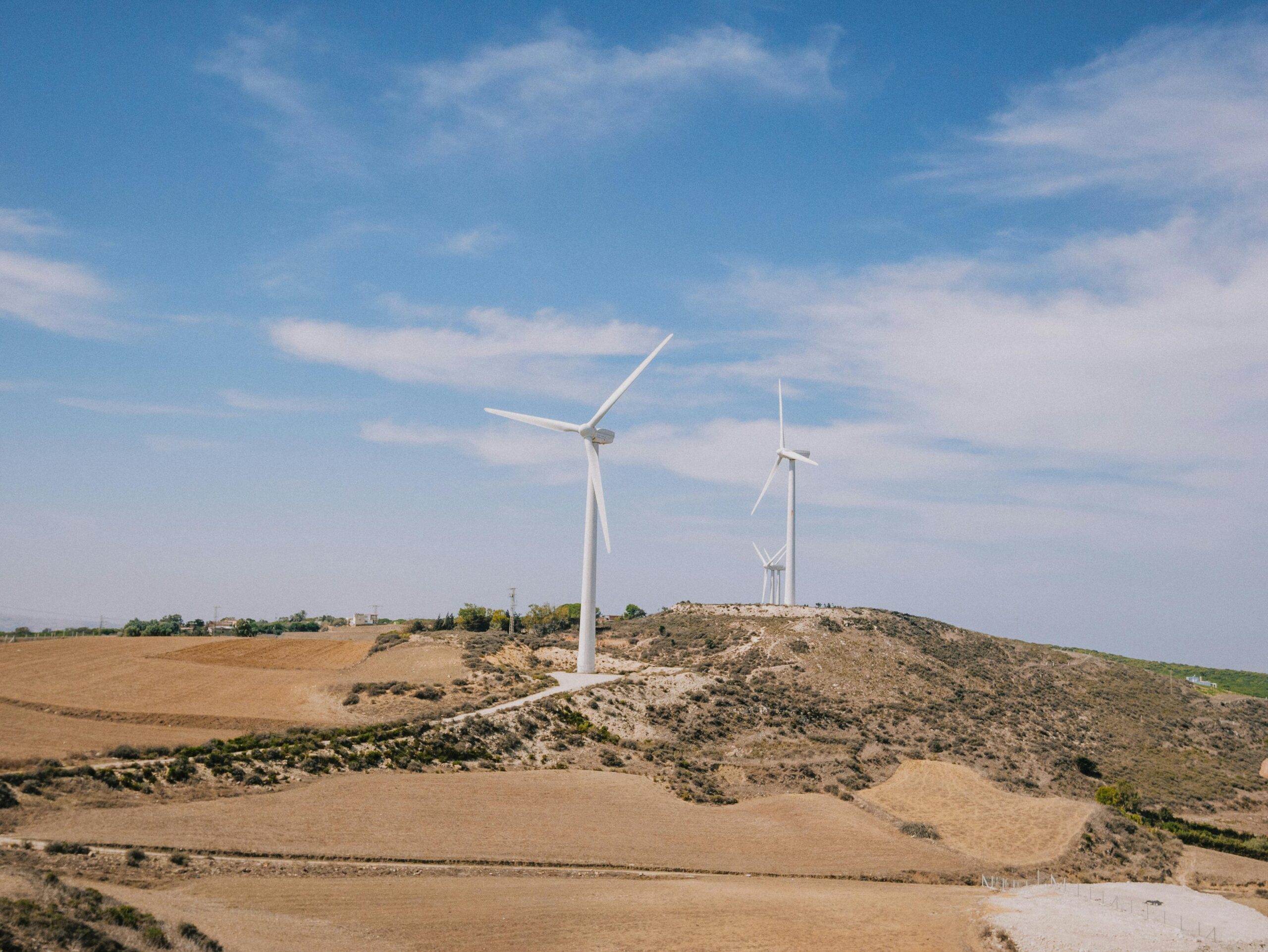
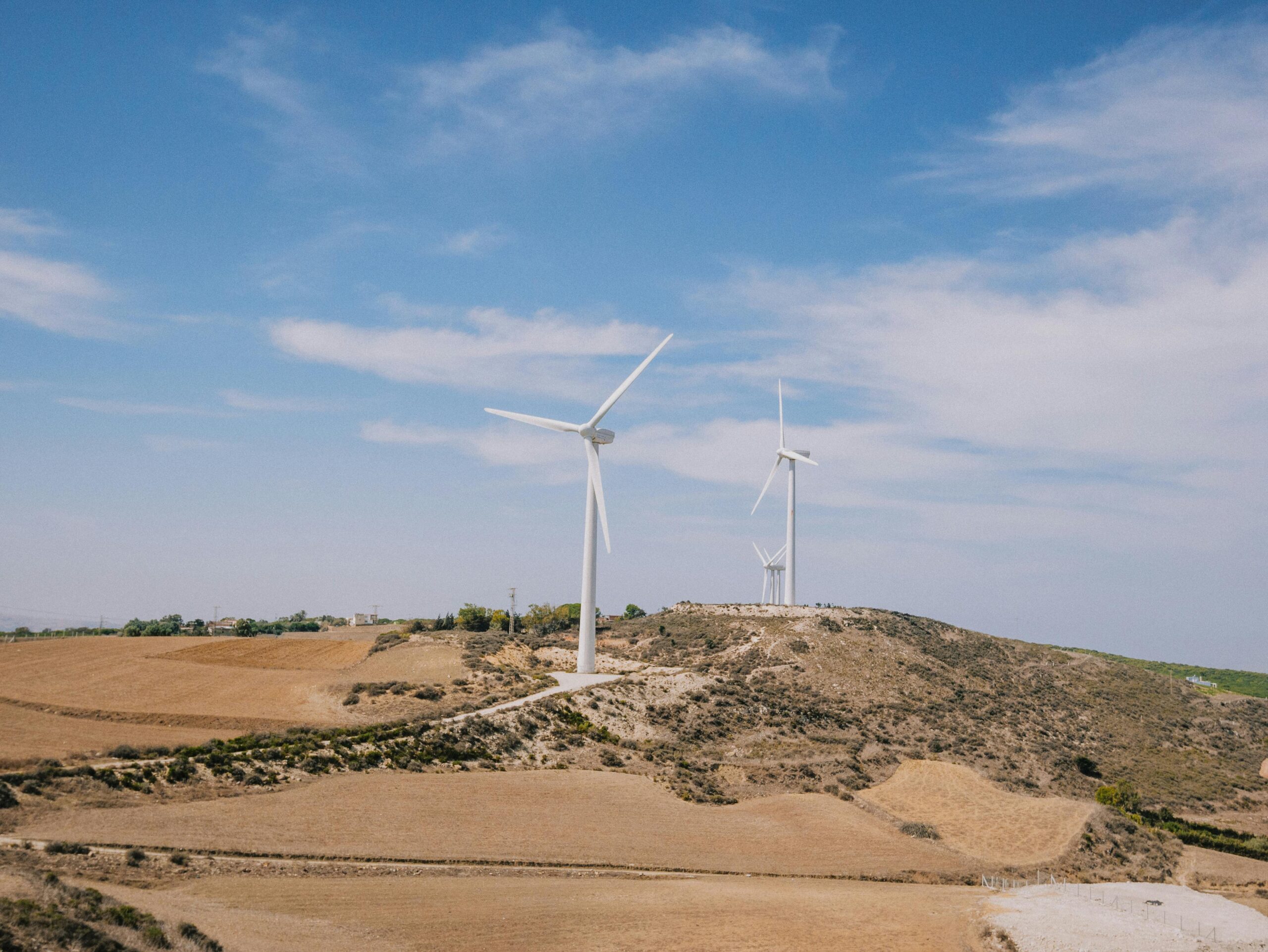
Rural areas blessed with consistent wind resources can achieve even faster return on investment through wind turbine installations. Open farmland and elevated terrain create ideal conditions for capturing wind energy that would be impossible in developed urban settings.
Modern small-scale wind turbines designed for rural applications are quieter, more efficient, and more reliable than previous generations. Systems sized appropriately for individual properties can generate 30-100% of household electricity needs depending on wind availability and energy consumption patterns.
For rural communities, cooperative wind projects present opportunities to share infrastructure costs while distributing benefits across multiple households. These community wind installations leverage economies of scale that individual homeowners couldn’t achieve alone, reducing per-household investment while maintaining robust returns.
Biomass and Biogas: Turning Waste into Wealth 🌾
Agricultural communities possess unique access to biomass resources that can be converted into energy. Crop residues, animal waste, and forestry byproducts become valuable fuel sources rather than disposal problems, creating circular economies that benefit both environment and bottom line.
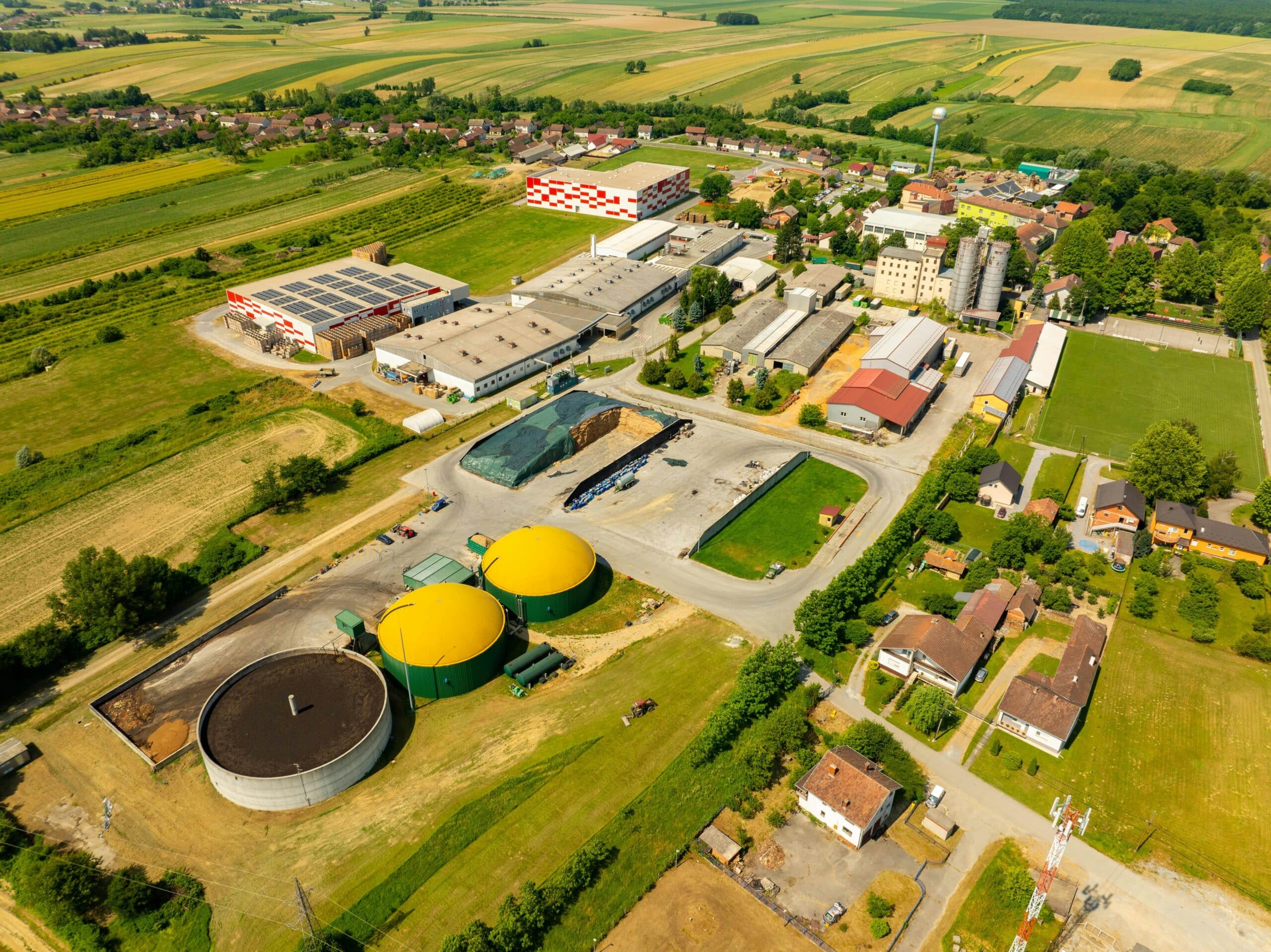
Anaerobic digesters transform livestock manure into methane gas that can power generators, heat buildings, or fuel cooking appliances. These systems simultaneously solve waste management challenges while producing renewable energy and nutrient-rich fertilizer as byproducts. Dairy farms, hog operations, and poultry facilities have achieved energy independence while eliminating manure disposal costs through properly designed biogas systems.
Wood Pellet and Biomass Heating Systems
For rural communities with access to forestry resources, modern biomass heating systems offer superior economics compared to propane, heating oil, or electric resistance heating. Automated wood pellet boilers provide convenience comparable to conventional systems while using locally-sourced, carbon-neutral fuel costing 30-50% less than fossil alternatives.
The sustainability advantage extends beyond carbon emissions. Properly managed forestry operations that supply biomass fuel support local economies, create jobs, and maintain healthy forest ecosystems through selective harvesting and thinning practices.
Microgrids and Energy Storage: The Complete Solution 🔋
Battery storage technology has evolved from the weak link in renewable systems to a powerful component that maximizes value and reliability. Modern lithium-ion battery systems store excess solar and wind generation for use during cloudy days, calm nights, or peak demand periods when utility electricity costs most.
For rural areas experiencing frequent power outages, battery backup provides reliability that grid-connected systems alone cannot match. While adding 30-50% to initial system costs, storage delivers peace of mind and continuous power for critical loads like refrigeration, water pumps, and medical equipment.
Community Microgrids Strengthen Rural Resilience
Forward-thinking rural communities are developing shared microgrid systems that interconnect multiple renewable energy sources with distributed battery storage. These local power networks can operate independently from the main grid during outages while optimizing energy sharing among participants during normal operations.
Microgrid economics improve as more users join the network, spreading infrastructure costs while increasing system reliability and flexibility. Federal and state grant programs increasingly support rural microgrid development, recognizing their value for economic development and disaster resilience.
Government Incentives Accelerate Returns 📊
Policy support dramatically improves the cost-benefit equation for rural renewable energy. The federal Investment Tax Credit currently provides 30% tax credits for solar, wind, and certain biomass installations, effectively reducing upfront costs by nearly one-third.
USDA Rural Energy for America Program (REAP) grants offer additional support, providing up to 25% of project costs through grants plus loan guarantees for renewable energy installations on agricultural operations and rural small businesses. Combined with tax credits, these programs can cover over half of total project costs.
State and local incentive programs add further value through property tax exemptions, sales tax waivers, production incentives, and net metering policies that credit renewable energy producers for excess electricity sent to the grid. Smart project planning that maximizes available incentives can achieve payback periods of 5-7 years even for substantial installations.
Environmental Returns: The Sustainability Dividend 🌍
While financial benefits capture immediate attention, the environmental advantages of rural renewable energy create value that extends far beyond individual balance sheets. Every kilowatt-hour generated from renewable sources displaces fossil fuel consumption, reducing greenhouse gas emissions, air pollution, and water contamination.
Rural renewable energy installations collectively prevent millions of tons of carbon dioxide emissions annually. A typical residential solar system offsets approximately 3-4 tons of carbon emissions yearly—equivalent to planting 100 trees or taking a car off the road for 12 months.
Protecting Rural Landscapes and Resources
Renewable energy systems require no water for operation, unlike fossil fuel and nuclear power plants that consume vast quantities for cooling. In water-scarce rural regions, this characteristic provides critical environmental benefits while avoiding competition with agricultural and residential water needs.
Distributed renewable generation also eliminates the environmental degradation associated with fuel extraction, processing, and transportation. No strip mines, no oil wells, no pipelines crossing rural landscapes—just clean energy harvested from sunshine, wind, and sustainable biomass.
Overcoming Implementation Barriers
Despite compelling advantages, rural renewable energy adoption faces real obstacles that deserve honest acknowledgment and practical solutions. Upfront capital requirements challenge households and small operations with limited access to financing. Technical knowledge gaps can make system selection and installation intimidating for those unfamiliar with renewable technologies.
Addressing these barriers requires multifaceted approaches. Community education programs demystify renewable technology while connecting interested residents with qualified installers and financing options. Cooperative purchasing arrangements reduce equipment costs through volume discounts. Low-interest loan programs specifically designed for rural energy projects make installations accessible to households that couldn’t afford conventional financing.
Building Local Expertise and Capacity
Rural communities benefit enormously from developing local renewable energy expertise. Training programs that prepare community members for installation, maintenance, and repair work create jobs while building self-sufficiency. When troubleshooting and routine maintenance can be handled locally rather than requiring expensive technician visits from distant cities, long-term operating costs decrease substantially.
Some progressive rural communities have established energy cooperatives that pool resources, share equipment, and provide member services ranging from energy audits to system monitoring. These cooperative models leverage collective action to achieve what individual households might struggle to accomplish independently.
Real-World Success Stories Proving the Concept 🏆
Across rural America and worldwide, renewable energy installations are delivering documented results that validate the cost-benefit proposition. Family farms that installed solar systems 10-15 years ago have now recouped initial investments and operate with near-zero energy costs. Rural school districts using solar power redirect former utility expenses toward educational programs. Remote communities once dependent on expensive diesel generators now run primarily on wind and solar with battery backup.
In Iowa, a farmer producing corn and soybeans installed a 50-kilowatt solar array that generates approximately $7,000 in annual savings while qualifying for agricultural tax benefits. The system paid for itself in eight years and now produces essentially free electricity for grain drying operations that previously consumed $600-800 monthly during harvest season.
A Montana ranch replaced diesel generators with a combined wind-solar system with battery storage, eliminating $30,000 in annual fuel and maintenance costs. After recovering the initial investment in six years, the ranch now operates with energy independence while avoiding the supply chain vulnerabilities that periodically disrupt diesel availability in remote areas.
Strategic Planning Maximizes Value
Achieving optimal cost-benefit performance requires thoughtful system design matched to specific energy needs, resources, and goals. Oversized installations waste capital on unused capacity, while undersized systems fail to deliver maximum savings potential. Professional energy audits identify consumption patterns and efficiency improvements that should precede renewable installations.
Combining energy efficiency measures with renewable generation multiplies benefits. LED lighting, insulation upgrades, efficient appliances, and weatherization reduce total energy needs, allowing smaller renewable systems to meet larger percentages of demand. This integrated approach achieves faster payback and greater lifetime savings than renewable installations alone.
Maintenance and Monitoring for Long-Term Performance
Renewable energy systems require minimal maintenance compared to fossil fuel equipment, but neglecting basic upkeep compromises performance and longevity. Annual inspections, periodic panel cleaning, and monitoring system output ensure installations continue delivering projected returns throughout their service life.
Modern monitoring systems provide real-time production data through smartphone apps and web interfaces, allowing owners to immediately identify performance issues before small problems become expensive repairs. Many systems include automated alerts that notify owners of anomalies requiring attention.
The Future Landscape: Innovation Driving Continued Improvement
Renewable energy technology continues advancing rapidly, with innovations that improve performance while reducing costs. Next-generation solar panels achieve higher efficiency in smaller footprints. Advanced battery chemistries provide greater storage capacity with longer lifespans. Smart grid integration allows more sophisticated energy management and optimization.
For rural communities, these advances mean today’s good investment becomes tomorrow’s great one. Early adopters who installed systems years ago can retrofit newer components to boost performance. Communities just beginning their renewable journey benefit from mature technologies with proven track records and competitive pricing.
The convergence of economic necessity, environmental imperative, and technological capability has positioned rural renewable energy at a historic inflection point. What once required altruism and environmental commitment now delivers compelling financial returns that stand on their own merits. The cost-benefit edge of rural renewable solutions isn’t theoretical—it’s demonstrated daily in thousands of successful installations that save money, strengthen community resilience, and protect the environment for future generations.
Rural communities embracing renewable energy aren’t just reducing utility bills—they’re investing in energy independence, environmental stewardship, and economic sustainability that creates value extending decades into the future. The question is no longer whether rural renewable energy makes financial sense, but rather how quickly communities can implement solutions that maximize savings while minimizing environmental impact. The answer increasingly is: as fast as possible. ⚡

Toni Santos is a visual storyteller and archival artisan whose creative journey is steeped in the bold colors, dramatic typography, and mythic imagery of old circus posters. Through his artistic lens, Toni breathes new life into these once-lurid canvases of wonder, transforming them into tributes to a golden era of spectacle, showmanship, and cultural fantasy.
Fascinated by the visual language of vintage circuses — from roaring lions to gravity-defying acrobats, from hand-painted banners to gothic typefaces — Toni explores how these posters once captured the imagination of entire towns with nothing more than ink, illusion, and a promise of awe. Each composition he creates or studies is a dialogue with history, nostalgia, and the raw aesthetics of entertainment on the move.
With a background in handcrafted design and visual heritage, Toni blends artistic sensitivity with historical insight. His work traces the forgotten typographies, chromatic choices, and symbolic flair that defined circus marketing in the 19th and early 20th centuries — a time when posters were not just advertisements, but portable portals to dreamworlds.
As the creative force behind Vizovex, Toni curates collections, illustrations, and thoughtful narratives that reconnect modern audiences with the magic of old circus art — not just as ephemera, but as cultural memory etched in paper and pigment.
His work is a tribute to:
The flamboyant storytelling of early circus posters
The lost art of hand-lettered show promotion
The timeless charm of visual fantasy in public space
Whether you’re a vintage print enthusiast, a circus history lover, or a designer inspired by antique aesthetics, Toni invites you into a world where tigers leap through fire, strongmen pose in perfect symmetry, and every corner of the poster whispers: Step right up.