Micro-hydropower technology represents a transformative solution for remote communities worldwide, offering clean, reliable electricity where traditional grid connections remain economically unfeasible or geographically impossible.
💧 Understanding Micro-Hydropower: Small Scale, Big Impact
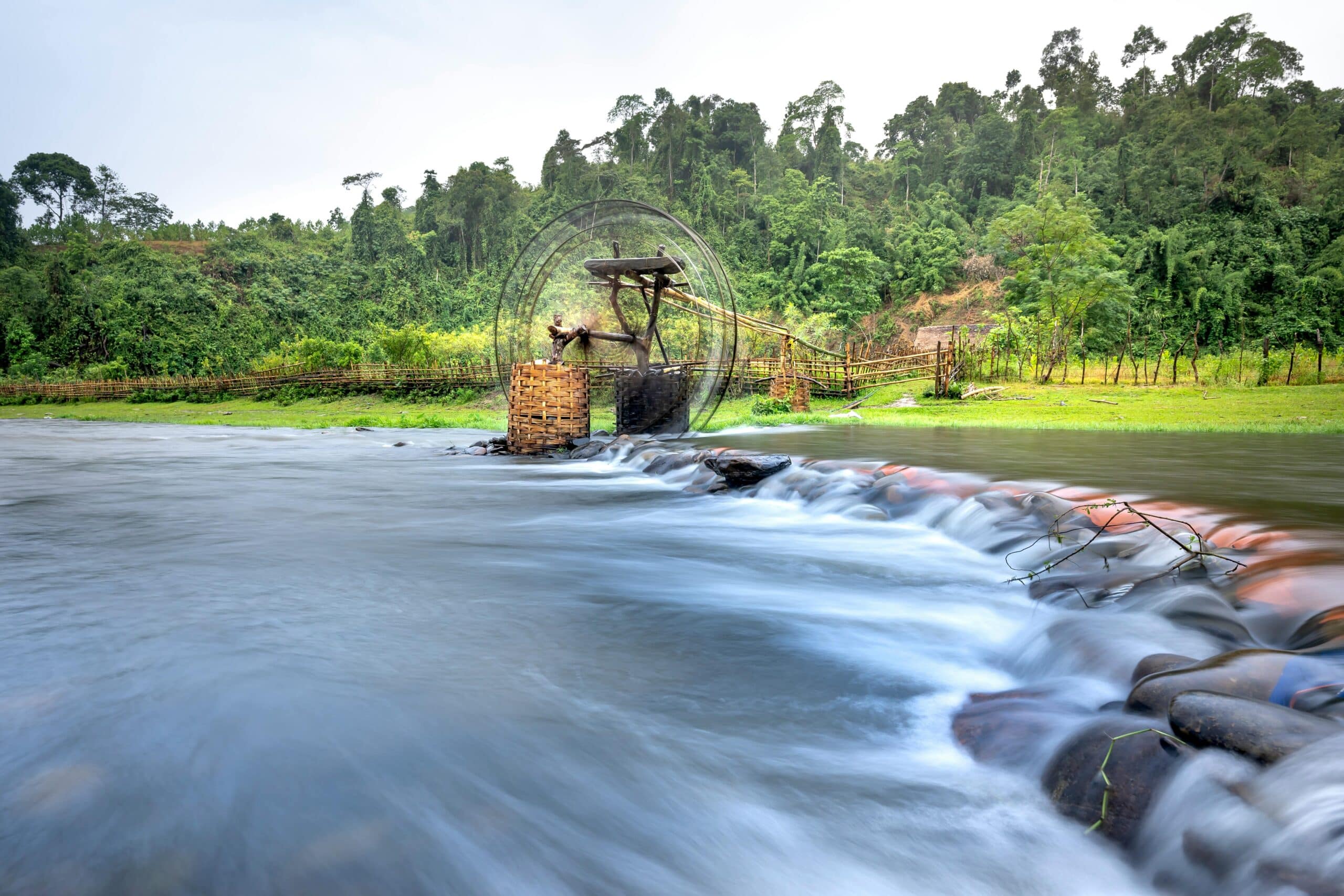
Micro-hydropower systems harness the kinetic energy of flowing water to generate electricity, typically producing between 5 kW and 100 kW of power. Unlike their massive dam counterparts, these compact installations require minimal infrastructure and can operate sustainably for decades with proper maintenance. For isolated villages in mountainous regions, riverside settlements, or communities near streams with consistent flow, micro-hydropower provides an accessible pathway to energy independence.
The technology operates on fundamental principles that have powered human civilization for centuries. Water flows through a channel or pipe, gaining velocity as it descends. This moving water spins a turbine connected to a generator, converting mechanical energy into electrical power. The simplicity of this process makes micro-hydropower remarkably reliable, with some systems achieving operational lifespans exceeding 50 years.
Key Components of Micro-Hydropower Systems
A typical micro-hydropower installation consists of several essential elements working in harmony. The intake structure diverts water from a stream or river, filtering debris while maintaining flow. A penstock—essentially a pipe or channel—carries water from the intake to the turbine house, utilizing elevation changes to build pressure and velocity.
The turbine converts water’s kinetic energy into rotational mechanical energy. Different turbine designs suit various water flow conditions: Pelton wheels excel with high heads and lower flows, while crossflow turbines handle larger volumes at lower pressures. The generator transforms this mechanical rotation into electrical current, which then flows through control systems and transformers before reaching end users.
🌍 Why Remote Communities Need Alternative Energy Solutions
Approximately 733 million people globally lack access to electricity, with the vast majority residing in rural and remote areas. Traditional grid expansion to these locations often proves prohibitively expensive, with costs sometimes exceeding $10,000 per kilometer of transmission line across challenging terrain. Even when technically possible, such projects may never achieve economic viability given sparse population densities.
Energy poverty creates cascading disadvantages that perpetuate cycles of underdevelopment. Without electricity, communities cannot refrigerate medicines, operate medical equipment, or provide adequate lighting for evening education. Economic opportunities remain limited as businesses cannot utilize modern tools, and agricultural processing stays labor-intensive and inefficient.
The Social Transformation Through Electrification
Access to electricity fundamentally alters community dynamics and individual opportunities. Children can study after sunset under electric lights rather than smoky kerosene lamps, directly improving educational outcomes. Healthcare facilities can refrigerate vaccines, operate diagnostic equipment, and provide emergency services regardless of daylight hours.
Economic activities diversify when reliable power becomes available. Small-scale manufacturing, food processing, and digital connectivity suddenly become viable. Women, who often bear the burden of manual labor in energy-poor communities, gain hours previously spent on tasks like grinding grain or carrying water, time they can redirect toward education or income-generating activities.
⚡ Advantages of Micro-Hydropower Over Other Renewable Options
While solar and wind power rightfully receive significant attention as renewable energy sources, micro-hydropower offers distinct advantages particularly suited to remote communities with appropriate water resources. The most significant benefit is consistency—flowing water generates power continuously, day and night, regardless of weather conditions. This reliability eliminates the need for expensive battery storage systems that solar and wind installations require.
The capacity factor of micro-hydropower systems typically ranges from 50% to 90%, meaning they produce electricity at or near their rated capacity most of the time. By comparison, solar installations average 15-25% capacity factors, while wind turbines achieve 25-35%. This consistent output means smaller micro-hydropower systems can meet the same energy demands as much larger solar or wind arrays.
Economic Viability and Long-Term Sustainability
Initial capital costs for micro-hydropower installations generally range from $4,000 to $6,000 per installed kilowatt, comparable to or lower than grid extension in remote areas. However, the economic advantage becomes clear when considering operational lifespan and maintenance requirements. Well-designed micro-hydropower systems operate for 40-50 years with minimal intervention, requiring only periodic bearing replacements and basic cleaning.
The levelized cost of energy—the average cost per kilowatt-hour over a system’s lifetime—for micro-hydropower often falls between $0.05 and $0.15, competitive with conventional electricity in many markets and significantly cheaper than diesel generators that remote communities frequently depend upon. Diesel systems cost $0.30 to $0.50 per kilowatt-hour when accounting for fuel transport to remote locations.
| Energy Source | Capacity Factor | Lifespan (Years) | Levelized Cost ($/kWh) |
|---|---|---|---|
| Micro-Hydropower | 50-90% | 40-50 | $0.05-$0.15 |
| Solar PV | 15-25% | 25-30 | $0.10-$0.20 |
| Wind Turbine | 25-35% | 20-25 | $0.08-$0.18 |
| Diesel Generator | 70-90% | 10-15 | $0.30-$0.50 |
🛠️ Implementation Challenges and Practical Solutions
Despite compelling advantages, micro-hydropower deployment faces several obstacles that require thoughtful approaches. Technical expertise remains scarce in many remote regions, creating challenges for installation, operation, and maintenance. Successful projects address this through comprehensive training programs that build local capacity, ensuring communities can manage their own systems rather than depending on external technicians.
Environmental and social considerations demand careful assessment during planning phases. Water rights, seasonal flow variations, impacts on aquatic ecosystems, and downstream user needs all require evaluation. Modern run-of-river designs minimize environmental disruption by diverting only a portion of stream flow and maintaining ecological flows for fish and other organisms.
Financing Models That Work
Upfront capital costs present significant barriers for communities with limited financial resources. Innovative financing mechanisms have emerged to address this challenge, including community cooperatives where residents collectively own and manage the installation, gradually repaying initial investments through modest electricity fees.
Microfinance institutions increasingly recognize micro-hydropower as viable investment opportunities, offering loans with repayment terms aligned with revenue generation. Government subsidies, international development assistance, and carbon finance mechanisms provide additional funding pathways that reduce financial burdens on communities while advancing global sustainability objectives.
🌟 Real-World Success Stories Lighting the Way
In Nepal’s mountainous regions, over 3,000 micro-hydropower installations now serve remote villages previously dependent on kerosene lamps and firewood. The Ghandruk village micro-hydropower system, established in 1987, continues operating reliably after more than three decades, powering homes, schools, and small businesses while generating revenue through electricity sales that funds community development projects.
Peru’s Amazon region has witnessed transformative impacts from micro-hydropower deployment in indigenous communities. The installation in the village of Infierno provides 24-hour electricity to 180 families, enabling a community-owned ecotourism lodge that generates sustainable income while preserving rainforest ecosystems. Students now access digital learning resources, and a community radio station broadcasts in the native Ese Eja language, preserving cultural heritage.
Lessons From Implementation Experiences
Successful projects share common characteristics that provide blueprints for future implementations. Community ownership and participatory planning from initial conception through operation ensure buy-in and sustainability. Technical designs that prioritize simplicity and utilize locally available materials reduce dependency on external supply chains and enable community-based maintenance.
Integration with productive uses beyond household lighting dramatically improves economic returns and project viability. Micro-hydropower supporting grain mills, carpentry workshops, cold storage facilities, or small-scale manufacturing creates income streams that justify investments and transform local economies rather than simply providing lighting.
🔧 Technical Considerations for Optimal Performance
Site assessment constitutes the foundation of successful micro-hydropower implementation. Engineers evaluate water flow rates across seasons, measuring minimum dry-season flows that determine reliable capacity. Head measurement—the vertical distance water falls—combined with flow rate determines potential power generation using the formula: Power (kW) = 9.81 × Flow (m³/s) × Head (m) × Efficiency.
Turbine selection depends on site-specific conditions. High-head, low-flow sites benefit from Pelton or Turgo impulse turbines, while low-head, high-flow conditions suit propeller or Kaplan designs. Crossflow turbines offer versatility across moderate head ranges and handle debris better than alternatives, making them popular choices for remote installations where maintenance access is limited.
Environmental Flow and Ecosystem Protection
Responsible micro-hydropower design maintains adequate water in streams to support aquatic life and downstream users. Environmental flow assessments determine minimum releases necessary to preserve ecosystem functions, typically ranging from 10% to 30% of average flow depending on seasonal variations and ecological sensitivity.
Fish passage considerations matter even in small streams, with simple designs like rock ramps or bypass channels enabling migration while maintaining power generation. Sediment management through settling basins protects turbines from abrasive wear while preventing downstream siltation that could harm aquatic habitats.
📱 Digital Tools Supporting Micro-Hydropower Development
Technology advancement has simplified preliminary assessments and ongoing monitoring of micro-hydropower potential. Geographic information systems combined with satellite elevation data enable remote identification of promising sites before expensive field surveys. Hydrological modeling software predicts seasonal flow variations using rainfall patterns and watershed characteristics.
Mobile applications now facilitate data collection during site surveys, standardizing measurements and calculations while reducing errors. Remote monitoring systems transmit performance data via cellular or satellite connections, enabling predictive maintenance and rapid troubleshooting without costly site visits to distant installations.
🌱 Environmental Benefits Beyond Carbon Reduction
While displacing fossil fuel generation provides obvious climate benefits, micro-hydropower delivers additional environmental advantages often overlooked. Communities with electricity access reduce pressure on forests by eliminating firewood collection for cooking and heating when combined with electric appliances. This forest preservation protects watersheds, maintains biodiversity, and supports carbon sequestration.
Improved agricultural productivity through electric irrigation pumps and processing equipment reduces the need for agricultural expansion into marginal lands. Cold storage facilities decrease food waste, lessening the environmental footprint of food production while improving nutrition and food security simultaneously.
💡 Policy Frameworks Enabling Widespread Adoption
Government policies significantly influence micro-hydropower deployment rates and success. Streamlined permitting processes that recognize the minimal environmental impact of small installations reduce bureaucratic barriers and costs. Feed-in tariffs or net metering policies that allow excess electricity sales to national grids improve economic returns and accelerate payback periods.
Technical standards and certification programs ensure quality installations while building consumer confidence. Training and certification systems for technicians create employment opportunities while building the skilled workforce necessary for sector expansion. Tax incentives, import duty exemptions for equipment, and capital subsidies further enhance project feasibility in economically disadvantaged regions.
🚀 Future Innovations Expanding Possibilities
Emerging technologies promise to expand micro-hydropower accessibility and performance. Advanced materials like carbon fiber composites reduce turbine weight and cost while improving efficiency. 3D printing enables local manufacturing of custom components, reducing supply chain dependencies and costs while creating local employment opportunities.
Hybrid systems combining micro-hydropower with solar panels optimize resource utilization, with hydropower providing baseload generation while solar contributes during peak demand periods. Smart microgrid controllers automatically balance generation sources, storage systems, and loads, maximizing reliability and efficiency in community-scale installations.
The Path Forward for Energy Democracy
Micro-hydropower represents more than technology—it embodies energy democracy, placing power generation literally and figuratively in community hands. Decentralized renewable energy breaks dependency cycles, enabling self-determination and resilience against external shocks whether economic, political, or environmental.
As climate change intensifies and sustainable development goals demand universal energy access, micro-hydropower offers proven, scalable solutions perfectly suited to the specific needs and resources of remote communities. The technology exists, implementation models have demonstrated success across diverse contexts, and financing mechanisms continue evolving to support expanded deployment.
The fundamental challenge is not technical but rather institutional and political—marshaling the resources, will, and coordination necessary to replicate success stories across the thousands of communities that could benefit. Every village illuminated by clean, locally controlled hydropower represents not just lights turning on, but opportunities opening, health improving, education advancing, and sustainable futures becoming tangible realities.
Remote communities need not remain in darkness waiting for centralized solutions that may never arrive. Rivers and streams have carried the potential for transformation through their flowing waters since long before humanity learned to harness that power. Micro-hydropower simply provides the key to unlock sustainable, equitable energy futures—one community, one stream, one turbine at a time. The technology works, the need exists, and the time for widespread action is now.

Toni Santos is a visual storyteller and archival artisan whose creative journey is steeped in the bold colors, dramatic typography, and mythic imagery of old circus posters. Through his artistic lens, Toni breathes new life into these once-lurid canvases of wonder, transforming them into tributes to a golden era of spectacle, showmanship, and cultural fantasy.
Fascinated by the visual language of vintage circuses — from roaring lions to gravity-defying acrobats, from hand-painted banners to gothic typefaces — Toni explores how these posters once captured the imagination of entire towns with nothing more than ink, illusion, and a promise of awe. Each composition he creates or studies is a dialogue with history, nostalgia, and the raw aesthetics of entertainment on the move.
With a background in handcrafted design and visual heritage, Toni blends artistic sensitivity with historical insight. His work traces the forgotten typographies, chromatic choices, and symbolic flair that defined circus marketing in the 19th and early 20th centuries — a time when posters were not just advertisements, but portable portals to dreamworlds.
As the creative force behind Vizovex, Toni curates collections, illustrations, and thoughtful narratives that reconnect modern audiences with the magic of old circus art — not just as ephemera, but as cultural memory etched in paper and pigment.
His work is a tribute to:
The flamboyant storytelling of early circus posters
The lost art of hand-lettered show promotion
The timeless charm of visual fantasy in public space
Whether you’re a vintage print enthusiast, a circus history lover, or a designer inspired by antique aesthetics, Toni invites you into a world where tigers leap through fire, strongmen pose in perfect symmetry, and every corner of the poster whispers: Step right up.