Small farms can dramatically reduce energy costs and environmental impact by adopting solar energy solutions that are now more accessible and affordable than ever before.
🌾 Why Solar Energy Makes Perfect Sense for Small-Scale Agriculture
The agricultural sector has always been intertwined with the rhythms of nature, and solar energy represents a natural evolution in how small farms can power their operations. With rising electricity costs and increasing environmental awareness, farmers are discovering that solar technology offers a practical solution to their energy challenges.
Small farms typically consume substantial amounts of electricity for irrigation pumps, barn lighting, refrigeration units, and various equipment. These energy demands often peak during daylight hours, making solar energy an ideal match for agricultural operations. The sun shines precisely when most farm activities require power, creating a harmonious alignment between energy supply and demand.
Beyond the practical benefits, solar installations provide small farmers with energy independence and protection against fluctuating utility rates. This stability allows for better financial planning and long-term operational sustainability.
Understanding the Financial Benefits for Small Farming Operations
The economics of solar energy have transformed dramatically over the past decade. Installation costs have dropped by more than 70%, while efficiency has increased significantly. For small farms operating on tight margins, this shift has opened new possibilities for energy cost reduction.
Initial investment in solar infrastructure typically ranges from a few thousand to several tens of thousands of dollars, depending on the farm’s energy needs and system size. However, numerous financing options, government incentives, and tax credits can substantially reduce the actual out-of-pocket expenses.
💰 Return on Investment Timeline
Most small farm solar installations achieve payback within five to eight years. After this period, the electricity generated is essentially free, providing decades of cost savings. When you factor in rising conventional energy prices, the actual savings often exceed initial projections.
Consider a small dairy operation spending $400 monthly on electricity. A properly sized solar system costing $20,000 after incentives could eliminate most of this expense, generating savings of approximately $4,800 annually. The system would pay for itself in just over four years, then continue producing savings for 25-30 years.
Essential Solar Solutions Tailored for Agricultural Needs
Different farming operations require different solar approaches. Understanding the various technologies available helps farmers make informed decisions about which systems best suit their specific requirements.
Photovoltaic Panel Systems
Standard solar panel arrays remain the most common solution for small farms. These systems convert sunlight directly into electricity that can power farm buildings, equipment, and operations. Modern panels are durable, require minimal maintenance, and perform reliably even in less-than-ideal weather conditions.
Grid-tied systems allow farmers to draw power from the utility when needed while selling excess production back to the grid through net metering arrangements. This configuration eliminates the need for expensive battery storage while ensuring continuous power availability.
Solar Water Pumping Systems ☀️
Irrigation represents one of the largest energy consumers on most farms. Solar-powered water pumps offer an elegant solution, operating during sunny days when crops need water most. These systems can be standalone units or integrated into larger solar installations.
The beauty of solar pumping lies in its simplicity—no complex battery systems required, no fuel costs, and minimal maintenance. The pump works when the sun shines, filling storage tanks or directly irrigating fields during peak sunlight hours.
Solar Thermal Applications
Beyond electricity generation, solar thermal systems capture the sun’s heat for various agricultural purposes. These applications include greenhouse heating, water heating for livestock, crop drying, and maintaining comfortable temperatures in animal housing.
Solar thermal technology is often more affordable than photovoltaic systems and can deliver impressive efficiency for specific heating applications. Many small farms benefit from combining both photovoltaic and thermal technologies to maximize solar energy utilization.
Sizing Your Solar System Correctly
Proper system sizing ensures optimal performance and maximum return on investment. An undersized system won’t meet your energy needs, while an oversized system represents unnecessary capital expenditure.
Begin by analyzing your farm’s energy consumption patterns. Review utility bills from the past 12-24 months to identify average daily and seasonal usage. Pay particular attention to peak demand periods and any equipment with high energy requirements.
Key Factors Affecting System Size
- Total daily energy consumption measured in kilowatt-hours (kWh)
- Available roof or ground space for panel installation
- Local solar irradiance levels and weather patterns
- Future expansion plans and anticipated energy needs
- Budget constraints and available financing options
- Utility company net metering policies and incentive programs
Professional solar installers can conduct detailed site assessments and energy audits to recommend appropriately sized systems. Many also offer monitoring tools and apps that help track energy production and consumption patterns.
🔧 Installation Considerations for Farm Environments
Agricultural settings present unique installation opportunities and challenges. Unlike residential installations, farms often have multiple suitable locations for solar arrays, each with distinct advantages.
Rooftop Installations
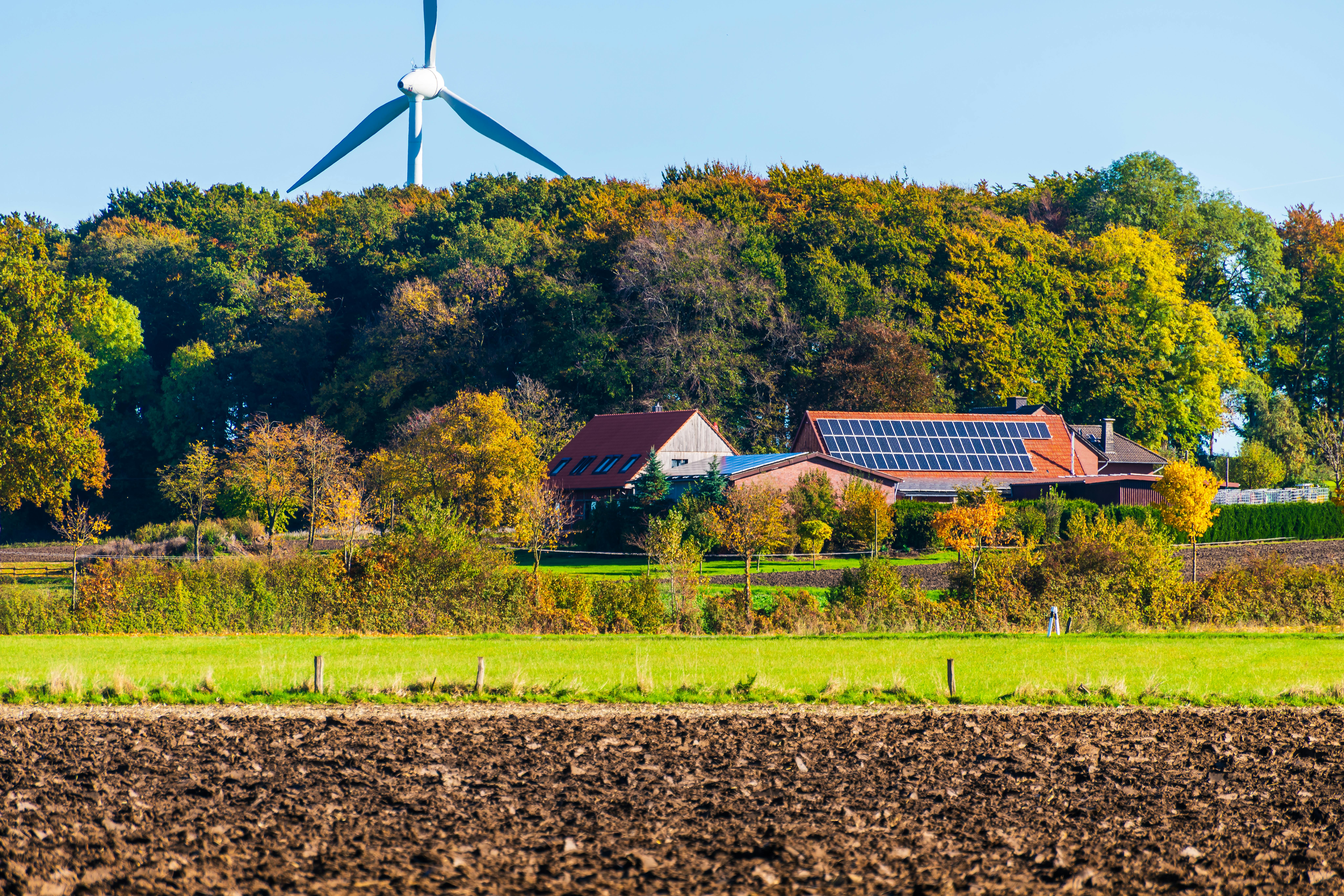
Barn and outbuilding roofs frequently offer excellent solar real estate. These structures typically have large, unshaded roof areas with good southern exposure. Rooftop installations don’t consume valuable land and can actually extend roof life by protecting the underlying surface from weather exposure.
However, ensure the roof structure can support the additional weight. Older barns may require reinforcement before installation. Also, consider the roof’s age—installing solar panels on a roof nearing replacement isn’t cost-effective.
Ground-Mounted Arrays
Ground mounting offers flexibility in positioning and orientation. Arrays can be placed in marginal land areas unsuitable for cultivation, and the tilt angle can be optimized for maximum energy production. Ground systems are also easier to clean and maintain than rooftop installations.
Some innovative farmers integrate solar panels with grazing land, creating dual-use spaces where livestock graze beneath elevated panel arrays. This approach, called agrivoltaics, maximizes land productivity while generating clean energy.
Solar Tracking Systems
Advanced tracking systems adjust panel orientation throughout the day to follow the sun’s path, increasing energy production by 25-35% compared to fixed installations. While more expensive initially, trackers can make sense for farms with limited space or high energy demands.
Navigating Incentives, Rebates, and Financing Options
Financial incentives significantly improve the economics of solar installations for small farms. Understanding available programs helps maximize savings and minimize upfront costs.
Federal Tax Credits
The federal Investment Tax Credit (ITC) allows farmers to deduct a significant percentage of solar installation costs from their federal taxes. This credit applies to both the equipment and installation labor, substantially reducing the net system cost.
State and Local Programs 🏛️
Many states offer additional incentives including rebates, performance payments, and accelerated depreciation schedules. Some utility companies provide cash incentives for solar installations or offer favorable net metering arrangements.
Agricultural-specific programs like USDA’s Rural Energy for America Program (REAP) provide grants and loan guarantees specifically for renewable energy projects on farms and ranches. These programs can cover 25-50% of project costs, making solar installations extremely attractive.
Financing Approaches
Multiple financing options exist beyond traditional cash purchases:
- Solar loans: Specialized financing with terms matching solar system lifespans
- PACE programs: Property-assessed clean energy financing repaid through property taxes
- Leases and PPAs: Third-party ownership models requiring no upfront investment
- Agricultural loans: Farm credit programs that include renewable energy improvements
Maintenance Requirements and Long-Term Reliability
One of solar energy’s greatest advantages is minimal maintenance requirements. Unlike combustion-based generators or complex machinery, solar panels have no moving parts and operate reliably for decades with basic care.
Routine maintenance typically involves periodic cleaning to remove dust, pollen, bird droppings, and other debris that can reduce efficiency. In many regions, rainfall provides sufficient cleaning, though manual washing may be necessary in dry or dusty environments.
Monitoring System Performance 📊
Modern solar systems include monitoring capabilities that track energy production in real-time. These systems alert farmers to performance issues, helping identify problems before they significantly impact energy generation.
Regular monitoring also helps verify that the system delivers expected returns and quickly identifies any underperforming panels or equipment malfunctions. Many monitoring platforms offer smartphone apps for convenient access to production data.
Expected Lifespan and Warranties
Quality solar panels typically carry 25-year performance warranties, guaranteeing at least 80-85% of original output after a quarter century. The actual lifespan often extends beyond 30 years, with gradually declining but still useful energy production.
Inverters, which convert DC power from panels to AC power for farm use, generally last 10-15 years and may require replacement during the system’s lifetime. Budget for eventual inverter replacement when calculating long-term costs.
Real-World Success Stories from Small Farms ✨
Across the agricultural landscape, small farms are demonstrating the practical benefits of solar energy adoption. These success stories provide valuable insights and inspiration for farmers considering solar investments.
A vegetable farm in California installed a 30-kW solar array that eliminated their $800 monthly electricity bill. The system powers irrigation pumps, refrigeration units, and processing equipment. With federal and state incentives, the farmers recovered their investment in just five years and now enjoy essentially free electricity.
A small dairy operation in Vermont combined rooftop and ground-mounted solar panels to generate 95% of their energy needs. The installation powers milking equipment, cooling systems, and lighting while reducing their carbon footprint significantly. They sell excess power back to the grid, creating an additional revenue stream.
An organic farm in Texas uses solar-powered water pumps for irrigation, eliminating fuel costs and reducing maintenance compared to their previous diesel pumps. The quiet operation and zero emissions align perfectly with their sustainable farming philosophy.
Overcoming Common Concerns and Misconceptions
Despite proven benefits, some farmers hesitate to adopt solar energy due to misconceptions or concerns. Addressing these issues helps make informed decisions based on facts rather than fears.
Weather and Seasonal Variations
Solar panels generate electricity even on cloudy days, though at reduced capacity. Modern systems are designed for local climate conditions and sized to meet annual energy needs despite seasonal variations. Grid-tied systems ensure power availability regardless of weather conditions.
Complexity and Technical Requirements
While solar technology is sophisticated, systems are designed for user-friendly operation. Professional installers handle complex technical aspects, and most systems operate automatically with minimal user intervention. Farmers don’t need engineering degrees to benefit from solar energy.
Aesthetic and Property Concerns 🏡
Modern solar installations can be designed to complement farm aesthetics rather than detract from them. Strategic placement, color-matching frames, and integration with existing structures create functional installations that don’t compromise farm appearance.
Future-Proofing Your Farm with Solar Energy
Adopting solar energy positions small farms for long-term success in an evolving agricultural landscape. As climate concerns intensify and energy costs rise, farms with renewable energy infrastructure gain competitive advantages.
Solar installations increase property values while reducing operational expenses. This financial strengthening improves farm resilience and sustainability, making operations more attractive to potential buyers or next-generation farmers.
The technology continues advancing, with improved efficiency, reduced costs, and enhanced capabilities emerging regularly. Early adopters benefit from decades of clean, affordable energy while contributing to environmental stewardship.
Taking the First Steps Toward Solar Implementation
Transitioning to solar energy doesn’t require rushing into immediate installation. A methodical approach ensures optimal results and maximum benefits.
Start with an energy audit to understand current consumption patterns and identify efficiency improvements. Reducing waste before installing solar panels means you can size systems smaller and reduce costs.
Contact multiple qualified solar installers for assessments and proposals. Compare not just prices but also equipment quality, warranties, company reputation, and post-installation support. Local installers familiar with agricultural applications often provide the best service.
Questions to Ask Potential Installers
- How many agricultural solar installations have you completed?
- What equipment brands do you recommend and why?
- How do you size systems for farm applications?
- What warranties and performance guarantees do you provide?
- Can you assist with incentive applications and financing?
- What ongoing maintenance and monitoring services do you offer?
Brightening Agriculture’s Future with Renewable Energy 🌟
Solar energy represents more than just an electricity source for small farms—it embodies a fundamental shift toward sustainable, resilient agricultural practices. The convergence of falling costs, improving technology, and generous incentives creates an unprecedented opportunity for farmers to reduce expenses while supporting environmental health.
Small farms adopting solar energy join a growing movement of agricultural innovators who recognize that profitability and sustainability aren’t competing goals but complementary objectives. The sun delivers abundant, free energy daily; harnessing this resource simply makes good business sense.
As climate patterns shift and traditional energy sources face scrutiny, farmers with solar installations enjoy stability, independence, and reduced operating costs. These advantages strengthen farm viability for current operators and future generations.
The journey toward solar energy begins with education, continues through careful planning, and culminates in decades of clean, affordable power. For small farms committed to long-term success, the question isn’t whether to adopt solar energy, but when to begin the transition.
By embracing solar technology today, small farms invest in tomorrow’s agricultural sustainability while reaping immediate financial benefits. The power of the sun awaits—ready to energize farms, reduce costs, and illuminate the path toward a brighter agricultural future.

Toni Santos is a visual storyteller and archival artisan whose creative journey is steeped in the bold colors, dramatic typography, and mythic imagery of old circus posters. Through his artistic lens, Toni breathes new life into these once-lurid canvases of wonder, transforming them into tributes to a golden era of spectacle, showmanship, and cultural fantasy.
Fascinated by the visual language of vintage circuses — from roaring lions to gravity-defying acrobats, from hand-painted banners to gothic typefaces — Toni explores how these posters once captured the imagination of entire towns with nothing more than ink, illusion, and a promise of awe. Each composition he creates or studies is a dialogue with history, nostalgia, and the raw aesthetics of entertainment on the move.
With a background in handcrafted design and visual heritage, Toni blends artistic sensitivity with historical insight. His work traces the forgotten typographies, chromatic choices, and symbolic flair that defined circus marketing in the 19th and early 20th centuries — a time when posters were not just advertisements, but portable portals to dreamworlds.
As the creative force behind Vizovex, Toni curates collections, illustrations, and thoughtful narratives that reconnect modern audiences with the magic of old circus art — not just as ephemera, but as cultural memory etched in paper and pigment.
His work is a tribute to:
The flamboyant storytelling of early circus posters
The lost art of hand-lettered show promotion
The timeless charm of visual fantasy in public space
Whether you’re a vintage print enthusiast, a circus history lover, or a designer inspired by antique aesthetics, Toni invites you into a world where tigers leap through fire, strongmen pose in perfect symmetry, and every corner of the poster whispers: Step right up.