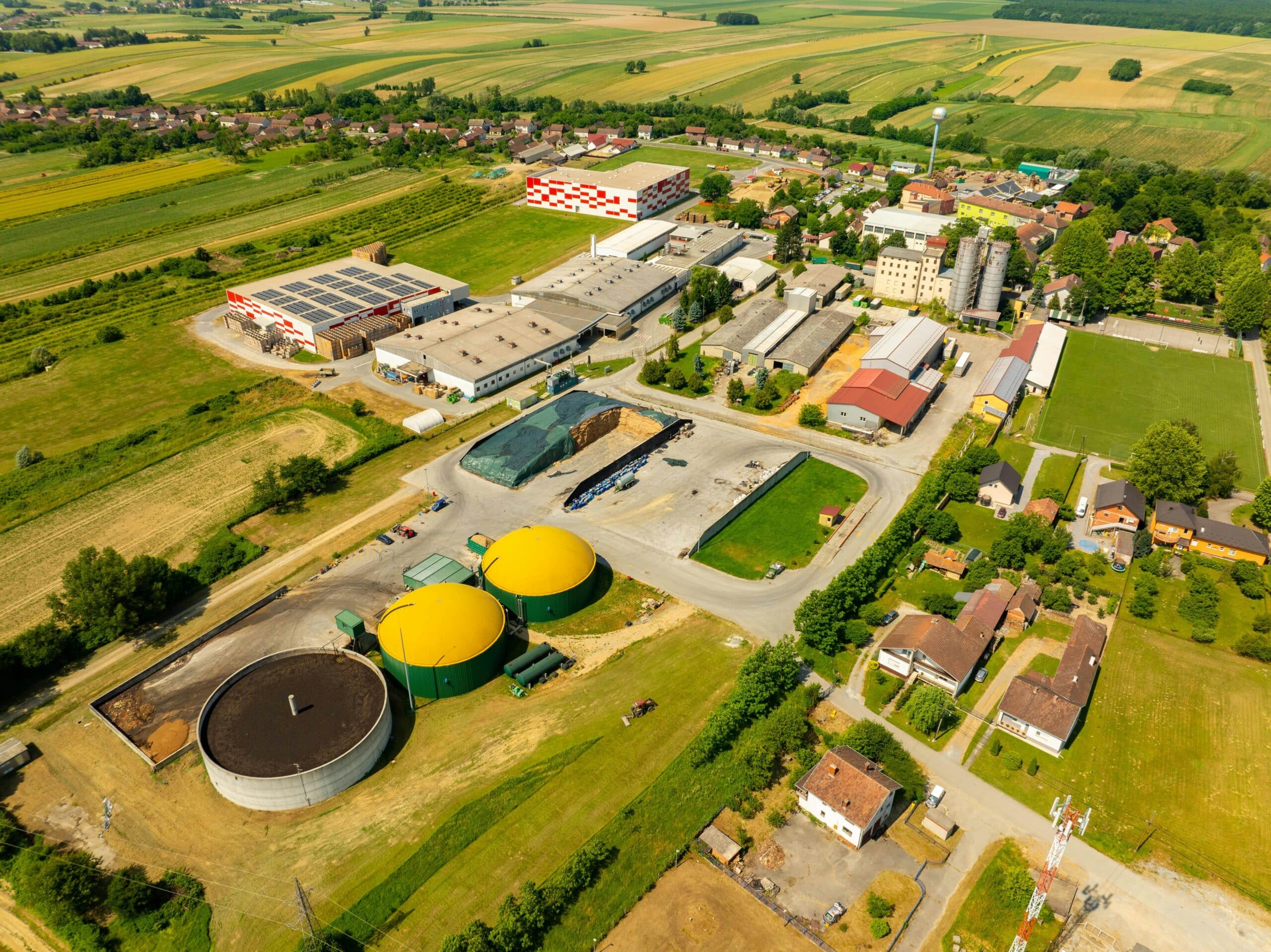
Achieving maximum profitability in agriculture requires strategic planning, informed decision-making, and embracing modern farming techniques that transform ordinary harvests into exceptional yields.
🌾 Understanding the Foundation of Crop Profitability
The journey toward agricultural success begins with understanding what truly drives profitability in modern farming. Crop profitability isn’t merely about producing the highest yield possible—it’s about optimizing the relationship between input costs, market demand, and harvest quality. Many farmers focus exclusively on volume, but the most successful agricultural operations recognize that profitability emerges from balancing multiple factors simultaneously.
Today’s agricultural landscape demands a sophisticated approach that considers soil health, weather patterns, market fluctuations, and technological innovations. Farmers who embrace this comprehensive perspective position themselves to capitalize on opportunities that others might overlook. The difference between moderate success and exceptional profitability often lies in understanding these interconnected systems.
Strategic Crop Selection for Maximum Returns 💰
Choosing the right crops represents one of the most critical decisions affecting your bottom line. This decision shouldn’t be based solely on tradition or what neighboring farms are growing. Instead, successful farmers conduct thorough market research, analyzing both current demand and projected future trends.
High-value specialty crops often command premium prices, but they may also require specialized knowledge and equipment. Conversely, commodity crops offer established markets but typically operate on thinner profit margins. The optimal strategy frequently involves diversification—balancing reliable staple crops with higher-risk, higher-reward specialty options.
Evaluating Your Land’s Potential
Every piece of agricultural land possesses unique characteristics that make it better suited for certain crops. Soil composition, drainage patterns, climate conditions, and topography all influence which crops will thrive. Conducting comprehensive soil tests reveals pH levels, nutrient content, and organic matter—critical information for matching crops to your specific conditions.
Consider working with agricultural extension services or agronomists who can provide detailed land assessments. This investment pays dividends by preventing costly mistakes and identifying opportunities you might not have considered. Some farmers discover that their land is perfectly suited for organic production or specialty crops that command significantly higher market prices.
Precision Agriculture: Technology’s Impact on Profitability 📱
Modern farming has been revolutionized by precision agriculture technologies that enable unprecedented control over growing conditions. GPS-guided tractors, drone surveillance, soil sensors, and data analytics platforms transform farming from an art based primarily on experience into a data-driven science.
These technologies allow farmers to apply fertilizers, pesticides, and water with extreme precision, reducing waste and environmental impact while improving yields. Variable rate application systems ensure that each section of your field receives exactly what it needs—no more, no less. This precision eliminates the traditional approach of over-applying inputs as insurance against deficiencies.
Mobile Applications Transforming Farm Management
Smartphone applications have become indispensable tools for modern farmers, providing real-time information and decision-support capabilities right in the field. Weather forecasting apps, crop disease identification tools, and farm management software help farmers make informed decisions quickly.
These digital solutions track expenses, monitor market prices, schedule activities, and maintain detailed records essential for both operational efficiency and regulatory compliance. Many farmers report that implementing comprehensive farm management software has revealed inefficiencies and opportunities they never previously recognized.
Soil Health: The Foundation of Sustainable Profitability 🌱
Healthy soil represents the cornerstone of agricultural success, yet many farmers underestimate its critical importance. Soil isn’t merely a growing medium—it’s a living ecosystem containing billions of microorganisms that facilitate nutrient availability, disease suppression, and plant health.
Investing in soil health pays immediate and long-term dividends. Practices like cover cropping, reduced tillage, crop rotation, and composting build soil organic matter, improve water retention, and enhance natural fertility. Farms with healthy soils require fewer external inputs, demonstrate greater resilience during weather extremes, and produce higher quality crops.
Regenerative Agriculture Practices
Regenerative agriculture goes beyond sustainability to actually improve land conditions over time. These practices focus on rebuilding soil organic matter and restoring degraded soil biodiversity. Farmers implementing regenerative techniques often report reduced input costs, improved yields, and access to premium markets willing to pay more for sustainably produced food.
The transition toward regenerative practices requires patience and education, but the economic and environmental benefits make it increasingly attractive. Many agricultural organizations now offer training programs and support networks for farmers interested in adopting these methods.
Optimizing Input Costs Without Sacrificing Quality ✅
Profitability improves when you reduce unnecessary expenses while maintaining or improving production quality. Many farmers spend more than necessary on inputs because of habit, incomplete information, or aggressive marketing from suppliers.
Begin by analyzing your actual nutrient requirements based on soil tests rather than applying standardized fertilizer programs. This targeted approach typically reduces fertilizer costs by fifteen to thirty percent while maintaining yields. Similarly, integrated pest management strategies minimize pesticide expenses by using chemicals only when economically justified rather than on predetermined schedules.
Bulk Purchasing and Cooperative Arrangements
Joining purchasing cooperatives or coordinating with neighboring farms enables access to bulk pricing that significantly reduces input costs. Seeds, fertilizers, fuel, and equipment all become more affordable when purchased in larger quantities. These arrangements also provide networking opportunities and knowledge sharing that contribute to overall farm improvement.
Consider negotiating with suppliers for volume discounts or early payment incentives. Many agricultural input suppliers offer flexible payment terms or discounts that farmers never receive simply because they don’t ask.
Market Intelligence and Strategic Selling 📊
Understanding market dynamics dramatically impacts profitability. The same crop sold at different times or through different channels can generate vastly different returns. Successful farmers monitor market trends, understand seasonal price fluctuations, and develop relationships with multiple buyers.
Commodity markets experience predictable seasonal patterns, but they’re also influenced by weather events, international trade policies, and global supply situations. Staying informed about these factors helps you time your sales for maximum advantage. Consider using forward contracts or futures markets to lock in favorable prices and reduce uncertainty.
Direct Marketing and Value-Added Opportunities
Selling directly to consumers through farmers markets, community-supported agriculture programs, or on-farm stores eliminates middlemen and captures retail margins. While direct marketing requires additional time and skills, the price premiums often justify the effort, especially for specialty crops or organic production.
Value-added processing transforms raw agricultural products into higher-value goods. Converting tomatoes into salsa, milk into cheese, or grains into baked goods increases profit margins substantially. These enterprises require additional investment and regulatory compliance but open new revenue streams less vulnerable to commodity price fluctuations.
Water Management for Enhanced Productivity 💧
Water represents an increasingly precious resource that significantly impacts crop profitability. Efficient irrigation systems ensure crops receive adequate moisture while minimizing waste and reducing pumping costs. Modern irrigation technologies like drip systems and soil moisture sensors deliver water precisely when and where needed.
Farms in water-scarce regions particularly benefit from advanced water management, but even areas with adequate rainfall can improve profitability through better water utilization. Proper drainage, water harvesting, and irrigation scheduling all contribute to optimized water use that supports maximum crop performance.
Drought-Resistant Varieties and Conservation Techniques
Selecting crop varieties bred for water efficiency reduces irrigation requirements while maintaining yields. These genetics, combined with practices like mulching and conservation tillage, help crops withstand water stress and reduce overall water consumption.
Implementing water conservation measures not only reduces costs but also positions farms favorably for potential future water restrictions or allocation systems. Forward-thinking farmers view water efficiency as both an economic advantage and environmental responsibility.
Labor Efficiency and Automation Strategies 👨🌾
Labor costs represent a significant expense for most agricultural operations, and labor shortages challenge farms worldwide. Improving labor efficiency through better planning, training, and equipment investments directly enhances profitability.
Automation technologies increasingly handle tasks traditionally requiring manual labor. Robotic harvesters, automated feeding systems, and autonomous tractors reduce labor requirements while improving consistency and quality. While these technologies require substantial upfront investment, they often pay for themselves within a few seasons through reduced labor costs and improved efficiency.
Training and Workforce Development
Investing in employee training improves productivity and reduces costly mistakes. Well-trained workers operate equipment more efficiently, identify problems earlier, and contribute ideas for operational improvements. Creating a positive work environment that values employees reduces turnover and the associated costs of constantly recruiting and training new workers.
Consider cross-training employees so they can handle multiple roles, providing operational flexibility during peak seasons or when absences occur. This versatility improves efficiency and helps employees develop broader skills that make them more valuable.
Risk Management and Diversification 🛡️
Agriculture involves inherent risks from weather, pests, diseases, and market fluctuations. Successful farmers don’t eliminate these risks—they manage them strategically. Diversification across different crops, markets, and revenue streams reduces vulnerability to any single adverse event.
Crop insurance protects against catastrophic losses from weather events or market collapses. While insurance premiums represent an expense, the protection provides peace of mind and financial stability. Many farmers also maintain emergency reserves or credit lines to handle unexpected expenses without disrupting operations.
Financial Planning and Record Keeping
Comprehensive financial records enable informed decision-making and reveal profitability trends over time. Detailed tracking of expenses by category, field-level production records, and market transaction documentation provide the information necessary for continuous improvement.
Working with agricultural accountants or financial advisors who understand farming’s unique challenges helps optimize tax strategies, manage cash flow, and plan for long-term investments. Many farmers discover significant tax savings and financial opportunities simply by implementing more sophisticated financial management.
Continuous Learning and Adaptation 📚
The most successful farmers embrace lifelong learning, constantly seeking new knowledge and techniques. Agricultural research continually develops improved varieties, innovative practices, and emerging technologies. Staying current with these advances provides competitive advantages that directly impact profitability.
Attend agricultural conferences, participate in extension programs, join farmer networks, and experiment with new approaches on small sections of your operation before full-scale implementation. This commitment to continuous improvement separates thriving agricultural operations from those that stagnate.
Online resources, agricultural publications, and university research provide valuable information often available at little or no cost. Building relationships with researchers and extension agents gives you access to cutting-edge knowledge before it becomes widely adopted, creating temporary competitive advantages.
Building Resilience Through Sustainable Practices 🌍
Long-term agricultural profitability requires practices that maintain and enhance productive capacity rather than degrading resources. Sustainable farming isn’t merely an environmental consideration—it’s fundamental to economic viability across multiple growing seasons and generations.
Farms that deplete soil fertility, pollute water resources, or create pest resistance problems through overuse of chemicals eventually face declining productivity and increasing costs. Conversely, operations that invest in soil health, biodiversity, and ecosystem services build resilience that protects profitability during challenging periods.
Consumer demand for sustainably produced food continues growing, creating market opportunities for farmers who can credibly demonstrate environmental stewardship. Certifications like organic, regenerative, or sustainably grown command premium prices that reward farmers for responsible practices.

Turning Knowledge Into Harvest Success 🚜
Maximizing crop profitability requires integrating multiple strategies into a coherent farm management approach tailored to your specific situation. No single technique guarantees success—rather, profitability emerges from consistently making informed decisions across all aspects of your operation.
Start by identifying the areas where your farm has the greatest potential for improvement. Perhaps soil health needs attention, or marketing strategies could be strengthened, or technology adoption would yield significant benefits. Focus on high-impact changes that align with your resources and capabilities.
Implement changes methodically, measuring results and adjusting approaches based on actual outcomes rather than assumptions. Document what works and what doesn’t, building an institutional knowledge base that guides future decisions. Remember that agricultural success is a journey of continuous improvement rather than a destination to reach.
The farmers who thrive in today’s agricultural environment combine traditional wisdom with modern innovation, balancing short-term profitability with long-term sustainability, and viewing their operations as dynamic systems requiring constant attention and adjustment. By embracing this comprehensive approach to farm management, you position your agricultural enterprise for sustained profitability and success regardless of external challenges.
Your harvest gains await—unlock them through strategic planning, informed implementation, and unwavering commitment to excellence in every aspect of your farming operation. The seeds you plant today, both literally and figuratively, will determine the abundance of tomorrow’s harvest.

Toni Santos is a visual storyteller and archival artisan whose creative journey is steeped in the bold colors, dramatic typography, and mythic imagery of old circus posters. Through his artistic lens, Toni breathes new life into these once-lurid canvases of wonder, transforming them into tributes to a golden era of spectacle, showmanship, and cultural fantasy.
Fascinated by the visual language of vintage circuses — from roaring lions to gravity-defying acrobats, from hand-painted banners to gothic typefaces — Toni explores how these posters once captured the imagination of entire towns with nothing more than ink, illusion, and a promise of awe. Each composition he creates or studies is a dialogue with history, nostalgia, and the raw aesthetics of entertainment on the move.
With a background in handcrafted design and visual heritage, Toni blends artistic sensitivity with historical insight. His work traces the forgotten typographies, chromatic choices, and symbolic flair that defined circus marketing in the 19th and early 20th centuries — a time when posters were not just advertisements, but portable portals to dreamworlds.
As the creative force behind Vizovex, Toni curates collections, illustrations, and thoughtful narratives that reconnect modern audiences with the magic of old circus art — not just as ephemera, but as cultural memory etched in paper and pigment.
His work is a tribute to:
The flamboyant storytelling of early circus posters
The lost art of hand-lettered show promotion
The timeless charm of visual fantasy in public space
Whether you’re a vintage print enthusiast, a circus history lover, or a designer inspired by antique aesthetics, Toni invites you into a world where tigers leap through fire, strongmen pose in perfect symmetry, and every corner of the poster whispers: Step right up.