Modern farming faces unprecedented challenges, from climate volatility to market fluctuations. Smart risk management strategies are essential for agricultural sustainability and profitability.
🌾 The Evolution of Agricultural Risk in the Digital Age
Agriculture has always been a high-risk endeavor, but the 21st century has introduced complexities that previous generations of farmers never imagined. Climate change patterns have disrupted traditional growing seasons, creating unpredictable weather events that can devastate entire crops within hours. Market globalization means that a political decision halfway across the world can impact commodity prices overnight, affecting farm profitability in ways farmers cannot directly control.
The modern farmer must navigate multiple risk categories simultaneously: production risks stemming from weather and pests, market risks from price volatility, financial risks related to debt and interest rates, institutional risks from changing policies and regulations, and human risks including labor availability and health considerations. This multifaceted risk landscape requires a comprehensive approach that goes beyond traditional farming wisdom.
Technology has emerged as both a challenge and a solution. While farmers must invest in new equipment and digital tools to remain competitive, these same technologies offer unprecedented capabilities for monitoring, predicting, and mitigating risks. The key lies in understanding which innovations deliver genuine value and how to integrate them into existing farm operations without overwhelming resources or expertise.
📊 Data-Driven Decision Making: The Foundation of Modern Risk Management
The transformation of farming from intuition-based to data-driven decision-making represents one of the most significant shifts in agricultural history. Precision agriculture technologies now enable farmers to collect vast amounts of information about soil conditions, moisture levels, crop health, and yield potential across every section of their fields.
Satellite imagery and drone technology provide bird’s-eye views of crop conditions, identifying problem areas before they become visible from ground level. Soil sensors deliver real-time data about nutrient levels, pH balance, and moisture content, allowing for targeted interventions rather than blanket treatments. Weather stations equipped with advanced forecasting capabilities help farmers time critical operations like planting, spraying, and harvesting with greater precision.
The challenge lies not in collecting data, but in transforming it into actionable insights. Farm management software platforms aggregate information from multiple sources, applying analytics and machine learning algorithms to identify patterns and recommend specific actions. These systems can predict optimal planting dates based on historical weather patterns, suggest fertilizer applications tailored to specific field zones, and alert farmers to emerging pest or disease threats based on regional monitoring networks.
Implementing Effective Data Collection Systems
Starting a data-driven approach doesn’t require massive upfront investments. Farmers can begin with basic record-keeping practices, documenting inputs, costs, yields, and observations for each field or crop cycle. Mobile applications designed for agricultural record-keeping simplify this process, allowing farmers to log information directly from the field using smartphones or tablets.
As familiarity with data management grows, farmers can gradually incorporate more sophisticated monitoring tools. The key is selecting technologies that address specific pain points rather than adopting every available innovation. A farmer struggling with irrigation efficiency might prioritize soil moisture sensors, while someone facing repeated pest outbreaks might invest first in scouting apps and pest prediction models.
🌡️ Climate Risk Adaptation: Building Resilience Against Weather Extremes
Climate variability represents perhaps the most daunting risk factor facing modern agriculture. Extreme weather events—droughts, floods, unseasonable frosts, heat waves—are becoming more frequent and severe, challenging traditional farming calendars and crop selections that worked reliably for generations.
Successful climate risk management begins with understanding local climate trends and projections. Historical data analysis reveals patterns in precipitation, temperature fluctuations, and growing season length, while climate models provide insights into likely future scenarios. This information guides strategic decisions about crop selection, planting schedules, and infrastructure investments.
Diversification serves as a cornerstone climate adaptation strategy. Rather than betting everything on a single crop variety or planting date, resilient farms incorporate diversity across multiple dimensions. This might include growing several crop species with different climate tolerances, planting the same crop at staggered intervals to spread risk across different weather windows, or combining annual and perennial crops to balance short-term and long-term production.
Water Management in an Era of Extremes
Water availability increasingly determines agricultural success or failure. Regions traditionally reliant on rainfall are experiencing longer dry periods, while others face flooding and waterlogging that damages crops and delays field work. Innovative water management strategies help farms weather both drought and deluge.
Precision irrigation technologies maximize water use efficiency, delivering exactly the amount needed at the optimal time and place. Drip systems, subsurface irrigation, and variable-rate sprinklers reduce waste while improving crop health. Soil amendments like biochar and compost increase water-holding capacity, helping fields retain moisture during dry spells and improving drainage during wet periods.
Water capture and storage infrastructure provides insurance against irregular precipitation. Farm ponds, reservoirs, and rainwater harvesting systems collect excess water during wet periods for use during drought. These investments require careful planning and capital but deliver long-term resilience and production stability.
💰 Financial Risk Hedging: Protecting Profitability in Volatile Markets
Agricultural commodity markets exhibit notorious volatility, with prices swinging dramatically based on global production levels, currency fluctuations, trade policies, and consumer trends. Farmers who fail to manage price risk may achieve excellent yields yet suffer financial losses when market prices collapse at harvest time.
Forward contracting allows farmers to lock in prices for their crops before harvest, providing certainty about revenue even if market prices subsequently fall. While this strategy sacrifices potential gains if prices rise, it guarantees a minimum return and facilitates financial planning and loan management. The key is timing and partial contracting—selling portions of expected production at different times to average prices rather than betting everything on a single moment.
Crop insurance products have evolved significantly, moving beyond basic disaster coverage to include revenue protection and margin insurance. These sophisticated policies protect against both yield losses and price declines, ensuring minimum revenue levels regardless of production outcomes or market conditions. Understanding policy options, coverage levels, and premium costs enables farmers to select insurance that matches their specific risk tolerance and financial situation.
Diversifying Revenue Streams
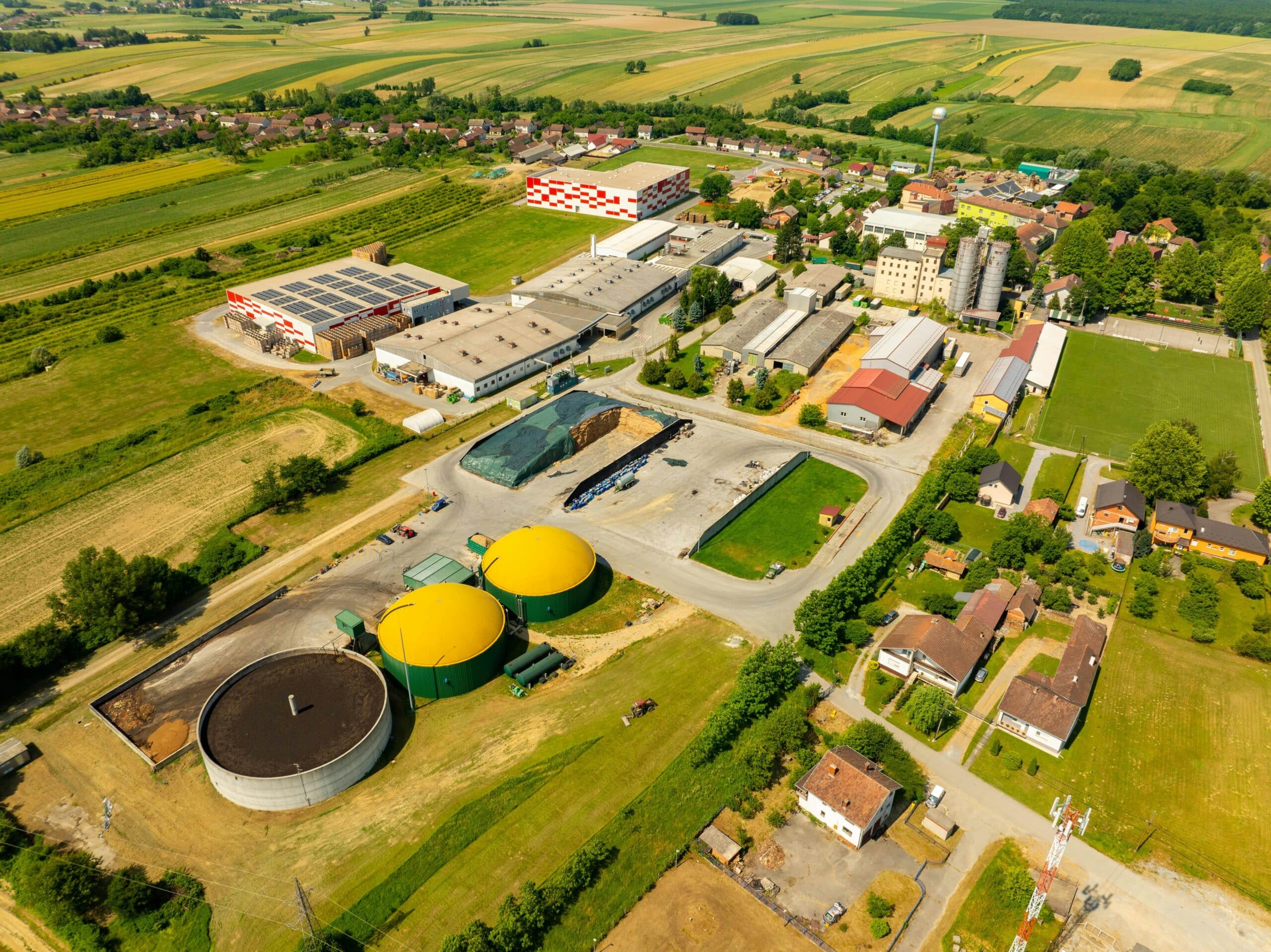
The most resilient farm operations rarely depend entirely on commodity crop sales. Adding value-added products, agritourism, renewable energy production, or ecosystem service payments creates multiple income sources that may perform differently under varying market and weather conditions.
Direct-to-consumer marketing channels, whether through farmers markets, community-supported agriculture programs, or online platforms, typically offer higher margins than commodity markets while building customer relationships that provide stability. Processing raw agricultural products into finished goods—turning wheat into flour, milk into cheese, or vegetables into prepared foods—captures additional value and differentiates farm products in crowded markets.
🤖 Technology Integration: Smart Tools for Smarter Farming
Agricultural technology has advanced rapidly, offering tools that would have seemed like science fiction just a decade ago. Autonomous tractors operate 24/7 with precision impossible for human operators. Robotic harvesters identify ripe fruit and pick it gently without damage. Artificial intelligence analyzes crop photos to diagnose diseases and recommend treatments.
The challenge for most farmers isn’t accessing these technologies but determining which ones justify their costs and complexity. A practical technology adoption framework begins by identifying specific problems or inefficiencies in current operations. Does a particular task create bottlenecks? Are inputs being applied inefficiently? Is monitoring inadequate to catch problems early?
Once problems are clearly defined, farmers can evaluate technologies based on their potential to solve those specific issues, considering not just purchase costs but also training requirements, maintenance needs, and integration with existing systems. Starting small with pilot projects allows farmers to test new technologies on limited acreage before farm-wide deployment, reducing risk while building expertise.
Mobile Applications Revolutionizing Farm Management
Smartphones have become powerful farm management tools, with specialized applications helping farmers monitor everything from weather forecasts to equipment maintenance schedules. Pest and disease identification apps use image recognition to diagnose problems from photos, providing treatment recommendations instantly. Field mapping applications track operations, inputs, and yields with GPS precision, building historical records that inform future decisions.
Financial management apps designed for agriculture help farmers track expenses, manage cash flow, and analyze enterprise profitability. Some platforms integrate market data, allowing farmers to monitor commodity prices and execute forward contracts directly from their phones. The accessibility and relatively low cost of mobile applications make them ideal entry points for farmers beginning their digital transformation.
🌱 Biological Risk Management: Protecting Crops from Pests and Diseases
Pests, diseases, and weeds threaten crop production in every growing season, with potential losses ranging from minor yield reductions to complete crop failures. Traditional approaches relied heavily on prophylactic pesticide applications—spraying on schedules regardless of actual pest presence. This strategy proved both expensive and environmentally problematic, while pests increasingly developed resistance to commonly used chemicals.
Integrated Pest Management (IPM) represents a smarter approach, combining monitoring, prevention, and targeted intervention. Regular scouting identifies pest populations before they reach economically damaging levels. Cultural practices like crop rotation, resistant varieties, and beneficial habitat disrupt pest life cycles and promote natural enemies. When interventions become necessary, IPM prioritizes the least disruptive options, reserving chemical treatments for situations where other methods prove inadequate.
Biological control agents—beneficial insects, microorganisms, and natural compounds—offer alternatives to synthetic pesticides. Predatory insects consume crop pests, microbial treatments target specific pathogens without harming beneficial organisms, and natural repellents deter pests without toxic residues. While these approaches often work more slowly than conventional pesticides, they provide longer-lasting control with fewer environmental concerns and no resistance development.
Disease Prevention Through Crop Health Management
Healthy crops resist diseases more effectively than stressed plants. Maintaining optimal growing conditions—appropriate nutrition, adequate moisture, proper spacing—strengthens plant immune systems and reduces disease susceptibility. Variety selection plays a crucial role, with disease-resistant cultivars offering built-in protection against common pathogens.
Sanitation practices prevent disease introduction and spread. Cleaning equipment between fields, removing crop residues that harbor pathogens, and controlling alternate hosts reduce infection sources. Strategic planting dates may avoid peak disease pressure periods, while proper storage conditions prevent post-harvest losses to molds and rots.
👥 Human Resource Risk: Building Capable, Reliable Farm Teams
Labor challenges increasingly constrain agricultural operations, with many regions experiencing severe shortages of farm workers. Demographic shifts see fewer young people entering agriculture, while immigration restrictions limit traditional labor sources. Simultaneously, farming operations require increasingly sophisticated skills as technology integration accelerates.
Attracting and retaining quality employees requires competitive compensation, safe working conditions, and clear career pathways. Farms that invest in employee training, offer benefits, and create positive workplace cultures experience lower turnover and higher productivity. Cross-training employees across multiple tasks provides operational flexibility when specific workers are unavailable.
Succession planning addresses the human risk that threatens farm continuity when key individuals retire, become disabled, or pass away. Family farms must navigate complex interpersonal dynamics when transitioning between generations, while non-family operations need leadership development programs to prepare future managers. Gradual transitions, clear communication, and professional advisory support increase succession success rates.
🔄 Creating Your Integrated Risk Management Plan
Effective risk management requires systematic planning rather than reactive responses to crises. A comprehensive farm risk management plan begins with inventory—identifying all significant risks the operation faces. This assessment should consider production, market, financial, legal, and human risks specific to the farm’s location, crop mix, and business structure.
Risk prioritization follows assessment, ranking threats based on their likelihood and potential impact. Risks that are both probable and severe demand immediate attention, while unlikely or minor risks may warrant monitoring but not major resource allocation. This prioritization ensures limited time and capital focus on the most significant threats.
For each priority risk, the plan should outline specific mitigation strategies, responsible parties, implementation timelines, and monitoring methods. Some risks may be reduced through operational changes, others transferred through insurance, and some simply accepted as inherent to farming. The key is making conscious decisions rather than ignoring risks until they materialize as crises.
Regular Review and Adaptation
Risk landscapes change constantly as weather patterns shift, markets evolve, technologies emerge, and regulations adjust. Annual reviews of the risk management plan ensure it remains relevant and effective. These reviews should incorporate lessons learned from the previous year’s challenges, update risk assessments based on current conditions, and adjust strategies as needed.
Building a culture of continuous improvement transforms risk management from a compliance exercise into a competitive advantage. Farmers who systematically learn from both successes and failures, who stay informed about emerging risks and new mitigation tools, and who adapt their operations proactively rather than reactively position themselves for long-term sustainability and profitability.
🚜 The Path Forward: Resilience Through Innovation and Adaptation
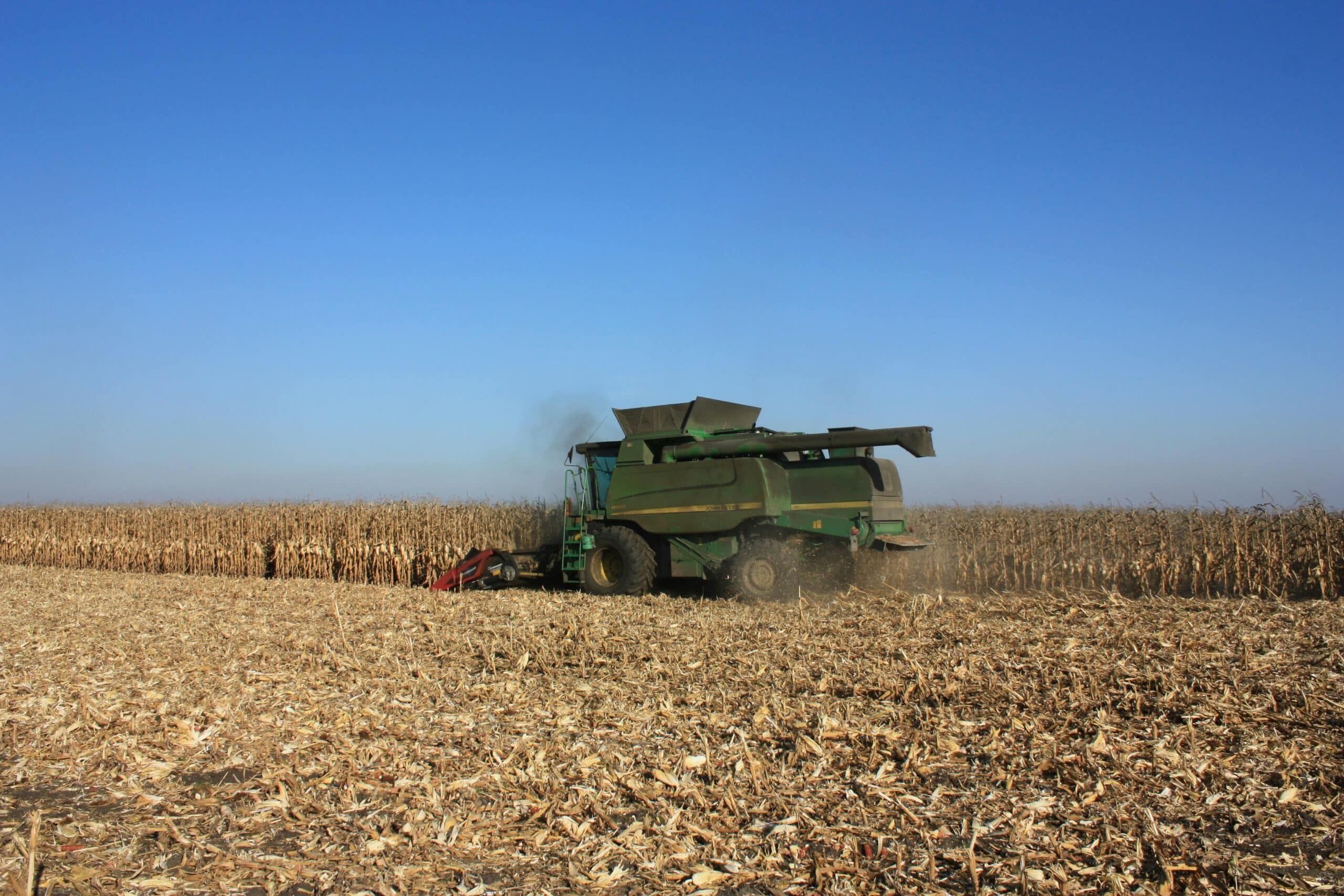
Modern farming demands more than hard work and good weather—it requires strategic thinking, technological savvy, and adaptive management. The risks are real and growing, but so too are the tools and strategies available to manage them effectively. Farmers who embrace data-driven decision-making, diversify their operations, leverage appropriate technologies, and plan systematically for known risks position themselves to thrive despite uncertainty.
The transition to sophisticated risk management practices needn’t happen overnight. Starting with one or two key strategies—perhaps improved record-keeping and crop insurance review—builds momentum and capabilities. As farmers gain confidence and see results, they can progressively incorporate additional tools and techniques, creating increasingly resilient operations.
Success ultimately comes from viewing risk management not as a burden but as an investment in farm longevity and profitability. Every dollar spent on appropriate insurance, every hour devoted to learning new technologies, every effort to diversify revenue or improve soil health pays dividends when challenges inevitably arise. The farms that will prosper in coming decades are those that master the harvest through smarter, more innovative risk management today.
The agricultural landscape continues evolving, presenting both challenges and opportunities. Farmers equipped with comprehensive risk management strategies, supported by appropriate technologies and guided by data-driven insights, can navigate this complexity successfully. The harvest depends not just on favorable conditions but on the careful planning, strategic decisions, and adaptive management that modern farming demands.

Toni Santos is a visual storyteller and archival artisan whose creative journey is steeped in the bold colors, dramatic typography, and mythic imagery of old circus posters. Through his artistic lens, Toni breathes new life into these once-lurid canvases of wonder, transforming them into tributes to a golden era of spectacle, showmanship, and cultural fantasy.
Fascinated by the visual language of vintage circuses — from roaring lions to gravity-defying acrobats, from hand-painted banners to gothic typefaces — Toni explores how these posters once captured the imagination of entire towns with nothing more than ink, illusion, and a promise of awe. Each composition he creates or studies is a dialogue with history, nostalgia, and the raw aesthetics of entertainment on the move.
With a background in handcrafted design and visual heritage, Toni blends artistic sensitivity with historical insight. His work traces the forgotten typographies, chromatic choices, and symbolic flair that defined circus marketing in the 19th and early 20th centuries — a time when posters were not just advertisements, but portable portals to dreamworlds.
As the creative force behind Vizovex, Toni curates collections, illustrations, and thoughtful narratives that reconnect modern audiences with the magic of old circus art — not just as ephemera, but as cultural memory etched in paper and pigment.
His work is a tribute to:
The flamboyant storytelling of early circus posters
The lost art of hand-lettered show promotion
The timeless charm of visual fantasy in public space
Whether you’re a vintage print enthusiast, a circus history lover, or a designer inspired by antique aesthetics, Toni invites you into a world where tigers leap through fire, strongmen pose in perfect symmetry, and every corner of the poster whispers: Step right up.