Climate change isn’t just an environmental concern—it’s reshaping the financial landscape in ways that demand immediate attention and strategic planning from every investor and household.
🌍 Understanding the Financial Impact of Climate Change
The intersection of climate risks and personal finance has become one of the most critical considerations for wealth preservation in the 21st century. From extreme weather events devastating property values to regulatory shifts affecting investment portfolios, climate change presents multifaceted financial challenges that require proactive strategies.
Recent data shows that climate-related disasters have caused hundreds of billions in economic losses annually, with costs accelerating faster than most economic models predicted. Insurance premiums are skyrocketing in high-risk areas, while certain industries face existential threats from both physical climate impacts and the transition to a low-carbon economy.
The good news? Forward-thinking individuals and families can implement robust strategies to protect their finances while potentially benefiting from the massive economic transformation underway. Understanding these risks and opportunities is the first step toward building a resilient financial future.
💰 Reassessing Your Investment Portfolio for Climate Resilience
Your investment strategy needs to account for climate risks that traditional financial models often overlook. Physical risks—like hurricanes, wildfires, and flooding—can destroy assets and disrupt supply chains. Transition risks emerge as governments implement carbon taxes, emissions regulations, and renewable energy mandates that reshape entire industries.
Identifying Climate-Vulnerable Investments
Start by examining your current holdings through a climate lens. Energy companies heavily dependent on fossil fuels face significant transition risks as renewable alternatives become cost-competitive and regulations tighten. Real estate investment trusts with properties in flood-prone coastal areas or wildfire zones carry elevated physical risks that may not be fully priced into current valuations.
Agriculture-dependent investments face mounting challenges from shifting growing seasons, water scarcity, and extreme weather variability. Even seemingly insulated sectors like insurance and banking are experiencing climate impacts through increased claims and loan defaults in affected regions.
Building a Climate-Conscious Portfolio
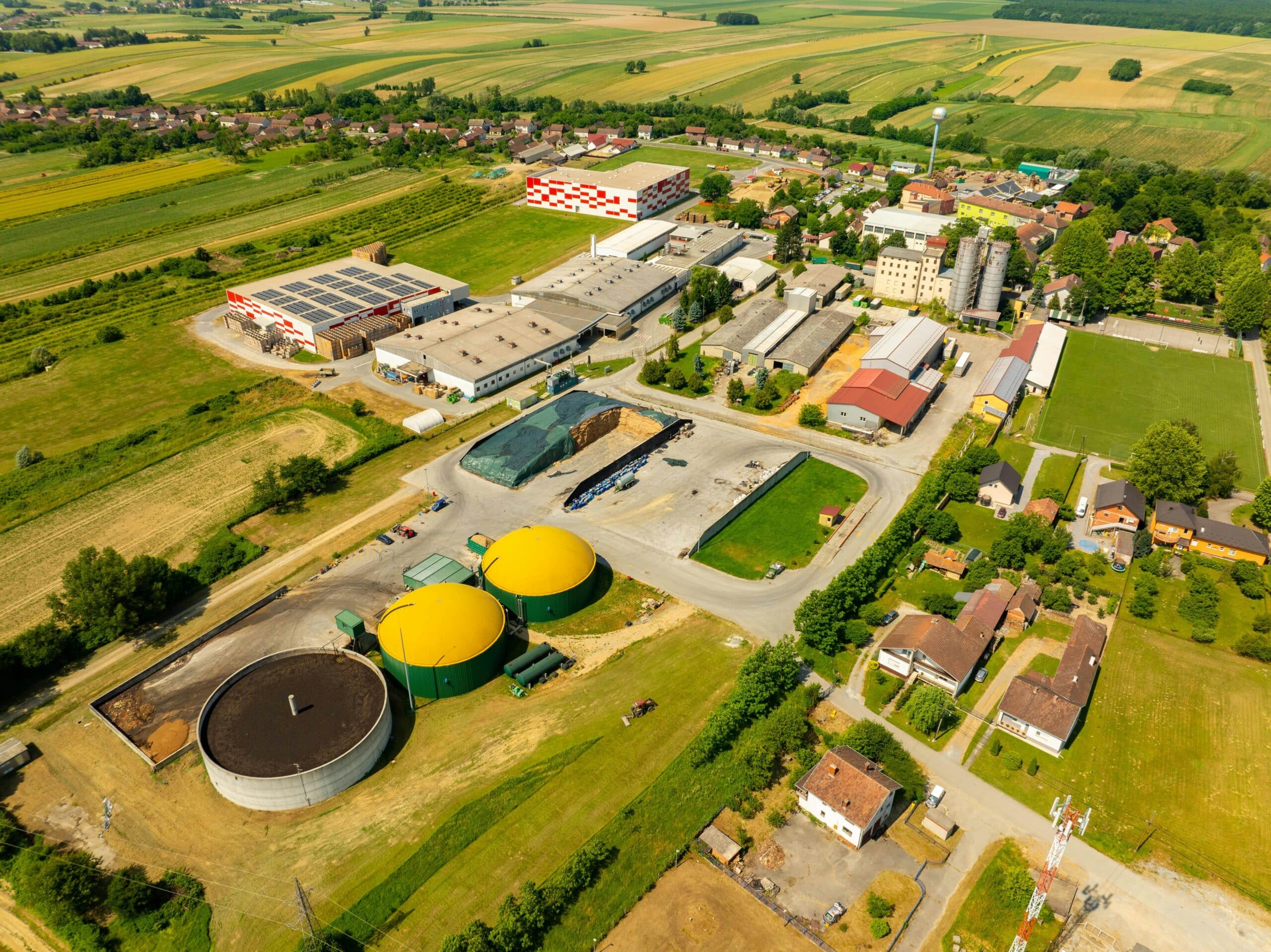
Diversification takes on new meaning in a climate-changed world. Consider allocating portions of your portfolio to climate solutions—renewable energy companies, energy efficiency technologies, sustainable agriculture, water management systems, and circular economy businesses that reduce waste and resource consumption.
Green bonds offer fixed-income investors opportunities to support climate-positive projects while earning returns. ESG (Environmental, Social, and Governance) funds have matured significantly, providing sophisticated options that screen for climate risks while seeking companies positioned to thrive in the transition economy.
Climate-focused exchange-traded funds (ETFs) provide accessible diversification across clean energy, sustainable infrastructure, and adaptation technologies. Research shows that these investments increasingly compete with—and often outperform—traditional portfolios while reducing climate exposure.
🏠 Protecting Real Estate Assets from Climate Threats
Property represents the largest asset for most households, making climate risk assessment essential for homeowners and real estate investors. The traditional real estate wisdom of “location, location, location” now includes climate vulnerability as a critical factor.
Evaluating Your Property’s Climate Risk Profile
Begin with comprehensive risk assessment. Flood zones are expanding beyond historical boundaries as rainfall patterns intensify and sea levels rise. Wildfire risk maps are being redrawn as droughts worsen and fire seasons lengthen. Heat stress affects not just comfort but infrastructure durability and energy costs.
Several online tools and resources now provide property-specific climate risk data. FEMA flood maps, though sometimes outdated, offer baseline information. More sophisticated platforms incorporate forward-looking climate projections, showing how risks may evolve over 30-year mortgage timelines.
Adaptation Strategies for Existing Properties
If you own property in climate-vulnerable areas, proactive adaptation can preserve value and reduce insurance costs. Flood-prone homes benefit from elevation, improved drainage, water-resistant materials, and sump pump systems. Wildfire protection includes defensible space creation, fire-resistant roofing and siding, and ember-resistant vents.
Energy efficiency improvements—better insulation, high-efficiency HVAC systems, solar panels—reduce operating costs while providing resilience during grid disruptions. Battery storage systems offer backup power during increasingly common outages, a valuable feature that enhances property desirability.
These investments often qualify for tax credits, utility rebates, and insurance discounts that improve financial returns while reducing climate vulnerability. Documentation of resilience improvements can also support property values when selling to climate-conscious buyers.
Strategic Considerations for Future Real Estate Purchases
When buying property, factor climate projections into your decision calculus. Properties in lower-risk locations may command premiums now but offer better long-term value preservation. Consider not just current conditions but projected changes over your ownership timeline.
Inland locations with stable water supplies, moderate temperatures, and low disaster risk are attracting “climate migration” that could support property values. Conversely, some currently desirable coastal and drought-prone areas may see demand softening as climate awareness grows and insurance availability contracts.
🛡️ Insurance Strategies in a High-Risk Climate
The insurance industry sits at the climate risk frontline, with companies reassessing coverage and pricing in response to mounting losses. These shifts directly impact household finances, requiring strategic insurance management.
Understanding the Changing Insurance Landscape
Insurers are withdrawing from high-risk markets, declining to renew policies, or dramatically increasing premiums in areas with elevated climate exposure. California, Florida, and Louisiana have seen major carriers exit homeowners insurance markets, forcing residents toward expensive state-backed insurers of last resort.
Flood insurance through the National Flood Insurance Program is transitioning to risk-based pricing that more accurately reflects true exposure, resulting in substantial premium increases for vulnerable properties. Similar repricing is occurring across property and casualty insurance as historical data proves inadequate for predicting climate-influenced loss patterns.
Optimizing Your Insurance Coverage
Review your coverage annually to ensure adequate protection without overpaying. Document home improvements and resilience measures that might qualify for discounts. Consider higher deductibles on less climate-vulnerable aspects of coverage to reduce premiums while maintaining robust protection for climate-related perils.
Flood insurance requires separate policies beyond standard homeowners coverage—don’t assume you’re protected. Understand your true flood risk, which may exceed official flood zone designations, and purchase appropriate coverage before disaster strikes.
Umbrella liability policies provide additional protection at relatively low cost, offering valuable safeguards if climate events lead to injury claims or property damage to others. Business owners need specialized climate risk evaluation to ensure commercial policies adequately cover potential disruptions.
📊 Emergency Funds and Liquidity in Uncertain Times
Climate disruption increases the importance of liquid emergency reserves. Supply chain interruptions, job market volatility, property damage, and temporary displacement all create urgent financial needs that adequate emergency funds can address without forcing disadvantageous asset sales or high-interest borrowing.
Financial advisors traditionally recommend three to six months of expenses in emergency savings. Climate uncertainty suggests expanding this cushion, particularly for households in high-risk areas or dependent on climate-vulnerable industries. Consider six to twelve months of expenses if your situation involves elevated climate exposure.
Keep emergency funds in highly liquid, low-risk accounts—high-yield savings accounts, money market funds, or short-term Treasury securities. While returns may be modest, accessibility and capital preservation are paramount for emergency reserves.
Beyond cash reserves, maintain adequate insurance, diversified income sources, and transferable skills that provide financial resilience if climate impacts disrupt your primary income stream. The goal is financial flexibility to weather disruptions without derailing long-term financial plans.
💼 Career Planning in the Climate Transition Economy
The shift toward a low-carbon economy is creating unprecedented career disruption and opportunity. Strategic career positioning can enhance income security while potentially accessing growing sectors with strong compensation and advancement prospects.
Industries Facing Climate Headwinds
Fossil fuel extraction, coal power generation, internal combustion engine manufacturing, and other carbon-intensive industries face structural decline as the energy transition accelerates. Workers in these sectors should develop transition plans, acquiring skills transferable to growing industries or pivoting toward roles within their current sectors focused on clean energy and sustainability.
Some geographic regions with economies dependent on at-risk industries may experience broader economic challenges. Consider whether your location offers diverse economic opportunities or whether relocation might provide better long-term career prospects.
Emerging Opportunities in Climate Solutions
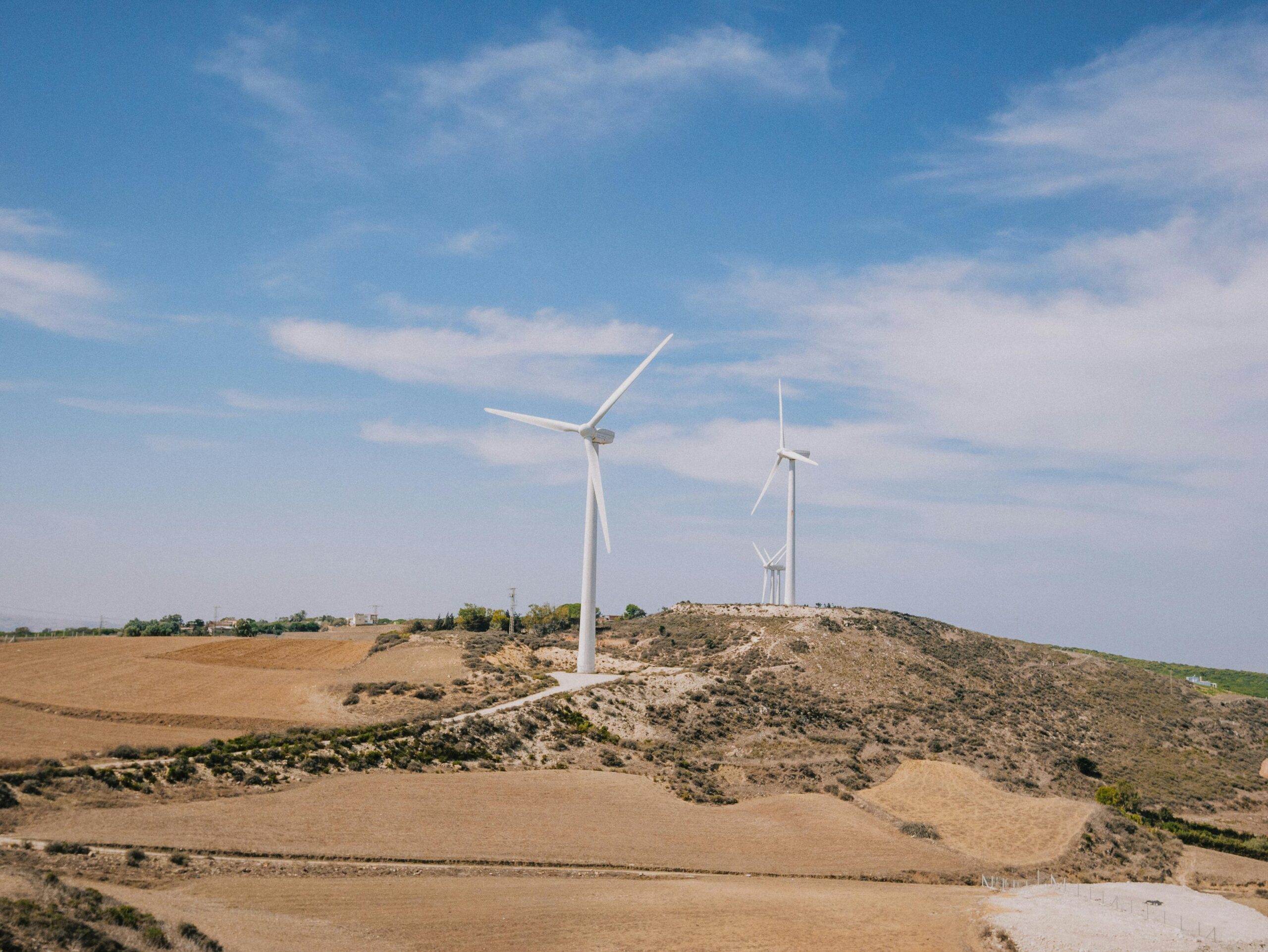
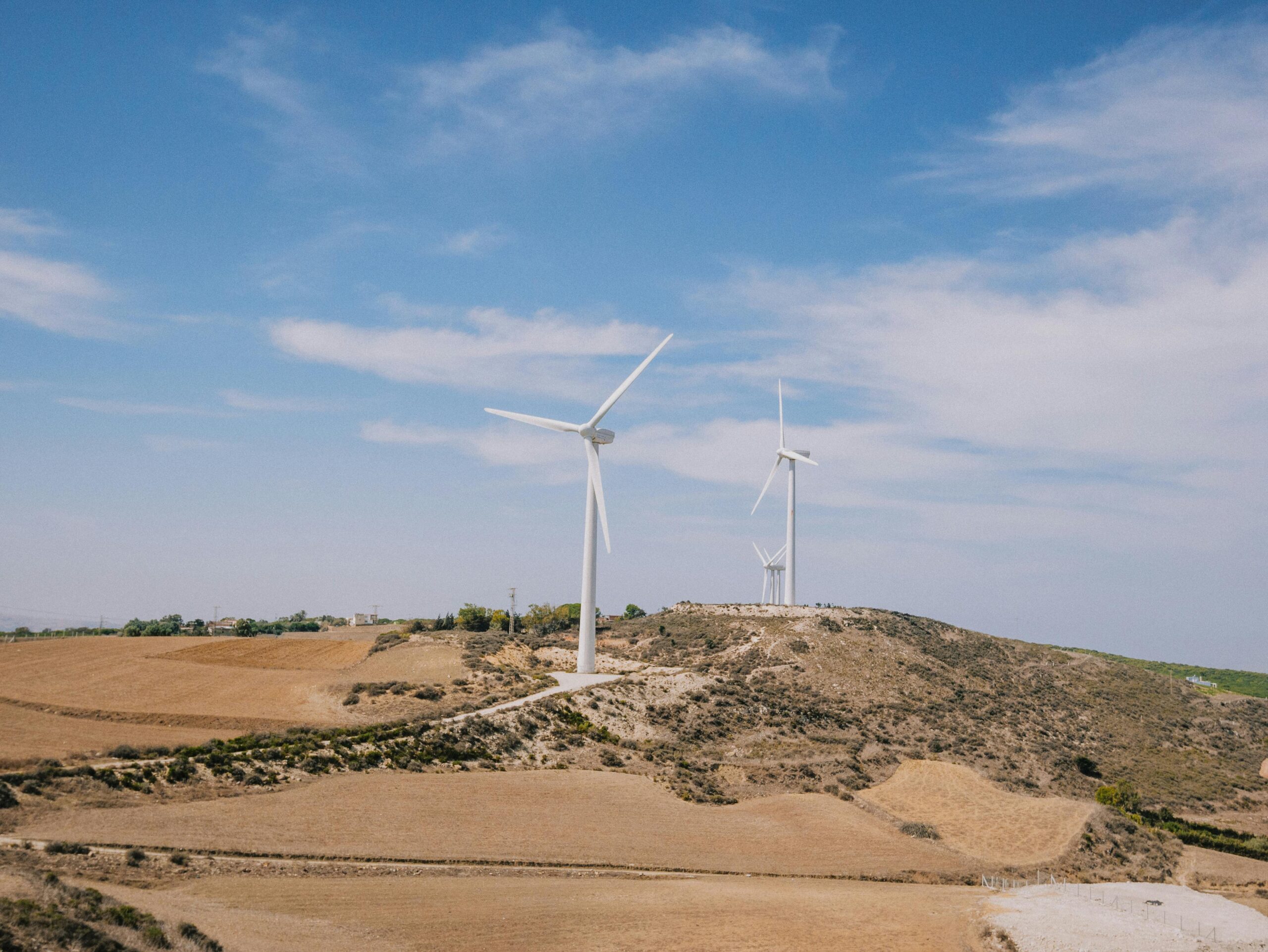
The clean energy sector is experiencing explosive growth. Solar and wind installation, energy storage, grid modernization, energy efficiency services, and electric vehicle infrastructure offer expanding employment opportunities across skill levels from technical trades to engineering and management.
Climate adaptation creates demand for professionals in flood mitigation, resilient infrastructure design, water resource management, and disaster planning. Agriculture is transforming toward sustainable practices, creating opportunities in regenerative farming, precision agriculture, and climate-adapted crop development.
Green building, circular economy business models, climate finance, ESG analysis, and corporate sustainability roles represent growing professional opportunities. Upskilling through courses, certifications, or degree programs in these areas can position you advantageously in the evolving economy.
🌱 Tax Strategies and Climate-Related Incentives
Government policies increasingly incentivize climate-positive actions through tax credits, rebates, and deductions that can significantly improve your financial position while reducing your climate footprint.
Residential renewable energy tax credits cover substantial portions of solar panel, wind turbine, geothermal heat pump, and battery storage system costs. Energy efficiency improvements—insulation, windows, doors, HVAC systems—qualify for additional credits that reduce both taxes and ongoing energy expenses.
Electric vehicle tax credits make EVs financially competitive with conventional vehicles while eliminating fuel costs and reducing maintenance expenses. Home charging infrastructure also qualifies for incentives in many jurisdictions.
These incentives vary by location and change over time, so research current programs in your area. Tax professionals with expertise in energy and climate incentives can identify opportunities you might otherwise miss, potentially saving thousands while enhancing your climate resilience.
🔄 Building Income Diversification
Climate volatility increases the value of diversified income streams that reduce dependence on any single source. Side businesses, freelance work, investment income, and passive revenue streams provide financial cushions if primary income faces climate-related disruption.
The remote work revolution, accelerated by pandemic adaptations, offers opportunities to earn income independent of geographic location. This flexibility provides valuable resilience if climate events make your area temporarily uninhabitable or economically challenged.
Consider how climate trends might create entrepreneurial opportunities. Adaptation services, energy efficiency consulting, resilient landscaping, emergency preparedness products, and countless other climate-related needs represent potential business ventures for those with relevant expertise and entrepreneurial inclination.
📱 Leveraging Technology for Climate Financial Planning
Digital tools are making climate risk assessment and financial planning more accessible. Apps and platforms now offer property-specific climate risk analysis, portfolio carbon footprint calculation, and climate-aligned investment screening.
Personal finance apps increasingly incorporate sustainability features, helping users track their climate impact while managing budgets and investments. Carbon footprint calculators identify emission sources and suggest reduction strategies that often save money while benefiting the environment.
Investment platforms offer ESG screening and climate-focused portfolios with transparent methodologies. Research tools provide company-specific climate risk analysis, helping investors evaluate how businesses in their portfolios are managing climate challenges and opportunities.
🤝 Community Resilience and Shared Solutions
Individual financial resilience connects to community-level climate adaptation. Strong communities weather disasters more effectively, supporting property values and economic stability. Participating in local climate planning, supporting resilient infrastructure investments, and building neighborhood networks creates collective benefits that enhance individual financial security.
Community solar projects, neighborhood microgrids, shared resilience resources, and collective insurance purchasing arrangements represent collaborative approaches that can reduce costs while improving climate resilience. These community-scale solutions often prove more cost-effective than purely individual approaches.
Advocacy for climate-informed zoning, building codes, and infrastructure investment protects your property investment by ensuring your broader community develops resilience rather than accumulating vulnerability that depresses property values and economic vitality.
🎯 Creating Your Personalized Climate Financial Action Plan
Translating climate awareness into financial action requires a structured approach tailored to your specific circumstances. Start with comprehensive risk assessment across all dimensions—investments, property, insurance, career, and emergency preparedness.
Prioritize actions based on your greatest vulnerabilities and most accessible opportunities. If you live in a high-risk area, property adaptation and insurance optimization might top your priority list. For those with climate-vulnerable investments, portfolio repositioning takes precedence.
Set specific, measurable goals with timelines. Perhaps you’ll transition 25% of your portfolio to climate-resilient investments this year, complete home resilience improvements within eighteen months, or acquire new job skills relevant to the clean energy economy within two years.
Review and adjust your plan regularly as circumstances change and climate science evolves. What seems like adequate preparation today may require enhancement as impacts accelerate or new opportunities emerge. Treat climate financial planning as an ongoing process rather than a one-time exercise.
Work with financial advisors who understand climate risks and can provide sophisticated guidance. The intersection of climate science, economics, and personal finance requires specialized expertise that traditional financial planning often lacks.
🌟 Turning Climate Challenges Into Financial Opportunities
While climate change presents genuine financial risks, it’s simultaneously driving one of history’s greatest economic transformations. The global transition to sustainable systems represents a multi-trillion-dollar investment cycle creating wealth-building opportunities for positioned investors.
Early adopters of climate-aligned strategies often benefit from first-mover advantages—purchasing climate-resilient property before premiums emerge, investing in clean energy before mainstream recognition drives valuations higher, or acquiring skills for climate solution careers before labor markets tighten.
This perspective isn’t about ignoring risks but rather recognizing that change creates winners and losers. Strategic positioning determines which category you inhabit. Those who dismiss climate considerations face growing financial vulnerability, while those who engage proactively can build robust, future-proof finances.
The most successful financial strategies acknowledge reality while maintaining optimism about human adaptability and innovation. Climate change is happening, but human ingenuity is responding with remarkable solutions. Aligning your finances with these solutions positions you to benefit from the transformation rather than becoming its casualty.
Your financial future doesn’t require predicting exactly how climate impacts will unfold—an impossible task given complex systems and feedback loops. Instead, build resilience through diversification, adaptation, and strategic positioning that performs across a range of plausible scenarios.
Start today with whatever action fits your circumstances. Assess one dimension of your climate financial risk this week. Research one adaptation strategy this month. Implement one protective measure this quarter. Consistent progress compounds into substantial resilience over time, future-proofing your finances for whatever climate challenges and opportunities lie ahead.

Toni Santos is a visual storyteller and archival artisan whose creative journey is steeped in the bold colors, dramatic typography, and mythic imagery of old circus posters. Through his artistic lens, Toni breathes new life into these once-lurid canvases of wonder, transforming them into tributes to a golden era of spectacle, showmanship, and cultural fantasy.
Fascinated by the visual language of vintage circuses — from roaring lions to gravity-defying acrobats, from hand-painted banners to gothic typefaces — Toni explores how these posters once captured the imagination of entire towns with nothing more than ink, illusion, and a promise of awe. Each composition he creates or studies is a dialogue with history, nostalgia, and the raw aesthetics of entertainment on the move.
With a background in handcrafted design and visual heritage, Toni blends artistic sensitivity with historical insight. His work traces the forgotten typographies, chromatic choices, and symbolic flair that defined circus marketing in the 19th and early 20th centuries — a time when posters were not just advertisements, but portable portals to dreamworlds.
As the creative force behind Vizovex, Toni curates collections, illustrations, and thoughtful narratives that reconnect modern audiences with the magic of old circus art — not just as ephemera, but as cultural memory etched in paper and pigment.
His work is a tribute to:
The flamboyant storytelling of early circus posters
The lost art of hand-lettered show promotion
The timeless charm of visual fantasy in public space
Whether you’re a vintage print enthusiast, a circus history lover, or a designer inspired by antique aesthetics, Toni invites you into a world where tigers leap through fire, strongmen pose in perfect symmetry, and every corner of the poster whispers: Step right up.