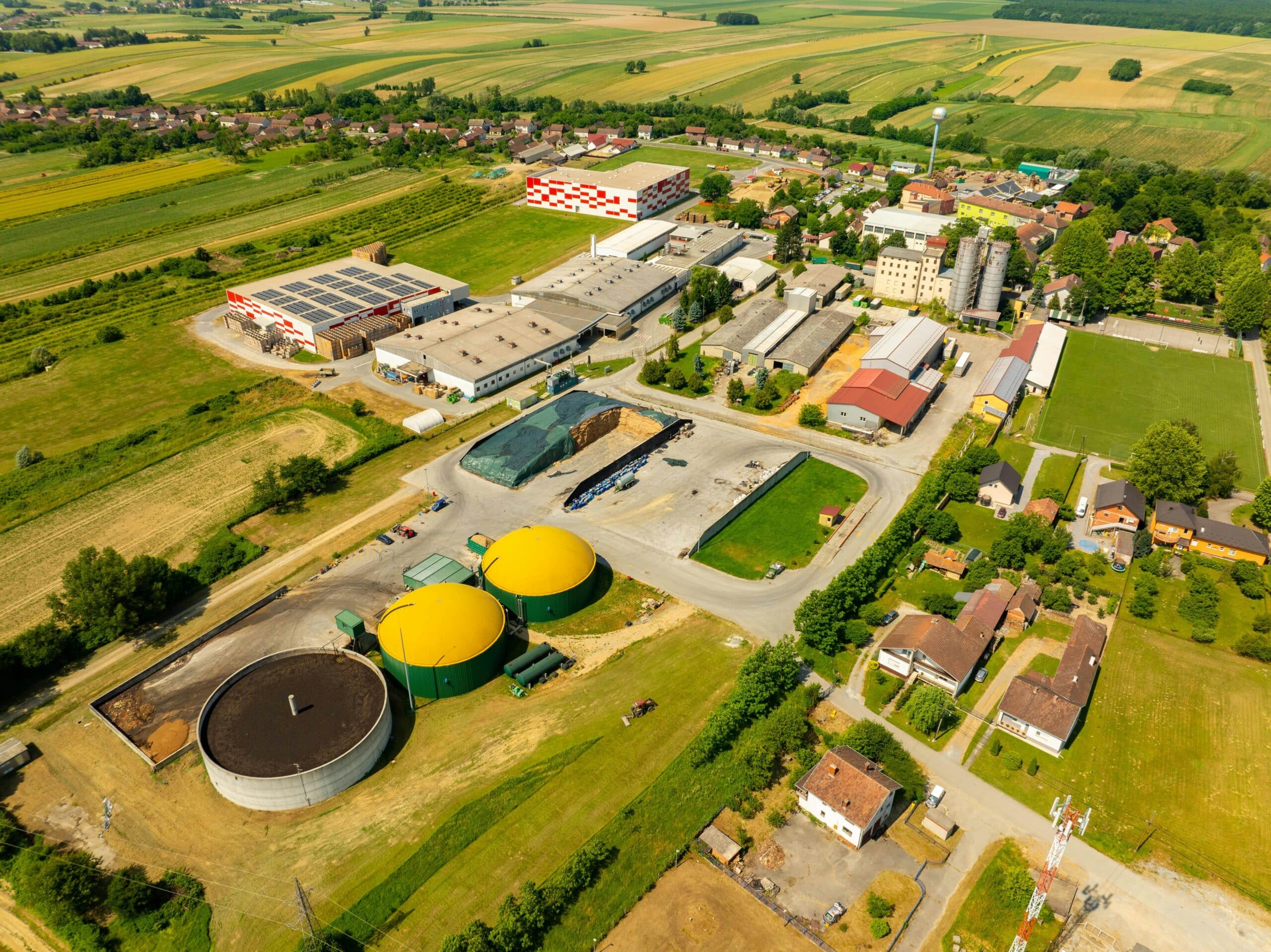
Rural communities worldwide face unique economic challenges that limit growth and prosperity. Access to credit and tailored financing solutions can transform these underserved areas into thriving economic hubs.
💰 The Financial Gap Facing Rural Communities
Rural areas around the globe continue to experience significant barriers when accessing financial services. Traditional banking institutions often overlook these communities due to perceived high risks, low population density, and limited infrastructure. This financial exclusion creates a vicious cycle where rural residents cannot access capital to start businesses, improve agricultural practices, or invest in education and healthcare.
According to recent studies, approximately 1.7 billion adults worldwide remain unbanked, with a disproportionate number residing in rural regions. This gap represents not just a financial challenge but a fundamental barrier to economic development and social mobility. Without access to credit, rural entrepreneurs cannot scale their operations, farmers struggle to purchase modern equipment, and families find it difficult to weather financial emergencies.
The consequences extend beyond individual hardship. Entire communities suffer from stagnated economic growth, increased migration to urban centers, and the loss of traditional livelihoods. Breaking this cycle requires innovative approaches that recognize the unique circumstances and potential of rural populations.
🌾 Understanding Rural Economic Dynamics
Rural economies function differently from their urban counterparts. Agriculture remains the primary livelihood for many rural families, making income seasonal and weather-dependent. This irregularity makes traditional credit assessment models inappropriate and often discriminatory against rural borrowers who may have substantial assets but unpredictable cash flows.
Beyond agriculture, rural communities possess diverse economic activities including small-scale manufacturing, artisanal crafts, tourism, and service provision. These micro-enterprises often operate informally, lacking the documentation and credit history that conventional lenders require. Yet these businesses represent the backbone of rural economies and hold enormous growth potential when properly financed.
The Collateral Challenge
Traditional lending institutions typically require physical collateral such as property titles or business assets. However, rural residents frequently lack formal property rights, particularly in developing countries where land ownership remains unclear or communal. This collateral gap prevents creditworthy borrowers from accessing loans despite their ability and willingness to repay.
Alternative collateral mechanisms, including community guarantees, livestock, and future harvest pledges, offer promising solutions but require lenders to adopt more flexible and culturally sensitive approaches. Understanding local customs, social structures, and economic patterns becomes essential for effective rural financing.
🚀 Innovative Financing Solutions Transforming Rural Access
Fortunately, the financial landscape for rural communities is evolving rapidly. Technology, social innovation, and policy reforms are creating new pathways for rural residents to access credit and build financial resilience.
Mobile Banking and Digital Finance
Mobile technology has revolutionized financial inclusion in rural areas. With mobile phone penetration reaching even remote villages, digital banking platforms enable rural residents to open accounts, transfer money, save, and access credit without visiting physical bank branches. Mobile money services have proven particularly transformative in Africa, Asia, and Latin America.
Digital lending platforms use alternative data sources, including mobile phone usage patterns, utility payments, and social connections, to assess creditworthiness. This approach enables lenders to serve customers without traditional credit histories, dramatically expanding access to formal financial services.
Microfinance and Community Banking
Microfinance institutions specifically designed to serve low-income populations have brought credit to millions of rural borrowers. These organizations understand local contexts and offer small loans with flexible repayment schedules aligned with agricultural cycles and seasonal income patterns.
Community-based financial institutions, including credit unions and savings groups, leverage social capital and peer accountability to manage risk. Group lending models, where borrowers collectively guarantee each other’s loans, have proven remarkably successful in rural settings where social ties remain strong.
Agricultural Value Chain Financing
Innovative financing models embedded within agricultural value chains connect farmers with credit at crucial points in the production cycle. Input suppliers, processors, and buyers increasingly provide financing to ensure consistent supply while farmers gain access to working capital without navigating complex banking procedures.
Contract farming arrangements, where buyers commit to purchasing harvests at predetermined prices, provide farmers with income certainty that makes them more attractive borrowers. This approach aligns incentives across the value chain while reducing risk for all parties.
📊 Impact of Financial Inclusion on Rural Development
When rural communities gain access to appropriate financing, the benefits ripple through entire economies. Research consistently demonstrates that financial inclusion drives measurable improvements across multiple development indicators.
- Increased agricultural productivity: Farmers can purchase quality seeds, fertilizers, and equipment that boost yields and income
- Business growth and diversification: Entrepreneurs expand operations, hire employees, and explore new markets
- Improved education outcomes: Families invest in children’s education, breaking intergenerational poverty cycles
- Enhanced food security: Better-financed farming leads to more stable and diverse food production
- Women’s economic empowerment: Female entrepreneurs access capital to start and grow businesses
- Reduced migration pressure: Economic opportunities keep working-age populations in rural areas
- Infrastructure development: Community-level investments in roads, water systems, and electricity become feasible
Measuring Success Beyond Financial Returns
Evaluating rural financing initiatives requires looking beyond simple repayment rates and profitability. Social impact metrics, including changes in household income, nutritional status, school enrollment, and women’s decision-making power, provide crucial insights into program effectiveness.
Long-term sustainability depends on creating financial ecosystems that serve rural communities profitably while generating positive social outcomes. This balance ensures continued investment and innovation in rural finance.
🏦 The Role of Policy and Institutional Support
Governments and international organizations play critical roles in expanding rural financial access. Supportive policies, infrastructure investments, and regulatory frameworks create environments where financial institutions can profitably serve rural markets.
Creating Enabling Regulatory Environments
Financial regulations must balance consumer protection with innovation and inclusion. Overly restrictive requirements can price rural residents out of formal financial systems, while insufficient oversight risks exploitation. Progressive regulations accommodate diverse business models, including agent banking, mobile money, and peer-to-peer lending platforms.
Credit information systems that capture alternative data and facilitate responsible lending help expand access while maintaining financial stability. Public credit guarantee schemes reduce lender risk, encouraging financial institutions to serve previously excluded populations.
Infrastructure Investment as Financial Enabler
Physical and digital infrastructure dramatically affects financial access. Reliable electricity powers mobile phone networks and banking agents. Road networks reduce transaction costs and enable market access. Internet connectivity allows digital financial services to reach remote areas.
Governments investing in these foundational systems create conditions where private sector financial service providers can operate sustainably. Public-private partnerships accelerate infrastructure development while sharing costs and risks.
🌍 Global Success Stories and Best Practices
Examining successful rural finance initiatives provides valuable lessons for replication and scaling. Various models have proven effective across different cultural and economic contexts.
Kenya’s Mobile Money Revolution
M-Pesa transformed Kenya’s financial landscape by enabling mobile-based money transfers and savings. Starting in urban areas, the service rapidly expanded to rural communities, allowing farmers to receive payments, send remittances, and access credit products. The platform’s success inspired similar initiatives worldwide and demonstrated how technology can leapfrog traditional banking infrastructure.
India’s Self-Help Group Movement
India’s extensive self-help group network, linking millions of rural women through community savings and lending groups, has become the world’s largest microfinance initiative. These groups build financial literacy, social capital, and economic power among marginalized populations while maintaining impressive repayment rates.
Latin American Agricultural Credit Cooperatives
Farmer-owned cooperatives across Latin America provide integrated services including input supply, technical assistance, marketing, and financing. Member ownership ensures services align with farmer needs while shared risk management keeps costs manageable.
⚠️ Challenges and Risks to Navigate
Expanding rural credit access involves genuine challenges that require careful management. Ignoring these risks can harm the very communities that financing aims to help.
Over-Indebtedness Concerns
As credit becomes more available, some borrowers may accumulate unsustainable debt levels. Financial literacy programs, responsible lending practices, and borrower protection regulations help prevent over-indebtedness while maintaining access.
Climate and Agricultural Risks
Rural livelihoods remain vulnerable to weather events, crop diseases, and market fluctuations. Agricultural insurance products, diversification strategies, and flexible repayment terms help manage these inherent risks without excluding rural borrowers.
Technology Access Gaps
While mobile technology offers tremendous potential, digital literacy and access remain uneven. Ensuring inclusive digital finance requires addressing connectivity gaps, providing user training, and maintaining non-digital service options.
🔮 The Future of Rural Financing
Emerging technologies and evolving business models promise even greater financial inclusion for rural communities. Artificial intelligence and machine learning enable more accurate credit scoring using alternative data. Blockchain technology offers transparent, low-cost transaction systems. Internet of Things devices provide real-time agricultural data that improves lending decisions and risk management.
Impact investors increasingly recognize rural finance as offering both social returns and commercial viability. This growing interest brings capital, innovation, and expertise to underserved markets, accelerating progress toward universal financial inclusion.
Climate finance represents another frontier, with specialized products helping rural communities adapt to environmental changes while accessing capital for sustainable practices. Green loans, carbon credit programs, and conservation financing align environmental and economic objectives.
🤝 Building Sustainable Financial Ecosystems
Lasting transformation requires more than individual products or programs. Comprehensive financial ecosystems that combine credit, savings, insurance, and payment services address the full range of rural financial needs.
Partnerships among governments, financial institutions, technology providers, and community organizations create synergies that no single actor can achieve alone. Coordinated efforts ensure services complement rather than duplicate, maximizing impact and efficiency.
Financial education initiatives build capability alongside access, ensuring rural residents can effectively use financial tools to achieve their goals. Understanding interest rates, comparing products, and planning finances empowers consumers and strengthens market competition.
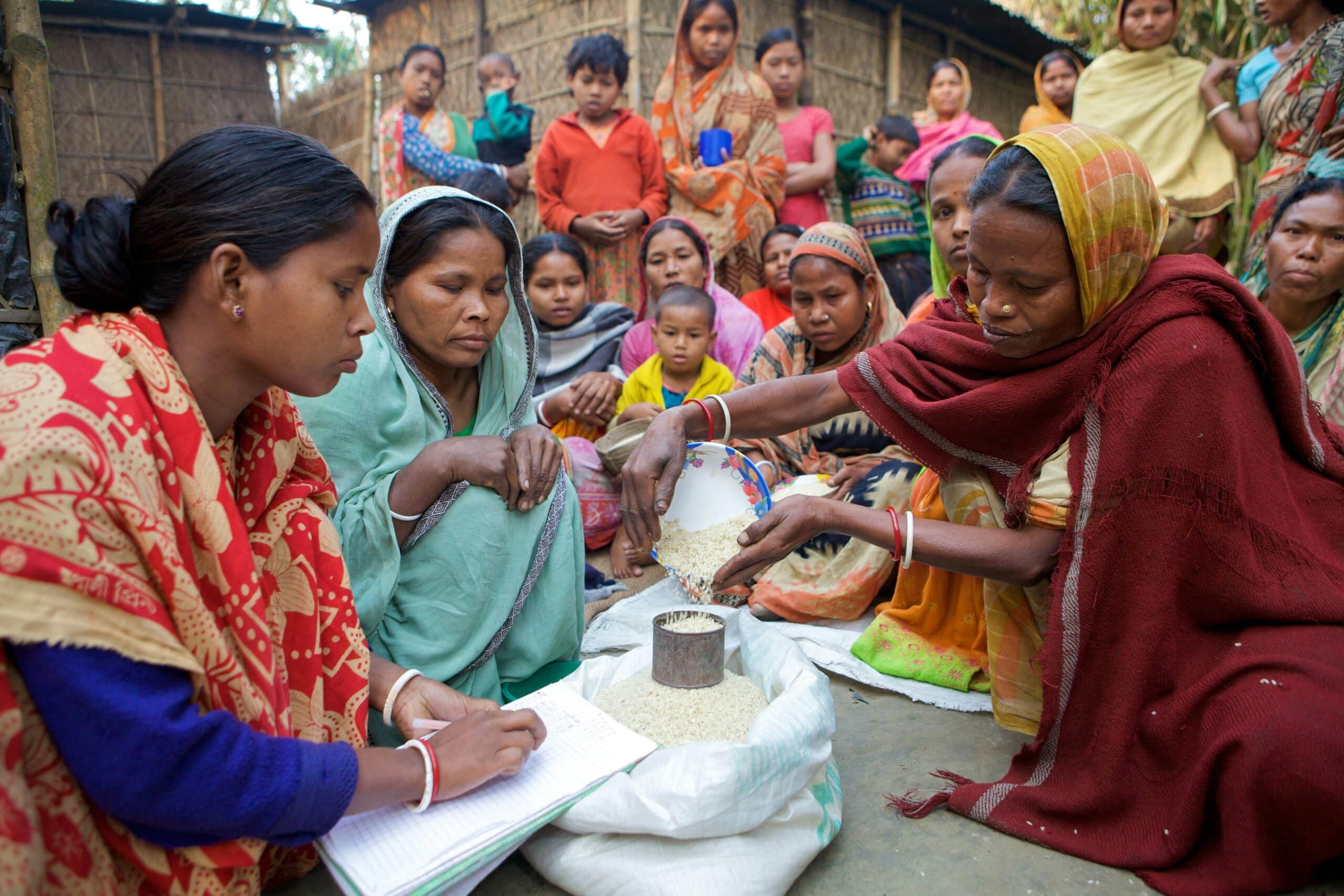
✨ Empowerment Through Financial Access
Access to credit and financing represents more than economic opportunity—it embodies dignity, agency, and hope. When rural families can invest in their futures, pursue their dreams, and weather financial storms, entire communities transform.
The journey toward comprehensive financial inclusion continues, with millions still excluded from formal financial systems. However, the combination of technological innovation, business model creativity, supportive policies, and committed stakeholders creates unprecedented momentum.
Rural communities possess enormous potential—skilled workers, entrepreneurial spirit, natural resources, and cultural wealth. Appropriate financing unlocks this potential, allowing rural areas to contribute fully to national economies while improving residents’ quality of life.
The path forward requires sustained commitment, continued innovation, and recognition that financial inclusion constitutes both an economic imperative and a moral obligation. By empowering rural communities through access to credit and financing solutions, we build more equitable, prosperous, and resilient societies for all.
Every loan extended, every savings account opened, and every financial transaction completed in a rural village represents progress toward a world where geography no longer determines economic opportunity. This vision drives innovators, policymakers, and practitioners working daily to expand rural financial access and transform lives through the power of inclusive finance.

Toni Santos is a visual storyteller and archival artisan whose creative journey is steeped in the bold colors, dramatic typography, and mythic imagery of old circus posters. Through his artistic lens, Toni breathes new life into these once-lurid canvases of wonder, transforming them into tributes to a golden era of spectacle, showmanship, and cultural fantasy.
Fascinated by the visual language of vintage circuses — from roaring lions to gravity-defying acrobats, from hand-painted banners to gothic typefaces — Toni explores how these posters once captured the imagination of entire towns with nothing more than ink, illusion, and a promise of awe. Each composition he creates or studies is a dialogue with history, nostalgia, and the raw aesthetics of entertainment on the move.
With a background in handcrafted design and visual heritage, Toni blends artistic sensitivity with historical insight. His work traces the forgotten typographies, chromatic choices, and symbolic flair that defined circus marketing in the 19th and early 20th centuries — a time when posters were not just advertisements, but portable portals to dreamworlds.
As the creative force behind Vizovex, Toni curates collections, illustrations, and thoughtful narratives that reconnect modern audiences with the magic of old circus art — not just as ephemera, but as cultural memory etched in paper and pigment.
His work is a tribute to:
The flamboyant storytelling of early circus posters
The lost art of hand-lettered show promotion
The timeless charm of visual fantasy in public space
Whether you’re a vintage print enthusiast, a circus history lover, or a designer inspired by antique aesthetics, Toni invites you into a world where tigers leap through fire, strongmen pose in perfect symmetry, and every corner of the poster whispers: Step right up.