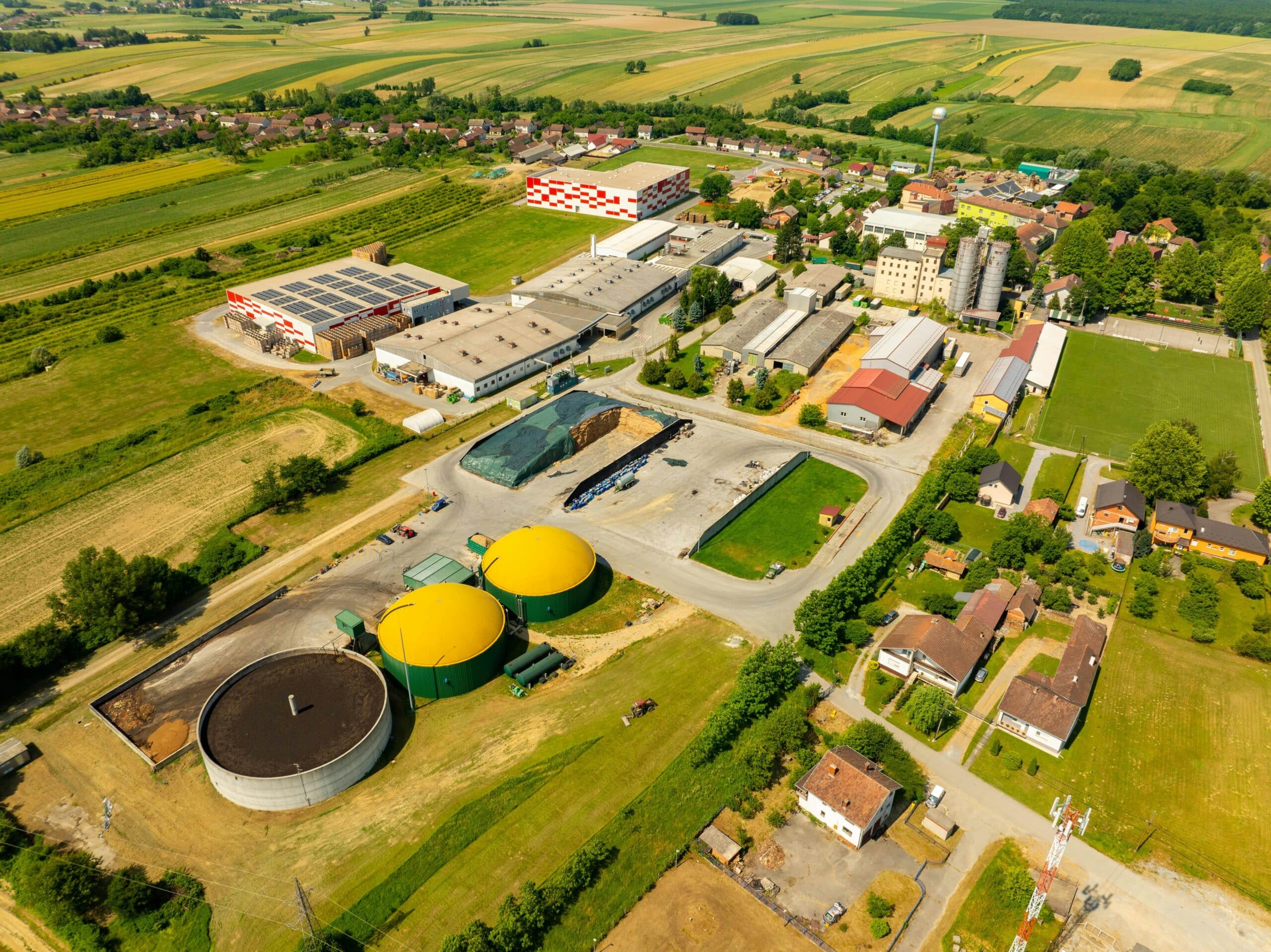
Government subsidies and public programs serve as powerful catalysts for community development, creating pathways to prosperity while stimulating sustainable economic expansion across diverse populations.
💡 The Foundation of Community Empowerment Through Public Support
In today’s interconnected global economy, government subsidies and support programs represent more than simple financial assistance. They embody strategic investments in human capital, infrastructure, and innovation that ripple throughout communities, creating lasting positive impacts. These initiatives bridge gaps between economic potential and realized opportunity, particularly for underserved populations who might otherwise lack access to resources necessary for advancement.
The relationship between public investment and community prosperity has been documented across numerous case studies worldwide. From rural agricultural subsidies that stabilize food production to urban entrepreneurship grants that spark innovation hubs, government programs provide the scaffolding upon which communities build their futures. These interventions address market failures, reduce inequality, and create conditions where both individuals and businesses can thrive.
🎯 Understanding the Spectrum of Government Support Mechanisms
Government assistance takes many forms, each designed to address specific economic challenges and opportunities. Direct subsidies provide immediate financial relief or support for particular activities, while indirect programs create favorable conditions through tax incentives, regulatory frameworks, or infrastructure investments.
Direct Financial Assistance Programs
Cash transfer programs represent perhaps the most straightforward form of government support. These initiatives put money directly into the hands of beneficiaries, whether families, businesses, or organizations. Examples include unemployment benefits, housing assistance, childcare subsidies, and emergency relief payments. The immediate liquidity these programs provide enables recipients to meet basic needs while investing in longer-term opportunities like education or business development.
Agricultural subsidies have long played a crucial role in stabilizing food systems and supporting farming communities. By guaranteeing minimum prices or providing direct payments for crop production, governments help farmers weather market volatility and natural disasters. This stability ensures food security while preserving rural livelihoods and cultural heritage tied to agricultural traditions.
Tax-Based Incentive Structures
Tax credits and deductions create powerful incentives for desired economic behaviors without requiring direct government expenditure. Research and development tax credits encourage innovation, while renewable energy tax incentives accelerate the transition to sustainable energy systems. Small business tax relief programs reduce operational costs during critical growth phases, allowing entrepreneurs to reinvest savings into expansion and job creation.
These mechanisms effectively lower the cost of productive activities, making previously unaffordable investments feasible. The earned income tax credit, for instance, supplements wages for low-income workers, effectively subsidizing employment while encouraging workforce participation over welfare dependency.
🌱 Catalyzing Economic Development Through Strategic Investment
Government programs do more than address immediate needs—they plant seeds for future prosperity. By strategically targeting investments in education, infrastructure, and emerging industries, public programs create multiplier effects that extend far beyond initial recipients.
Education and Skills Development Initiatives
Human capital represents the most valuable resource any economy possesses. Government-funded education programs, from early childhood learning to vocational training and university scholarships, expand access to knowledge and skills that increase individual earning potential while building a more competitive workforce.
Apprenticeship programs bridge the gap between education and employment, combining classroom instruction with hands-on experience. These initiatives address skills mismatches in labor markets while providing young people with clear pathways to stable careers. The return on investment for such programs proves substantial, as participants earn higher wages throughout their careers while contributing more in taxes and economic activity.
Student loan subsidies and grant programs democratize access to higher education, enabling talented individuals from all backgrounds to pursue advanced degrees. This educational mobility strengthens social cohesion while ensuring that societies benefit from the full range of their citizens’ potential contributions.
Infrastructure Development as Economic Enabler
Physical infrastructure—roads, bridges, ports, broadband networks, and utilities—forms the circulatory system of modern economies. Government investment in infrastructure creates immediate construction jobs while establishing foundations for long-term economic activity. Improved transportation networks reduce business costs, expand market access, and connect workers to employment opportunities.
Digital infrastructure has become increasingly critical in the 21st century. Broadband expansion programs bring high-speed internet access to rural and underserved communities, enabling remote work, distance learning, telemedicine, and e-commerce participation. This digital inclusion prevents geographic isolation from becoming economic isolation.
🏢 Empowering Entrepreneurship and Small Business Growth
Small and medium enterprises form the backbone of most economies, yet these businesses often struggle to access capital and resources dominated by larger competitors. Government programs designed to support entrepreneurship level the playing field and unleash creative economic energy.
Access to Capital and Credit Programs
Small business loan guarantee programs reduce risk for lenders, making credit available to entrepreneurs who might otherwise be denied financing. Microfinance initiatives provide even smaller loans to aspiring business owners in developing economies or marginalized communities, enabling them to purchase equipment, inventory, or supplies needed to launch income-generating activities.
Venture capital and innovation funds backed by government investment help promising startups navigate the challenging early stages of business development. These programs often focus on sectors with high growth potential or social impact, such as clean technology, healthcare innovation, or agricultural technology.
Business Development Resources and Mentorship
Financial capital alone rarely ensures entrepreneurial success. Government-funded business development centers provide technical assistance, mentorship, and training that help entrepreneurs refine business plans, understand regulatory requirements, and develop marketing strategies. This support proves particularly valuable for first-generation business owners who may lack networks and experience in navigating commercial environments.
Export promotion programs help small businesses access international markets by providing market research, trade mission support, and assistance with export documentation. These initiatives enable local businesses to compete globally, bringing foreign revenue into domestic communities while building international business relationships.
🌍 Addressing Regional Disparities and Social Equity
Economic opportunities distribute unevenly across geographic regions and demographic groups. Targeted government programs address these disparities, ensuring that growth benefits reach communities historically excluded from prosperity.
Rural Development and Agricultural Support
Rural communities face unique challenges including population decline, limited infrastructure, and economic dependence on volatile agricultural or extractive industries. Rural development programs support farm modernization, promote agricultural diversification, and attract new industries to countryside regions. Grants for rural businesses, subsidies for agricultural innovation, and investments in rural broadband help reverse urban migration patterns and revitalize rural economies.
Conservation programs that pay farmers to implement sustainable land management practices provide additional income streams while protecting environmental resources. These programs recognize the public benefits of ecosystem services that agricultural lands provide, from water filtration to carbon sequestration.
Urban Renewal and Community Revitalization
Distressed urban neighborhoods benefit from targeted investment programs that combine housing rehabilitation, commercial district revitalization, and social service expansion. Enterprise zones offering tax incentives attract businesses to economically challenged areas, creating local employment opportunities and stimulating commercial activity.
Affordable housing programs ensure that economic development doesn’t displace existing residents through gentrification. By preserving housing affordability while improving neighborhood amenities and economic opportunities, these programs create inclusive growth that benefits long-term community members.
💼 Workforce Development and Employment Programs
Labor markets constantly evolve as technology advances and industries transform. Government workforce programs help workers adapt to changing employment landscapes while ensuring businesses can find talent with needed skills.
Job Training and Reskilling Initiatives
Displaced workers from declining industries require support to transition to new careers. Retraining programs funded through unemployment systems or dedicated workforce development funds provide tuition and living support while workers acquire new skills. These programs prove particularly important during economic transitions, such as the shift from fossil fuel to renewable energy industries.
Sector partnerships bring together employers, educational institutions, and government agencies to identify skills gaps and design training programs aligned with actual labor market demands. This collaboration ensures that training investments produce employment outcomes rather than leaving participants with unmarketable credentials.
Youth Employment and Apprenticeship Programs
Young people entering labor markets for the first time face unique barriers, particularly during economic downturns. Youth employment programs provide subsidized work experiences that help participants build resumes, develop professional skills, and establish employment histories that facilitate future job searches.
Summer youth employment initiatives keep young people engaged during school breaks while providing income and work experience. These programs particularly benefit youth from disadvantaged backgrounds who might otherwise lack access to professional networks or summer opportunities.
🔬 Innovation and Research Subsidies Driving Future Growth
Government investment in research and development generates breakthrough discoveries that create entirely new industries and economic possibilities. Public funding for basic research addresses market failures where private investors cannot capture sufficient returns from fundamental scientific advancement.
University Research Partnerships
Government grants to university researchers drive scientific progress across fields from medicine to materials science. These investments produce knowledge that eventually translates into commercial applications, creating new products, services, and industries. The internet, GPS technology, and countless pharmaceutical innovations originated from government-funded research.
Technology transfer programs help commercialize academic discoveries by connecting university researchers with entrepreneurs and investors. These initiatives ensure that publicly funded research generates economic returns while addressing societal challenges.
Clean Energy and Environmental Innovation
The transition to sustainable energy systems requires massive innovation in technologies from solar panels to battery storage to carbon capture. Government subsidies for renewable energy research accelerate this transition while creating new industries and employment opportunities. Feed-in tariffs and renewable energy credits make clean energy economically competitive with fossil fuels, driving market transformation.
Green building incentives promote energy-efficient construction techniques that reduce environmental impact while lowering long-term operational costs. These programs create demand for new materials and technologies while training construction workers in sustainable building practices.
📊 Measuring Impact: The Economic Multiplier Effect
Government spending on subsidies and programs generates economic activity beyond the initial investment. Economists measure this through multiplier effects, calculating how each dollar of public spending stimulates additional private economic activity.
Infrastructure investments typically show high multipliers because construction employs workers who spend wages on goods and services, while completed projects reduce business costs and enable new economic activities. Social welfare programs also demonstrate strong multipliers because recipients immediately spend benefits on necessities, stimulating local commerce.
Research consistently demonstrates that investments in education produce particularly high returns, as more educated workers earn higher incomes throughout their careers, pay more taxes, and require fewer social services. The societal return on education spending exceeds the private return to individual students, justifying public investment in human capital development.
⚖️ Balancing Support with Market Efficiency
Effective government programs complement rather than replace private markets. Well-designed subsidies address specific market failures or equity concerns without creating dependency or distorting competitive dynamics. The challenge lies in providing sufficient support to achieve public objectives while maintaining incentives for productivity and innovation.
Time limits on certain subsidies encourage recipients to use support as a bridge rather than a permanent arrangement. Gradual phase-outs as income rises prevent benefit cliffs that discourage work. Performance-based funding ties program support to measurable outcomes, ensuring accountability and continuous improvement.
Regular program evaluation identifies what works and what doesn’t, allowing policymakers to refine approaches based on evidence. Transparency in subsidy allocation prevents capture by special interests and ensures that programs serve intended beneficiaries.
🌟 Building Resilient Communities for Tomorrow
The true measure of successful government programs extends beyond economic statistics to encompass community resilience, social cohesion, and quality of life improvements. Communities empowered through education, infrastructure, and economic opportunity weather challenges more effectively while attracting talent and investment.
Subsidies and programs create virtuous cycles where initial investments generate returns that fund future opportunities. Children who benefit from nutrition programs perform better in school, eventually earning higher incomes and contributing more to society. Small businesses supported through startup grants create jobs and tax revenue that exceed initial program costs.
The COVID-19 pandemic demonstrated how government support systems provide essential resilience during crises. Emergency assistance programs prevented mass evictions, business failures, and economic collapse, enabling rapid recovery once health threats diminished. These safety nets justify their existence through insurance value even in periods when major shocks don’t occur.

🚀 Strategic Vision for Economic Empowerment
Looking forward, government programs must evolve to address emerging challenges from automation to climate change to demographic shifts. Investments in lifelong learning prepare workers for continuous career adaptation. Universal broadband access ensures digital inclusion as more economic activity moves online. Clean energy subsidies accelerate the transition to sustainable economic models.
Successful programs balance immediate needs with long-term capacity building. Emergency relief addresses acute crises, while education and infrastructure investments create foundations for sustained prosperity. The most effective approaches combine both elements, helping communities survive current challenges while building capabilities for future success.
Government subsidies and support programs represent society’s collective investment in shared prosperity. When designed thoughtfully and implemented effectively, these initiatives unlock human potential, stimulate economic dynamism, and build resilient communities capable of thriving amid constant change. The returns on these investments—measured in improved lives, stronger economies, and more equitable societies—far exceed the costs, making public support programs essential tools for creating opportunity and driving sustainable growth.
As economies continue evolving and new challenges emerge, the fundamental principle remains constant: strategic public investment in people, infrastructure, and opportunity creates conditions where communities flourish and economies grow. The question is not whether government programs empower communities and drive growth, but how to design and implement these initiatives most effectively to maximize positive impact for current and future generations.

Toni Santos is a visual storyteller and archival artisan whose creative journey is steeped in the bold colors, dramatic typography, and mythic imagery of old circus posters. Through his artistic lens, Toni breathes new life into these once-lurid canvases of wonder, transforming them into tributes to a golden era of spectacle, showmanship, and cultural fantasy.
Fascinated by the visual language of vintage circuses — from roaring lions to gravity-defying acrobats, from hand-painted banners to gothic typefaces — Toni explores how these posters once captured the imagination of entire towns with nothing more than ink, illusion, and a promise of awe. Each composition he creates or studies is a dialogue with history, nostalgia, and the raw aesthetics of entertainment on the move.
With a background in handcrafted design and visual heritage, Toni blends artistic sensitivity with historical insight. His work traces the forgotten typographies, chromatic choices, and symbolic flair that defined circus marketing in the 19th and early 20th centuries — a time when posters were not just advertisements, but portable portals to dreamworlds.
As the creative force behind Vizovex, Toni curates collections, illustrations, and thoughtful narratives that reconnect modern audiences with the magic of old circus art — not just as ephemera, but as cultural memory etched in paper and pigment.
His work is a tribute to:
The flamboyant storytelling of early circus posters
The lost art of hand-lettered show promotion
The timeless charm of visual fantasy in public space
Whether you’re a vintage print enthusiast, a circus history lover, or a designer inspired by antique aesthetics, Toni invites you into a world where tigers leap through fire, strongmen pose in perfect symmetry, and every corner of the poster whispers: Step right up.