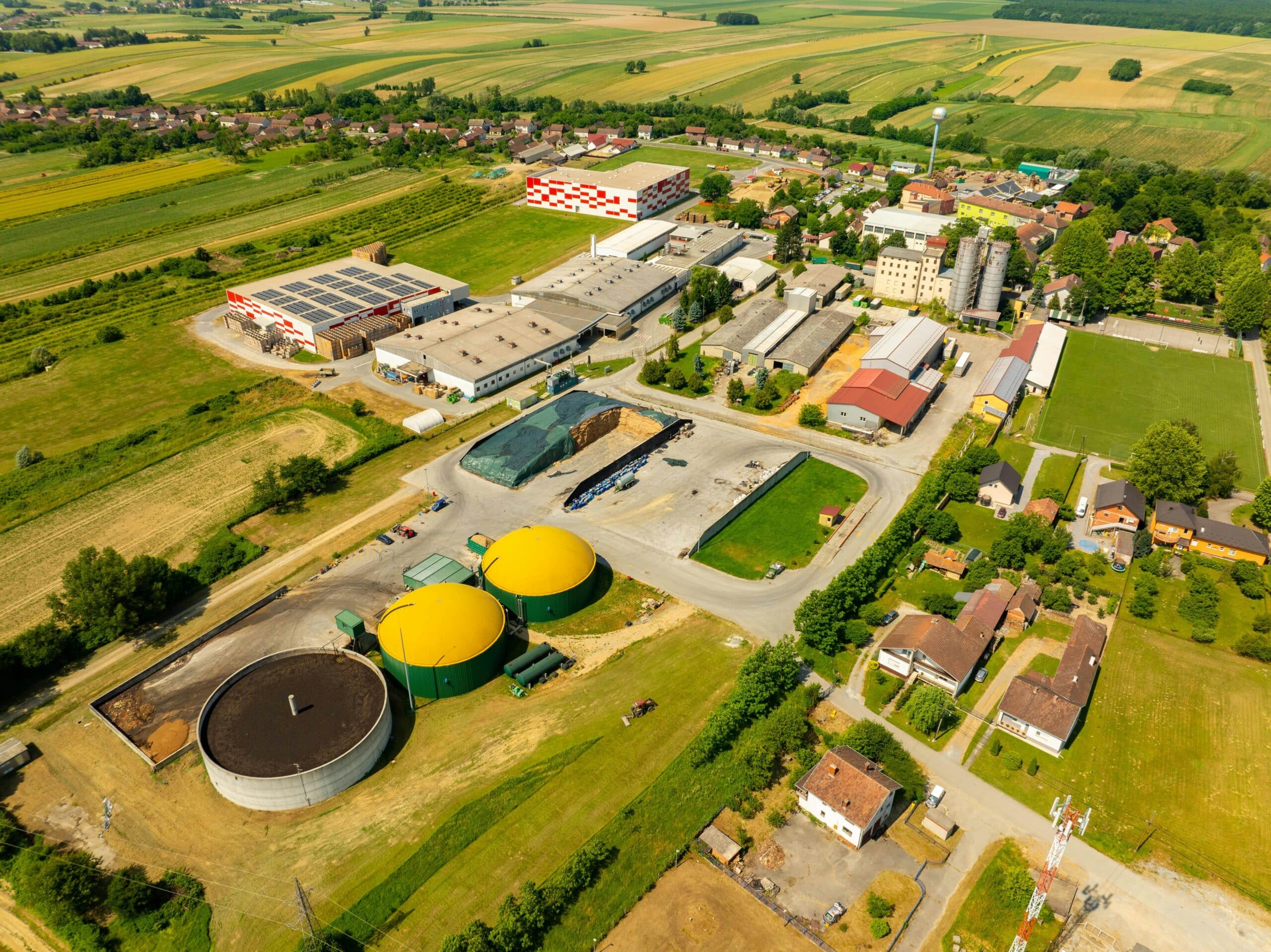
Microfinance is revolutionizing agriculture by providing smallholder farmers with access to capital, enabling them to invest in seeds, equipment, and technology that transform their livelihoods.
🌾 The Financial Gap Facing Rural Farmers Worldwide
Agriculture remains the backbone of many developing economies, yet millions of smallholder farmers struggle daily with limited access to formal financial services. Traditional banking institutions often view rural farmers as high-risk borrowers, creating a systemic barrier that prevents agricultural communities from reaching their full potential. This financial exclusion perpetuates a cycle of poverty that spans generations.
According to recent estimates, approximately 450 million smallholder farms worldwide lack adequate financing for basic agricultural inputs. These farmers represent nearly 70% of the world’s food production, yet they’re chronically underserved by conventional financial systems. The consequences are devastating: reduced crop yields, inability to adopt modern farming techniques, and limited capacity to weather economic shocks or climate-related disasters.
The reasons behind this exclusion are multifaceted. Geographic isolation makes it costly for banks to establish branches in rural areas. Farmers often lack traditional collateral, formal credit histories, or the documentation required by mainstream lenders. Additionally, the seasonal nature of agricultural income creates cash flow patterns that don’t align with standard loan repayment structures.
💰 How Microfinance Bridges the Agricultural Funding Gap
Microfinance institutions have emerged as powerful catalysts for rural development by offering tailored financial products specifically designed for agricultural communities. Unlike conventional banks, these organizations understand the unique challenges farmers face and structure their services accordingly.
Microloans typically range from $50 to $5,000, amounts that may seem modest but can be transformative for smallholder farmers. These loans enable farmers to purchase quality seeds, fertilizers, irrigation equipment, and livestock. The repayment schedules are often aligned with harvest cycles, acknowledging that farmers’ income is seasonal rather than monthly.
Beyond credit, comprehensive microfinance solutions include microsavings accounts that help farmers build financial resilience. These accounts allow agricultural families to set aside funds during harvest periods to cover expenses during planting seasons or emergencies. Microinsurance products protect farmers against crop failures, livestock deaths, and natural disasters—risks that would otherwise devastate their livelihoods.
Key Features of Agricultural Microfinance Programs
- Flexible repayment schedules aligned with agricultural cycles
- Lower collateral requirements or alternative collateral acceptance
- Group lending models that leverage social capital
- Financial literacy training and agricultural education
- Mobile banking solutions for remote access
- Integrated insurance products for risk management
📈 Real-World Impact: Success Stories from the Field
The transformative power of microfinance in agriculture isn’t theoretical—it’s documented across continents through countless success stories. In Kenya, dairy farmers who accessed microloans increased their herd sizes by an average of 40%, resulting in doubled income within two years. These farmers could invest in better breeds, improved feeding practices, and milk storage equipment that reduced spoilage.
A women’s farming cooperative in Bangladesh leveraged a $3,000 microloan to purchase a small rice milling machine. This investment allowed them to process their own harvest rather than selling raw paddy at lower prices. Within eighteen months, their collective income increased by 180%, enabling members to send children to school and improve household nutrition.
In Peru, potato farmers in the Andean highlands used microfinance to adopt drip irrigation systems. Despite initial skepticism, the investment reduced water usage by 60% while increasing yields by 35%. The improved productivity allowed these farmers to negotiate better prices with wholesalers and access premium markets for organic produce.
🌍 Digital Innovation Accelerating Agricultural Finance
Technology is revolutionizing how microfinance reaches farming communities, dramatically reducing transaction costs and expanding access to previously unreachable populations. Mobile money platforms have become game-changers, allowing farmers to receive loans, make repayments, and access savings accounts directly from their phones—no bank branches required.
Digital credit scoring models use alternative data sources, including mobile phone usage patterns, satellite imagery of farm plots, and agricultural input purchases, to assess creditworthiness. These innovations enable microfinance institutions to serve farmers who lack traditional credit histories while managing risk more effectively.
Blockchain technology is beginning to streamline agricultural supply chains, creating transparent records that can serve as collateral for loans. When farmers’ production histories and sales transactions are immutably recorded, lenders gain confidence in their repayment capacity, facilitating larger loans at better interest rates.
Digital Tools Transforming Agricultural Microfinance
- Mobile banking apps for loan applications and repayments
- SMS-based agricultural extension services and weather alerts
- Satellite imagery for crop monitoring and yield prediction
- Digital payment systems connecting farmers directly to markets
- Blockchain-based supply chain verification platforms
🤝 The Group Lending Model: Strength in Numbers
One of microfinance’s most successful innovations in agricultural contexts is the group lending methodology, which leverages social capital to overcome traditional collateral constraints. Under this model, farmers form solidarity groups of five to twenty members who collectively guarantee each other’s loans.
This approach works particularly well in rural communities where social ties are strong and reputational concerns matter deeply. Group members have powerful incentives to ensure everyone repays their loans, since one default can jeopardize the entire group’s access to future credit. The peer pressure inherent in this system achieves repayment rates often exceeding 95%—higher than many conventional commercial loans.
Beyond loan guarantees, these groups become platforms for knowledge sharing and collective bargaining. Farmers exchange agricultural techniques, coordinate bulk purchases of inputs at discounted prices, and negotiate better terms with buyers by pooling their harvests. The social capital generated through these groups often proves as valuable as the financial capital they access.
💡 Overcoming Challenges in Agricultural Microfinance
Despite remarkable successes, agricultural microfinance faces persistent challenges that require innovative solutions. Interest rates remain a contentious issue—operational costs in rural areas are genuinely higher, but rates sometimes reach levels that burden farmers despite good intentions.
Climate change introduces unprecedented uncertainty into agricultural lending. Traditional risk models based on historical weather patterns become less reliable as extreme events increase in frequency and severity. Microfinance institutions must integrate climate adaptation strategies into their programming, supporting farmers in transitioning to resilient crop varieties and sustainable practices.
Over-indebtedness represents another concern. When multiple microfinance institutions operate in the same area without coordination, farmers may accumulate loans from various sources, creating repayment burdens they cannot sustain. Industry self-regulation and credit bureaus sharing borrower information can help prevent this problem.
Addressing Key Challenges
| Challenge | Innovative Solution |
|---|---|
| High interest rates | Digital platforms reducing operational costs; subsidized credit lines |
| Climate vulnerability | Index-based weather insurance; climate-smart agriculture training |
| Over-indebtedness | Credit bureaus; financial literacy programs; borrower registries |
| Limited financial literacy | Integrated training programs; peer education models |
| Geographic isolation | Mobile banking; agent networks; digital loan officers |
🌱 Beyond Credit: Holistic Approaches to Farmer Empowerment
Forward-thinking microfinance institutions recognize that credit alone isn’t sufficient for sustained agricultural development. Comprehensive farmer empowerment requires integrated approaches that address multiple dimensions of rural poverty simultaneously.
Financial literacy training helps farmers make informed decisions about borrowing, saving, and investing. When farmers understand interest calculations, cash flow management, and budgeting principles, they use financial services more effectively and avoid debt traps. These programs often incorporate agricultural business management, teaching farmers to view their operations as enterprises rather than mere subsistence activities.
Technical agricultural extension services complement financial products by helping farmers improve productivity. Training in modern farming techniques, pest management, soil conservation, and post-harvest handling directly impacts yields and income. When microfinance institutions partner with agricultural NGOs or government extension services, farmers receive coordinated support that addresses both capital and knowledge constraints.
Market linkages represent another critical component. Access to credit means little if farmers cannot sell their produce at fair prices. Progressive microfinance programs connect smallholders with reliable buyers, facilitate contract farming arrangements, and support the formation of marketing cooperatives that negotiate better terms collectively.
👩🌾 Empowering Women Through Agricultural Microfinance
Women constitute approximately 43% of the agricultural labor force in developing countries, yet they face disproportionate barriers to accessing financial services and land ownership. Microfinance institutions have increasingly recognized that targeting women farmers generates exceptional developmental returns.
Research consistently shows that women reinvest a higher percentage of their income into household welfare, including children’s education, nutrition, and healthcare. When women farmers access microloans, the benefits ripple throughout entire communities. Moreover, women demonstrate remarkable loan repayment discipline, with default rates typically lower than male borrowers.
Gender-sensitive microfinance programs address specific constraints women face: they schedule meetings at times when women can attend, provide childcare during training sessions, and actively work to shift cultural norms that exclude women from financial decision-making. Some institutions offer complementary services like literacy programs and legal education about property rights that empower women beyond purely financial dimensions.
🔮 The Future of Agricultural Microfinance: Trends and Opportunities
The agricultural microfinance sector stands at an exciting inflection point, with emerging technologies and innovative partnerships creating unprecedented opportunities for scale and impact. Artificial intelligence and machine learning are enabling more sophisticated credit scoring models that can assess farmer creditworthiness with minimal data, potentially unlocking access for millions currently excluded.
Impact investment is channeling substantial capital toward agricultural microfinance, attracted by the sector’s ability to generate both financial returns and measurable social impact. Blended finance structures that combine commercial investment with philanthropic capital are enabling microfinance institutions to reach deeper into rural areas while maintaining financial sustainability.
Climate finance represents a growing opportunity as international commitments to agricultural adaptation mobilize resources. Microfinance institutions that integrate climate-smart agriculture into their programming are accessing green climate funds that subsidize interest rates and enable larger loans for renewable energy, water conservation, and sustainable farming equipment.
Public-private partnerships are creating ecosystems where governments provide regulatory support and risk mitigation, microfinance institutions deliver last-mile financial services, technology companies supply digital infrastructure, and agricultural businesses ensure market access. These coordinated approaches address systemic barriers more effectively than any single actor could alone.
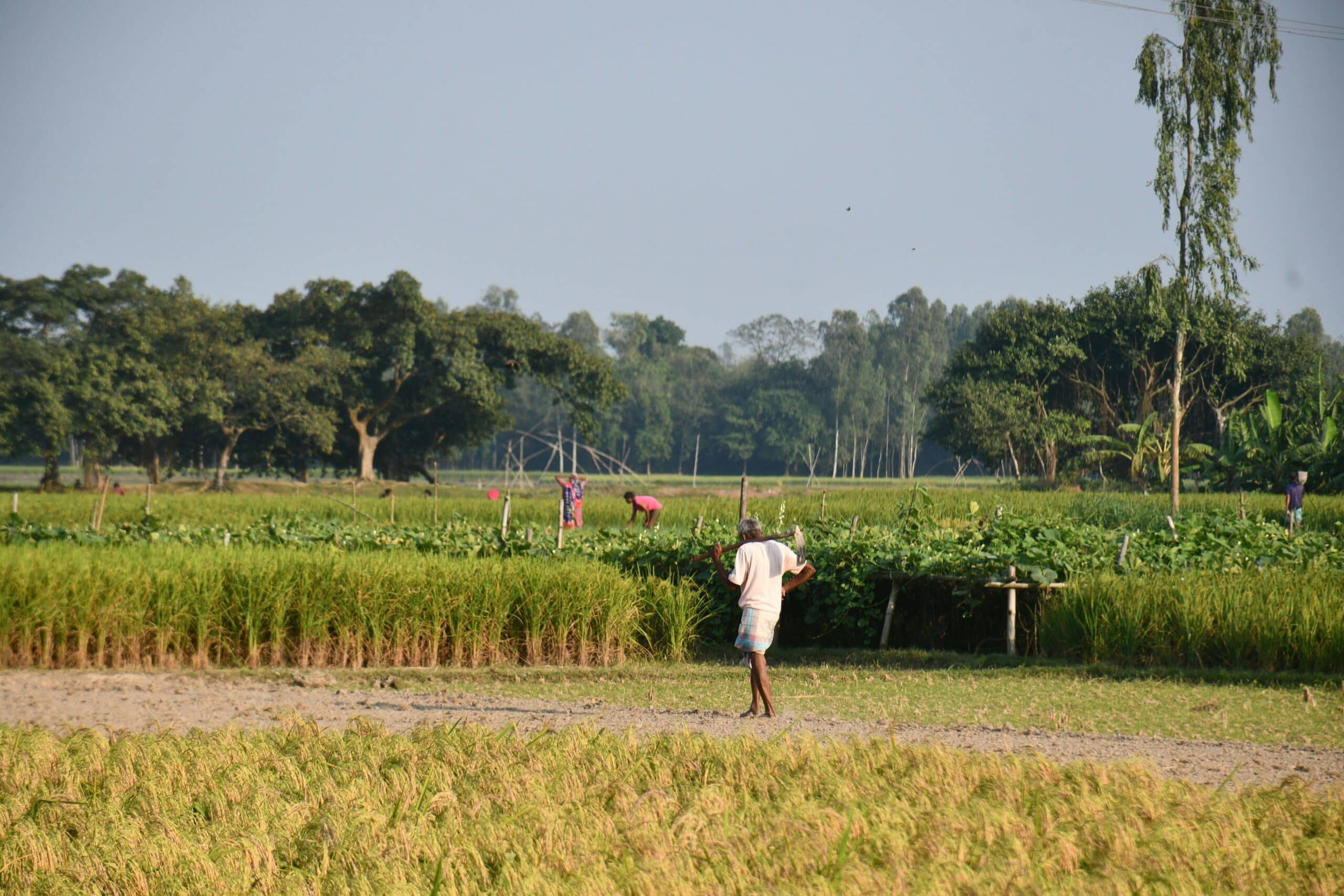
🚀 Building Pathways from Subsistence to Prosperity
Agricultural microfinance represents far more than small loans to poor farmers—it’s a proven pathway for transforming rural economies and creating sustainable prosperity. When farmers gain access to appropriate financial services combined with training, technology, and market connections, they transition from subsistence survival to entrepreneurial growth.
The evidence is compelling: microfinance empowers farmers to increase productivity, diversify income sources, build assets, and invest in their children’s futures. It enables agricultural communities to withstand shocks, adapt to climate change, and participate more fully in market economies. These impacts extend beyond individual households to strengthen entire rural economies through increased employment, local spending, and economic dynamism.
However, realizing microfinance’s full potential requires continued innovation, responsible practices, and supportive policy environments. Interest rates must remain affordable, products must genuinely meet farmer needs, and over-indebtedness must be prevented through careful regulation and financial literacy. Technology should expand access rather than exclude those without digital skills or connectivity.
As we face global challenges of food security, climate change, and persistent rural poverty, agricultural microfinance offers tested solutions that respect farmer agency while providing essential resources. By continuing to refine approaches, embrace innovation, and maintain focus on genuine farmer empowerment rather than simply loan disbursement, the microfinance sector can help unlock the tremendous potential of the world’s smallholder farmers—cultivating not just crops, but sustainable prosperity for generations to come.

Toni Santos is a visual storyteller and archival artisan whose creative journey is steeped in the bold colors, dramatic typography, and mythic imagery of old circus posters. Through his artistic lens, Toni breathes new life into these once-lurid canvases of wonder, transforming them into tributes to a golden era of spectacle, showmanship, and cultural fantasy.
Fascinated by the visual language of vintage circuses — from roaring lions to gravity-defying acrobats, from hand-painted banners to gothic typefaces — Toni explores how these posters once captured the imagination of entire towns with nothing more than ink, illusion, and a promise of awe. Each composition he creates or studies is a dialogue with history, nostalgia, and the raw aesthetics of entertainment on the move.
With a background in handcrafted design and visual heritage, Toni blends artistic sensitivity with historical insight. His work traces the forgotten typographies, chromatic choices, and symbolic flair that defined circus marketing in the 19th and early 20th centuries — a time when posters were not just advertisements, but portable portals to dreamworlds.
As the creative force behind Vizovex, Toni curates collections, illustrations, and thoughtful narratives that reconnect modern audiences with the magic of old circus art — not just as ephemera, but as cultural memory etched in paper and pigment.
His work is a tribute to:
The flamboyant storytelling of early circus posters
The lost art of hand-lettered show promotion
The timeless charm of visual fantasy in public space
Whether you’re a vintage print enthusiast, a circus history lover, or a designer inspired by antique aesthetics, Toni invites you into a world where tigers leap through fire, strongmen pose in perfect symmetry, and every corner of the poster whispers: Step right up.