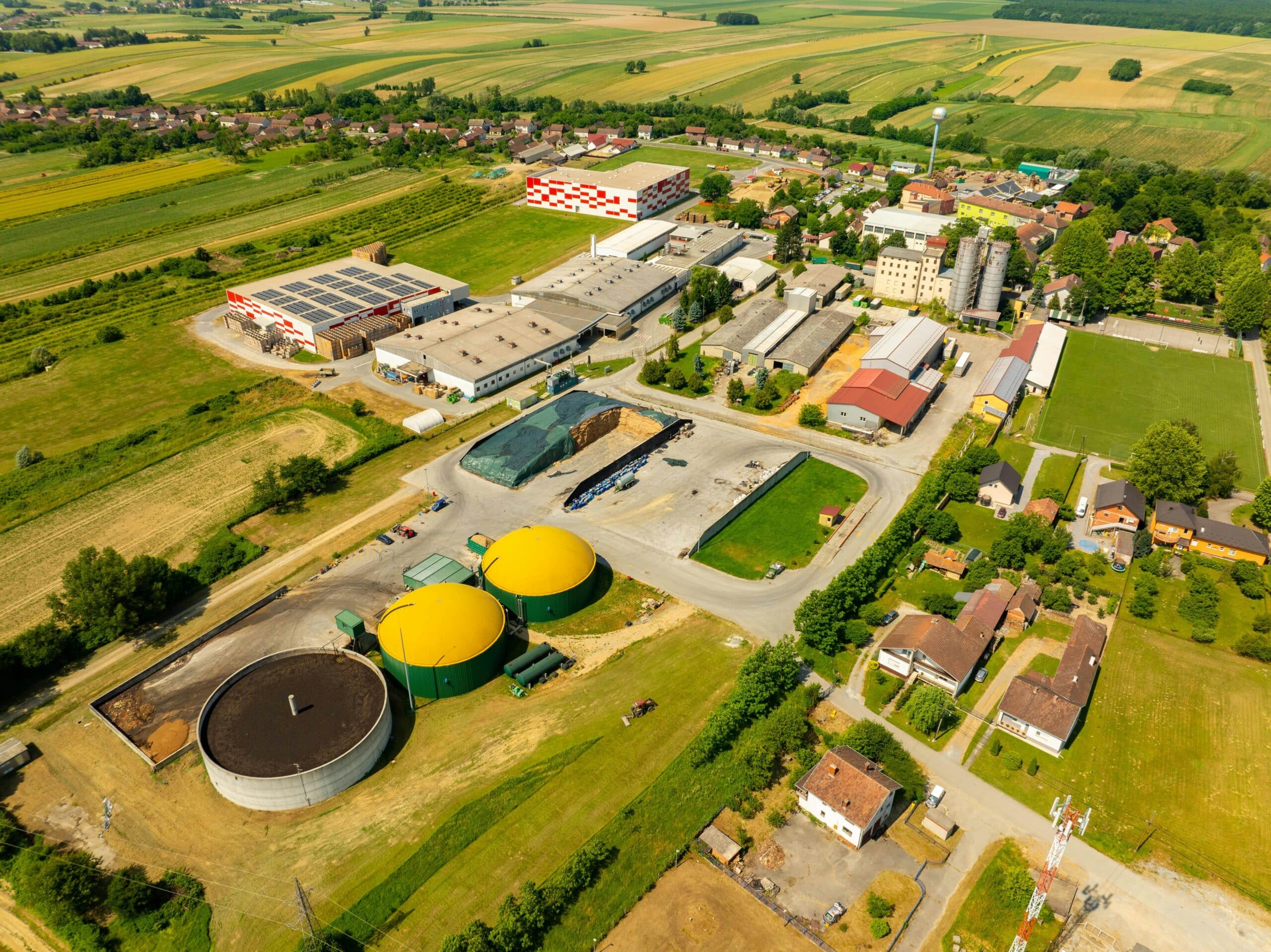
Managing money effectively is the backbone of every thriving rural business, where seasonal fluctuations and unique market conditions demand strategic financial planning.
🌾 Understanding the Unique Cash Flow Landscape of Rural Enterprises
Rural businesses operate in an environment vastly different from their urban counterparts. The financial rhythms of agricultural operations, rural tourism ventures, and countryside retail establishments follow patterns dictated by seasons, weather conditions, and commodity markets. These enterprises face distinct challenges that require specialized cash flow management approaches tailored to their unique circumstances.
The cyclical nature of rural income streams creates periods of abundance followed by months of minimal revenue. Farmers might receive substantial payments during harvest season but face extended periods with little incoming cash. Similarly, rural tourism businesses experience peaks during vacation seasons and valleys during off-peak months. Understanding these patterns forms the foundation of effective cash flow management.
Geographic isolation adds another layer of complexity. Limited access to banking services, longer supply chains, and higher transportation costs all impact the timing and predictability of both income and expenses. Rural entrepreneurs must account for these factors when developing their financial strategies.
💡 Building a Robust Cash Flow Forecasting System
Accurate forecasting transforms cash flow management from reactive scrambling to proactive planning. Rural business owners need visibility into future financial positions to make informed decisions about investments, hiring, and operational expenses.
Start by analyzing historical data from previous years. Identify patterns in revenue generation, noting peak and low periods. Document when major expenses typically occur, from equipment maintenance to seasonal labor costs. This historical perspective provides the framework for future projections.
Create monthly cash flow projections extending at least twelve months forward. Include all anticipated income sources and categorize expenses into fixed costs (insurance, loan payments, utilities) and variable costs (supplies, seasonal labor, fuel). Remember to account for irregular expenses like equipment replacement or property maintenance.
Essential Components of Your Cash Flow Forecast
Your forecasting model should incorporate multiple scenarios. Develop a baseline projection based on expected conditions, then create optimistic and pessimistic versions. This approach prepares you for various outcomes and helps identify potential cash shortfalls before they become critical.
Update forecasts regularly as actual figures come in. Compare projected versus actual performance monthly, analyzing variances to improve future predictions. This continuous refinement process enhances accuracy and provides early warning signals when reality diverges from expectations.
📊 Implementing Strategic Revenue Management Techniques
Diversifying income streams provides stability in uncertain rural markets. Relying on a single revenue source exposes businesses to catastrophic risk if that source fails or diminishes. Smart rural entrepreneurs develop multiple complementary income channels that leverage existing assets and expertise.
Agricultural operations can add value-added products, agritourism experiences, or direct-to-consumer sales channels. A cattle ranch might offer farm stays, sell artisanal meat products, or host educational workshops. Each additional revenue stream creates financial resilience and smooths out seasonal variations.
Consider implementing progressive invoicing and payment terms that align with your cash flow needs. For businesses providing services or products over extended periods, structure payment schedules to maintain consistent cash inflow throughout the project duration rather than waiting for completion.
Optimizing Pricing for Cash Flow Health
Pricing strategies directly impact cash flow velocity. While competitive pricing matters, undervaluing products or services strains financial resources. Calculate true costs including labor, materials, overhead, and a reasonable profit margin. Don’t forget to factor in the time value of money and opportunity costs.
Implement early payment discounts to accelerate cash collection. Offering a 2-3% discount for payment within ten days often proves worthwhile by reducing accounts receivable aging and improving liquidity. Conversely, establish clear late payment penalties to discourage delayed payments.
💰 Mastering Expense Control Without Sacrificing Growth
Controlling expenses doesn’t mean cutting everything to the bone. Strategic expense management identifies where money produces returns and where it simply disappears. Rural businesses must balance frugality with necessary investments in growth and efficiency.
Categorize expenses into three buckets: essential operating costs, growth investments, and discretionary spending. Essential costs keep the business running—utilities, insurance, minimum labor requirements. Growth investments generate future returns—equipment upgrades, marketing, staff training. Discretionary spending includes nice-to-have items that don’t directly contribute to operations or growth.
During cash-tight periods, eliminate discretionary spending first, then carefully evaluate which growth investments can be postponed without long-term damage. Protect essential operating costs to maintain business continuity. This prioritization framework prevents panic-driven cuts that might harm your business fundamentals.
Negotiating Better Terms with Suppliers and Vendors
Strong supplier relationships provide flexibility during challenging periods. Communicate openly with vendors about your payment capabilities and constraints. Many suppliers prefer working with honest customers who communicate proactively rather than those who simply disappear when payments come due.
Negotiate extended payment terms that align with your revenue cycles. If you operate a seasonal business with income concentrated in specific months, arrange payment schedules that match those patterns. Some suppliers offer seasonal payment plans specifically designed for agricultural and rural businesses.
Consolidate purchasing where possible to increase your negotiating leverage. Buying larger quantities less frequently often secures better pricing and terms while reducing transaction costs. However, balance this against storage costs and the risk of inventory obsolescence.
🏦 Strategic Use of Financing and Credit Facilities
Access to credit provides a crucial buffer against cash flow gaps, but debt must be managed carefully. Rural businesses should establish credit relationships before emergencies arise, as securing financing during crisis proves significantly more difficult and expensive.
A business line of credit offers flexible financing for short-term cash flow gaps. Unlike term loans with fixed payment schedules, lines of credit allow you to draw funds only when needed and repay as cash becomes available. Interest accrues only on outstanding balances, making this an efficient tool for managing seasonal fluctuations.
Equipment financing matches payment schedules to asset productivity. Rather than purchasing machinery outright and depleting cash reserves, structured equipment loans spread costs over the useful life of the asset. This preserves working capital for operational needs while still acquiring necessary tools.
Government Programs and Rural Business Grants
Numerous government programs specifically support rural businesses through grants, subsidized loans, and technical assistance. Agricultural development authorities, rural economic development agencies, and small business administrations offer resources often underutilized by eligible businesses.
Research available programs in your region and industry. Many provide not just financing but also training, mentorship, and market access support. Application processes can be lengthy, so plan well in advance of when you’ll need the funds.
📱 Leveraging Technology for Better Cash Flow Visibility
Modern accounting software and financial management tools have become increasingly accessible and affordable for rural businesses. Cloud-based platforms provide real-time visibility into financial positions from anywhere with internet access, eliminating the geographic disadvantages that once hampered rural entrepreneurs.
Digital bookkeeping systems automate transaction recording, categorization, and reconciliation. This automation reduces errors, saves time, and provides current financial snapshots without waiting for month-end closes. Many platforms integrate with bank accounts and credit cards, automatically importing and categorizing transactions.
Mobile payment processing expands your ability to collect money regardless of location. Modern point-of-sale systems work via smartphone or tablet, accepting credit cards, digital wallets, and contactless payments. Faster payment collection directly improves cash flow by reducing the gap between sale and deposit.
Data Analytics for Smarter Decision Making
Financial analytics tools transform raw transaction data into actionable insights. Identify which products or services generate the best margins, which customers pay promptly versus chronically late, and which expense categories consume disproportionate resources.
Dashboard visualizations make complex financial data comprehensible at a glance. Track key performance indicators like days sales outstanding, current ratio, and operating cash flow ratio. Set up alerts for when metrics fall outside acceptable ranges, enabling quick corrective action.
🌱 Building Cash Reserves for Resilience and Opportunity
Cash reserves function as both insurance and opportunity fund. Adequate reserves protect against unexpected expenses or revenue shortfalls while positioning you to capitalize on time-sensitive opportunities that require quick action.
Establish a target reserve level based on your business volatility and risk exposure. Conservative businesses might target six months of operating expenses, while those with more stable cash flows might feel comfortable with three months. Agricultural operations facing significant weather risk should lean toward higher reserves.
Build reserves systematically by allocating a percentage of revenue during profitable periods specifically to reserve accounts. Treat this allocation like any other essential expense. During peak revenue months, increase the percentage contributed to accelerate reserve growth.
Where to Keep Your Business Reserves
Reserve funds must balance accessibility with return. Keep immediate emergency reserves (one to two months of expenses) in regular business checking or savings accounts for instant access. Place longer-term reserves in higher-yielding accounts like money market funds or short-term certificates of deposit.
Avoid investing reserves in illiquid assets or volatile instruments. The primary purpose is protection and availability, not maximum returns. Losing principal or facing withdrawal penalties defeats the purpose of maintaining reserves.
🤝 Managing Customer Payments and Accounts Receivable
Timely customer payments directly determine cash flow health. Rural businesses often struggle with collections due to community relationships and the personal nature of rural commerce. However, friendship and business must maintain boundaries to ensure financial sustainability.
Establish clear payment terms upfront before providing products or services. Put agreements in writing, specifying payment amounts, due dates, and consequences for late payment. Written terms eliminate ambiguity and provide reference points if disputes arise.
Invoice immediately upon delivery or service completion. Delays between service and invoicing extend the payment cycle unnecessarily. Modern invoicing software can generate and send invoices automatically, reducing administrative burden while accelerating the payment process.
Collection Strategies That Preserve Relationships
Implement a structured follow-up process for overdue accounts. Send friendly reminders at 7, 14, and 30 days past due. Escalate communication methods from email to phone calls for accounts reaching 45-60 days overdue. Most payment delays result from oversight rather than inability or unwillingness to pay.
For chronically late payers, require prepayment or deposits before providing additional products or services. This policy protects your business while maintaining the customer relationship on sustainable terms.
📈 Seasonal Cash Flow Management Strategies
Seasonal businesses face particularly acute cash flow challenges with concentrated revenue periods supporting year-round expenses. Successful seasonal operators master the art of making summer money last through winter months or harvest income cover pre-planting periods.
Create detailed monthly budgets for the entire year, allocating peak season revenues across all twelve months. Calculate monthly “draw” amounts that sustainably support operations and personal needs throughout low-income periods. Discipline during abundant months prevents shortfalls during lean times.
Adjust expense timing when possible to align with revenue availability. Schedule major purchases, maintenance, and discretionary expenses during or shortly after peak revenue periods. Negotiate with vendors to delay payments for off-season purchases until your high season arrives.
Off-Season Revenue Generation Ideas
Develop complementary off-season revenue sources that utilize existing assets and expertise. Tourism operators might offer off-season workshops, retreats, or local-focused experiences. Agricultural businesses can add value-added product lines, equipment rental, or consulting services during fallow periods.
Consider counter-seasonal enterprises that generate income during your traditional slow periods. A summer tourism operation might add winter activities like cross-country skiing or snowshoeing. Farmers might offer snow removal services or winter greenhouse production.
🎯 Monitoring and Adjusting Your Cash Flow Strategy
Cash flow management isn’t a set-and-forget activity. Economic conditions change, businesses evolve, and strategies require regular evaluation and adjustment. Establish monthly review processes to assess performance against projections and identify emerging issues.
Track key cash flow metrics consistently. Calculate your operating cash flow ratio (operating cash flow divided by current liabilities), days sales outstanding (average time to collect receivables), and cash conversion cycle (time from purchasing inventory to collecting customer payments). Trends in these metrics reveal strengthening or deteriorating cash positions before they become critical.
Conduct quarterly strategic reviews examining broader patterns and long-term trends. Assess whether your diversification strategies are working, if expense controls remain appropriate, and whether reserve targets need adjustment. Use these sessions to plan major initiatives and anticipate upcoming challenges.

🚀 Transforming Cash Flow Management Into Competitive Advantage
Superior cash flow management transcends mere survival, becoming a strategic advantage that enables growth, resilience, and opportunity capture. While competitors struggle with financial constraints, well-managed businesses invest in improvements, weather downturns, and seize time-sensitive opportunities.
Strong cash positions enable negotiation from strength rather than desperation. You can negotiate better terms with suppliers, take advantage of early payment discounts, and make bulk purchases when prices favor buyers. This financial flexibility compounds over time, creating sustainable competitive advantages.
Cash flow mastery also attracts better employees, partners, and investors. Financial stability signals professional management and long-term viability. Talented employees prefer employers who consistently meet payroll without drama. Investors and lenders offer better terms to businesses demonstrating financial competence.
Rural businesses face unique challenges, but those same challenges create opportunities for entrepreneurs willing to master specialized management approaches. Cash flow expertise transforms seasonal unpredictability from existential threat into manageable business characteristic. By implementing robust forecasting, diversifying revenue, controlling expenses strategically, and maintaining adequate reserves, rural entrepreneurs build businesses that thrive across economic cycles and seasonal variations.
The journey toward cash flow mastery begins with a single step: accurately assessing your current position. From that foundation, implement systems, build reserves, and develop the financial discipline that separates sustainable rural enterprises from those perpetually struggling to survive. Your rural business deserves the stability and growth potential that excellent cash flow management provides.

Toni Santos is a visual storyteller and archival artisan whose creative journey is steeped in the bold colors, dramatic typography, and mythic imagery of old circus posters. Through his artistic lens, Toni breathes new life into these once-lurid canvases of wonder, transforming them into tributes to a golden era of spectacle, showmanship, and cultural fantasy.
Fascinated by the visual language of vintage circuses — from roaring lions to gravity-defying acrobats, from hand-painted banners to gothic typefaces — Toni explores how these posters once captured the imagination of entire towns with nothing more than ink, illusion, and a promise of awe. Each composition he creates or studies is a dialogue with history, nostalgia, and the raw aesthetics of entertainment on the move.
With a background in handcrafted design and visual heritage, Toni blends artistic sensitivity with historical insight. His work traces the forgotten typographies, chromatic choices, and symbolic flair that defined circus marketing in the 19th and early 20th centuries — a time when posters were not just advertisements, but portable portals to dreamworlds.
As the creative force behind Vizovex, Toni curates collections, illustrations, and thoughtful narratives that reconnect modern audiences with the magic of old circus art — not just as ephemera, but as cultural memory etched in paper and pigment.
His work is a tribute to:
The flamboyant storytelling of early circus posters
The lost art of hand-lettered show promotion
The timeless charm of visual fantasy in public space
Whether you’re a vintage print enthusiast, a circus history lover, or a designer inspired by antique aesthetics, Toni invites you into a world where tigers leap through fire, strongmen pose in perfect symmetry, and every corner of the poster whispers: Step right up.