Cost control is the foundation of sustainable agricultural production, enabling farmers to navigate market volatility while securing long-term profitability and operational resilience.
💰 Why Cost Control Matters More Than Ever in Modern Agriculture
Agricultural producers today face unprecedented challenges: fluctuating commodity prices, rising input costs, unpredictable weather patterns, and increasing regulatory requirements. In this complex environment, mastering cost control isn’t just about cutting expenses—it’s about strategic resource allocation that enhances productivity while protecting profit margins.
The most successful agricultural operations understand that every dollar saved through efficient cost management directly impacts their bottom line. With profit margins in agriculture often ranging between 5-15%, even small improvements in cost efficiency can translate to significant financial gains. Furthermore, farms with robust cost control systems demonstrate greater resilience during market downturns and are better positioned to capitalize on opportunities during favorable conditions.
Cost control in agriculture extends beyond simple budget tracking. It encompasses comprehensive understanding of production inputs, labor efficiency, equipment utilization, and resource optimization. This holistic approach enables producers to identify inefficiencies, eliminate waste, and redirect resources toward high-impact investments that drive sustainable growth.
🌾 Understanding Your True Production Costs
Before implementing cost control measures, farmers must develop a clear picture of their actual production expenses. Many agricultural producers underestimate their true costs by overlooking indirect expenses or failing to account for depreciation and opportunity costs.
Breaking Down Agricultural Cost Categories
Agricultural production costs typically fall into several key categories that require individual attention and management strategies:
Variable costs fluctuate with production volume and include seeds, fertilizers, pesticides, fuel, and seasonal labor. These expenses offer the most immediate opportunities for cost optimization through strategic purchasing, precision application, and efficient resource utilization.
Fixed costs remain relatively constant regardless of production levels, including land payments, insurance, permanent labor, and equipment depreciation. While less flexible in the short term, strategic planning can optimize these expenses over time through equipment sharing, proper maintenance schedules, and efficient land utilization.
Semi-variable costs contain both fixed and variable components, such as utilities, maintenance, and repairs. Understanding the behavior of these costs helps producers develop more accurate budgets and identify optimization opportunities.
Implementing Comprehensive Cost Tracking Systems
Accurate cost tracking forms the foundation of effective cost control. Modern agricultural operations benefit tremendously from digital tools that automate expense recording, categorize costs, and generate real-time financial insights.
Detailed record-keeping enables producers to calculate per-unit production costs, compare expenses across different crops or livestock enterprises, and identify trends that inform strategic decisions. This data becomes invaluable when evaluating the profitability of different production methods, crop varieties, or market strategies.
🚜 Optimizing Input Costs Without Sacrificing Quality
Input costs represent one of the largest expense categories in agricultural production, often accounting for 40-60% of total operating costs. Strategic management of these expenses can dramatically improve profitability while maintaining or even enhancing production quality.
Strategic Purchasing and Bulk Buying
Timing purchases strategically can yield significant savings on agricultural inputs. Many suppliers offer substantial discounts for early-season orders or bulk purchases. Forming purchasing cooperatives with neighboring farms amplifies buying power and unlocks volume discounts that individual operations cannot access.
However, bulk buying requires careful consideration of storage capacity, capital availability, and price volatility. Producers should analyze historical price patterns, monitor market forecasts, and maintain flexibility in their purchasing strategies to capitalize on favorable pricing windows.
Precision Agriculture Technologies 📡
Precision agriculture represents one of the most powerful tools for input cost optimization. Variable rate technology enables farmers to apply fertilizers, pesticides, and water precisely where needed, eliminating waste and reducing environmental impact.
GPS-guided equipment minimizes overlap during field operations, reducing fuel consumption and input waste. Soil mapping and tissue testing ensure nutrients are applied based on actual plant needs rather than blanket recommendations, often reducing fertilizer costs by 15-30% while maintaining or improving yields.
Remote sensing technologies, including drone imagery and satellite monitoring, identify pest infestations, disease outbreaks, and nutrient deficiencies early when targeted interventions are most cost-effective. This proactive approach prevents small problems from escalating into expensive large-scale treatments.
Soil Health as a Cost Control Strategy
Investing in soil health delivers long-term cost savings that compound over time. Healthy soils with robust organic matter require fewer synthetic fertilizer inputs, retain moisture more effectively (reducing irrigation costs), and support beneficial organisms that provide natural pest control.
Cover cropping, reduced tillage, and strategic crop rotation enhance soil structure and biological activity. While these practices may require upfront investment or learning curves, they consistently reduce input costs over time while improving resilience and sustainability.
⚙️ Maximizing Equipment Efficiency and Longevity
Equipment represents a massive capital investment in agricultural operations, with depreciation and operating costs significantly impacting profitability. Strategic equipment management balances capability needs with cost efficiency.
Right-Sizing Your Equipment Fleet
Many farms carry excess equipment capacity that ties up capital and generates unnecessary depreciation and maintenance costs. Careful analysis of actual operational needs, acreage, and timing requirements helps producers right-size their equipment fleet.
Custom hire, equipment sharing arrangements, and leasing options provide access to specialized machinery without the full ownership burden. These alternatives make particular sense for equipment used infrequently or for operations experiencing transitional phases.
Preventive Maintenance Programs
Proactive maintenance prevents costly breakdowns during critical operational windows when delays directly impact revenue. Regular servicing, proper storage, and timely repairs extend equipment life and maintain resale value.
Establishing maintenance schedules, keeping detailed service records, and training operators in proper equipment use prevents premature wear and expensive repairs. The cost of preventive maintenance is invariably lower than emergency repairs and the opportunity cost of downtime during planting or harvest.
👥 Labor Efficiency and Human Resource Management
Labor costs continue rising in agricultural sectors worldwide, making workforce efficiency increasingly critical to profitability. Effective human resource management balances fair compensation with productivity optimization.
Cross-Training and Skill Development
Cross-training employees to handle multiple roles increases operational flexibility and reduces reliance on specialized labor that may be expensive or difficult to find. Skilled workers operate more efficiently, make fewer costly mistakes, and require less supervision.
Investing in employee training and development improves retention, reducing the substantial costs associated with turnover, including recruitment, onboarding, and productivity losses during learning periods.
Automation and Labor-Saving Technologies
Strategic automation addresses labor shortages while controlling costs in operations with repetitive tasks or dangerous conditions. Automated feeding systems, robotic milking, and mechanized harvesting reduce labor requirements while often improving consistency and quality.
However, automation decisions require careful financial analysis, considering capital costs, maintenance requirements, and the complexity of operations. The most successful implementations target specific bottlenecks where labor costs are highest or availability most problematic.
📊 Data-Driven Decision Making for Cost Optimization
Modern agriculture generates enormous volumes of data from sensors, equipment monitors, market reports, and production records. Converting this information into actionable insights separates profitable operations from struggling ones.
Farm Management Software Solutions
Comprehensive farm management software integrates financial tracking, production records, equipment logs, and market information into unified platforms that facilitate informed decision-making. These tools identify cost trends, benchmark performance against industry standards, and highlight optimization opportunities.
Digital record-keeping simplifies compliance documentation, tax preparation, and loan applications while providing the detailed information needed for precision management decisions. The time savings alone often justify the investment, with improved decision-making delivering additional returns.
Benchmarking and Performance Analysis
Comparing your operation’s performance against regional averages and top performers reveals areas needing improvement and validates successful strategies. Extension services, producer associations, and industry publications provide benchmarking data for most agricultural sectors.
Regular financial analysis identifies trends before they become problems. Monthly reviews of key performance indicators—cost per unit produced, input efficiency ratios, and profit margins by enterprise—enable timely adjustments that prevent small issues from eroding profitability.
🌱 Enterprise Diversification and Risk Management
Strategic diversification spreads risk and often improves overall cost efficiency by utilizing resources more fully throughout the year. Multiple enterprises can share equipment, labor, and infrastructure, reducing per-unit costs across the operation.
Complementary Enterprise Selection
Selecting enterprises with complementary resource requirements maximizes asset utilization. Combining crop production with livestock operations utilizes crop residues as feed while returning manure to fields as fertilizer, creating synergies that reduce input costs for both enterprises.
Seasonal diversification smooths cash flow and labor demands, preventing the feast-or-famine cycles that characterize some agricultural operations. Year-round productivity improves equipment and facility utilization while supporting permanent skilled workforce retention.
Value-Added Processing Opportunities
Value-added processing captures additional margin while differentiating products in crowded commodity markets. On-farm processing of grains, dairy, meat, or specialty crops can substantially increase returns per acre or per animal while creating additional revenue streams.
However, processing ventures require careful analysis of regulatory requirements, market demand, capital investment, and expertise needs. Starting small with direct marketing before expanding to larger-scale processing minimizes risk while developing market knowledge.
💡 Energy Management and Sustainability Initiatives
Energy costs represent a significant and growing expense category in modern agriculture. Strategic energy management reduces operating costs while often qualifying for incentives and improving environmental sustainability.
Renewable Energy Integration
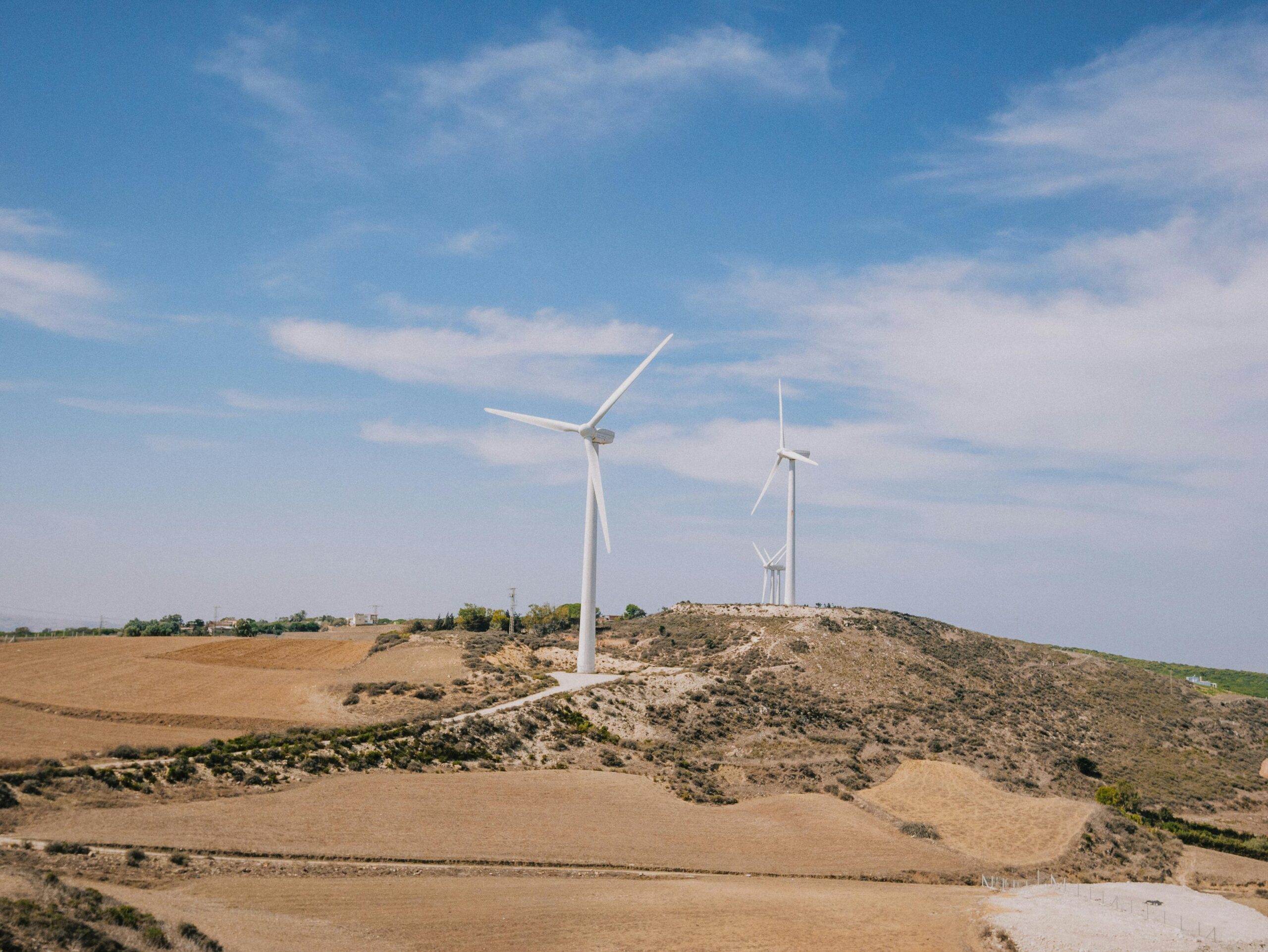
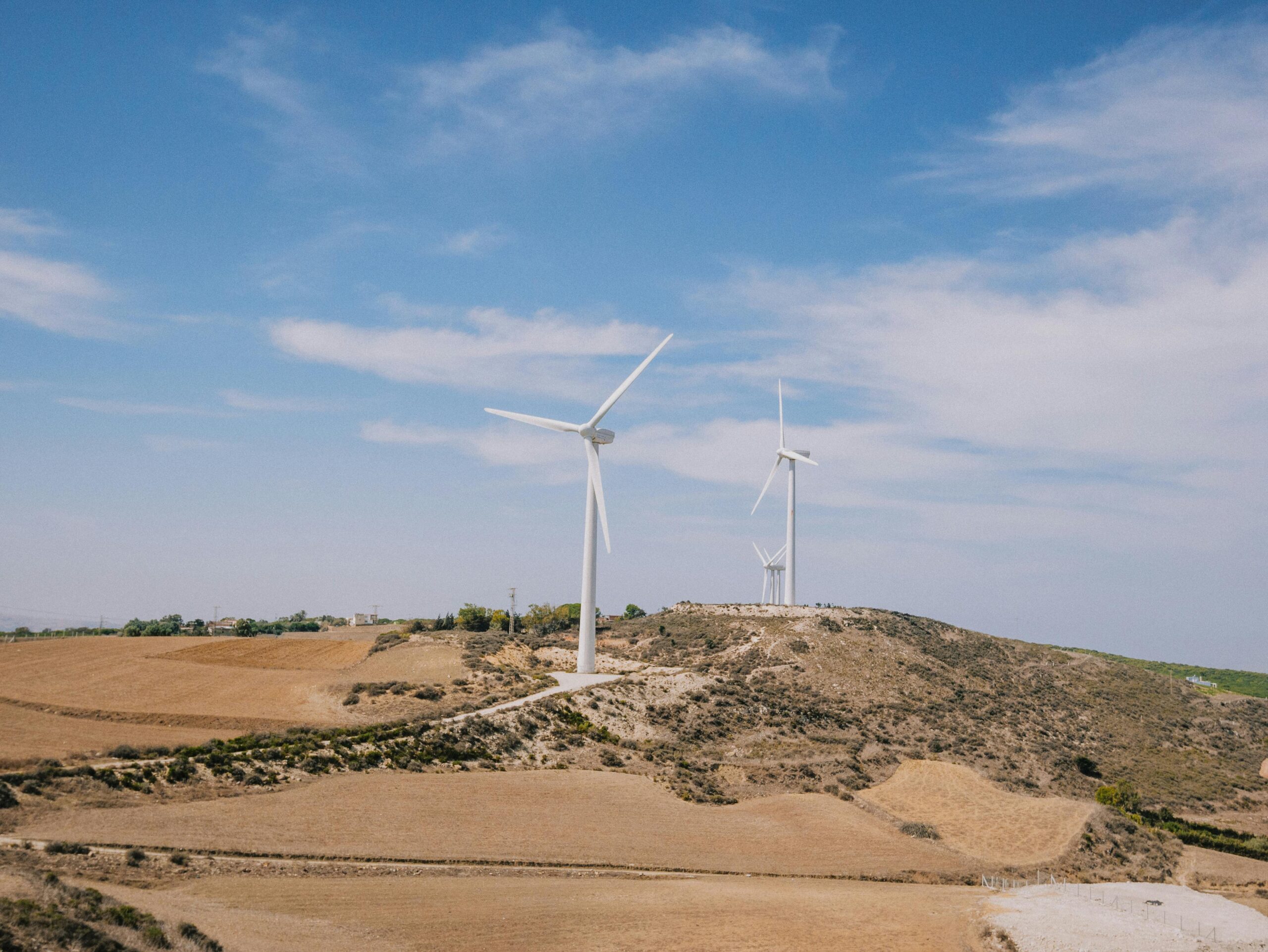
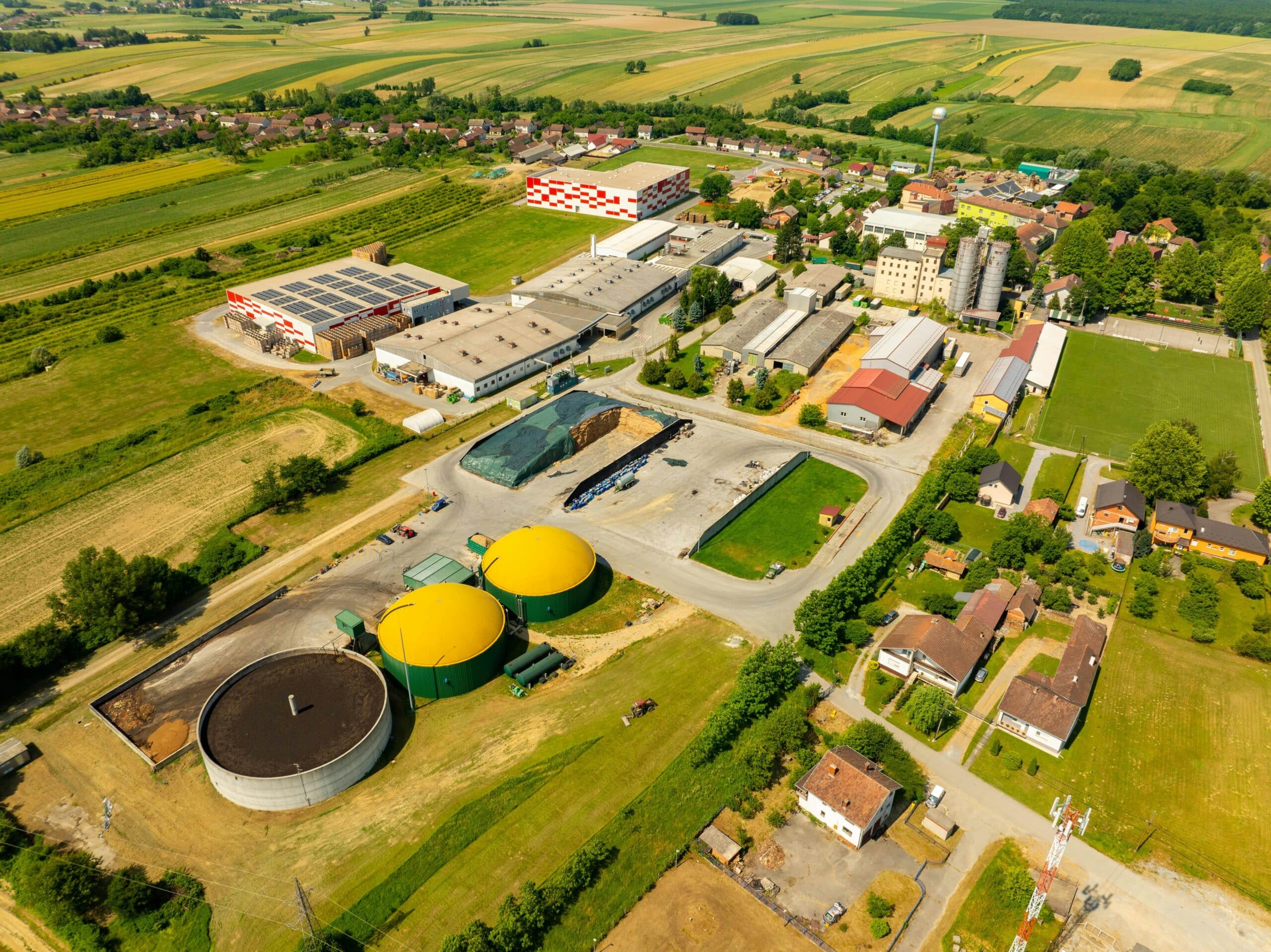
Solar panels, wind turbines, and biogas digesters can dramatically reduce electricity costs while providing revenue through excess power sales in many regions. Declining installation costs and improving efficiency make renewable energy increasingly attractive for agricultural operations with appropriate conditions.
Energy audits identify inefficiencies in existing systems, from poorly insulated buildings to inefficient motors and lighting. Targeted upgrades often deliver rapid payback through reduced energy consumption while improving operational performance.
Resource Conservation Strategies
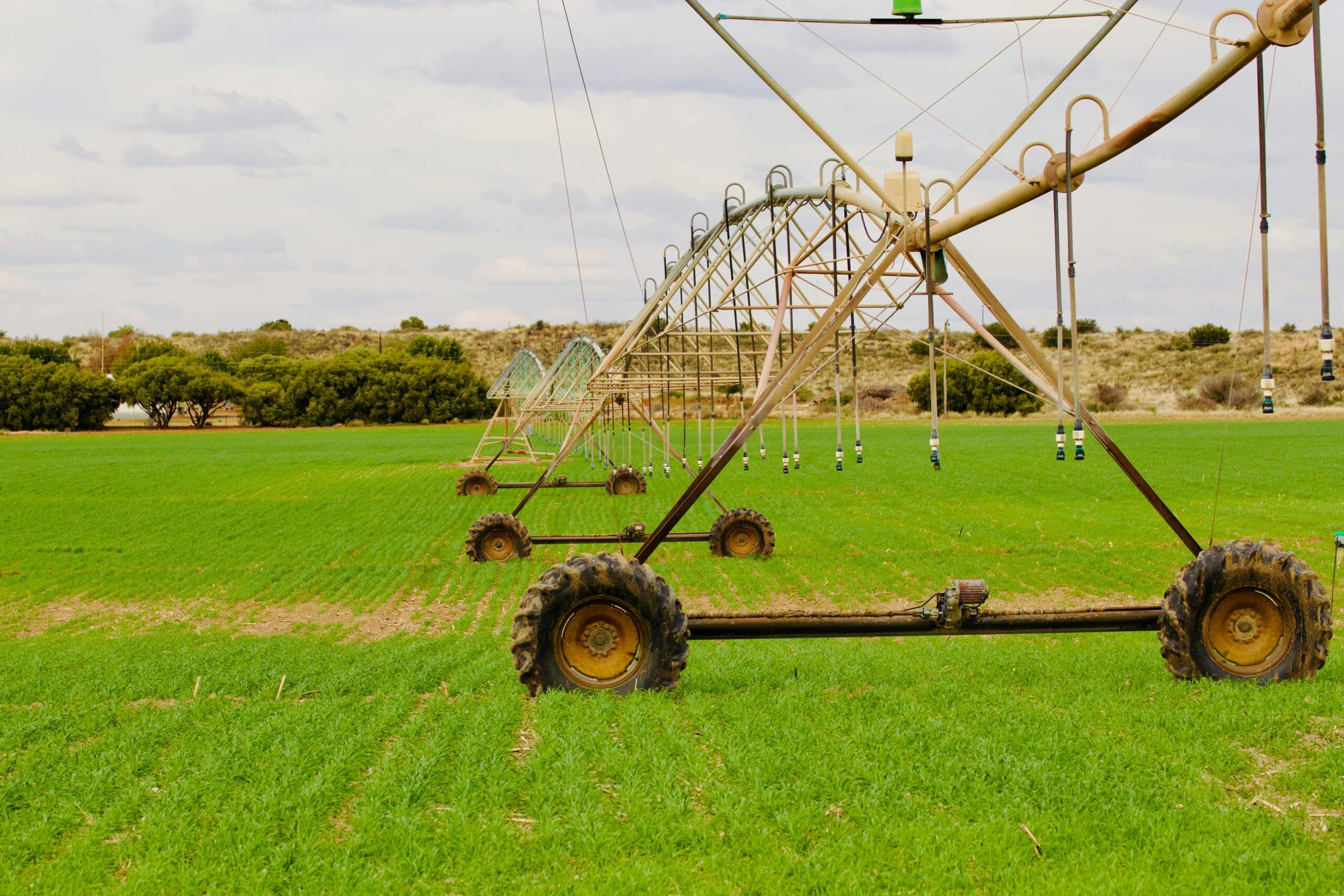
Water conservation through efficient irrigation systems, rainwater harvesting, and drought-tolerant crop varieties reduces costs while building resilience against water scarcity. Drip irrigation and soil moisture monitoring prevent over-watering that wastes money while potentially harming crops.
Waste reduction initiatives turn potential disposal costs into revenue opportunities. Composting organic waste creates valuable soil amendments, while recycling programs reduce disposal fees and may generate income from recyclable materials.
📈 Marketing Strategies That Protect Profit Margins
Even the most efficient production system fails to maximize profitability without effective marketing strategies that capture value and manage price risk.
Market Timing and Risk Management Tools
Forward contracts, futures markets, and crop insurance protect against price volatility that can erase production efficiency gains. Understanding and strategically utilizing these tools stabilizes income and supports confident planning.
Diversified marketing approaches—combining spot sales, forward contracts, and storage—provide flexibility to capitalize on favorable price movements while ensuring minimum acceptable returns. Storage capability adds marketing flexibility but requires careful analysis of storage costs versus expected price appreciation.
Direct Marketing and Relationship Building
Direct marketing to consumers or institutions captures retail margins while building customer relationships that support premium pricing. Farmers markets, community-supported agriculture programs, and institution sales create stable demand while differentiating products from commodity competition.
Building strong relationships with buyers, whether processors, wholesalers, or consumers, creates loyalty that protects market access during abundant production periods when commodity prices often decline.
🎯 Creating Your Customized Cost Control Action Plan
Effective cost control requires systematic implementation tailored to your specific operation, market conditions, and resources. Generic approaches rarely deliver optimal results in agriculture’s diverse production systems.
Begin by establishing baseline measurements of current costs across all categories. Without accurate starting points, progress assessment becomes impossible and efforts may focus on low-impact areas while missing significant opportunities.
Prioritize improvements based on potential impact, implementation difficulty, and available resources. Quick wins build momentum and fund more complex initiatives, while long-term strategic improvements address fundamental efficiency limitations.
Regular review and adjustment keep cost control systems effective as conditions change. Markets evolve, technologies improve, and operations grow—static management approaches quickly become obsolete.
🚀 Building Long-Term Profitability Through Continuous Improvement
Mastering cost control isn’t a destination but an ongoing journey of assessment, adjustment, and optimization. The most successful agricultural operations embrace continuous improvement cultures where efficiency gains are celebrated and new ideas welcomed.
Networking with other producers through study groups, conferences, and online communities exposes you to innovative approaches and proven strategies. The collective wisdom of the agricultural community provides invaluable insights that individual experimentation cannot match.
Staying informed about emerging technologies, policy changes, and market trends positions your operation to capitalize on opportunities and navigate challenges effectively. Agricultural publications, extension services, and industry associations provide valuable information that supports informed decision-making.
Financial sustainability through disciplined cost control enables agricultural operations to weather inevitable challenges while investing in opportunities that drive growth. Producers who master these fundamentals build resilient businesses that thrive across market cycles and pass successfully to future generations.
Remember that cost control serves production excellence rather than replacing it. The goal is optimizing resource utilization to achieve superior results efficiently, not simply minimizing expenses. Strategic investments that enhance productivity, sustainability, and quality often deliver returns far exceeding their costs.
By implementing comprehensive cost control systems, leveraging technology appropriately, and maintaining focus on continuous improvement, agricultural producers create competitive advantages that translate to consistent profitability and long-term success in increasingly challenging markets.

Toni Santos is a visual storyteller and archival artisan whose creative journey is steeped in the bold colors, dramatic typography, and mythic imagery of old circus posters. Through his artistic lens, Toni breathes new life into these once-lurid canvases of wonder, transforming them into tributes to a golden era of spectacle, showmanship, and cultural fantasy.
Fascinated by the visual language of vintage circuses — from roaring lions to gravity-defying acrobats, from hand-painted banners to gothic typefaces — Toni explores how these posters once captured the imagination of entire towns with nothing more than ink, illusion, and a promise of awe. Each composition he creates or studies is a dialogue with history, nostalgia, and the raw aesthetics of entertainment on the move.
With a background in handcrafted design and visual heritage, Toni blends artistic sensitivity with historical insight. His work traces the forgotten typographies, chromatic choices, and symbolic flair that defined circus marketing in the 19th and early 20th centuries — a time when posters were not just advertisements, but portable portals to dreamworlds.
As the creative force behind Vizovex, Toni curates collections, illustrations, and thoughtful narratives that reconnect modern audiences with the magic of old circus art — not just as ephemera, but as cultural memory etched in paper and pigment.
His work is a tribute to:
The flamboyant storytelling of early circus posters
The lost art of hand-lettered show promotion
The timeless charm of visual fantasy in public space
Whether you’re a vintage print enthusiast, a circus history lover, or a designer inspired by antique aesthetics, Toni invites you into a world where tigers leap through fire, strongmen pose in perfect symmetry, and every corner of the poster whispers: Step right up.