Modern agriculture doesn’t require massive investments to be productive. Smart farming techniques can transform small operations into profitable ventures using affordable technology and strategic planning.
🌱 Understanding Smart Farming for Small-Scale Operations
Smart farming represents the integration of technology and data-driven decision-making into agricultural practices. For small farm owners, this doesn’t mean investing in expensive machinery or complex systems. Instead, it focuses on maximizing efficiency through affordable tools, mobile applications, and strategic resource management.
The beauty of smart farming lies in its scalability. Whether you’re managing a backyard garden operation or a few acres of cropland, the principles remain consistent: use data to inform decisions, automate where possible, and optimize resource utilization. The key difference for budget-conscious farmers is selecting technologies that offer the highest return on investment without requiring substantial upfront capital.
Small farms actually have inherent advantages when implementing smart farming techniques. Their manageable size allows for more precise monitoring, quicker implementation of new strategies, and easier adaptation to changing conditions. This agility becomes a competitive advantage when paired with the right technological tools.
📱 Leveraging Free and Low-Cost Mobile Applications
Your smartphone can become the most valuable farming tool you own. Numerous agricultural apps provide professional-grade features at little to no cost, transforming how you manage crops, livestock, and farm operations.
Weather monitoring apps eliminate guesswork from irrigation and harvest timing. Applications like Windy and Weather Underground offer hyper-local forecasts, precipitation predictions, and historical data that help you plan field activities with precision. These free tools prevent water waste and protect crops from unexpected weather events.
Crop management applications help track planting dates, growth stages, and harvest schedules. Agroptima stands out as a comprehensive farm management solution that allows you to monitor multiple crop cycles, track expenses, and analyze profitability—all from your mobile device.
Pest and disease identification apps use image recognition technology to diagnose plant problems instantly. Plantix offers free scanning capabilities that identify over 500 plant diseases, pests, and nutrient deficiencies, providing treatment recommendations based on your specific situation.
💧 Smart Irrigation Without the Premium Price Tag
Water represents one of the most significant operational costs for small farms. Implementing intelligent irrigation systems doesn’t require installing expensive sensor networks across your entire property.
Start with soil moisture monitoring in strategic locations. Affordable soil moisture meters, available for under $30, provide accurate readings that prevent overwatering. By testing moisture levels before irrigating, many farmers reduce water consumption by 30-40% while maintaining or improving crop health.
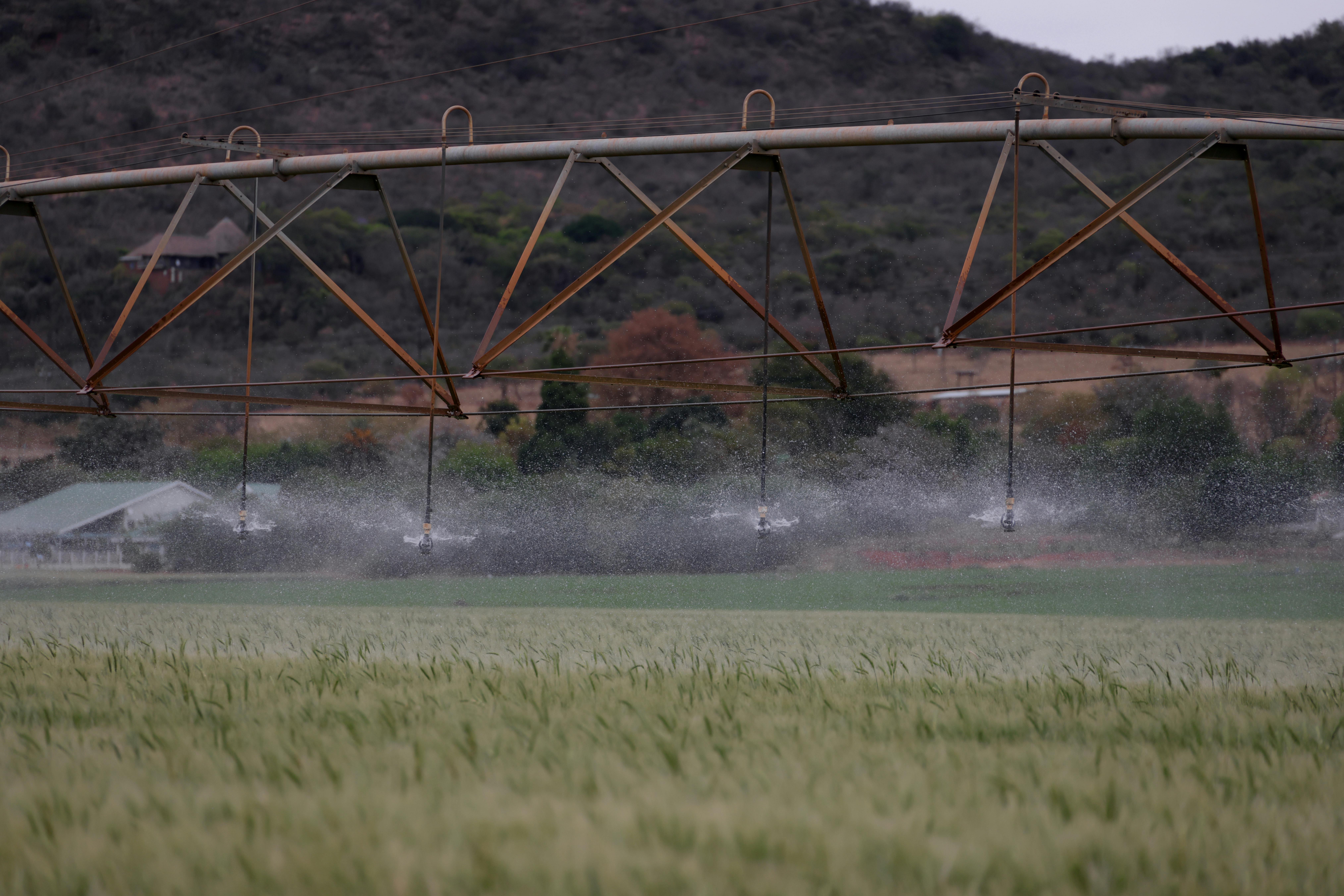
Drip irrigation systems offer exceptional water efficiency at reasonable costs. Basic drip tape kits start around $50-100 for small areas and deliver water directly to plant roots, minimizing evaporation and weed growth. The initial investment typically pays for itself within a single growing season through reduced water bills and improved yields.
Timer-based irrigation controllers add automation without complexity. Simple battery-operated timers cost $20-40 and ensure consistent watering schedules even when you’re away from the farm. More advanced WiFi-enabled controllers, available for $100-200, integrate weather data to skip irrigation during rainy periods automatically.
Building a Rainwater Harvesting System
Capturing rainwater represents one of the highest-return investments for budget-conscious farmers. A basic rainwater collection system using repurposed barrels or tanks can supply thousands of gallons throughout the growing season at minimal cost.
Calculate your roof catchment area and average rainfall to determine potential water collection. A 1,000 square foot roof can collect approximately 600 gallons from one inch of rainfall. This free water resource dramatically reduces irrigation costs while providing chemical-free water that many plants prefer.
🌾 Precision Agriculture on a Shoestring Budget
Precision agriculture techniques allow you to treat different areas of your farm according to their specific needs rather than applying uniform treatments everywhere. This targeted approach reduces input costs while maximizing productivity.
Soil testing forms the foundation of precision farming. While professional lab tests cost $15-50 per sample, they reveal exact nutrient deficiencies and pH imbalances. This data prevents wasteful over-application of fertilizers and amendments, often saving hundreds of dollars annually while improving soil health.
Create management zones based on soil types, drainage patterns, and historical productivity. Simple observation and free mapping tools like Google Earth help identify these zones without expensive surveys. By treating each zone according to its characteristics, you optimize inputs and maximize returns from every square foot.
Variable rate application doesn’t require fancy equipment. Even with manual spreading, knowing which areas need more or less fertilizer, lime, or compost prevents waste and improves results. Mark zones with stakes or flags and adjust application rates accordingly.
📊 Data Collection and Record Keeping That Actually Pays Off
Successful smart farming relies on collecting and analyzing data to make better decisions. Fortunately, effective record-keeping requires more discipline than dollars.
Track everything that impacts your farm’s performance: planting dates, weather conditions, input applications, pest observations, harvest yields, and expenses. Free spreadsheet software like Google Sheets provides powerful analysis capabilities without subscription fees.
Photograph your crops regularly using your smartphone. These visual records help identify problems early, document growth patterns, and provide valuable references for future seasons. Organize photos by date and location for easy retrieval.
Financial tracking separates profitable activities from money-losing ventures. Record all income and expenses by crop or enterprise. This granular data reveals which products generate the best margins and deserve expanded production versus which should be eliminated or modified.
Creating Simple Performance Metrics
Develop basic key performance indicators (KPIs) relevant to your operation. These might include yield per square foot, revenue per labor hour, or production cost per unit. Monitoring these metrics quarterly helps spot trends and opportunities for improvement.
| Metric | Why It Matters | Target Improvement |
|---|---|---|
| Yield per Square Foot | Measures space utilization efficiency | 5-10% annually |
| Input Cost Percentage | Shows if expenses are controlled | Below 40% of revenue |
| Labor Hours per Unit | Identifies automation opportunities | Reduce 15% yearly |
| Customer Retention Rate | Indicates product quality and service | Above 70% |
🤖 Affordable Automation Solutions
Automation reduces labor requirements and improves consistency, but it doesn’t demand industrial-scale budgets. Small farms can implement meaningful automation using consumer-grade technology and creative problem-solving.
Automatic chicken coop doors, available for $60-150, ensure your flock is protected nightly even if you’re delayed elsewhere. These simple devices operate on timers or light sensors, providing peace of mind and protecting valuable livestock.
Greenhouse automation starts simply with automatic vent openers that use temperature-sensitive wax cylinders to regulate airflow. These mechanical devices require no electricity and cost around $40-80 each, preventing heat stress and crop losses.
For under $200, you can create automated monitoring systems using Raspberry Pi computers or Arduino boards. These platforms support temperature sensors, humidity monitors, and camera systems that send alerts to your phone when conditions require attention.
🌿 Maximizing Existing Resources Through Smart Management
The most budget-friendly smart farming strategy involves optimizing what you already have before purchasing new tools or equipment.
Implement intensive cropping techniques that increase productivity per square foot. Succession planting, intercropping, and vertical growing multiply yields without expanding your land base. These techniques require planning and knowledge rather than capital investment.
Composting transforms waste into valuable soil amendments for free. A well-managed compost system reduces fertilizer expenses while improving soil structure and water retention. The improved soil health often increases yields by 15-25%, providing substantial returns on the time invested.
Integrated pest management (IPM) reduces pesticide costs while maintaining effective pest control. By monitoring pest populations, encouraging beneficial insects, and using targeted interventions only when necessary, many farmers cut chemical expenses by 50% or more.
Building Soil Health as Your Foundation
Healthy soil represents your farm’s most valuable asset and most important investment. Cover cropping, minimal tillage, and organic matter addition cost little but dramatically improve productivity over time.
Cover crops prevent erosion, suppress weeds, fix nitrogen, and build soil organic matter. Seeds often cost less than $50 per acre, while the benefits accumulate year after year. Many farmers report reducing fertilizer needs by 30-40% after three years of consistent cover cropping.
📱 Connecting With Markets Through Digital Platforms
Smart farming extends beyond production into marketing and sales. Digital platforms provide affordable access to customers and premium pricing opportunities.
Social media marketing costs nothing but time. Instagram, Facebook, and TikTok allow direct connection with customers who value locally-grown, sustainably-produced food. Regular posts showing farm activities build trust and loyalty that translates into sales.
Online marketplaces like LocalHarvest, Barn2Door, or farmers market apps help customers find your products. Many charge reasonable commission rates or monthly fees that make sense even for small operations.
Email marketing remains incredibly effective for maintaining customer relationships. Free platforms like Mailchimp provide sufficient features for small farms to send newsletters, product updates, and seasonal availability announcements to hundreds of customers.
🔧 DIY Solutions and Creative Problem-Solving
The maker mentality saves thousands of dollars annually. Many commercial farming tools can be built at home using basic materials and freely-available plans.
Seedling heat mats, greenhouse benches, trellising systems, and wash stations all lend themselves to DIY construction. Online communities share designs and troubleshooting advice, making complex projects accessible to farmers with basic skills.
Repurposing materials reduces costs dramatically. Food-grade barrels become storage containers or rainwater collectors, old pallets transform into compost bins or chicken coops, and discarded windows create cold frames or small greenhouses.
Tool sharing cooperatives allow access to expensive equipment without individual ownership. Rototillers, chippers, specialized harvesting tools, and processing equipment can be shared among several small farms, making each item affordable through divided costs.
📈 Scaling Smart: When and What to Invest In
As your farm grows, strategic investments accelerate progress. Prioritize purchases that eliminate bottlenecks, reduce labor in repetitive tasks, or significantly improve product quality.
Calculate return on investment before making significant purchases. Divide the expected annual benefit by the purchase price to determine payback period. Equipment that pays for itself within two years generally represents sound investment.
Consider used equipment and off-season purchases. Farm equipment depreciates quickly, meaning gently-used items often function perfectly at 40-60% discounts. End-of-season sales on irrigation supplies, tools, and amendments provide similar savings.
Lease or rent specialized equipment needed infrequently. Purchasing makes sense for daily-use items, but renting equipment used once or twice yearly preserves capital for more productive investments.
🎯 Practical Implementation: Your 90-Day Smart Farm Transformation
Start your smart farming journey with manageable steps that build momentum without overwhelming resources or time.
Month One: Install free farm management apps, begin detailed record-keeping, conduct soil tests, and photograph your entire operation to establish baseline documentation. These foundational activities cost under $100 but provide immediate value.
Month Two: Implement one automation project (automatic waterers, timed lights, or vent openers) and establish one new efficiency practice (drip irrigation in one area, soil moisture monitoring, or integrated pest management). Budget $100-300 for materials.
Month Three: Analyze your first two months of data, adjust practices based on results, and plan your next efficiency improvement. Begin marketing efforts through social media or online platforms. Investment remains minimal while results become visible.
This measured approach prevents financial strain while building skills and confidence. Each small success funds and informs the next improvement, creating sustainable progress toward a fully optimized smart farming operation.
🌟 Sustaining Success Through Continuous Learning
Smart farming evolves constantly as new technologies emerge and techniques improve. Fortunately, agricultural education has never been more accessible or affordable.
YouTube channels, podcasts, and blogs provide free expert instruction on virtually every farming topic. University extension services offer research-based information, workshops, and often one-on-one consulting at no cost to farmers.
Online farming communities create peer-to-peer learning opportunities. Facebook groups, Reddit forums, and specialized platforms connect you with experienced farmers facing similar challenges who freely share solutions and encouragement.
Invest in yourself through selected courses or conferences when budget allows. The knowledge and connections gained from quality educational experiences often generate returns many times their cost through improved practices and avoided mistakes.
Smart farming success for small operations ultimately depends less on expensive technology than on strategic thinking, consistent data collection, and willingness to adapt. By starting with affordable tools, focusing on high-impact improvements, and building incrementally, even the smallest farm can achieve remarkable productivity and profitability. The journey transforms not just your farm’s outputs, but your entire approach to agriculture—creating a sustainable, resilient operation that thrives regardless of scale or budget constraints.

Toni Santos is a visual storyteller and archival artisan whose creative journey is steeped in the bold colors, dramatic typography, and mythic imagery of old circus posters. Through his artistic lens, Toni breathes new life into these once-lurid canvases of wonder, transforming them into tributes to a golden era of spectacle, showmanship, and cultural fantasy.
Fascinated by the visual language of vintage circuses — from roaring lions to gravity-defying acrobats, from hand-painted banners to gothic typefaces — Toni explores how these posters once captured the imagination of entire towns with nothing more than ink, illusion, and a promise of awe. Each composition he creates or studies is a dialogue with history, nostalgia, and the raw aesthetics of entertainment on the move.
With a background in handcrafted design and visual heritage, Toni blends artistic sensitivity with historical insight. His work traces the forgotten typographies, chromatic choices, and symbolic flair that defined circus marketing in the 19th and early 20th centuries — a time when posters were not just advertisements, but portable portals to dreamworlds.
As the creative force behind Vizovex, Toni curates collections, illustrations, and thoughtful narratives that reconnect modern audiences with the magic of old circus art — not just as ephemera, but as cultural memory etched in paper and pigment.
His work is a tribute to:
The flamboyant storytelling of early circus posters
The lost art of hand-lettered show promotion
The timeless charm of visual fantasy in public space
Whether you’re a vintage print enthusiast, a circus history lover, or a designer inspired by antique aesthetics, Toni invites you into a world where tigers leap through fire, strongmen pose in perfect symmetry, and every corner of the poster whispers: Step right up.