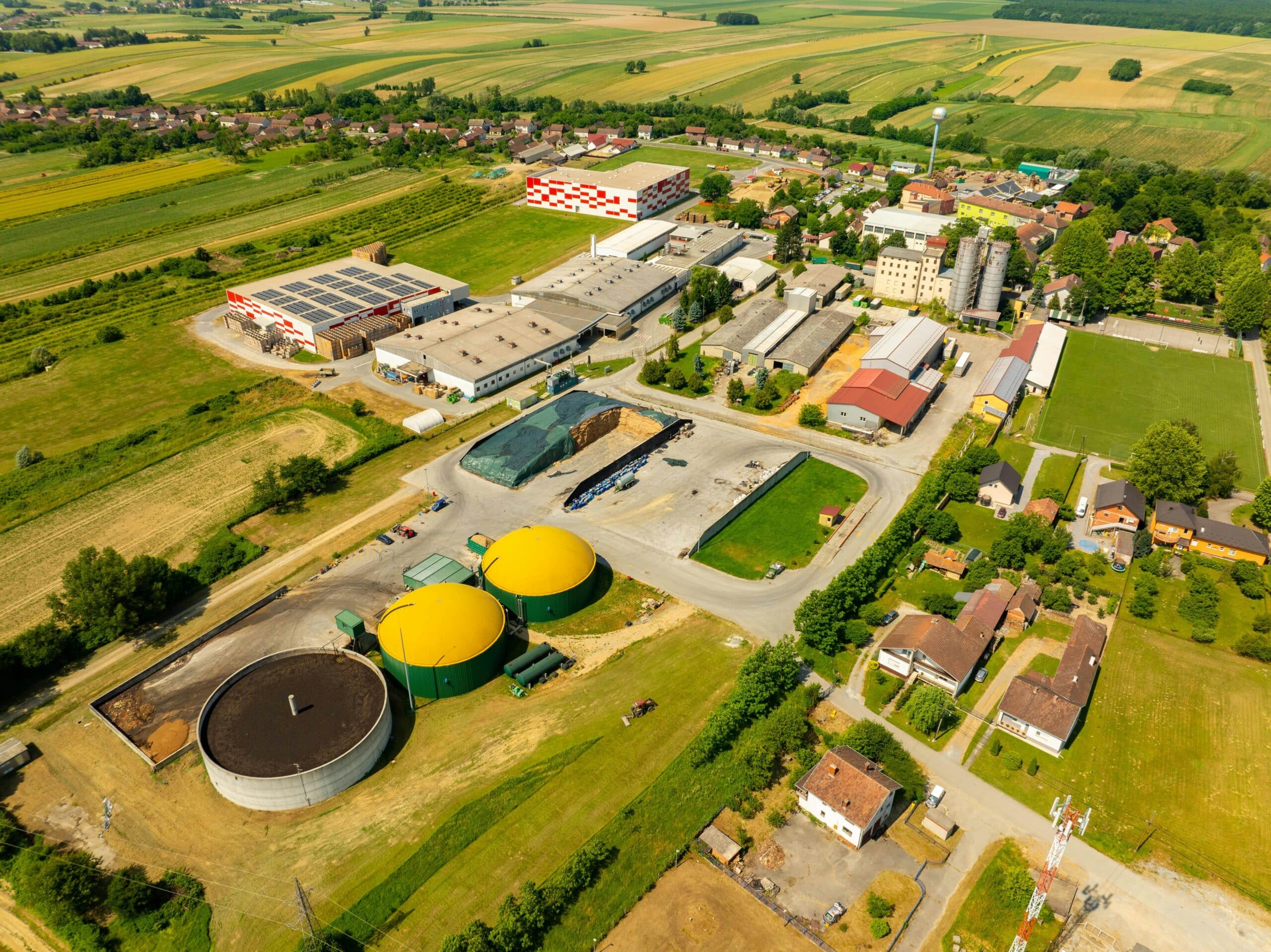
Modern agriculture stands at a crossroads where productivity meets environmental responsibility, demanding innovative approaches that reduce chemical dependency while maintaining robust yields.
🌱 The Case for Sustainable Agriculture Transformation
The global agricultural sector faces mounting pressure to produce more food with fewer resources while minimizing environmental impact. Chemical inputs—including synthetic fertilizers, pesticides, and herbicides—have long been the backbone of conventional farming practices. However, their excessive use has led to soil degradation, water pollution, biodiversity loss, and increased production costs that threaten farm profitability.
Farmers worldwide are discovering that sustainable practices aren’t just environmentally responsible—they’re economically viable. Research consistently shows that reducing chemical inputs through strategic management can maintain or even increase productivity while cutting costs and opening doors to premium organic markets.
The transition to lower-input farming doesn’t require abandoning technology or accepting reduced yields. Instead, it demands a sophisticated understanding of agroecological principles, precision agriculture techniques, and integrated management systems that work with natural processes rather than against them.
Understanding the True Cost of Chemical Dependency
Before exploring solutions, it’s crucial to understand why reducing chemical inputs matters beyond environmental concerns. The financial burden of synthetic inputs continues to escalate, with fertilizer and pesticide costs representing significant portions of operational budgets. Price volatility in these markets creates unpredictable expense patterns that challenge farm planning.
Soil health deterioration from chemical overuse creates a vicious cycle requiring ever-increasing applications to maintain yields. Beneficial microorganisms die off, soil structure collapses, and natural nutrient cycling breaks down. This degradation directly impacts long-term productivity and land value.
Pest resistance to chemical controls develops rapidly, forcing farmers onto a treadmill of new products and higher application rates. Similar resistance patterns emerge in weeds and plant diseases, diminishing the effectiveness of once-reliable solutions.
The Hidden Productivity Drain
Chemical inputs often mask underlying problems rather than solving them. Poor soil health, inadequate crop rotation, and monoculture systems create conditions that require chemical intervention. Addressing root causes proves more effective than treating symptoms repeatedly.
Water quality issues from nutrient runoff can trigger regulatory restrictions, limiting future farming operations. Communities increasingly scrutinize agricultural practices, and maintaining social license to operate requires demonstrable environmental stewardship.
🌾 Building Soil Health as Your Foundation
Healthy soil is the cornerstone of reduced-input farming. Living soil teeming with beneficial organisms provides natural fertility, disease suppression, and resilience against stress. Investing in soil health delivers compounding returns that reduce chemical dependency over time.
Organic matter content directly correlates with soil productivity and water-holding capacity. Each percentage point increase in organic matter can hold up to 20,000 gallons more water per acre, reducing irrigation needs while improving drought resilience. This organic matter also serves as a slow-release nutrient bank, decreasing fertilizer requirements.
Practical Soil Building Strategies
Cover cropping represents one of the most powerful tools for soil improvement. These crops planted between cash crops prevent erosion, suppress weeds, fix nitrogen, and add organic matter. Strategic species selection allows farmers to address specific soil deficiencies or pest pressures.
Legume cover crops like clover, vetch, and field peas can fix 100-200 pounds of nitrogen per acre annually, substantially reducing synthetic nitrogen needs. Brassicas like radishes and turnips break up compaction with deep taproots while scavenging nutrients from deep soil layers.
Reduced or no-till farming preserves soil structure and biology that conventional tillage destroys. While transition periods may challenge farmers accustomed to conventional methods, the long-term benefits include reduced fuel costs, improved water infiltration, and dramatically increased biological activity.
Composting and organic amendments introduce beneficial microorganisms and nutrients in forms that release slowly and feed soil life. Farm-produced compost from crop residues, animal manures, and other organic materials creates a closed nutrient loop that reduces input purchases.
Integrated Pest Management: Nature as Your Ally 🐞
Integrated Pest Management (IPM) shifts pest control from scheduled chemical applications to ecosystem-based strategies that prevent problems before they start. This approach recognizes that complete pest elimination is neither possible nor desirable—maintaining ecological balance keeps pest populations below economic damage thresholds naturally.
IPM begins with accurate pest identification and monitoring. Many insects initially identified as pests are actually beneficial predators. Understanding pest life cycles allows targeted interventions at vulnerable stages, dramatically reducing control costs and environmental impact.
Creating Habitat for Beneficial Organisms
Beneficial insects, birds, bats, and other predators provide free pest control when given appropriate habitat. Field borders planted with native flowering species support pollinators and predatory insects. Hedgerows and beetle banks offer overwintering sites and refuge during field operations.
Research demonstrates that farms with greater biodiversity experience less pest pressure. The complex web of predator-prey relationships creates natural checks and balances that chemical approaches disrupt. Even small habitat improvements yield measurable pest reduction.
Cultural and Mechanical Controls
Crop rotation confuses pest cycles and reduces disease pressure without chemicals. Different crops attract different pests, and breaking monoculture patterns prevents population buildup. Rotation also diversifies income streams and spreads risk.
Trap cropping uses sacrificial plants to lure pests away from cash crops. Mechanical cultivation for weed control, while requiring more timing precision than herbicides, eliminates herbicide costs and resistance concerns. Flame weeding and other thermal methods provide additional chemical-free options.
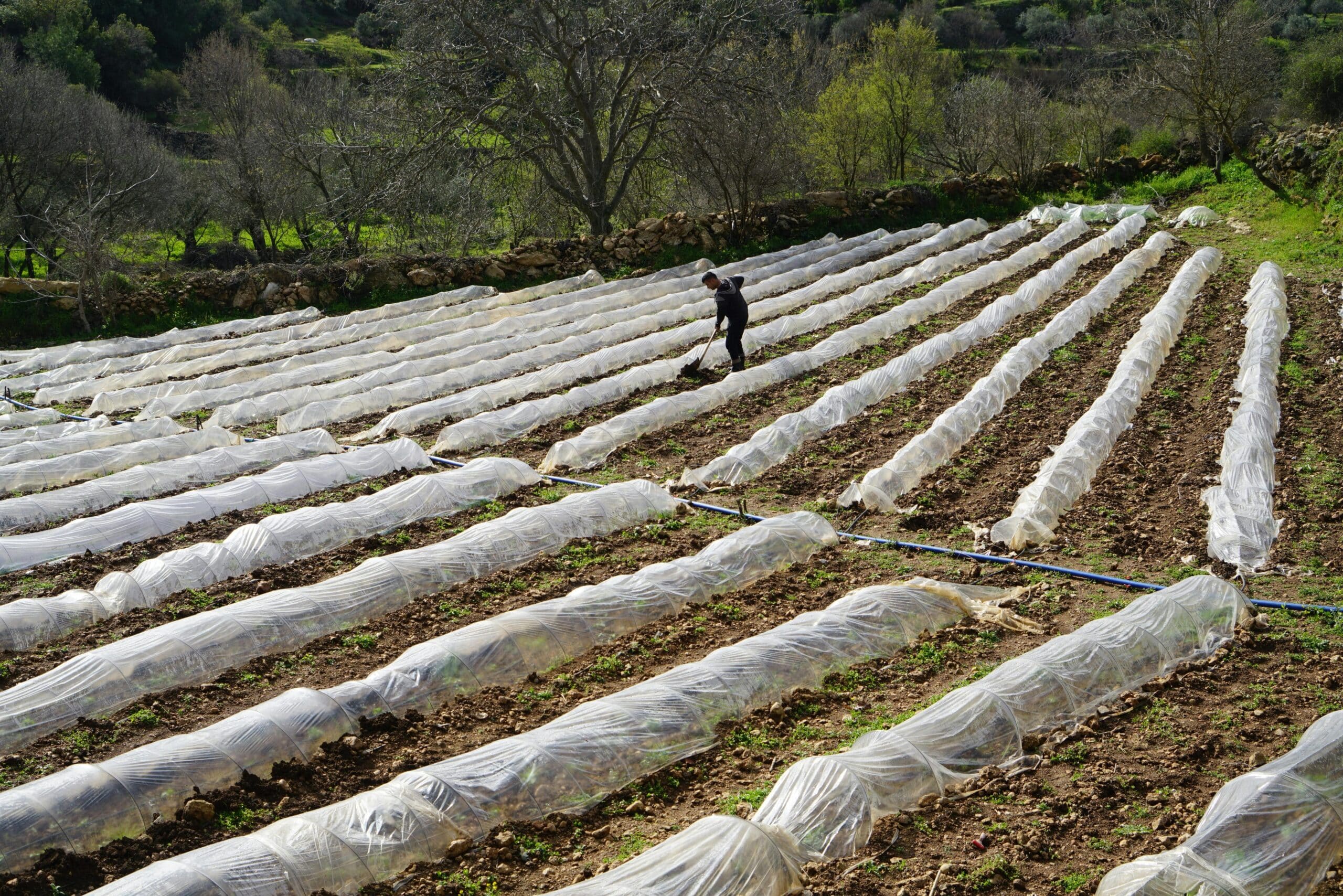
Physical barriers like row covers protect vulnerable crops during critical growth stages. These reusable materials prevent pest access while maintaining favorable microclimates that can accelerate growth.
📊 Precision Agriculture: Technology Meets Sustainability
Modern technology enables farmers to apply inputs with unprecedented precision, dramatically reducing waste while maintaining effectiveness. Variable rate application technology adjusts inputs based on real-time field conditions, applying products only where and when needed.
Soil mapping identifies variability within fields, allowing targeted amendment of deficient areas rather than blanket applications. GPS-guided equipment prevents overlaps and gaps that waste inputs or leave unprotected areas. Drones equipped with multispectral cameras detect pest infestations, nutrient deficiencies, and disease outbreaks before they’re visible to ground observers.
Data-Driven Decision Making
Weather monitoring systems and predictive models help time interventions for maximum effectiveness. Disease forecasting models indicate when conditions favor pathogen development, allowing preventive action with minimal inputs.
Digital farm management platforms integrate data from multiple sources, providing comprehensive insights that inform better decisions. These systems track input costs against yields, identifying practices that deliver the best return on investment.
Sensors measuring soil moisture prevent over-irrigation that leaches nutrients and wastes water. Plant tissue testing reveals nutrient status, enabling precision fertilization that eliminates guesswork and excess application.
Nutrient Management: Working With Natural Cycles 🔄
Efficient nutrient management reduces fertilizer dependency while improving crop performance. Understanding nutrient cycling within farm ecosystems reveals opportunities to recapture and reuse nutrients rather than continuously importing them.
Livestock integration creates closed-loop systems where animal manures fertilize crops, eliminating or reducing synthetic fertilizer needs. Managed grazing in rotation with cropping builds soil organic matter while distributing nutrients across fields.
Biological Nitrogen Fixation
Legumes in rotation or intercropped with other species provide nitrogen naturally through symbiotic relationships with rhizobia bacteria. This biological nitrogen fixation can meet substantial crop nitrogen requirements without synthetic inputs.
Grain legumes like soybeans, field peas, and chickpeas provide marketable crops while fixing nitrogen. Forage legumes like alfalfa and clover support livestock operations while building soil nitrogen reserves for subsequent crops.
Nutrient Budgeting and Cycling
Tracking nutrients entering and leaving the farm identifies inefficiencies and opportunities. Many farms import far more nutrients than they export in products, with the excess lost to the environment through leaching, erosion, or volatilization.
Crop residue management retains nutrients on-site. Leaving residues on fields or incorporating them through composting returns substantial nutrients that would otherwise require replacement through purchased inputs.
Water Management for Reduced Input Farming 💧
Efficient water management reduces fertilizer needs while improving crop health and resilience. Well-watered plants better resist pests and diseases, reducing chemical control requirements. Proper irrigation prevents nutrient leaching that necessitates additional applications.
Drip irrigation and other precision water delivery methods apply water directly to root zones, minimizing waste and reducing disease pressure from wet foliage. These systems can incorporate fertigation that delivers nutrients with irrigation, improving efficiency and reducing runoff.
Soil health improvements from organic matter addition dramatically enhance water retention, decreasing irrigation frequency and volume. Deep-rooted cover crops improve water infiltration, recharging aquifers while preventing erosion.
🌿 Diversification Strategies for System Resilience
Monoculture systems are inherently vulnerable to pests, diseases, and market fluctuations. Diversification builds resilience while creating multiple income streams that reduce financial risk.
Intercropping grows multiple crops simultaneously in the same field. Compatible species can improve overall yields through complementary resource use, pest confusion, and beneficial interactions. Corn-bean-squash combinations exemplify traditional intercropping wisdom validated by modern research.
Agroforestry integrates trees with crops or livestock, creating multilayered systems that maximize land productivity. Trees provide additional income from timber, fruit, or nuts while improving microclimates, preventing erosion, and sequestering carbon.
Enterprise Diversification
Value-added processing transforms raw commodities into higher-value products. Direct marketing through farmers markets, community supported agriculture, or online platforms captures retail margins that commodity production surrenders.
Agritourism leverages farm assets for educational experiences, events, or recreation. These enterprises generate income while building community connections and educating consumers about agricultural realities.
Transitioning Successfully: Practical Implementation Steps 📋
Wholesale farm transformation overnight rarely succeeds. Gradual implementation allows learning, adjustment, and risk management while building confidence and skills.
Start with pilot areas to test practices before scaling up. Document results carefully, tracking costs, labor requirements, and outcomes. This data guides expansion decisions and identifies what works in specific contexts.
Seek knowledge from experienced practitioners, extension services, and research institutions. Farmer networks and study groups provide peer learning opportunities and moral support during transitions.
Financial Planning for Transition
Transition periods may temporarily reduce yields or require new equipment investments. Cost-share programs, conservation incentives, and specialty crop grants can offset transition costs. Organic certification, if pursued, opens premium markets that reward environmental stewardship.
Reduced input costs often offset yield changes, maintaining or improving profitability even with modest production adjustments. Long-term soil health improvements position farms for sustained productivity increases.
Measuring Progress and Adapting Strategies 📈
Regular monitoring and assessment ensure strategies deliver intended results. Soil testing tracks organic matter, nutrient levels, and biological activity improvements. Pest scouting records document population changes and natural enemy presence.
Financial analysis compares input costs, yields, and net returns between conventional and reduced-input practices. These metrics reveal true economic impacts beyond simple yield comparisons.
Biodiversity assessments measure ecosystem health improvements. Increased bird populations, beneficial insect abundance, and soil organism diversity indicate successful ecological agriculture development.
🌍 The Broader Impact of Your Farming Choices
Individual farm decisions collectively shape agricultural landscapes and environmental health. Reduced chemical inputs decrease water pollution, protect pollinators, and preserve beneficial organisms across entire watersheds.
Climate change mitigation through soil carbon sequestration makes agriculture part of the solution rather than solely a contributor to the problem. Healthy soils store atmospheric carbon while improving farm resilience to weather extremes.
Community health benefits from reduced pesticide exposure and improved water quality. Farms practicing sustainable intensification demonstrate that productivity and environmental stewardship aren’t mutually exclusive but mutually reinforcing.
Your Path Forward: Taking Action Today 🚀
Transforming farming practices begins with commitment and small steps. Assess current input use and identify reduction opportunities. Even modest decreases in fertilizer or pesticide applications generate immediate cost savings while beginning ecosystem recovery.
Connect with agricultural sustainability organizations and local conservation districts. These resources offer technical assistance, funding opportunities, and connections to like-minded farmers.
Remember that sustainable agriculture isn’t about returning to primitive methods but advancing to sophisticated systems that harness biological processes, modern technology, and ecological principles. This approach positions farms for long-term success in an era demanding environmental accountability alongside productivity.
The journey toward reduced-input, sustainable farming is both challenging and rewarding. Each season brings new learning opportunities and incremental improvements. Patience, observation, and willingness to adapt ensure progress toward farming systems that nourish both land and livelihood for generations to come.

Toni Santos is a visual storyteller and archival artisan whose creative journey is steeped in the bold colors, dramatic typography, and mythic imagery of old circus posters. Through his artistic lens, Toni breathes new life into these once-lurid canvases of wonder, transforming them into tributes to a golden era of spectacle, showmanship, and cultural fantasy.
Fascinated by the visual language of vintage circuses — from roaring lions to gravity-defying acrobats, from hand-painted banners to gothic typefaces — Toni explores how these posters once captured the imagination of entire towns with nothing more than ink, illusion, and a promise of awe. Each composition he creates or studies is a dialogue with history, nostalgia, and the raw aesthetics of entertainment on the move.
With a background in handcrafted design and visual heritage, Toni blends artistic sensitivity with historical insight. His work traces the forgotten typographies, chromatic choices, and symbolic flair that defined circus marketing in the 19th and early 20th centuries — a time when posters were not just advertisements, but portable portals to dreamworlds.
As the creative force behind Vizovex, Toni curates collections, illustrations, and thoughtful narratives that reconnect modern audiences with the magic of old circus art — not just as ephemera, but as cultural memory etched in paper and pigment.
His work is a tribute to:
The flamboyant storytelling of early circus posters
The lost art of hand-lettered show promotion
The timeless charm of visual fantasy in public space
Whether you’re a vintage print enthusiast, a circus history lover, or a designer inspired by antique aesthetics, Toni invites you into a world where tigers leap through fire, strongmen pose in perfect symmetry, and every corner of the poster whispers: Step right up.