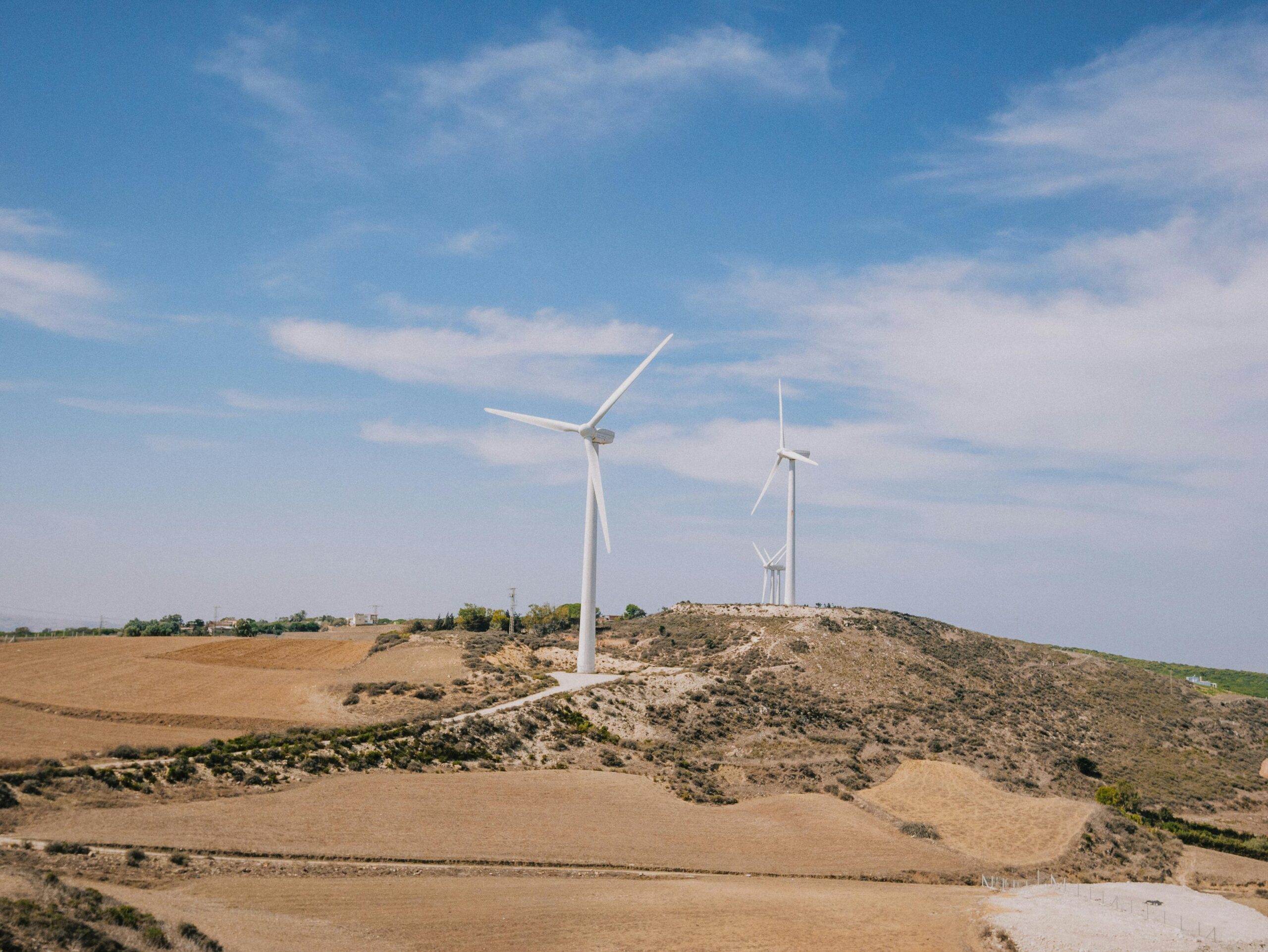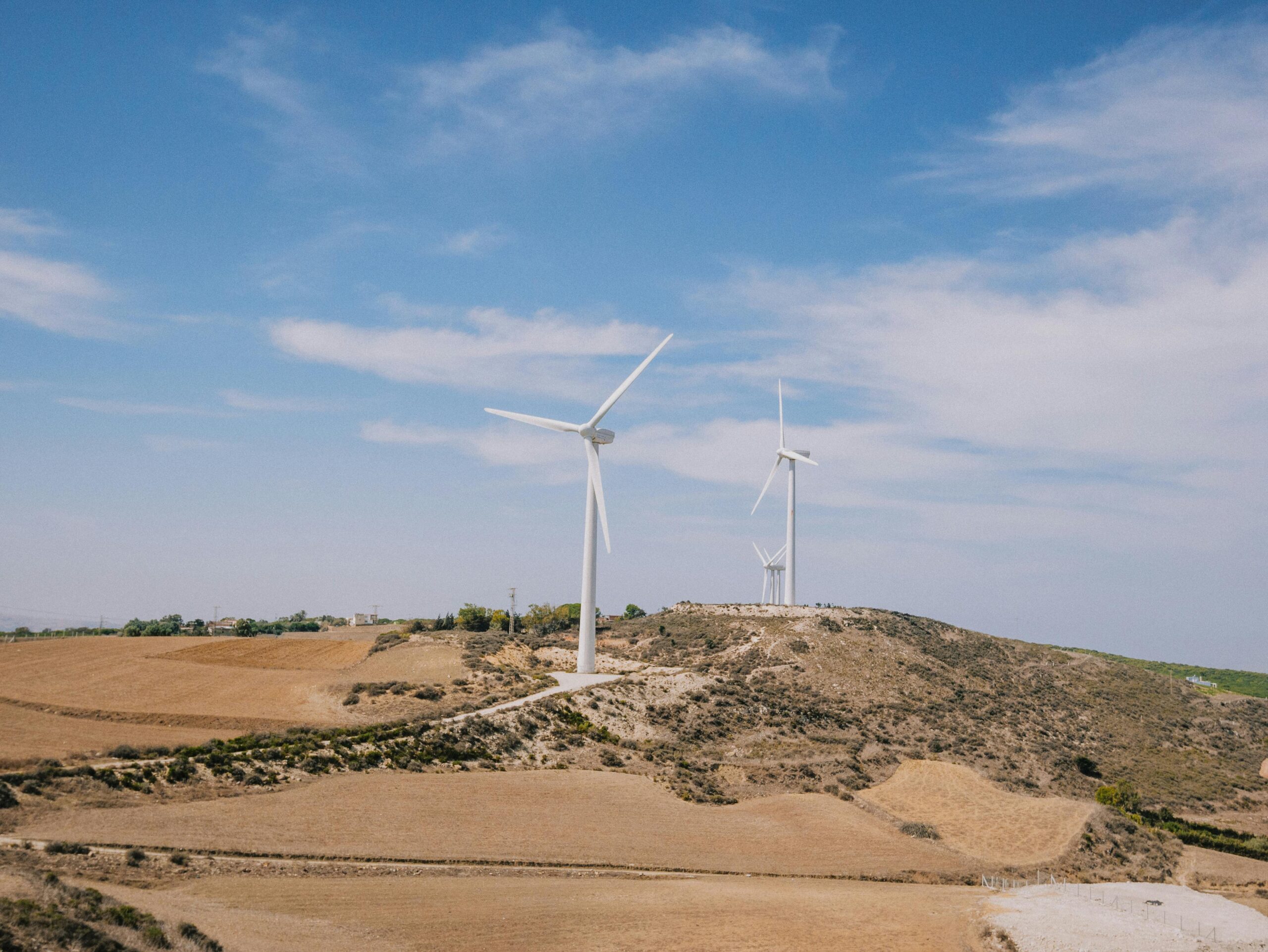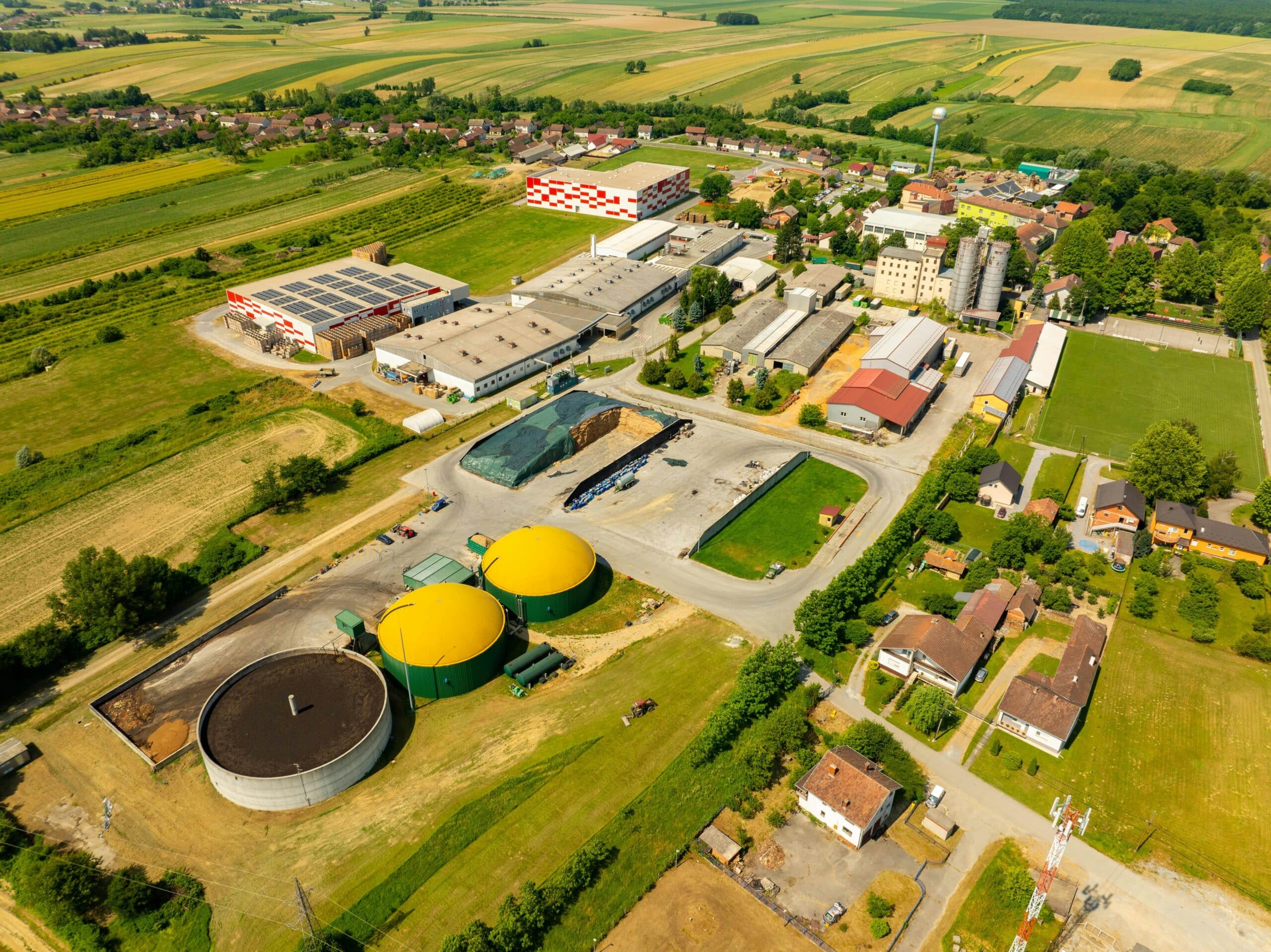
Climate change demands urgent action from agriculture. Farmers worldwide are embracing innovative practices that protect ecosystems while ensuring food security for generations to come.
🌱 The Urgent Need for Climate-Resilient Agriculture
Agriculture stands at a critical crossroads. With global temperatures rising and weather patterns becoming increasingly unpredictable, traditional farming methods are proving inadequate for the challenges ahead. The agricultural sector contributes approximately 24% of global greenhouse gas emissions while simultaneously being one of the most vulnerable sectors to climate impacts.
Extreme weather events, prolonged droughts, unexpected frosts, and intense flooding are becoming the new normal. These conditions threaten crop yields, soil health, and the livelihoods of billions who depend on agriculture. The solution lies not in abandoning farming but in revolutionizing how we approach it through climate-resilient practices that work with nature rather than against it.
Climate-resilient farming represents a paradigm shift that integrates environmental sustainability, economic viability, and social responsibility. It acknowledges that agriculture must adapt to changing conditions while reducing its environmental footprint. This dual approach creates systems that are both productive and regenerative, ensuring food security without compromising planetary health.
🌾 Regenerative Agriculture: Healing the Land While Feeding the World
Regenerative agriculture goes beyond sustainability by actively improving the resources it uses. This approach focuses on rebuilding soil organic matter, restoring degraded biodiversity, and enhancing ecosystem services. Unlike conventional farming that depletes soil nutrients over time, regenerative practices create a positive feedback loop where the land becomes more productive and resilient with each season.
At the heart of regenerative agriculture lies soil health. Healthy soil acts as a carbon sink, capturing atmospheric carbon dioxide and storing it underground. This process, known as carbon sequestration, can transform agriculture from a carbon emitter to a carbon solution. Farmers implementing regenerative practices report improved water retention, reduced erosion, and enhanced nutrient cycling.
Key Principles of Regenerative Farming
Minimizing soil disturbance through no-till or reduced-till practices preserves soil structure and protects beneficial microorganisms. Traditional plowing disrupts fungal networks and releases stored carbon, but conservation tillage maintains these critical underground ecosystems. Farmers who transition to no-till methods often observe improved water infiltration and reduced input costs over time.
Maintaining living roots in the soil year-round ensures continuous carbon flow into the ground. Cover crops planted between cash crop seasons protect soil from erosion while feeding soil microbes. These plants also suppress weeds, break pest cycles, and can fix atmospheric nitrogen, reducing fertilizer requirements. Popular cover crop species include legumes, grasses, and brassicas, each offering unique benefits.
Maximizing crop diversity through rotation and intercropping builds resilience against pests, diseases, and market fluctuations. Monoculture farming creates vulnerability, while diverse systems offer multiple income streams and ecological stability. Integrating livestock into crop rotations adds another layer of diversity, with animals providing natural fertilization and weed control.
💧 Water-Smart Farming for a Thirsty Planet
Water scarcity affects over two billion people globally, and agriculture consumes approximately 70% of freshwater withdrawals. Climate change intensifies this challenge through altered precipitation patterns and increased evaporation rates. Water-smart farming techniques optimize every drop while maintaining or improving productivity.
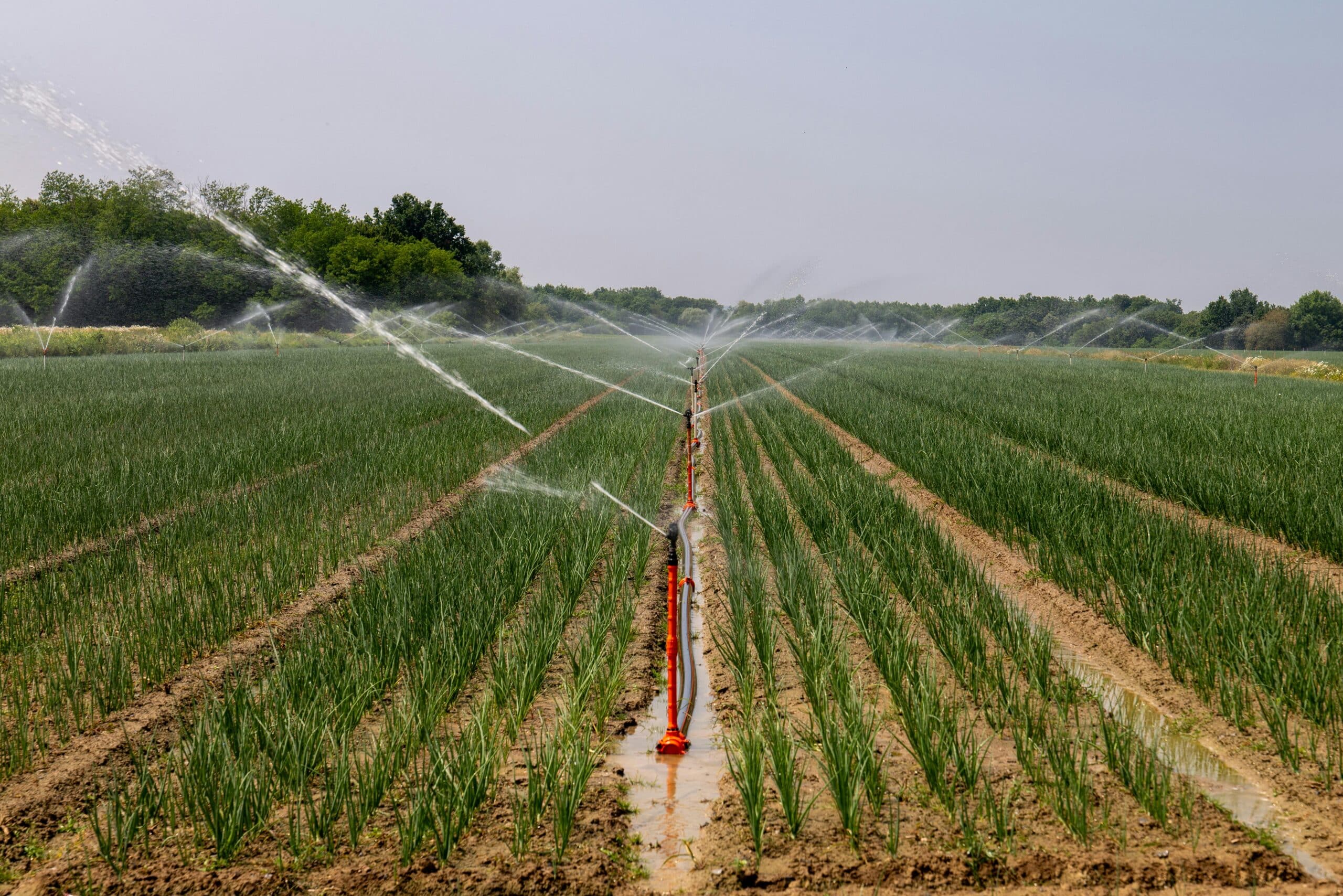
Drip irrigation delivers water directly to plant roots, reducing evaporation and runoff by up to 60% compared to conventional flooding methods. Modern systems incorporate sensors and automated controls that adjust water delivery based on soil moisture, weather forecasts, and plant growth stages. This precision approach conserves water while preventing overwatering that can leach nutrients and promote disease.
Rainwater harvesting captures and stores precipitation for use during dry periods. Simple techniques include contour farming, swales, and retention ponds that slow water movement across landscapes. These features recharge groundwater, reduce erosion, and create microhabitats for beneficial wildlife. In regions with distinct wet and dry seasons, properly designed water harvesting systems can extend growing seasons significantly.
Moisture Conservation Strategies
Mulching with organic materials creates a protective barrier that reduces evaporation, moderates soil temperature, and suppresses weeds. As mulch decomposes, it adds organic matter to soil, improving its water-holding capacity. Materials can include crop residues, wood chips, or specialized plastic films, each suitable for different applications and climates.
Soil organic matter acts like a sponge, holding moisture during droughts and absorbing excess water during heavy rains. Each 1% increase in soil organic matter enables soil to hold approximately 20,000 additional gallons of water per acre. Building organic matter requires years of consistent effort through composting, cover cropping, and reducing tillage, but the payoff includes dramatically improved drought resilience.
🌡️ Adapting Crop Selection for Changing Climates
As temperature and precipitation patterns shift, crops that thrived for generations may struggle in their traditional regions. Climate-smart crop selection matches plant varieties to emerging conditions, ensuring continued productivity as environments change. This adaptation strategy combines traditional knowledge with modern plant breeding and genetic research.
Drought-tolerant varieties developed through conventional breeding and biotechnology maintain yields with less water. These cultivars often feature deeper root systems, enhanced water-use efficiency, or physiological adaptations that reduce moisture loss. Farmers in semi-arid regions increasingly adopt sorghum, millet, and drought-resistant maize varieties as rainfall becomes less reliable.
Heat-resistant crops withstand temperature extremes that would damage conventional varieties. As heatwaves become more frequent and intense, crops with thermal tolerance protect farmers from catastrophic losses. Research institutions worldwide are developing varieties that maintain photosynthesis and reproduction at higher temperatures, essential for food security in warming regions.
Diversification Through Indigenous and Alternative Crops
Rediscovering indigenous crop varieties offers climate adaptation benefits that modern cultivars may lack. Traditional varieties evolved over centuries to thrive in local conditions, often possessing resilience traits that were bred out during agricultural industrialization. Quinoa, amaranth, teff, and countless other heritage crops are gaining renewed attention for their nutritional value and environmental adaptability.
Alternative crops diversify agricultural systems and reduce dependence on water-intensive staples. Perennial grains like Kernza develop extensive root systems that prevent erosion and sequester more carbon than annual crops. Leguminous trees in agroforestry systems fix nitrogen while providing food, fodder, and fuel. These innovations challenge conventional thinking about what agriculture should look like.
🐄 Integrating Livestock for Holistic Farm Systems
Livestock often receives criticism for environmental impacts, but properly managed animals can enhance farm sustainability. Holistic grazing management, silvopasture, and integrated crop-livestock systems demonstrate that animals can be part of climate solutions rather than problems. The key lies in mimicking natural ecosystem patterns where herbivores, plants, and soil interact beneficially.
Rotational grazing moves animals frequently between paddocks, allowing pastures to recover fully before being grazed again. This management prevents overgrazing, promotes deep-rooted perennial grasses, and stimulates plant growth through the natural pruning effect of grazing. Livestock hooves break soil crusts and press seeds into the ground, while their manure fertilizes pastures naturally.
Silvopasture combines trees, forage, and livestock in integrated systems that produce multiple products while sequestering carbon. Trees provide shade that reduces animal heat stress and improves welfare, while livestock control understory vegetation that might compete with trees. These systems sequester carbon in both tree biomass and soil, potentially offsetting livestock methane emissions.
🔬 Technology Empowering Climate-Resilient Farming
Digital tools and precision agriculture technologies enable farmers to make data-driven decisions that optimize resource use and environmental outcomes. Sensors, satellites, drones, and artificial intelligence transform farming from an intuitive art to a precision science, though traditional knowledge remains invaluable for interpreting and applying technological insights.
Soil sensors monitor moisture, temperature, and nutrient levels in real-time, allowing precise irrigation and fertilization. These devices eliminate guesswork, preventing waste while ensuring plants receive exactly what they need when they need it. Connected to smartphone applications, sensors provide actionable insights that farmers can access from anywhere.
Satellite imagery and drones equipped with multispectral cameras detect plant stress before it becomes visible to the human eye. This early warning system allows farmers to address problems—whether pests, diseases, or nutrient deficiencies—before they significantly impact yields. Variable-rate application equipment then delivers inputs only where needed, reducing costs and environmental impact.
Artificial Intelligence in Agricultural Decision-Making
Machine learning algorithms analyze vast datasets to predict optimal planting times, identify disease outbreaks, and forecast yields. These systems integrate weather data, soil information, historical records, and real-time observations to provide recommendations tailored to specific fields and conditions. As climate variability increases, these predictive tools become increasingly valuable for managing uncertainty.
Weather forecasting applications provide hyperlocal predictions that help farmers time critical operations. Knowing when rain will arrive allows precise scheduling of irrigation, planting, and harvesting activities. Long-range forecasts enable strategic planning for the entire growing season, though climate change is making these predictions more challenging as historical patterns become less reliable guides to future conditions.
🌍 Agroforestry: Farms That Function Like Forests
Agroforestry systems integrate trees and shrubs with crops and livestock, creating productive landscapes that provide multiple benefits. These systems mimic natural forest ecology while producing food, fiber, fuel, and other products. By working with ecosystem processes rather than simplifying landscapes, agroforestry builds resilience against climate variability.
Windbreaks and shelterbelts protect crops and animals from wind damage while reducing soil erosion. These linear plantings of trees and shrubs create microclimates that moderate temperature extremes and reduce water loss. Properly designed windbreaks can improve crop yields in protected areas by 10-20% while providing habitat for beneficial insects and pollinators.
Alley cropping grows annual crops between rows of trees or shrubs, combining short-term and long-term income sources. Trees fix nitrogen, provide organic matter through leaf drop, and offer deep-rooted stability that prevents erosion. As trees mature, they can produce fruits, nuts, timber, or other valuable products while the understory continues yielding annual crops.
Forest Gardens and Food Forests
Multi-layered perennial systems called food forests or forest gardens produce abundant food with minimal inputs. These systems stack productive plants vertically—from root crops to tall trees—maximizing productivity per acre. Once established, food forests require little maintenance while providing diverse harvests throughout the year. They sequester substantial carbon and support biodiversity levels approaching natural forests.
🤝 Building Community Resilience Through Collaborative Approaches
Climate adaptation succeeds best when farmers collaborate, sharing knowledge, resources, and risks. Community-supported agriculture, farmer cooperatives, and knowledge networks create social infrastructure that complements physical and ecological resilience. These collective approaches recognize that challenges facing agriculture require solutions that extend beyond individual farm boundaries.
Farmer-to-farmer learning networks accelerate adoption of climate-resilient practices through peer education and demonstration. When farmers see neighbors successfully implementing new techniques, they gain confidence to experiment themselves. These networks preserve and share traditional ecological knowledge while incorporating scientific innovations, creating hybrid approaches suited to local contexts.
Seed saving and exchange programs maintain genetic diversity essential for climate adaptation. Commercial seed systems often promote uniformity, but diversity provides the raw material for adapting to changing conditions. Community seed banks preserve heirloom varieties and locally adapted crops that might otherwise disappear, ensuring future generations have access to genetic resources needed for continued adaptation.
📊 Measuring Success: Indicators of Climate-Resilient Farming
Evaluating climate-resilient farming requires looking beyond yield to assess multiple indicators of farm health and sustainability. Soil organic matter trends, biodiversity indices, water quality measurements, and carbon sequestration rates provide insights into whether practices are truly regenerative or merely maintaining the status quo.
- Soil health tests measure organic matter content, microbial activity, and nutrient cycling capacity
- Biodiversity assessments track beneficial insects, pollinators, and soil organisms
- Water infiltration rates indicate soil structure and erosion resistance
- Carbon footprint analyses quantify net greenhouse gas emissions or sequestration
- Economic viability metrics ensure practices remain financially sustainable long-term
- Social indicators assess farmer wellbeing, food security, and community resilience
These metrics help farmers identify what works, refine practices over time, and demonstrate value to stakeholders including consumers, investors, and policymakers. Comprehensive assessment recognizes that climate-resilient farming must succeed economically and socially to be adopted at scales necessary for meaningful impact.
🌟 Scaling Up: From Individual Farms to Food System Transformation
Individual farm-level changes, while essential, must scale to transform entire food systems. This requires supportive policies, appropriate financing, consumer awareness, and infrastructure investments. Governments can accelerate adoption through subsidies for conservation practices, research funding, and regulations that internalize environmental costs of destructive farming methods.
Financial institutions increasingly recognize that climate-resilient farming reduces risk while creating long-term value. Green bonds, sustainability-linked loans, and impact investment funds channel capital toward regenerative agriculture. Payment for ecosystem services programs compensate farmers for environmental benefits like carbon sequestration and watershed protection, creating new revenue streams that reward stewardship.
Consumer choices drive market demand for products from climate-resilient farms. Certification programs, transparency initiatives, and direct marketing channels connect conscious consumers with farmers practicing sustainable methods. As awareness grows about agriculture’s climate impacts, market forces increasingly favor practices that protect rather than degrade natural resources.
🚀 The Path Forward: Cultivating Hope in Uncertain Times
Climate change presents agriculture with unprecedented challenges, but also opportunities for positive transformation. The innovations discussed throughout this article demonstrate that farming can be part of climate solutions while improving farmer livelihoods and ecosystem health. Success requires commitment, creativity, and collaboration from farmers, researchers, policymakers, and consumers.
The transition to climate-resilient farming won’t happen overnight. It requires patience as soil rebuilds, knowledge accumulates, and ecosystems restore. However, farmers worldwide are already demonstrating that another approach is possible—one that produces abundance while healing the land. Their pioneering efforts light the path toward a sustainable future where agriculture nourishes both people and planet.
Every farm converted to regenerative practices, every acre planted with diverse crops, every community organizing around food sovereignty represents progress toward agricultural systems that can withstand climate chaos while feeding growing populations. The future of farming lies not in working harder against nature, but in working smarter with natural processes. This shift from exploitation to partnership offers hope that humanity can cultivate not just crops, but a genuinely sustainable future for generations to come.

Toni Santos is a visual storyteller and archival artisan whose creative journey is steeped in the bold colors, dramatic typography, and mythic imagery of old circus posters. Through his artistic lens, Toni breathes new life into these once-lurid canvases of wonder, transforming them into tributes to a golden era of spectacle, showmanship, and cultural fantasy.
Fascinated by the visual language of vintage circuses — from roaring lions to gravity-defying acrobats, from hand-painted banners to gothic typefaces — Toni explores how these posters once captured the imagination of entire towns with nothing more than ink, illusion, and a promise of awe. Each composition he creates or studies is a dialogue with history, nostalgia, and the raw aesthetics of entertainment on the move.
With a background in handcrafted design and visual heritage, Toni blends artistic sensitivity with historical insight. His work traces the forgotten typographies, chromatic choices, and symbolic flair that defined circus marketing in the 19th and early 20th centuries — a time when posters were not just advertisements, but portable portals to dreamworlds.
As the creative force behind Vizovex, Toni curates collections, illustrations, and thoughtful narratives that reconnect modern audiences with the magic of old circus art — not just as ephemera, but as cultural memory etched in paper and pigment.
His work is a tribute to:
The flamboyant storytelling of early circus posters
The lost art of hand-lettered show promotion
The timeless charm of visual fantasy in public space
Whether you’re a vintage print enthusiast, a circus history lover, or a designer inspired by antique aesthetics, Toni invites you into a world where tigers leap through fire, strongmen pose in perfect symmetry, and every corner of the poster whispers: Step right up.