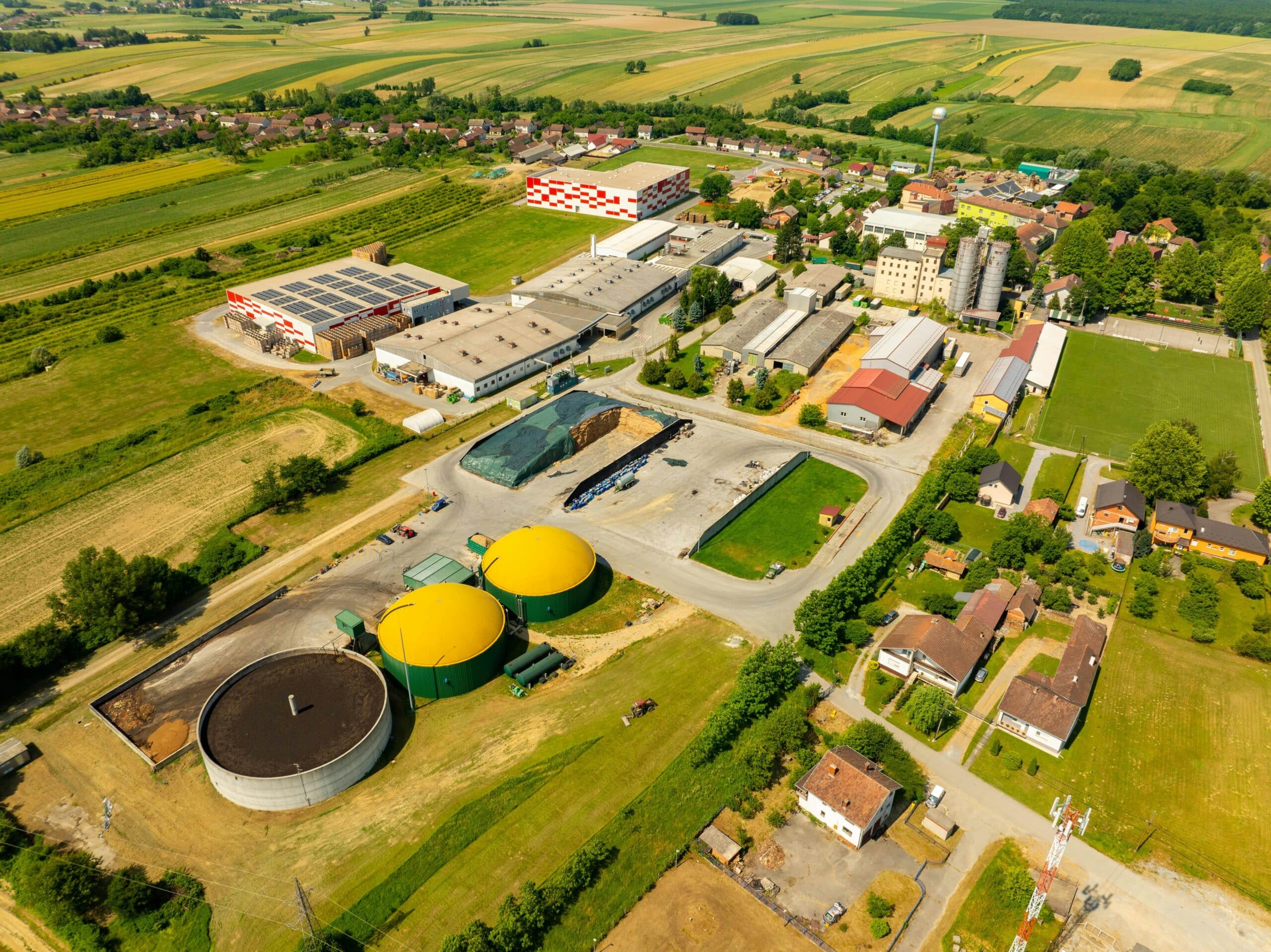
Local food systems are transforming how communities access nutrition, fostering connections between farmers and consumers while building resilient, sustainable economies for future generations.
🌱 The Foundation of Community Food Networks
The modern food landscape faces unprecedented challenges. Industrial agriculture dominates global food production, often prioritizing efficiency over environmental health and community wellbeing. This system creates vulnerabilities—long supply chains, carbon-intensive transportation, and disconnection between producers and consumers. Local food systems emerge as a powerful alternative, rooting sustainability in geographic proximity and relationship-building.
These systems encompass farmers’ markets, community-supported agriculture programs, farm-to-table restaurants, food cooperatives, and urban gardens. They share common principles: shortening the distance food travels, supporting regional economies, preserving agricultural land, and strengthening community bonds through shared food experiences.
Research indicates that local food systems reduce transportation emissions by up to 80% compared to conventional supply chains. Beyond environmental benefits, they create economic multipliers—every dollar spent locally generates approximately three times more economic activity within the community than purchases from distant corporations.
Economic Resilience Through Regional Agriculture
Local food systems generate tangible economic benefits that ripple throughout communities. Small and mid-sized farms become anchors for rural development, creating employment opportunities beyond direct farming—from food processing and distribution to agritourism and educational programs.
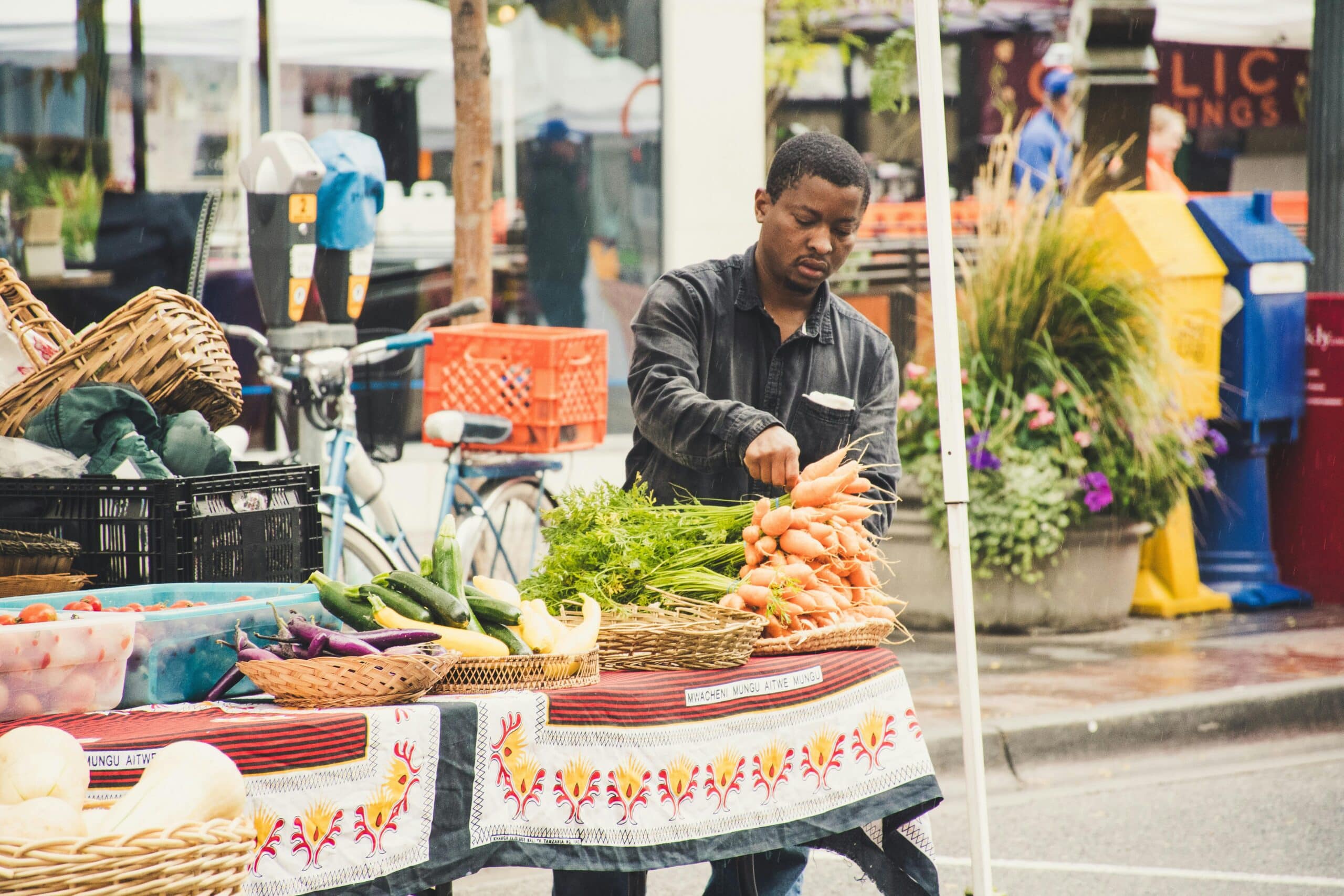
When consumers purchase directly from farmers at markets or through CSA subscriptions, producers receive a larger share of retail prices. Traditional supply chains often leave farmers with less than 15 cents per dollar spent, while direct sales can return 80-100 cents to producers. This financial sustainability enables farmers to reinvest in their operations, adopt regenerative practices, and maintain agricultural livelihoods.
Regional food hubs have emerged as critical infrastructure, aggregating products from multiple small farms to meet larger institutional demands. Schools, hospitals, and restaurants increasingly commit to local sourcing, creating stable markets that help farmers plan production and manage risk.
Building Food Security Networks
Food security—the reliable access to adequate, nutritious food—strengthens dramatically when communities develop localized systems. Global disruptions, whether pandemics, climate events, or economic shocks, reveal the fragility of long-distance supply chains. Local food networks provide buffering capacity during crises.
Community gardens in urban neighborhoods address food deserts where fresh produce is otherwise unavailable. These spaces produce vegetables, fruits, and herbs while serving as gathering places that build social capital. Studies show that neighborhoods with community gardens experience reduced crime rates and increased property values alongside improved nutrition access.
Food cooperatives democratize ownership, allowing members to collectively purchase power while ensuring affordable access to quality products. These member-owned enterprises often prioritize local suppliers, organic options, and fair labor practices that conventional retailers may overlook.
🌍 Environmental Stewardship and Biodiversity
Industrial monoculture farming depletes soil health, relies heavily on synthetic inputs, and reduces biodiversity. Local food systems typically embrace diversified production that works with natural ecosystems rather than against them. Small-scale farms maintain greater crop variety, preserving heirloom seeds and heritage livestock breeds that industrial agriculture abandons.
Regenerative agricultural practices—cover cropping, rotational grazing, composting, and reduced tillage—sequester carbon in soil while improving water retention and nutrient cycling. These methods transform farms from carbon sources into carbon sinks, actively mitigating climate change while producing food.
Reduced transportation distances dramatically lower the carbon footprint of locally produced food. A tomato traveling 1,500 miles generates approximately 0.5 pounds of CO2 emissions, while one grown within 50 miles produces negligible transportation emissions. When multiplied across entire food systems, these differences become environmentally significant.
Protecting Pollinators and Wildlife
Diversified local farms create habitat corridors for pollinators, birds, and beneficial insects. Unlike industrial operations that eliminate field margins and hedgerows, small-scale producers often maintain these ecological features, recognizing their value for natural pest control and pollination services.
Organic and low-spray farming practices, common in local food systems, protect pollinator populations facing catastrophic declines globally. Bees, butterflies, and other pollinators thrive where chemical pesticides are minimized and flowering plant diversity is maintained—conditions more prevalent on local, diversified farms.
Strengthening Social Connections Through Food
Beyond economic and environmental dimensions, local food systems rebuild social fabric. Farmers’ markets become community gathering spaces where neighbors meet, share recipes, and forge relationships. These face-to-face interactions create trust and reciprocity that strengthen community resilience.
Knowing who grows your food transforms consumption into relationship. When consumers understand the challenges farmers face—drought, pests, labor shortages—they develop empathy and willingness to support agriculture through difficult seasons. Farmers, in turn, gain direct feedback about preferences and quality, improving their offerings.
Educational opportunities flourish within local food networks. Farm visits, workshops, and volunteer programs teach children and adults about agriculture, nutrition, and environmental stewardship. This knowledge transmission cultivates food literacy—understanding where food comes from, how it’s produced, and its cultural significance.
🍅 Models That Work: Successful Local Food Initiatives
Community-supported agriculture (CSA) programs exemplify successful local food models. Members purchase shares before the growing season, providing farmers with upfront capital and shared risk. In return, shareholders receive weekly boxes of seasonal produce throughout harvest months. This arrangement creates financial stability for farmers while ensuring fresh, diverse produce for families.
Farm-to-school programs connect educational institutions with local farmers, serving fresh, regional food in cafeterias while teaching students about agriculture and nutrition. These initiatives support local economies, improve student nutrition, and reduce food waste through shortened supply chains. Over 42,000 schools across the United States now participate in farm-to-school programs, collectively spending over $800 million annually on local food.
Food policy councils bring together diverse stakeholders—farmers, consumers, health professionals, policymakers, and business owners—to shape regional food systems. These collaborative bodies develop strategies for farmland preservation, food access programs, and supportive regulations that strengthen local agriculture.
Urban Agriculture Innovations
Cities increasingly recognize agriculture’s role in sustainable urban development. Rooftop gardens, vertical farms, and community plots transform underutilized spaces into productive landscapes. Urban agriculture reduces heat island effects, manages stormwater, and provides fresh food in densely populated areas with limited rural access.
Indoor farming technologies, including hydroponics and aquaponics, enable year-round production in climate-controlled environments. While energy-intensive, these systems use significantly less water than soil-based agriculture and eliminate pesticide needs, producing exceptionally clean vegetables in urban warehouses and basements.
Overcoming Challenges in Local Food Development
Despite compelling benefits, local food systems face real obstacles. Infrastructure gaps—including processing facilities, cold storage, and distribution networks—limit scaling capacity. Many regions lack the aggregation and logistics services necessary to move products efficiently from small farms to consumers and institutions.
Regulatory frameworks designed for industrial-scale operations often create disproportionate burdens for small producers. Licensing requirements, inspection protocols, and food safety regulations, while important, sometimes impose costs that small farms struggle to absorb. Policy reforms that create scale-appropriate regulations can reduce these barriers without compromising safety.
Economic pressures challenge both producers and consumers. Local, sustainably produced food sometimes carries higher prices than industrial alternatives, creating affordability concerns for low-income households. Strategies including SNAP incentive programs, sliding-scale CSA shares, and institutional purchasing commitments can improve accessibility across income levels.
Knowledge and Skill Gaps
Many communities lack the agricultural knowledge necessary to develop robust local food systems. As farming populations age and fewer young people enter agriculture, knowledge transmission becomes critical. Beginning farmer programs, apprenticeships, and land access initiatives help train the next generation of food producers.
Consumer education also matters. When shoppers understand seasonal eating, preservation techniques, and cooking skills for whole foods, they navigate local food systems more successfully. Cooking classes, preservation workshops, and recipe sharing build these competencies while strengthening community connections.
📱 Technology Supporting Local Food Networks
Digital platforms increasingly facilitate connections between local food producers and consumers. Online marketplaces aggregate offerings from multiple farms, allowing customers to order diverse products for consolidated delivery or pickup. These systems reduce transaction costs while expanding market access for small producers.
Farm management applications help producers track plantings, manage crop rotations, and plan harvest schedules. Data-driven insights enable more efficient operations, reducing waste while improving productivity on limited acreage.
Mobile apps connecting consumers with farmers’ markets, farm stands, and CSA programs simplify local food discovery. Features including location mapping, seasonal availability calendars, and vendor profiles help shoppers navigate local food options conveniently.
🌾 Policy Frameworks Enabling Local Food Success
Supportive policies dramatically accelerate local food system development. Farmland preservation programs protect agricultural land from development pressure, ensuring long-term food production capacity. Conservation easements, agricultural zoning, and land trusts maintain working landscapes despite urbanization pressures.
Local procurement policies for public institutions create stable markets that anchor regional food economies. When schools, hospitals, prisons, and government facilities commit to purchasing locally, they provide the demand certainty farmers need for planning and investment.
Tax incentives and grants supporting food infrastructure—processing facilities, farmers’ markets, food hubs—reduce capital barriers that limit local food system expansion. These investments generate returns through economic activity, environmental benefits, and improved public health outcomes.
Zoning and Land Use Considerations
Municipal regulations significantly impact urban agriculture potential. Progressive zoning codes permit community gardens, farmers’ markets, and even small-scale livestock in residential areas. Cottage food laws allow home-based food production and sales within defined parameters, creating entrepreneurial opportunities while maintaining safety standards.
Right-to-farm ordinances protect agricultural operations from nuisance complaints as development encroaches on rural areas. These protections help farmers continue operations despite neighboring residential growth, preserving agricultural character and economic viability.
Health and Nutrition Outcomes
Local food systems contribute to improved public health through multiple pathways. Fresh, minimally processed foods retain more nutrients than products traveling long distances or sitting in extended storage. Seasonal eating naturally diversifies diets, providing varied nutritional profiles across harvest periods.
Direct relationships with farmers often increase vegetable consumption. Studies show farmers’ market shoppers consume more fruits and vegetables than those relying exclusively on supermarkets. The visibility of fresh produce and personal recommendations from growers encourage healthy eating patterns.
Reduced chemical inputs in local, sustainable farming systems limit pesticide exposure for both farmworkers and consumers. While organic certification isn’t universal among local producers, many employ low-spray or chemical-free methods that improve food safety and environmental health.
🤝 Building Your Local Food Community
Individual actions collectively transform food systems. Supporting farmers’ markets, joining CSA programs, and patronizing restaurants committed to local sourcing directs economic resources toward sustainable agriculture. These purchasing decisions vote for food system values with every transaction.
Participating in community gardens, food cooperatives, or local food policy councils amplifies impact beyond individual consumption. Volunteer efforts, advocacy, and leadership within these organizations strengthen institutional capacity for local food system development.
Growing food, even on small scales, builds food literacy and self-reliance. Container gardens, backyard plots, and indoor herbs reconnect people with agricultural processes, fostering appreciation for farmers’ work while providing fresh nutrition.
The Path Forward for Sustainable Food Communities
Local food systems represent more than nostalgic returns to agrarian pasts—they’re forward-looking strategies for resilient, sustainable communities. As climate change intensifies, resource constraints tighten, and social inequalities persist, localized food networks offer practical solutions addressing multiple challenges simultaneously.
Success requires collaboration across sectors. Farmers need supportive policies, fair prices, and infrastructure investments. Consumers need education, accessibility, and convenient options. Communities need inclusive planning processes that center equity, ensuring benefits reach those most vulnerable to food insecurity.
The transition toward localized food systems won’t happen overnight, nor will local food completely replace global supply chains. Instead, strengthened regional networks can complement broader systems, providing resilience, sustainability, and community connection that industrial agriculture cannot deliver.
Every community possesses unique assets—climate conditions, agricultural traditions, cultural preferences, and economic structures—that shape local food possibilities. Rather than imposing universal models, successful development honors these specificities while adapting proven strategies to local contexts.
Nourishing communities through local food systems creates abundance beyond calories and nutrients. These networks generate economic opportunity, environmental restoration, social connection, and cultural vitality. They transform food from anonymous commodity into relationship, from extraction into regeneration, from global vulnerability into local resilience. By investing in these systems today, communities plant seeds for sustainable, nourishing futures that will feed generations to come. 🌻

Toni Santos is a visual storyteller and archival artisan whose creative journey is steeped in the bold colors, dramatic typography, and mythic imagery of old circus posters. Through his artistic lens, Toni breathes new life into these once-lurid canvases of wonder, transforming them into tributes to a golden era of spectacle, showmanship, and cultural fantasy.
Fascinated by the visual language of vintage circuses — from roaring lions to gravity-defying acrobats, from hand-painted banners to gothic typefaces — Toni explores how these posters once captured the imagination of entire towns with nothing more than ink, illusion, and a promise of awe. Each composition he creates or studies is a dialogue with history, nostalgia, and the raw aesthetics of entertainment on the move.
With a background in handcrafted design and visual heritage, Toni blends artistic sensitivity with historical insight. His work traces the forgotten typographies, chromatic choices, and symbolic flair that defined circus marketing in the 19th and early 20th centuries — a time when posters were not just advertisements, but portable portals to dreamworlds.
As the creative force behind Vizovex, Toni curates collections, illustrations, and thoughtful narratives that reconnect modern audiences with the magic of old circus art — not just as ephemera, but as cultural memory etched in paper and pigment.
His work is a tribute to:
The flamboyant storytelling of early circus posters
The lost art of hand-lettered show promotion
The timeless charm of visual fantasy in public space
Whether you’re a vintage print enthusiast, a circus history lover, or a designer inspired by antique aesthetics, Toni invites you into a world where tigers leap through fire, strongmen pose in perfect symmetry, and every corner of the poster whispers: Step right up.