Mulching transforms ordinary gardens into thriving ecosystems while protecting soil from erosion, temperature extremes, and moisture loss. This comprehensive guide reveals professional techniques for mastering this essential gardening practice.
🌱 Understanding the Fundamentals of Garden Mulching
Mulch serves as nature’s protective blanket, mimicking the forest floor where leaves and organic debris naturally accumulate. This seemingly simple layer of material performs multiple critical functions that distinguish exceptional gardens from mediocre ones. Professional gardeners and agricultural experts consistently emphasize mulching as one of the most impactful practices for long-term garden health and productivity.
The concept extends far beyond merely spreading materials around plants. Effective mulching requires understanding soil biology, plant requirements, climate considerations, and seasonal variations. When applied correctly, mulch creates a microclimate that promotes beneficial microbial activity, regulates soil temperature fluctuations, and establishes optimal growing conditions for diverse plant species.
Different mulching materials offer distinct advantages depending on your specific garden goals, regional climate, and plant selections. Organic mulches gradually decompose, enriching soil with nutrients and improving structure over time. Inorganic options provide longer-lasting coverage with minimal maintenance requirements, though they don’t contribute to soil fertility enhancement.
The Science Behind Soil Protection and Enhancement
Mulch acts as a physical barrier between soil and environmental stressors, preventing erosion from wind and water while maintaining consistent moisture levels. Research demonstrates that properly mulched gardens retain up to 50% more soil moisture compared to bare ground, dramatically reducing irrigation requirements and water consumption.
Temperature regulation represents another crucial benefit. Mulch insulates soil, keeping it cooler during summer heat waves and warmer during cold snaps. This stability protects delicate root systems and beneficial soil organisms that thrive within specific temperature ranges. Earthworms, mycorrhizal fungi, and decomposer bacteria all flourish in well-mulched environments.
Weed suppression occurs naturally when mulch layers block sunlight from reaching dormant weed seeds. A properly maintained 3-4 inch mulch layer eliminates approximately 90% of common garden weeds, reducing manual weeding time and eliminating herbicide dependency. This creates cleaner growing spaces where desirable plants face minimal competition for nutrients and water.
🍂 Organic Mulching Materials: Nature’s Gift to Gardens
Organic mulches decompose gradually, feeding soil ecosystems while performing protective functions. Each material type offers unique characteristics suited to specific applications and garden styles.
Wood Chips and Shredded Bark
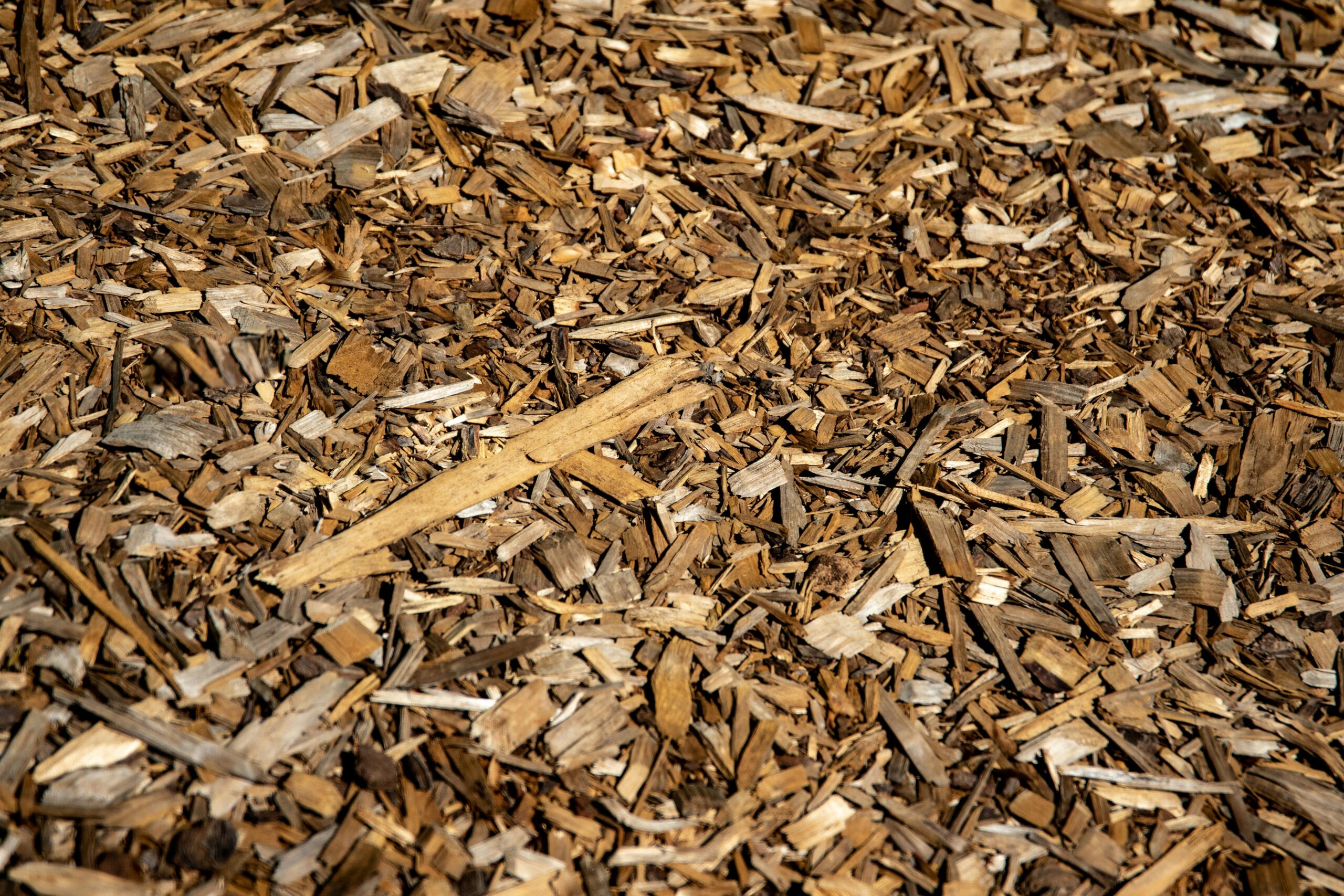
Wood-based mulches provide excellent longevity, typically lasting 2-3 years before requiring replenishment. They work exceptionally well around trees, shrubs, and perennial beds where long-term coverage is desired. Fresh wood chips temporarily tie up soil nitrogen during decomposition, so many gardeners prefer aged or composted wood products for vegetable gardens and annual plantings.
Hardwood mulches decompose more slowly than softwood varieties, offering extended protection periods. Cedar and cypress contain natural oils that repel certain insects, though their higher cost may limit use to special garden areas. Arborist wood chips, often available free from tree service companies, provide economical bulk material for large-scale mulching projects.
Compost and Leaf Mold
Finished compost serves dual purposes as mulch and fertilizer, immediately improving soil structure while feeding plants. This nutrient-rich option works beautifully in vegetable gardens, annual flower beds, and areas where you’re building soil fertility. Apply 2-3 inch layers, replenishing as material incorporates into soil throughout the growing season.
Leaf mold, created from decomposed leaves, offers similar benefits with slightly different characteristics. This material excels at moisture retention and provides excellent habitat for beneficial insects and soil organisms. Shredded leaves break down faster than whole ones, integrating more quickly into soil profiles while still providing effective surface protection.
Straw and Hay Alternatives
Straw mulch suits vegetable gardens perfectly, particularly for strawberries, potatoes, and sprawling crops like melons and squash. This lightweight material allows easy cultivation between rows and provides clean surfaces for fruits and vegetables. Ensure you’re using seed-free straw rather than hay, which often contains viable weed seeds that create maintenance headaches.
Pine needles present another excellent organic option, especially for acid-loving plants like blueberries, azaleas, and rhododendrons. Despite common misconceptions, pine straw doesn’t significantly acidify soil, though it works well in gardens where lower pH is desired. The interlocking nature of needles prevents wind displacement, keeping mulch layers intact during storms.
Inorganic Mulching Solutions for Specialized Applications
While organic mulches dominate most garden applications, inorganic materials excel in specific situations where longevity and low maintenance take priority over soil improvement.
Landscape fabric topped with decorative stone creates permanent pathways and low-maintenance foundation plantings. This combination prevents weed growth while allowing water penetration, though it doesn’t improve soil quality. Reserve this approach for areas where you don’t plan regular soil amendments or plant changes.
Rubber mulch, manufactured from recycled tires, offers controversial benefits and drawbacks. While exceptionally durable and fire-resistant in some formulations, concerns about chemical leaching and environmental impact make this option less appealing for organic gardeners and edible plant areas. Playground applications represent more appropriate uses for rubber mulch products.
Gravel and decorative stones work well in xeriscaping designs, rock gardens, and desert-themed landscapes. These materials reflect heat, making them less suitable for moisture-loving plants but excellent for succulents, cacti, and drought-adapted species. Stone mulches provide permanent solutions that never need replacement, though weed control fabric underneath prevents soil mixing with rock layers.
⏰ Strategic Timing: When to Apply Mulch for Maximum Benefits
Timing dramatically influences mulching effectiveness and plant health outcomes. Spring application, after soil warms but before summer heat arrives, represents the optimal window for most gardens. This schedule allows soil temperature to rise naturally while establishing protective coverage before peak growing season stresses emerge.
Wait until soil reaches approximately 65°F before mulching warm-season vegetables and annual flowers. Premature mulching traps cold, delaying germination and early growth. Perennials and established shrubs tolerate earlier mulching since their root systems already occupy warmed soil layers.
Fall mulching serves different purposes, focusing on winter protection and early spring soil preparation. Apply fresh mulch layers after plants enter dormancy but before ground freezes hard. This timing protects root zones from freeze-thaw cycles that heave plants from soil, particularly important for newly installed perennials and shallow-rooted species.
Summer mulch replenishment addresses decomposition and displacement from weather events. Check mulch depths monthly during growing season, adding material where coverage drops below 2 inches. Avoid piling fresh mulch against plant stems and tree trunks, maintaining several inches of clear space to prevent moisture-related diseases and pest harborage.
🎯 Application Techniques for Professional-Quality Results
Proper application technique separates effective mulching from wasted effort and materials. Begin by clearing existing weeds and debris from planting areas, creating clean surfaces for mulch placement. Water soil thoroughly before mulching if conditions are dry, ensuring adequate moisture reaches root zones before protective covering is installed.
The ideal mulch depth varies by material type and intended purpose. Most organic mulches perform optimally at 3-4 inch depths after settling. Finer materials like compost work effectively at 2-3 inches, while coarser wood chips may require 4-5 inches for adequate weed suppression and moisture retention.
Create mulch-free zones around plant stems and tree trunks, leaving 3-6 inches of bare soil in direct contact with air. “Mulch volcanoes” piled against trees create moisture traps that promote root rot, insect infestation, and disease problems. The ideal profile resembles a donut, with plant stems rising from centers of clear circles.
Edge definition enhances both appearance and functionality. Install physical barriers like metal or plastic edging to contain mulch within designated areas, preventing migration into lawns and pathways. These borders simplify mowing, reduce maintenance time, and create clean visual lines that showcase garden design elements.
Troubleshooting Common Mulching Mistakes and Problems
Even experienced gardeners encounter mulching challenges that compromise results. Recognizing and addressing these issues quickly prevents long-term damage and maintains optimal growing conditions.
Excessive Depth and Matting Issues
Over-mulching suffocates plant roots by limiting oxygen exchange and water penetration. Thick mulch layers compact over time, creating impermeable mats that shed water rather than allowing infiltration. If you discover overly deep mulch, remove excess material and redistribute to other garden areas or compost bins.
Fine-textured mulches like fresh grass clippings mat easily when applied too thickly. Limit grass clipping layers to one inch or less, allowing each application to dry before adding more. Mixing grass clippings with coarser materials like leaves or straw prevents matting while utilizing this free nitrogen source effectively.
Nitrogen Depletion from Fresh Wood Products
Fresh wood chips temporarily immobilize soil nitrogen as decomposer organisms multiply to break down carbon-rich materials. This doesn’t permanently remove nitrogen but makes it temporarily unavailable to plants. Counteract this effect by applying supplemental nitrogen fertilizers or using composted wood products aged at least six months.
Observe plants for nitrogen deficiency symptoms including yellowing lower leaves and stunted growth. Side-dress affected areas with blood meal, feather meal, or other high-nitrogen organic amendments. Prevention involves using aged wood mulches or creating nitrogen-rich compost layers beneath fresh wood chip applications.
Disease and Pest Considerations
Mulch provides habitat for both beneficial and problematic organisms. Slugs and snails thrive in moist mulch environments, requiring management strategies like beer traps, copper barriers, or organic slug baits. Regularly inspect mulched areas for pest activity, addressing problems before populations explode.
Certain fungal diseases spread through contaminated mulch, particularly when fresh wood from diseased trees gets incorporated. Source mulch from reputable suppliers who properly compost materials or ensure wood comes from healthy trees. Avoid using diseased plant debris as mulch, even after composting unless your pile achieves sustained temperatures above 140°F.
🌿 Specialized Mulching Strategies for Different Garden Types
Vegetable Garden Optimization
Vegetable gardens benefit from lighter-colored mulches that reflect heat rather than absorbing it during peak summer. Straw, shredded leaves, and compost work exceptionally well, providing nutrients while protecting soil. Apply mulch after transplants establish or seedlings reach several inches tall to avoid smothering young plants.
Living mulches including clover and other nitrogen-fixing ground covers provide innovative alternatives to traditional mulch materials. These plants protect soil, suppress weeds, and actually improve fertility through biological nitrogen fixation. Mow or cut back living mulches periodically to prevent competition with main crops.
Perennial and Shrub Bed Management
Permanent plantings require longer-lasting mulch materials that need less frequent replenishment. Hardwood bark, wood chips, and pine needles provide multi-year coverage suitable for low-maintenance landscapes. Refresh these areas annually with thin top-dressing layers rather than complete mulch replacement.
Consider aesthetic factors when selecting mulches for ornamental beds. Uniform colors and consistent textures create cohesive appearances that complement rather than distract from plants. Dark mulches make colorful flowers pop visually, while natural wood tones blend seamlessly with informal cottage garden styles.
Container and Raised Bed Applications
Containers and raised beds dry out faster than in-ground gardens, making mulch particularly valuable for moisture retention. Use finer-textured materials like compost or shredded leaves that won’t overwhelm limited surface areas. Apply thinner layers (1-2 inches) since these growing environments have different moisture dynamics than traditional gardens.
Decorative mulches including colored glass, polished stones, or shells add visual interest to container displays while serving protective functions. These materials work well for succulents, cacti, and other drought-adapted plants where drainage and heat reflection benefit growth.
Economic and Environmental Benefits of Proper Mulching
Beyond immediate garden improvements, mulching delivers significant long-term economic and environmental advantages. Reduced irrigation requirements lower water bills while conserving precious resources during drought conditions. Studies document water savings ranging from 25-50% in properly mulched landscapes compared to bare soil gardens.
Weed suppression eliminates herbicide expenses and reduces labor costs associated with manual weeding. This chemical-free approach protects water quality by preventing synthetic herbicide runoff into watersheds. Families with children and pets particularly appreciate safe outdoor spaces free from toxic chemical residues.
Soil improvement through organic mulch decomposition reduces or eliminates synthetic fertilizer requirements over time. As mulch materials break down, they release nutrients gradually while improving soil structure, water-holding capacity, and biological activity. This creates self-sustaining systems requiring fewer external inputs as gardens mature.
Carbon sequestration occurs as organic mulches decompose and incorporate into soil, removing atmospheric carbon dioxide and storing it underground. While individual gardens make modest contributions, widespread mulching adoption creates meaningful cumulative impacts on greenhouse gas reduction and climate change mitigation.
🔄 Seasonal Maintenance and Long-Term Mulch Management
Effective mulching requires ongoing attention rather than one-time application. Establish seasonal routines that maintain optimal mulch depths and conditions throughout the year.
Spring inspections identify areas where winter weather displaced or compacted mulch layers. Fluff settled mulch with rakes to restore porosity and add fresh material where coverage drops below target depths. This timing coincides perfectly with spring planting activities, allowing efficient one-pass maintenance.
Summer monitoring focuses on moisture retention and weed breakthrough. Heavy rains compact mulch while heat accelerates decomposition, requiring mid-season touch-ups in high-traffic or particularly sunny locations. Address any weeds immediately before they establish root systems and produce seeds.
Fall preparation involves clearing fallen leaves that might smother existing mulch layers or removing excess organic matter that could harbor overwintering pests. Many gardeners incorporate fallen leaves as additional mulch after shredding, creating free soil amendments while managing yard waste sustainably.
Winter protection becomes priorities in cold climates where extreme temperatures threaten marginally hardy plants. Apply extra mulch layers after ground freezes to insulate root zones without trapping excess moisture that causes rot. Remove these additional layers in early spring before new growth emerges.
Transforming Garden Performance Through Mastered Mulching Practices
Gardens protected by properly applied mulch demonstrate visibly superior performance across all growing conditions and climate zones. Plants develop stronger root systems in temperature-stable, consistently moist soil environments. This foundation translates directly into increased flowering, higher yields, and improved stress tolerance during challenging weather.
Soil health improvements compound over years as organic mulches continuously add organic matter and support beneficial organism populations. Earthworm populations increase dramatically in mulched gardens, creating natural aeration channels and nutrient-rich castings. Mycorrhizal fungi networks expand, helping plants access water and nutrients more efficiently.
The aesthetic transformation rivals functional benefits as mulched gardens present polished, intentional appearances year-round. Clean mulch surfaces showcase plants beautifully while eliminating the bare-soil look of neglected spaces. This curb appeal enhancement adds tangible property value while creating outdoor environments that invite relaxation and enjoyment.
Mastering mulching techniques empowers gardeners to create resilient, productive growing spaces that thrive with minimal intervention. This sustainable practice honors natural ecosystem principles while delivering practical benefits that make gardening more successful and enjoyable. Whether you manage small container collections or expansive landscape gardens, proper mulching provides the foundation for ultimate soil protection and long-term gardening success.

Toni Santos is a visual storyteller and archival artisan whose creative journey is steeped in the bold colors, dramatic typography, and mythic imagery of old circus posters. Through his artistic lens, Toni breathes new life into these once-lurid canvases of wonder, transforming them into tributes to a golden era of spectacle, showmanship, and cultural fantasy.
Fascinated by the visual language of vintage circuses — from roaring lions to gravity-defying acrobats, from hand-painted banners to gothic typefaces — Toni explores how these posters once captured the imagination of entire towns with nothing more than ink, illusion, and a promise of awe. Each composition he creates or studies is a dialogue with history, nostalgia, and the raw aesthetics of entertainment on the move.
With a background in handcrafted design and visual heritage, Toni blends artistic sensitivity with historical insight. His work traces the forgotten typographies, chromatic choices, and symbolic flair that defined circus marketing in the 19th and early 20th centuries — a time when posters were not just advertisements, but portable portals to dreamworlds.
As the creative force behind Vizovex, Toni curates collections, illustrations, and thoughtful narratives that reconnect modern audiences with the magic of old circus art — not just as ephemera, but as cultural memory etched in paper and pigment.
His work is a tribute to:
The flamboyant storytelling of early circus posters
The lost art of hand-lettered show promotion
The timeless charm of visual fantasy in public space
Whether you’re a vintage print enthusiast, a circus history lover, or a designer inspired by antique aesthetics, Toni invites you into a world where tigers leap through fire, strongmen pose in perfect symmetry, and every corner of the poster whispers: Step right up.