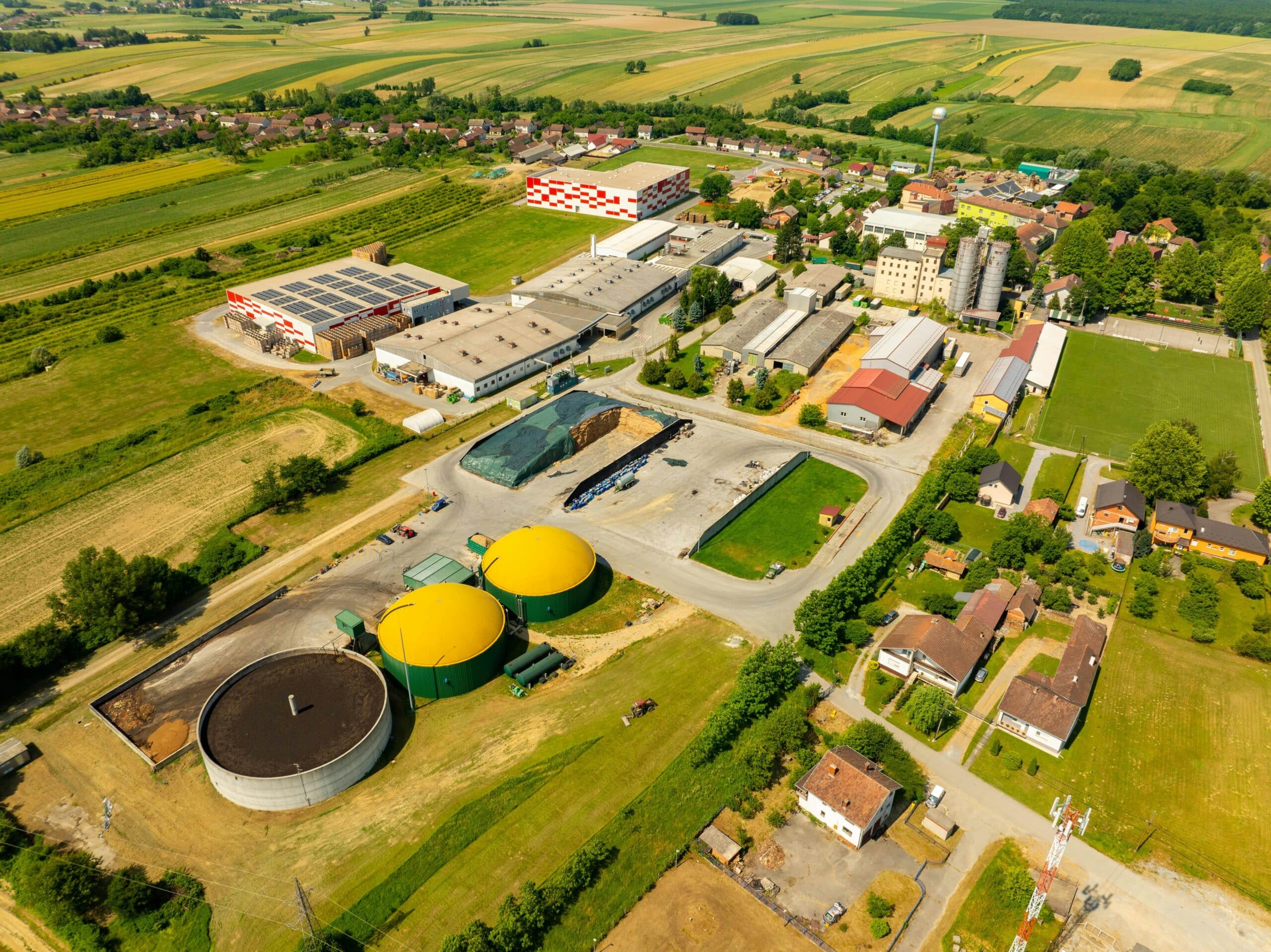
Our planet’s soil is in crisis, but emerging regeneration techniques offer hope for restoring Earth’s vital foundation while combating climate change and food insecurity.
🌱 Understanding the Silent Crisis Beneath Our Feet
Soil degradation represents one of the most underestimated environmental challenges of our time. According to the United Nations, approximately one-third of the world’s soil has already been degraded, threatening food security for billions of people. This invisible crisis happens gradually, as industrial agriculture, deforestation, and chemical-intensive farming practices strip away the living ecosystem that makes soil productive.
The consequences extend far beyond agriculture. Degraded soil releases stored carbon into the atmosphere, contributing to climate change. It loses its capacity to filter water, leading to contaminated groundwater and rivers. Wildlife habitats disappear, and entire ecosystems collapse when the foundation literally crumbles beneath them.
However, a growing movement of farmers, scientists, and environmental advocates are proving that soil regeneration isn’t just possible—it’s practical, profitable, and essential for our collective future. These revolutionary techniques work with nature rather than against it, transforming barren land into thriving ecosystems within years, not decades.
The Revolutionary Science Behind Soil Regeneration
Soil regeneration operates on a fundamental principle: healthy soil is alive. A single teaspoon of healthy soil contains more microorganisms than there are people on Earth. These bacteria, fungi, protozoa, and nematodes form complex networks that break down organic matter, cycle nutrients, and create the soil structure that supports plant life.
Modern industrial agriculture has disrupted these natural processes through excessive tilling, monoculture cropping, synthetic fertilizers, and pesticides. These practices kill soil biology, compact the earth, and create dependency on external inputs that become increasingly expensive and environmentally damaging over time.
Building Blocks of Living Soil
Regenerative techniques focus on rebuilding soil organic matter—the carbon-rich compounds that give soil its dark color and crumbly texture. As organic matter increases, soil becomes better at retaining water, storing carbon, and supporting diverse plant and animal life. This creates a positive feedback loop where healthier soil produces more biomass, which in turn feeds more soil organisms.
The mycorrhizal network deserves special attention in this ecosystem. These beneficial fungi form symbiotic relationships with plant roots, extending their reach hundredfold to access water and nutrients. In exchange, plants provide fungi with sugars produced through photosynthesis. This “wood wide web” allows plants to communicate, share resources, and defend against threats collectively.
🚜 No-Till Farming: Letting Nature Do the Heavy Lifting
Abandoning the plow represents perhaps the most counterintuitive yet effective regeneration technique. For thousands of years, farmers have tilled soil to prepare seedbeds and control weeds. However, this disrupts soil structure, kills beneficial organisms, exposes carbon to oxidation, and creates conditions for erosion.
No-till farming maintains soil integrity by leaving it undisturbed. Specialized equipment places seeds directly into the soil through crop residue from previous harvests. This residue acts as protective mulch, regulating temperature, retaining moisture, and slowly decomposing to feed soil organisms.
The benefits accumulate over time. No-till fields develop better water infiltration, reducing runoff and erosion by up to 90%. Farmers save money on fuel and equipment maintenance. Carbon sequestration increases dramatically as the soil becomes a carbon sink rather than a source. After several years, no-till soils become noticeably darker, spongier, and more productive.
Overcoming the Transition Challenge
Converting to no-till requires patience. The first few years often show reduced yields as the soil biology rebuilds and weed management strategies develop. However, farmers who persist typically see yields recover and eventually exceed conventional methods, with significantly lower input costs creating better profit margins.
Cover Cropping: Nature’s Soil Armor
Leaving soil bare between cash crops is like leaving your skin exposed to harsh elements without protection. Cover crops—plants grown primarily to benefit the soil rather than for harvest—provide that essential protection while delivering multiple regenerative benefits.
During fall and winter, when fields traditionally lie empty, cover crops like rye, clover, radishes, and vetch continue photosynthesizing, pumping sugars into the soil to feed microorganisms. Their roots prevent erosion, break up compaction, and mine nutrients from deep soil layers. Some species fix atmospheric nitrogen, providing free fertilizer for subsequent crops.
Strategic Species Selection
Effective cover cropping involves choosing the right species combinations for specific goals:
- Legumes (clover, vetch, peas): Fix nitrogen and provide high-quality forage or green manure
- Grasses (rye, oats, wheat): Build soil organic matter and suppress weeds with dense biomass
- Brassicas (radishes, turnips): Break up compaction with deep taproots and scavenge nutrients
- Diverse mixes: Combine multiple species to maximize benefits and support broader soil biology
When terminated properly—either by mowing, rolling, or light incorporation—cover crops leave behind a nutrient-rich mulch that feeds the next cash crop while continuing to protect and improve the soil.
🌾 Crop Rotation and Diversity: Breaking Pest and Disease Cycles
Monoculture farming—growing the same crop in the same field year after year—depletes specific nutrients, encourages specialized pests and diseases, and reduces soil biological diversity. Crop rotation reverses these problems by introducing variety into the growing system.
A well-designed rotation alternates between plant families with different nutrient needs, root structures, and pest susceptibilities. For example, following nitrogen-demanding corn with nitrogen-fixing soybeans, then transitioning to small grains with fibrous roots, creates balance while breaking pest cycles that depend on continuous host presence.
Extended rotations that include perennial forages or pasture phases provide even greater benefits. These longer-term plantings allow soil structure to develop fully, build deep organic matter reserves, and support diverse wildlife. When eventually transitioned back to annual crops, these fields demonstrate remarkable productivity with minimal inputs.
Integrating Livestock: The Grazing Revolution
Properly managed grazing animals represent powerful soil regeneration tools. This contradicts common perception, as overgrazing has indeed caused significant land degradation globally. The key distinction lies in management intensity—moving animals frequently to mimic the natural grazing patterns of wild herds.
Adaptive Multi-Paddock Grazing
This technique divides pastures into numerous small paddocks, rotating livestock through them rapidly. Animals graze intensively but briefly, typically spending just one to three days per paddock before moving. This concentrated disturbance stimulates plant growth, tramples plant material into the soil surface, and deposits manure and urine in concentrated doses.
After grazing, paddocks rest for 30 to 120 days, allowing plants to fully recover before the next grazing event. During recovery, plants pump carbon into soil through their roots, building organic matter faster than virtually any other agricultural practice. The trampled plant material and manure feed soil biology, creating a virtuous cycle of increasing productivity.
Farmers practicing adaptive grazing report remarkable transformations. Degraded rangelands develop perennial grass cover, springs and streams return to landscapes where they had disappeared, and stocking rates double or triple as soil health improves. These regenerated grasslands also become significant carbon sinks, sequestering tons of atmospheric CO2 per acre annually.
💧 Keyline Design and Water Management
Water represents the lifeblood of soil regeneration. Effective water management techniques enhance moisture retention, reduce erosion, and recharge groundwater supplies while supporting productive agriculture.
Keyline design, developed by Australian farmer P.A. Yeomans, uses landscape contours to guide water distribution. By identifying the “keyline”—the transition between convex and concave landscape features—farmers can create cultivation patterns and earthworks that spread water evenly across properties rather than concentrating it in low areas where it causes erosion.
Practical Water Harvesting Strategies
Beyond keyline systems, numerous techniques help capture and retain water:
- Swales: Shallow ditches on contour that capture runoff, allowing it to infiltrate slowly
- Ponds and reservoirs: Strategic water storage that supports irrigation during dry periods
- Mulching: Covering soil surfaces to reduce evaporation and moderate temperature
- Increasing organic matter: Each 1% increase in soil organic matter allows soil to hold approximately 20,000 additional gallons of water per acre
These water management approaches work synergistically with other regenerative practices. As soil structure improves through no-till and cover cropping, infiltration rates increase dramatically, reducing the need for irrigation while building drought resilience.
Composting and Biological Amendments: Feeding the Soil Food Web
While regenerative practices aim to reduce external inputs, strategic additions of organic matter and beneficial microorganisms can accelerate soil recovery, particularly on severely degraded sites.
High-quality compost introduces billions of beneficial microorganisms along with stable organic matter. When applied to soil, these organisms colonize the environment, outcompeting pathogens and cycling nutrients more efficiently. Compost also contains humic substances—complex organic molecules that improve soil structure, water retention, and nutrient availability.
Beyond Basic Compost: Advanced Biological Tools
The regenerative agriculture movement has developed sophisticated biological amendments that target specific soil functions:
- Compost tea: Liquid extracts teeming with beneficial microbes, applied as soil drenches or foliar sprays
- Mycorrhizal inoculants: Concentrated beneficial fungi that establish symbiotic root relationships
- Biochar: Charcoal-like material that provides permanent habitat for soil organisms while sequestering carbon
- Fermented plant extracts: Nutrient-rich solutions containing beneficial microbes and plant growth compounds
These amendments work best when integrated into comprehensive regeneration programs rather than used as standalone solutions. They catalyze natural processes but cannot substitute for fundamental practices like maintaining living roots and minimizing disturbance.
🌍 Measuring Success: Indicators of Soil Health
Quantifying soil regeneration helps farmers refine their practices while demonstrating progress to skeptics. Multiple assessment tools provide insights into soil health improvement:
| Indicator | What It Measures | Target Range |
|---|---|---|
| Organic Matter | Carbon content and biological activity | 5-8% or higher |
| Aggregate Stability | Soil structure and erosion resistance | High stability in water |
| Infiltration Rate | Water absorption capacity | 2+ inches per hour |
| Biological Activity | Living organisms per sample | Increasing trends |
| Earthworm Population | Overall ecosystem health | 10+ per shovel |
Simple field assessments complement laboratory testing. The “jar test” shows soil aggregation by shaking soil in water—healthy soil maintains its structure while degraded soil disperses into muddy water. Observing earthworm populations, root depth, and water infiltration rates provides immediate feedback on regeneration progress.
Economic and Climate Benefits: The Business Case for Regeneration
Soil regeneration isn’t merely an environmental initiative—it makes compelling economic sense. Farmers practicing regenerative techniques consistently report reduced input costs as soil biology replaces synthetic fertilizers and pest management needs decline. Equipment costs decrease with reduced tillage. Improved water infiltration reduces irrigation expenses.
Simultaneously, many regenerative farmers access premium markets willing to pay more for sustainably produced food. Carbon credit programs now compensate farmers for sequestering atmospheric carbon in their soils. Crop insurance premiums often decrease as drought and flood resilience improves.
Addressing Climate Change from the Ground Up
Agriculture currently contributes approximately 10-12% of global greenhouse gas emissions, but regenerative practices can transform farming from a climate problem into a climate solution. Estimates suggest that widespread adoption of soil regeneration techniques could sequester enough carbon to offset a substantial portion of global emissions while feeding growing populations.
This carbon sequestration happens through photosynthesis—plants capture atmospheric CO2 and convert it into sugars, sending significant portions below ground to feed soil organisms. These organisms incorporate carbon into stable organic compounds that can persist in soil for decades or centuries. Unlike technological carbon capture, this natural process requires no expensive infrastructure and delivers multiple co-benefits.
🌿 Getting Started: Practical Steps for Any Scale
Soil regeneration principles apply whether you manage thousands of acres or a backyard garden. Starting small allows experimentation and learning without overwhelming risk.
Begin by observing your soil. Dig a hole and examine the profile. Is there clear structure or dense compaction? What’s the earthworm population? How quickly does water infiltrate? These baseline observations guide initial interventions and provide comparison points for measuring progress.
Select one or two practices to implement initially. For many, cover cropping provides an accessible entry point with relatively low risk. Others might start by reducing tillage intensity or adding compost to garden beds. As confidence and understanding grow, additional practices can be integrated into a comprehensive regeneration system.
Learning Resources and Community Support
The regenerative agriculture movement has created robust support networks for practitioners at all levels. Online forums, local farm groups, and regional workshops provide spaces to share experiences, troubleshoot challenges, and celebrate successes. Many extension services now offer regenerative agriculture programming, and numerous books, podcasts, and video series document practical techniques in detail.
Mentorship relationships prove particularly valuable. Connecting with experienced regenerative farmers in your region provides context-specific guidance and helps avoid common pitfalls. Many established practitioners enthusiastically welcome visitors and share their knowledge generously.
The Cultural Shift: From Domination to Partnership
Perhaps the most revolutionary aspect of soil regeneration isn’t technical but philosophical. It requires abandoning the industrial mindset that views nature as something to be controlled and dominated, embracing instead a partnership approach that works with natural processes.
This shift challenges deeply ingrained assumptions about what agriculture should look like. Regenerative fields might appear “messy” compared to conventional operations—diverse plant species, uneven heights, visible crop residue. Yet beneath this surface complexity lies profound ecological sophistication that industrial monocultures cannot match.
Indigenous communities have practiced these principles for millennia, maintaining productive landscapes through careful observation and respect for natural cycles. Modern regenerative agriculture represents, in many ways, a rediscovery of this ancient wisdom enhanced by contemporary scientific understanding.

Transforming Our Relationship with Earth’s Foundation
The soil regeneration movement offers genuine hope during a time of environmental crisis. Unlike many sustainability initiatives that ask us to sacrifice or limit our activities, regenerative practices demonstrate that we can produce abundance while healing ecosystems. Degraded land can bloom again. Carbon can return to the soil. Water cycles can be restored. Biodiversity can flourish alongside productive agriculture.
This transformation requires patience, as soil regeneration operates on biological timelines rather than quarterly profit cycles. However, those who commit to the journey consistently describe it as profoundly rewarding, reconnecting them with natural cycles and revealing the remarkable resilience of living systems when given appropriate support.
Every handful of healthy soil represents hope for our collective future—a living system capable of feeding billions, moderating climate, filtering water, and supporting biodiversity. By adopting regenerative techniques at scale, humanity can reverse centuries of degradation and build a foundation for genuine long-term prosperity. The revolution isn’t coming; it’s already growing beneath our feet, one regenerated acre at a time. 🌎

Toni Santos is a visual storyteller and archival artisan whose creative journey is steeped in the bold colors, dramatic typography, and mythic imagery of old circus posters. Through his artistic lens, Toni breathes new life into these once-lurid canvases of wonder, transforming them into tributes to a golden era of spectacle, showmanship, and cultural fantasy.
Fascinated by the visual language of vintage circuses — from roaring lions to gravity-defying acrobats, from hand-painted banners to gothic typefaces — Toni explores how these posters once captured the imagination of entire towns with nothing more than ink, illusion, and a promise of awe. Each composition he creates or studies is a dialogue with history, nostalgia, and the raw aesthetics of entertainment on the move.
With a background in handcrafted design and visual heritage, Toni blends artistic sensitivity with historical insight. His work traces the forgotten typographies, chromatic choices, and symbolic flair that defined circus marketing in the 19th and early 20th centuries — a time when posters were not just advertisements, but portable portals to dreamworlds.
As the creative force behind Vizovex, Toni curates collections, illustrations, and thoughtful narratives that reconnect modern audiences with the magic of old circus art — not just as ephemera, but as cultural memory etched in paper and pigment.
His work is a tribute to:
The flamboyant storytelling of early circus posters
The lost art of hand-lettered show promotion
The timeless charm of visual fantasy in public space
Whether you’re a vintage print enthusiast, a circus history lover, or a designer inspired by antique aesthetics, Toni invites you into a world where tigers leap through fire, strongmen pose in perfect symmetry, and every corner of the poster whispers: Step right up.