Agroforestry systems represent a transformative approach to agriculture, blending traditional wisdom with modern innovation to create resilient, productive landscapes that benefit both people and planet.
🌳 The Living Architecture of Agroforestry
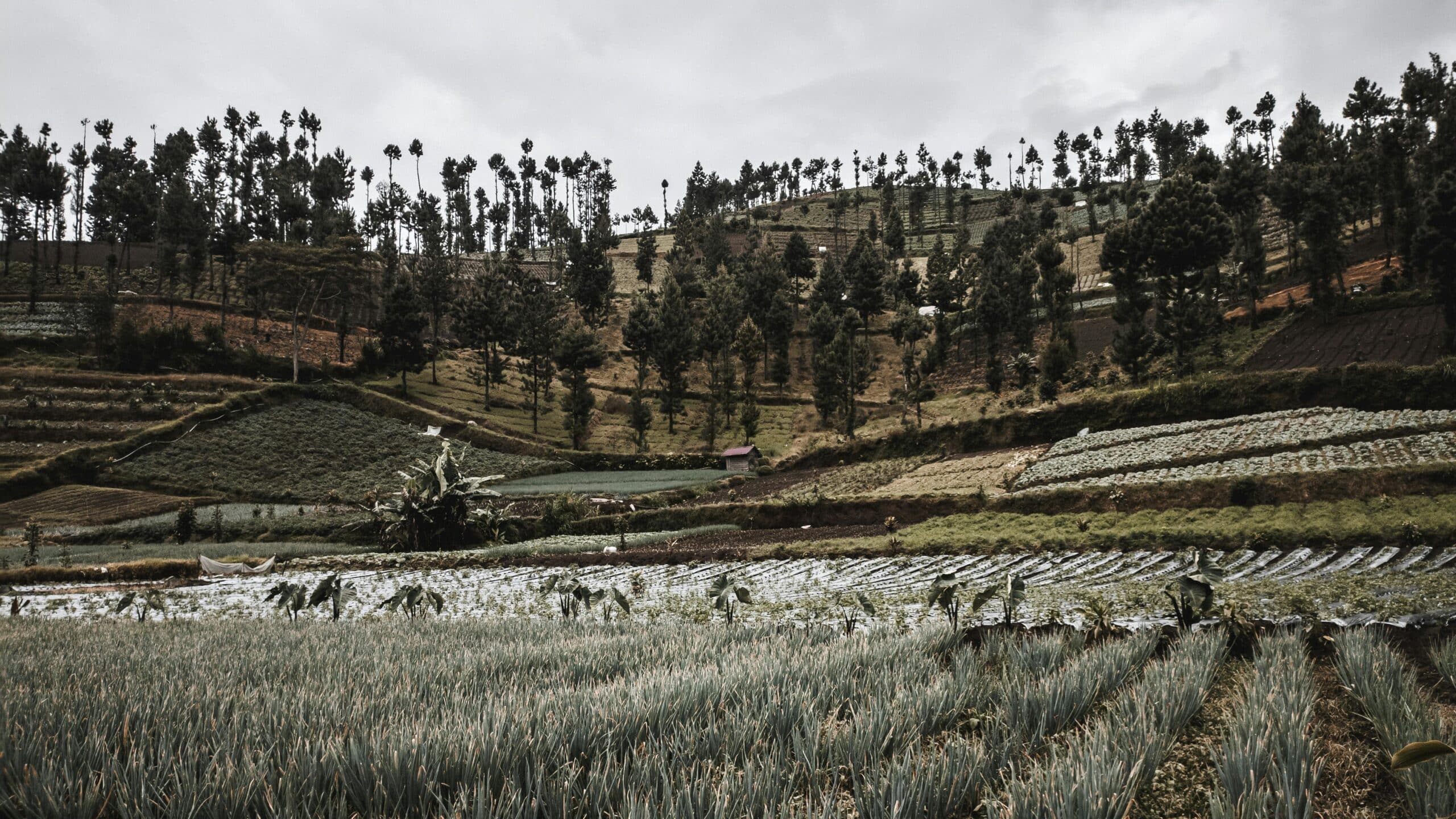
Imagine walking through a farm where tall timber trees shelter rows of coffee plants, while below, medicinal herbs and vegetables flourish in the dappled shade. This is not a romanticized vision but the practical reality of agroforestry systems that are revolutionizing agriculture across continents. These multi-layered ecosystems mimic natural forests while producing diverse harvests, creating what scientists call “productive biodiversity.”
Unlike conventional monoculture farming that strips landscapes bare and depletes soil nutrients, agroforestry integrates woody perennials with crops and sometimes livestock. This deliberate combination creates synergies where each element supports the others, building resilience against pests, diseases, and climate extremes while generating multiple income streams for farmers.
Breaking Ground: Why Traditional Agriculture Falls Short
The global food system faces unprecedented challenges. Industrial agriculture, while increasing yields in the short term, has created environmental debt that future generations will struggle to repay. Soil degradation affects nearly 33% of the world’s agricultural land, while chemical inputs contaminate water systems and destroy beneficial organisms.
Monoculture systems are particularly vulnerable to climate change. A single unexpected frost, prolonged drought, or pest outbreak can devastate entire harvests. Farmers trapped in this model often find themselves on an economic treadmill, purchasing expensive inputs each season while watching their land’s natural fertility decline.
Agroforestry offers a compelling alternative. By working with nature’s patterns rather than against them, these systems build rather than deplete natural capital. The results speak for themselves: improved soil health, enhanced water retention, increased biodiversity, and surprisingly, often higher overall productivity when all products are considered.
🌾 Core Principles That Drive Sustainable Abundance
Successful agroforestry systems rest on several foundational principles that guide their design and management. Understanding these concepts helps farmers and land managers create productive ecosystems tailored to their specific conditions.
Vertical Stratification: Making Full Use of Space
Nature abhors empty space, and agroforestry embraces this principle by utilizing multiple vertical layers. Canopy trees might reach 15-30 meters, providing timber and fruit while creating microclimates below. Mid-story trees and large shrubs occupy the 5-15 meter zone, often producing nuts, fruits, or valuable wood products. Below these, shade-tolerant crops, herbs, and ground covers complete the living architecture.
This vertical layering doesn’t just maximize production per hectare—it creates distinct ecological niches that support diverse species. Birds that control insect pests find nesting sites in tall trees. Beneficial insects thrive in the complex habitat structure. The result is a self-regulating system requiring fewer external inputs.
Temporal Diversity: Harvests Across Seasons and Years
While annual crops provide food within months, perennial elements in agroforestry systems create long-term stability. Fast-growing nitrogen-fixing trees might be harvested for fodder or mulch within 2-3 years. Fruit trees begin producing in 3-7 years. Valuable timber species mature over decades, serving as living savings accounts.
This temporal diversity provides economic resilience. When annual crop prices drop, tree products might bring income. During droughts that affect shallow-rooted crops, deep-rooted trees continue transpiring, maintaining the local water cycle and providing emergency fodder.
Innovative Systems Transforming Landscapes Worldwide
Agroforestry is not a one-size-fits-all solution but rather a design approach that manifests differently based on climate, culture, and economic contexts. Several innovative systems have emerged that demonstrate the versatility of these principles.
Alley Cropping: Order Meets Diversity 🚜
In temperate regions, alley cropping has gained traction among mechanized farmers. Trees or shrubs are planted in rows with wide alleys between them where annual or perennial crops grow. The alleys remain wide enough for tractors and standard farm equipment, making the transition less daunting for conventional farmers.
In the midwestern United States, farmers plant rows of black walnut or oak spaced 12-15 meters apart, with corn, soybeans, or hay growing between. The trees provide future timber income while immediately reducing wind erosion and creating beneficial edge effects. Research shows crops in alleys often yield comparably to open fields while the system generates additional income from tree products.
Forest Gardens: Edible Ecosystems
Forest gardening takes vertical stratification to its logical extreme, creating seven-layer food production systems. These include canopy trees, understory trees, shrubs, herbaceous plants, ground covers, root crops, and climbing vines. Once established, forest gardens require minimal inputs while producing abundant, diverse harvests.
In tropical regions, forest gardens have supported communities for generations. A single hectare might contain coconut palms, banana plants, papaya, turmeric, ginger, vanilla vines, and dozens of other species. The system is largely self-maintaining, with plant residues feeding the soil and structural diversity preventing pest explosions.
Silvopasture: Where Trees Meet Livestock
Silvopasture integrates trees, forage, and livestock into a single system. Animals benefit from shade during hot weather, improving welfare and productivity. Trees provide supplemental fodder during dry seasons. The forage layer captures nutrients from animal waste, reducing pollution while building soil fertility.
In regions from New Zealand to Central America, silvopasture systems outperform both conventional pastures and isolated tree plantations. Cattle grazing under tree cover show improved weight gain and milk production. Meanwhile, trees grow faster than in plantations due to the nutrient cycling and reduced competition from suppressed grass growth.
🌍 Ecological Benefits That Extend Beyond the Farm
The advantages of agroforestry extend far beyond individual farms, creating landscape-level ecosystem services that benefit entire regions.
Carbon Sequestration and Climate Mitigation
Trees in agroforestry systems capture atmospheric carbon dioxide, storing it in woody biomass and soil organic matter. Studies indicate well-designed agroforestry systems can sequester 50-200 tons of CO2 per hectare over 20 years—significantly more than either cropland or pasture alone.
This carbon sequestration potential has caught the attention of climate scientists and policymakers. Agroforestry could play a crucial role in meeting climate targets while simultaneously improving food security and rural livelihoods.
Water Cycle Restoration
Deep tree roots access water tables that annual crops cannot reach, pumping nutrients upward and redistributing moisture through leaf fall and hydraulic redistribution. This process maintains dry-season stream flows and replenishes aquifers.
In degraded landscapes, reintroducing trees through agroforestry has reversed desertification. The famous Loess Plateau restoration in China transformed millions of hectares from barren erosion-scarred land into productive agroforestry systems, simultaneously ending catastrophic flooding downstream.
Biodiversity Havens in Agricultural Landscapes
As natural habitats shrink globally, agroforestry systems provide crucial refuges for wildlife. Research shows bird diversity in coffee agroforests can rival that of intact forests. Pollinator populations thrive in the complex floral resources these systems provide throughout the year.
This biodiversity isn’t just aesthetically pleasing—it provides essential ecosystem services. Natural predators control pest populations, reducing or eliminating pesticide needs. Pollinators increase crop yields. Soil organisms enhance nutrient cycling and disease suppression.
Economic Pathways to Farm Prosperity 💰
For agroforestry to achieve widespread adoption, it must make economic sense to farmers. Fortunately, the financial case for these systems is increasingly compelling.
Risk Diversification Through Product Variety
Traditional farming wisdom warns against putting all eggs in one basket, yet monoculture does exactly that. Agroforestry creates multiple revenue streams that mature at different times and respond differently to market and climate fluctuations.
A farmer with an alley cropping system might harvest annual crops each year, prune trees for fodder or mulch, collect fruits and nuts seasonally, and selectively harvest timber as needed. This diversity creates financial stability unavailable in single-crop systems.
Premium Markets for Agroforestry Products
Consumers increasingly value products grown sustainably. Shade-grown coffee commands premium prices compared to sun-grown varieties. Grass-fed beef from silvopasture systems attracts health-conscious buyers. Forest garden produce often qualifies for organic certification with minimal additional inputs.
These premium markets recognize the ecosystem services and superior quality often associated with agroforestry products. Savvy farmers leverage these market opportunities, transforming environmental stewardship into competitive advantage.
Overcoming Implementation Challenges 🔧
Despite its benefits, agroforestry faces adoption barriers that require thoughtful solutions.
Knowledge and Technical Support
Designing and managing multi-species systems requires different knowledge than conventional farming. Extension services in many regions remain focused on monoculture production, leaving agroforestry practitioners without adequate support.
Successful scaling requires investment in farmer education, demonstration sites, and peer-to-peer learning networks. Organizations worldwide are developing resources, from design software to regional species guides, making implementation more accessible.
Time and Financial Investment
Establishing agroforestry systems requires upfront investment and patience as trees mature. Some farmers cannot afford the temporary income reduction during establishment.
Innovative financing mechanisms are emerging to address this challenge. Payment for ecosystem services programs compensate farmers for carbon sequestration and watershed protection. Agroforestry-specific loans with flexible repayment schedules acknowledge the systems’ temporal dynamics. Fast-maturing species can provide interim income while long-term elements develop.
Land Tenure and Policy Frameworks
Farmers with insecure land tenure hesitate to plant trees that take years to mature. Policies designed for annual crops often don’t accommodate agroforestry’s complexity, creating regulatory barriers.
Progressive governments are reforming agricultural policies to recognize and support agroforestry. Secure land rights, technical assistance programs, and targeted subsidies help level the playing field against heavily supported conventional agriculture.
🌱 Technology Meets Tradition: The Digital Age of Agroforestry
Modern technology is accelerating agroforestry adoption and optimization. Geographic information systems help farmers design systems suited to their land’s specific topography and microclimates. Drones monitor tree health and productivity across large areas. Mobile applications connect farmers with markets and technical expertise.
Data-driven decision making helps farmers select appropriate species combinations, predict yields, and optimize management practices. Research institutions are building databases of species interactions and performance across different conditions, reducing the trial-and-error traditionally associated with establishing complex systems.
Cultivating the Future Through Regenerative Design
As humanity grapples with intersecting crises of climate change, biodiversity loss, and food insecurity, agroforestry emerges not as a niche practice but as a fundamental reimagining of our relationship with the land. These systems prove that agriculture need not be extractive—it can regenerate ecosystems while feeding communities.
The path forward requires commitment from multiple stakeholders. Farmers need technical support and fair compensation for the ecosystem services their land provides. Consumers can support agroforestry through purchasing decisions that reflect true costs and values. Policymakers must reform agricultural subsidies and regulations to encourage rather than penalize sustainable practices.
Research institutions continue refining our understanding of how to optimize these complex systems for different contexts. Every forest garden planted, every silvopasture established, every alley cropping system implemented adds to our collective knowledge and demonstrates what becomes possible when we align human needs with ecological wisdom.
The innovation in agroforestry is not merely technical but philosophical—recognizing that the most productive systems are those that work with nature’s genius rather than against it. As climate instability increases and degraded soils lose productivity, the resilience and abundance of well-designed agroforestry systems will become increasingly valuable.
From smallholder farms in East Africa to commercial operations in North America, from tropical forest gardens to temperate silvopasture systems, agroforestry is proving that sustainable abundance is not an oxymoron but an achievable reality. The question is no longer whether these systems work, but how quickly we can scale them to heal landscapes and build genuine food security for generations to come.

Toni Santos is a visual storyteller and archival artisan whose creative journey is steeped in the bold colors, dramatic typography, and mythic imagery of old circus posters. Through his artistic lens, Toni breathes new life into these once-lurid canvases of wonder, transforming them into tributes to a golden era of spectacle, showmanship, and cultural fantasy.
Fascinated by the visual language of vintage circuses — from roaring lions to gravity-defying acrobats, from hand-painted banners to gothic typefaces — Toni explores how these posters once captured the imagination of entire towns with nothing more than ink, illusion, and a promise of awe. Each composition he creates or studies is a dialogue with history, nostalgia, and the raw aesthetics of entertainment on the move.
With a background in handcrafted design and visual heritage, Toni blends artistic sensitivity with historical insight. His work traces the forgotten typographies, chromatic choices, and symbolic flair that defined circus marketing in the 19th and early 20th centuries — a time when posters were not just advertisements, but portable portals to dreamworlds.
As the creative force behind Vizovex, Toni curates collections, illustrations, and thoughtful narratives that reconnect modern audiences with the magic of old circus art — not just as ephemera, but as cultural memory etched in paper and pigment.
His work is a tribute to:
The flamboyant storytelling of early circus posters
The lost art of hand-lettered show promotion
The timeless charm of visual fantasy in public space
Whether you’re a vintage print enthusiast, a circus history lover, or a designer inspired by antique aesthetics, Toni invites you into a world where tigers leap through fire, strongmen pose in perfect symmetry, and every corner of the poster whispers: Step right up.