Water scarcity threatens global food security, making sustainable farming practices essential for our survival. Modern agriculture must evolve through innovation to protect precious water resources while feeding billions.
💧 The Water Crisis in Modern Agriculture
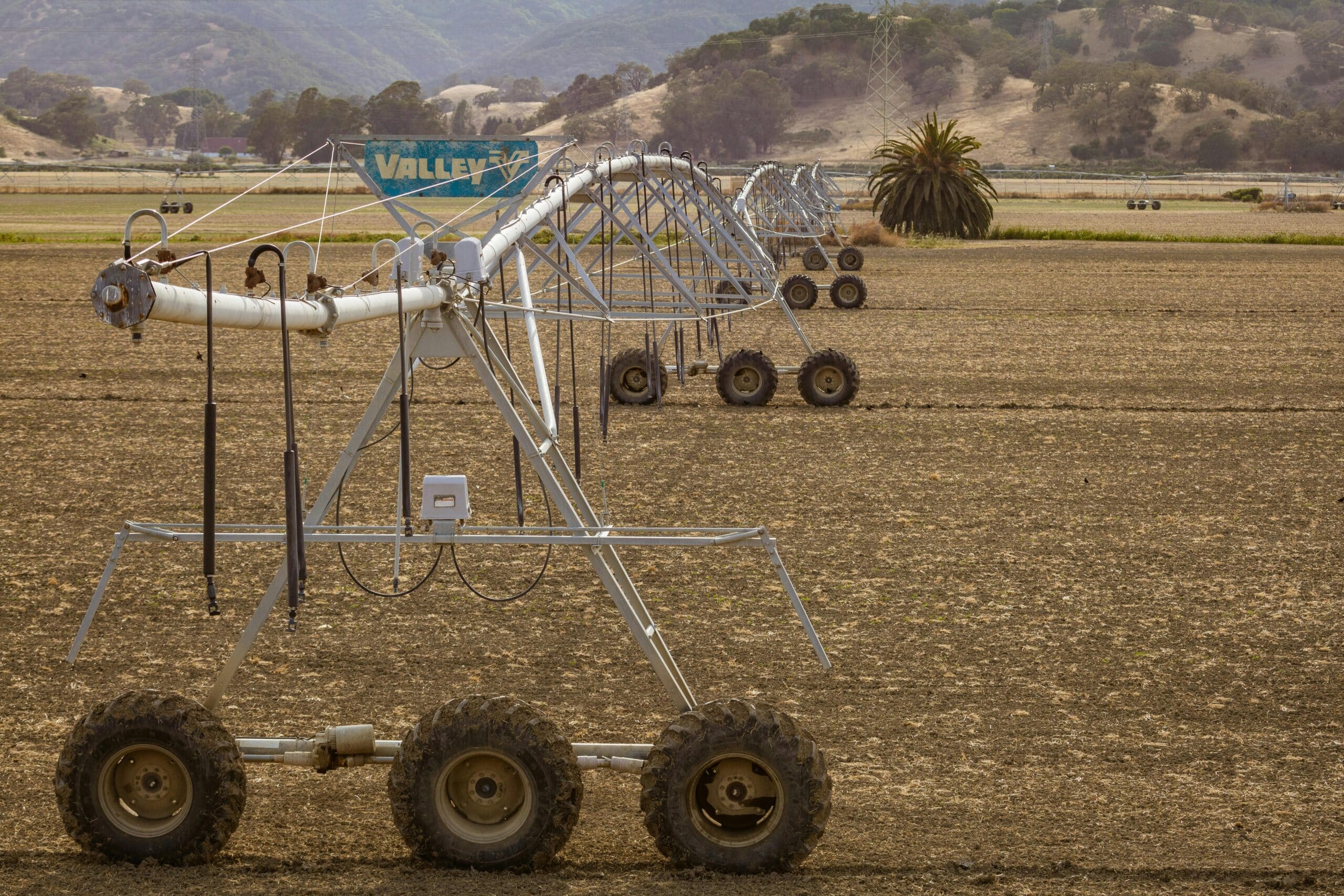
Agriculture consumes approximately 70% of the world’s accessible freshwater, making it the largest user of water resources globally. As climate change intensifies droughts and unpredictable weather patterns become the new normal, farmers face unprecedented challenges in maintaining productive operations while conserving water. The traditional approach of flood irrigation and excessive water use is no longer sustainable or economically viable.
The paradox of modern farming lies in its simultaneous role as both victim and contributor to water scarcity. Inefficient irrigation systems waste billions of gallons annually through evaporation, runoff, and over-application. Meanwhile, agricultural pollution from pesticides and fertilizers contaminates groundwater supplies, further reducing available clean water for farming and human consumption.
Understanding this crisis is the first step toward implementing meaningful solutions. Farmers worldwide are beginning to recognize that water conservation isn’t just an environmental concern—it’s an economic necessity that directly impacts their bottom line and long-term viability.
🌱 Precision Irrigation: Technology Meets Tradition
Precision irrigation represents a revolutionary shift from traditional watering methods. By utilizing sensors, data analytics, and automated systems, farmers can deliver exactly the right amount of water to crops at precisely the right time. This targeted approach eliminates waste while optimizing plant health and yields.
Drip irrigation systems have emerged as champions of water efficiency, delivering water directly to plant roots through a network of tubes and emitters. This method can reduce water usage by 30-50% compared to conventional sprinkler systems while simultaneously improving crop quality and reducing weed growth. The initial investment in drip irrigation infrastructure typically pays for itself within three to five years through water savings and increased productivity.
Smart irrigation controllers take precision further by integrating real-time weather data, soil moisture readings, and plant water requirements. These intelligent systems automatically adjust watering schedules based on actual conditions rather than predetermined timers, preventing overwatering during rainy periods and ensuring adequate moisture during dry spells.
Sensor-Driven Decision Making
Soil moisture sensors provide farmers with accurate, real-time data about water content at various depths within the root zone. This information eliminates guesswork and enables evidence-based irrigation decisions. When combined with weather forecasting and evapotranspiration data, these sensors create a comprehensive picture of crop water needs.
Remote sensing technology using drones and satellites adds another dimension to water management. Thermal imaging can detect water stress in plants before visible symptoms appear, allowing farmers to address problems proactively. Multispectral imaging reveals variations in crop health across fields, enabling zone-specific irrigation adjustments that optimize water use.
🚜 Regenerative Agriculture: Building Water-Resilient Soils
Healthy soil acts like a sponge, capturing and storing water for gradual release to plant roots. Regenerative agricultural practices focus on rebuilding soil organic matter and restoring degraded soil ecosystems, dramatically improving water retention capacity. Soils rich in organic matter can hold significantly more water than depleted soils, reducing irrigation requirements.
Cover cropping represents one of the most effective regenerative practices for water conservation. By keeping living roots in the soil year-round, farmers prevent erosion, improve soil structure, and increase organic matter content. Cover crops also reduce evaporation from bare soil surfaces and help recharge groundwater aquifers by improving water infiltration.
No-till or reduced-till farming maintains soil structure and preserves the beneficial organisms that create water-holding pore spaces. Traditional plowing disrupts these structures and accelerates organic matter decomposition, reducing the soil’s water storage capacity. Farmers adopting no-till methods often report reduced irrigation needs within just a few growing seasons.
Composting and Organic Amendments
Adding compost and other organic amendments directly increases soil water retention. Each 1% increase in soil organic matter enables soil to hold approximately 20,000 additional gallons of water per acre. This natural reservoir buffers crops against drought conditions and reduces the frequency of irrigation needed during dry periods.
Biochar, a charcoal-like substance created through pyrolysis of organic materials, shows remarkable promise for improving soil water dynamics. Its porous structure holds water and nutrients like a sponge while creating habitat for beneficial microorganisms. Research indicates biochar amendments can reduce irrigation requirements by 15-30% in various soil types.
🌾 Crop Selection and Genetic Innovation
Choosing the right crops for specific climates and soil conditions represents one of the simplest yet most effective water conservation strategies. Drought-tolerant varieties and native crops adapted to local conditions naturally require less irrigation than water-intensive alternatives. This principle of right plant, right place maximizes productivity per gallon of water used.
Plant breeders are developing new crop varieties with enhanced drought tolerance through both traditional breeding methods and modern genetic techniques. These innovations focus on traits like deeper root systems, reduced water loss through leaves, and improved photosynthetic efficiency under water stress. Such varieties maintain yields with 20-40% less water than conventional cultivars.
Crop rotation and diversification also contribute to water efficiency. Different crops have varying rooting depths and water requirements, allowing farmers to match plantings to seasonal water availability. Deep-rooted crops can access subsoil moisture, while shallow-rooted crops thrive on lighter, more frequent watering.
💻 Digital Agriculture and Data-Driven Water Management
The digital revolution is transforming agriculture into an information-intensive industry where data drives decision-making. Farm management software platforms integrate data from multiple sources—sensors, weather stations, satellite imagery, and historical records—to provide actionable insights for optimizing water use.
Artificial intelligence and machine learning algorithms analyze vast datasets to predict optimal irrigation timing and quantities with remarkable accuracy. These systems learn from past seasons, current conditions, and predicted weather patterns to recommend precise water application strategies that minimize waste while maximizing crop health.
Mobile applications put powerful water management tools directly in farmers’ hands. Real-time monitoring capabilities allow growers to check soil moisture levels, control irrigation systems remotely, and receive alerts about potential problems from anywhere with cellular connectivity.
Blockchain for Water Rights and Trading
Innovative blockchain applications are emerging to manage water rights and enable water trading markets more efficiently. These transparent, tamper-proof systems help ensure fair allocation of limited water resources while creating economic incentives for conservation. Farmers who use less than their allocated water can sell unused portions to those facing temporary shortages.
🌍 Rainwater Harvesting and Storage Solutions
Capturing and storing rainwater for later use represents one of humanity’s oldest water management strategies, now enhanced by modern materials and engineering. On-farm water storage systems collect precipitation during wet periods for use during dry seasons, reducing dependence on groundwater and surface water sources.
Farm ponds and reservoirs serve multiple purposes beyond irrigation water storage. They recharge groundwater, provide habitat for beneficial wildlife, and offer emergency water supplies for livestock and fire protection. Properly designed storage systems can capture significant portions of rainfall that would otherwise run off the land.
Roof catchment systems on agricultural buildings provide clean water for irrigation, livestock, and equipment washing. A single inch of rain falling on a 10,000 square foot barn roof yields over 6,000 gallons of water. Multiplied across multiple structures and entire growing seasons, these savings become substantial.
Underground Storage and Aquifer Recharge
Some progressive farmers are implementing managed aquifer recharge programs, deliberately infiltrating excess surface water during wet periods to replenish underground water supplies. This approach essentially uses aquifers as natural underground storage tanks, with the added benefit of natural filtration improving water quality.
♻️ Water Recycling and Reuse Systems
Treating and reusing agricultural water creates a circular system that dramatically reduces overall water consumption. Greenhouse operations and hydroponic farms have pioneered closed-loop systems where water is continuously recycled, with some operations achieving 90% water reuse rates compared to conventional agriculture.
Constructed wetlands naturally filter agricultural runoff, removing nutrients and contaminants before water returns to streams or recharge basins. These biological treatment systems require minimal energy input while providing valuable wildlife habitat and aesthetic benefits alongside their water quality functions.
Greywater systems repurpose water from agricultural processing operations for irrigation. Water used for washing produce, cooling equipment, or other non-contaminating purposes can be filtered and redistributed to fields, reducing total freshwater withdrawal.
🔬 Innovative Technologies on the Horizon
Atmospheric water generators extract moisture directly from air, potentially providing irrigation water in areas with limited traditional water sources. While currently energy-intensive and better suited for small-scale applications, improving efficiency may make this technology viable for broader agricultural use.
Desalination technology continues advancing, with newer methods reducing energy requirements and costs. Solar-powered desalination systems show particular promise for coastal agricultural regions, turning abundant seawater into irrigation supplies without fossil fuel dependence.
Nanotechnology applications in agriculture include specialized coatings that reduce evaporation from soil and plant surfaces, and nanoparticles that improve soil water retention. Though still largely experimental, these innovations could revolutionize water efficiency within the next decade.
Biological Solutions and Soil Microbiomes
Research into beneficial soil microorganisms reveals that certain bacteria and fungi significantly improve plant drought tolerance and water uptake efficiency. Microbial inoculants containing these organisms are becoming commercially available, offering farmers a biological tool for enhancing water use efficiency.
🤝 Policy, Education, and Community Action
Technology alone cannot solve agricultural water challenges—supportive policies and education are equally essential. Governments worldwide are implementing water pricing structures that incentivize conservation, offering subsidies for efficient irrigation equipment, and establishing clear regulations protecting water resources from over-exploitation.
Extension services and agricultural education programs play crucial roles in disseminating water-saving knowledge and techniques to farming communities. Demonstration farms showcasing successful conservation practices provide tangible proof that sustainable methods can maintain or improve profitability while protecting resources.
Collaborative water management approaches bring together farmers, municipalities, environmental groups, and other stakeholders to develop regional water conservation strategies. These partnerships often achieve better outcomes than individual efforts by coordinating actions across entire watersheds.
📊 Measuring Success: Key Performance Indicators
| Metric | Traditional Agriculture | Sustainable Practices | Improvement |
|---|---|---|---|
| Water Use Per Acre | 27,000 gallons | 15,000 gallons | 44% reduction |
| Irrigation Efficiency | 60% | 85% | 25% increase |
| Soil Organic Matter | 2% | 4.5% | 125% increase |
| Yield Per Water Unit | 1.0 baseline | 1.6 baseline | 60% increase |
These improvements demonstrate that sustainable agriculture isn’t about sacrifice—it’s about working smarter. Farms implementing comprehensive water conservation strategies typically see returns on investment within three to seven years, with ongoing savings and improved resilience thereafter.
🌟 Creating Your Water-Smart Farm Action Plan
Transitioning to water-efficient agriculture requires a systematic approach tailored to your specific operation. Begin by conducting a comprehensive water audit identifying where water enters your farm, how it’s used, and where losses occur. This baseline assessment reveals the highest-impact opportunities for improvement.
Prioritize interventions based on cost-effectiveness and ease of implementation. Quick wins like fixing leaks, adjusting irrigation timing, and mulching can deliver immediate water savings with minimal investment. These early successes build momentum for more substantial projects requiring larger capital investments.
Develop a multi-year implementation timeline that spreads costs and allows for learning and adjustment. Agricultural transformation rarely happens overnight—successful farms typically implement changes incrementally, evaluating results and refining approaches over several growing seasons.
- Assess current water use patterns and identify inefficiencies
- Set specific, measurable water conservation goals
- Research appropriate technologies and practices for your climate and crops
- Secure financing through conservation programs and agricultural lenders
- Implement changes systematically, starting with highest-impact opportunities
- Monitor results and adjust strategies based on performance data
- Share successes and lessons learned with the farming community
🌈 The Path Forward: Abundance Through Stewardship
The future of agriculture lies not in conquering nature but in partnering with it. Water-smart farming recognizes that long-term abundance comes from working within ecological limits rather than constantly pushing against them. By embracing innovative technologies, time-tested regenerative practices, and collaborative approaches, farmers can sustain productive operations for generations while healing damaged water systems.
Every farm that adopts water conservation practices contributes to solving a global crisis while strengthening its own resilience and profitability. The innovations discussed here aren’t theoretical possibilities—they’re proven solutions already working on farms across diverse climates and agricultural systems worldwide. The question isn’t whether sustainable water management is possible, but how quickly we can scale these practices to meet the urgency of our water challenges.
As consumers, policymakers, and community members, we all have roles in supporting this agricultural transformation. Choosing products from water-conscious farms, advocating for supportive policies, and recognizing farmers as environmental stewards rather than merely producers creates the economic and social conditions for widespread adoption of sustainable practices.
Water is life, and agriculture is humanity’s primary relationship with the living world. By sustaining farms and saving water through innovation and commitment, we’re not just securing food production—we’re cultivating a greener tomorrow where both nature and agriculture thrive together in balance and abundance.

Toni Santos is a visual storyteller and archival artisan whose creative journey is steeped in the bold colors, dramatic typography, and mythic imagery of old circus posters. Through his artistic lens, Toni breathes new life into these once-lurid canvases of wonder, transforming them into tributes to a golden era of spectacle, showmanship, and cultural fantasy.
Fascinated by the visual language of vintage circuses — from roaring lions to gravity-defying acrobats, from hand-painted banners to gothic typefaces — Toni explores how these posters once captured the imagination of entire towns with nothing more than ink, illusion, and a promise of awe. Each composition he creates or studies is a dialogue with history, nostalgia, and the raw aesthetics of entertainment on the move.
With a background in handcrafted design and visual heritage, Toni blends artistic sensitivity with historical insight. His work traces the forgotten typographies, chromatic choices, and symbolic flair that defined circus marketing in the 19th and early 20th centuries — a time when posters were not just advertisements, but portable portals to dreamworlds.
As the creative force behind Vizovex, Toni curates collections, illustrations, and thoughtful narratives that reconnect modern audiences with the magic of old circus art — not just as ephemera, but as cultural memory etched in paper and pigment.
His work is a tribute to:
The flamboyant storytelling of early circus posters
The lost art of hand-lettered show promotion
The timeless charm of visual fantasy in public space
Whether you’re a vintage print enthusiast, a circus history lover, or a designer inspired by antique aesthetics, Toni invites you into a world where tigers leap through fire, strongmen pose in perfect symmetry, and every corner of the poster whispers: Step right up.