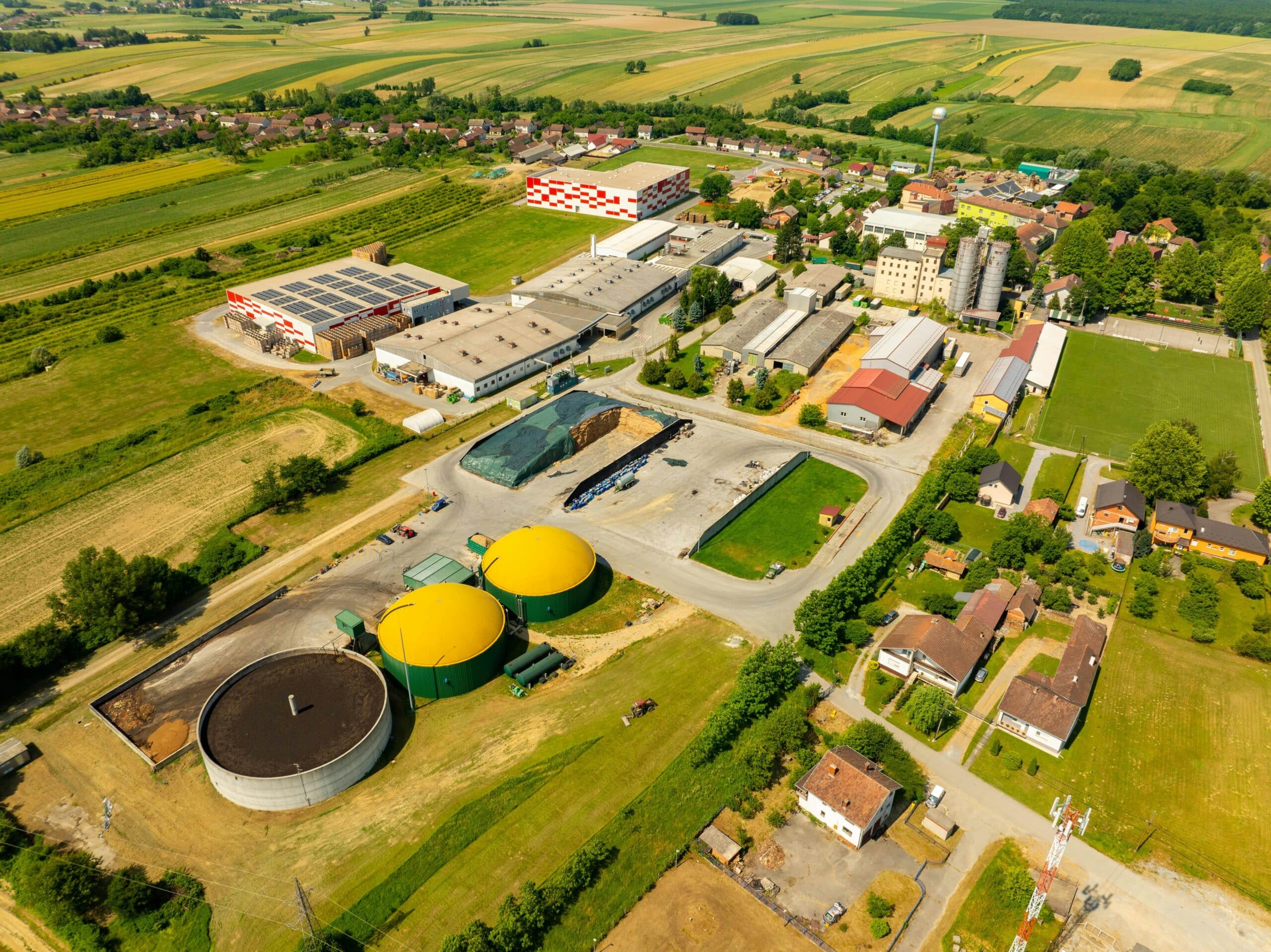
E-learning is revolutionizing education in rural areas worldwide, breaking down traditional barriers and creating unprecedented opportunities for communities previously left behind by geographical and economic constraints.
🌾 The Educational Divide: Understanding Rural Challenges
Rural communities across the globe face unique educational obstacles that have persisted for generations. Distance from educational institutions, limited access to qualified teachers, and inadequate infrastructure create a cycle of disadvantage that affects millions of learners. In many developing nations, students in rural areas must travel several hours daily just to reach the nearest school, often crossing difficult terrain that becomes impassable during certain seasons.
The shortage of experienced educators in remote regions compounds these challenges. Teachers frequently prefer urban assignments with better facilities and career advancement opportunities, leaving rural schools understaffed and relying on less experienced personnel. This disparity directly impacts the quality of education, creating achievement gaps that can determine life trajectories.
Economic constraints further limit educational access. Families in rural areas often depend on children contributing to household income through agricultural work or other labor. The opportunity cost of education becomes a significant barrier, particularly when the perceived value of formal schooling seems disconnected from rural livelihoods.
💡 E-Learning as a Transformative Solution
Digital learning platforms are emerging as powerful equalizers, delivering quality educational content directly to remote locations. E-learning transcends physical boundaries, offering rural learners access to the same resources available to their urban counterparts. This democratization of knowledge represents a fundamental shift in how education reaches underserved populations.
The flexibility inherent in e-learning models particularly benefits rural communities. Students can learn at their own pace, accommodating agricultural seasons, family responsibilities, and other local realities. This adaptability makes education more compatible with rural lifestyles rather than requiring communities to completely restructure around traditional schooling models.
Interactive multimedia content brings subjects to life in ways that textbook-based learning cannot match. Virtual laboratories, simulations, and educational videos provide experiences previously unavailable in resource-limited rural schools. Students can explore complex scientific concepts, historical events, and cultural perspectives through engaging digital formats that enhance comprehension and retention.
📱 Technology Infrastructure: Building the Foundation
Successful e-learning implementation in rural areas requires addressing connectivity challenges head-on. Mobile technology has become the primary gateway to digital education in many regions, with smartphones increasingly affordable and cellular networks expanding into previously unreached territories. Mobile-first learning platforms designed for low-bandwidth environments ensure educational content remains accessible even with limited internet connectivity.
Offline capabilities represent crucial innovations for rural e-learning. Applications that allow content downloads enable students to access materials without continuous internet connections. This feature proves invaluable in areas where connectivity remains inconsistent or expensive, ensuring learning continuity regardless of network availability.
Community technology centers and digital hubs are sprouting in rural areas worldwide, providing shared access points where multiple learners can benefit from better equipment and reliable internet. These centers often become community focal points, fostering collaborative learning environments and digital literacy beyond formal education.
🎓 Curriculum Design for Rural Relevance
Effective rural e-learning programs integrate local context into curriculum design. Educational content that connects to agricultural practices, local ecosystems, traditional knowledge systems, and regional economic opportunities increases relevance and engagement. When students see direct connections between their studies and daily lives, motivation and learning outcomes improve significantly.
Multilingual content delivery addresses language barriers that often exclude rural learners from mainstream educational resources. E-learning platforms can offer instruction in local languages while gradually building proficiency in national or international languages, creating bridges rather than barriers to knowledge access.
Skills-based training programs tailored to rural economies empower learners with immediately applicable knowledge. Courses in sustainable farming techniques, renewable energy, rural entrepreneurship, and digital literacy equip community members with tools for economic advancement while preserving cultural identity and local values.
👨🏫 Teacher Training and Support Systems
E-learning platforms provide unprecedented professional development opportunities for rural educators. Teachers can access specialized training, connect with expert mentors, and join communities of practice without leaving their communities. This continuous learning capability helps rural teachers stay current with pedagogical innovations and subject matter developments.
Blended learning models combining technology with human instruction leverage the strengths of both approaches. Teachers transition from being sole knowledge sources to becoming facilitators who guide students through digital resources, provide personalized support, and foster critical thinking. This shift maximizes the impact of limited teaching staff while enhancing educational quality.
Collaborative networks connecting rural and urban educators create valuable knowledge exchange opportunities. Urban teachers gain insights into rural realities, while rural educators access broader resource networks and innovative teaching strategies. These partnerships enrich both communities while breaking down isolation.
🌍 Real-World Success Stories
Countries across different continents demonstrate e-learning’s transformative potential in rural settings. In India, initiatives like SWAYAM provide free online courses to millions, including learners in remote villages who previously had no access to higher education. These platforms have enabled rural students to earn recognized credentials and pursue careers previously beyond reach.
African nations are leveraging solar-powered digital classrooms to overcome electricity limitations. Kenya’s implementation of tablet-based learning in rural primary schools has shown measurable improvements in literacy and numeracy, while simultaneously developing digital skills essential for 21st-century economies.
Latin American programs demonstrate how e-learning can preserve indigenous languages and cultures while providing modern education. Bilingual digital platforms teach traditional knowledge alongside contemporary subjects, creating educational models that honor heritage while preparing students for broader opportunities.
💰 Economic Empowerment Through Digital Education
E-learning creates pathways to economic mobility that traditional education systems often fail to provide rural communities. Online vocational training, certification programs, and entrepreneurship courses equip learners with marketable skills without requiring relocation to urban centers. This capacity building strengthens local economies while reducing rural-to-urban migration pressures.
Agricultural innovation training delivered through digital platforms helps farmers adopt sustainable practices, increase yields, and access market information. When rural producers can leverage technology for education about crop management, climate adaptation, and value chain participation, entire communities benefit economically.
Digital literacy itself becomes an economic asset in increasingly connected economies. Rural workers who develop technological competencies through e-learning access remote employment opportunities, freelance markets, and digital entrepreneurship possibilities that generate income without geographic constraints.
🔒 Addressing Privacy and Safety Concerns
Rural e-learning initiatives must prioritize data protection and digital safety, particularly for young learners. Educational platforms serving rural communities should implement robust privacy safeguards, age-appropriate content filtering, and clear guidelines for safe online behavior. Building digital citizenship awareness alongside academic content protects vulnerable users.
Community involvement in technology governance ensures that safety measures reflect local values and concerns. Parent education programs about online risks and monitoring strategies help families navigate digital learning environments confidently, creating support systems that extend beyond the classroom.
🤝 Partnership Models for Sustainable Implementation
Successful rural e-learning programs typically involve multi-stakeholder collaborations. Government agencies, non-profit organizations, private technology companies, and educational institutions each contribute unique resources and expertise. These partnerships create sustainable ecosystems that can adapt to changing needs and scale effectively.
Community ownership represents a critical success factor. When rural communities actively participate in designing, implementing, and managing e-learning initiatives rather than simply receiving external interventions, programs demonstrate greater sustainability and cultural appropriateness. Local leadership ensures initiatives address genuine needs and integrate with existing community structures.
Funding models combining public investment, philanthropic support, and innovative financing mechanisms help overcome resource constraints. Social impact bonds, public-private partnerships, and community contribution systems create diverse revenue streams that support long-term program viability without creating dependency.
📊 Measuring Impact and Continuous Improvement
Robust monitoring and evaluation frameworks help rural e-learning programs demonstrate effectiveness and identify improvement areas. Beyond traditional academic metrics, assessments should capture broader impacts including digital literacy development, economic outcomes, community engagement, and cultural preservation.
Participatory evaluation methods that include learner voices, educator feedback, and community perspectives provide richer insights than purely quantitative data. This inclusive approach ensures programs remain responsive to actual needs rather than external assumptions about what rural communities require.
Adaptive program design based on continuous feedback enables e-learning initiatives to evolve with technological advances and changing community circumstances. Regular iteration cycles incorporating lessons learned create improvement trajectories that maximize impact over time.
🚀 Future Horizons: Emerging Technologies and Possibilities
Artificial intelligence is beginning to personalize rural e-learning experiences, adapting content difficulty, pacing, and instructional approaches to individual learner needs. AI-powered tutoring systems can provide customized support that compensates for limited teacher availability, though human educators remain essential for mentorship and motivation.
Virtual and augmented reality technologies promise to bring immersive learning experiences to rural classrooms. Students can explore historical sites, conduct complex scientific experiments, or practice professional skills in simulated environments that would otherwise be completely inaccessible.
Blockchain credentialing systems may revolutionize how rural learners document and demonstrate their competencies. Secure, portable digital credentials enable learners to build verifiable skill portfolios recognized by employers and institutions globally, creating pathways beyond traditional certification barriers.

🌟 Building Inclusive Digital Learning Ecosystems
The ultimate vision for rural e-learning extends beyond simply replicating urban educational models in remote settings. True innovation lies in creating inclusive ecosystems that value rural knowledge, perspectives, and contributions while providing access to global information networks. This bidirectional exchange enriches both rural and urban learning communities.
Sustainable e-learning initiatives recognize that technology serves as a tool, not a solution in itself. Human connections, culturally responsive pedagogy, and community-centered design remain fundamental regardless of technological sophistication. When digital tools amplify rather than replace these human elements, rural education transformation becomes possible.
As connectivity expands and technologies evolve, the potential for e-learning to bridge educational gaps grows exponentially. Rural communities worldwide stand on the threshold of unprecedented educational access, with digital platforms offering keys to knowledge, skills, and opportunities that can transform individual lives and entire regions. The challenge now lies in ensuring these innovations reach those who need them most, implemented in ways that respect local contexts while opening global horizons.
The journey toward educational equity through e-learning requires sustained commitment, thoughtful implementation, and genuine partnership with rural communities. When these elements align, digital education becomes more than an alternative delivery method—it becomes a catalyst for empowerment, economic development, and social transformation that honors rural heritage while building brighter futures.

Toni Santos is a visual storyteller and archival artisan whose creative journey is steeped in the bold colors, dramatic typography, and mythic imagery of old circus posters. Through his artistic lens, Toni breathes new life into these once-lurid canvases of wonder, transforming them into tributes to a golden era of spectacle, showmanship, and cultural fantasy.
Fascinated by the visual language of vintage circuses — from roaring lions to gravity-defying acrobats, from hand-painted banners to gothic typefaces — Toni explores how these posters once captured the imagination of entire towns with nothing more than ink, illusion, and a promise of awe. Each composition he creates or studies is a dialogue with history, nostalgia, and the raw aesthetics of entertainment on the move.
With a background in handcrafted design and visual heritage, Toni blends artistic sensitivity with historical insight. His work traces the forgotten typographies, chromatic choices, and symbolic flair that defined circus marketing in the 19th and early 20th centuries — a time when posters were not just advertisements, but portable portals to dreamworlds.
As the creative force behind Vizovex, Toni curates collections, illustrations, and thoughtful narratives that reconnect modern audiences with the magic of old circus art — not just as ephemera, but as cultural memory etched in paper and pigment.
His work is a tribute to:
The flamboyant storytelling of early circus posters
The lost art of hand-lettered show promotion
The timeless charm of visual fantasy in public space
Whether you’re a vintage print enthusiast, a circus history lover, or a designer inspired by antique aesthetics, Toni invites you into a world where tigers leap through fire, strongmen pose in perfect symmetry, and every corner of the poster whispers: Step right up.