The agricultural sector is undergoing a dramatic transformation as cutting-edge technologies merge with traditional farming practices, creating unprecedented opportunities for productivity, sustainability, and profitability in global food production.
🌾 The Digital Revolution Reshaping Modern Agriculture
Agriculture has always been the backbone of human civilization, but today’s farming landscape bears little resemblance to the methods of even a decade ago. Smart farming represents a fundamental shift in how we grow food, manage resources, and interact with the land. By integrating Internet of Things (IoT) devices, artificial intelligence, data analytics, and precision agriculture tools, farmers are achieving levels of efficiency that were once unimaginable.
The global smart agriculture market is experiencing explosive growth, with projections suggesting it will reach over $20 billion by 2025. This rapid expansion isn’t merely about adopting new gadgets—it’s about fundamentally reimagining agricultural production to meet the demands of a growing global population while addressing critical environmental challenges.
Climate change, water scarcity, soil degradation, and labor shortages have created an urgent need for innovative solutions. Smart farming technologies offer answers to these pressing challenges by enabling farmers to do more with less: less water, fewer chemicals, reduced labor, and minimal environmental impact while maximizing yields and quality.
🛰️ Precision Agriculture: Farming with Pinpoint Accuracy
Precision agriculture stands at the forefront of the smart farming revolution. This approach uses GPS technology, satellite imagery, and advanced sensors to collect detailed information about field conditions, allowing farmers to make data-driven decisions with remarkable accuracy.
Variable rate technology enables farmers to apply inputs like fertilizers, pesticides, and water at different rates across a single field based on specific needs. Instead of treating an entire field uniformly, farmers can now address the unique requirements of different zones, optimizing resource use and reducing waste.
Soil sensors buried throughout fields continuously monitor moisture levels, nutrient content, pH balance, and temperature. This real-time data flows to centralized platforms where sophisticated algorithms analyze patterns and provide actionable recommendations. Farmers receive alerts on their smartphones when irrigation is needed or when soil conditions require attention.
Drone Technology Taking Flight
Agricultural drones have become indispensable tools for modern farmers. Equipped with multispectral cameras and thermal imaging sensors, these unmanned aerial vehicles can survey vast areas in minutes, identifying problem spots that would be impossible to detect from ground level.
Drones can detect plant stress, pest infestations, and irrigation issues days or even weeks before they become visible to the naked eye. Early detection means early intervention, preventing minor problems from becoming catastrophic losses. Some advanced drones can even perform tasks like precision spraying, seed planting, and pollination.
🤖 Artificial Intelligence and Machine Learning in Agriculture
Artificial intelligence is revolutionizing agriculture by processing enormous datasets to identify patterns, predict outcomes, and optimize decision-making. Machine learning algorithms can analyze weather patterns, historical yield data, soil conditions, and market trends to provide farmers with predictive insights that guide planting schedules, harvest timing, and resource allocation.
Computer vision technology powered by AI can identify individual plants, assess their health status, and even distinguish between crops and weeds with remarkable accuracy. This capability enables robotic weeders to remove unwanted plants mechanically, dramatically reducing herbicide use and promoting more sustainable farming practices.
Predictive analytics help farmers anticipate disease outbreaks, pest invasions, and weather-related risks. By analyzing current conditions against historical patterns and environmental data, AI systems can forecast potential threats and recommend preventive measures, protecting crops before damage occurs.
Smart Irrigation Systems Conserving Water
Water scarcity represents one of agriculture’s most significant challenges. Smart irrigation systems address this issue by delivering water precisely when and where it’s needed, eliminating the waste associated with traditional irrigation methods.
These intelligent systems integrate weather forecasts, soil moisture sensors, plant growth stages, and evapotranspiration data to calculate optimal irrigation schedules. Automated valves and pumps respond to real-time conditions, adjusting water delivery without human intervention. The results are impressive: water savings of 20-50% while maintaining or even improving crop yields.
🌱 Sustainable Farming Practices Through Technology
Sustainability has moved from an optional consideration to an essential requirement in modern agriculture. Technology is enabling farming practices that protect the environment while maintaining economic viability.
Regenerative agriculture practices, supported by technology, focus on improving soil health, increasing biodiversity, and sequestering carbon. Sensors and data analytics help farmers implement cover cropping, reduced tillage, and crop rotation strategies more effectively by monitoring soil organic matter levels and microbial activity.
Integrated pest management systems use sensors, cameras, and AI to monitor pest populations and deploy targeted interventions only when necessary. This approach minimizes pesticide use, protecting beneficial insects, soil organisms, and water quality while controlling harmful pests.
Vertical Farming and Controlled Environment Agriculture
Vertical farms represent agriculture’s urban future, growing crops in stacked layers within controlled environments. LED lighting systems optimized for plant growth, hydroponic or aeroponic nutrient delivery, and precise climate control create ideal growing conditions year-round, independent of weather or season.
These facilities use 95% less water than traditional farming, require no pesticides, and produce higher yields per square foot. Located near urban centers, vertical farms reduce transportation distances, delivering fresher produce while lowering carbon emissions associated with food distribution.
📊 Data-Driven Decision Making and Farm Management Software
Modern farms generate massive amounts of data from multiple sources: sensors, equipment, drones, satellites, and weather stations. Farm management software platforms aggregate this information, transforming raw data into actionable insights.
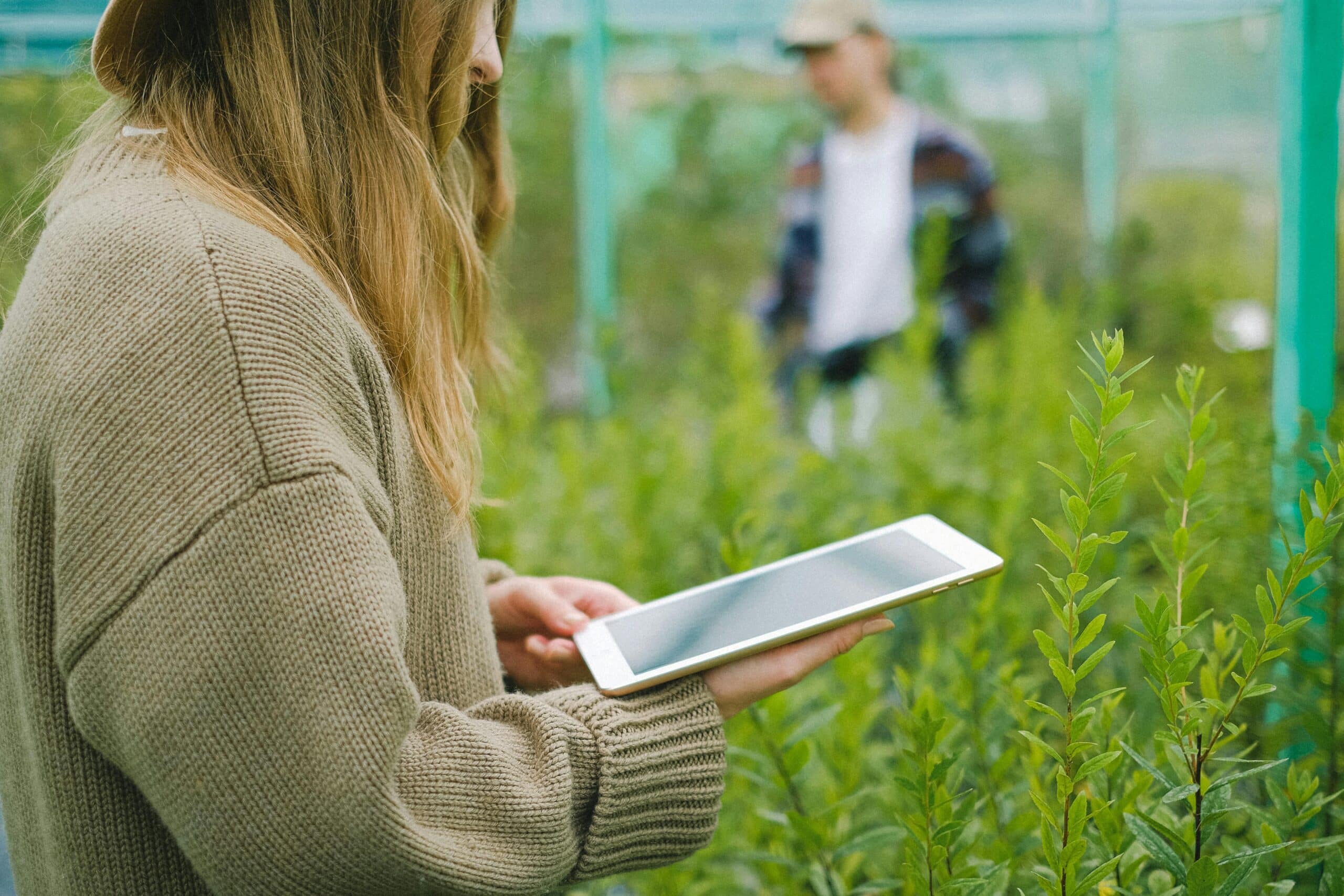
These comprehensive platforms provide dashboards that visualize field conditions, equipment performance, inventory levels, and financial metrics in real-time. Farmers can track every aspect of their operations from smartphones or tablets, making informed decisions whether they’re in the field, at home, or traveling.
Cloud-based platforms enable collaboration and information sharing across agricultural value chains. Farmers, agronomists, suppliers, and buyers can access relevant data, improving coordination and efficiency throughout the production cycle.
Blockchain Technology Ensuring Transparency
Blockchain technology is creating transparent, traceable food supply chains. Every transaction and movement of agricultural products can be recorded on immutable digital ledgers, providing consumers with verified information about origin, production methods, and handling practices.
This transparency builds consumer trust, supports premium pricing for quality products, and helps prevent food fraud. Farmers benefit from direct connections to consumers and fair compensation for sustainable practices verified through blockchain records.
🚜 Autonomous Equipment and Robotics
Self-driving tractors, robotic harvesters, and automated sorting systems are addressing labor shortages while increasing operational efficiency. These autonomous systems work around the clock with consistent precision, unaffected by fatigue or human error.
GPS-guided tractors can plow, plant, and harvest with centimeter-level accuracy, optimizing field coverage and reducing overlaps that waste fuel and inputs. These machines operate autonomously, following pre-programmed paths while sensors ensure obstacle avoidance and safety.
Robotic harvesters equipped with computer vision can identify ripe fruits and vegetables, picking them with gentle precision that prevents damage. These systems are particularly valuable for delicate crops like strawberries, tomatoes, and lettuce where manual harvesting has traditionally been essential.
Livestock Monitoring and Management
Smart farming extends beyond crops to revolutionize livestock management. Wearable sensors attached to animals monitor health indicators like temperature, heart rate, activity levels, and rumination patterns. Changes in these metrics can signal illness, heat stress, or calving, allowing farmers to intervene quickly.
Automated feeding systems adjust rations based on individual animal needs, optimizing nutrition while reducing waste. Robotic milking systems allow cows to be milked on their own schedules, reducing stress and often increasing milk production.
🌍 Addressing Global Food Security Challenges
The global population is expected to reach 9.7 billion by 2050, requiring food production to increase by 70% according to United Nations estimates. Smart farming technologies offer viable pathways to meet this demand without expanding agricultural land use or accelerating environmental degradation.
In developing regions, mobile technology is bridging knowledge gaps and connecting smallholder farmers to markets, weather information, and agricultural advice. Simple SMS-based systems and smartphone apps provide crucial information about planting times, pest management, and market prices, empowering farmers to improve productivity and incomes.
Satellite-based crop monitoring services help governments and international organizations track agricultural conditions across large regions, enabling early warning systems for food crises and targeted interventions to prevent famine.
💡 Innovation Ecosystems Driving Agricultural Transformation
The agricultural technology sector is attracting significant investment from venture capital firms, established corporations, and governments. Startups are developing innovative solutions addressing specific agricultural challenges, from soil health diagnostics to alternative protein production.
Agricultural research institutions are partnering with technology companies to develop and validate new tools and practices. These collaborations combine deep agricultural knowledge with cutting-edge technological capabilities, accelerating innovation and ensuring solutions are practical and effective.
Incubators and accelerators focused on agricultural technology are nurturing the next generation of innovations. These programs provide startups with mentorship, funding, and connections to potential customers and partners, fostering a vibrant ecosystem of agricultural innovation.
🔮 The Road Ahead: Emerging Technologies and Future Possibilities
The future of smart farming holds even more transformative possibilities. Gene editing technologies like CRISPR are enabling the development of crops with enhanced nutritional profiles, improved drought tolerance, and natural pest resistance, reducing dependence on chemical inputs.
Nanotechnology applications in agriculture are emerging, with nanoscale sensors capable of detecting pathogens at molecular levels and nanoparticles that can deliver nutrients or pesticides with unprecedented precision, minimizing environmental impact.
5G connectivity will enable truly connected farms where thousands of sensors, robots, and devices communicate in real-time, creating responsive agricultural systems that adapt instantly to changing conditions. The low latency and high bandwidth of 5G networks will support applications currently constrained by connectivity limitations.
Building Knowledge and Capacity
Technology alone cannot revolutionize agriculture—farmers need knowledge, training, and support to adopt and effectively use new tools. Extension services, educational programs, and peer-to-peer learning networks are essential for successful technology adoption.
Digital literacy programs tailored to agricultural communities help farmers navigate smart farming platforms, interpret data, and troubleshoot technical issues. These initiatives ensure that technological benefits reach all farmers, regardless of age, education level, or farm size.
🎯 Creating Resilient and Adaptive Agricultural Systems
Smart farming technologies are building agricultural resilience in the face of climate uncertainty. By enabling precise resource management, early problem detection, and rapid response capabilities, these tools help farmers adapt to changing conditions and reduce vulnerability to extreme weather events.
Climate-smart agriculture integrates technology with practices that reduce greenhouse gas emissions and sequester carbon. Precision nitrogen application reduces nitrous oxide emissions, while optimized livestock management decreases methane production. These improvements contribute to climate mitigation while enhancing farm productivity.
The transformation of agriculture through technology, sustainability, and innovation represents one of humanity’s most critical endeavors. As we face unprecedented challenges in feeding a growing population while protecting our planet, smart farming offers hope and practical solutions. The convergence of digital technologies, biological sciences, and agricultural expertise is creating farming systems that are more productive, sustainable, and resilient than ever before.
Success requires collaboration among farmers, technology developers, researchers, policymakers, and consumers. By embracing innovation while respecting agricultural traditions and ecological principles, we can build a food system that nourishes people and planet alike. The future of agriculture is smart, sustainable, and full of promise—a future where technology empowers farmers to be effective stewards of the land while meeting the world’s food needs.

Toni Santos is a visual storyteller and archival artisan whose creative journey is steeped in the bold colors, dramatic typography, and mythic imagery of old circus posters. Through his artistic lens, Toni breathes new life into these once-lurid canvases of wonder, transforming them into tributes to a golden era of spectacle, showmanship, and cultural fantasy.
Fascinated by the visual language of vintage circuses — from roaring lions to gravity-defying acrobats, from hand-painted banners to gothic typefaces — Toni explores how these posters once captured the imagination of entire towns with nothing more than ink, illusion, and a promise of awe. Each composition he creates or studies is a dialogue with history, nostalgia, and the raw aesthetics of entertainment on the move.
With a background in handcrafted design and visual heritage, Toni blends artistic sensitivity with historical insight. His work traces the forgotten typographies, chromatic choices, and symbolic flair that defined circus marketing in the 19th and early 20th centuries — a time when posters were not just advertisements, but portable portals to dreamworlds.
As the creative force behind Vizovex, Toni curates collections, illustrations, and thoughtful narratives that reconnect modern audiences with the magic of old circus art — not just as ephemera, but as cultural memory etched in paper and pigment.
His work is a tribute to:
The flamboyant storytelling of early circus posters
The lost art of hand-lettered show promotion
The timeless charm of visual fantasy in public space
Whether you’re a vintage print enthusiast, a circus history lover, or a designer inspired by antique aesthetics, Toni invites you into a world where tigers leap through fire, strongmen pose in perfect symmetry, and every corner of the poster whispers: Step right up.