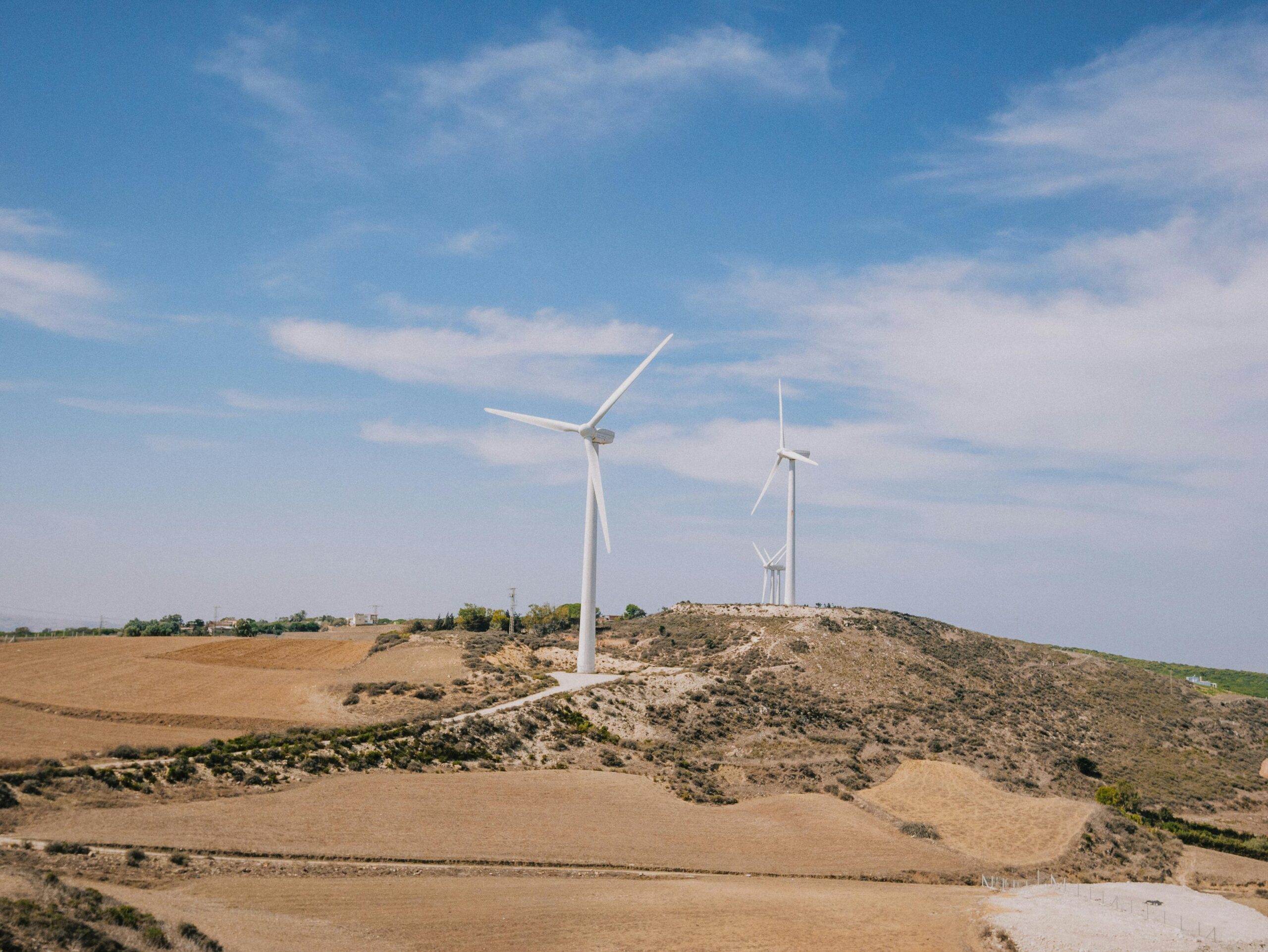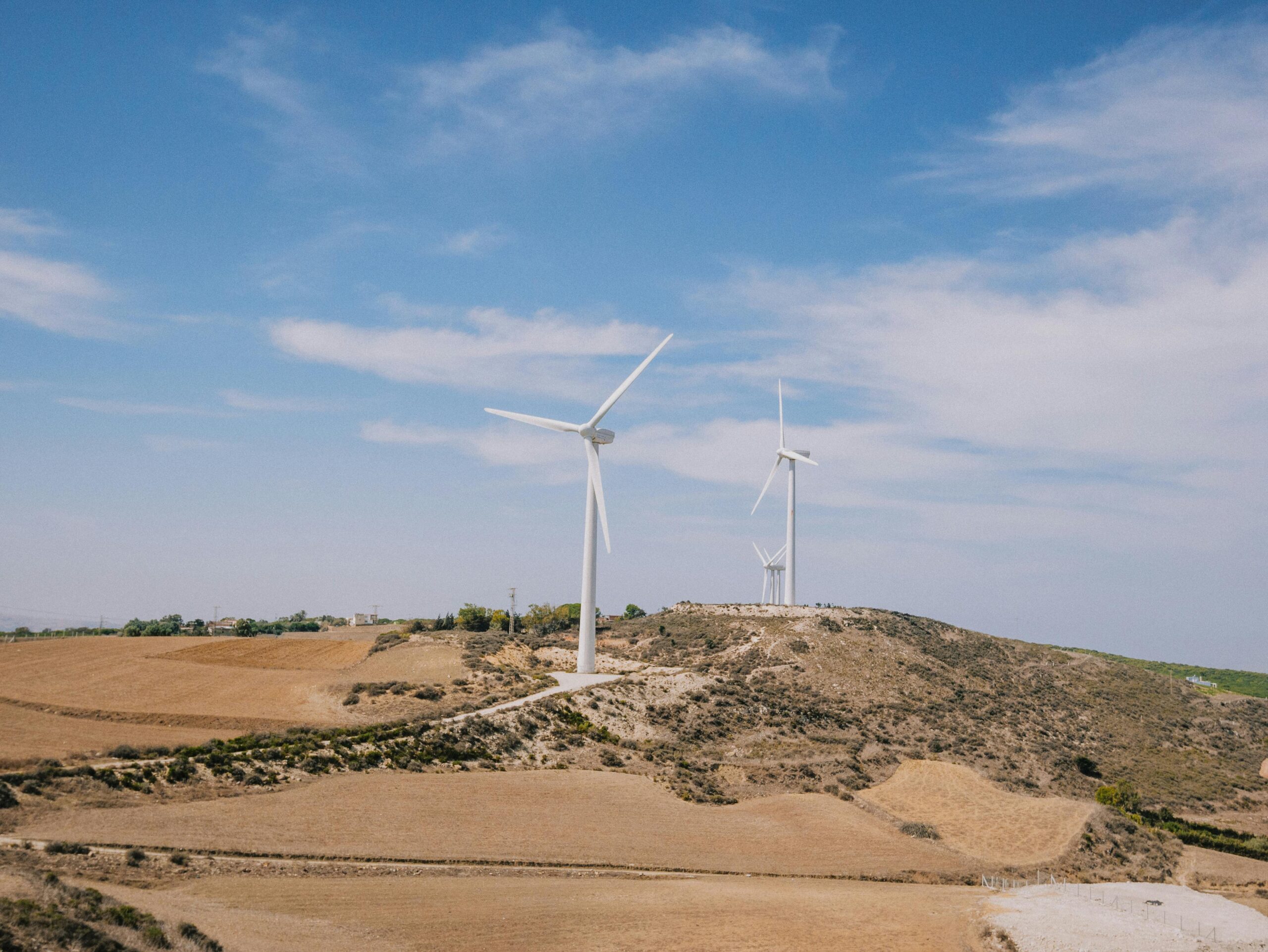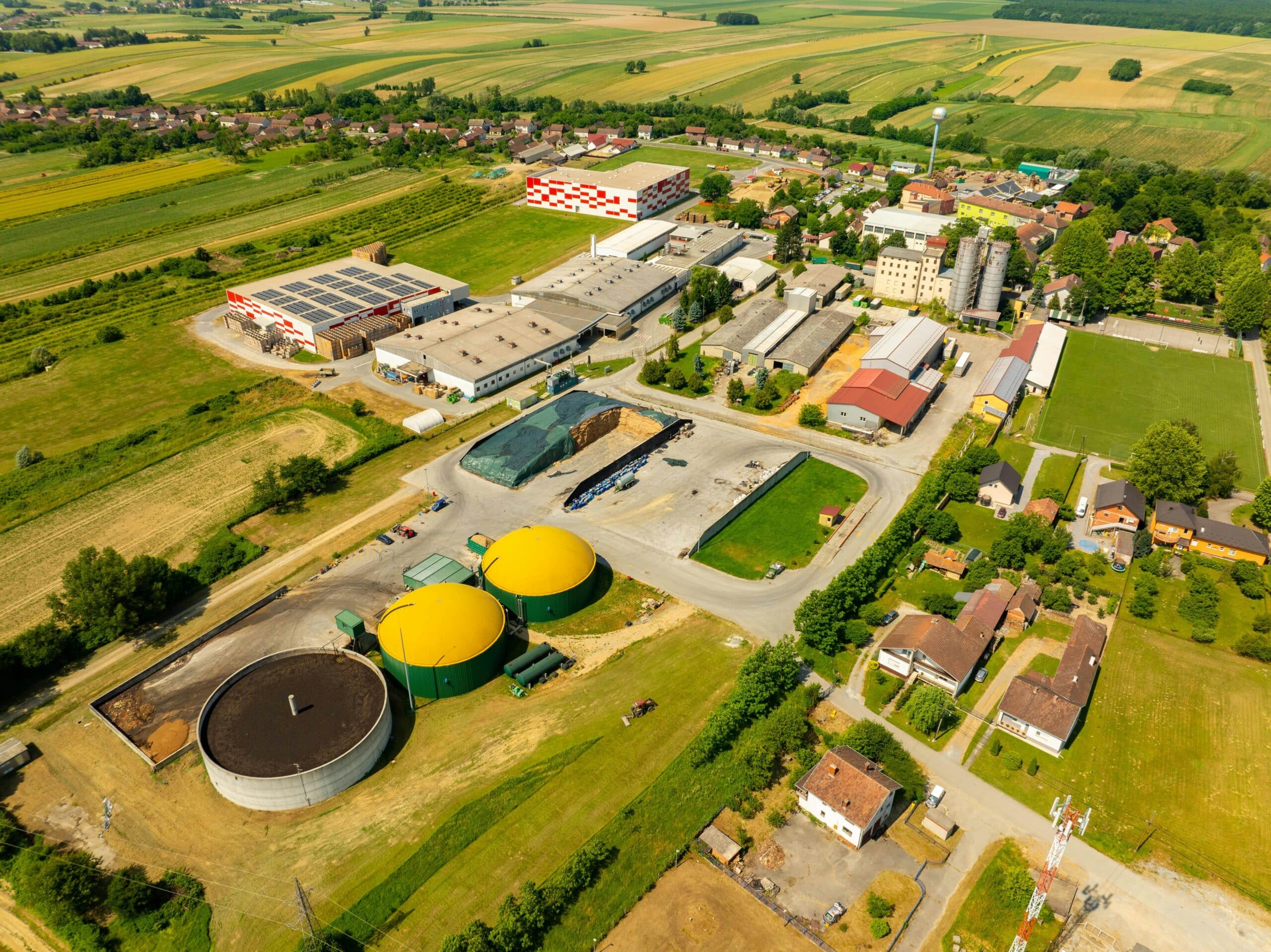
Artificial intelligence is transforming modern farming by enabling data-driven decisions that maximize productivity, reduce waste, and ensure sustainable agricultural practices for future generations.
🌾 The Dawn of Smart Farming: How AI Is Reshaping Agriculture
Agriculture has always been at the mercy of unpredictable variables—weather patterns, soil conditions, pest infestations, and market fluctuations. For centuries, farmers relied on traditional knowledge passed down through generations, combined with observation and intuition. Today, we’re witnessing a fundamental shift in how food is produced globally. Artificial intelligence has emerged as a game-changing force, offering precision, predictability, and optimization that were previously unimaginable.
The integration of AI in agriculture represents more than just technological advancement; it’s a necessary evolution to meet the demands of a growing global population. By 2050, the world will need to feed nearly 10 billion people, requiring a 70% increase in food production. Traditional farming methods alone cannot meet this challenge. AI-powered solutions are bridging this gap by analyzing massive datasets, identifying patterns invisible to the human eye, and providing actionable insights that boost crop yields while minimizing environmental impact.
Machine learning algorithms, computer vision, predictive analytics, and IoT sensors are working in concert to create intelligent farming ecosystems. These technologies monitor everything from soil moisture levels to plant health indicators, enabling farmers to make informed decisions with unprecedented accuracy. The result is a new era of agriculture where efficiency meets sustainability.
🤖 Precision Agriculture: Intelligence in Every Seed
Precision agriculture leverages AI to optimize farming operations at a granular level. Rather than treating entire fields uniformly, this approach recognizes that different sections require different interventions. AI systems analyze data from satellites, drones, and ground sensors to create detailed maps showing variations in soil composition, moisture levels, nutrient distribution, and crop health across individual plots.
This hyper-localized intelligence allows farmers to apply resources—water, fertilizers, pesticides—exactly where needed and in precise quantities. The environmental and economic benefits are substantial. Water usage can be reduced by up to 30%, while fertilizer application becomes more efficient, preventing nutrient runoff that pollutes waterways. Pesticide use drops significantly when AI identifies specific problem areas rather than requiring blanket applications across entire fields.
Advanced imaging technologies powered by AI can detect plant stress, disease, or nutrient deficiencies before they become visible to human observers. Multispectral and hyperspectral cameras mounted on drones capture data across various wavelengths, revealing plant health indicators that standard photography misses. Machine learning models interpret this data, alerting farmers to problems days or weeks before conventional methods would detect them.
Variable Rate Technology: Customized Care for Every Square Meter
Variable rate technology (VRT) represents one of the most practical applications of AI in modern farming. Equipped with GPS guidance and AI-driven prescription maps, farm equipment adjusts seed planting density, fertilizer application rates, and irrigation levels automatically as it moves through fields. This dynamic adjustment ensures optimal growing conditions throughout the entire crop area.
The data feeding these systems comes from multiple sources: historical yield maps, real-time soil sensors, weather forecasts, and satellite imagery. AI algorithms synthesize this information, learning from previous seasons to continuously improve recommendations. Farmers report yield increases of 10-20% while simultaneously reducing input costs, creating a win-win scenario for profitability and sustainability.
📊 Predictive Analytics: Forecasting Success Before Planting
Perhaps no AI application in agriculture is more transformative than predictive analytics for harvest forecasting. Traditional crop yield estimation relied on manual sampling and farmer experience—methods prone to significant error margins. AI-powered predictive models analyze historical data, current growing conditions, weather patterns, and numerous other variables to forecast yields with remarkable accuracy, often within 5-10% of actual harvest results.
These predictions aren’t just academic exercises; they have profound practical implications. Farmers can make better decisions about futures contracts, storage needs, and marketing strategies. Food processors and distributors gain visibility into supply availability months in advance, allowing better production planning. At a macro level, governments and international organizations use AI harvest predictions to anticipate food security issues and plan interventions.
Weather remains agriculture’s most unpredictable variable, but AI is making even this more manageable. Machine learning models analyze decades of meteorological data combined with current atmospheric conditions to provide hyperlocal weather forecasts. These aren’t generic regional predictions but field-specific forecasts that account for microclimates, topography, and local conditions. Farmers receive actionable alerts about optimal planting windows, irrigation timing, and harvest schedules.
From Satellite to Smartphone: Democratizing Agricultural Intelligence
The proliferation of smartphone technology has made AI-powered agricultural tools accessible to farmers worldwide, including smallholders in developing regions. Mobile applications now deliver sophisticated analytics that were once available only to large industrial farms with dedicated data science teams. Farmers photograph their crops, and computer vision algorithms instantly identify diseases, pest infestations, or nutrient deficiencies, providing treatment recommendations.
These applications often incorporate regional agricultural knowledge, crop-specific databases, and local market information. Some platforms connect farmers directly with agronomists and extension services, creating support networks enhanced by AI-driven insights. The democratization of agricultural intelligence is helping level the playing field, enabling small-scale farmers to compete more effectively and improve their livelihoods.
🌱 Optimizing Growth: AI Throughout the Crop Lifecycle
AI’s impact extends across every phase of the agricultural cycle, from pre-planting decisions through post-harvest handling. During the planning stage, algorithms recommend optimal crop varieties based on soil conditions, expected weather patterns, market demand, and historical performance data. This guidance helps farmers maximize returns while managing risk through diversification strategies informed by predictive models.
During the growing season, AI systems provide continuous monitoring and management recommendations. Automated irrigation systems respond to real-time soil moisture data and weather forecasts, applying water precisely when and where needed. Nutrient management systems track plant development stages and adjust fertilization schedules accordingly. Pest and disease management becomes proactive rather than reactive, with early detection systems triggering targeted interventions.
Robotic Assistance: The Physical Embodiment of AI Intelligence
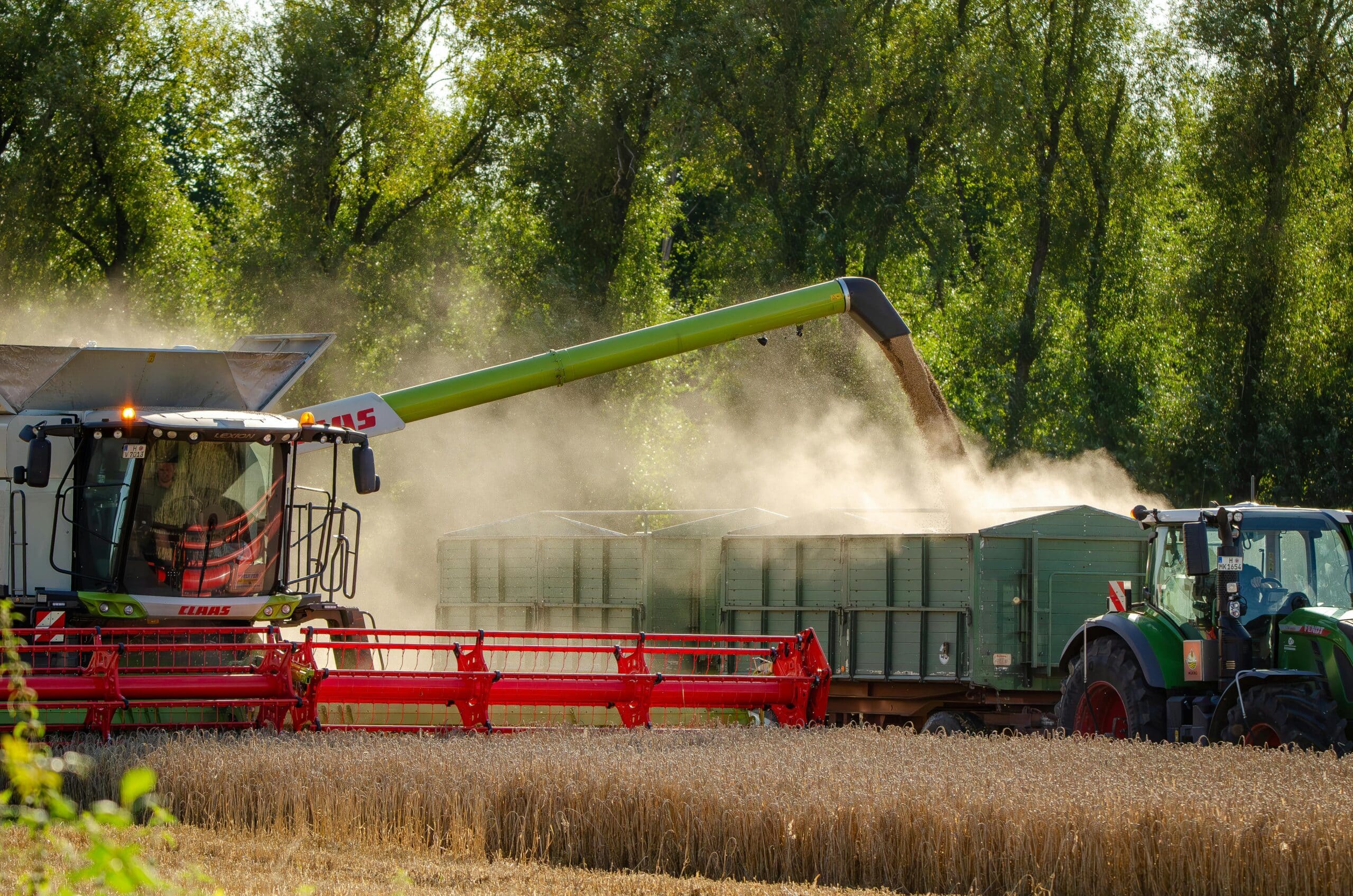
AI doesn’t just analyze and recommend; increasingly, it acts directly through agricultural robotics. Autonomous tractors navigate fields using GPS and computer vision, operating with precision impossible for human drivers. Robotic harvesters equipped with AI vision systems identify ripe produce, picking only items that meet quality standards while leaving others to mature further.
Weeding robots use computer vision to distinguish crops from weeds at the individual plant level, eliminating unwanted vegetation mechanically or with targeted micro-doses of herbicide. This approach reduces herbicide use by up to 90% compared to conventional broadcast spraying. Similarly, robotic systems for thinning, pruning, and even pollination are emerging, addressing labor shortages while improving consistency and quality.
💧 Water Management: Every Drop Counts
Water scarcity represents one of agriculture’s greatest challenges, with farming consuming approximately 70% of global freshwater withdrawals. AI-powered irrigation management systems are revolutionizing water use efficiency. These systems integrate data from soil moisture sensors, weather forecasts, plant growth models, and evapotranspiration calculations to determine optimal irrigation schedules.
Machine learning algorithms learn from outcomes, continuously refining their understanding of crop water requirements under varying conditions. The systems account for factors like soil type, plant development stage, local weather patterns, and even upcoming forecast changes. This intelligence enables deficit irrigation strategies that carefully stress plants at specific growth stages to improve quality without significantly impacting yields.
The results are impressive: farms implementing AI-driven irrigation report water savings of 20-40% while maintaining or even improving yields. In regions facing water restrictions or high pumping costs, these savings translate directly to farm viability. Beyond individual farm benefits, aggregate water savings from widespread AI adoption could significantly extend water resources for agricultural regions facing climate-driven scarcity.
🔬 Soil Health: The Foundation of Productive Agriculture
Healthy soil is agriculture’s most valuable asset, and AI is helping farmers understand and nurture this complex ecosystem. Traditional soil testing provides snapshots of nutrient levels but misses the dynamic, living nature of soil systems. AI-powered soil analysis integrates data from multiple sources—chemical tests, microbial analysis, penetrometer readings, electrical conductivity measurements—to create comprehensive soil health profiles.
These profiles reveal spatial variations within fields, temporal changes across seasons, and relationships between management practices and soil conditions. Machine learning models identify which interventions improve soil health metrics over time, guiding decisions about cover cropping, tillage practices, organic matter additions, and crop rotations. This data-driven approach to soil stewardship helps farmers build long-term productivity while sequestering carbon and improving environmental outcomes.
Carbon Farming: AI Supporting Sustainability
As agriculture faces increasing pressure to reduce greenhouse gas emissions and even sequester carbon, AI tools are helping farmers adopt and verify sustainable practices. Carbon accounting platforms use AI to estimate carbon sequestration based on management practices, soil conditions, and crop performance. These estimates help farmers participate in carbon credit markets, creating new revenue streams for environmental stewardship.
Verification of carbon sequestration claims has been challenging and expensive, limiting program participation. AI models trained on extensive datasets can now estimate soil carbon changes with sufficient accuracy for many verification programs, reducing costs and administrative barriers. This technology is making carbon farming economically viable for a broader range of agricultural operations.
📈 Market Intelligence: Growing and Selling Smarter
AI’s agricultural applications extend beyond production into market intelligence and supply chain optimization. Price forecasting models analyze historical price data, supply and demand indicators, weather impacts on growing regions, global trade patterns, and currency fluctuations to predict commodity prices. These predictions help farmers make better decisions about crop selection, storage versus immediate sale, and hedging strategies.
Supply chain optimization powered by AI reduces post-harvest losses, which currently account for approximately 30% of global food production. Intelligent logistics systems optimize routing, storage conditions, and timing to minimize spoilage and maximize value. Quality prediction models assess produce characteristics and forecast shelf life, enabling better matching between product quality and market channels.
🌍 Addressing Global Challenges Through Agricultural AI
The convergence of AI and agriculture arrives at a critical moment for global food security. Climate change is increasing weather volatility, creating new pest and disease pressures, and shifting viable growing zones. Simultaneously, farmland faces competition from urbanization, soil degradation reduces productivity, and agricultural labor becomes scarcer in many regions.
AI technologies address these challenges directly. Climate adaptation becomes more manageable when predictive models forecast changing conditions years in advance, allowing gradual shifts in crop varieties, planting schedules, and management practices. Pest and disease surveillance systems detect emerging threats early, preventing catastrophic outbreaks. Labor-saving automation compensates for workforce shortages while often improving quality and consistency.
In developing regions, where smallholder farmers produce much of the world’s food, accessible AI tools delivered through mobile platforms are particularly transformative. These farmers often lack access to extension services, market information, and technical expertise. AI-powered advisory services fill these gaps, providing personalized recommendations in local languages, connecting farmers to markets, and democratizing knowledge that improves livelihoods and food security.
⚡ Overcoming Implementation Barriers
Despite AI’s tremendous potential, several barriers limit widespread adoption. Initial investment costs for sensors, connectivity, and equipment can be prohibitive for smaller operations. Digital literacy requirements create challenges for older farmers or those in regions with limited technology exposure. Data privacy concerns arise when farmers share detailed operational information with technology providers.
Infrastructure limitations, particularly reliable internet connectivity, constrain AI adoption in rural areas. Many advanced AI applications require cloud computing and continuous data transmission, which isn’t feasible in poorly connected regions. Solutions are emerging, including edge computing approaches that process data locally and cellular agriculture platforms leveraging improving mobile networks.
Interoperability challenges complicate the technology landscape. Farmers may use equipment from multiple manufacturers, each with proprietary data formats and platforms. Industry standardization efforts aim to create open data standards allowing seamless integration, but progress has been gradual. The most successful AI agricultural platforms emphasize user-friendliness and provide clear value propositions that justify adoption investments.
🚀 The Harvest Ahead: Future Directions in Agricultural AI
Agricultural AI is still in its early stages, with tremendous innovation on the horizon. Generative AI models are beginning to simulate crop growth under various scenarios, allowing farmers to test management strategies virtually before implementing them in fields. Digital twin technologies create virtual replicas of farms, enabling sophisticated experimentation and optimization without real-world risk.
Advanced genomics combined with AI is accelerating crop breeding, identifying genetic markers associated with desirable traits and predicting breeding outcomes. This integration could compress breeding cycles from decades to years, rapidly developing crop varieties adapted to changing climates or resistant to emerging diseases. Gene editing technologies guided by AI predictions represent another frontier with profound implications for agricultural productivity and resilience.
The integration of AI across agricultural value chains will deepen, creating seamless information flow from farm to consumer. Blockchain combined with AI could provide unprecedented transparency about food origins, production methods, and quality characteristics. Consumers increasingly demand this information, and technologies delivering it create value for farmers practicing sustainable, high-quality production.
As AI systems accumulate more data and training, their recommendations will become increasingly accurate and valuable. The agricultural AI sector is creating a positive feedback loop: better tools attract more users, generating more data that improves models further. This dynamic suggests we’re only beginning to realize AI’s transformative potential in agriculture.
The revolution in agriculture powered by artificial intelligence represents one of humanity’s most important technological transitions. By boosting crop yields, reducing environmental impacts, improving resource efficiency, and providing unprecedented predictive capabilities, AI is helping ensure that agriculture can meet future challenges. The farms of tomorrow will be more productive, sustainable, and resilient—intelligence cultivated alongside crops, growing a better future for everyone.

Toni Santos is a visual storyteller and archival artisan whose creative journey is steeped in the bold colors, dramatic typography, and mythic imagery of old circus posters. Through his artistic lens, Toni breathes new life into these once-lurid canvases of wonder, transforming them into tributes to a golden era of spectacle, showmanship, and cultural fantasy.
Fascinated by the visual language of vintage circuses — from roaring lions to gravity-defying acrobats, from hand-painted banners to gothic typefaces — Toni explores how these posters once captured the imagination of entire towns with nothing more than ink, illusion, and a promise of awe. Each composition he creates or studies is a dialogue with history, nostalgia, and the raw aesthetics of entertainment on the move.
With a background in handcrafted design and visual heritage, Toni blends artistic sensitivity with historical insight. His work traces the forgotten typographies, chromatic choices, and symbolic flair that defined circus marketing in the 19th and early 20th centuries — a time when posters were not just advertisements, but portable portals to dreamworlds.
As the creative force behind Vizovex, Toni curates collections, illustrations, and thoughtful narratives that reconnect modern audiences with the magic of old circus art — not just as ephemera, but as cultural memory etched in paper and pigment.
His work is a tribute to:
The flamboyant storytelling of early circus posters
The lost art of hand-lettered show promotion
The timeless charm of visual fantasy in public space
Whether you’re a vintage print enthusiast, a circus history lover, or a designer inspired by antique aesthetics, Toni invites you into a world where tigers leap through fire, strongmen pose in perfect symmetry, and every corner of the poster whispers: Step right up.