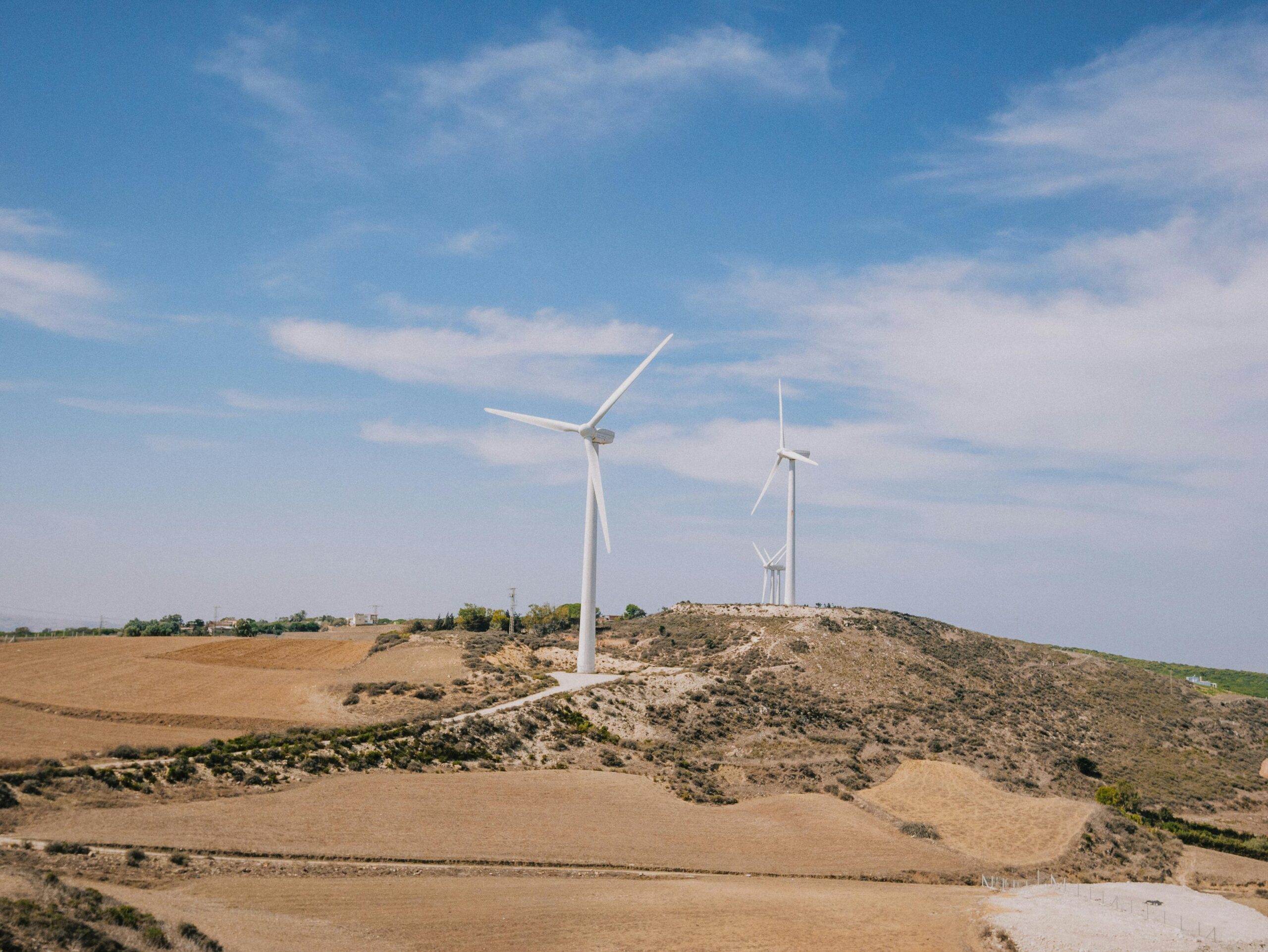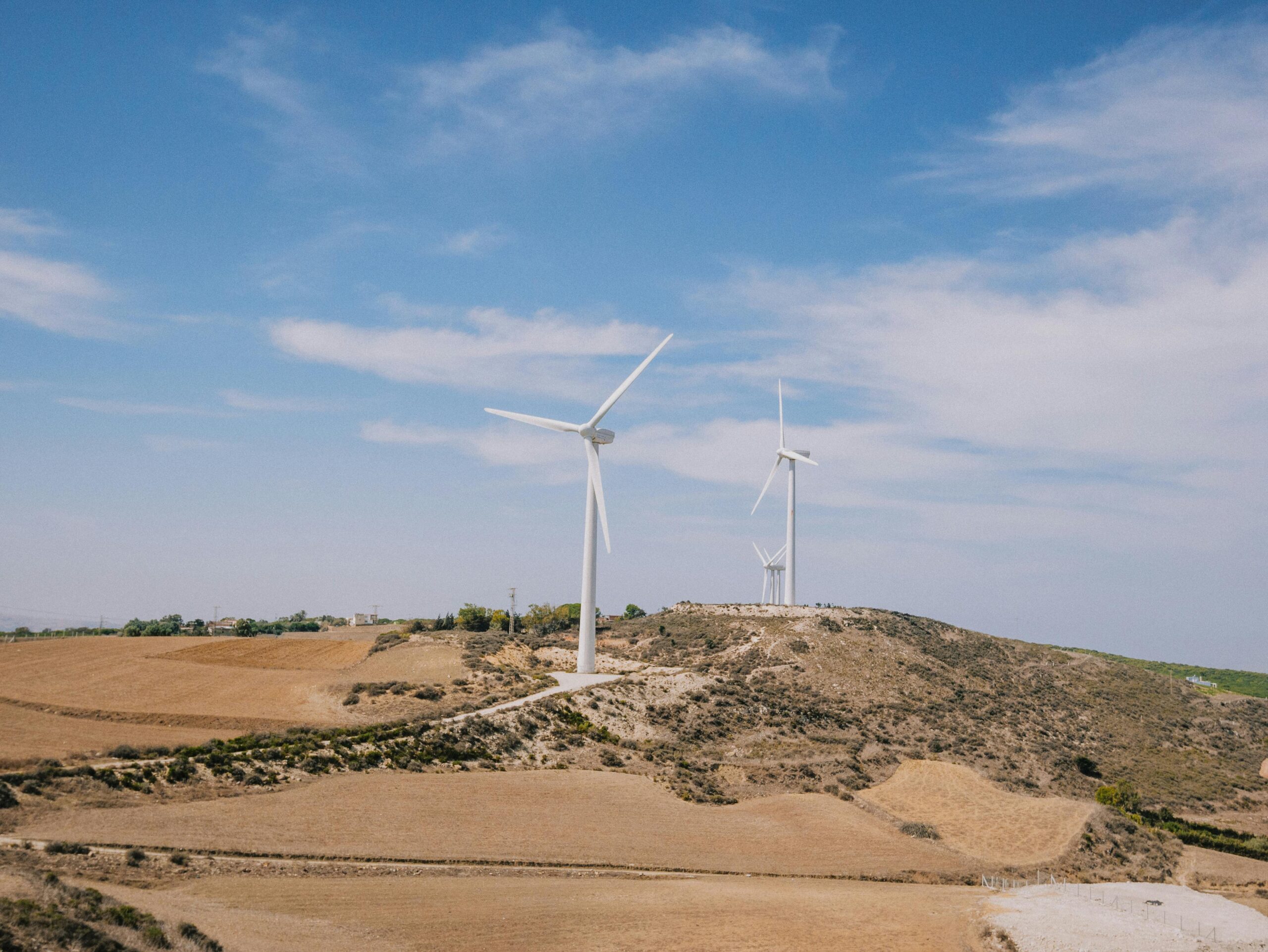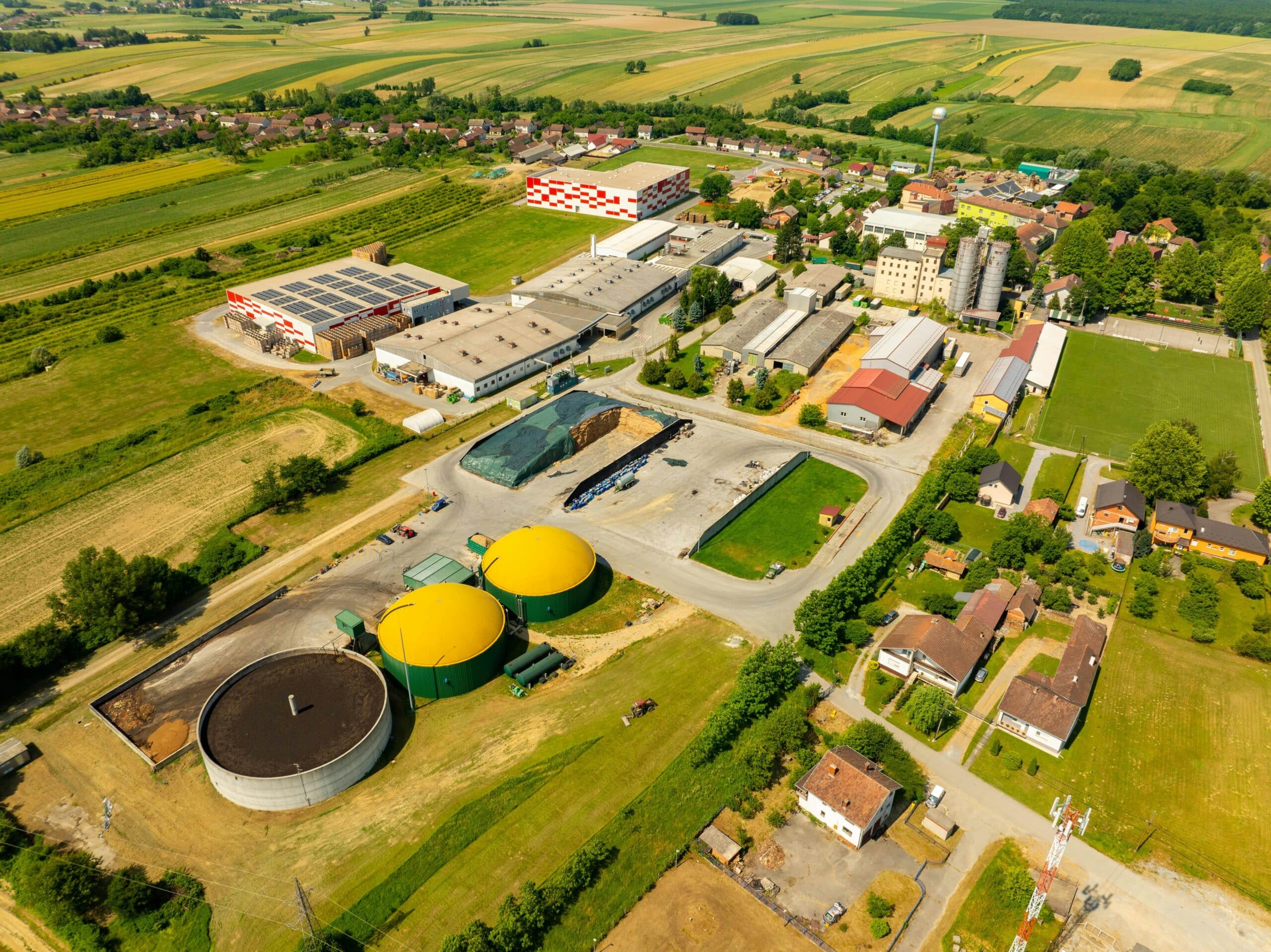
Modern agriculture faces unprecedented challenges requiring innovative solutions that balance productivity with environmental responsibility, making smart irrigation automation essential for future food security.
💧 The Water Crisis Driving Agricultural Innovation
Agriculture accounts for approximately 70% of global freshwater consumption, yet traditional irrigation methods waste nearly 50% of this precious resource through evaporation, runoff, and inefficient distribution. As climate change intensifies droughts and water scarcity affects farming regions worldwide, the agricultural sector stands at a critical crossroads. Farmers must produce more food with fewer resources while minimizing environmental impact.
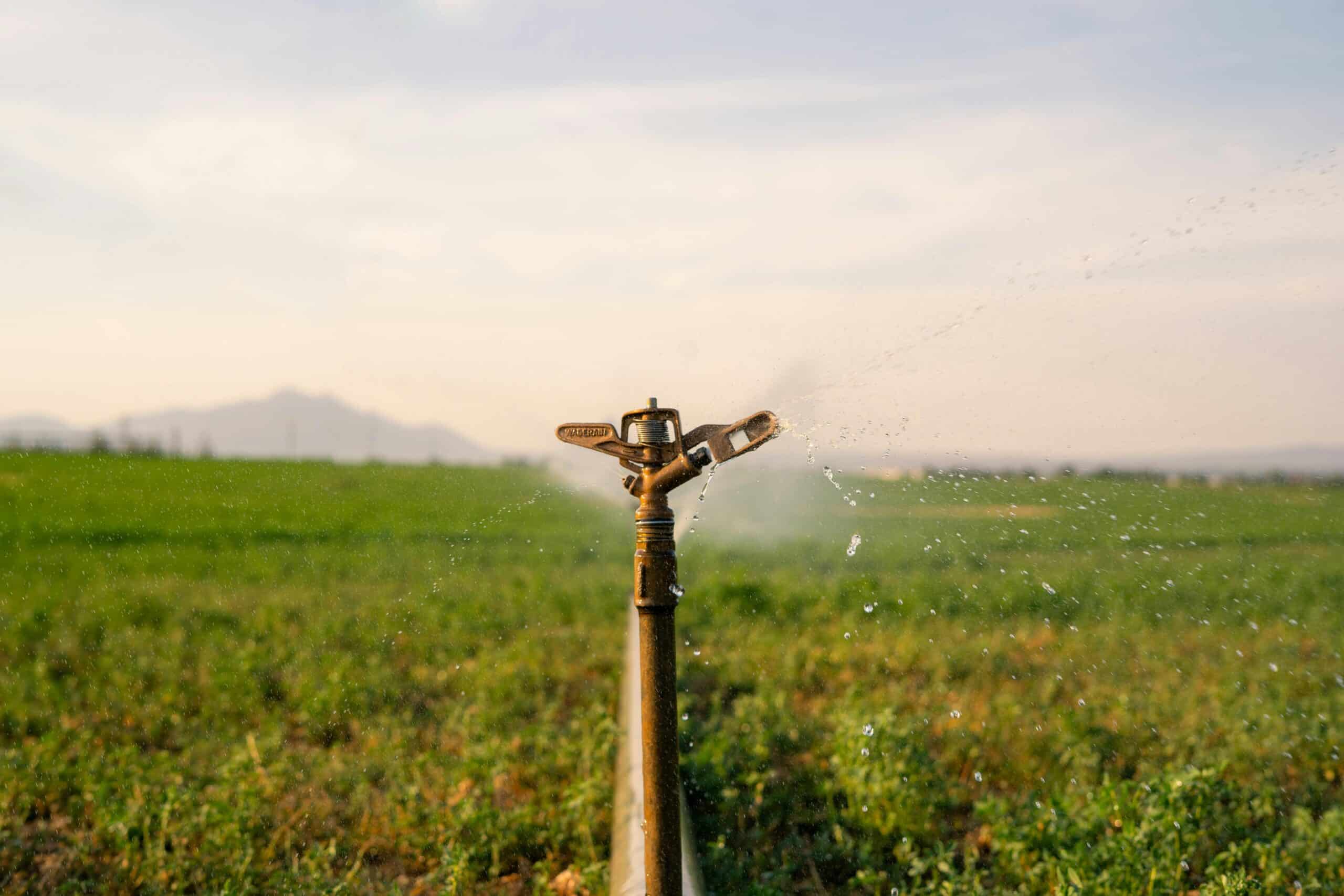
Smart automation technologies are transforming this challenge into opportunity. By integrating sensors, data analytics, and automated control systems, modern irrigation solutions optimize water delivery with unprecedented precision. These systems monitor soil moisture, weather patterns, and plant needs in real-time, ensuring crops receive exactly what they need, when they need it.
The economic implications are equally compelling. Water costs continue rising globally, while labor shortages make manual irrigation monitoring increasingly impractical. Automated systems reduce operational expenses while improving crop yields, creating a compelling value proposition for farms of all sizes.
🌱 Core Technologies Powering Smart Irrigation Systems
The revolution in agricultural irrigation relies on several interconnected technologies working in harmony. Understanding these components helps farmers and agricultural professionals make informed decisions about implementing automation solutions.
Soil Moisture Sensors and Monitoring Networks
Advanced soil moisture sensors form the foundation of intelligent irrigation systems. These devices measure volumetric water content at multiple depths, providing detailed profiles of soil hydration. Modern sensors use capacitance, time-domain reflectometry, or tensiometer technologies to deliver accuracy within 1-3% margin of error.
Wireless sensor networks eliminate the need for extensive wiring, reducing installation costs and enabling flexible placement across fields. These networks create detailed moisture maps, identifying zones with different irrigation requirements and enabling precision water application.
Weather Stations and Evapotranspiration Calculations
Localized weather stations measure temperature, humidity, wind speed, solar radiation, and rainfall. This data feeds into evapotranspiration models that calculate crop water loss, allowing systems to anticipate irrigation needs rather than simply reacting to soil moisture depletion.
Integration with regional weather forecasting services adds predictive capabilities. Systems can postpone irrigation cycles when rain is imminent or increase watering before expected heat waves, optimizing resource use while maintaining plant health.
Automated Control Valves and Variable Rate Systems
Smart valves enable zone-specific irrigation control, responding to sensor data and programmed parameters. These electronically actuated devices open, close, or modulate flow rates automatically, eliminating manual intervention while ensuring precise water delivery.
Variable rate irrigation technology takes this further by adjusting application rates continuously across fields, matching water delivery to specific crop zones based on soil type, topography, and plant development stage.
📊 Data Analytics and Machine Learning Applications
The true power of smart irrigation emerges when hardware connects with sophisticated software platforms. Cloud-based analytics transform raw sensor data into actionable insights, continuously improving irrigation strategies through machine learning algorithms.
These platforms analyze historical patterns, correlating irrigation timing and volumes with crop yields, weather conditions, and soil characteristics. Over time, machine learning models identify optimal irrigation schedules for specific fields, crop varieties, and growth stages.
Predictive analytics anticipate problems before they impact crops. Anomaly detection algorithms identify unusual moisture patterns that might indicate equipment malfunctions, irrigation line leaks, or drainage issues requiring attention.
Mobile applications put this intelligence in farmers’ hands, providing real-time monitoring and control from anywhere. Dashboard interfaces display system status, moisture trends, and water consumption metrics, while alert systems notify users of issues requiring intervention.
🚜 Implementation Strategies for Different Farm Scales
Smart irrigation automation adapts to operations ranging from small specialty crop farms to vast commercial agricultural enterprises. Implementation approaches vary based on scale, crop types, and available infrastructure.
Small to Medium Farms: Modular Approaches
Smaller operations benefit from scalable systems that start with basic automation and expand as budgets allow. Initial investments might focus on a single zone controller with soil moisture sensors, automating irrigation for the most valuable crops first.
Battery-powered wireless sensors eliminate infrastructure costs, while smartphone-controlled valves provide automation without complex installation. Many farmers begin with drip irrigation automation, where precision water delivery delivers maximum value, then expand to other irrigation methods.
Large Commercial Operations: Integrated Platforms
Industrial-scale farms require comprehensive platforms integrating irrigation automation with broader farm management systems. These solutions connect irrigation data with equipment management, labor scheduling, and crop planning software.
Center pivot and linear move irrigation systems integrate sensors and GPS technology for precision application across vast fields. Variable rate capability adjusts water and nutrient delivery continuously as equipment moves, responding to prescription maps and real-time sensor feedback.
💰 Economic Benefits and Return on Investment
While smart irrigation systems require upfront investment, economic returns typically materialize quickly through multiple channels. Understanding these financial benefits helps justify automation investments and secure financing.
Water savings represent the most direct benefit. Studies consistently show automated systems reduce irrigation water use by 20-50% compared to traditional methods, translating directly to lower utility costs. For operations using municipal water or paying volumetric rates, these savings can offset equipment costs within 2-3 years.
Energy consumption decreases proportionally with water use. Pumping represents a significant operational expense, particularly for farms drawing from deep wells or pressurizing large irrigation systems. Reduced runtime directly lowers electricity or fuel costs.
Labor savings provide substantial value, especially as agricultural labor becomes scarcer and more expensive. Automation eliminates daily irrigation monitoring and manual valve adjustments, freeing staff for higher-value activities. Remote monitoring capabilities reduce farm visits, saving time and vehicle expenses.
Improved crop yields and quality often exceed water and labor savings in total economic impact. Consistent, optimized irrigation reduces plant stress, improving produce quality, marketability, and shelf life. Yield increases of 10-30% are common when transitioning from manual irrigation to smart automation.
| Benefit Category | Typical Impact | Payback Contribution |
|---|---|---|
| Water Cost Reduction | 25-40% savings | High |
| Energy Savings | 20-35% reduction | Medium-High |
| Labor Efficiency | 30-60% time savings | Medium |
| Yield Improvement | 10-30% increase | Very High |
| Crop Quality Enhancement | 5-15% premium pricing | Medium |
🌍 Environmental Sustainability and Conservation Impact
Beyond economic advantages, smart irrigation automation delivers significant environmental benefits that align with increasing regulatory requirements and consumer expectations for sustainable agriculture.
Groundwater conservation represents perhaps the most critical environmental contribution. Many agricultural regions face declining water tables threatening long-term farming viability. By optimizing water use efficiency, automated systems extend groundwater resources while maintaining agricultural productivity.
Reduced runoff and nutrient leaching protect water quality in surrounding ecosystems. Precision irrigation prevents over-application that carries fertilizers and pesticides into waterways, reducing agricultural pollution. This benefit becomes increasingly important as nutrient runoff regulations tighten globally.
Carbon footprint reduction occurs through decreased energy consumption for pumping and water treatment. Additionally, healthy, well-irrigated crops sequester more carbon, contributing to climate change mitigation. Some sustainability certification programs now recognize smart irrigation as a factor in carbon credit calculations.
Soil health improves under optimized irrigation management. Avoiding both drought stress and waterlogging promotes beneficial microbial activity and root development. Better soil structure enhances long-term productivity while reducing erosion and degradation.
🔧 Overcoming Implementation Challenges
Despite clear benefits, farmers face several obstacles when adopting smart irrigation technology. Addressing these challenges proactively increases implementation success rates.
Technical Complexity and Learning Curves
Modern irrigation systems integrate multiple technologies, potentially overwhelming farmers unfamiliar with digital agriculture. Manufacturers increasingly address this through intuitive interfaces, comprehensive training programs, and responsive technical support.
Starting with simpler systems and gradually adding capabilities helps farmers build confidence and expertise. Many agricultural extension services now offer smart irrigation training, while peer learning networks allow farmers to share experiences and solutions.
Connectivity and Infrastructure Requirements
Rural areas often lack reliable internet connectivity essential for cloud-based irrigation management. However, cellular-based systems using agricultural IoT networks provide alternatives, while some platforms offer offline functionality with periodic synchronization.
Power availability for sensors and controllers can challenge remote field locations. Solar-powered options with battery backup address this limitation, though they add cost and maintenance considerations.
Integration with Existing Equipment
Farms with established irrigation infrastructure may struggle to integrate smart automation without replacing functional equipment. Retrofit solutions allow gradual modernization, adding sensors and controllers to existing valves, pumps, and distribution systems.
Open standards and API connectivity enable integration between equipment from different manufacturers, avoiding vendor lock-in and protecting technology investments.
🔮 Emerging Trends Shaping the Future
Smart irrigation technology continues evolving rapidly, with several emerging trends promising even greater capabilities and accessibility.
Artificial intelligence advances beyond basic machine learning, enabling systems that understand complex interactions between soil, weather, crop biology, and irrigation timing. These AI systems optimize for multiple objectives simultaneously, balancing water conservation, yield maximization, and quality targets.
Satellite and drone imagery integration provides unprecedented field-level insights. Multispectral imaging identifies crop stress before visible symptoms appear, allowing preemptive irrigation adjustments. Combined with ground-based sensors, this creates comprehensive crop monitoring systems.
Blockchain technology may soon verify sustainable water use for certification and carbon credit programs. Immutable irrigation records provide transparency for consumers, retailers, and regulators demanding proof of responsible resource management.
5G connectivity will enable real-time control of thousands of field devices with minimal latency. This supports advanced applications like coordinated irrigation across multiple farms sharing aquifer resources, optimizing regional water use rather than individual operations.
🎯 Making Smart Irrigation Work for Your Operation
Successful smart irrigation implementation requires careful planning aligned with specific operational needs and goals. Begin by assessing current irrigation practices, identifying inefficiencies and improvement opportunities.
Conduct a water audit documenting current consumption, costs, and application uniformity. This baseline enables measuring improvement after automation implementation and helps identify priority areas for initial investment.
Define clear objectives balancing economic returns, sustainability goals, and operational preferences. Some farmers prioritize water conservation, others focus on labor savings, while many seek yield improvements. Clear priorities guide technology selection and system configuration.
Engage with equipment suppliers, agricultural consultants, and other farmers who have implemented smart irrigation. Demonstrations and farm tours provide valuable insights beyond marketing materials, revealing practical considerations and realistic expectations.
Consider phased implementation spreading costs over multiple seasons while building expertise gradually. Starting with a pilot area reduces risk while demonstrating value before farm-wide deployment.
🌾 Cultivating a Sustainable Agricultural Future
Smart irrigation automation represents far more than technological advancement—it embodies agriculture’s evolution toward sustainability, efficiency, and resilience. As water scarcity intensifies and climate variability increases, these systems transition from competitive advantages to operational necessities.
The convergence of sensors, connectivity, data analytics, and automation creates irrigation systems that learn and improve continuously. Farmers gain unprecedented visibility into crop water needs and irrigation system performance, enabling data-driven decisions that optimize resources while improving outcomes.
Economic viability no longer conflicts with environmental responsibility. Smart irrigation delivers both profitability and sustainability, proving that technological innovation can solve agricultural challenges while preserving natural resources for future generations.
As adoption expands and technologies mature, costs continue declining while capabilities increase. Today’s innovations become tomorrow’s standards, making sustainable precision irrigation accessible to farms of all sizes and types. The agricultural revolution has arrived, flowing through intelligent irrigation systems nurturing crops, conserving water, and cultivating a more sustainable food future.

Toni Santos is a visual storyteller and archival artisan whose creative journey is steeped in the bold colors, dramatic typography, and mythic imagery of old circus posters. Through his artistic lens, Toni breathes new life into these once-lurid canvases of wonder, transforming them into tributes to a golden era of spectacle, showmanship, and cultural fantasy.
Fascinated by the visual language of vintage circuses — from roaring lions to gravity-defying acrobats, from hand-painted banners to gothic typefaces — Toni explores how these posters once captured the imagination of entire towns with nothing more than ink, illusion, and a promise of awe. Each composition he creates or studies is a dialogue with history, nostalgia, and the raw aesthetics of entertainment on the move.
With a background in handcrafted design and visual heritage, Toni blends artistic sensitivity with historical insight. His work traces the forgotten typographies, chromatic choices, and symbolic flair that defined circus marketing in the 19th and early 20th centuries — a time when posters were not just advertisements, but portable portals to dreamworlds.
As the creative force behind Vizovex, Toni curates collections, illustrations, and thoughtful narratives that reconnect modern audiences with the magic of old circus art — not just as ephemera, but as cultural memory etched in paper and pigment.
His work is a tribute to:
The flamboyant storytelling of early circus posters
The lost art of hand-lettered show promotion
The timeless charm of visual fantasy in public space
Whether you’re a vintage print enthusiast, a circus history lover, or a designer inspired by antique aesthetics, Toni invites you into a world where tigers leap through fire, strongmen pose in perfect symmetry, and every corner of the poster whispers: Step right up.