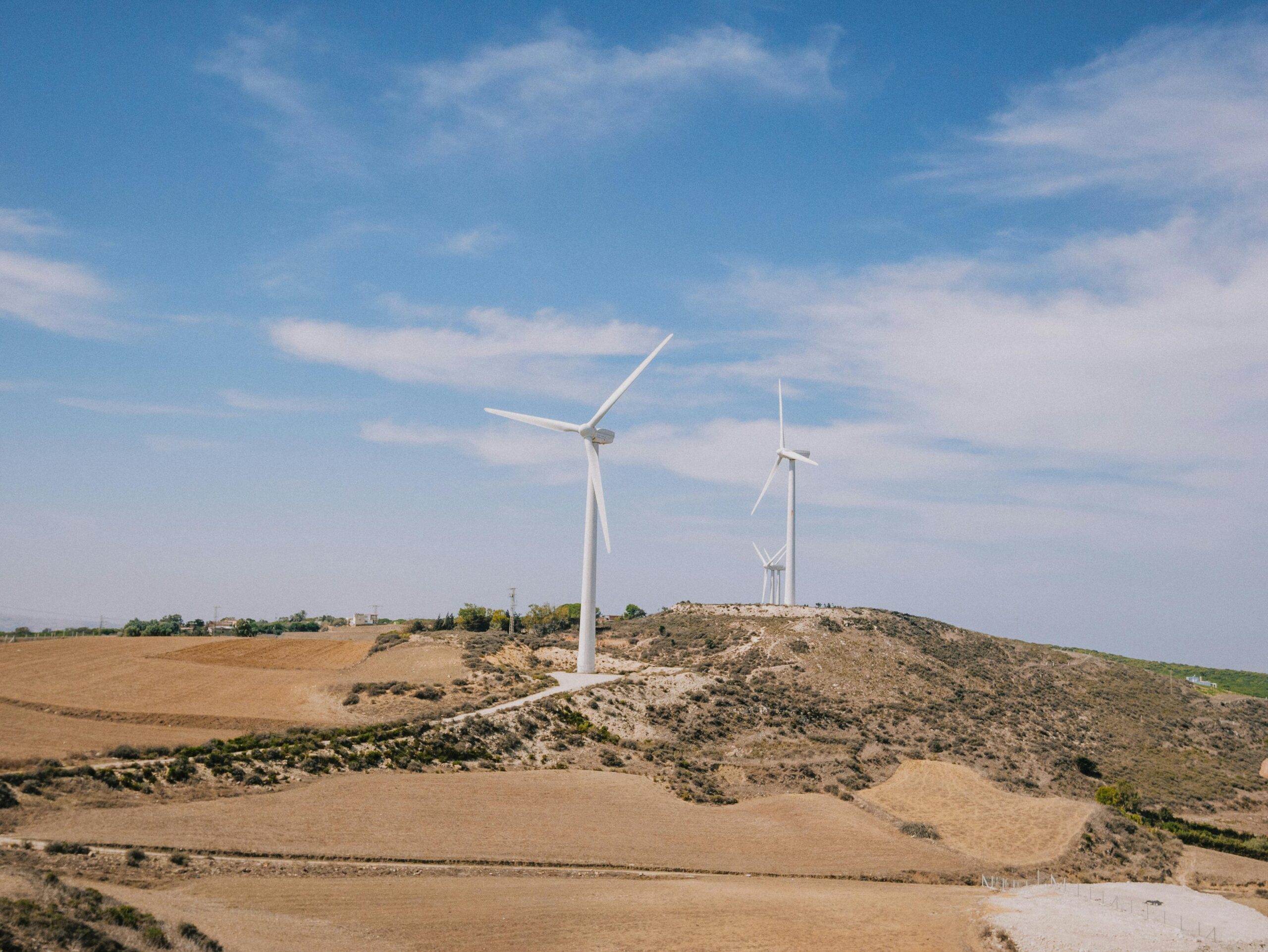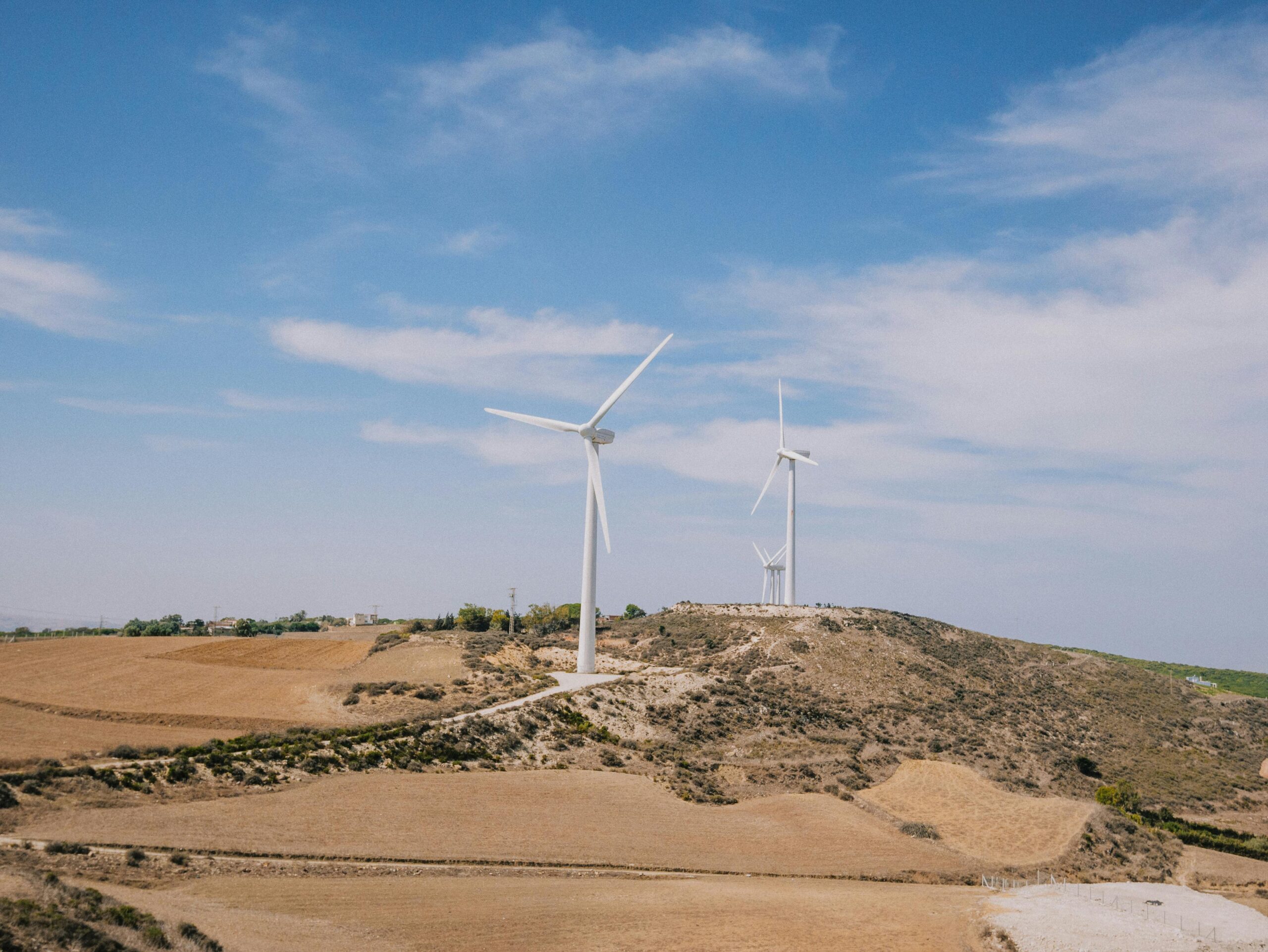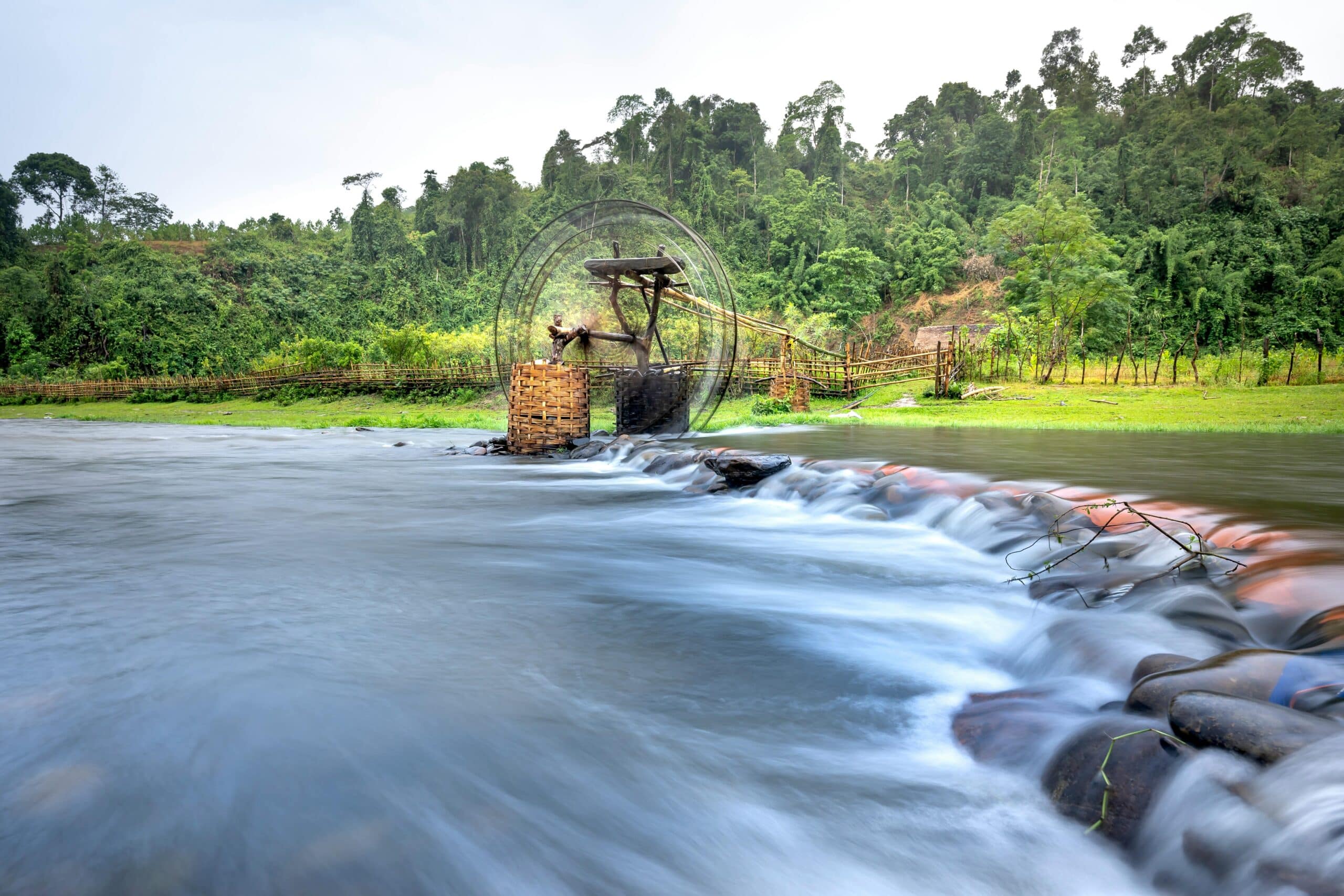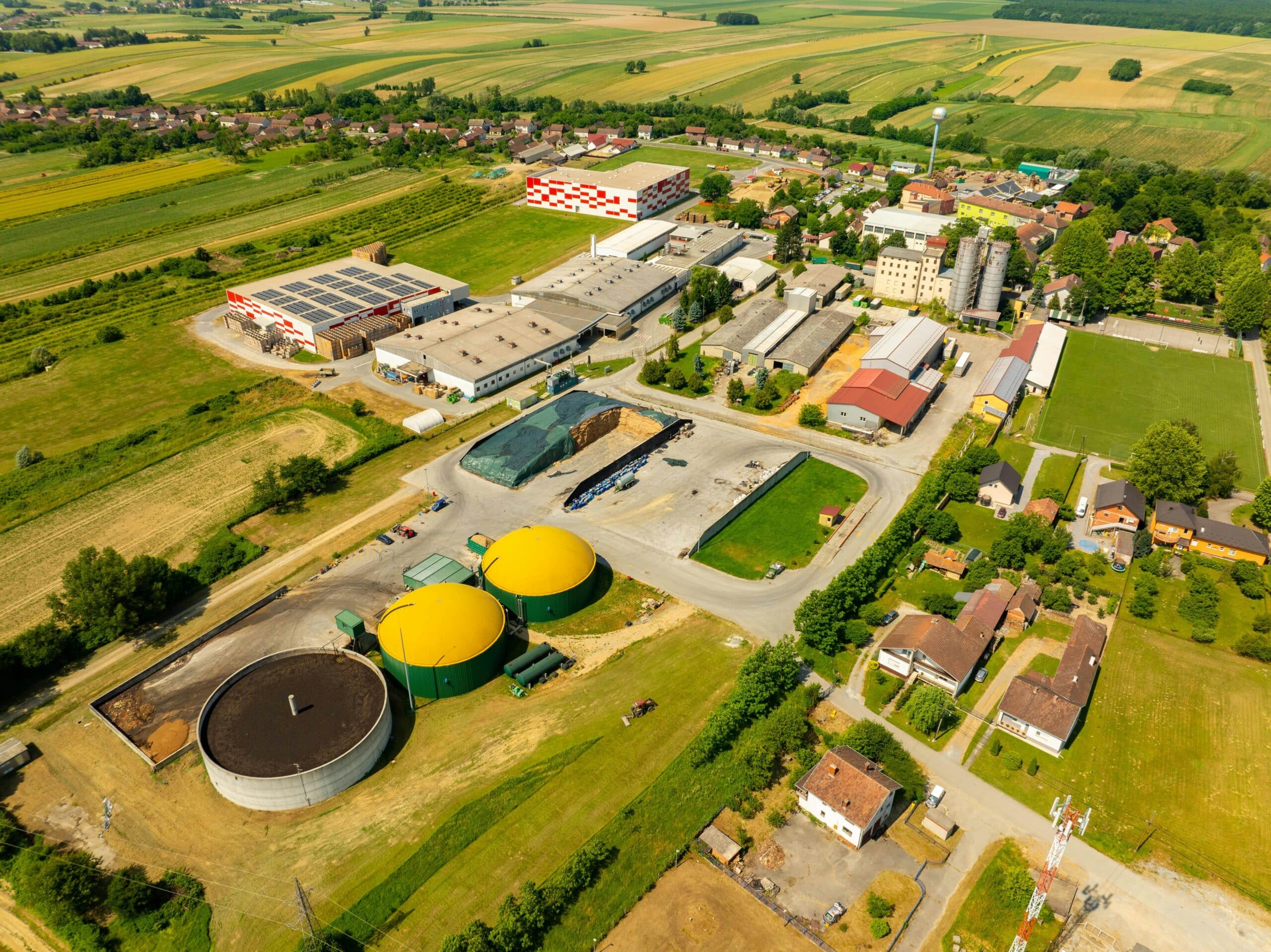
The agricultural landscape is undergoing a dramatic transformation as IoT sensors revolutionize traditional farming practices, enabling farmers to make data-driven decisions for unprecedented productivity gains.
🌾 The Digital Dawn of Modern Agriculture
Agriculture stands at a critical crossroads. With the global population projected to reach 9.7 billion by 2050, farmers face mounting pressure to produce more food while using fewer resources. Traditional farming methods, relying heavily on intuition and experience, are no longer sufficient to meet these demands. This is where Internet of Things (IoT) sensors emerge as game-changers, offering real-time insights that transform agricultural operations from guesswork into precise science.
IoT sensors are sophisticated devices that collect and transmit data about various environmental and crop conditions. These smart instruments monitor everything from soil moisture and nutrient levels to weather patterns and pest activity. By connecting these sensors to centralized platforms, farmers gain unprecedented visibility into their operations, enabling them to respond quickly to changing conditions and optimize resource allocation.
Understanding the IoT Ecosystem in Agriculture 🚜
The IoT agricultural ecosystem consists of several interconnected components working harmoniously. At the foundation are the sensors themselves—devices embedded in soil, attached to equipment, or positioned throughout fields. These sensors continuously gather data on critical parameters affecting crop health and productivity.
This data flows through wireless networks to cloud-based platforms where sophisticated algorithms analyze patterns and generate actionable insights. Farmers access these insights through smartphone applications, web dashboards, or automated systems that can trigger responses without human intervention. This seamless integration creates a feedback loop that continuously improves farming efficiency.
Core Components of Agricultural IoT Systems
- Soil Sensors: Monitor moisture content, temperature, pH levels, and nutrient composition
- Weather Stations: Track temperature, humidity, rainfall, wind speed, and solar radiation
- Crop Monitoring Cameras: Provide visual surveillance for growth patterns and pest detection
- Equipment Sensors: Monitor machinery performance, fuel consumption, and maintenance needs
- Livestock Trackers: Monitor animal health, location, and behavior patterns
- Water Management Systems: Control irrigation based on real-time soil and weather data
Precision Irrigation: Water Efficiency Redefined 💧
Water scarcity represents one of agriculture’s most pressing challenges. Traditional irrigation methods waste enormous quantities of water through overwatering, evaporation, and inefficient distribution. IoT sensors revolutionize water management by enabling precision irrigation that delivers exactly the right amount of water at the optimal time.
Soil moisture sensors placed at various depths throughout fields provide continuous feedback about water availability at the root zone. When combined with weather forecasts and evapotranspiration data, these systems can predict irrigation needs days in advance. Automated irrigation systems respond to this data, activating only when and where water is truly needed.
Farmers implementing IoT-based irrigation systems report water savings of 20-50% while simultaneously improving crop yields. This dual benefit addresses both environmental sustainability and economic profitability. In drought-prone regions, such efficiency gains can mean the difference between harvest success and catastrophic crop failure.
🌱 Soil Health Monitoring for Optimal Nutrition
Healthy soil forms the foundation of productive agriculture. IoT sensors provide unprecedented insights into soil conditions, moving beyond periodic manual testing to continuous monitoring that reveals how soil properties fluctuate throughout growing seasons.
Advanced soil sensors measure multiple parameters simultaneously, including nitrogen, phosphorus, potassium levels, electrical conductivity, and organic matter content. This comprehensive data allows farmers to implement variable rate fertilization, applying nutrients precisely where needed rather than using uniform applications across entire fields.
The environmental benefits are substantial. By reducing fertilizer overuse, farmers minimize nutrient runoff that pollutes waterways and contributes to algae blooms. Economically, precision fertilization cuts input costs while maintaining or improving yields. Some operations report fertilizer cost reductions of 15-30% after implementing sensor-guided nutrient management.
Interpreting Soil Data for Maximum Impact
Raw sensor data requires intelligent interpretation to drive decisions. Modern agricultural platforms use machine learning algorithms that correlate soil conditions with crop performance outcomes. Over time, these systems learn which soil parameters most strongly influence yields for specific crops under local conditions.
This predictive capability enables proactive management. Rather than reacting to visible nutrient deficiencies, farmers can adjust fertilization schedules before stress symptoms appear, maintaining optimal growing conditions throughout critical development stages.
Weather Intelligence and Climate Adaptation 🌦️
Weather profoundly impacts agricultural outcomes, yet traditional forecasting often lacks the localized precision farmers need. IoT weather stations positioned throughout farms provide hyperlocal data that reveals microclimatic variations across different fields and elevations.
These stations measure temperature, humidity, barometric pressure, rainfall, wind speed, and solar radiation at frequent intervals. When integrated with regional weather models, this data generates highly accurate short-term forecasts specific to individual farm locations.
Farmers use this intelligence to optimize countless decisions: timing pesticide applications to avoid rain washoff, scheduling harvests during dry windows, activating frost protection systems, and adjusting irrigation to account for incoming precipitation. The cumulative impact of these optimized decisions significantly reduces crop losses and input waste.
Pest and Disease Management Through Early Detection 🐛
Crop pests and diseases cause billions in agricultural losses annually. Traditional detection methods rely on visual scouting—a labor-intensive process that often identifies problems only after significant damage occurs. IoT sensors enable early detection systems that identify threats before they become visible to the human eye.
Image recognition cameras combined with machine learning algorithms can detect subtle color changes, growth abnormalities, or pest presence at initial infestation stages. Environmental sensors monitor conditions favorable to disease development, alerting farmers when temperature and humidity combinations create high-risk scenarios.
This early warning capability transforms pest management from reactive to proactive. Targeted interventions applied at the right moment with precise chemical volumes reduce pesticide use while improving effectiveness. Some operations report pesticide reductions of 30-40% while achieving better pest control outcomes.
📊 Yield Prediction and Harvest Optimization
Accurate yield forecasting provides crucial planning advantages for harvest logistics, storage preparation, and market timing. IoT sensors enable sophisticated prediction models by continuously tracking factors that influence final yields throughout the growing season.
Sensors monitoring plant height, canopy density, flowering patterns, and fruit development feed data into predictive algorithms. These models correlate current conditions with historical outcomes, generating increasingly accurate forecasts as more seasons of data accumulate.
| IoT Application | Average Yield Increase | Resource Savings |
|---|---|---|
| Precision Irrigation | 12-18% | 25-45% water reduction |
| Variable Rate Fertilization | 8-15% | 15-30% fertilizer savings |
| Integrated Pest Management | 10-20% | 30-40% pesticide reduction |
| Climate-Optimized Planting | 15-25% | 20% seed optimization |
Harvest timing significantly affects crop quality and market value. IoT sensors measuring sugar content, moisture levels, and other quality indicators help farmers identify optimal harvest windows when crops achieve peak market value. This precision timing can substantially increase revenue even without yield increases.
Equipment Monitoring and Predictive Maintenance 🚜
Modern agricultural machinery represents massive capital investments. Equipment failures during critical planting or harvest windows can cause devastating losses. IoT sensors attached to tractors, combines, and other machinery enable predictive maintenance that prevents breakdowns before they occur.
These sensors monitor engine performance, hydraulic pressures, bearing temperatures, and vibration patterns. Abnormal readings indicate developing problems that maintenance can address during convenient downtime rather than during critical operational periods.
Fleet management systems track equipment location, fuel consumption, and operational efficiency across multiple machines. This visibility enables better resource allocation, identifies operator training needs, and reduces fuel costs through optimized routing and operation patterns.
🌍 Sustainability and Environmental Stewardship
Beyond productivity gains, IoT sensors enable more sustainable agricultural practices that benefit both farmers and the environment. Precision resource application reduces chemical runoff, conserves water, and minimizes the carbon footprint of farming operations.
Carbon credit markets increasingly reward farmers who adopt sustainable practices. IoT systems provide the detailed documentation required to verify reduced emissions, optimized inputs, and improved soil health—enabling farmers to monetize their environmental stewardship through carbon credit sales.
Biodiversity monitoring sensors track pollinator activity, beneficial insect populations, and wildlife presence. This data helps farmers implement practices that support ecosystem health while maintaining productivity, creating agricultural systems that work with nature rather than against it.
Overcoming Implementation Challenges 💡
Despite compelling benefits, IoT adoption in agriculture faces real challenges. Initial investment costs can seem prohibitive, particularly for smaller operations. However, increasingly affordable sensor technology, equipment financing options, and rapid return on investment are making implementation accessible to farms of all sizes.
Connectivity remains a challenge in rural areas where cellular coverage may be limited. Emerging solutions include low-power wide-area networks (LPWAN) specifically designed for agricultural IoT, satellite connectivity options, and mesh networks that allow sensors to communicate through each other to reach internet gateways.
Technical complexity concerns many farmers who lack IT backgrounds. Modern agricultural platforms address this through intuitive interfaces, automated analysis, and clear actionable recommendations that require minimal technical expertise. Many providers offer training, support, and integration services that ease the transition.
Getting Started with Agricultural IoT
- Start small with pilot projects focusing on your most critical challenges
- Choose scalable systems that can expand as you demonstrate value
- Prioritize platforms with strong vendor support and training resources
- Connect with other farmers who have successfully implemented similar systems
- Investigate government programs and grants supporting agricultural technology adoption
- Calculate expected ROI based on realistic efficiency gains and cost reductions
The Future of Connected Agriculture 🔮
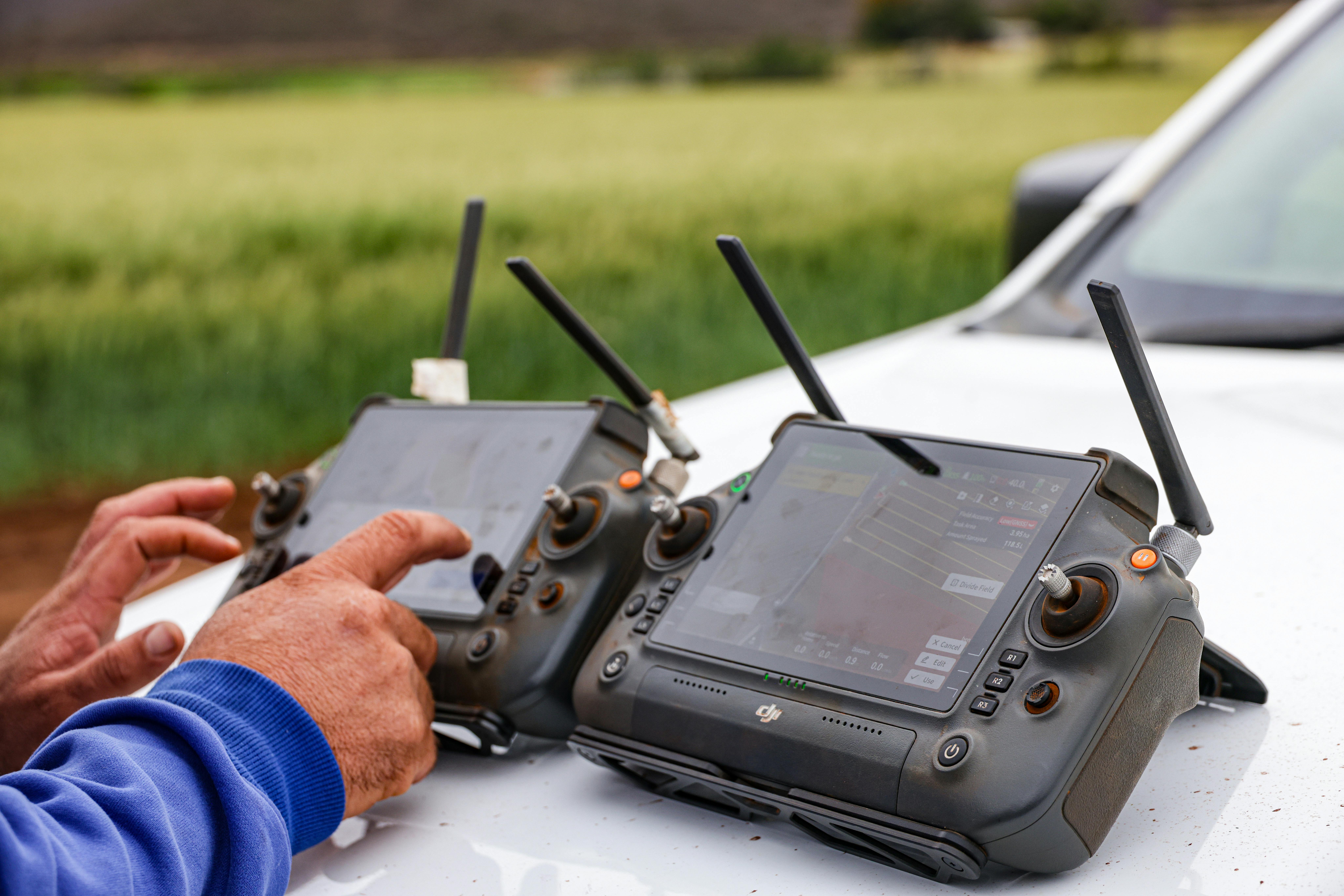
IoT sensor technology continues evolving rapidly. Emerging developments promise even greater capabilities. Autonomous robots guided by sensor data will handle weeding, harvesting, and pest management with minimal human intervention. Drone-based sensors will provide rapid field assessments covering large areas quickly.
Artificial intelligence integration will advance from descriptive analytics toward true predictive and prescriptive capabilities. These systems will not just report current conditions but recommend optimal actions and even implement them autonomously when appropriate.
Blockchain integration will create transparent supply chains where consumers can trace food from farm to table, with IoT sensors verifying growing conditions, harvest dates, and handling throughout the journey. This transparency will command premium prices for quality-conscious consumers.
🌟 Cultivating Success Through Smart Technology
The agricultural revolution powered by IoT sensors represents far more than technological novelty—it’s a fundamental transformation enabling farmers to feed a growing world sustainably. By harnessing real-time data about every aspect of their operations, farmers make informed decisions that boost productivity while conserving precious resources.
The farmers achieving greatest success view IoT not as replacing their expertise but amplifying it. Sensors provide the detailed, continuous information that human observation alone cannot capture. Farmers contribute irreplaceable knowledge about their land, crops, and local conditions. Together, this combination of technology and experience creates farming operations that are more productive, profitable, and sustainable.
Whether managing vast commercial operations or smaller family farms, IoT sensors offer scalable solutions tailored to specific needs and budgets. The question is no longer whether to adopt these technologies, but how quickly to implement them to remain competitive in an increasingly sophisticated agricultural marketplace.
Those who embrace IoT-enabled precision agriculture position themselves at the forefront of farming’s future—growing more food with less environmental impact, adapting to climate challenges, and building resilient operations that thrive for generations to come. The harvest of tomorrow begins with the smart sensors planted today.

Toni Santos is a visual storyteller and archival artisan whose creative journey is steeped in the bold colors, dramatic typography, and mythic imagery of old circus posters. Through his artistic lens, Toni breathes new life into these once-lurid canvases of wonder, transforming them into tributes to a golden era of spectacle, showmanship, and cultural fantasy.
Fascinated by the visual language of vintage circuses — from roaring lions to gravity-defying acrobats, from hand-painted banners to gothic typefaces — Toni explores how these posters once captured the imagination of entire towns with nothing more than ink, illusion, and a promise of awe. Each composition he creates or studies is a dialogue with history, nostalgia, and the raw aesthetics of entertainment on the move.
With a background in handcrafted design and visual heritage, Toni blends artistic sensitivity with historical insight. His work traces the forgotten typographies, chromatic choices, and symbolic flair that defined circus marketing in the 19th and early 20th centuries — a time when posters were not just advertisements, but portable portals to dreamworlds.
As the creative force behind Vizovex, Toni curates collections, illustrations, and thoughtful narratives that reconnect modern audiences with the magic of old circus art — not just as ephemera, but as cultural memory etched in paper and pigment.
His work is a tribute to:
The flamboyant storytelling of early circus posters
The lost art of hand-lettered show promotion
The timeless charm of visual fantasy in public space
Whether you’re a vintage print enthusiast, a circus history lover, or a designer inspired by antique aesthetics, Toni invites you into a world where tigers leap through fire, strongmen pose in perfect symmetry, and every corner of the poster whispers: Step right up.